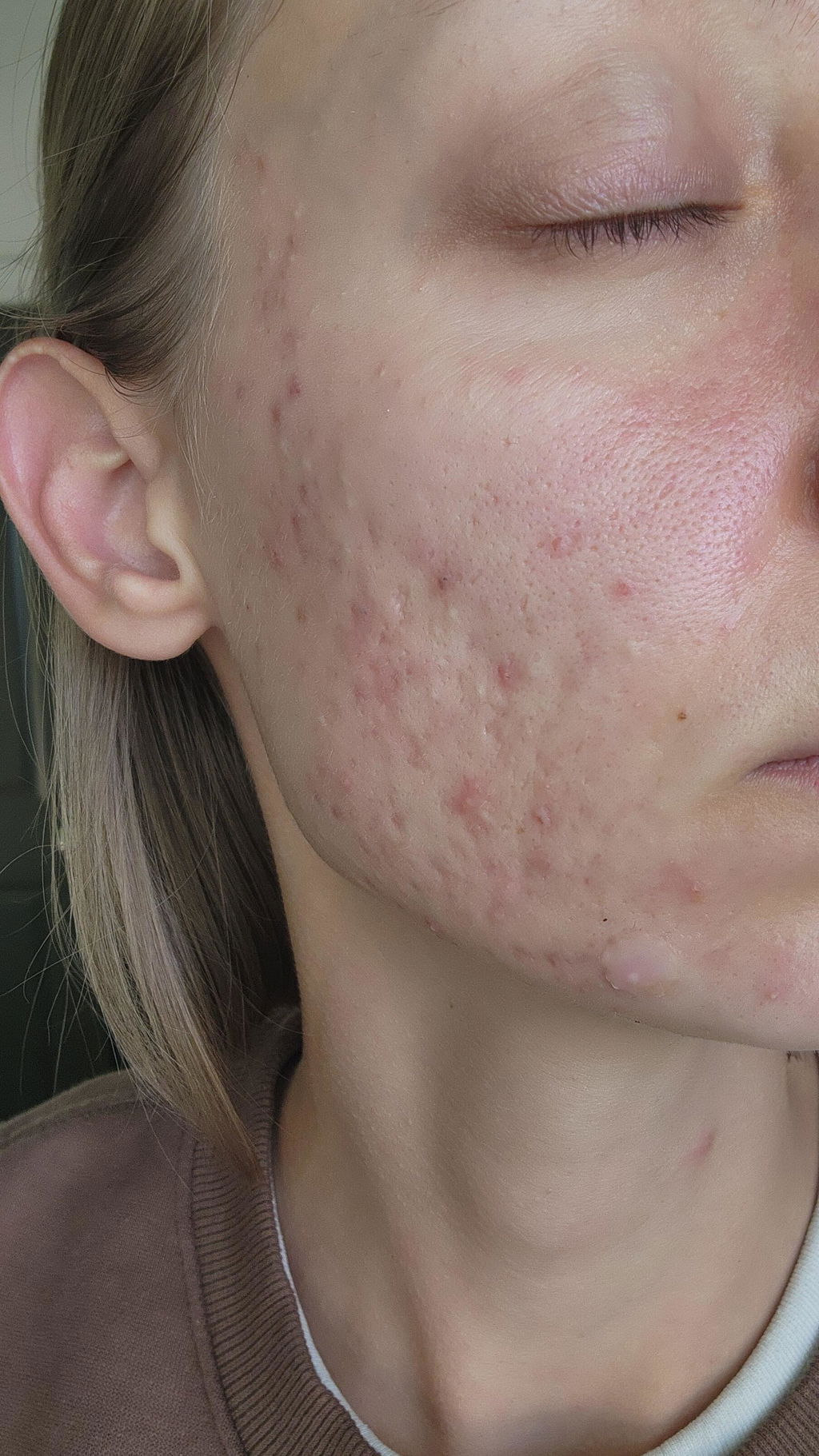
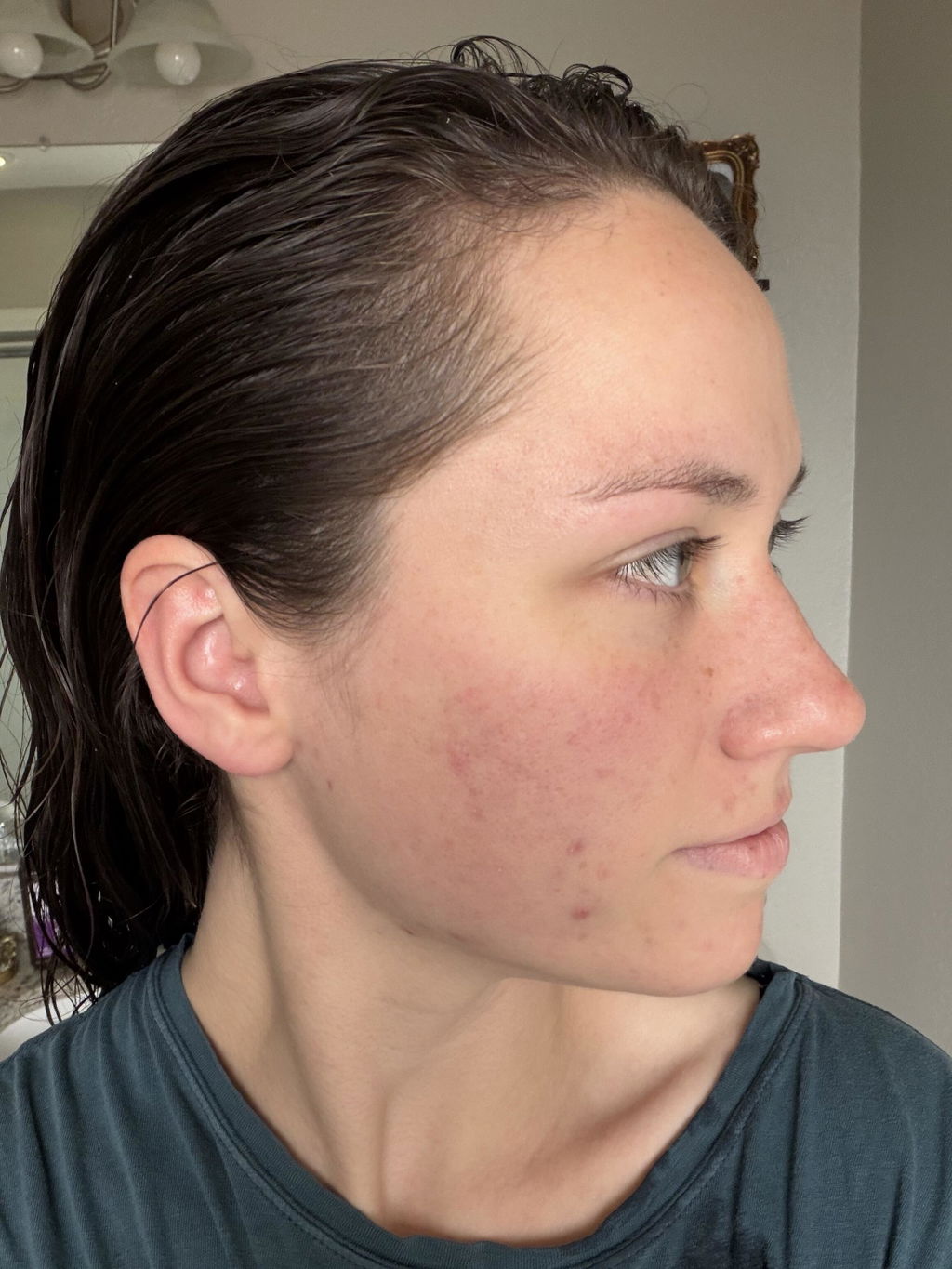
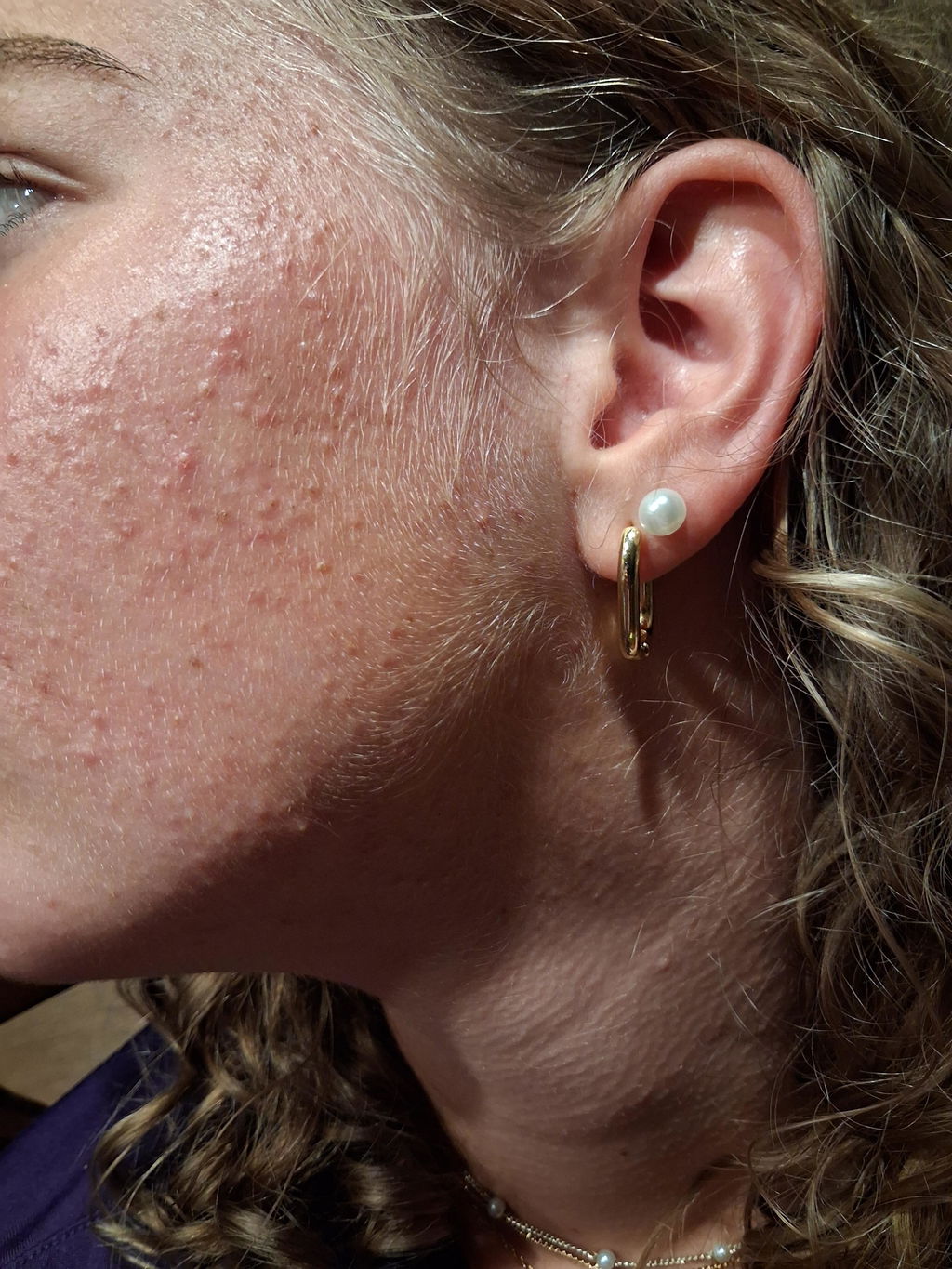
For three years, I drank a gallon of water every single day. I tracked it on an app. I peed every 45 minutes. And my skin? Drier than ever. Flaky. Dull. Patches of dehydration that no moisturizer could touch.
Then a functional medicine doctor asked me one question that changed everything: "What's in the water you're drinking?"
That conversation cost me $300 and saved me six more years of being told to "just drink more water." Because here's the uncomfortable truth most skincare advice misses: drinking water and hydrating your cells are not the same thing. Not even close.
If your skin still looks tight, dull, or papery despite chugging your water bottle religiously, you're not the problem. The advice is.
The 8 Glasses a Day Myth Has No Scientific Origin
Let me start with something that genuinely shocked me when I dug into the research. The "drink eight 8-ounce glasses of water a day" rule — the foundation of every hydration article on the internet — has no real scientific basis.
A 2002 review published in the American Journal of Physiology by Dr. Heinz Valtin couldn't find a single peer-reviewed study supporting the recommendation. The closest origin appears to be a 1945 U.S. Food and Nutrition Board guideline suggesting adults need about 2.5 liters of water daily — but that same guideline included a sentence almost everyone forgets: "Most of this quantity is contained in prepared foods."
So we took half the recommendation, ignored the food-water part, and turned it into a wellness commandment. Worse, recent research suggests excessive plain water intake can actually deplete the minerals your skin cells need to retain moisture. You can dilute yourself into looking dehydrated.
Why Plain Water Doesn't Hydrate Skin Cells
Your skin has roughly 64% water content — but that water doesn't just float around freely inside your cells. It needs to be pulled in and held there by a delicate balance of electrolytes: sodium, potassium, magnesium, and chloride.
This is called osmotic balance. It's how cells decide whether to absorb water or expel it. When you drink large amounts of plain, mineral-stripped water, you flood your bloodstream with low-solute fluid. Your kidneys respond by dumping electrolytes to maintain balance. The result? You urinate out the very minerals that would have helped your skin cells retain moisture.
This is why people who drink filtered or reverse-osmosis water all day often have skin that looks paradoxically dehydrated. The water is going through them, not into their cells.
I learned this the hard way after that $300 functional medicine appointment. My electrolyte panel showed magnesium and potassium on the floor — despite a "clean" diet and constant water intake.
Mineral Water vs Filtered Water: What Your Skin Actually Wants
Here's where most filtered water systems fail your skin. Reverse osmosis, distillation, and many premium pitcher filters strip out everything — including the trace minerals your cells need.
Real spring or mineral water (the kind that bubbles up through rock) carries dissolved magnesium, calcium, silica, and bicarbonates. Silica alone has been linked in studies to improved skin elasticity and collagen synthesis. Magnesium calms inflammation in the dermis. Bicarbonates buffer the acidity that drives breakouts and irritation.
If you must drink filtered water (and most municipal supplies require some filtration to remove chlorine and contaminants), at least add the minerals back. A pinch of unrefined sea salt, a few drops of trace mineral concentrate, or a daily dose of mineral-rich whole foods is non-negotiable.
This is one reason I became obsessed with sea moss. Wildcrafted sea moss naturally contains 92 of the 102 minerals the human body uses — including magnesium, potassium, iodine, and the bioavailable trace minerals that filtered water lacks. A daily tablespoon does what gallons of plain water never could: it gives your cells the cofactors required for hydration.
The Three Minerals Your Skin Cells Are Actually Begging For
Let's get specific about what your skin needs to look plump, dewy, and resilient.
- Magnesium. Roughly 75% of Americans are deficient. Magnesium is required for over 300 enzymatic reactions, including the ones that produce hyaluronic acid (yes, the molecule in your $80 serum). It also regulates the stress hormones that drive cortisol-related skin aging.
- Potassium. This is the mineral that pulls water into your cells. Without enough potassium, your skin operates in a low-grade state of dehydration regardless of how much water you drink. Coconut water, leafy greens, and avocados deliver this far better than supplements.
- Sodium (the right kind). Refined table salt is rough on the body. But unrefined sea salt or pink Himalayan salt provides sodium alongside dozens of trace minerals in a ratio your cells recognize. A pinch in your morning water transforms it from useless fluid into actual hydration.
When I started adding a quarter teaspoon of unrefined salt and a squeeze of lemon to my first glass of water each morning, the change in my skin within two weeks was embarrassing. I had spent thousands on serums to do what 5 cents of salt accomplished.
Structured Water: Where Science Ends and Marketing Begins
Now for the controversial part. The wellness industry is flooded with products claiming to sell "structured water," "hexagonal water," or water with "memory" — usually at $40 a bottle.
The pitch is that water inside our cells exists in a fourth phase, sometimes called EZ water (exclusion zone water), researched by Dr. Gerald Pollack at the University of Washington. The science of EZ water is real and fascinating. Where it falls apart is in the supplement aisle. There's no credible peer-reviewed evidence that bottled "structured water" survives the trip from factory to your gut, let alone delivers benefits beyond regular mineral water.
What does support EZ water formation in your body, according to Pollack's own research? Sunlight on bare skin. Infrared heat. Movement. And mineral-rich water consumed alongside whole foods. None of these require a $40 bottle.
Save your money. The structure forms inside you, not in the packaging.
Your Gut Decides Whether Water Reaches Your Skin
Here is the part nobody tells you. You can drink the perfect mineral water in the perfect amounts and still have dehydrated skin if your gut lining is inflamed.
Water is absorbed primarily in the small intestine through a network of tight junctions and aquaporin channels. When the gut is inflamed — from candida overgrowth, food sensitivities, antibiotic damage, or chronic stress — those channels malfunction. Water passes through without being properly absorbed. Minerals are blocked at the gate. Your bloodstream stays under-hydrated, and your skin pays the price.
This is why so many of my clients see dramatic skin changes when they address gut health before skincare. A healthy gut lining is like a well-tuned filtration system — it pulls water and minerals into circulation efficiently. A leaky, inflamed gut is like trying to fill a bathtub with a sieve.
If your skin stays dehydrated despite doing everything "right," start by resetting your gut. The microbiome gut cleanse protocol is what I recommend most often, because it addresses the bacterial overgrowth and inflammation that disrupt absorption. For deeper cases — especially when acne, eczema, or rosacea are involved — a fuller detox program gives the liver the support it needs to keep water-soluble waste out of the skin.
A Practical Hydration Protocol for Real Skin Results
Here's the protocol I use myself and recommend to clients struggling with dehydrated, lifeless skin.
- On waking: 16 oz of room-temperature filtered water with a quarter teaspoon of unrefined sea salt and the juice of half a lemon. This rehydrates after 8 hours of fasting and replaces the minerals your overnight detox processes have used up.
- Mid-morning: A tablespoon of sea moss gel blended into a smoothie or stirred into water. The 92 minerals fill the gaps that even the cleanest diet leaves behind.
- Throughout the day: Sip mineral water (San Pellegrino, Gerolsteiner, or Mountain Valley if you can find it). If you only have filtered water, add a few drops of trace mineral concentrate to each glass.
- Before bed: A magnesium-rich drink — magnesium glycinate or a small bone broth with sea salt. This supports overnight cellular repair and skin barrier function.
- Skip: Coffee binges without electrolyte replacement, distilled or reverse-osmosis water as your sole source, and any "alkaline water machine" priced over $200. The marketing is more elaborate than the chemistry.
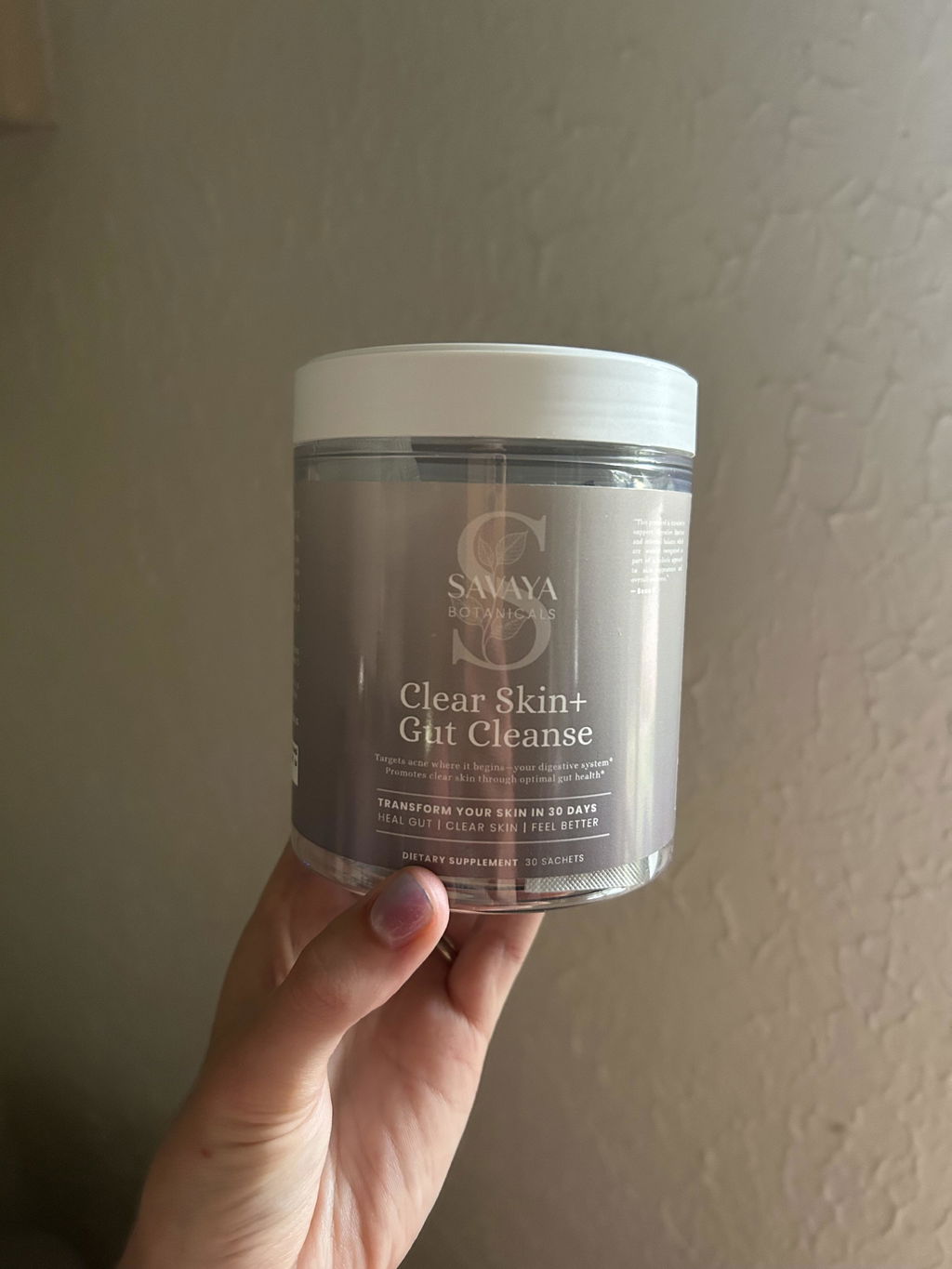
For those who want to go deeper — especially if you're dealing with persistent acne, congestion, or skin texture issues — Clear Skin+ Max Detox is a daily acai-based blend that helps support your mineral foundation from the inside. Topically, I'm still a fan of tallow cream for sealing in hydration once it actually reaches your dermis. And for collagen-poor skin, marine collagen strips provide the structural building blocks alongside the mineral foundation.
What Properly Hydrated Skin Actually Looks Like
When you switch from chasing ounces of water to feeding your cells the minerals they need, here's what changes — usually within 14 to 21 days.
- Skin that bounces back when pressed instead of holding its shape
- Lips that don't crack or peel overnight
- The "tired" look around your eyes softening
- Foundation sitting smooth instead of clinging to dry patches
- Less reliance on heavy moisturizers because your skin is hydrating itself from within
This isn't magic. It's basic cell biology that the wellness industry has been ignoring because "drink more water" sells more bottles than "fix your minerals."
The most beautiful skin I've ever seen wasn't built on gallons of water. It was built on minerals, calm digestion, and cells that finally remembered how to hold moisture.
———
Frequently Asked Questions About Skin Hydration
How do I know if I'm actually dehydrated or just mineral-depleted?
If you're drinking plenty of water but still have dry skin, fatigue, headaches, or muscle cramps, it's likely a mineral imbalance — not a water shortage. The pinch test on the back of your hand tells you about skin elasticity, but a basic electrolyte panel from your doctor (sodium, potassium, magnesium, chloride) will tell you the truth in 24 hours. Most people are deficient in magnesium and potassium long before they're truly dehydrated.
Is alkaline water better for hydrating my skin?
The hydration claims around alkaline water are largely marketing. Your stomach acid (pH 1.5 to 3.5) neutralizes alkaline water within minutes of drinking it, so the alkaline pH never reaches your bloodstream or cells. What matters is the minerals in the water. Natural mineral water is genuinely beneficial. A $3,000 ionizer machine is not.
Can sea moss really replace electrolyte drinks?
Sea moss contains potassium, magnesium, sodium, calcium, and 88 other minerals in their natural plant-based form, which the body absorbs more efficiently than synthetic electrolyte powders. One to two tablespoons daily provides a steady mineral baseline. For intense workouts or hot climates, you may still need additional sodium, but for everyday cellular hydration, sea moss is the most complete option I've found.
Does drinking water before bed actually help skin?
Heavy water intake right before bed can disrupt sleep — and poor sleep is one of the biggest drivers of skin aging. A small glass of magnesium-rich water (think a pinch of salt and a magnesium supplement) supports overnight skin repair without sending you to the bathroom every two hours. Front-load your hydration in the first half of the day instead.
How long until I see skin changes from better hydration?
Most people see visible changes in 14 to 21 days when they shift from plain water to mineral-rich hydration plus gut support. Skin cells turn over roughly every 28 days, so the full transformation typically lands at the 4 to 6 week mark. Rushing the process with extreme water intake can actually slow you down by depleting the minerals you're working to rebuild.
———
Stop Drinking Water at Your Skin. Start Feeding It.
If you've been chugging water for years and your skin still looks dehydrated, the answer isn't more water. It's better water — and the minerals that turn it into actual cellular hydration.
The most efficient place to start is by giving your body the trace mineral spectrum it's missing. Sea moss gel provides 92 minerals in their bioavailable, food-based form — the foundation of real hydration that no filtered glass can deliver.
Your skin cells aren't asking for more fluid. They're asking for the minerals that finally let them drink.