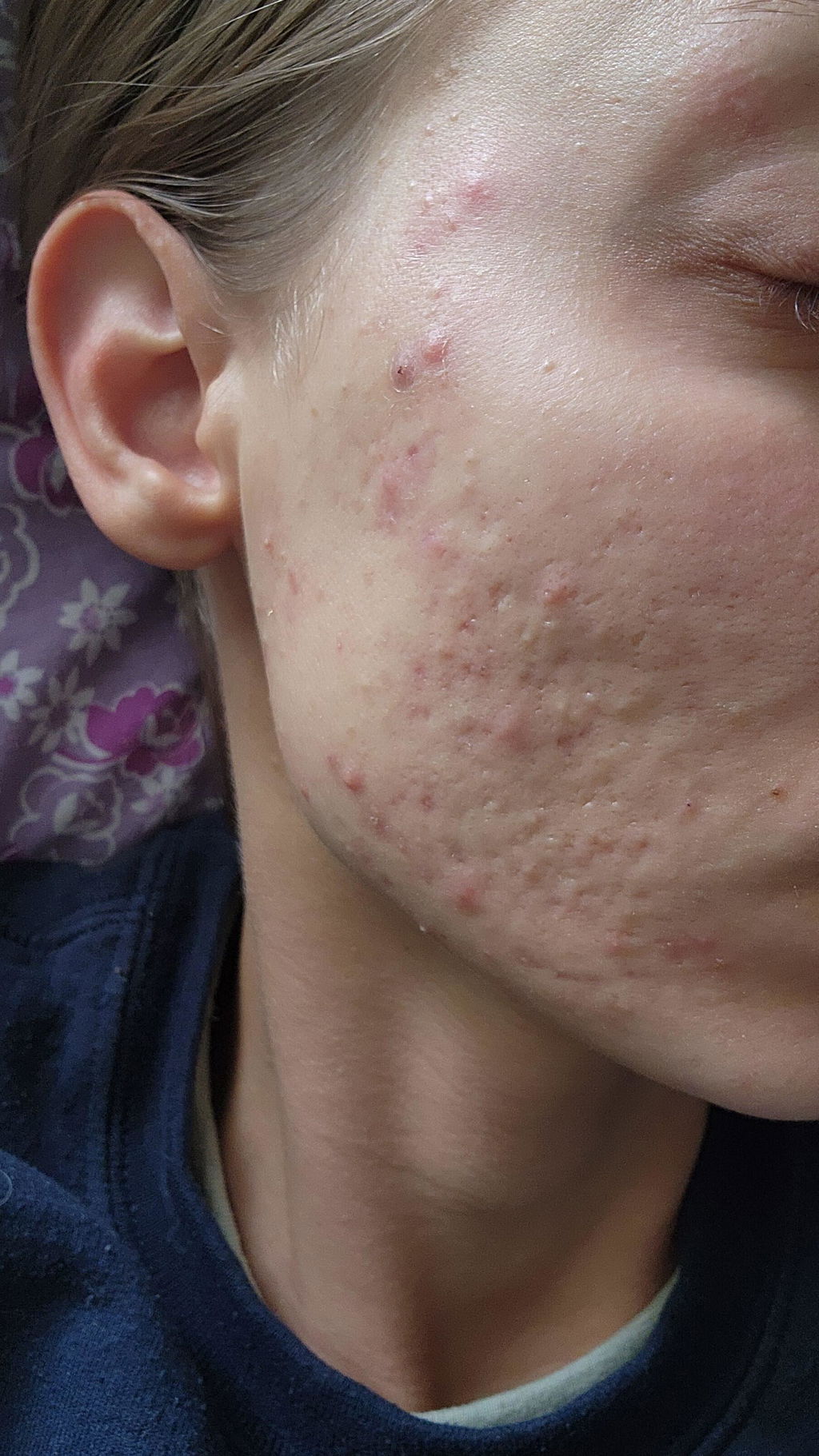
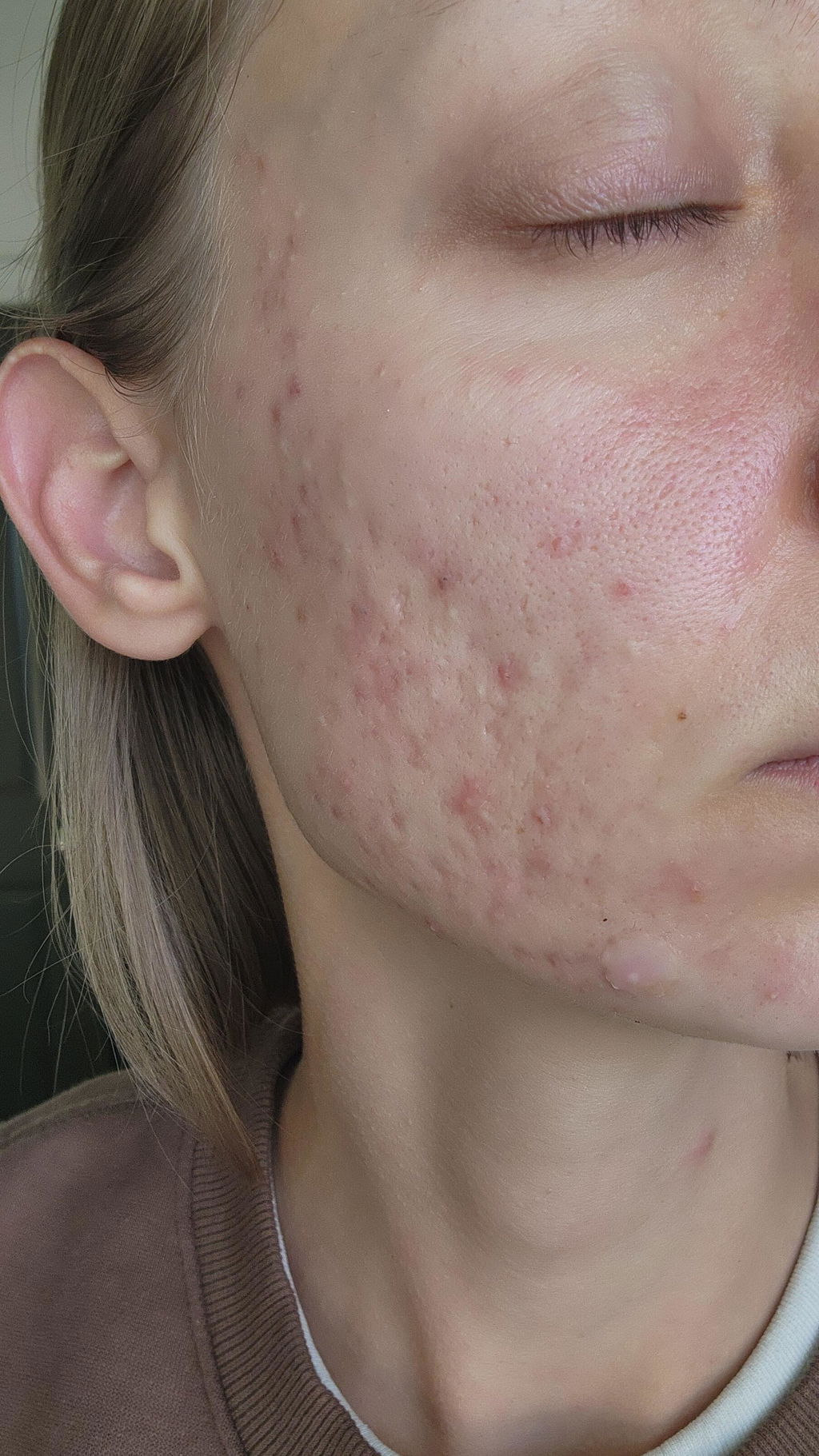
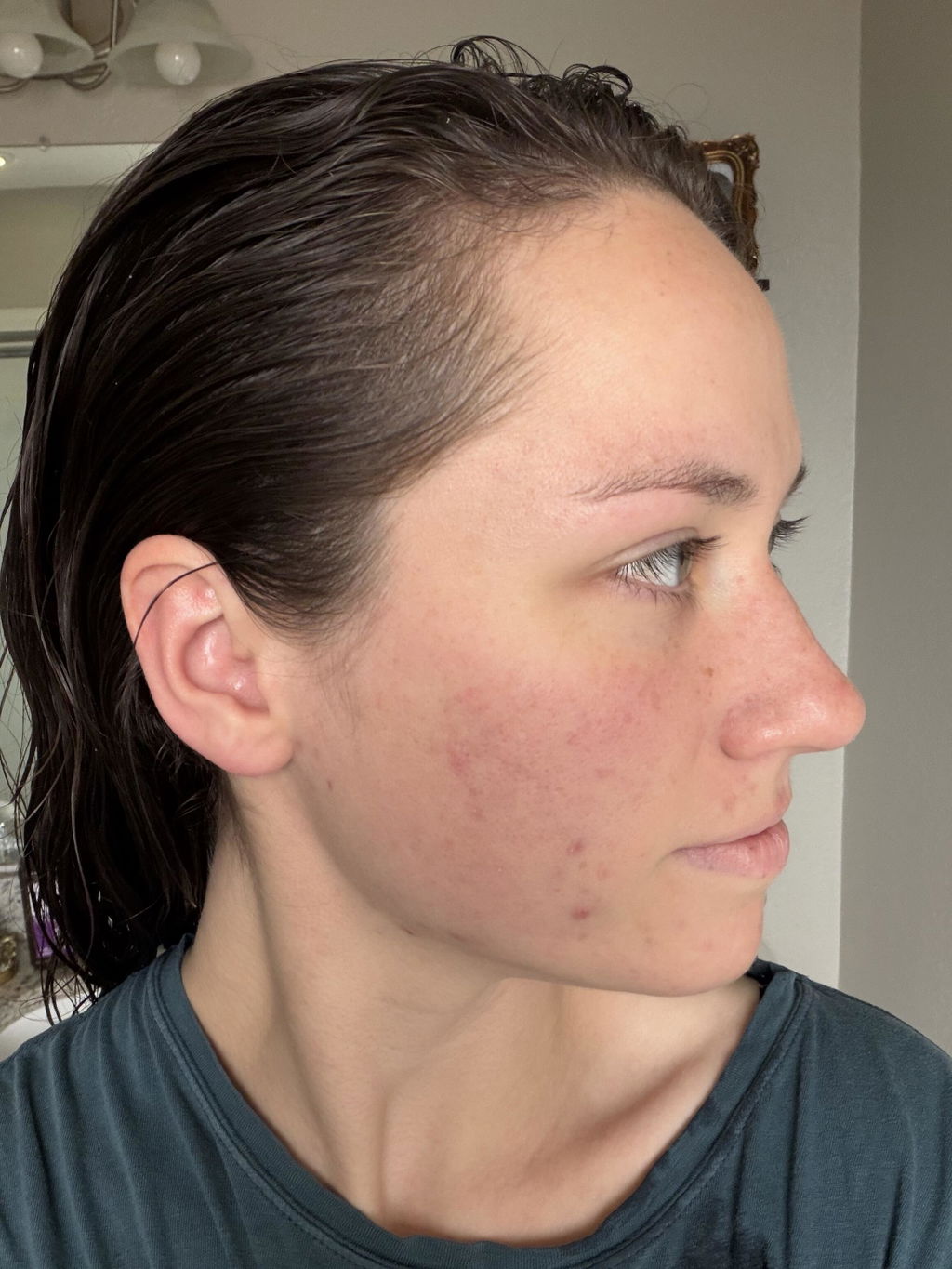
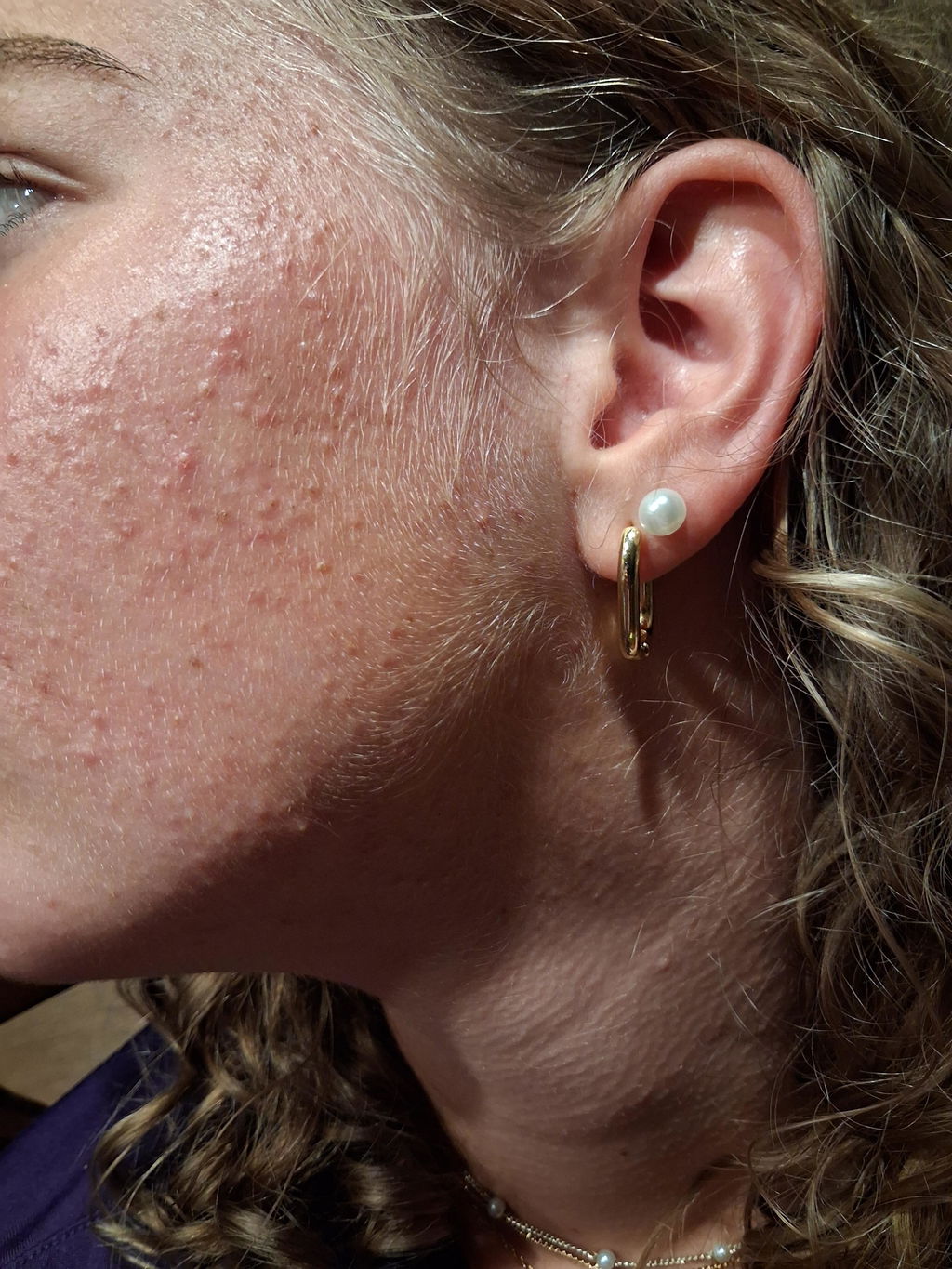
Three weeks ago, a client texted me at 11:47 PM: "Sarah, I'm doing everything right — the cleanse, the sea moss, no dairy, no sugar — and I still woke up with two new breakouts this morning. What am I missing?"
I asked her one question. "What time did you fall asleep last night?"
Her answer: "Around 1:40 AM. Why?"
That single conversation opened up something most skincare routines completely ignore — the quiet, three-way conversation happening every night between your sleep, your gut, and the face staring back at you in the morning mirror. We talk about gut-skin. We talk about sleep and beauty. But we almost never talk about the fact that those two stories are the same story.
After ten years of working with women whose acne refused to clear no matter how clean they ate, I've learned that the missing variable isn't usually another supplement. It's often what happens between 10 PM and 6 AM. Let me walk you through the science — and then I'll share the exact evening ritual I now teach every client.
Your Microbiome Has a Bedtime (And It's Not the One You Think)
Here's something that genuinely shocked me when I first read it: your gut bacteria run on a 24-hour clock. Not loosely. Not metaphorically. They have measurable, rhythmic oscillations in composition, location along the intestinal wall, and metabolic output — and when you stay up too late, you give them jet lag.
In a now-famous 2014 paper published in Cell, Eran Elinav and Christoph Thaiss at the Weizmann Institute showed that microbial communities in the gut shift dramatically between day and night. Roughly 60% of identified microbial taxa underwent rhythmic fluctuations every 24 hours. A follow-up study in 2016 went further: when these rhythms were disrupted — through jet lag, shift work, or chronic short sleep — the changes weren't contained to the gut. They rippled outward, altering host gene expression, glucose tolerance, and inflammatory markers throughout the body.
Translation: when you scroll until 1 AM, you're not just losing sleep. You're throwing your entire microbial ecosystem out of phase. And an out-of-phase microbiome is an inflamed microbiome.
Your Gut Makes 400 Times More Melatonin Than Your Brain
This is the fact that turned my whole understanding of sleep upside down.
We're told melatonin is a "sleep hormone" made by the pineal gland in the brain. True — but only a tiny fraction of the truth. Research from Bubenik (2002) and subsequent work by Reiter and colleagues has shown that the gastrointestinal tract contains roughly 400 times more melatonin than the pineal gland. Specialized cells in your gut lining — enterochromaffin cells — produce melatonin around the clock, and the body uses it for far more than knocking you out at night.
Gut melatonin is one of your most powerful native antioxidants. It modulates intestinal motility, regulates immune cells in the gut wall, supports epithelial barrier integrity, and quiets oxidative stress in the very tissue that interfaces with your food, your bacteria, and the bloodstream that ultimately feeds your skin.
When you sleep poorly, you don't just suppress brain melatonin. You compromise gut melatonin production at the exact hours your intestinal lining is supposed to be repairing itself. The downstream effect on your skin is not subtle.
One Bad Night, a Cracked Gut Lining, and Why You Wake Up Inflamed
Here's the pathway that explains why a single rough night of sleep can show up on your face two days later.
When you under-sleep, your hypothalamic-pituitary-adrenal axis — your stress system — kicks into gear. Studies by Vgontzas and colleagues at Penn State have repeatedly shown that even partial sleep loss elevates evening cortisol the next day, sometimes by 37 to 45%. Leproult and Van Cauter found similar effects after just one week of sleep restriction.
That elevated cortisol does something specific to your gut. It loosens the tight junctions between intestinal cells — the proteins responsible for keeping the inside of your gut on the inside. The marker we use to measure this is called zonulin, and it goes up when cortisol is high and sleep is short. The result? Tiny amounts of bacterial debris, especially a molecule called lipopolysaccharide (LPS), slip into circulation. This is what people mean when they say "leaky gut" — and it's not pseudoscience. It's a measurable phenomenon known in the literature as metabolic endotoxemia.
Once LPS is circulating, your immune system reads it as an infection. It releases inflammatory cytokines — IL-6, TNF-alpha, IL-1 beta — and these messengers travel everywhere, including the sebaceous glands of your face. Inflamed glands produce thicker, oxidized sebum. Thicker sebum traps more bacteria. The bacteria, particularly Cutibacterium acnes, feed and multiply. Within 36 to 48 hours, you have a new breakout that has almost nothing to do with what touched your skin and almost everything to do with what didn't happen in your gut while you were awake at 2 AM.
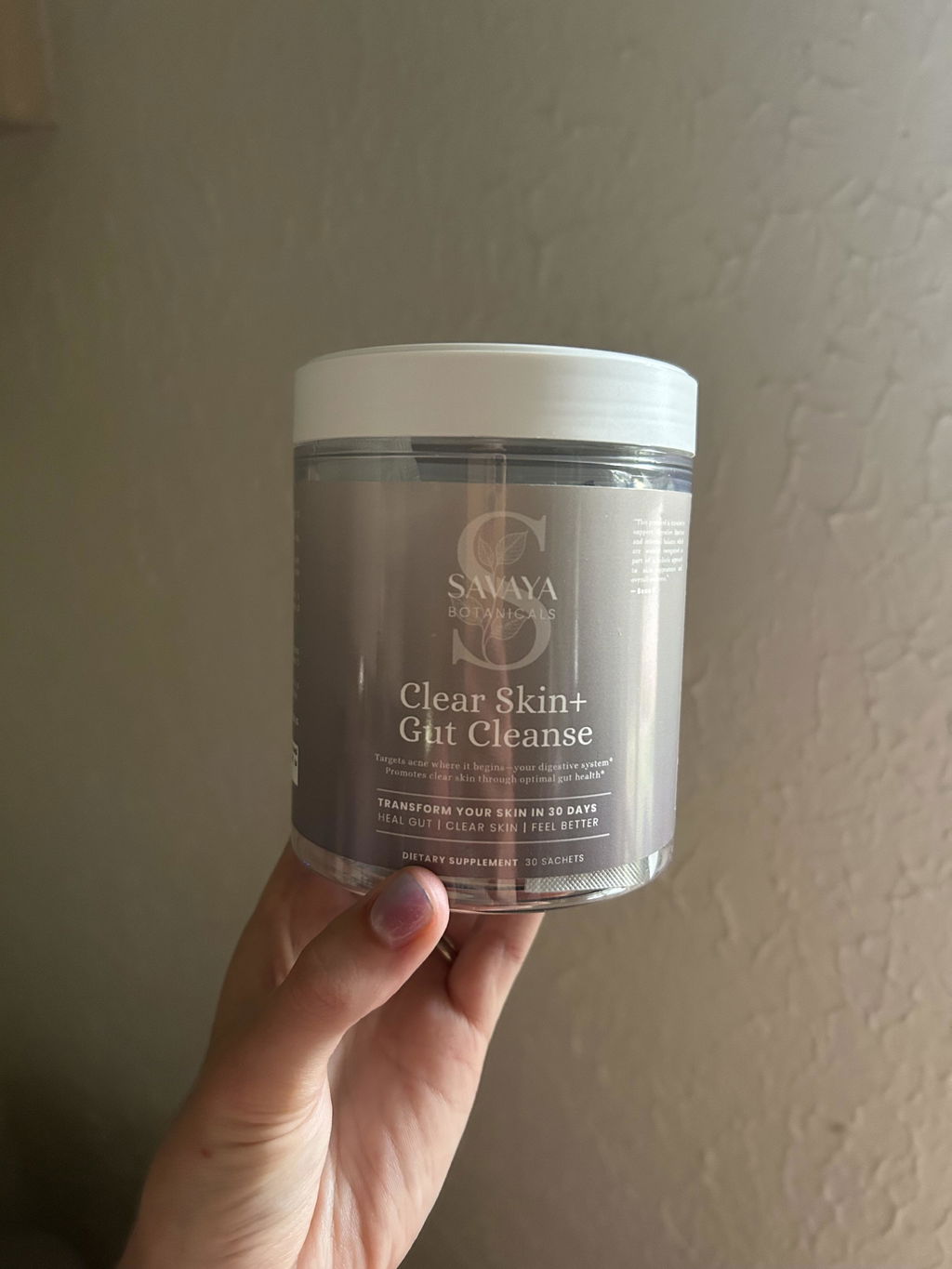
This is why I tell clients using our Clear Skin+ Max Detox that bedtime is non-negotiable. You can support the gut barrier all you want during the day, but if you're awake when it's supposed to be repairing, you're filling a leaky bucket.
The Glymphatic System — Your Brain's Nightly Detox
There's one more piece, and it's the one almost no one talks about in skincare conversations.
In 2013, neuroscientist Maiken Nedergaard published a paper in Science that quietly rewrote our understanding of sleep. She demonstrated that during deep slow-wave sleep, the brain activates a kind of cleansing system she named the glymphatic system — a network of channels that flushes metabolic waste, including inflammatory proteins, out of brain tissue. The system runs almost exclusively while you sleep. During waking hours, it's about 90% inactive.
When you skip deep sleep, that nightly cleanup doesn't happen. Inflammatory metabolites accumulate. Systemic inflammation rises the next day. The same inflammatory tone that makes your brain foggy and your mood fragile also keeps your skin reactive, your sebum oxidized, and your barrier function blunted.
The glymphatic system, the gut barrier, and the skin barrier are all running maintenance on the same shift. They share an HVAC system, and the on-switch is sleep.
What the Studies Actually Say About Sleep and Acne Severity
The research connecting sleep quality directly to acne severity is now hard to ignore.
A 2019 study by Schrom and colleagues in the International Journal of Dermatology surveyed acne patients and found that those reporting fatigue and poor sleep quality had measurably worse acne severity scores. A larger Korean cross-sectional study by Yang and colleagues, looking at university students, found that participants with poor sleep quality (measured by the Pittsburgh Sleep Quality Index) had significantly higher rates of moderate-to-severe acne — independent of diet, stress, and skincare habits.
Other work has shown that even one night of partial sleep restriction increases trans-epidermal water loss the next day, meaning your skin barrier literally leaks more moisture when you're under-slept. The same studies have documented visibly reduced skin elasticity and slower recovery from UV-induced redness.
The pattern across all of this research is consistent: sleep is not a passive beauty ritual. It is the most concentrated, highest-leverage skin-repair window your body has — and it works through the gut.
My Evening Routine for Gut-Supported Sleep
This is what I now teach every client. Nothing fancy. Nothing expensive. Just timing.
- 7:30 PM — Last bite of food. Giving your gut at least 2.5 to 3 hours of digestive rest before bed lets melatonin production rise without competing with active digestion. Late eating is one of the most underrated breakout triggers I see.
- 8:00 PM — Mineral support. A scoop of sea moss gel in warm water. The 92 trace minerals support melatonin synthesis (which requires magnesium, zinc, and selenium as cofactors), and the gentle prebiotic fiber feeds the very bacteria you're trying to keep on rhythm.
- 8:30 PM — Gentle cleanse. Two or three times per week, I take a sachet from the microbiome gut cleanse. Cleansing in the evening lines up with the natural detox window of the liver and the gut barrier's repair shift. For deeper resets, I use the Max Detox protocol for two weeks at a time.
- 9:00 PM — Screens off, lights low. Blue light suppresses both pineal and gut melatonin. I switch to candles or warm 2700K bulbs and read something on paper.
- 9:30 PM — Skin barrier ritual. This is the moment I apply tallow cream — its lipid profile is almost identical to the sebum your skin makes, which means it absorbs without confusing your barrier. A quiet, slow face massage signals to my nervous system that the day is ending. Sometimes I add a collagen strip for overnight matrix support.
- 10:00 PM — In bed. Lights out by 10:15. Aim for the deep-sleep window between 10 PM and 2 AM, which is when slow-wave sleep, glymphatic clearance, and gut barrier repair all overlap.
This is the routine. There's no biohack here. There's just the recognition that your skin is repaired by your gut, your gut is repaired by your sleep, and your sleep is repaired by everything you do in the four hours before you close your eyes.
The Real Reason You're Still Breaking Out
If you've been doing the cleanse, eating clean, drinking the sea moss, and your skin still isn't budging — please look at the clock first. Before you add another supplement. Before you change another product. Before you spend another dollar.
Your gut and your skin are running on the same shift, and they need you to clock out on time.
The most powerful skincare ingredient I've ever recommended to a client is a 10 PM bedtime. Everything else is amplification.
Ready to give your skin a real chance to repair? Try Clear Skin+ Max Detox — it's the daily acai blend that supports this rhythm: gut, sleep, and skin treated as one system.
———
Frequently Asked Questions
How many hours of sleep do I actually need for clear skin?
Most of the research points to 7 to 9 hours of total sleep, with the most important block being the first 3 hours of slow-wave sleep — typically before 1 AM. Going to bed at 11 PM and sleeping until 7 AM tends to outperform sleeping from 1 AM to 9 AM, even with the same total hours, because of when growth hormone and glymphatic clearance peak.
Will taking melatonin supplements help my skin?
Possibly, but I prefer to support natural production. Tryptophan-rich foods at dinner (turkey, oats, pumpkin seeds), magnesium, and adequate B6 give your gut the substrates it needs to make its own melatonin. Supplementing high-dose pineal melatonin doesn't always reach gut tissue in the same way. If you do try it, start with 0.3 to 0.5 mg — not 5 or 10.
I work night shifts. Am I doomed to bad skin?
Not doomed, but you do have to be more deliberate. Keep your "night" consistent — whatever 8-hour sleep window you choose, defend it religiously. Use blackout curtains, eat your last meal 3 hours before that window starts, and consider supporting the gut more aggressively with a daily gut cleanse sachet, since shift work is one of the most disruptive things you can do to the microbiome's circadian rhythm.
Can a single bad night of sleep cause a breakout?
Yes — and the breakout usually shows up 36 to 48 hours later, which is why most people miss the connection. The cortisol spike, the gut barrier loosening, and the inflammatory cytokine cascade all take roughly two days to surface as visible inflammation on the skin.
Does napping count toward gut-skin repair?
Naps are restorative for cortisol but don't replicate the full deep-sleep architecture you get at night. They're useful for reducing daytime stress hormones, but they won't substitute for the gut barrier repair and glymphatic clearance that happen during a proper overnight sleep cycle.
———
The next time someone tells you to "sleep more for your skin," you'll know exactly what they mean — and exactly which gut, hormone, and inflammatory pathway they're really talking about.
Sleep well. Your face is listening.
— Sarah Mitchell