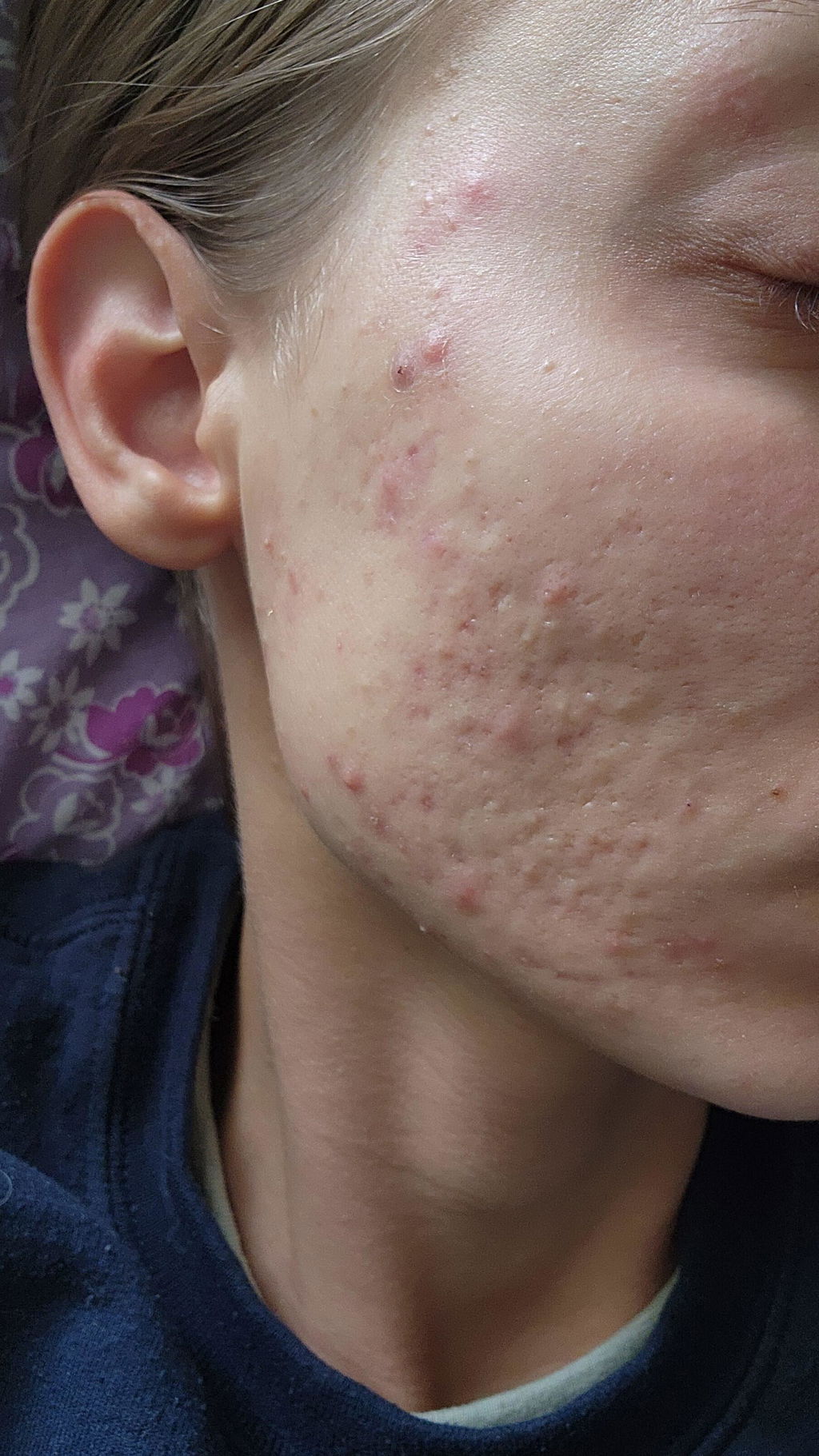
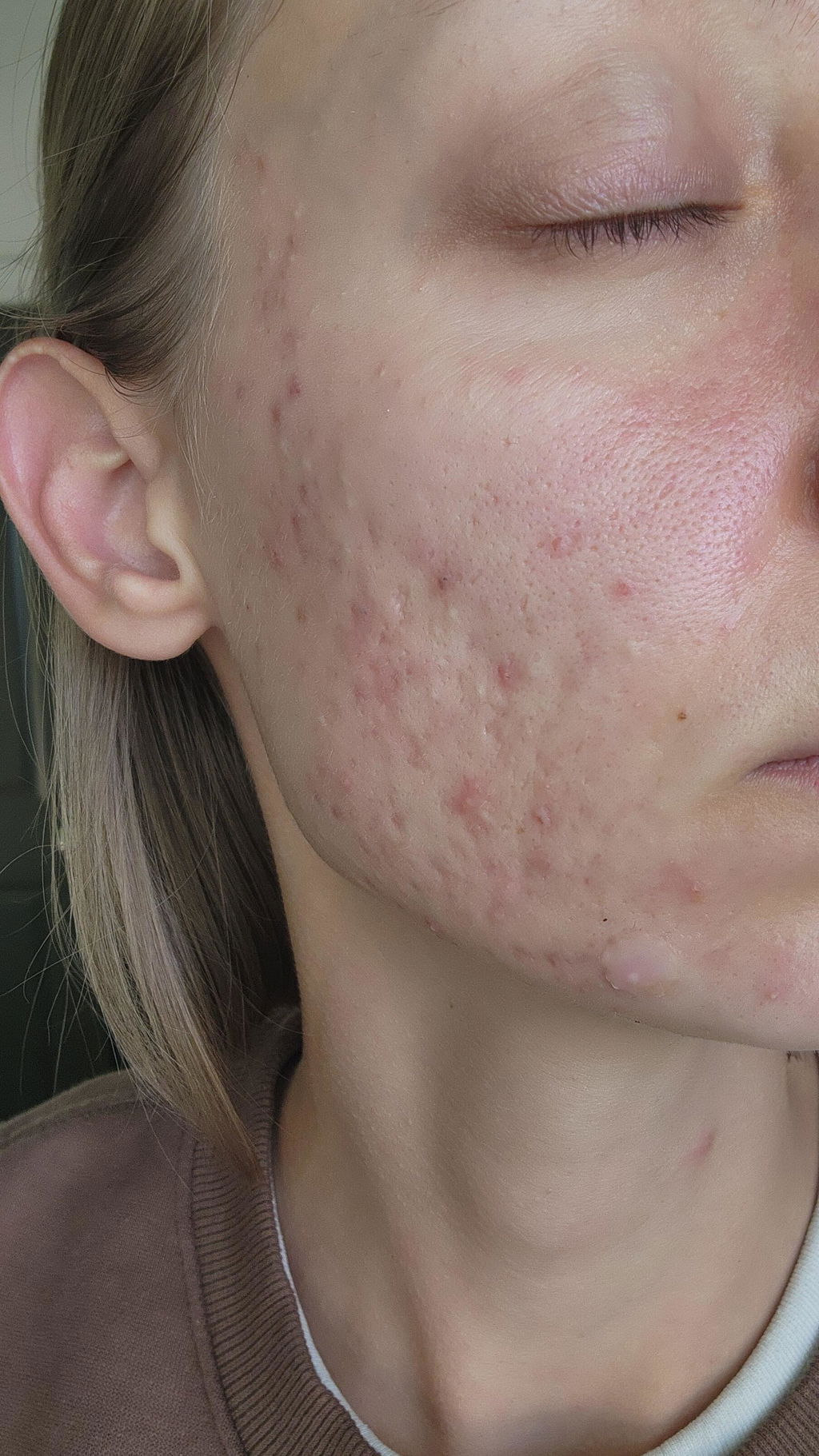
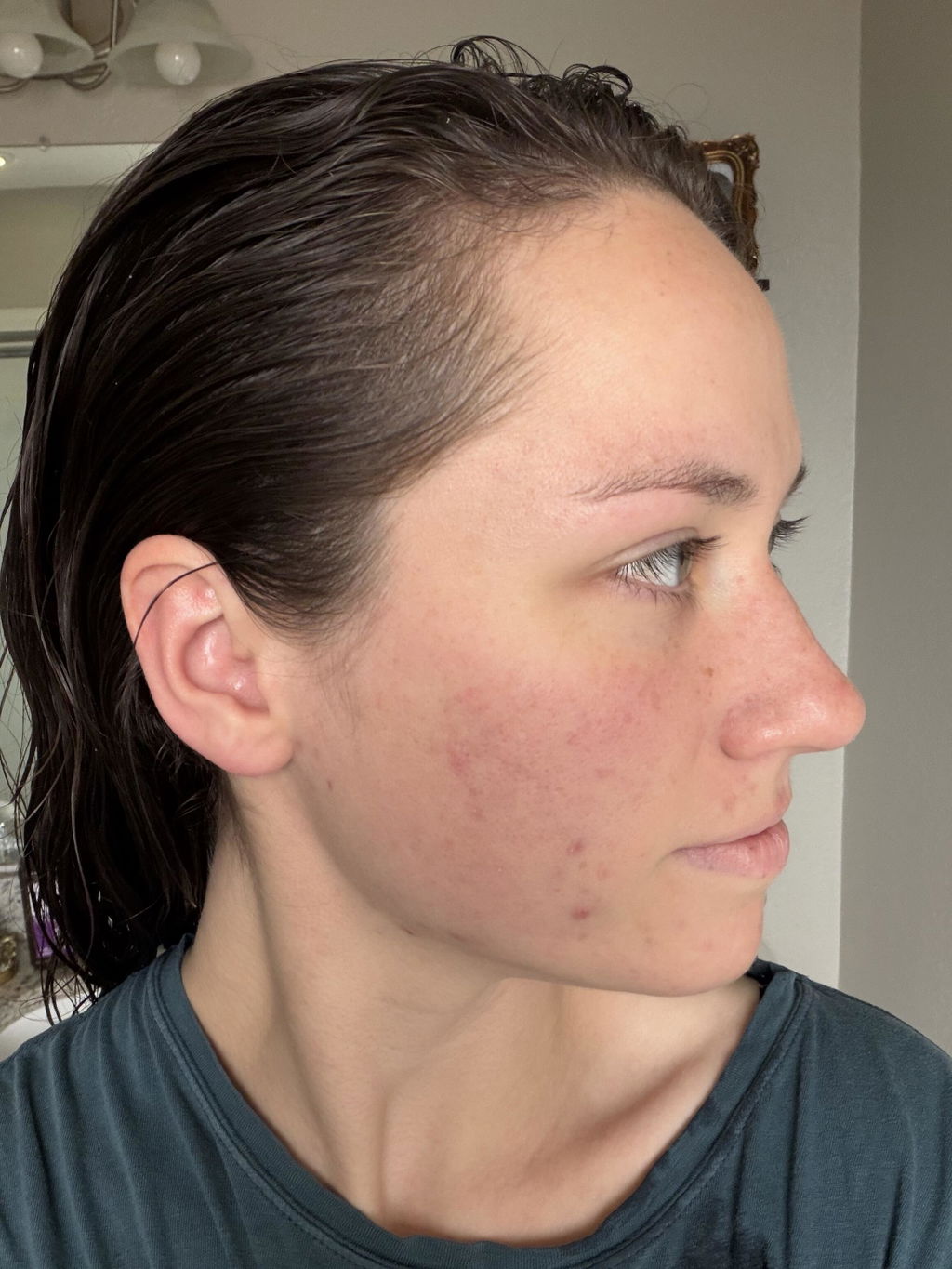
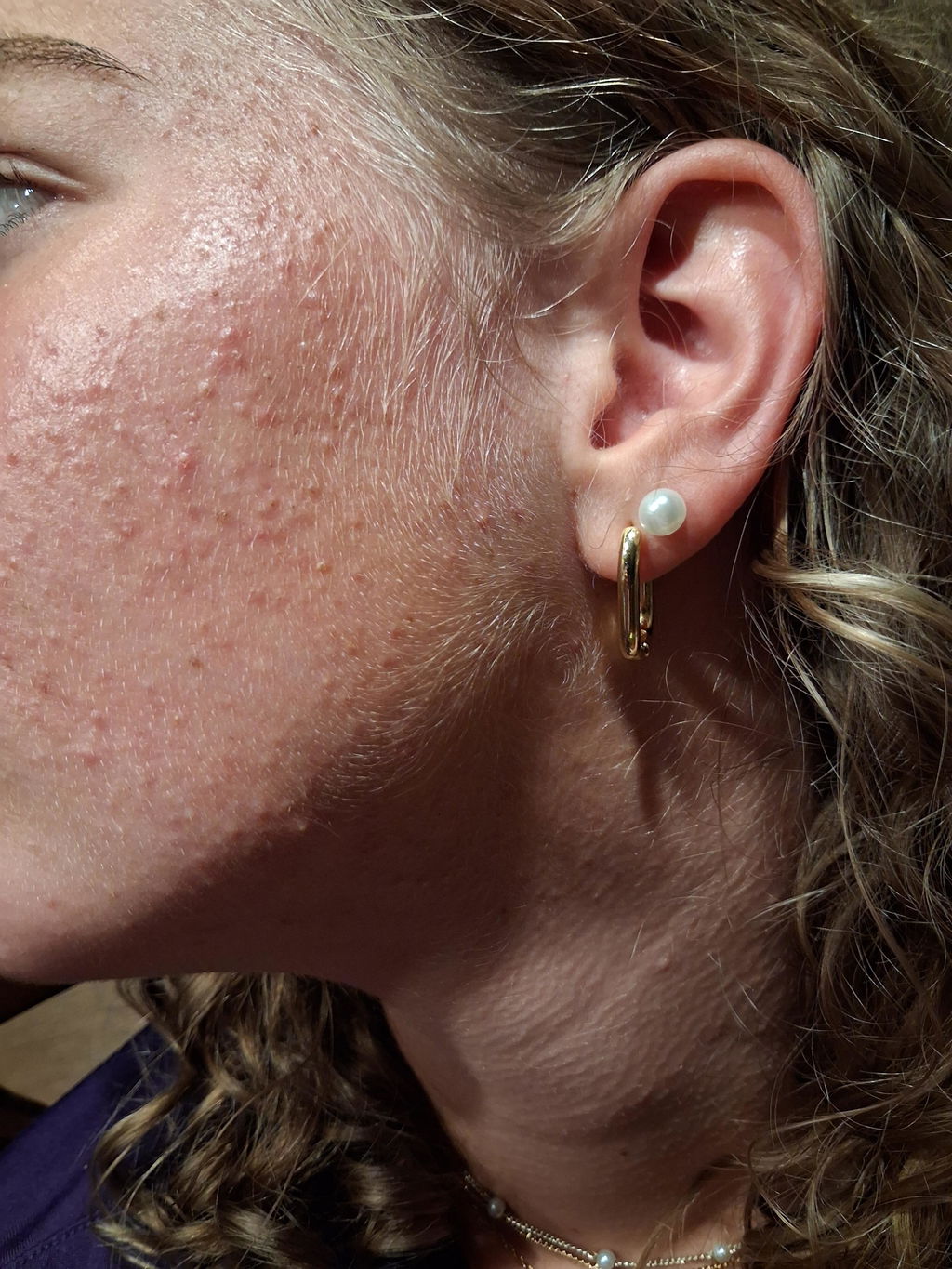
Nobody told me the breakout clustered along my jawline every single month had nothing to do with my face. For two years I cycled through retinoids, niacinamide, acids, and clay masks. I read every skincare subreddit thread I could find. I spent more money on cleansers than I care to admit. And then a mentor of mine, a functional medicine practitioner with thirty years of clinical experience, looked at my intake form and said: "Your liver is overloaded. That is the starting point. Everything else is just noise."
I was skeptical. But I was also out of options. So I started studying hepatology research, shifted my protocol entirely, and over the following twelve weeks watched my skin change in ways no topical product ever managed. What I learned reshaped how I work with every client who walks through my door with a skin concern. And it starts with understanding one simple truth: your skin is not a skin problem. It is a detox problem.
- - -
The Liver-Skin Connection: Why Your Detox Organs Control Your Complexion
Your liver processes roughly 1.4 liters of blood per minute. It filters environmental toxins, metabolizes medications, neutralizes hormones, and produces bile for digestion. When it is operating at full capacity, waste exits cleanly through bile and stool. When it is burdened, toxins must find another exit route.
That exit route is frequently your skin.
The skin, as the largest organ in the body, has its own detoxification capacity via sweat glands and sebaceous activity. When the primary detox organs, the liver and kidneys, are overwhelmed, the body increasingly relies on the skin to eliminate what the liver cannot process fast enough. The result is breakouts, dullness, congestion, and chronic inflammation at the surface level.
A 2018 review in the Journal of Dermatological Science identified significant correlations between markers of hepatic stress and inflammatory skin conditions including acne vulgaris, psoriasis, and eczema. The authors noted that the gut-liver-skin axis represents an underexplored but clinically relevant pathway in dermatology. Underexplored in conventional dermatology, perhaps. But in functional medicine, this connection is foundational.
Phase I and Phase II Liver Detoxification: The Two-Stage System Behind Skin Clarity
Liver detox does not happen in one step. It is a two-phase biochemical process, and understanding both phases explains why so many people feel worse before they feel better when they start a detox, and why targeted nutrition matters more than generic "cleansing."
Phase I: Activation
Phase I is driven by a family of enzymes called cytochrome P450. These enzymes convert fat-soluble toxins, including synthetic hormones, environmental chemicals, and metabolic byproducts, into intermediate metabolites that are more water-soluble and easier to process. This phase requires B vitamins, magnesium, iron, and antioxidants to function well.
Here is the part most people do not know: the intermediate compounds produced in Phase I are often more reactive than the original toxins. They are free radicals and reactive oxygen species. If Phase II cannot process them quickly enough, these compounds circulate through the bloodstream, trigger systemic inflammation, and eventually show up on your skin as breakouts, redness, or congestion.
Phase II: Conjugation
Phase II neutralizes those reactive intermediates by attaching them to molecules like glutathione, glucuronic acid, sulfur compounds, and amino acids. This makes them water-soluble and safe to excrete through bile and urine. A 2019 review published in Nutrients confirmed that impaired Phase II conjugation directly correlates with elevated oxidative stress and systemic inflammation markers, both of which are upstream drivers of inflammatory skin conditions.
Phase II is the bottleneck for most people. It requires specific sulfur-containing amino acids, selenium, B6, and phytonutrients found in cruciferous vegetables. Without these, Phase I keeps producing reactive intermediates that Phase II cannot clear fast enough. Your skin absorbs the overflow.
- - -
Signs Your Liver Is Asking for Support
Liver burden does not always look like jaundice or disease. Subclinical overload, the kind that is not yet pathological but is definitely not optimal, shows up in patterns most people dismiss as unrelated:
- Persistent breakouts along the jawline, cheeks, or forehead that cycle with hormones
- Skin that looks dull or grayish even with proper hydration
- Bloating or heaviness after eating fatty meals
- Waking consistently between 1am and 3am (traditional Chinese medicine associates this window with peak liver processing)
- Stronger body odor than usual, or dark urine
- Unusual fatigue after even moderate alcohol consumption
- Feeling foggy or sluggish in the mornings
- Hormonal acne that worsens in the week before your period
If several of these are familiar, the liver is asking for attention. The good news is that the liver has remarkable regenerative capacity, and meaningful improvements in liver function, reflected in skin clarity, can happen in weeks when you give it the right support.
Liver-Supporting Foods That Change Your Skin
Food is where this work begins. Not supplements. Not protocols. The foods that support Phase I and Phase II detox are specific, and their mechanisms are well-documented.
Cruciferous Vegetables
Broccoli, Brussels sprouts, cauliflower, kale, and cabbage contain glucosinolates that convert to sulforaphane and indole-3-carbinol during digestion. Sulforaphane is one of the most studied NRF2 activators in the scientific literature. NRF2 is the master transcription factor that regulates the production of Phase II detox enzymes, glutathione synthesis, and antioxidant defense. A 2015 study in Cancer Prevention Research demonstrated that sulforaphane consumption measurably increased Phase II enzyme activity in human subjects.
Indole-3-carbinol specifically supports estrogen metabolism, converting stronger estrogen forms into weaker, safer metabolites. This is directly relevant for hormonal acne, where excess estrogen and its metabolites tax Phase II conjugation pathways.
I recommend at least two servings of lightly steamed crucifers daily during any active skin-clearing phase. Steam rather than boil: glucosinolates are water-soluble and boiling destroys up to 60% of them.
Beets
Beets contain betaine, a compound that donates methyl groups to support methylation, one of the primary Phase II conjugation pathways. Methylation is responsible for processing neurotransmitters, heavy metals, and excess hormones. When methylation is sluggish, these compounds accumulate and drive inflammation. Betaine from beets directly supports this pathway. Beets also stimulate bile production, which matters for everything we are about to discuss.
Dandelion Root
Dandelion root has been used across traditional medicine systems for liver support for centuries. Modern research supports this: a 2016 study in Evidence-Based Complementary and Alternative Medicine found that dandelion root extract significantly increased bile production and flow, while demonstrating hepatoprotective effects against oxidative stress in liver cells. I use dandelion root tea daily, particularly during active detox phases. It is inexpensive, accessible, and genuinely effective.
- - -
The Morning Olive Oil and Lemon Shot: Why This Ritual Actually Works
When I first heard about this protocol, I thought it sounded like the kind of thing you find on a wellness blog with no sources. Then I looked at the biochemistry and changed my mind.
One tablespoon of cold-pressed extra virgin olive oil contains oleocanthal and oleuropein, polyphenols with well-documented anti-inflammatory and hepatoprotective properties. A 2018 study in the European Journal of Nutrition showed olive oil polyphenols reduced hepatic fat accumulation and improved liver enzyme markers in participants with non-alcoholic fatty liver disease. But even in healthy individuals, the fat content itself stimulates gallbladder contraction and bile release, which primes digestive function and promotes morning elimination.
The lemon juice provides citric acid and limonene. Limonene, found in citrus peel and present in lemon juice, has been shown in multiple studies to induce Phase I and Phase II detox enzymes. Citric acid supports mitochondrial energy production in liver cells via the citric acid cycle.
My protocol: one tablespoon of cold-pressed olive oil with the juice of half a lemon, taken on an empty stomach, fifteen minutes before breakfast. Follow immediately with 250-300ml of room temperature water. Most clients report noticeable improvements in morning digestion within one week and visible shifts in skin clarity within four to six weeks of consistency.
For those who want to go deeper, pairing this morning ritual with a structured protocol like Max Detox supports both Phase I and Phase II pathways simultaneously, especially useful during hormonal shifts or after periods of higher toxin exposure.
Bile Production and the Liver-Gut-Skin Axis
This is the piece of the liver-skin puzzle that almost nobody covers, and it is arguably the most important.
Bile is produced continuously by the liver and stored in the gallbladder. When you eat fat, the gallbladder releases bile into the small intestine. Most content about bile focuses on fat digestion. But bile has two other functions that are critical for clear skin.
First, bile is the primary vehicle for excreting fat-soluble toxins, heavy metals, and excess hormones, particularly estrogen, out of the body. When bile flow is sluggish, these compounds are not effectively eliminated. Instead, they are reabsorbed in the large intestine and recirculated back to the liver. This process, called enterohepatic recirculation, creates a toxic burden that accumulates over time and drives the kind of chronic hormonal imbalance that shows up as persistent adult acne.
Second, bile acids act as natural antimicrobials in the small intestine, regulating bacterial populations and preventing overgrowth. A healthy bile flow maintains microbial balance. When bile production drops, dysbiosis risk rises. And the connection between gut dysbiosis and inflammatory skin conditions is now well-established in the research: a 2021 meta-analysis in Frontiers in Microbiology confirmed gut microbiome disruption as a significant upstream factor in acne vulgaris, rosacea, and atopic dermatitis.
This is why I never work on liver health in isolation. Supporting bile flow through liver-targeting foods AND clearing the gut downstream creates the full detox loop. The Microbiome Gut Cleanse is designed to support exactly this downstream clearance, ensuring that what the liver releases actually exits the body rather than being reabsorbed through a compromised gut lining.
- - -
Sea Moss and the Mineral Foundation of Liver Detox
Liver detox enzymes are mineral-dependent. This is not optional biochemistry: glutathione synthesis requires selenium and cysteine. Phase I cytochrome P450 enzymes require iron and copper. Methylation requires magnesium, zinc, and B vitamins. Without adequate mineral status, both detox phases slow down regardless of how good the rest of your protocol is.
This is where sea moss has become a consistent part of my foundational recommendations. Sea moss contains 92 minerals and trace elements, including selenium, magnesium, zinc, iodine, and many of the specific cofactors that liver detox pathways depend on. Beyond minerals, sea moss contains fucoidans with documented prebiotic effects in the gut, which supports the microbial environment that bile acids help maintain.
I use sea moss as a foundational nutritional layer rather than as a primary detox agent. It fills the mineral gaps that allow the liver to perform its functions more efficiently, particularly during periods of high metabolic demand like during a detox protocol or hormonal transitions.
Why Topical Products Can Only Take You So Far
I want to be clear: I am not anti-topical skincare. Protecting the skin barrier while you work on internal causes is genuinely important. A product like Tallow Cream Peaceful Night supports the lipid barrier and reduces transepidermal water loss during the skin-clearing process. That matters.
But topical products cannot address the source. If your liver is sending reactive intermediates through your bloodstream, if your gut microbiome is disrupted, if your bile flow is sluggish and estrogen is recirculating, no cleanser or serum is going to resolve the breakout pattern. You need to address the root cause, which means working with your detox organs, not around them.
Alongside your internal protocol, supporting collagen production with Beauty Collagen Strips helps rebuild skin matrix integrity as the internal environment clears, so your skin heals faster and with less visible scarring.
- - -
A Practical Liver-Skin Protocol to Start Today
- Morning ritual: Olive oil and lemon shot on empty stomach, followed by water with sea moss gel or powder
- Breakfast: Include at least one serving of lightly steamed cruciferous vegetables alongside your protein source
- Throughout the day: Dandelion root tea, at least one serving of beets (raw, roasted, or juiced)
- Evening: Probiotic-rich foods or a targeted gut cleanse to support downstream elimination
- Weekly reset: A structured detox protocol to support both Phase I and Phase II pathways systematically
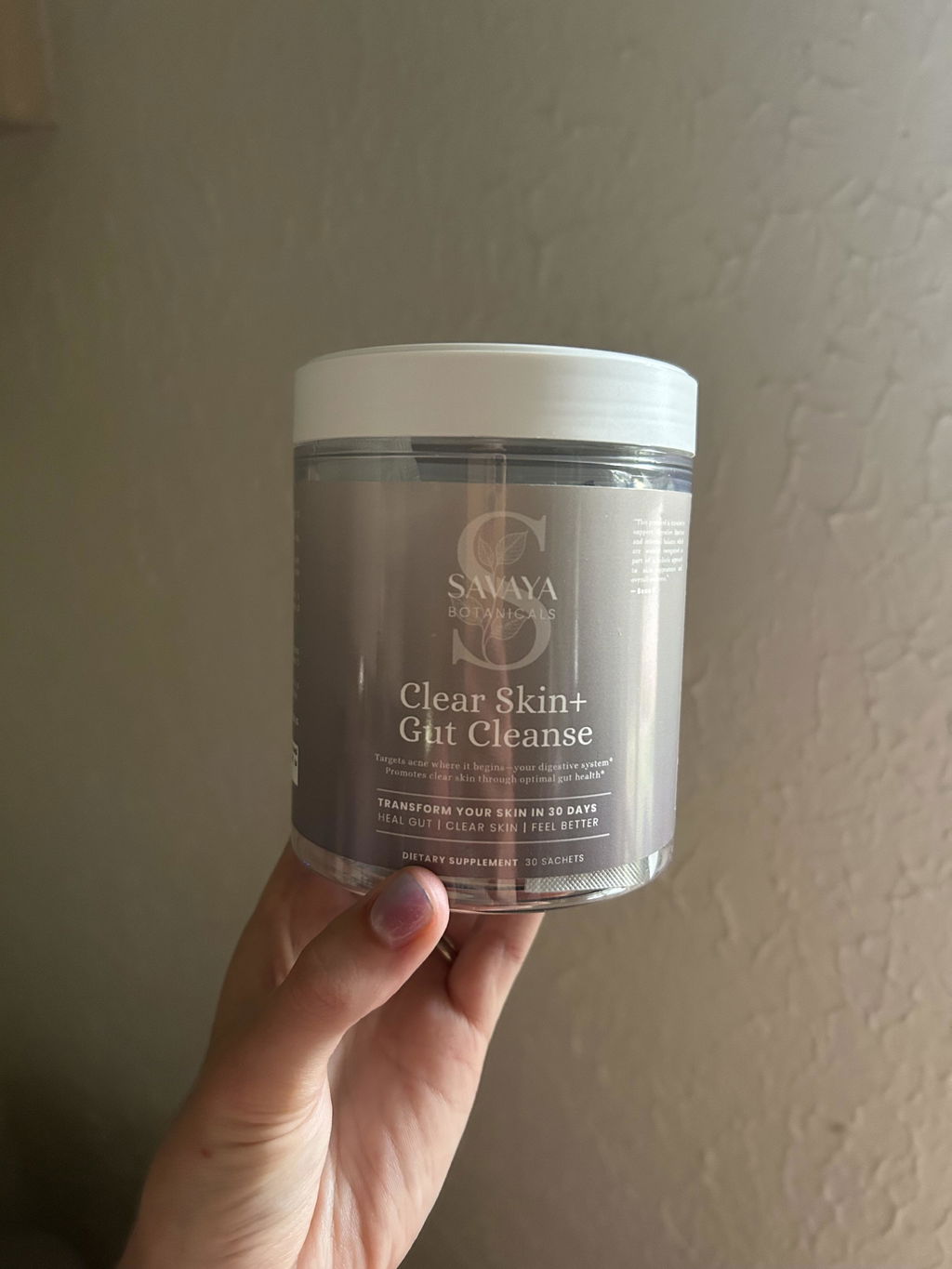
For those dealing with persistent hormonal acne or skin congestion that has not responded to topical approaches, Clear Skin+ Max Detox, a daily acai-based detox blend, supports a liver-first approach to skin health. It's what I most consistently recommend for clients who are ready to stop treating the symptom and start addressing the source.
- - -
Frequently Asked Questions
How long does it take for liver support to visibly improve skin?
Initial improvements in skin tone and reduced congestion are typically noticeable within two to four weeks of consistent liver support. Significant clearing of inflammatory breakouts usually takes six to twelve weeks, as this reflects deeper shifts in hormone metabolism, bile flow, and gut microbiome composition. Consistency matters more than intensity.
Can an overloaded liver actually cause acne?
Yes, through several mechanisms. When Phase II liver detox is overwhelmed, reactive metabolites and unprocessed hormones like estrogen circulate in the bloodstream, triggering systemic inflammation and sebaceous gland overactivity. This is a primary driver of hormonal acne, particularly breakouts along the jawline, cheeks, and chin that cycle with menstrual patterns.
Is the olive oil and lemon shot safe to do daily?
For most people, yes. Those with active gallbladder conditions or gallstone disease should consult a practitioner before starting, as fat intake stimulates bile release. If your stomach is sensitive, start with half a tablespoon of olive oil and increase gradually over one to two weeks.
What are the biggest foods and habits that burden the liver?
The most significant liver stressors are refined seed oils (canola, soybean, corn oil), alcohol, refined sugars, artificial food additives, and conventionally grown produce with high pesticide loads. Chronic stress also significantly taxes liver detox capacity by elevating cortisol, which competes for Phase II conjugation pathways. Reducing these while adding liver-supportive foods creates the largest shift in the shortest time.
Do I need supplements or can food alone support my liver?
Food is the foundation and you can make meaningful progress through diet alone. Targeted supplementation, especially mineral-rich and gut-supportive products, accelerates the process and fills gaps that diet may not cover consistently. The Max Detox protocol combines both approaches for optimal results, especially during active skin-clearing phases.
- - -
Your skin has been trying to tell you something. Not that you need a better exfoliant or a stronger retinol. It has been telling you that something upstream needs support. Most of the time, that upstream source is the liver.
Start with the morning ritual. Add the foods. Support the gut. Give your body twelve weeks of consistency and real nutritional support. The skin that you have been trying to fix from the outside will begin to clear from the inside out.
Clear skin is not about perfecting your skincare routine. It is about how well your body can process and eliminate what it no longer needs.