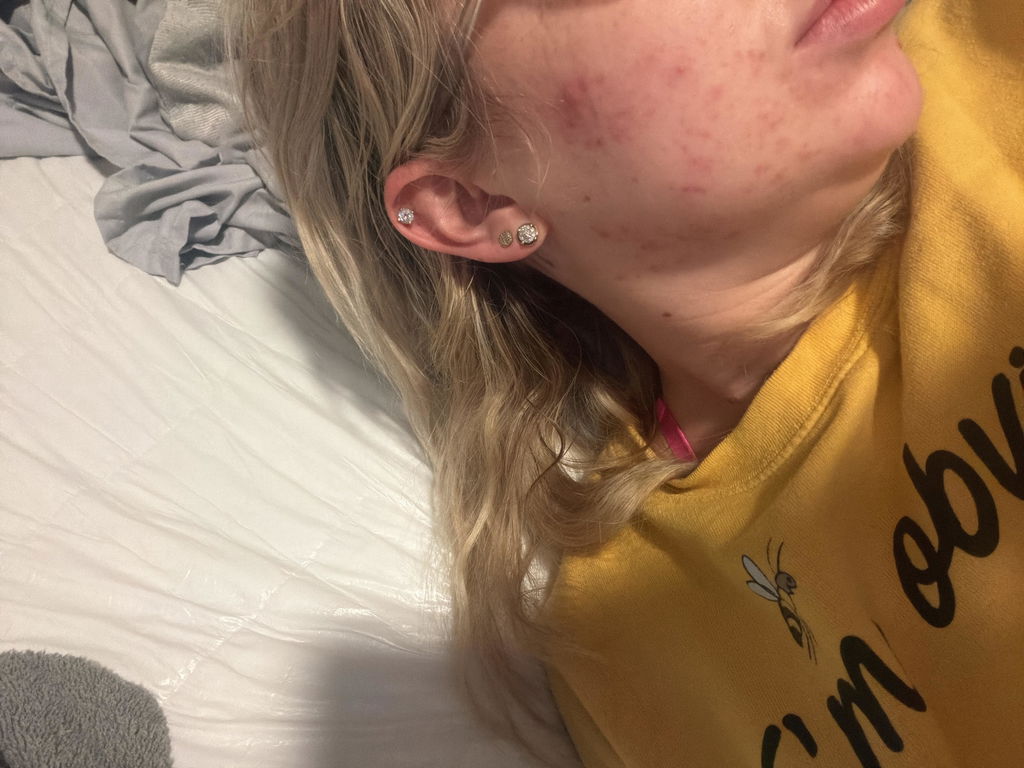
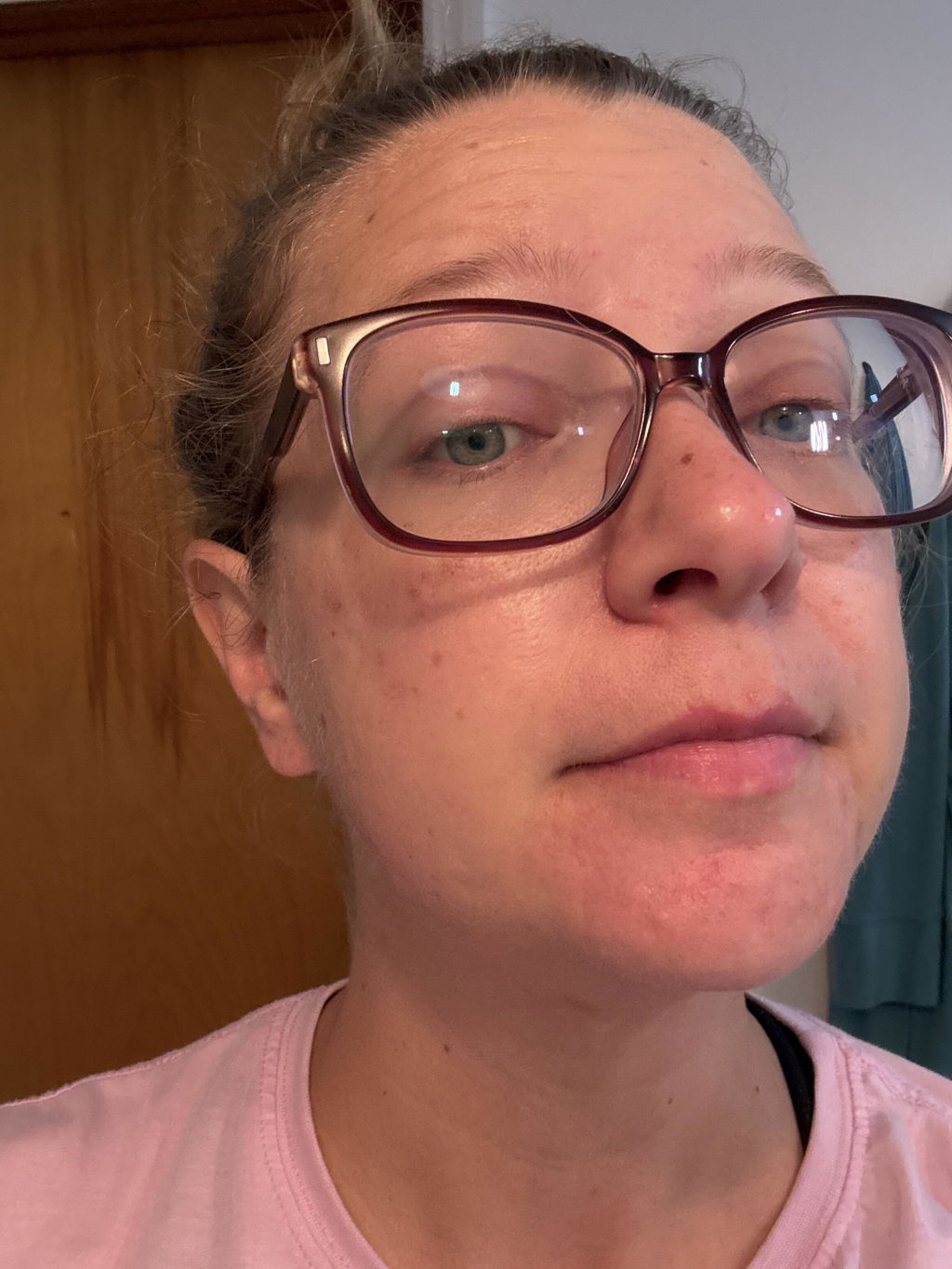
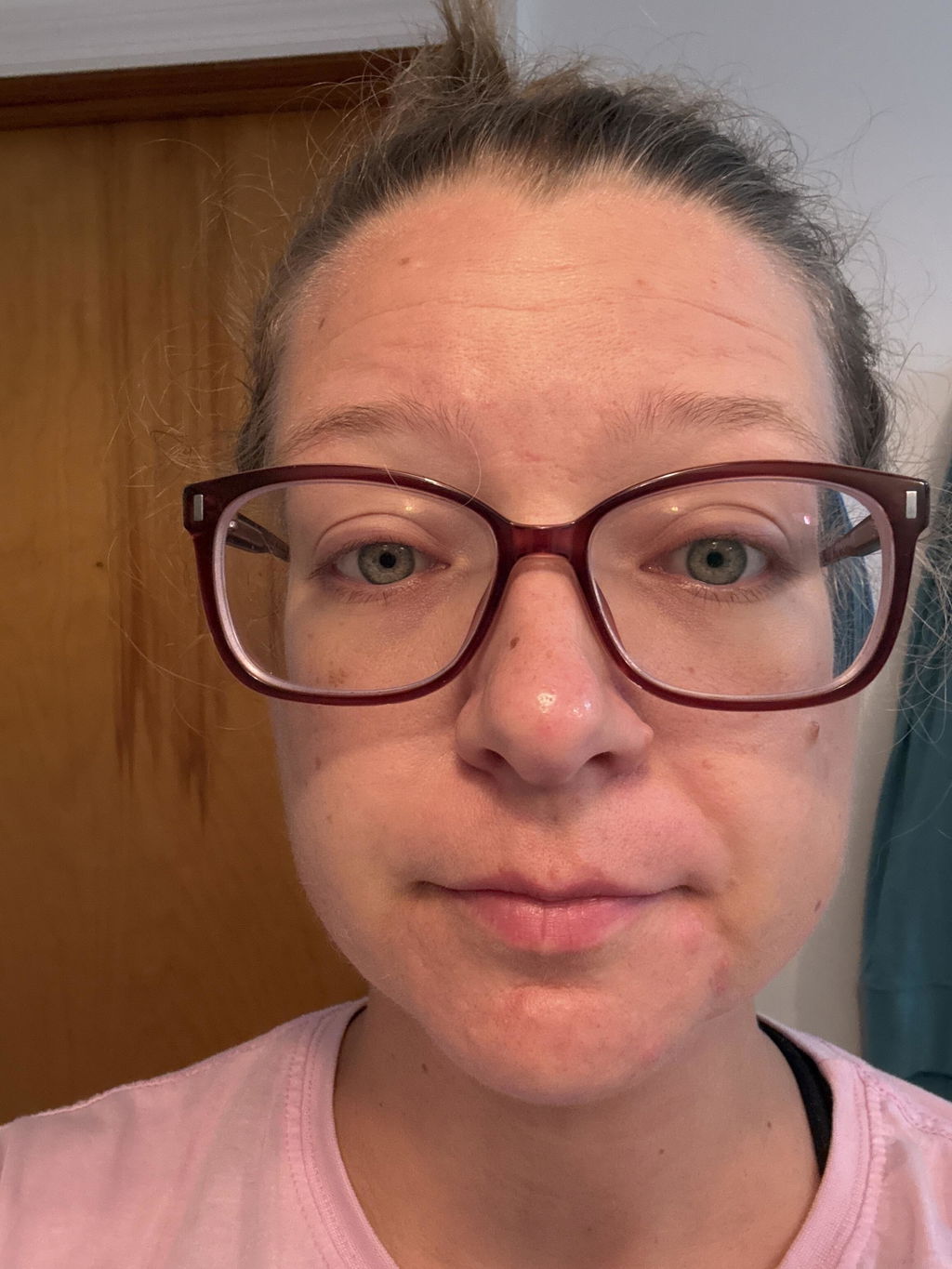
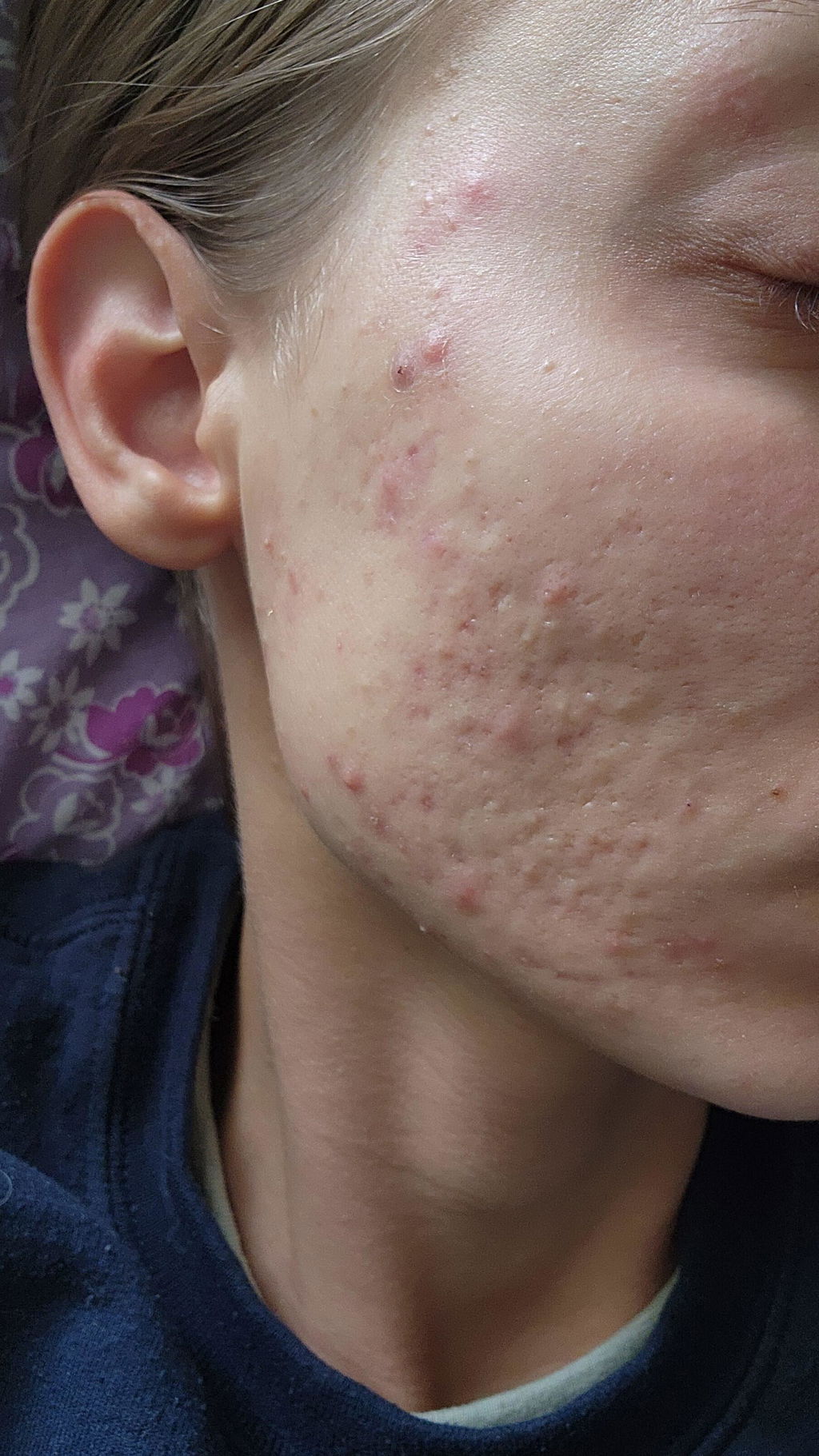
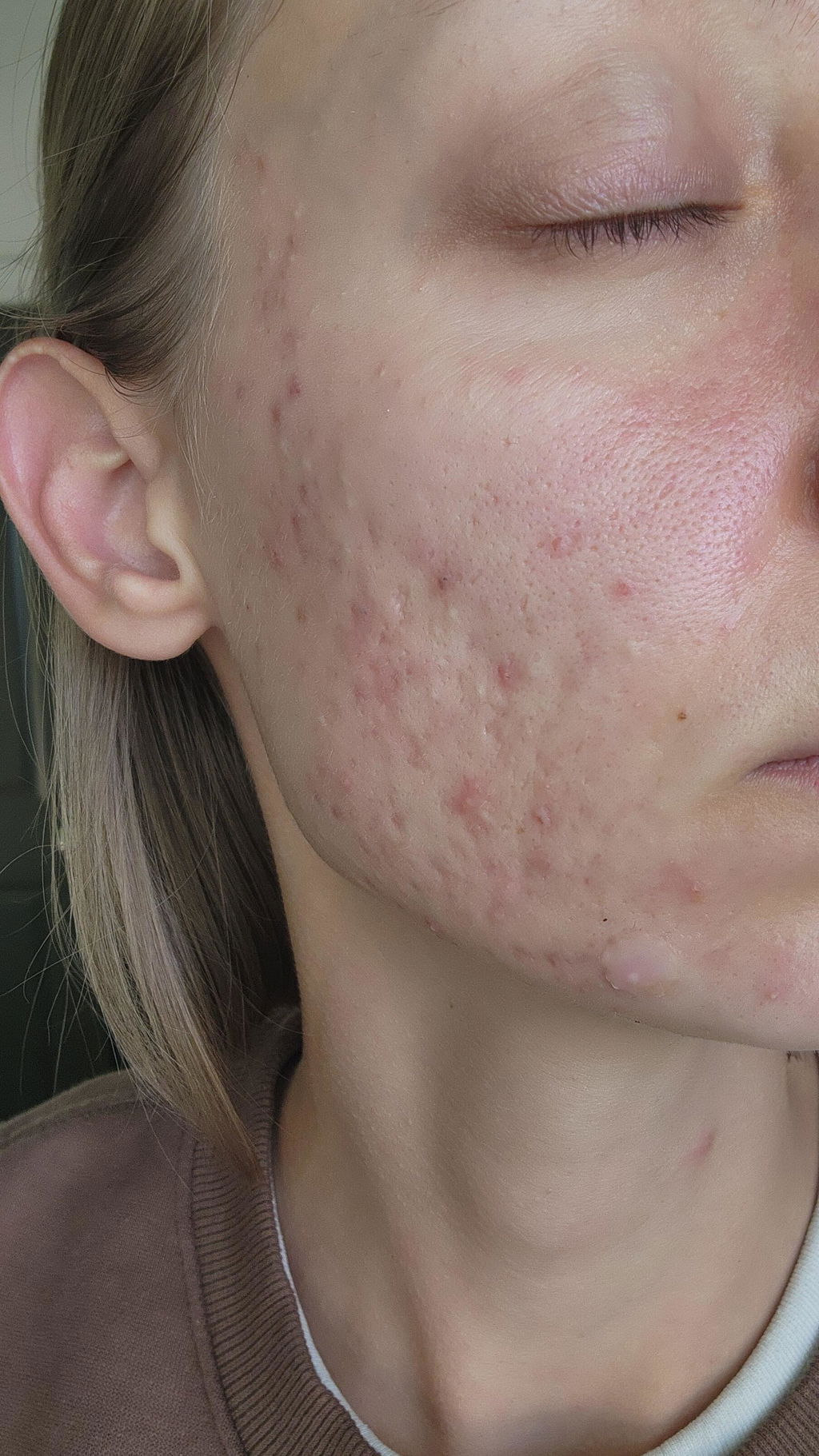
I keep a small notebook in my practice where I write down the moment a woman realizes her skin was never really the problem. It's almost always the same look. Confusion, then anger, then relief. Because the thing breaking down her cheeks and jawline wasn't her genetics or her expensive cleanser. It was breakfast. And lunch. And that oat milk latte she thought was helping.
So I did what any curious practitioner would do. I ran the experiment on myself. Thirty days. Zero added sugar. And I wrote down everything that happened.
Why Sugar Wrecks Your Skin (Not Just Your Waistline)
Sugar damages skin through three separate biological pathways at once. It hardens collagen through a process called glycation. It spikes insulin and IGF-1, which tell your oil glands to go into overdrive. And it starves the beneficial bacteria in your gut microbiome. The result is breakouts, dullness, and premature lines.
Most women I work with are treating the symptom. Better serums. Stronger retinoids. Another peel. What none of those touch is the fuel. And the fuel is on your plate three to five times a day.
Here's the part that surprised me most, and I'll get to it below. It wasn't the acne clearing that made me put down the pen. It was what happened around day 19 that I did not see coming.
Glycation: How Sugar Literally Hardens Your Collagen
Glycation is what happens when a sugar molecule attaches itself to a protein without an enzyme telling it to. In your skin, that protein is usually collagen or elastin. Once bound, sugar creates advanced glycation end products, or AGEs. These stiffen the tissue and rob it of bounce.
You have seen AGEs before. That is what browning is on the outside of a roasted chicken. The same reaction is happening slowly, over years, inside your dermis. Every time your blood sugar spikes, another handful of collagen fibers get cross-linked and cannot uncross.
The visible signs are dullness, deeper lines around the eyes and mouth, sagging at the jawline, and skin that feels a little papery even when it is hydrated. In my practice, this is the woman in her early thirties who says her skin "aged overnight" after a stressful season of takeout and coffee shop pastries. It did not age overnight. She just crossed a threshold.
The good news. Your body is constantly making new collagen. Stop feeding the glycation reaction and give it the raw materials, and the new fibers coming in will be intact. This is where bioavailable collagen support earns its keep. It gives your fibroblasts the amino acids they need to rebuild while you cut the damage upstream.
The Insulin Cascade: Why Sugar Triggers Breakouts
Every time you eat sugar, your pancreas releases insulin to move the glucose out of your bloodstream. Insulin also triggers the liver to release insulin-like growth factor 1, or IGF-1. IGF-1 binds to receptors on your sebocytes, the oil-producing cells in your skin, and tells them to work harder. More oil, thicker oil, plus androgen amplification. That is the recipe for the deep, painful cysts along your jaw and chin.
Dermatology research has been converging on this pathway for over a decade. High-glycemic diets are one of the most reliable dietary predictors of adult acne in the literature. When women tell me they have "hormonal acne," what they actually have, more often than not, is insulin-driven acne wearing a hormonal costume.
The fix is not another round of spironolactone. The fix is teaching insulin to stay calm. That happens by removing the spikes, and by giving your sebocytes something more interesting to do than crank out oil.
Your Gut Microbiome on Sugar: The Diversity Collapse
Your gut is home to trillions of bacteria that make short-chain fatty acids, calm inflammation, and quietly keep your skin barrier stable through the gut-skin axis. Sugar collapses that ecosystem. Research published in Cell Host and Microbe (Townsend et al., 2019) showed that dietary sugar silences a key colonization factor in mammalian gut symbionts, giving pathogens room to move in while beneficial species starve out.
What happens next is a slow-motion cascade. The mucous layer that lines your gut thins. Zonulin, the gatekeeper protein between your intestinal cells, gets triggered. Junctions loosen. Bacterial fragments leak into circulation. Your immune system flags them, and the resulting low-grade inflammation lands wherever your body is genetically weak. For many women, that is the skin.
This is why the same women who eat cereal for breakfast, granola for a snack, and dried fruit "instead of candy" often have both bloating and breakouts at the same time. The two are not coincidental. They are the same problem, expressed in two organs. A targeted gut cleanse starts undoing that damage from the inside, so the outside has a chance to follow.
The Hidden Sugars Sabotaging Your "Healthy" Diet
Sugar goes by dozens of different names on food labels. Cane juice, evaporated cane, rice syrup, malt extract, agave, coconut nectar, date paste, fruit concentrate. The wellness industry is especially fluent in these disguises.
The worst offenders are almost always foods you think are helping you.
- Flavored yogurt. Often more sugar per cup than ice cream.
- Granola. A single serving can carry several teaspoons.
- Oat milk. Naturally converts to glucose faster than a slice of white bread.
- Kombucha. Fermented, yes, but still carries grams of residual sugar after the second ferment.
- Dried fruit. A single medjool date holds more sugar than a small candy bar.
- Protein and energy bars. Especially the ones marketed as "clean."
- Bottled salad dressings. Sweetened to hide cheap oil quality.
- Nut butters with "no added sugar" on the front and cane juice in the ingredients.
I have watched more transformations begin by reading a label than by starting a new supplement.
What Happened Week by Week
Week 1: The Crash
Days one through four were harder than I remembered from previous resets. Headaches by afternoon, foggy thinking around 3pm, and a low mood I hadn't expected. My cravings were louder at 10pm than at any other point in the day. Interestingly, my skin got slightly worse before it got better. Two new blemishes appeared on my chin around day three. I know now this is the exit. Your liver is dumping. Your lymph is moving. The garbage has to come out somewhere.
Week 2: The Turn
Somewhere around day nine, the fog lifted. I woke up before my alarm two mornings in a row. Cravings dropped from thunderous to a whisper. The blemishes from week one started closing, and no new ones showed up. I noticed my HPA axis felt calmer, which I recognize by how I respond to my inbox on a Monday morning. I stopped bracing.
Week 3: The Skin Turn
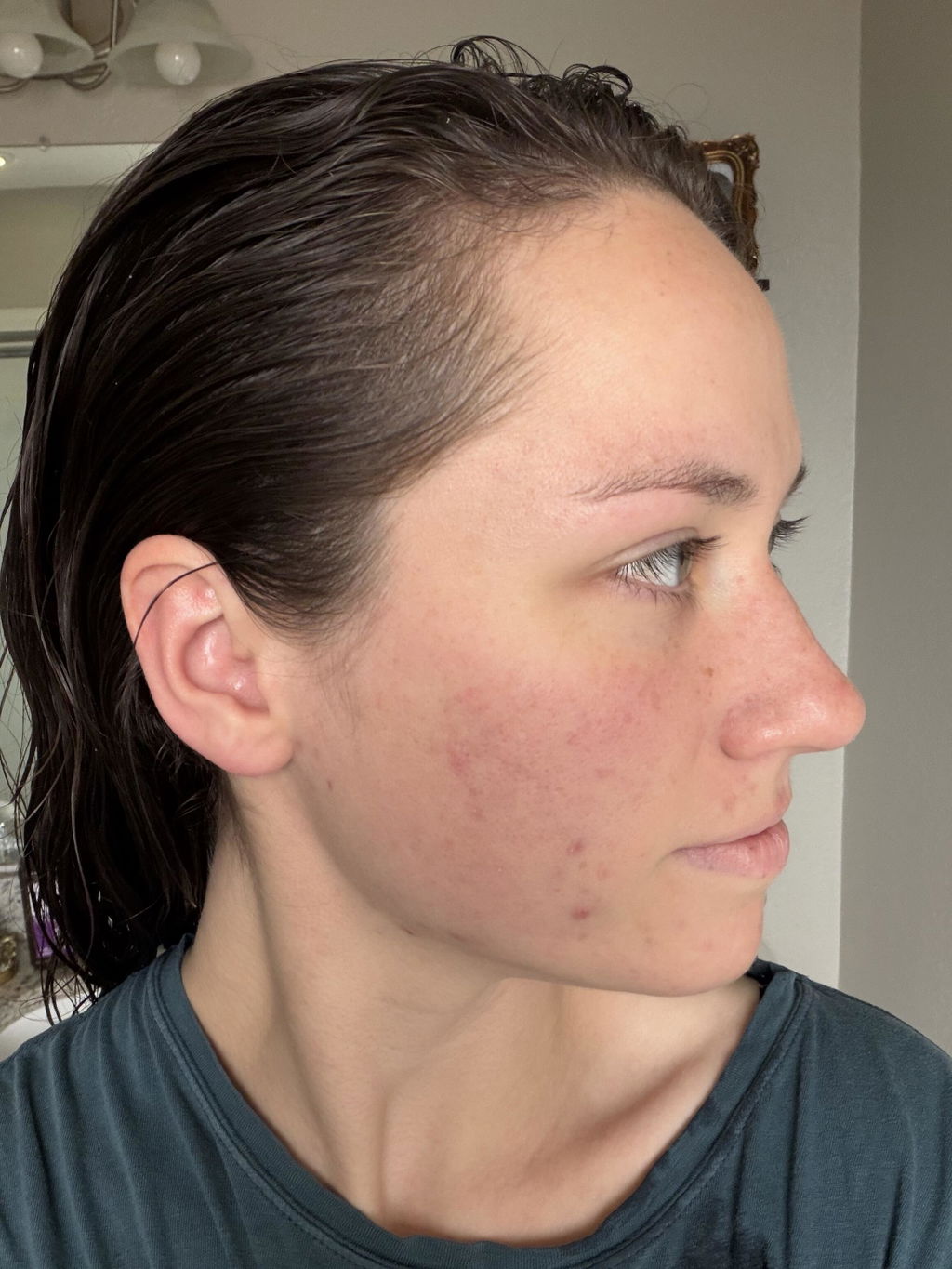
Day 19 was the day I stared at my face in the bathroom mirror and understood what a client of mine had been trying to describe for months. Her "morning face" had changed. The redness around my nose had faded. The two small hormonal spots that showed up every cycle at my jawline didn't arrive on schedule. My skin looked lit from within, not because I had done anything topical, but because the inflammation that had been dulling it was finally quiet. This is what happens when your gut and your endocrine system stop screaming at each other.
Week 4: The Lock-In
By day 25, sugar started to taste different. A bite of my usual dark chocolate tasted almost floral. Fruit tasted like dessert. The last week was less about willpower and more about pattern. I slept deeper, woke earlier, and my afternoon energy did not crater. My skin held. This is the version I wanted to keep.
How to Do Your Own 30-Day Sugar Reset
A no-sugar reset works only if you engineer the environment. Willpower is the least reliable variable in nutrition, and the food industry has spent billions making sure of that. Set the game up so you win by default.
Here is the exact structure I use with the women I work with.
- Clear the pantry the night before you start. Anything with cane juice, syrup, or nectar in the ingredient list goes out.
- Shop three days out at a time. Fresh proteins, low-glycemic fruits like berries, and a big rotation of vegetables.
- Anchor each meal with protein and fat first, then add carbohydrates from whole sources.
- Replace your morning coffee shop stop with home coffee plus one tablespoon of collagen and a pinch of sea salt.
- Support the transition from the inside. Mineral-poor bodies crave sugar because they are actually asking for magnesium and trace minerals. This is where 92 trace minerals from the ocean quietly earn their place. Cravings drop faster when the mineral tank is full.
- Move your body daily, but gently. Long walks over hard workouts for the first ten days.
- Sleep before 10:30pm. Blood sugar regulation is a night shift job.
You cannot out-serum a diet that spikes your insulin four times a day. The skin is downstream. Fix the river, not the fish.
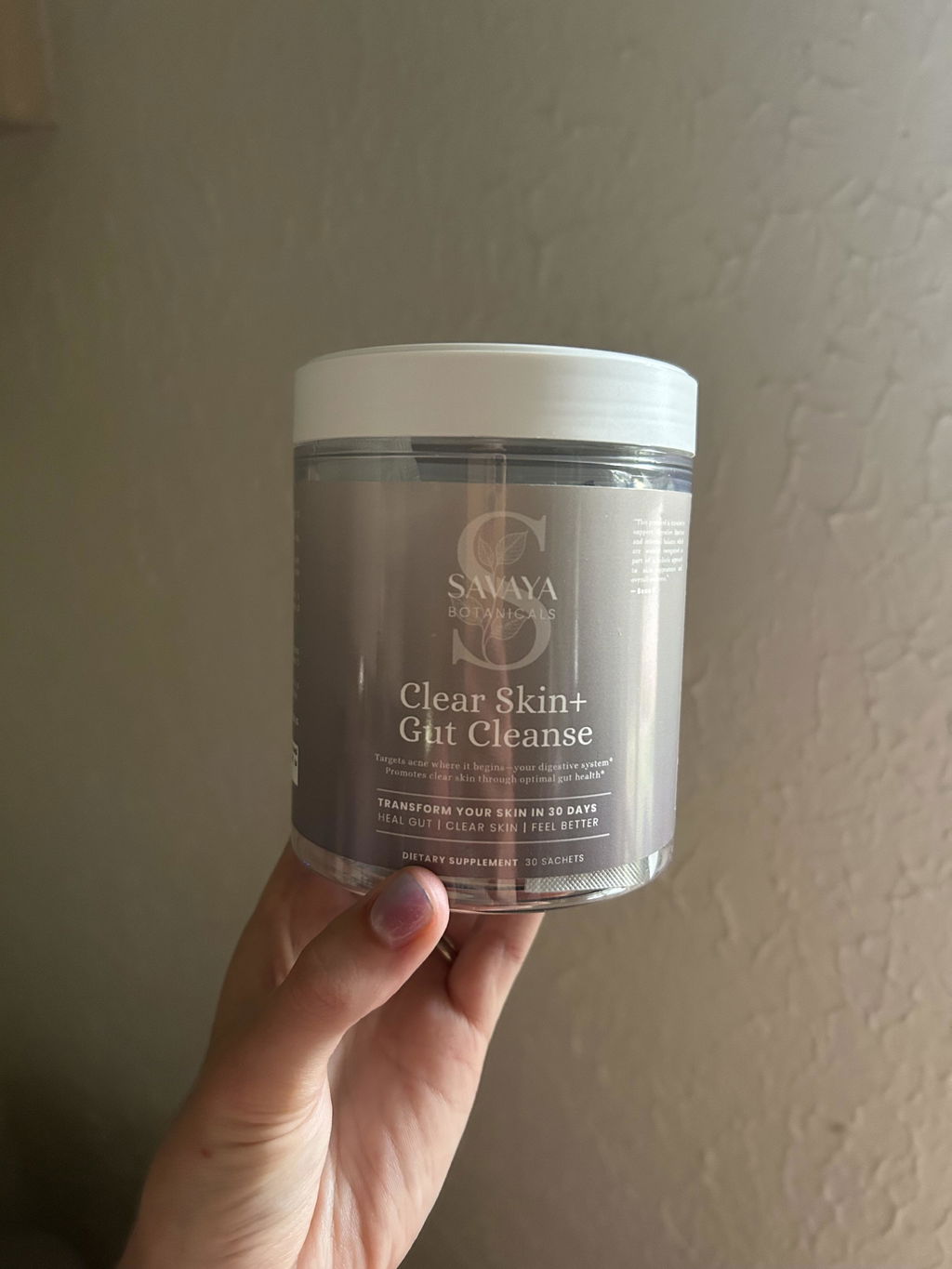
If you have been at this for a while and 30 days feels like a warmup, the 12-week gut-to-skin program is the deeper version of the same protocol. For chronic inflammation with a heavier detox history, the deeper 12-week reset pairs cellular drainage with the mineral rebuild your skin has been begging for.
Meal Ideas That Won't Spike Your Insulin
These are the meals in my rotation. Simple, satisfying, and low enough on the glycemic scale that your afternoon energy stays flat.
- Breakfast. Two soft eggs, half an avocado, a handful of arugula, and a slice of smoked salmon. Coffee with collagen.
- Breakfast alternate. Full-fat plain yogurt, a small handful of berries, one tablespoon of unsweetened almond butter, cinnamon.
- Lunch. Roasted chicken thighs, quinoa or lentils, roasted zucchini, a drizzle of tahini and lemon.
- Lunch alternate. A big green salad with sardines or wild salmon, olives, cucumber, hemp hearts, olive oil.
- Dinner. Grass-fed beef, mashed cauliflower with ghee, sauteed greens with garlic.
- Dinner alternate. Wild salmon, a small portion of roasted sweet potato, asparagus, coconut yogurt on the side.
- Snacks. Boiled eggs. A small handful of walnuts. Green apple slices with almond butter. Cucumber with sea salt and olive oil.
Your skin also has an outside. While the inside resets, protect the barrier with a barrier-repairing tallow cream at night so trans-epidermal water loss does not quietly undo your progress while you sleep.
• • •
Frequently Asked Questions
Is 30 days really enough to see skin changes?
Yes, for most women. Your skin turns over roughly every 28 days at a healthy rate, which means a full new outer layer appears during the reset. Deeper changes, especially in glycation and gut microbiome diversity, keep going for another 60 to 90 days. Thirty days is the on-ramp, not the finish line.
What can I drink besides water?
Herbal tea, black coffee, sparkling water with lemon, bone broth, and unsweetened matcha are all fair game. Skip fruit juice, sweetened plant milks, kombucha, and anything labeled "zero" because artificial sweeteners can still disturb the microbiome and confuse insulin signaling.
Can I have fruit during a no-sugar reset?
Yes, but choose low-glycemic fruit like berries, green apples, and kiwi, and keep portions to one small serving per day. Skip dried fruit and tropical fruit for the full 30 days, then reintroduce them slowly to see how your skin responds.
How do I handle sugar cravings without willpower?
Cravings are usually a signal that something else is missing. Protein at every meal, adequate salt, magnesium at night, and trace minerals during the day take most cravings from a roar to a whisper. Sleep matters more than you think. Under seven hours doubles cravings within 24 hours in most people I work with.
Is it safe to do this if I'm exercising heavily?
Yes, but adjust. Athletes and heavy lifters can add clean carbohydrates from sweet potato, plantain, or white rice in the meals surrounding training. This is a low-added-sugar protocol, not a no-carb protocol. The goal is to remove insulin-spiking refined sugar, not to starve your muscles.