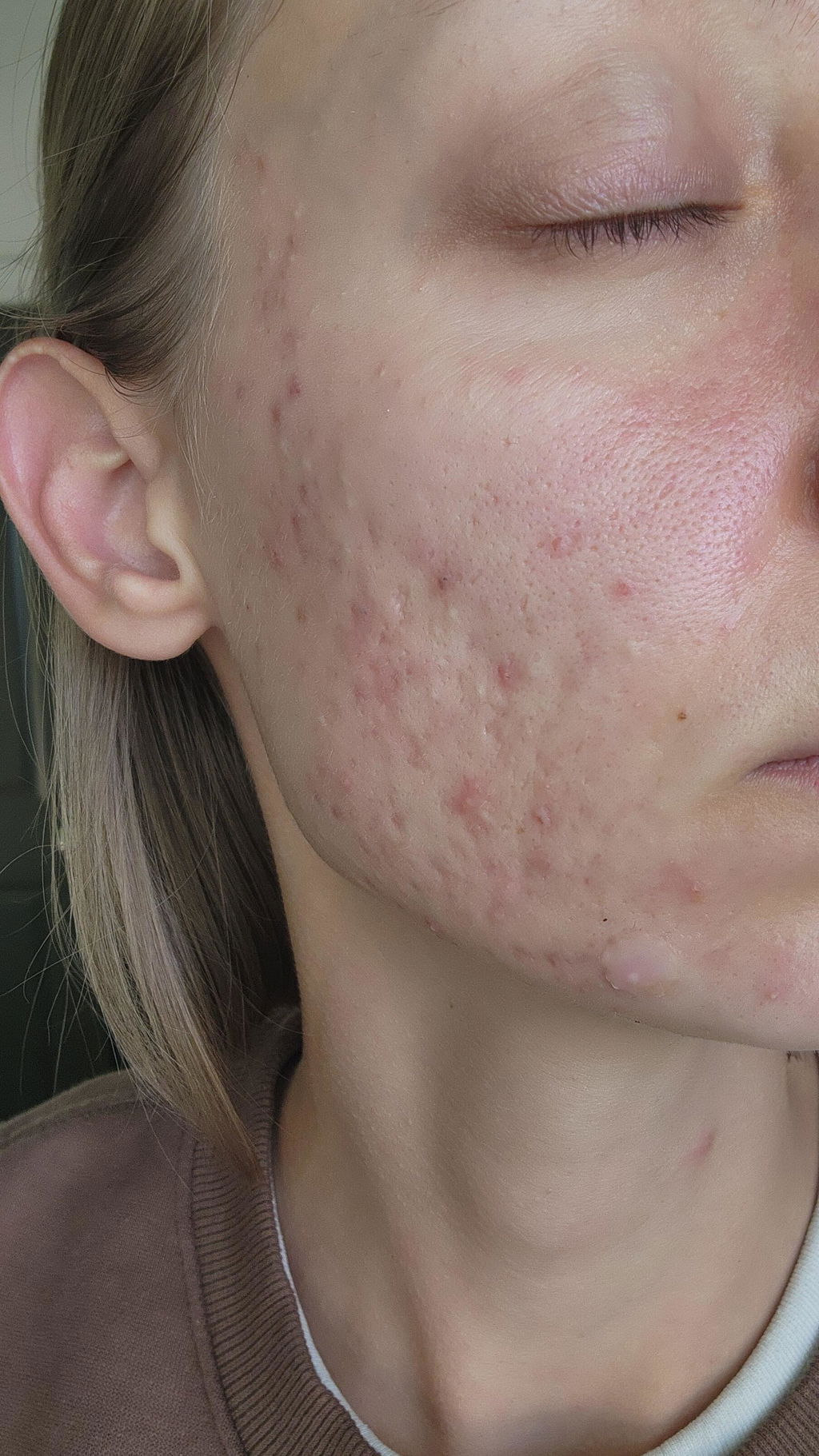
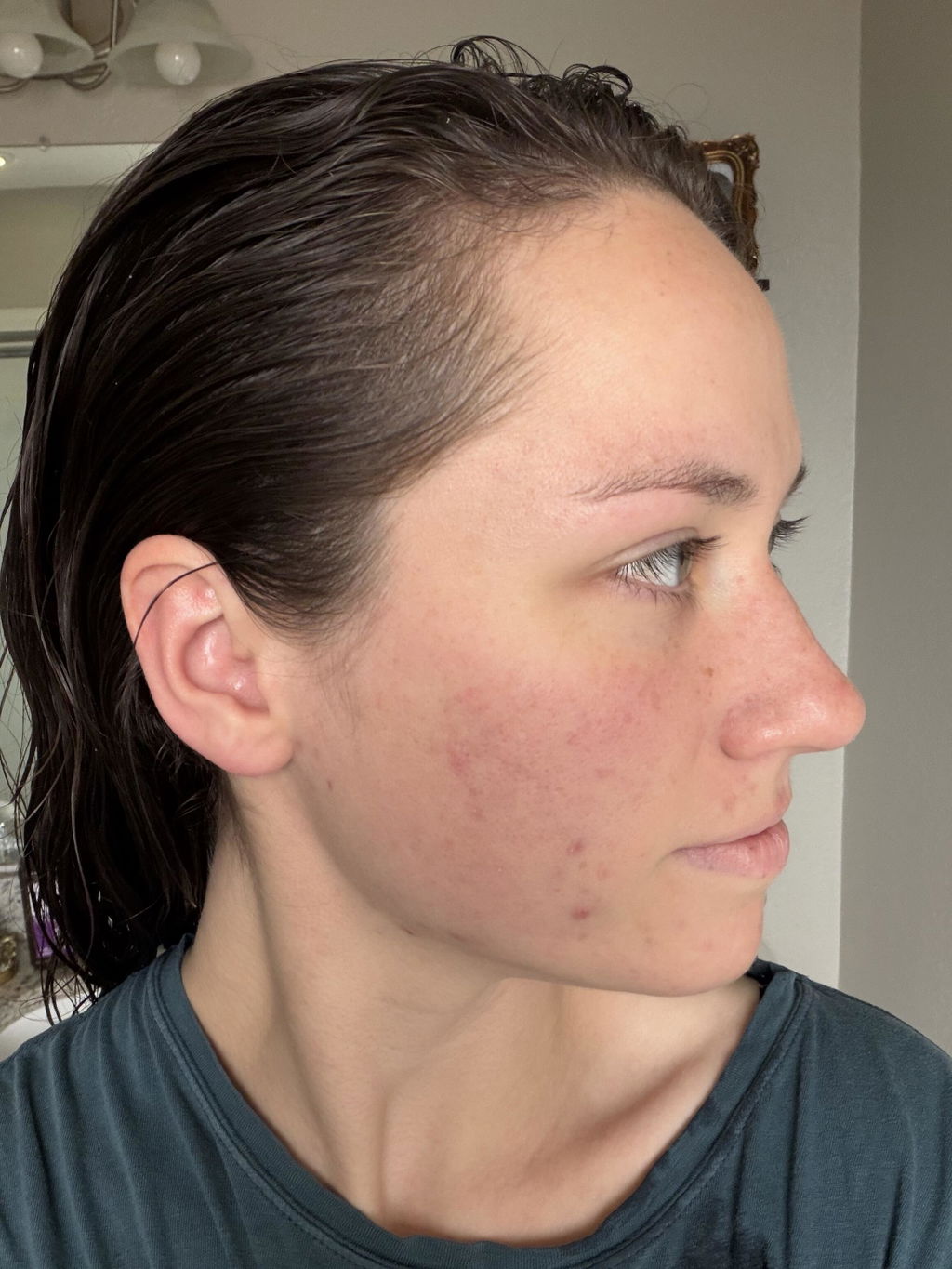
Almost every woman who walks into my practice with stubborn cystic acne has the same story. Antibiotics cleared her skin at first. Then they stopped working. Then her breakouts came back angrier, deeper, and now nothing she tries seems to touch them. Her dermatologist called it treatment resistant acne. What nobody explained is that the antibiotics themselves are a big part of why her skin is now worse than it was before she started.
Here is what is actually happening when you take doxycycline, minocycline, or tetracycline for months at a time. The mechanism matters, because once you see it the rebound stops feeling mysterious.
Why Antibiotics Clear Acne at First
Oral antibiotics for acne work by suppressing Cutibacterium acnes, the skin bacteria involved in inflammatory lesions, while also lowering overall inflammation in the follicle wall. For the first six to eight weeks, most people see real improvement. Skin gets calmer. Cysts shrink. The mirror finally cooperates.
The problem is that the drug does not distinguish between the bacteria on your face and the bacteria in your gut. A daily dose of doxycycline enters your bloodstream and reaches every microbial community in your body. Your skin clears while your microbiome quietly gets flattened. The same drug that gave you clear skin is dismantling the ecosystem that would have kept it clear on its own. So what happens the moment you stop?
The Rebound: When Your Skin Comes Back Angrier
The rebound is a definitional pattern. Skin clears on antibiotics. C. acnes returns as soon as the drug is stopped. But the gut microbiome that helps regulate inflammation is now damaged, so the returning bacteria trigger a much stronger inflammatory response than before treatment ever began.
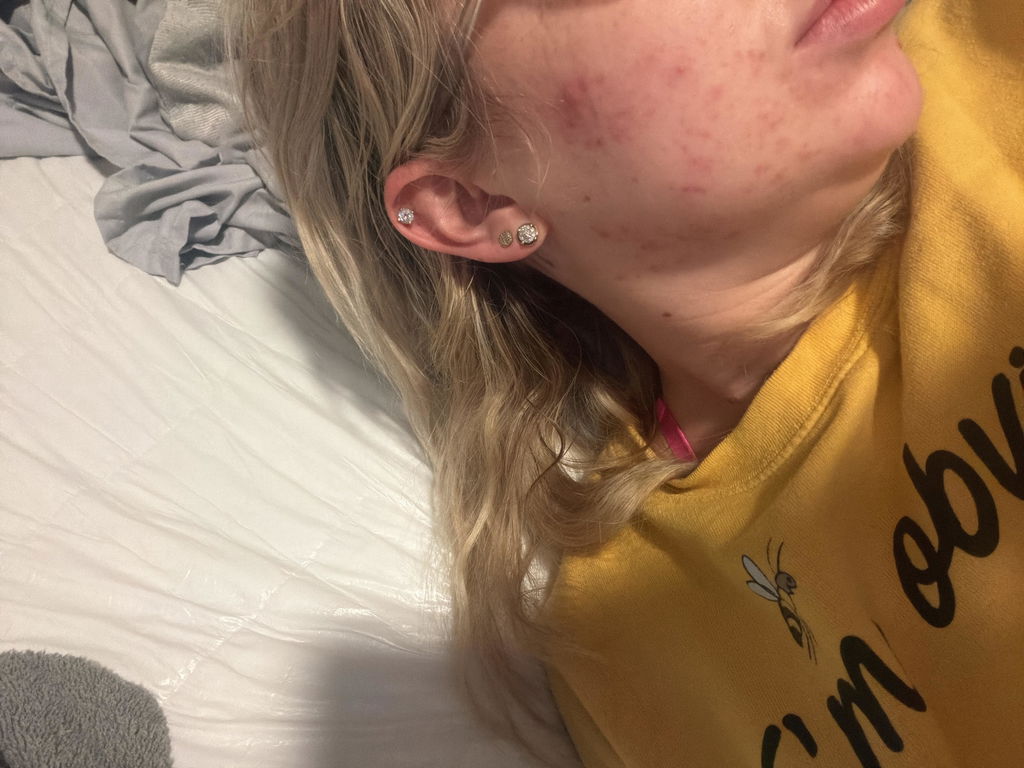
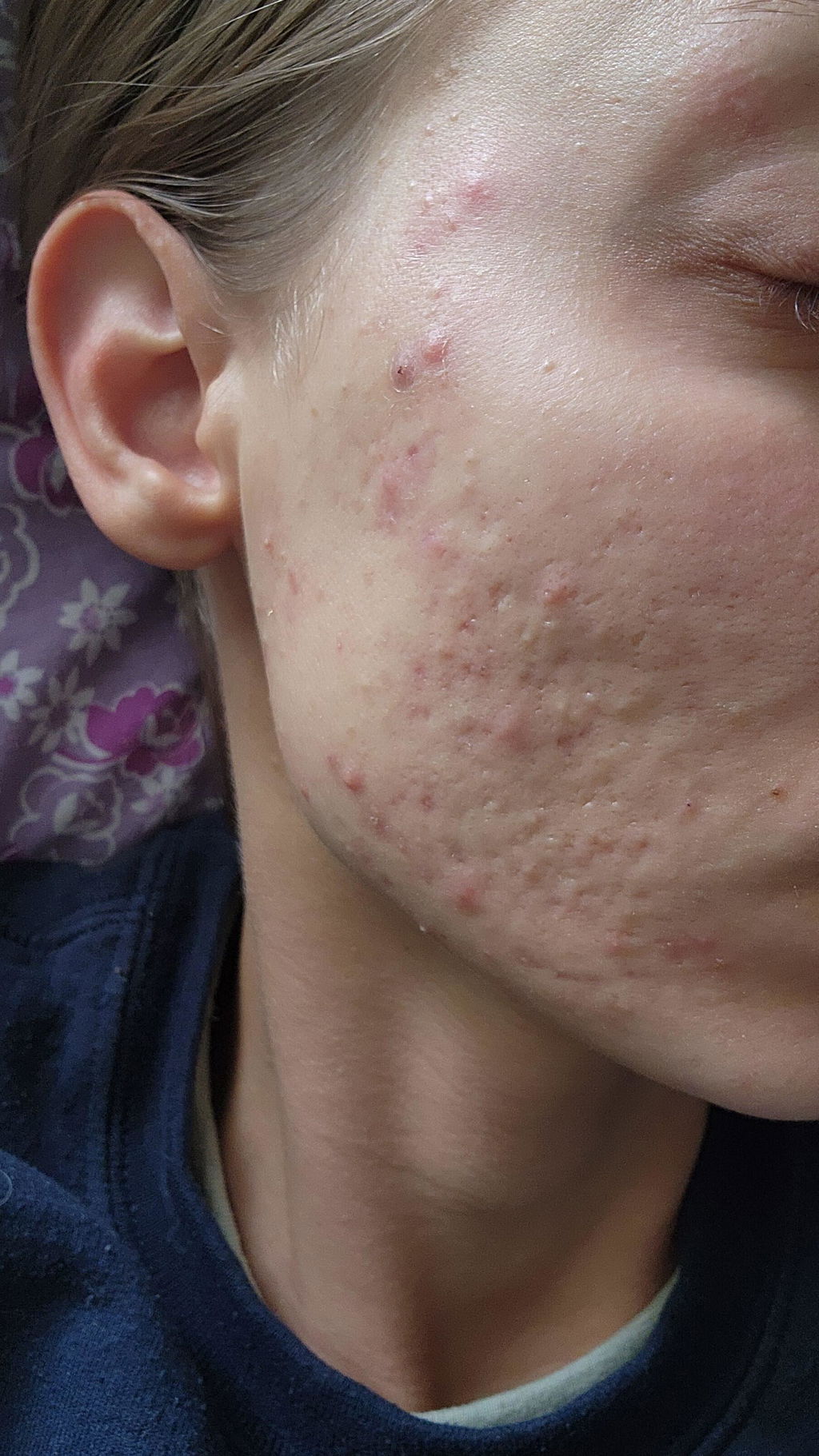
What I see most often in my practice is women who took antibiotics for six to twelve months, sometimes longer. Their skin was fine on the drug. Within four to eight weeks of stopping, they had cysts along the jawline that were bigger and more painful than anything they had before treatment.
On dermatology forums this story shows up so often it is almost a genre. Someone finishes a long course of minocycline and posts a photo three months later asking why her skin is worse than it has ever been. The comment thread fills with women saying the same thing happened to them. One recurring line in those threads: "I would give anything to go back to the acne I had before the antibiotics."
The antibiotic did not fail. It worked exactly as designed. It just did not fix what was actually broken.
What Antibiotics Actually Kill in Your Gut
Oral antibiotics used for acne are broad spectrum, which means they do not politely target only one species. Tetracyclines suppress a wide swath of the gut microbiota, including many of the beneficial genera your skin quietly depends on.
The most consistently disrupted species include:
- Lactobacillus. A keystone genus for gut barrier integrity and immune tone.
- Bifidobacterium. Produces short chain fatty acids that regulate inflammation across the body.
- Akkermansia muciniphila. Feeds and thickens the intestinal mucus layer that keeps bacterial endotoxins out of your bloodstream.
- Faecalibacterium prausnitzii. One of the largest butyrate producers in the human gut, and one of the most protective species researchers have identified.
Losing these genera does not just affect digestion. It weakens the intestinal barrier, lowers short chain fatty acid production, and disrupts the gut skin axis that regulates sebum, cortisol, and inflammatory signaling. This is how a course of antibiotics can leave you with worse acne than you started with.
The Antibiotic Resistance Problem Nobody Warns You About
Antibiotic resistance in C. acnes is not a theoretical future concern. It is a well documented present day reality. Research going back to the work of Eady and Cove in the 1990s, and expanded in dermatology literature every year since, has shown steadily rising rates of resistance in the very bacteria acne antibiotics are meant to suppress.
In many populations, erythromycin resistance in C. acnes is now the majority of isolates. Tetracycline and doxycycline resistance is rising in parallel. This is why so many women describe antibiotics working well for their first course and progressively less well for their second and third.
The bacteria on your skin adapt. The bacteria in your gut do not adapt in the same protective direction. You lose the beneficial microbes and keep the resistant ones. That is the worst possible trade.
Candida Overgrowth: The Second Wave
Candida albicans is a normal member of the human microbiome. It is kept in check by competing bacteria, particularly Lactobacillus species, and by a healthy immune response at the gut lining. When antibiotics clear out the bacteria, Candida has an open field.
The women I see with post antibiotic acne often show signs of Candida overgrowth as well. Recurrent yeast infections. A white coating on the tongue. Sugar cravings that were not there before. Bloating within twenty minutes of any starchy meal. A slow itchy rash in the folds of the skin.
Candida overgrowth is inflammatory. It produces metabolites that increase intestinal permeability, one of the mechanisms behind what functional medicine calls leaky gut. When the gut barrier leaks, zonulin rises, the immune system fires constantly, and the skin is one of the first places that inflammation shows up.
C. difficile Risk, Even for Healthy Young Adults
C. difficile infection is not a risk reserved for elderly hospital patients. Community acquired C. difficile has been rising for years, and one of the most consistent risk factors is a recent course of oral antibiotics. Clindamycin, fluoroquinolones, and cephalosporins carry the highest documented risk, but tetracyclines can trigger it too.
The mechanism is straightforward. C. difficile is normally suppressed by a diverse gut microbiome. Wipe out the diversity, and C. difficile spores that were already in your gut, or that you picked up in the environment, have space to bloom. The result is severe diarrhea, colitis, and in serious cases hospitalization.
I am not raising this to frighten anyone. I am raising it because most women who are prescribed months of antibiotics for a cosmetic concern are never told this is even on the risk table.
What the 2022 Microbiome Research Actually Shows
The anchor study in this area is Palleja and colleagues in Nature Microbiology, 2018, which followed healthy adults for six months after a short course of broad spectrum antibiotics. Partial recovery took six months. Nine common beneficial species did not return in that window at all.
Follow up work published through 2022 in journals like Cell Host and Microbe and Nature Communications has confirmed and extended that finding. The consensus is that after a standard course of oral antibiotics, meaningful microbiome recovery takes six to twelve months, and some species may never fully return on their own without active rebuilding. Longer courses, like the six month minocycline protocols still routinely prescribed for acne, leave a much longer footprint.
This is the part that changes how you think about acne antibiotics. You are not making a six month commitment. You are making a decision that echoes in your gut for one to two years.
What I Recommend Instead of Long Term Antibiotics
Nothing in this article is medical advice, and there are cases where dermatologists prescribe antibiotics for good reason. But if your acne is hormonal, cyclical, cystic along the jawline, or has been slowly getting worse for years, the antibiotic path is very often the wrong tool for what is actually happening underneath.
What I see work in my practice, over and over, is addressing the gut first. When women stop trying to sterilize their skin from the outside and start rebuilding from the inside, the pattern breaks. Usually within three to four months of consistent daily inputs. The vagus nerve, the HPA axis, and the intestinal barrier sit on the same regulatory loop. Rebuild one and the others follow, which is why a well sequenced gut protocol so often clears skin that years of topical treatments and antibiotics could not touch.
How to Rebuild Your Gut After Antibiotics
If you have been on antibiotics for weeks or months, here is the sequence I walk women through in my practice.
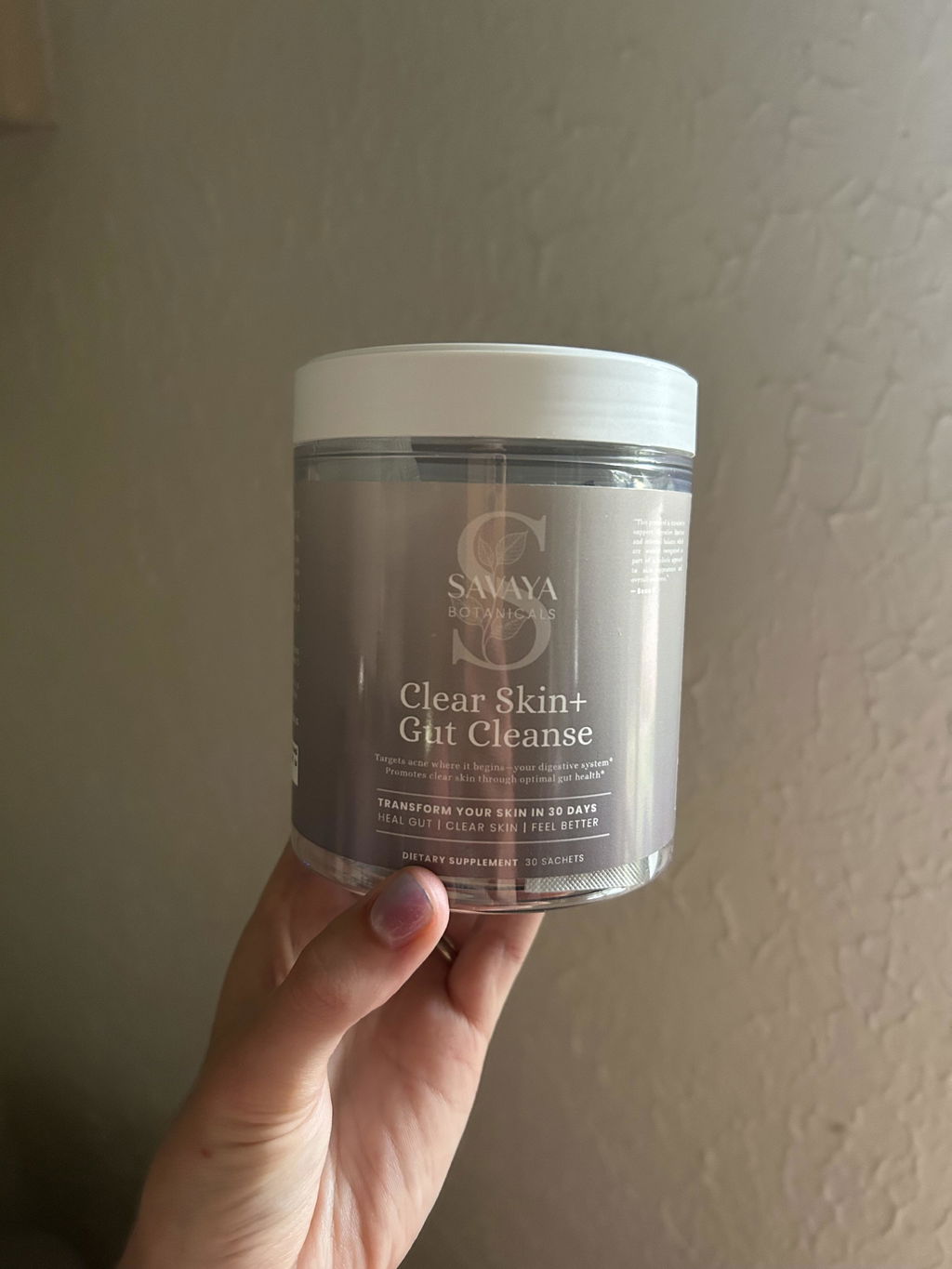
- Clear first, then rebuild. Trying to seed probiotics into a gut full of Candida and resistant biofilms is like planting seeds in gravel. A structured reset like a targeted gut cleanse gives beneficial species room to actually colonize.
- Feed the barrier. Short chain fatty acids are made from fermentable fiber. Onions, garlic, cooked and cooled potatoes, oats, and legumes feed the exact species antibiotics stripped out. Aim for variety more than quantity.
- Support the mucus layer. The intestinal mucus layer, fed by Akkermansia and rebuilt with polyphenols from berries, green tea, and olive oil, is one of the first things damaged by antibiotics and one of the first things to prioritize.
- Add trace minerals. Antibiotic disruption depletes zinc, magnesium, and selenium, all of which the skin needs to regulate sebum and inflammation. 92 trace minerals from the ocean in a whole food form your body actually absorbs.
- Rebuild collagen and skin structure. Post antibiotic skin is often thinner, more reactive, and slower to heal. Bioavailable collagen support gives the dermis raw material to repair the barrier from the inside out.
- Protect the outer barrier while it heals. Skip anything with alcohol or fragrance. A simple barrier repairing tallow cream mimics the lipid profile your skin makes on its own.
- Give it time. Six to twelve months of consistent daily inputs. Not because it is complicated, but because that is how long the biology actually takes.
For women who want the sequenced version without piecing it together themselves, the 12 week gut to skin program walks through the full rebuild in the correct order. Women with longer histories of antibiotic use often benefit from the deeper 12 week reset that runs slower and clears more layers.
The mechanism is boring, and it is not fast. But it is the actual path most of the women I see stay on when nothing else worked.
Frequently Asked Questions
Can antibiotics permanently damage the gut microbiome?
Palleja and colleagues in 2018, and follow up work through 2022, show that partial gut microbiome recovery takes about six months after a short course of antibiotics. Some beneficial species do not return on their own after that window. Long courses used for acne can leave a footprint that lasts a year or more. Active rebuilding through prebiotic fiber, polyphenols, and targeted support helps recovery move faster.
Why did my acne come back worse after stopping antibiotics?
Antibiotics suppress skin bacteria but do not fix the gut imbalance driving inflammation. When you stop, C. acnes returns while your inflammatory regulation is weaker because the beneficial gut bacteria that produce short chain fatty acids and support the intestinal barrier have been depleted. The result is often deeper, more inflamed breakouts than you had before treatment.
How long does it take to rebuild the gut after antibiotics?
Most women see meaningful skin improvement in three to four months of consistent gut support. Full microbiome rebuilding takes six to twelve months, depending on how long you were on antibiotics, which species you lost, and how consistently you feed the survivors with prebiotic fiber, polyphenols, and trace minerals.
Is it safe to take probiotics while on antibiotics?
Probiotics during antibiotics are generally safe, but research from the Suez lab and others suggests they may slow the return of your native microbiome once antibiotics stop. Many practitioners now focus on prebiotic fiber and fermented foods during treatment, reserving targeted probiotic support for after the course is complete and the gut has been cleared.
What are the signs of Candida overgrowth after antibiotics?
Common signs include recurrent yeast infections, a white coating on the tongue, new sugar cravings, bloating within twenty minutes of starchy meals, brain fog, and slow itchy rashes in skin folds. Cystic acne along the jawline that appeared or worsened after antibiotics is another pattern I see often in practice.
• • •
Written by Sarah Mitchell, holistic practitioner working with women on gut driven skin conditions.