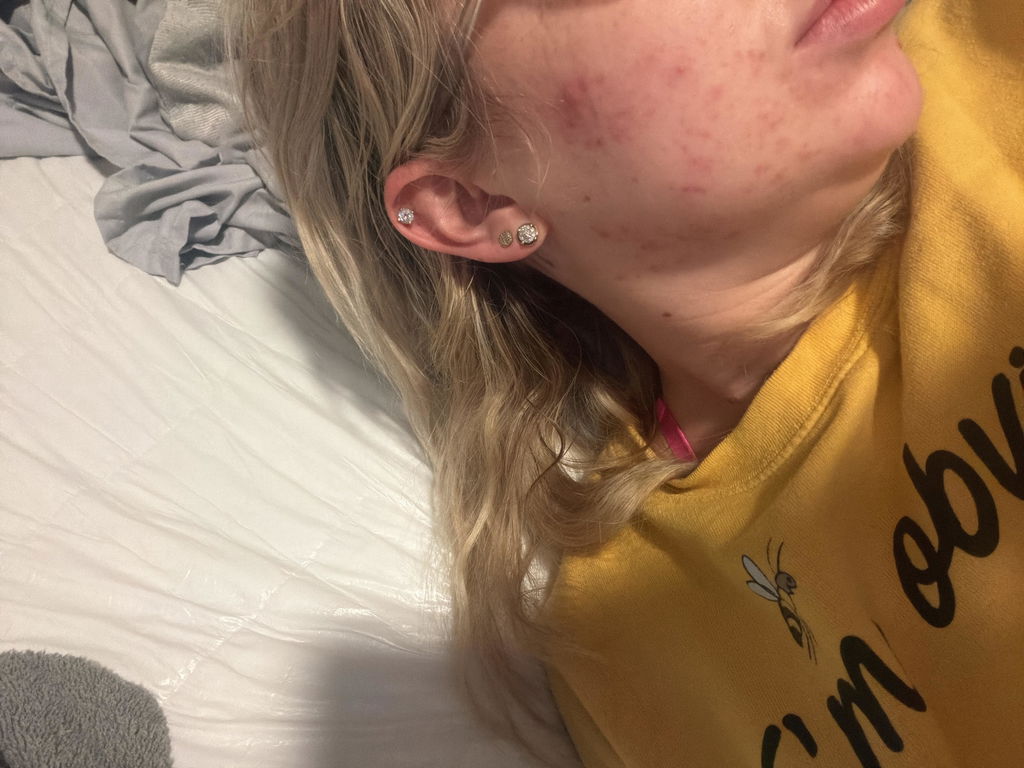
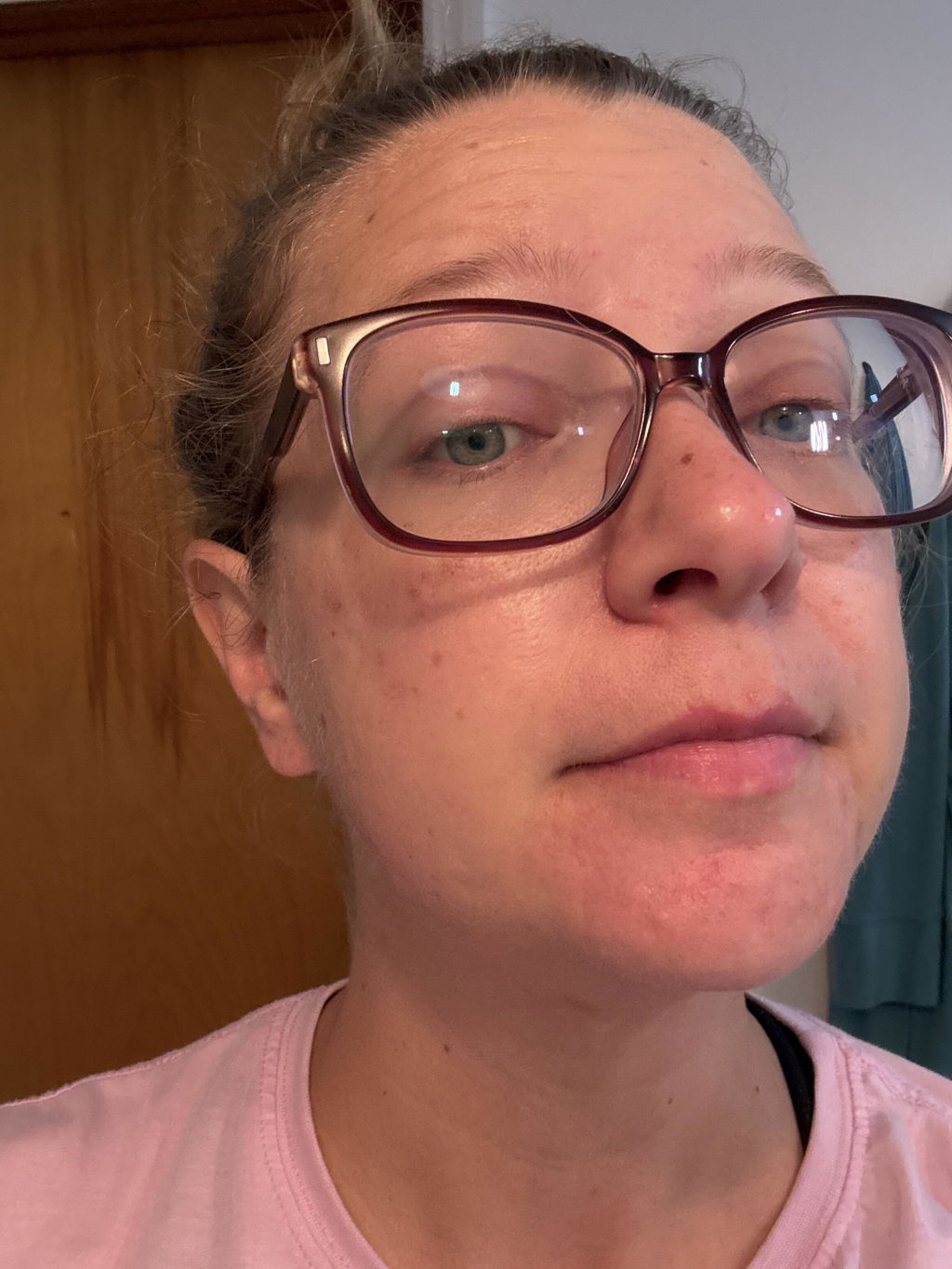
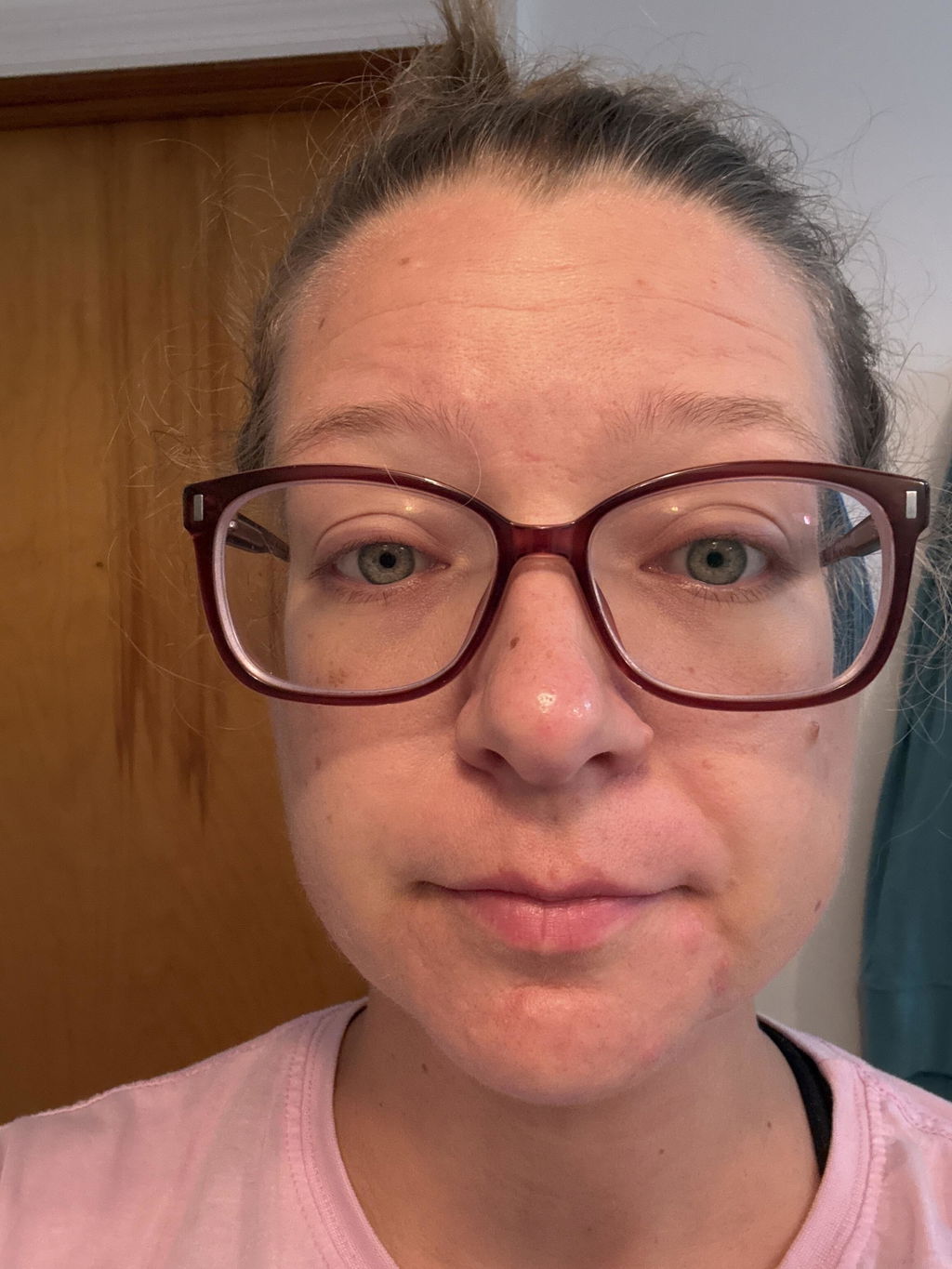
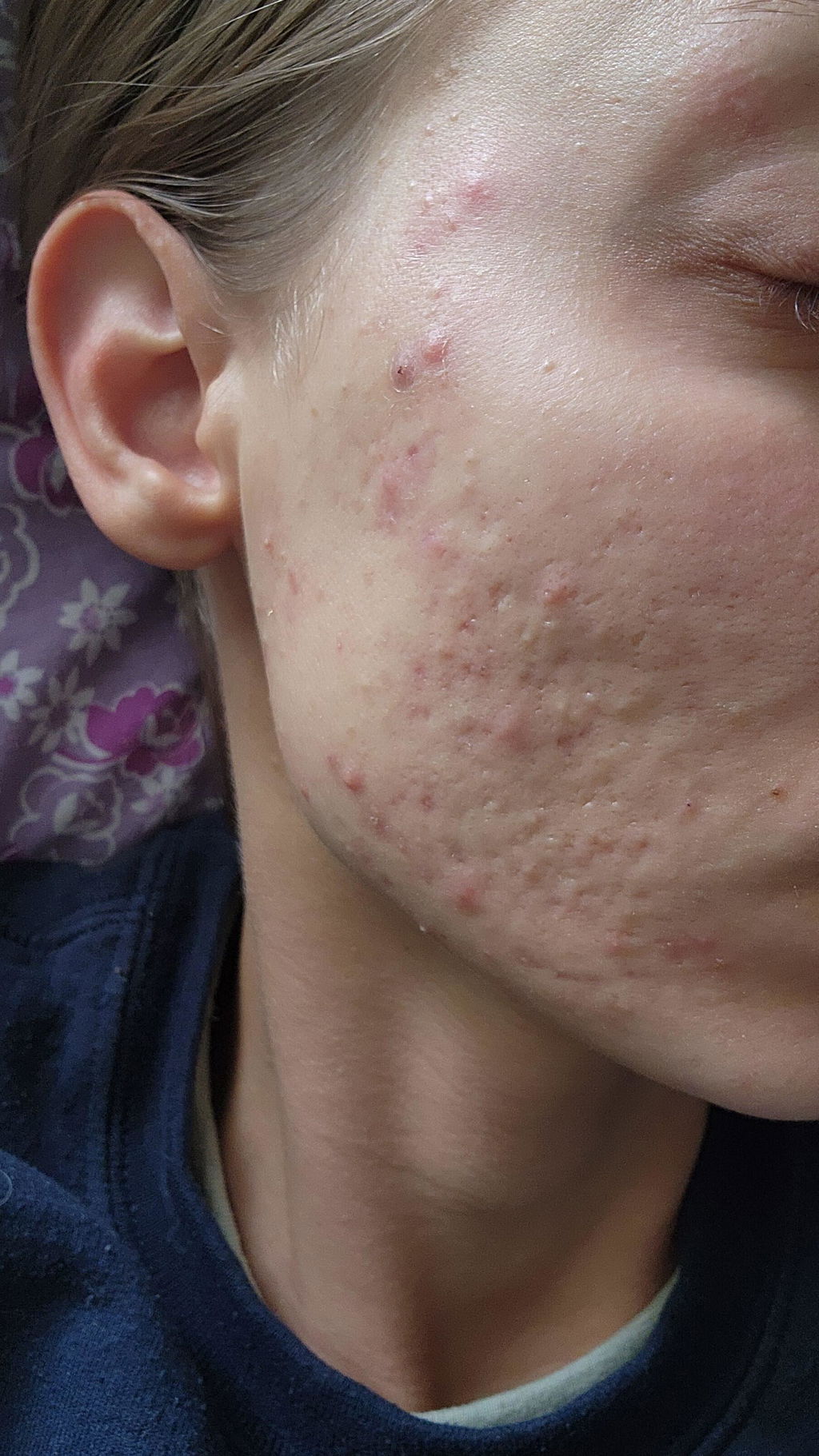
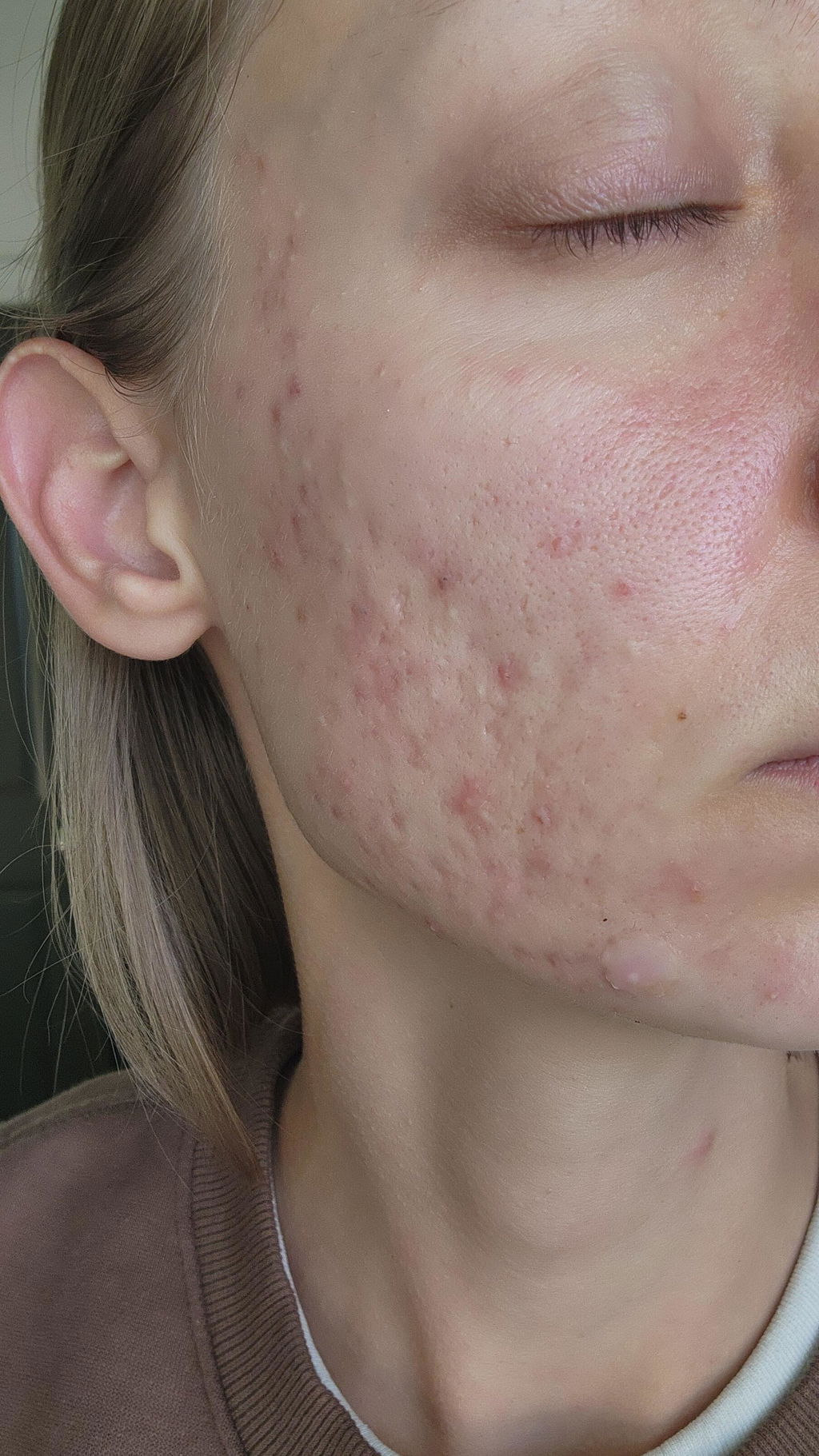
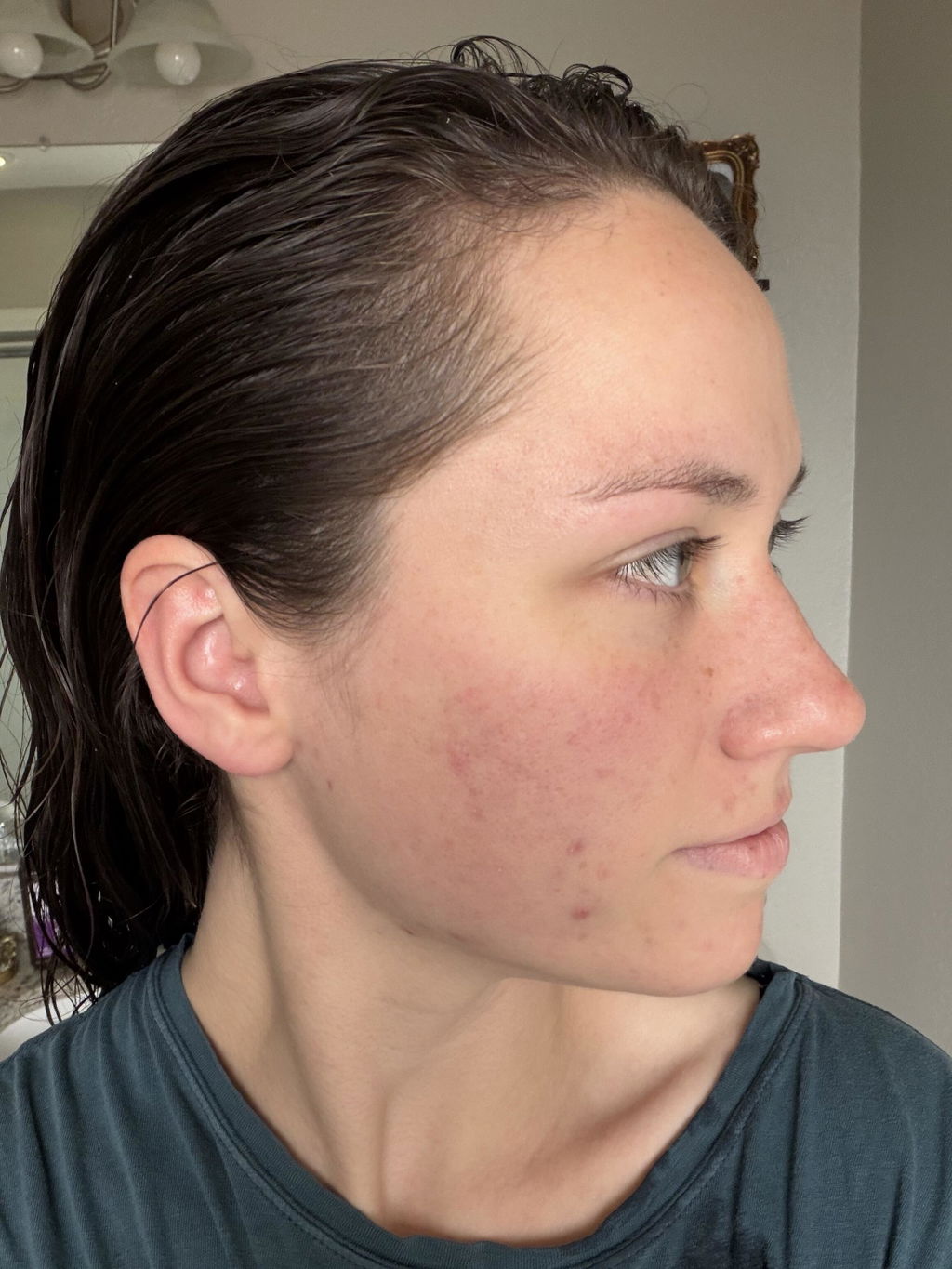
Most women I work with have already cut something before they meet me. Sometimes it is gluten. Sometimes it is sugar. But the food that quietly drives the deepest breakouts, the cystic kind that lingers along the jaw, is usually still sitting in the fridge. It is dairy. And the reason it breaks you out has almost nothing to do with the fat content.
The IGF-1 pathway that turns milk into acne
Dairy raises acne because it spikes insulin and a growth hormone called IGF-1. That hormone tells your oil glands to pump out more oil and your pore lining to grow faster. Both changes clog the follicle and feed inflammation. The result is the cystic pattern along the jaw and chin.
A 2009 review in Experimental Dermatology laid this out. Milk raises insulin. Insulin raises IGF-1. IGF-1 then turns up the androgen signal inside your oil glands. More oil, faster skin cell turnover in the pore, more clogging. A follow-up in 2012 showed that milk proteins and quick-release carbs both flip the same growth switch inside your cells, the switch that decides how fast tissue builds.
A Danish feeding study in 2004 gave prepubertal boys either milk or lean meat matched for protein. Milk raised IGF-1 and fasting insulin. Meat did not. That is not a protein effect. That is a milk effect.
So when a client sits down with clustered breakouts along the jaw and neck, I ask about milk in coffee before anything else. And the answer almost always opens the whole case.
Why A1 casein is different from A2 casein
Not all milk carries the same protein. Standard cow milk contains A1 beta-casein, which releases a small opioid fragment during digestion called BCM-7. A2 milk carries a slightly different protein and does not produce that fragment. That one peptide seems to drive most of the gut symptoms.
The clinical work is small but consistent. A 2016 crossover trial in 45 Chinese adults found that regular A1 plus A2 milk worsened digestive symptoms and inflammation markers compared with A2-only milk. An earlier 2014 crossover pilot found looser stools and more post-dairy discomfort on A1 versus A2. Neither trial is definitive. Both point the same direction.
Why does that matter for your skin? A leaky gut lets bacterial waste circulate. Circulating inflammation shows up on your face. The next mechanism makes it louder.
Whey protein and the acne no one warns gym clients about
Whey is the fastest-absorbing dairy protein, which means it produces the steepest insulin and IGF-1 spikes of anything you can drink. That is exactly why bodybuilders build muscle on it, and also why teenage athletes and adult women break out on it. The mechanism is the dose.
A 2012 case series described five teenage male athletes who developed moderate to severe acne after starting whey protein, with clear improvement once they stopped. A 2017 study of gym-goers on whey found the same link with chest and back acne, which is the pattern you would expect in people already primed for breakouts.
What this looks like in practice: chest and back breakouts that started with the gym routine. Not the sweat. Not the towel. The shake. If you cannot let the shake go, at least test a plant-based protein and give it six weeks. You will know. And the next data set is the one that changed my whole approach to skim milk.
What the Harvard Nurses' studies actually showed about milk
The largest datasets on dairy and acne come from Harvard's tracking of nurses and adolescents. Across four studies covering more than 78,000 people, milk consumption tracked with a modestly higher rate of acne, and the strongest signal came from skim milk. Not full fat. Skim.
The 2005 Harvard nurses analysis looked at 47,355 women who recalled their high school dairy intake. The women who drank the most milk had a modestly elevated prevalence of severe teenage acne, and skim milk carried the strongest link. Follow-up studies in adolescent girls in 2006 and adolescent boys in 2008 showed the same pattern. In 2018, a pooled analysis in Nutrients covering more than 78,000 children, teens, and young adults reached the same conclusion. A modest bump in acne odds with any dairy, stronger with skim and low-fat milk.
Why skim? Two reasons and both are plausible. Fat blunts the insulin response, so removing it steepens the spike. And the whey fraction, the piece most tied to IGF-1 signaling, is concentrated relative to fat in skim products. Read that twice. Low-fat does not mean low-impact. What comes next has nothing to do with the label at all.
The hormones in every glass of milk, organic or not
Modern dairy cows are milked while pregnant, so their milk carries natural estrogens, progesterone, and IGF-1 at levels that shift with gestation. Organic certification bans synthetic hormones like rBST but does nothing to remove the hormones a pregnant cow secretes into her own milk. Your morning latte contains hormones no label mentions.
A 2005 paper in Medical Hypotheses laid the case out clearly. Traditional dairying avoided milking cows in late pregnancy. Modern dairying keeps cows lactating through most of pregnancy, which means the milk is drawn during the exact months when the cow's estrogens and progesterone are highest. Later analyses of commercial pasteurized milk confirmed measurable levels of those hormones, and short feeding studies in adults and children showed a single serving can shift the drinker's own hormone readings.
Organic milk is not exempt. The rules cover what you inject the cow with. They do not cover what her own body puts into the milk. And that changes how you think about the safest swap.
The problem with milk is not the fat. It is the message it sends your endocrine system.
Why some women tolerate dairy and others break out
Most humans lose the ability to digest lactose after weaning. A small genetic tweak keeps that enzyme turned on into adulthood, and whether you carry that tweak decides if lactose passes through cleanly or feeds trouble in your gut. Your microbiome does the rest.
A 2007 paper in Nature Genetics showed that different populations across Africa evolved their own versions of that same tweak. Convergent evolution around the same dietary pressure. Lactase persistence is highest in Northern European dairying populations and lowest across East Asia and much of Southeast Asia.
But your genes are only half the story. Gut bacteria decide how the leftover lactose gets fermented, and the mix of bacteria varies from person to person. Even someone without the persistence gene can partly adapt when the right bacteria are present in the right numbers.
Which is why the same glass of milk can be fine for one woman and a full week of breakouts for another. Genes plus gut flora plus hormone state. Which is exactly why the swap you choose matters more than most women realize.
Dairy alternatives that actually support your microbiome
Not every dairy swap supports the gut equally. The best alternatives deliver fiber, minerals, and fuel for the good bacteria without the insulin and IGF-1 spike. That means less almond and rice milk, more traditional foods like coconut, sea moss gel, bone broth, and small amounts of A2 or fermented dairy if you tolerate it.
Here is what I look for when I help a client rebuild her mornings:
- Coconut milk, unsweetened, no gums. Medium-chain fats, no casein, no whey, no lactose. Neutral on insulin.
- Sea moss gel. A traditional source of iodine, zinc, magnesium, and gut-feeding fibers that fuel the good bacteria in the colon.
- Homemade oat milk without gums or oils. Soluble fiber supports the gut barrier, though the sugar load can still be high, so keep the portion modest.
- Fermented A2 dairy in small amounts. If you tolerate it, kefir and yogurt from A2 herds carry live cultures and pre-digested lactose.
- Bone broth. Glycine and glutamine support the intestinal lining. Not a milk replacement, but a barrier ally.
What I steer women away from is the aisle of ultra-processed nut milks with seed oils, gums, and emulsifiers. Those emulsifiers can thin the gut's mucus layer and make it leakier. Trading one gut irritant for another does not clear skin. And the shift that matters most starts before the swap.
The pattern I see most often
The pattern looks like this. Jaw acne, cyclical, worse the week before the period. Three failed dairy eliminations already tried. Underneath it, low good bacteria, low mineral status, and a gut lining thinned by years of coffee and stress. Every reintroduction was doomed. It was not willpower. It was mechanism.
Once the terrain is repopulated and the barrier restored, some women reintroduce small amounts of fermented A2 dairy without flaring. Others never touch it again. Both outcomes are fine. The point is choosing from a repaired baseline, not a punished one.
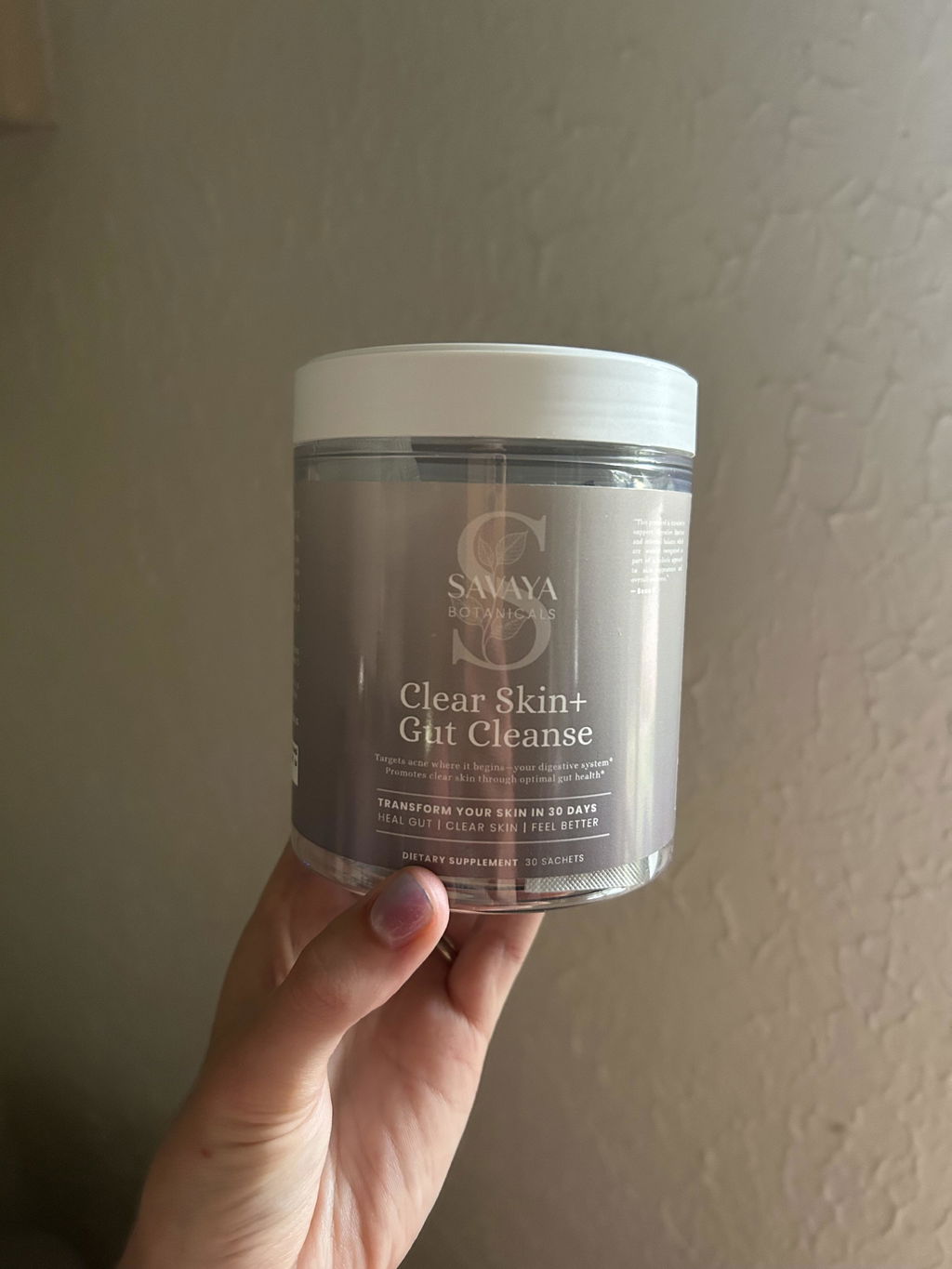
If the pattern points at gut dysbiosis, I anchor the protocol with a targeted gut cleanse and rebuild minerals with mineral-rich sea moss before touching topicals. For women who want the full mechanism addressed at once, I use the 12-week gut-to-skin program, or the deeper 12-week reset when the liver and lymph need more attention. And when the barrier is stripped from years of prescription treatments, a barrier-repairing tallow cream gives the skin something to hold on to while the gut work does its slower job.
Frequently asked questions about dairy and acne
What kind of acne does dairy typically cause?
Cystic, hormonal-pattern breakouts along the jaw, chin, and neck. Sometimes chest and upper back. This is the IGF-1 and androgen pattern, driven by oil overproduction and clogged follicles. It looks different from the small whiteheads of a barrier problem or the diffuse redness of rosacea.
How long after cutting dairy does skin usually clear?
The IGF-1 half-life is short, but the pore cycle is not. Most women see the deep cystic pattern soften around week four to six, with clearer skin closer to week eight to twelve. If nothing changes at three months, the driver is probably not dairy alone, and the gut and hormone picture needs a closer look.
Can I still eat cheese and yogurt if milk breaks me out?
Sometimes. Aged hard cheeses and traditionally fermented yogurts contain less lactose and pre-digested casein, so they load the system less. Cottage cheese and whey-based products load it more. Test one at a time with two clear weeks between reintroductions and watch the jawline.
Is organic milk safer for hormonal acne?
No, and this is the part most people miss. Organic rules ban synthetic hormones like rBST, but the natural estrogens and progesterone a pregnant cow puts into her milk are not removed by certification. When cows are at the same stage of gestation, organic and conventional milk carry comparable natural hormone loads.
Are dairy alternatives always better for my gut?
Not automatically. Many commercial nut and oat milks contain gums, seed oils, and emulsifiers that can irritate the intestinal lining and disturb the microbiome. Read the ingredient list. If it has more than five items, pick something simpler or make it at home.