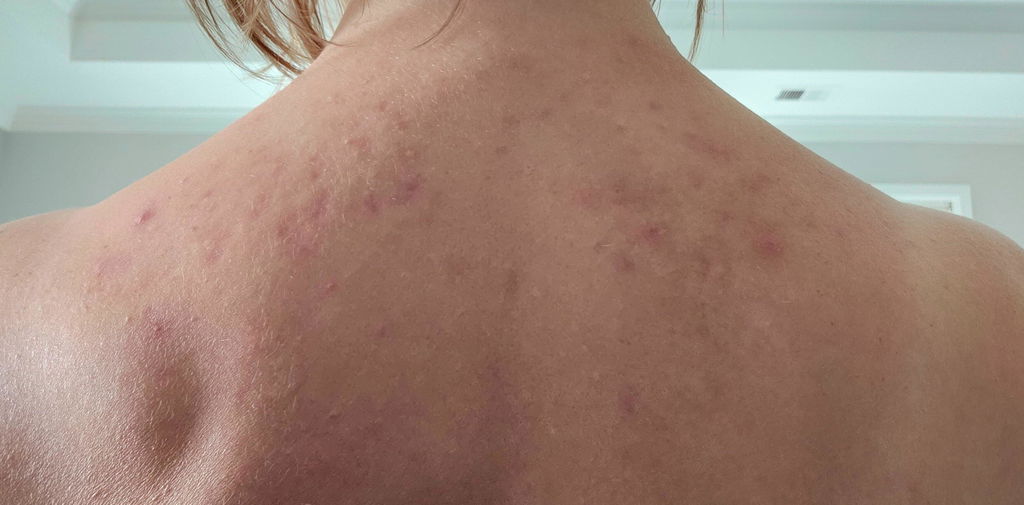
I Quit Sugar for 30 Days to Fix My Skin — Here's What Actually Happened
By Sarah Mitchell, Holistic Health Practitioner
I wasn't planning to quit sugar. I was standing in my bathroom at 6 AM, pressing my fingers into yet another cystic breakout along my jawline, when I finally asked a question I'd been avoiding: what if everything I'm putting ON my skin doesn't matter — because the problem is what I'm putting IN my body?
I'd already tried the expensive serums. The prescription retinoids. The "gentle" cleansers that cost more than my groceries. My dermatologist had me on a rotation of topicals that left my skin dry and irritated, but the breakouts kept coming back like clockwork.
So I did something radical. I eliminated all added sugar for 30 days. Not a cleanse. Not a diet. An experiment. And what happened to my skin — starting around day 11 — changed how I think about skincare forever.
———
The Science Behind Sugar and Skin Damage
Before I get into the week-by-week breakdown, you need to understand why sugar is so destructive to your skin. It's not just "inflammation" — that's the oversimplified version you see on Instagram. The real mechanism is far more specific, and once you understand it, you can't unsee it.
Glycation: How Sugar Literally Ages Your Collagen
When you eat sugar, excess glucose molecules bind to proteins like collagen and elastin through a process called glycation. This creates harmful compounds called Advanced Glycation End-products — appropriately abbreviated as AGEs. These AGEs do exactly what their name suggests: they age you.
AGEs cause collagen fibers to become stiff and malformed. Instead of the plump, springy collagen that gives young skin its bounce, glycated collagen becomes rigid and brittle. Your skin loses its ability to repair itself. Fine lines deepen. Texture gets rough. And here's the part most people miss — this process is cumulative and irreversible. You can't un-glycate collagen. You can only stop creating more damage and support your body in building new, healthy collagen.
That's one reason I added collagen support strips to my routine during this experiment — I wanted to give my body the raw materials to rebuild what sugar had been quietly destroying.
The Insulin-IGF-1 Pathway: Why Sugar Triggers Breakouts
Every time you eat sugar, your blood glucose spikes. Your pancreas pumps out insulin to compensate. But insulin doesn't just manage blood sugar — it triggers a cascade of hormonal responses, including a surge in Insulin-like Growth Factor 1 (IGF-1).
IGF-1 does two things that wreck your skin:
- It ramps up sebum production. Your oil glands go into overdrive, creating the perfect breeding ground for acne-causing bacteria.
- It accelerates skin cell turnover too fast. Dead cells pile up, clog pores, and trap all that excess sebum underneath.
This is why so many women notice breakouts after a weekend of desserts, cocktails, or even "healthy" smoothie bowls loaded with honey and agave. It's not a coincidence. It's biochemistry.
Sugar Destroys Your Gut Microbiome — And Your Skin Pays the Price
A landmark study published in Cell Host & Microbe demonstrated that high-sugar diets dramatically reduce gut microbiome diversity, specifically depleting populations of beneficial Bacteroides species that are critical for maintaining the intestinal barrier. When these protective bacteria disappear, the gut lining becomes permeable — what functional medicine practitioners call "leaky gut."
When your gut barrier breaks down, bacterial endotoxins called lipopolysaccharides (LPS) leak into your bloodstream. Your immune system responds with systemic inflammation — and your skin, as your largest organ and a direct reflection of internal health, shows it first. Redness, puffiness, eczema flares, acne — these are your body's distress signals.
This gut connection is exactly why I paired my sugar-free experiment with a microbiome gut cleanse. Removing sugar was step one. Actively rebuilding gut diversity was step two.
———
The Hidden Sugars Sabotaging Your "Clean" Diet
Here's what shocked me when I started reading labels during this experiment: sugar is hiding in foods most people consider healthy.
- Acai bowls: 40-60g of sugar per serving (that's 10-15 teaspoons)
- Kombucha: Many brands contain 12-20g of sugar per bottle
- Granola: Often more sugar per serving than a chocolate chip cookie
- Oat milk: The enzymatic process converts starches into sugars — some brands have 7g per cup
- "No sugar added" dried fruit: Concentrated fructose that hits your liver the same way
- Protein bars: Many contain 15-25g of sugar alcohols and added sweeteners
- Salad dressings: Some vinaigrettes contain more sugar per serving than a donut
I was eating several of these daily and genuinely believed I had a "low sugar" diet. The American Heart Association recommends no more than 25g of added sugar per day for women. I was easily tripling that without touching a single dessert.
———
My 30-Day No-Sugar Skin Experiment: Week by Week
Week 1 (Days 1-7): The Ugly Truth
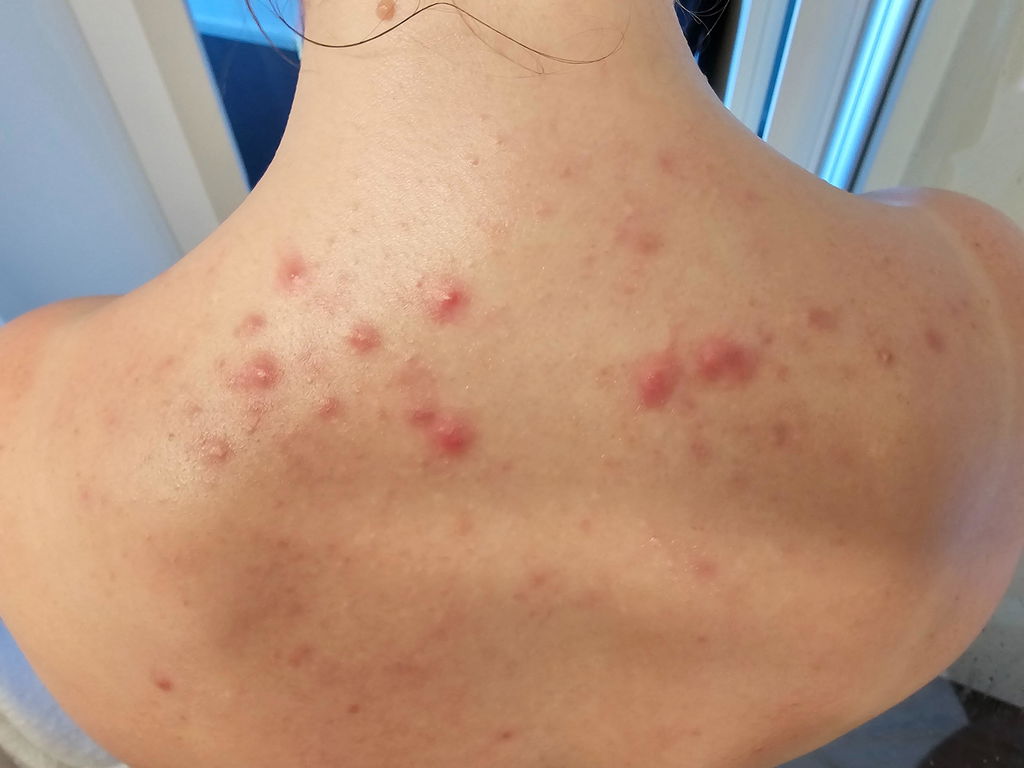
I won't sugarcoat this — pun intended. The first week was rough. Days 2-4 brought headaches, intense cravings around 3 PM, and irritability that made me deeply unpleasant to be around. My skin actually got worse before it got better. I developed two new breakouts on my chin and my complexion looked dull and slightly grey.
What I ate: Eggs with avocado and sautéed spinach for breakfast. Wild salmon with roasted vegetables for lunch. Grass-fed beef with sweet potato and broccoli for dinner. Snacks were almonds, cucumber with hummus, and green apples (one of the lowest-sugar fruits).
I also started each morning with sea moss in my water. With 92 of the 102 minerals your body needs, I figured if I was stripping out sugar, I needed to flood my body with the nutrients it actually requires to rebuild.
Week 2 (Days 8-14): Something Shifts
Day 9 was my turning point. I woke up and my face wasn't oily. This sounds small, but for someone who'd been blotting her T-zone by noon for years, it was remarkable. The cravings had mostly subsided. My energy was steadier — no more 2 PM crashes.
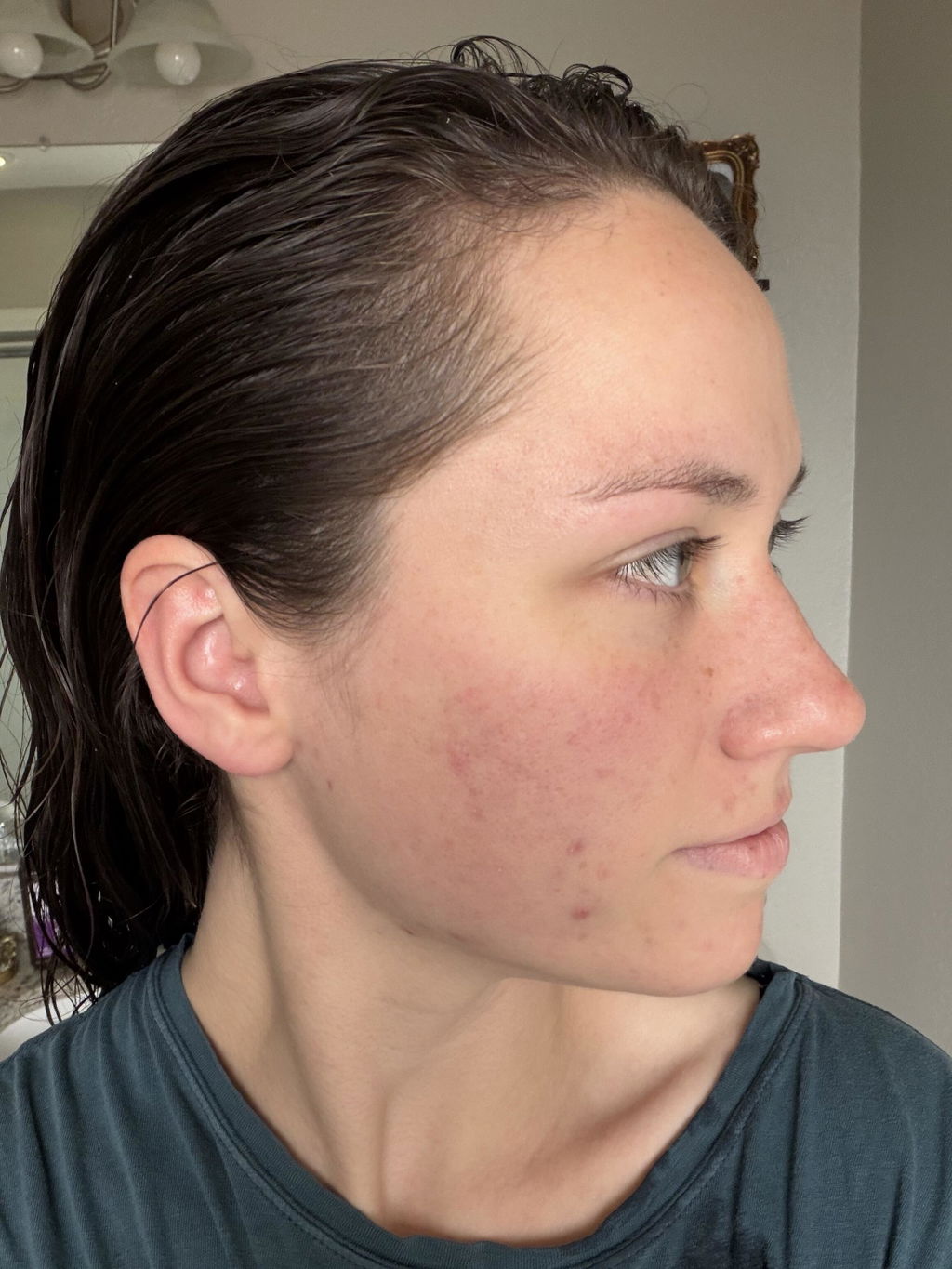
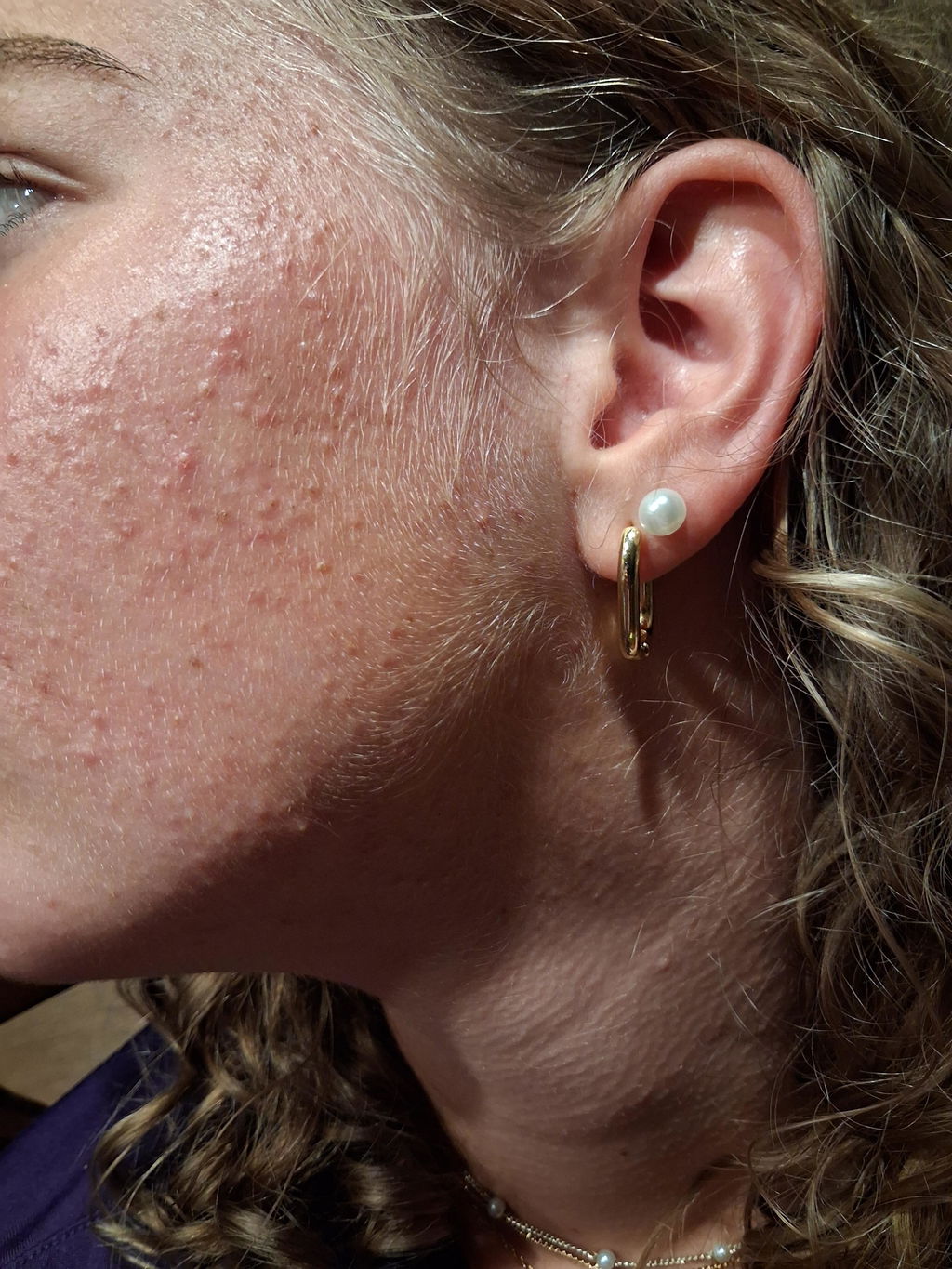
By day 11, I noticed something I hadn't expected: my skin texture was changing. The rough, bumpy patches along my cheeks were smoothing out. Not dramatically — but noticeably. My pores looked smaller. The redness around my nose had calmed.
What I ate: I hit my stride with meal prep. Big batches of cauliflower rice stir-fry with coconut aminos (not soy sauce — too much hidden sugar). Homemade bone broth soups. Zucchini noodles with pesto and grilled chicken. Dark chocolate (85% cacao or higher — under 3g sugar per serving) became my treat.
Week 3 (Days 15-21): The Glow Everyone Talks About
This is when other people started noticing. My colleague asked if I'd gotten a facial. My sister wanted to know what new product I was using. The answer was nothing new on my skin — just what I'd removed from my plate.
The cystic breakouts along my jawline had stopped forming entirely. The existing ones had flattened and were healing faster than usual. My skin had a warmth to it — not redness, but actual luminosity. I was wearing less concealer and feeling fine about it.
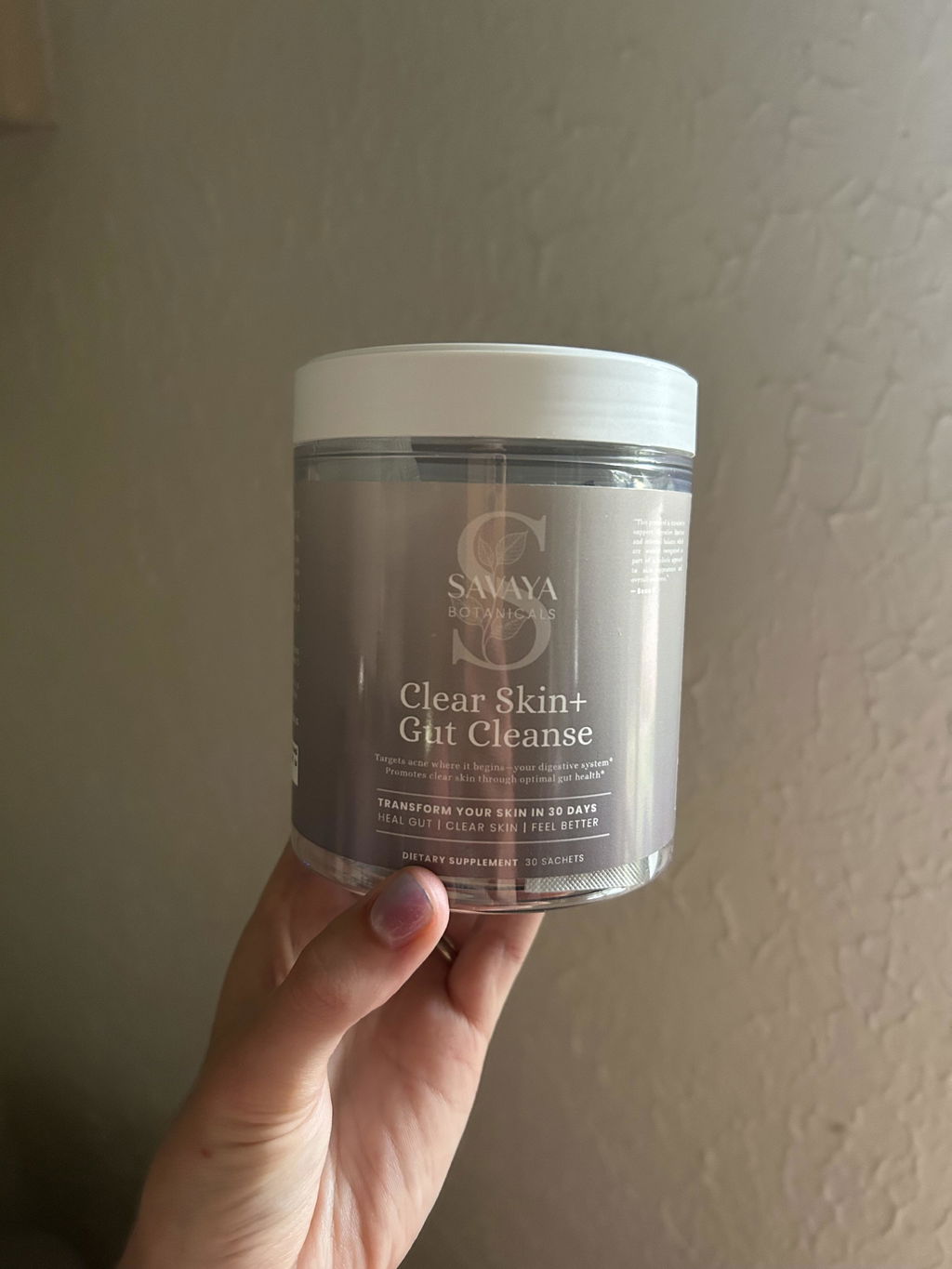
My digestion had also transformed. Less bloating. More regularity. The gut-skin axis isn't a theory when you're living it — it's obvious. I was using the gut cleanse sachets every evening, and I believe the combination of removing sugar AND actively supporting my microbiome is what accelerated the results.
What I ate: Chia seed pudding made with unsweetened coconut milk and cinnamon. Massive salads with olive oil and lemon (no bottled dressing). Turkey lettuce wraps. Roasted root vegetables with herbs. Berries in moderation — blueberries and raspberries only, measured portions.
Week 4 (Days 22-30): New Baseline
By the final week, my skin was the clearest it had been in years. Not perfect — I still had some post-inflammatory hyperpigmentation from old breakouts. But the active acne was gone. My skin barrier felt stronger. I could touch my face and feel smooth, even skin instead of bumps and texture.
I also noticed my tallow cream was absorbing better — which makes sense. When your skin barrier isn't compromised by internal inflammation, topical products can actually do their job. It was like I'd been trying to paint a crumbling wall for years, and I'd finally repaired the wall first.
The final score:
- Active breakouts: from 4-6 at any given time down to zero
- Oiliness: reduced by roughly 70%
- Skin texture: noticeably smoother, pores less visible
- Overall complexion: brighter, more even tone
- Unexpected bonus: dark circles under my eyes were lighter
———
How to Do Your Own 30-Day Sugar Reset for Clearer Skin
If my experience resonates with you, here's how to run your own experiment. I'm not prescribing anything — I'm sharing what worked for me and what I'd do differently.
Step 1: Audit Your Current Sugar Intake (Days 1-3)
Before eliminating anything, spend three days logging everything you eat and checking sugar content. You'll be shocked. Look for sugar hiding as: sucrose, high-fructose corn syrup, agave nectar, rice syrup, maltodextrin, dextrose, and "evaporated cane juice."
Step 2: Remove All Added Sugars (Days 4-30)
Keep whole fruits in moderation (1-2 servings daily, prioritize berries). Eliminate all added sugars, artificial sweeteners, and high-glycemic processed foods. This includes most breads, pastas, and anything that comes in a package with more than 5 ingredients.
Step 3: Support Your Gut While You Reset
Sugar withdrawal can temporarily disrupt digestion as your microbiome adjusts. Support the transition with fermented foods (sauerkraut, kimchi, unsweetened yogurt) and consider a targeted gut cleanse protocol to accelerate microbiome recovery.
Step 4: Feed Your Skin from the Inside
Focus on skin-supporting nutrients: omega-3 fatty acids (wild salmon, sardines, walnuts), vitamin C (bell peppers, broccoli), zinc (pumpkin seeds, grass-fed beef), and a full mineral spectrum. Sea moss became my daily non-negotiable for this.
Step 5: Document Everything
Take a photo of your skin in the same lighting every Sunday. Track your energy, digestion, and skin changes in a simple notes app. The visual progress is what will keep you going through the tough first week.
———
My Go-To Meal Ideas (Zero Added Sugar)
Breakfast options:
- Scrambled eggs with sautéed mushrooms, spinach, and avocado
- Chia pudding with unsweetened coconut milk, cinnamon, and a handful of blueberries
- Smoked salmon on cucumber rounds with everything bagel seasoning
Lunch options:
- Big salad with grilled chicken, olive oil, lemon, pumpkin seeds, and roasted sweet potato
- Turkey and avocado lettuce wraps with mustard (check the label — no sugar)
- Bone broth soup with zucchini noodles and shredded rotisserie chicken
Dinner options:
- Wild salmon with roasted broccoli and cauliflower rice
- Grass-fed burger (no bun) with sautéed onions, mushrooms, and a side salad
- Stir-fry with coconut aminos, ginger, garlic, and whatever vegetables you have
Snacks:
- Raw almonds or macadamia nuts
- Cucumber and celery with guacamole
- 85%+ dark chocolate (2 squares max)
- Hard-boiled eggs with sea salt
———
What I'd Do Differently Next Time
If I were starting this experiment again, I'd go deeper from day one. Instead of just cutting sugar, I'd combine it with a full detox protocol to clear out the accumulated toxins and AGEs faster. I spent the first two weeks just getting sugar out of my system — but supporting detox pathways (liver, lymph, gut) simultaneously would likely have accelerated the skin improvements I didn't see until week 3.
I'd also add Clear Skin+ Max Detox alongside the sugar reset. Thirty days showed me what's possible. Nourishing your body from the inside out — supporting skin, gut, and overall balance — is simply a daily habit worth keeping. The sugar reset is your proof of concept. This daily acai blend is one more piece I keep coming back to.
———
The Bottom Line: Your Skin Is a Mirror
I spent years and thousands of dollars treating my skin like the problem was on the surface. It wasn't. The problem was in my bloodstream, my gut, and my daily oatmeal that I thought was healthy but was spiking my insulin every single morning.
Quitting sugar for 30 days didn't just clear my skin. It changed how I understand my body. Your skin isn't a separate organ that needs separate solutions. It's a mirror reflecting everything happening inside you — your blood sugar stability, your gut health, your mineral status, your inflammation levels.
If you've tried every topical product and nothing sticks, maybe it's time to look at what's on your plate instead of what's on your shelf. Give yourself 30 days. Document it. Be honest about the hidden sugars. Support your gut and your mineral intake. And watch what happens.
Ready to start your own skin reset? The Max Detox protocol combines gut cleansing, mineral support, and detox pathways in one program — everything I wish I'd had when I started this experiment.
———
Frequently Asked Questions
How long does it take to see skin improvements after quitting sugar?
Most people notice the first changes between days 10-14, starting with reduced oiliness and fewer new breakouts. Significant improvements in texture, tone, and clarity typically appear during weeks 3-4. However, reversing deeper glycation damage to collagen takes longer — consistent low-sugar eating over 3-6 months produces the most dramatic anti-aging results.
Can I eat fruit during a no-sugar experiment?
Yes — whole fruits in moderation (1-2 servings daily) are fine because the fiber slows glucose absorption and prevents the sharp insulin spikes that trigger IGF-1 and sebum overproduction. Prioritize low-sugar fruits like berries, green apples, and grapefruit. Avoid fruit juice, dried fruit, and smoothie bowls that concentrate fructose without the buffering fiber.
Does sugar cause acne in adults?
Research strongly supports the connection. High-glycemic diets elevate insulin and IGF-1 levels, which directly increase sebum production, accelerate skin cell turnover, and promote the inflammatory environment where acne thrives. Multiple studies have shown that low-glycemic diets significantly reduce acne lesions in adults. Sugar also disrupts gut microbiome diversity, which contributes to systemic inflammation that manifests as breakouts.
What is glycation and how does it affect skin aging?
Glycation is a chemical process where excess sugar molecules in your bloodstream bond to proteins like collagen and elastin, forming harmful compounds called Advanced Glycation End-products (AGEs). These AGEs make collagen stiff and brittle instead of plump and flexible, leading to wrinkles, sagging, dull texture, and impaired skin healing. The process is cumulative — every sugar spike contributes to more glycation damage over time.
What supplements support skin during a sugar detox?
Focus on gut health support (probiotics and prebiotics to rebuild microbiome diversity), mineral replenishment (sea moss provides 92 essential minerals), collagen support to help rebuild what glycation damaged, and omega-3 fatty acids to reduce inflammation. A comprehensive approach that addresses gut health, mineral status, and detox pathways simultaneously produces faster and more lasting results than any single supplement.