I Was Prescribed Antibiotics for My Acne at 19 — Here's Why I Wish Someone Had Warned Me
When my dermatologist handed me that first prescription for doxycycline, I felt relief. Finally, someone was taking my cystic acne seriously. And for six weeks, it was magical — my skin cleared up faster than anything I'd tried before. I thought I'd found the answer.
Then I stopped taking the pills.
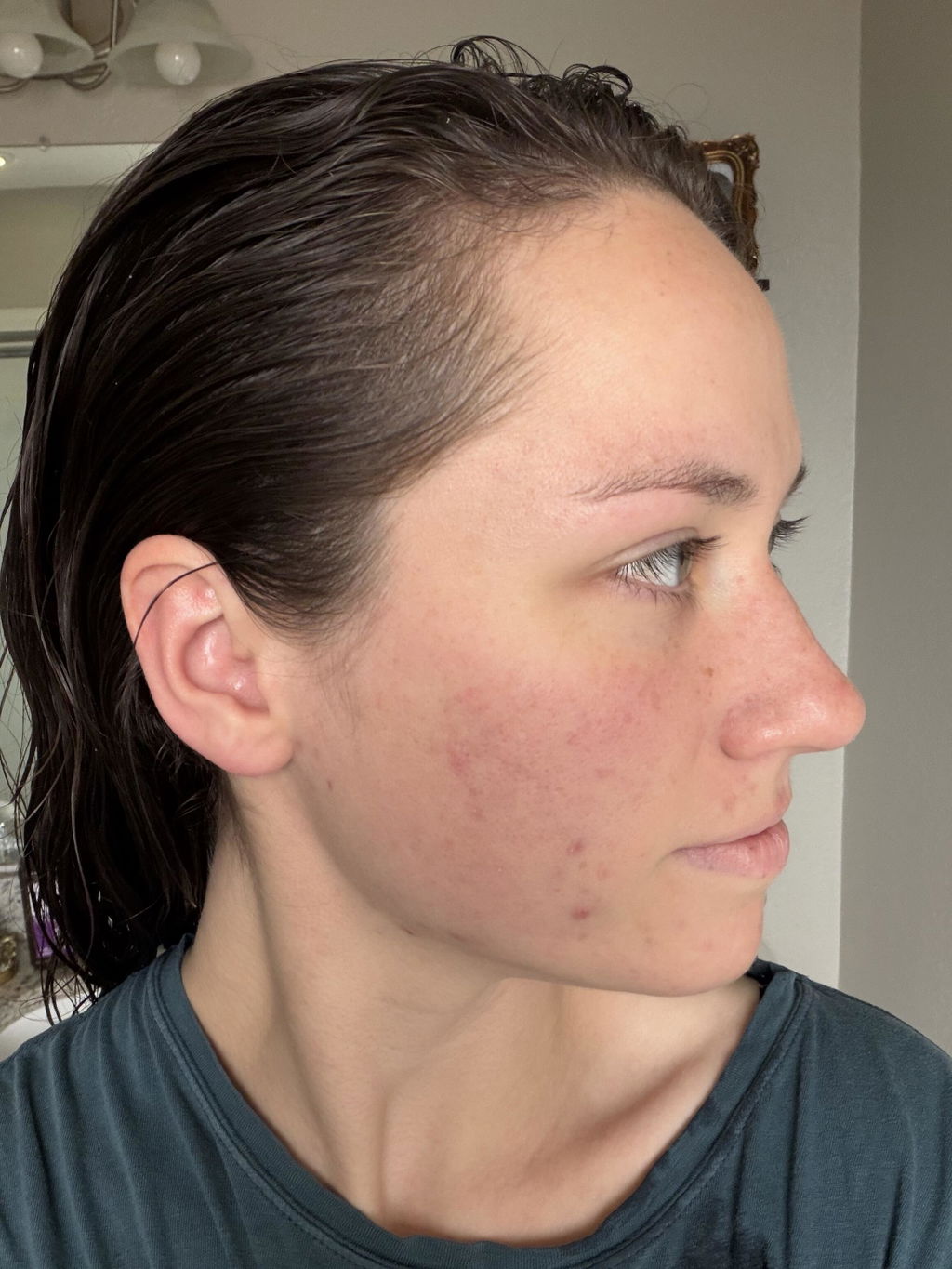
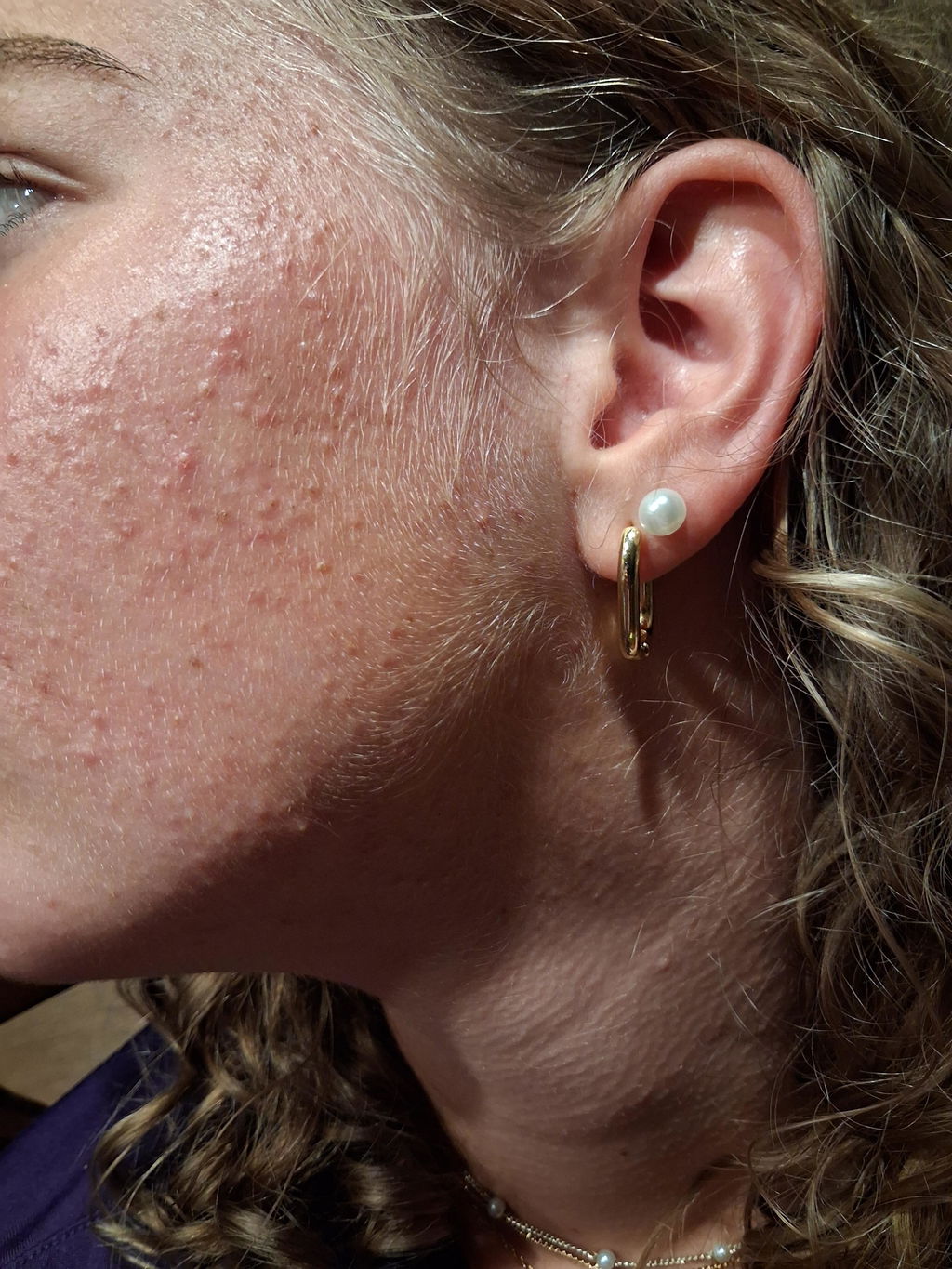
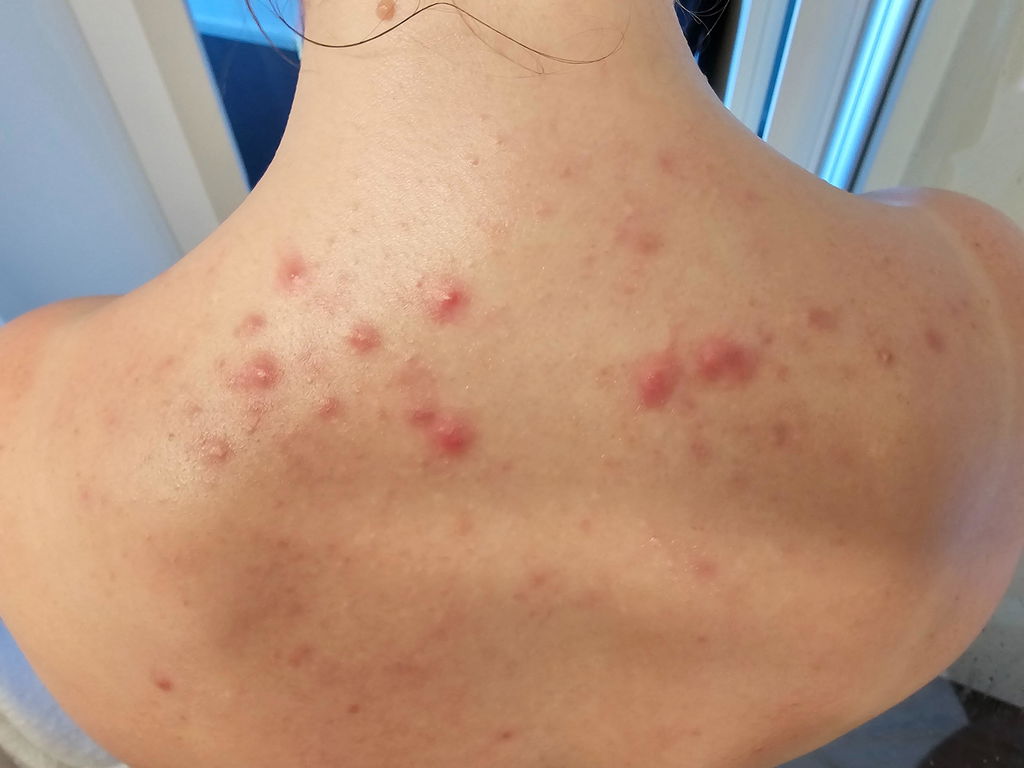
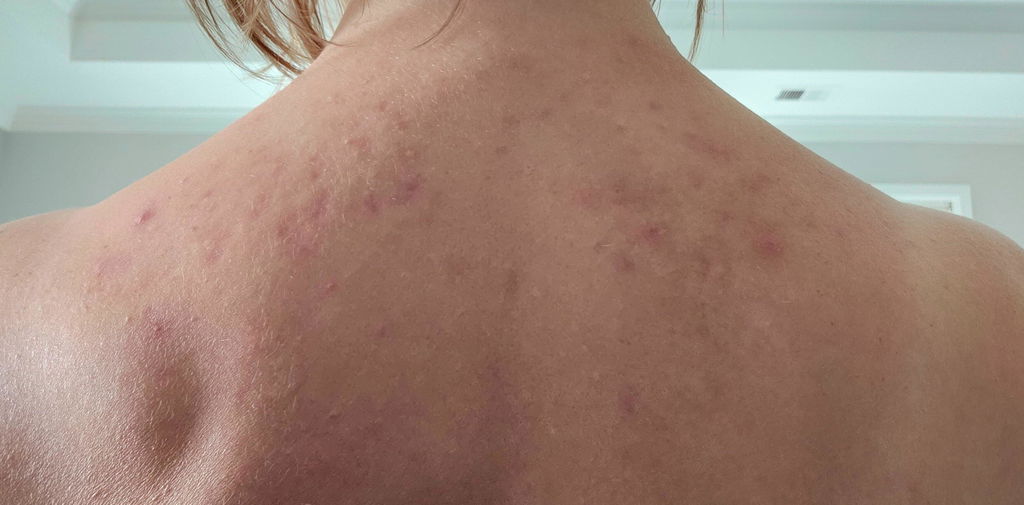
Within three weeks, my acne came back worse than it had ever been. Deeper cysts. More inflammation. And a new problem I'd never had before: constant bloating, brain fog, and a white coating on my tongue that wouldn't go away.
That was thirteen years ago. Since then, I've spent thousands of hours studying the microbiome, functional medicine, and the gut-skin axis. And what I've learned has fundamentally changed how I help women heal their skin — from the inside out.
If you're currently on antibiotics for acne, or considering them, this is the article I wish someone had written for me at nineteen.
———
The Antibiotic Honeymoon: Why Your Skin Clears Up (Temporarily)
Let's be honest — antibiotics do work at first. Doxycycline, minocycline, and tetracycline suppress Cutibacterium acnes (the bacteria most associated with inflammatory acne) while also reducing general inflammation in your skin. Within 4-8 weeks, most people see real improvement.
But here's what your dermatologist probably didn't explain: antibiotics don't fix the reason you're breaking out. They suppress symptoms. The moment you stop — and you will stop, because long-term antibiotic use carries serious risks — the underlying imbalance is still there. Often, it's worse.
Dermatology forums are filled with stories like this one:
"I was on minocycline for 8 months. Skin was perfect. Stopped and within a month I had the worst breakout of my life — deep, painful cysts on my jawline and neck that I'd never had before the antibiotics." — Reddit, r/SkincareAddiction
This isn't a rare reaction. It's the norm. Research published in the Journal of the American Academy of Dermatology found that over 80% of patients experience acne relapse within 6 months of discontinuing oral antibiotics.
What Antibiotics Actually Destroy Inside Your Gut
Your gut contains roughly 38 trillion bacteria — an entire ecosystem that regulates your immune system, hormone metabolism, nutrient absorption, and yes, your skin.
When you take a broad-spectrum antibiotic for acne, you're not just targeting C. acnes. You're carpet-bombing your entire microbiome. Here's what gets destroyed:
- Lactobacillus species — essential for breaking down estrogen and maintaining hormonal balance (a key acne driver)
- Bifidobacterium — your primary gut barrier defender, responsible for preventing endotoxins from leaking into your bloodstream
- Akkermansia muciniphila — maintains the mucus lining of your intestines, critical for preventing leaky gut
- Faecalibacterium prausnitzii — one of the most important anti-inflammatory bacteria in the human gut
When these populations collapse, several things happen simultaneously: your gut barrier weakens, inflammatory compounds flood your bloodstream, your liver gets overloaded, and your body pushes toxins out through the next available exit — your skin.
This is why the rebound acne after antibiotics is often worse than the original breakouts. You haven't just failed to fix the problem. You've created new ones.
The Candida and C. Difficile Problem Nobody Talks About
Remember that white coating on my tongue? That was oral candidiasis — a fungal overgrowth caused directly by antibiotics wiping out the bacteria that normally keep Candida albicans in check.
Candida overgrowth is incredibly common after antibiotic courses, and it doesn't just stay in your mouth. It colonizes your gut, produces toxic metabolites called acetaldehyde and gliotoxin, and triggers widespread inflammation. Symptoms include brain fog, sugar cravings, fatigue, digestive issues — and, you guessed it, more acne.
Even more concerning is the risk of Clostridioides difficile infection. C. diff is an opportunistic pathogen that thrives when antibiotic use decimates your normal gut flora. While severe cases are more common in hospital settings, studies show that any course of oral antibiotics increases your C. diff risk — and younger women are the fastest-growing demographic for community-acquired C. diff infections.
"After two rounds of antibiotics for acne, I developed a C. diff infection that took me 6 months to fully recover from. The irony of getting a life-threatening gut infection from a treatment for pimples is not lost on me." — Acne.org forum
Antibiotic Resistance: The Crisis Growing on Your Skin
Here's something that should alarm everyone: dermatology is one of the largest prescribers of oral antibiotics in medicine, and antibiotic-resistant strains of C. acnes have been rising steadily for two decades.
A 2023 systematic review in Clinical Microbiology and Infection found that antibiotic-resistant C. acnes strains now exceed 50% in many regions. This means that even if you do go back on antibiotics, they may not work the second time around. You've trained the very bacteria you're trying to kill to survive your treatment.
And the resistance doesn't stay local. Those resistant genes transfer to other bacteria in your body and in your community. This is a public health crisis, and it's being driven in part by acne prescriptions.
Your Microbiome Takes 6-12 Months to Recover (If It Recovers at All)
In 2022, a landmark study published in Nature Microbiology tracked microbiome recovery after standard antibiotic courses. The findings were sobering: while some bacterial populations begin recovering within weeks, full microbiome diversity takes 6-12 months to restore — and certain species may never fully return without deliberate intervention.
A related study in Cell Host & Microbe (2022) found that repeated antibiotic exposure creates compounding damage. Each course of antibiotics reduces microbial diversity further, and the recovery period lengthens. For people who've had multiple rounds of antibiotics for acne (which is extremely common — many dermatologists prescribe 3-6 month courses, repeated annually), the cumulative damage to the microbiome can be substantial.
This is why so many women describe a pattern like this:
"First round of doxycycline worked great. Second round worked okay. Third round barely did anything. Now nothing works and my gut is a mess." — r/acne
The research confirms what patients have been experiencing for years: antibiotics create a cycle of diminishing returns and escalating damage.
What Actually Works: Treating Acne From the Inside Out
After thirteen years of studying this, working with hundreds of women, and healing my own skin, I can tell you: lasting clear skin comes from fixing the internal environment, not suppressing symptoms.
Here's what I recommend instead of antibiotics:
1. Address the Gut First
If you've ever taken antibiotics (for acne or anything else), your gut needs active rebuilding. This isn't about popping a generic probiotic and hoping for the best. You need to remove what's causing harm, restore the gut lining, and repopulate with the right bacteria.
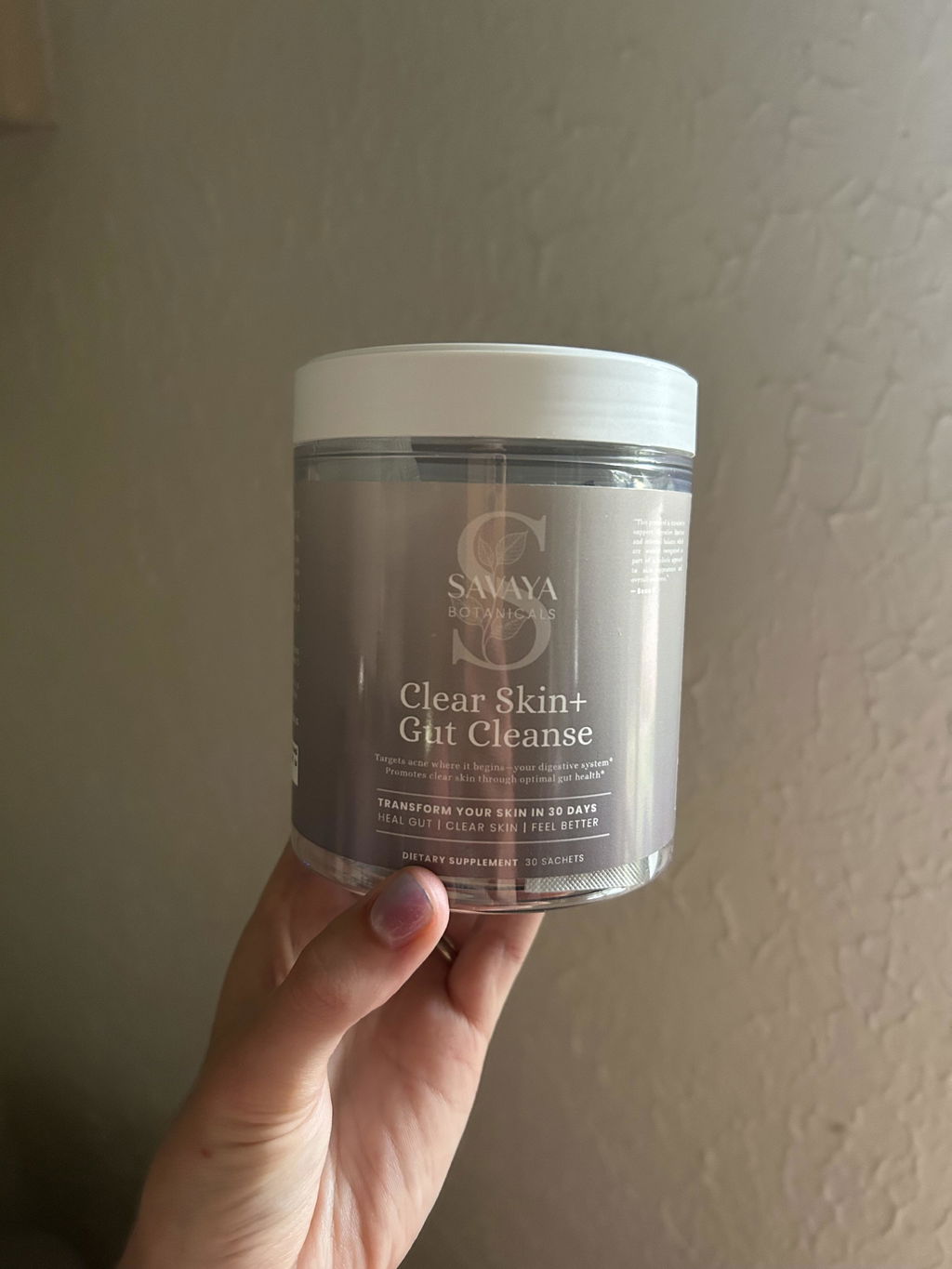
I start most of my clients on a structured microbiome gut cleanse to clear out bacterial imbalances, Candida overgrowth, and accumulated toxins. Think of it as pressing reset on your digestive system before rebuilding.
2. Flood Your Body With Minerals
Antibiotics deplete essential minerals — zinc, magnesium, and iron in particular — all of which are critical for skin healing. Most women I work with are running on empty in at least two of these.
Sea moss has become my go-to recommendation because it contains 92 of the 102 minerals your body needs in a bioavailable, whole-food form. It's not a multivitamin in a lab-made capsule — it's ocean nutrition that your body actually recognizes and absorbs.
3. Rebuild Skin Structure From Within
Chronic acne and the inflammation that comes with it damages your skin's collagen matrix. This is why post-acne scarring and texture issues persist long after breakouts stop. Supporting collagen production internally — with vitamin C, amino acids, and bioavailable collagen peptides — helps your skin actually repair, not just stop breaking out.
I've seen remarkable results with women adding collagen strips to their daily routine. The difference in skin texture and healing speed is noticeable within weeks.
4. Support Your Skin Barrier Topically
While you're healing from the inside, your skin barrier needs gentle external support. Conventional acne products — benzoyl peroxide, salicylic acid, retinoids — can further damage an already compromised barrier.
I recommend something deeply nourishing and anti-inflammatory. Grass-fed tallow cream mirrors the fatty acid profile of human skin and supports barrier repair without clogging pores or causing irritation.
5. Commit to a Full Protocol
Here's the hard truth: healing post-antibiotic skin takes time. Your microbiome didn't get damaged overnight, and it won't heal overnight. I tell every client the same thing — give it 12 weeks minimum.
For women who want a simple daily addition, the Clear Skin+ Max Detox acai blend helps support gut and skin health as part of a daily routine. It's designed specifically for women who've been through the antibiotic cycle and are ready to break it for good.
———
The Gut-Rebuilding Protocol I Give Every Client
Whether you're currently on antibiotics, just finished a course, or took them years ago and still feel the effects, this protocol can help. Here's the framework I use:
Weeks 1-4: Remove and Reset
- Start a gut cleanse to clear bacterial and fungal overgrowth
- Eliminate refined sugar, alcohol, and processed foods (these feed Candida and inflammatory bacteria)
- Add bone broth or collagen daily to begin gut lining repair
Weeks 5-8: Replenish and Restore
- Introduce fermented foods: sauerkraut, kimchi, kefir (start small — a tablespoon daily)
- Begin sea moss for mineral replenishment
- Add prebiotic fiber: cooked and cooled potatoes, green bananas, asparagus
- Support collagen production with collagen strips
Weeks 9-12: Strengthen and Sustain
- Continue all supplements from previous phases
- Diversify your diet — aim for 30+ different plant foods per week (microbial diversity follows dietary diversity)
- Track improvements: journal your skin, digestion, energy, and mood weekly
- Consider a full detox protocol for deeper cleansing if needed
Ongoing Maintenance
- Continue sea moss and collagen as daily staples
- Maintain dietary diversity
- Avoid unnecessary antibiotics (discuss alternatives with your doctor for minor infections)
- Support your skin barrier with tallow cream nightly
———
You Deserve Better Than a Band-Aid
I'm not anti-medicine. Antibiotics save lives — for serious bacterial infections, they're irreplaceable. But prescribing months of broad-spectrum antibiotics for a skin condition that originates in the gut? That's using a sledgehammer where you need a scalpel.
If you're stuck in the antibiotic cycle — clear skin on the pills, worse skin off them — know that there is another way. It takes longer. It requires more from you. But the results actually last, because you're fixing the root cause instead of suppressing the symptom.
Your skin is trying to tell you something. It's time to listen.
———
Ready to break the cycle? Clear Skin+ Max Detox is a daily acai-based detox blend that helps support your skin from within. Explore it as part of your daily routine.
———
Frequently Asked Questions
How long does it take for your gut to recover after antibiotics?
Research published in 2022 in Nature Microbiology shows that full microbiome recovery after a standard antibiotic course takes 6-12 months. Some bacterial species may not return without active intervention through diet, fermented foods, and targeted gut support. Repeated antibiotic courses create compounding damage, making each recovery period longer than the last.
Why does acne get worse after stopping antibiotics?
Antibiotics suppress Cutibacterium acnes and reduce inflammation, but they don't address the root causes of acne — gut dysbiosis, hormonal imbalances, and nutrient deficiencies. When you stop antibiotics, the underlying issues remain and are often worsened by microbiome damage, leading to rebound breakouts that are typically more severe than the original acne.
Can antibiotics for acne cause Candida overgrowth?
Yes. Antibiotics kill the beneficial bacteria that normally keep Candida albicans in check. Without these protective bacteria, Candida can overgrow in the gut and mouth, producing toxic metabolites that trigger inflammation, brain fog, sugar cravings, and — ironically — more skin breakouts. This is one of the most common side effects of antibiotic acne treatment.
What is the best natural alternative to antibiotics for acne?
The most effective natural approach addresses acne from the inside out: rebuild gut health with a structured cleanse, replenish depleted minerals (zinc, magnesium, and the 92 minerals found in sea moss), support collagen production for skin repair, and protect the skin barrier with nourishing topicals like grass-fed tallow. A 12-week protocol gives the body enough time to restore microbiome balance and see lasting results.
Do dermatologists still prescribe antibiotics for acne?
Yes, oral antibiotics remain one of the most commonly prescribed acne treatments, despite growing concerns about antibiotic resistance and microbiome damage. However, updated guidelines now recommend limiting antibiotic courses to 3 months maximum and combining them with other treatments. Many functional and holistic practitioners advocate for gut-first approaches that address the root cause without the risks of antibiotic therapy.