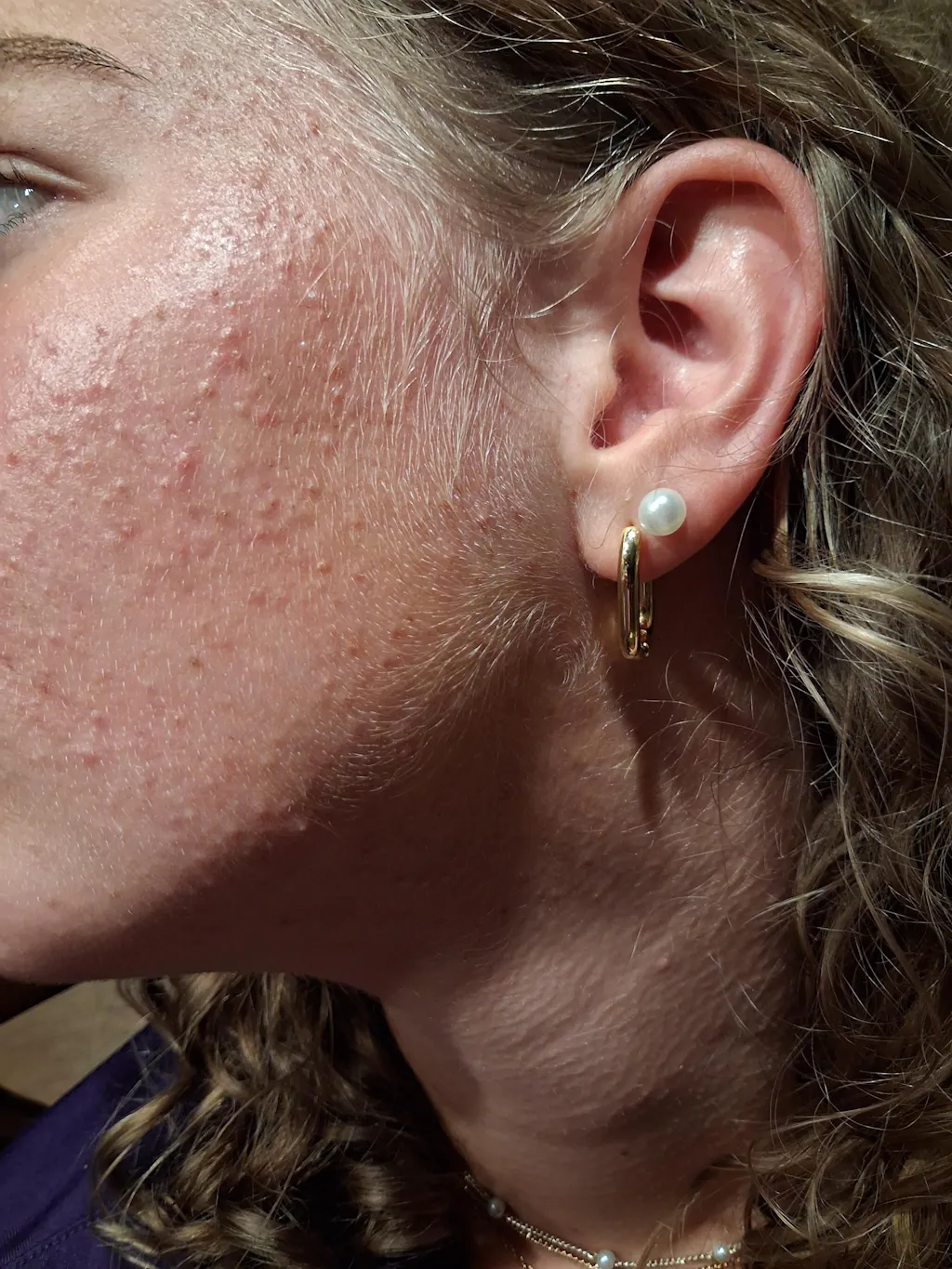
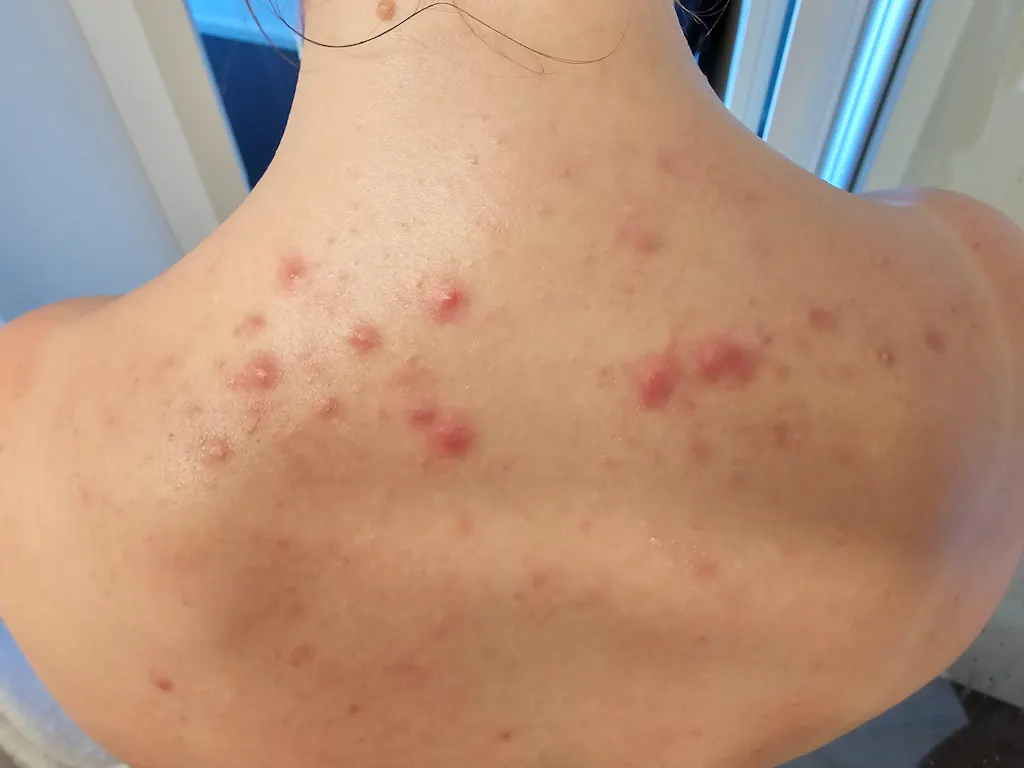
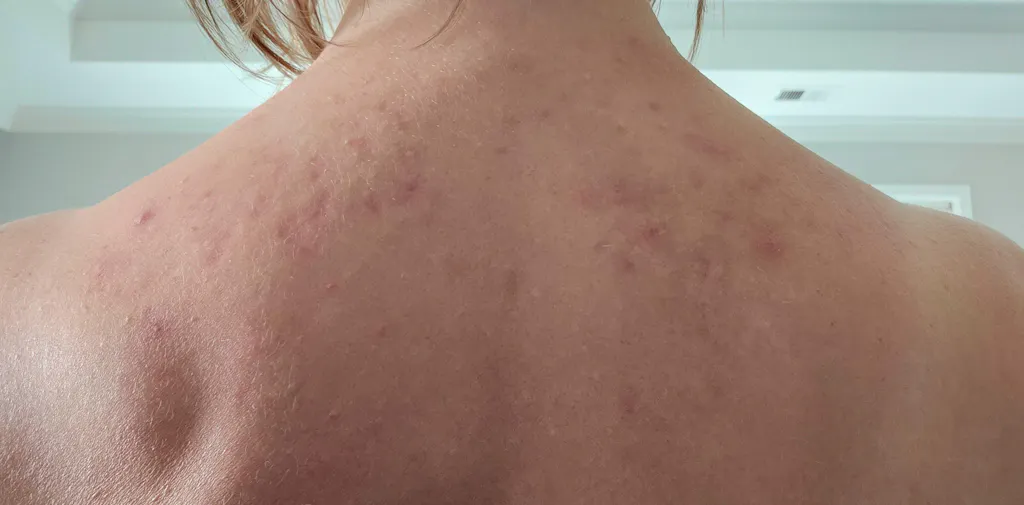
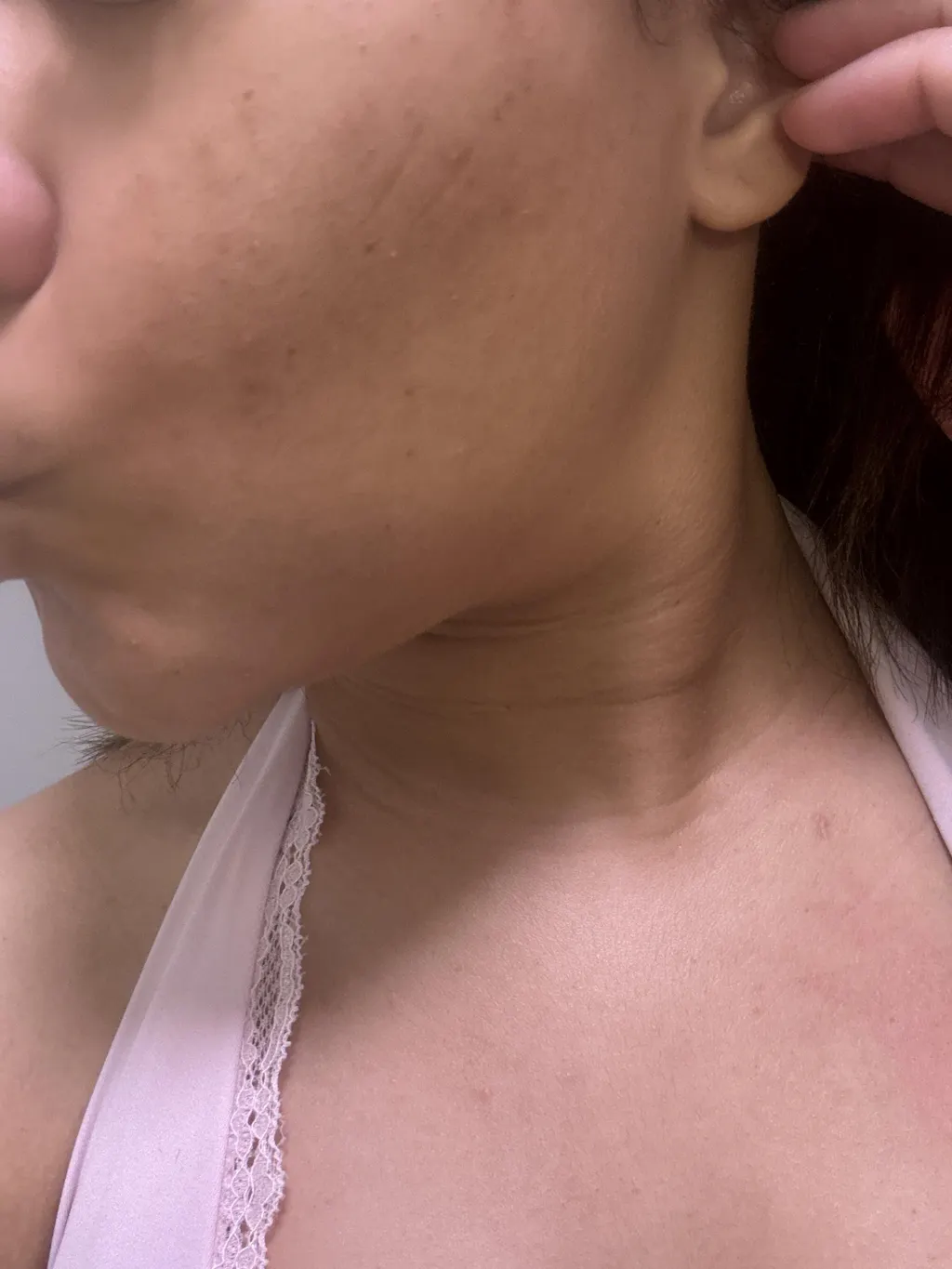
Here is the part nobody at the cosmetics counter will tell you. The skin you see in the mirror is downstream of what is happening in your gut. When women come to me frustrated that their expensive routine is not working, the answer usually is not another serum. It is that their microbiome is sending distress signals through the skin, and most of us were never taught how to read them. Once you see the patterns, you cannot unsee them.
1. Chronic acne that will not respond to any topical you try
When acne keeps returning despite benzoyl peroxide, retinoids, and antibiotics, the inflammation is usually being manufactured inside the gut. Topicals reach the follicle. They cannot reach a leaky intestinal barrier that is leaking lipopolysaccharide into your bloodstream and lighting up the same cytokines that drive every breakout.
This is not new science. In 2011, dermatologists Whitney Bowe and Alan Logan revived the original Stokes-Pillsbury hypothesis from 1930 and laid out the gut-brain-skin axis in Gut Pathogens. Their conclusion was that gut dysbiosis raises systemic inflammation, insulin-like growth factor 1, and substance P. All three increase sebum production and follicular inflammation from the inside.
A 2018 sequencing study by Deng and colleagues in Acta Dermato-Venereologica compared the stool microbiota of 43 acne patients to 43 healthy controls. The acne group had significantly lower butyrate-producing bacteria. Butyrate is the short-chain fatty acid that keeps your gut barrier tight. When it drops, the inflammation cascade begins.
A 2020 case-control study in the Journal of Cosmetic Dermatology by Saleh and colleagues also found significantly higher H. pylori antigens and antibodies in patients with severe acne, with levels correlating to both severity and duration. Different bug, same story: gut load drives face load.
What I see most often in my practice are women who have done two rounds of Accutane and are still breaking out. They have a gut problem, not a face problem. A targeted gut cleanse is the upstream lever most routines never pull.
2. Eczema or itchy patches that flare hours after eating
If a bowl of pasta, a glass of wine, or a piece of cheese reliably brings up red, itchy patches within 12 to 48 hours, your intestinal lining is the real story. Food is the trigger. The leaky gut is the loaded gun. Skin is just where it goes off.
The protein that controls this is called zonulin. Alessio Fasano published the landmark review in Physiological Reviews in 2011 establishing zonulin as the only known regulator of the tight junctions between your intestinal cells. When zonulin rises, those junctions loosen, and partially digested food proteins start crossing into the bloodstream where they do not belong.
In 2018, a pediatric study in Clinical and Experimental Allergy led by Sheen and colleagues measured serum zonulin in children with atopic dermatitis. The zonulin levels were significantly higher than in healthy children, and they tracked with eczema severity, independent of IgE or eosinophil counts. Translation: leaky gut is mechanically tied to flaring skin.
The 2003 paper from Watanabe and colleagues in the Journal of Allergy and Clinical Immunology found atopic patients had much lower Bifidobacterium and higher Staphylococcus in their stool. The bacteria that should be calming the gut were missing. The ones that should not be dominant had taken over. This is dysbiosis writing itself across your face.
3. Rosacea that lights up the moment you are stressed
Rosacea that flushes harder during stress, after a glass of wine, or after a hot meal is the textbook presentation of a gut-skin axis problem. The cheeks are not the issue. The small intestine and the HPA axis are running the show. Stress simply turns up the volume on a fire that was already burning.
The most quoted study here is Parodi and colleagues in Clinical Gastroenterology and Hepatology, 2008. They tested 113 rosacea patients for small intestinal bacterial overgrowth, also called SIBO. The prevalence was significantly higher than in controls. When SIBO-positive patients were treated with rifaximin to clear the overgrowth, 20 of 28 had complete clearance of their facial lesions. The placebo group saw nothing change.
Drago and colleagues followed those patients for three years and published in the Journal of the American Academy of Dermatology in 2016. The remission held in roughly 65 percent of treated patients. That is a durable result for a condition most women assume is just genetic.
The Danish nationwide cohort by Egeberg in the British Journal of Dermatology, 2017 looked at 49,475 rosacea patients. They had significantly higher rates of celiac disease, Crohn disease, ulcerative colitis, and irritable bowel syndrome. The cheek redness is the visible part of a body-wide inflammation story.
If you are flushing harder when you are stressed, the redness is not a skincare problem. It is your gut talking to your nervous system through the vagus nerve, and your face is just the loudest room in the house.
4. Dull, tired skin that does not respond to good skincare
When your serums and oils give back nothing, the missing piece is usually the short-chain fatty acids your gut bacteria are no longer making. SCFAs travel from the colon to the skin and feed keratinocytes the metabolic fuel they need to look alive. No SCFAs, no glow. It really is that mechanical.
A 2022 paper in Mucosal Immunology by Trompette and colleagues traced gut-derived SCFAs to the skin within roughly 45 minutes of oral delivery. The SCFAs strengthened barrier function by shifting epidermal mitochondrial metabolism and boosting structural barrier components. Children with atopic dermatitis in the same study had significantly lower fecal butyrate.
Salem and colleagues at Case Western reviewed the entire gut-skin axis in Frontiers in Microbiology, 2018. Their summary: gut microbial metabolites reach the skin and modulate both barrier and immune function. When dysbiosis reduces those metabolites, the skin loses tone, color, and resilience. Topical hydration cannot replace what the gut is no longer producing.
This is why I almost always pair gut work with 92 trace minerals from the ocean. The skin cannot rebuild itself without raw materials, and mineral deficiency is the most common pattern I see in women who tell me their skin just looks tired.
5. Dark circles that have nothing to do with sleep
Persistent dark circles in someone who sleeps well, drinks water, and is not anemic almost always trace back to chronic low-grade inflammation in the gut. The medical term is allergic shiner. The mechanism is histamine, venous congestion, and post-inflammatory melanin deposition right under the thinnest skin on your body.
Chen and colleagues quantified this in the Journal of Allergy and Clinical Immunology in 2009. They photographed 126 children with allergic rhinitis and 123 controls. The allergic group had measurably darker, larger periorbital shadows. Darkness correlated with how chronic and severe the underlying allergic inflammation was.
Sarkar and colleagues reviewed periorbital hyperpigmentation in the Journal of Clinical and Aesthetic Dermatology in 2016. The drivers include atopic and allergic dermatitis, post-inflammatory hyperpigmentation, and chronic vascular congestion. All three trace back to histamine and immune activation that does not stay in the gut.
Where does the histamine come from? Often a permeable gut and dysbiotic flora that ferment foods into excess histamine and translocate inflammatory products into circulation. Calm the gut, calm the histamine, and the shadows lighten over weeks, not minutes.
6. Slow wound healing and lingering post-blemish marks
If small cuts take forever to close and every breakout leaves a brown or red mark that hangs around for months, your tissue repair machinery is short on the inputs that come from the gut. Macrophages and keratinocytes need short-chain fatty acids and well-regulated systemic inflammation to clear damage cleanly.
Ji and colleagues showed the mechanism in Scientific Reports, 2016. Butyrate, produced by colonic bacteria, drives macrophages toward the anti-inflammatory M2 phenotype. M2 macrophages are the cells that close wounds. Without enough butyrate, macrophages stay stuck in the pro-inflammatory M1 state, and healing stalls.
Yang and colleagues reviewed SCFAs and inflammatory skin disease in Frontiers in Microbiology, 2022. Acetate, propionate, and butyrate all support re-epithelialization, regulate T-cell behavior, and resolve cutaneous inflammation. When the gut produces less of them, every blemish becomes a six-month commitment.
This is the slow-burn problem behind post-inflammatory hyperpigmentation that no exfoliant or hydroquinone seems to fix. For women stuck in this pattern, the 12-week gut-to-skin program is the structured reset that finally gives healing real ground to stand on.
7. Sudden sensitivity to products you used to tolerate fine
When a moisturizer you have used for years suddenly stings, or a new product reddens your face in seconds, the issue is rarely the formula. Your skin barrier has thinned from the inside. Internal inflammation has compromised the lipid matrix that normally tolerates everyday actives.
Camilleri reviewed leaky gut in the journal Gut, 2019. The mechanism is intuitive once you see it. Increased intestinal permeability lets bacterial lipopolysaccharide cross into circulation, where it activates low-grade systemic inflammation and primes mast cells. Mast cells release histamine into peripheral tissues, including skin. Your barrier becomes reactive because the immune system is already activated.
Vaughn and colleagues summarized the skin-gut axis in the World Journal of Dermatology in 2017. Roughly 70 percent of immune cells reside in or near the gut. When that immune system is inflamed, the skin inherits the inflammation. Sensitivity to products you used to tolerate is one of the earliest external signs.
The fix is not an even gentler cream. It is rebuilding the barrier from the outside with real animal fats while you calm the inside. A barrier-repairing tallow cream made from grass-fed suet matches the lipid profile of human skin and stops the daily stripping that keeps sensitivity locked in.
How to actually start working on the gut-skin axis
You do not need to fix everything at once. The order I use in my practice is repair, replenish, then refine. Most women see meaningful changes in skin tone and reactivity within 8 to 12 weeks when they work in that sequence rather than chasing topicals.
For a structured starting point, the deeper 12-week reset walks through the same protocol I use with clients. It is the slow, mechanical work of giving your gut what it needs so your skin can finally stop sending up flares.
Frequently asked questions
What is the gut-skin axis in simple terms?
The gut-skin axis is the constant two-way conversation between your intestinal microbiome and your skin. Your gut bacteria produce metabolites that travel through circulation and influence sebum, inflammation, and barrier function. When the gut is dysbiotic or permeable, the skin shows it.
How long does it take for gut healing to show up on the skin?
Most women see early changes in reactivity and tone in 4 to 6 weeks. Deeper changes like acne resolution, eczema calming, and dark circles fading usually take 8 to 12 weeks because skin cells turn over roughly every 28 days. Be patient and consistent.
Can leaky gut really cause acne even if my diet seems healthy?
Yes. Stress, antibiotics, alcohol, and even chronic over-exercising can drive intestinal permeability independent of what you eat. A clean diet is necessary but not always sufficient. The microbiome and the barrier itself need targeted support to fully reset.
Is it safe to do a gut cleanse if I have sensitive skin?
A well-designed gut cleanse should make sensitive skin calmer over time, not worse. Some women experience a brief uptick in symptoms in week one as bacteria shift and die off. This usually settles by week two. Drink water, eat fiber, and let the body process at its pace.
Do I need to give up coffee, dairy, and gluten to heal my gut?
Not always. Many women do well with a temporary reduction during the active repair phase, then careful reintroduction. The point is to remove what is currently inflaming your gut, not to live restrictively forever. Pay close attention to how your skin responds.