Your skincare routine isn't the problem. Your liver is. When clients walk into my practice with cystic breakouts, melasma, or skin that won't clear no matter how many serums they try, I don't start with cleansers. I start with their detox organs. Because here's what nobody is telling you. Your skin is the backup exit when your liver falls behind.
What the Liver-Skin Connection Actually Means
The liver-skin connection describes the relationship between hepatic detoxification capacity and skin clarity. When your liver cannot fully process toxins, hormones, and metabolic waste, the body recruits secondary elimination routes. The skin, as your largest excretory organ, becomes one of those backup pathways through sebum, sweat, and inflammation.
Think of your liver as the customs office for everything that enters your bloodstream. Food. Medication. Hormones your body made yesterday. Pollutants you breathed walking the dog. When the line at customs grows too long, the overflow goes somewhere. Often that somewhere is your face.
What I see most often is women in their 30s and 40s who have done everything right with skincare and still struggle. Their issue isn't topical. It's traffic. The liver is backed up. But first you need to understand how detox actually works.
Phase I Liver Detoxification: The Activation Step
Phase I detoxification is the first chemical processing your liver performs on incoming compounds. It uses a family of enzymes called cytochrome P450 (CYP450) to break down toxins through oxidation, reduction, and hydrolysis. The result is intermediate metabolites that are often more reactive than the original substance.
This is the part nobody warns you about. Phase I doesn't make toxins safe. It makes them more chemically active so Phase II can package them for elimination. If Phase II is slow, those intermediates pile up. They generate free radicals. They drive the kind of low-grade inflammation that shows up on your face as redness and reactive skin.
The CYP450 system needs B vitamins, magnesium, glutathione, and antioxidants to run cleanly. Alcohol, certain medications, processed seed oils, and chronic stress all push Phase I into overdrive, which only widens the gap between activation and elimination.
Phase II Liver Detoxification: The Packaging Step
Phase II detoxification takes the reactive intermediates from Phase I and binds them to water-soluble molecules so the body can excrete them through bile or urine. It runs through six main pathways: glucuronidation, sulfation, methylation, glutathione conjugation, acetylation, and amino acid conjugation.
Each pathway needs specific nutrients. Glutathione conjugation needs cysteine, glycine, and glutamine. Methylation needs folate, B12, and choline. Sulfation needs sulfur-rich foods like eggs, garlic, and cruciferous vegetables. Glucuronidation, the pathway that processes used estrogen, gets a major boost from broccoli, kale, and Brussels sprouts.
Research from Paul Talalay and Jed Fahey at Johns Hopkins, published across multiple papers beginning in the early 1990s, showed that sulforaphane from cruciferous vegetables strongly activates the Nrf2 pathway, which switches on Phase II enzyme production.
What Happens When the Liver Is Overloaded
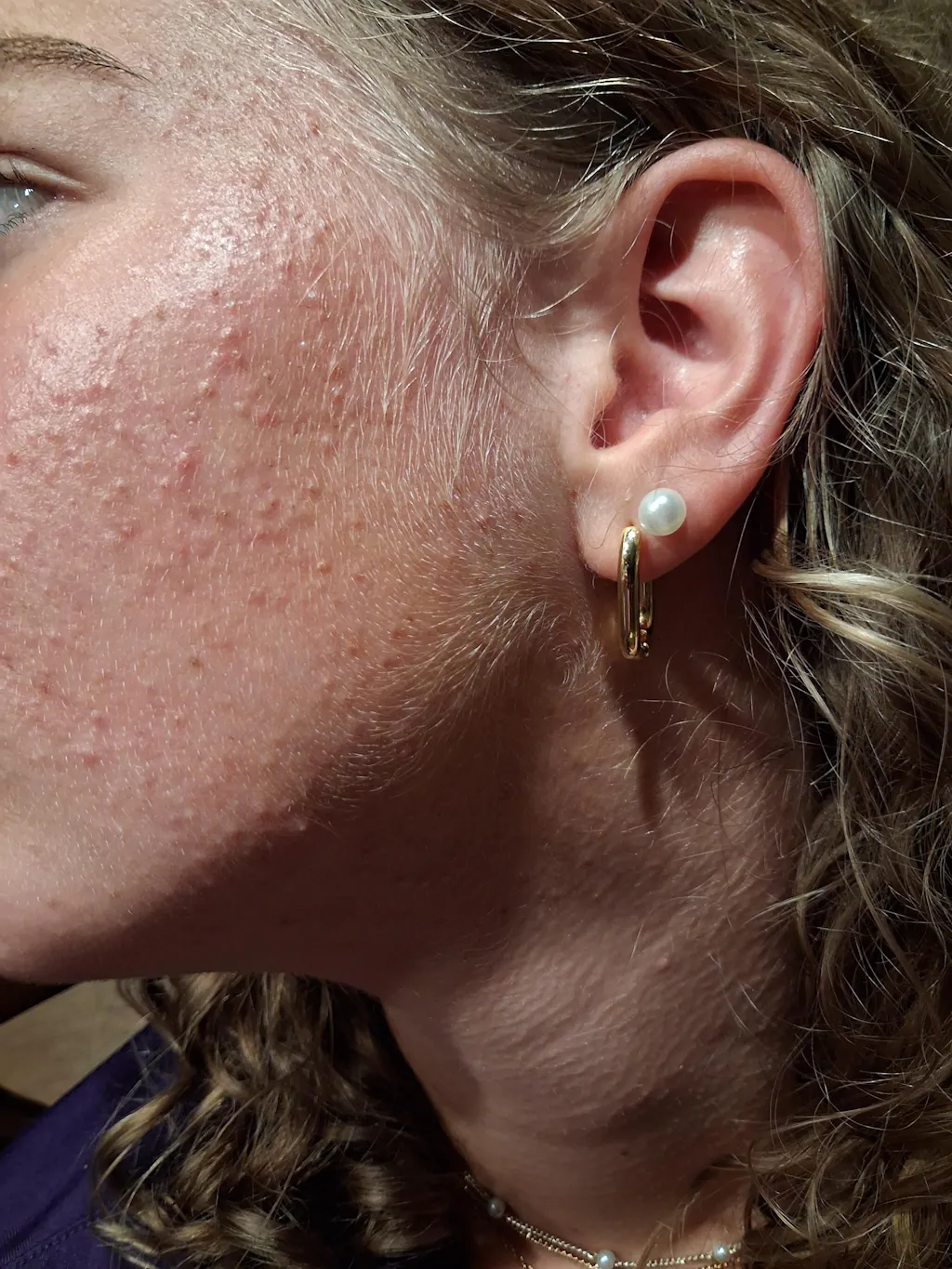
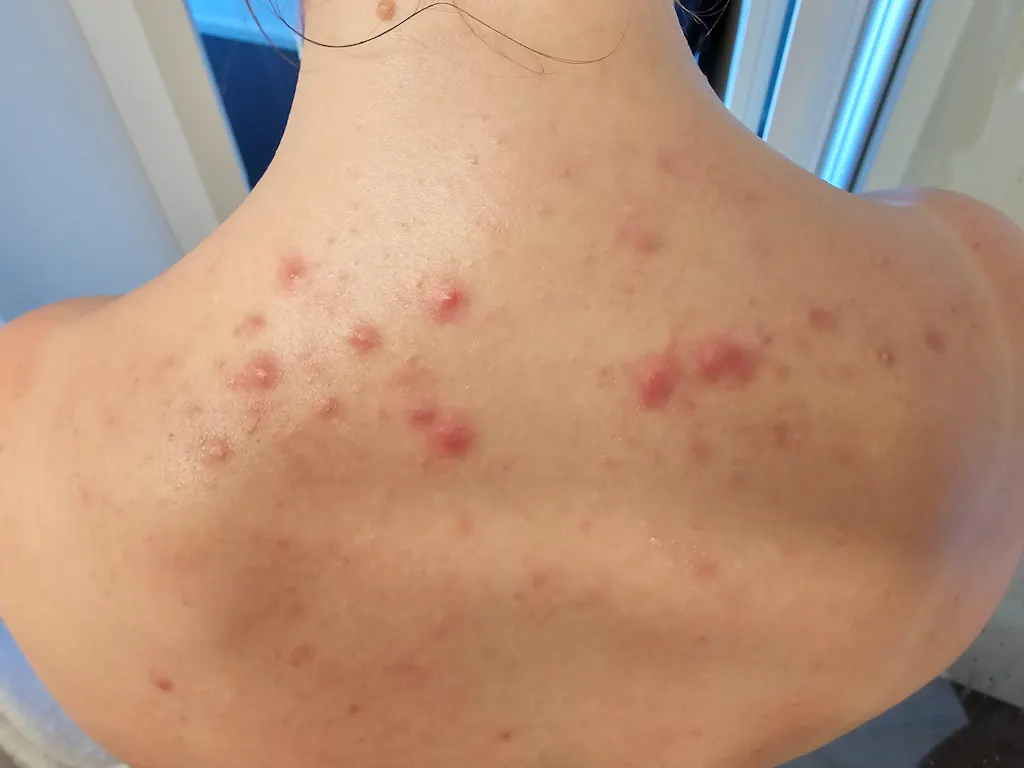
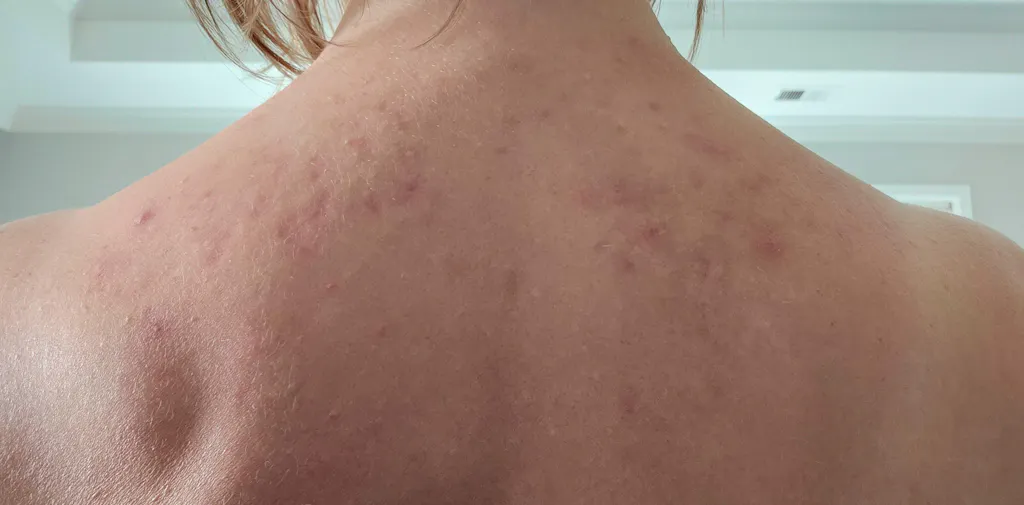
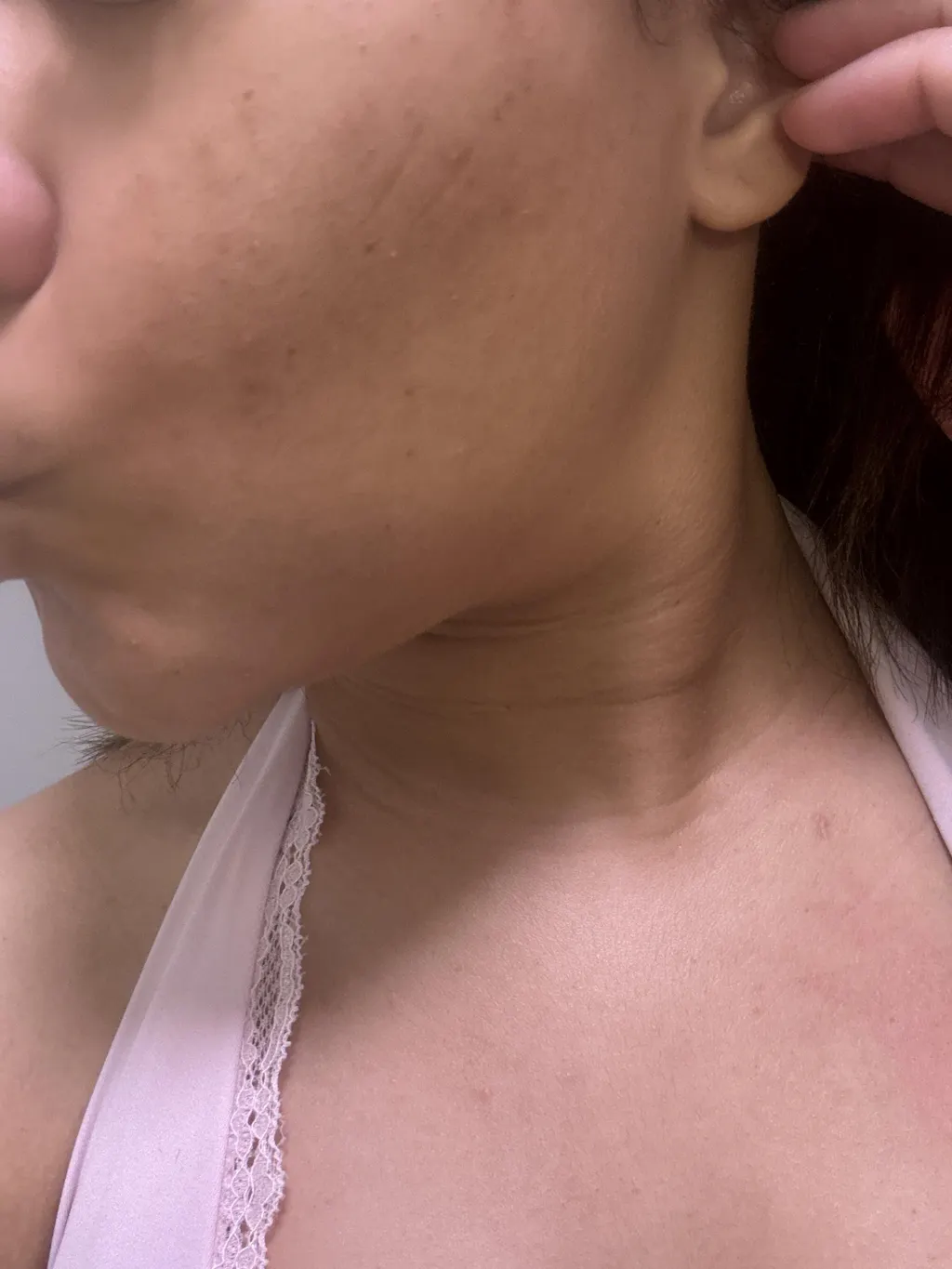
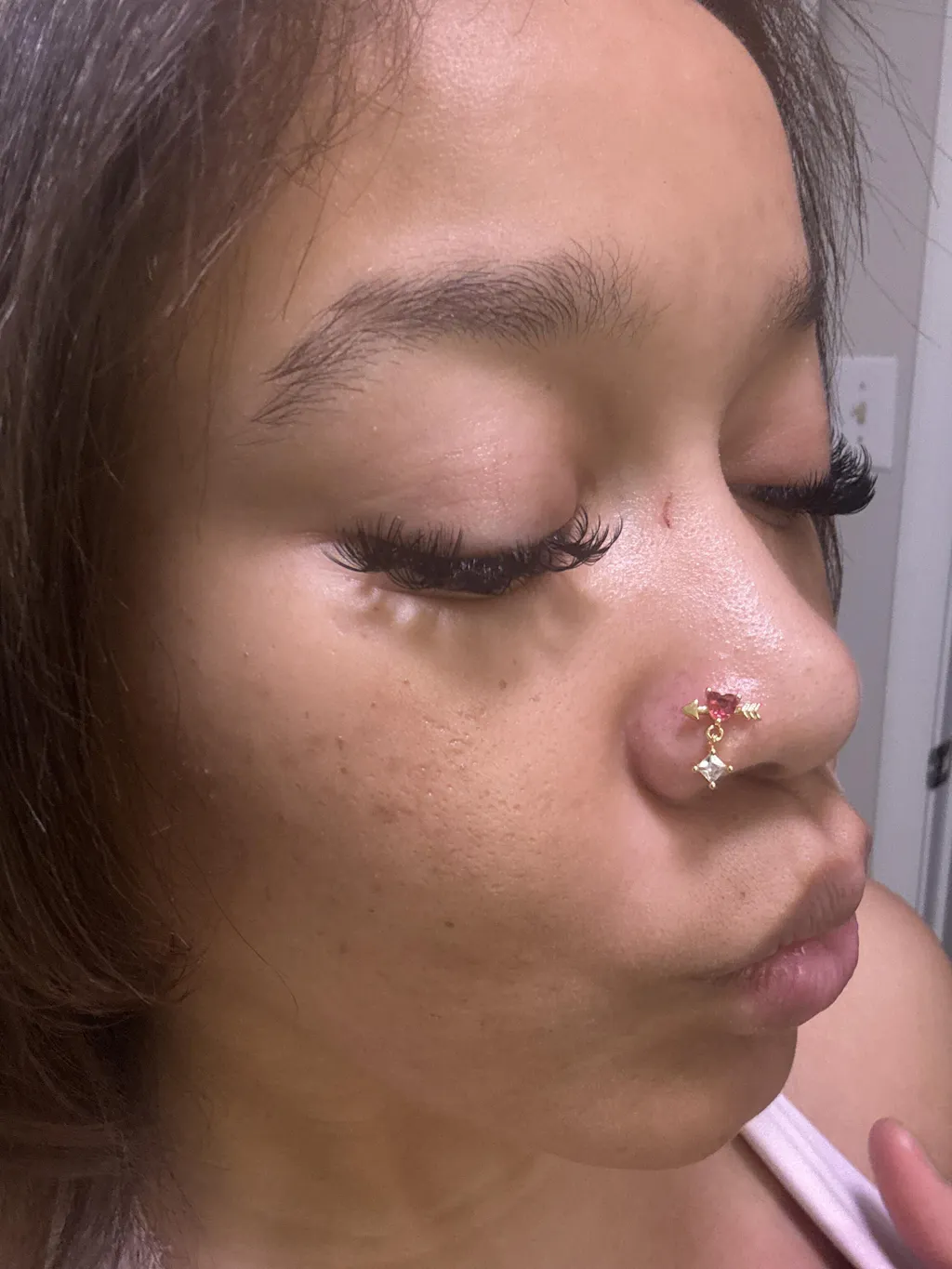
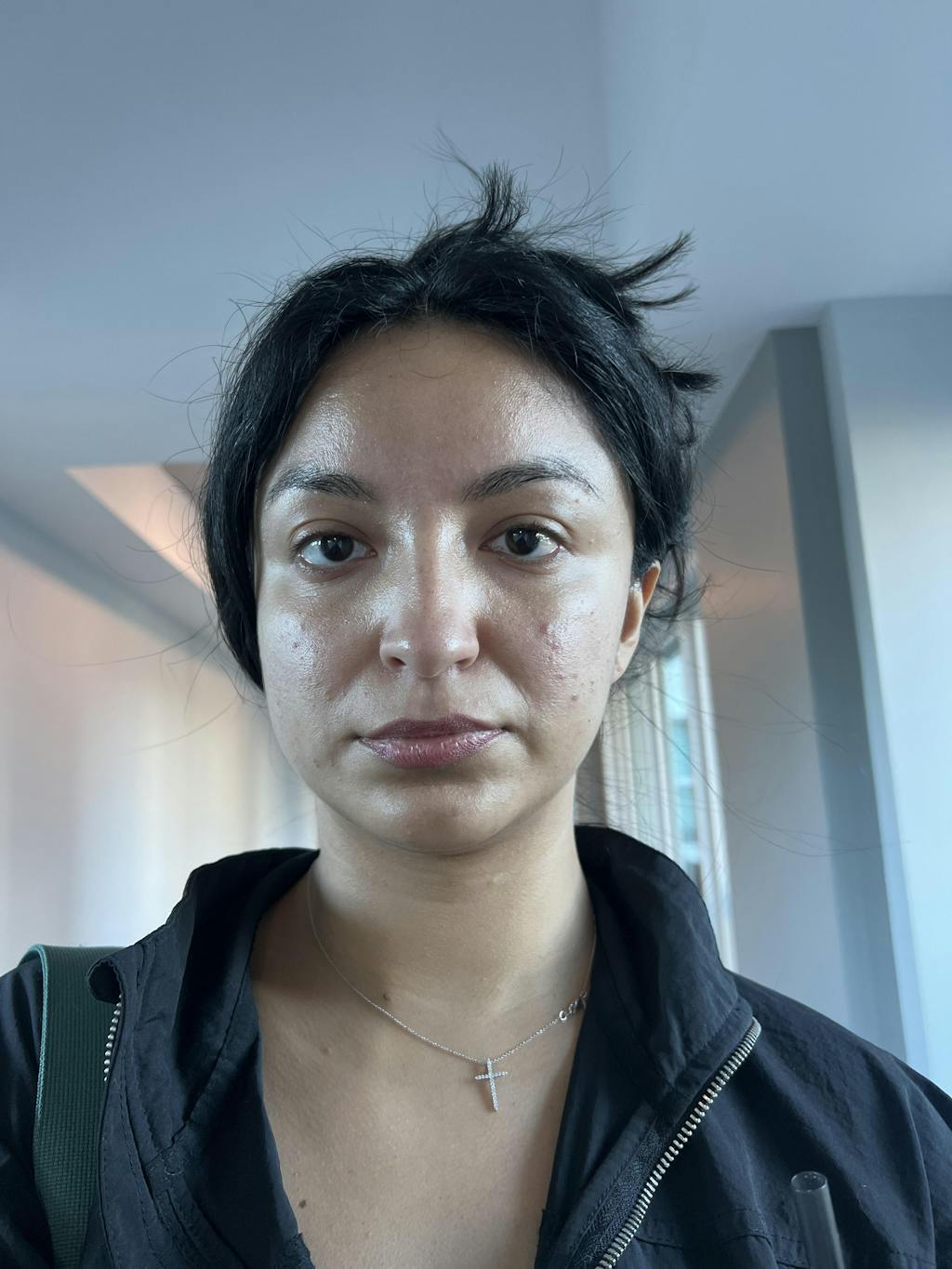
When the liver cannot keep pace with daily toxin load, the body shifts elimination to secondary organs. The skin, kidneys, lungs, and colon all pick up the slack. On the skin, this looks like cystic acne along the jawline, congested pores on the cheeks, melasma on the forehead, persistent redness, or that dull tired complexion that no highlighter fixes.
Hormones are the loudest example. When glucuronidation slows, used estrogen gets reabsorbed in the gut and recirculates. Higher circulating estrogen drives oil production, breast tenderness, and monthly breakouts that follow a calendar. Researchers have studied this gut-hormone pathway, called the estrobolome, since the early 2010s, particularly Claudia Plottel and Martin Blaser, who proposed the term in a 2011 review in Cell Host and Microbe.
You can scrub your face four times a day. You can spend a fortune on serums. If the upstream traffic is jammed, the skin will keep showing it.
Your face is a report card on your liver. Skincare changes the cover. Only detoxification changes the grade.
Signs Your Liver Quietly Needs Support
The liver gives quiet warnings long before lab values shift. Most of these signs are dismissed as normal or labeled as something else entirely. In my practice these are the patterns I screen for first, because they almost always cluster together.
- Jawline and chin breakouts that follow your cycle
- Melasma, age spots, or uneven pigmentation on the face
- Waking between 1 and 3 a.m. and struggling to fall back asleep
- Pale or yellow stools, or stools that float
- Strong reactions to alcohol, caffeine, or strong smells
- Bitter taste in the mouth on waking
- Belly fat that resists diet and exercise
- PMS that feels heavier each year
- Skin that itches without a visible rash
- Headaches after rich or fatty meals
If three or more sound like you, the liver-skin conversation is yours. Hepatic tissue is remarkably regenerative, and supporting the basic pathways with food and ritual often produces visible change in eight to twelve weeks.
The Foods That Actually Move the Needle
Specific foods activate Phase II pathways and support bile production more efficiently than most supplements. The three I rely on most in client work are cruciferous vegetables, beets, and bitter greens like dandelion.
Cruciferous vegetables contain glucosinolates that convert into sulforaphane and indole-3-carbinol (DIM) during chewing or chopping. These compounds upregulate Phase II enzymes, particularly the ones that escort used estrogen out of the body. Broccoli sprouts are the densest source by a wide margin. Cooked broccoli, kale, cabbage, Brussels sprouts, and cauliflower all contribute.
Beets deliver betaine and betalains. Betaine supports methylation, one of the harder-working Phase II pathways. Betalains protect liver cells from oxidative stress during Phase I activation. Raw grated beet in salads or roasted beets with olive oil both work.
Dandelion, both leaf and root, is one of the oldest bitter herbs used for liver support. The bitterness signals the gallbladder to release bile. Increased bile flow means used hormones, cholesterol, and fat-soluble toxins actually leave the body instead of recirculating. Dandelion tea before meals is the simplest entry point.
Other supporting players: garlic and onions for sulfur, lemon for hepatic enzyme support, turmeric for inflammation, artichoke for choleretic activity. None are exotic. None require a prescription. They just need to be eaten consistently.
The Morning Olive Oil and Lemon Shot Protocol
The morning olive oil and lemon shot is a simple ritual that gently stimulates bile flow, supports gallbladder function, and primes the liver for the day. It combines one tablespoon of cold-pressed extra virgin olive oil with the juice of half a fresh lemon, taken on an empty stomach about twenty minutes before breakfast.
The mechanism is straightforward. Fat in the small intestine triggers cholecystokinin (CCK), which signals the gallbladder to contract and release stored bile. Lemon contributes citrate and supports the bicarbonate buffering of the upper digestive tract. Together they nudge bile to move instead of stagnating, which is what bile tends to do when meals are erratic or low in fat.
Start small. Half a tablespoon of olive oil for the first week. Build to a full tablespoon if your digestion tolerates it. If you have known gallstones, skip this and work with a practitioner first. For most women I work with, four weeks of consistent morning shots correlates with calmer digestion, less bloating, and a noticeable softening of facial tone.
Some clients pair this with a targeted gut cleanse when bile sluggishness shows up alongside bloating and irregular bowel patterns. The liver and the gut are inseparable. Which brings us to bile.
Bile, Your Gut, and Why It All Surfaces on Your Skin
Bile is the bridge between liver detox and gut health. Made in the liver, stored in the gallbladder, released into the small intestine, bile carries fat-soluble toxins and conjugated hormones out of the body. It also acts as a natural antimicrobial that keeps the small intestine from becoming overgrown with bacteria.
When bile flow is sluggish, two things happen. First, the toxins your liver worked hard to package get reabsorbed instead of excreted. Second, the small intestine becomes hospitable to bacterial overgrowth, which damages the gut barrier and triggers low-grade systemic inflammation. Both feed back into skin issues.
Researchers like Fredrik Bäckhed and colleagues have published extensively on bile acid signaling through the FXR and TGR5 receptors. A 2016 review in Cell Metabolism by Wahlström, Sayin, Marschall, and Bäckhed laid out the bidirectional relationship between bile acids and the gut microbiome that we now consider foundational.
If your bile isn't flowing, your microbiome shifts, your gut barrier weakens, inflammatory signals rise, and your skin reflects it. This is also why 92 trace minerals from the ocean matter for liver and gut tissue repair. Mineral-deficient tissue cannot regenerate efficiently.
Building Daily Liver-Skin Support That Actually Sticks
The protocol I recommend most often is built in layers, not all at once. Start with the morning lemon and olive oil shot. Add a daily serving of cruciferous vegetables, lightly cooked. Drink dandelion tea before your two largest meals. Keep alcohol to a minimum during reset windows. Sleep before midnight whenever possible, since the liver does its heaviest restorative work in the early hours.
For women who want a structured reset, the deeper 12-week reset sequences gut, liver, and lymph support in a way the body can keep up with. Slow is the point. Aggressive detox protocols dump toxins into circulation faster than Phase II can package them.
If breakouts are persistent, the 12-week gut-to-skin program works through the same liver-bile-microbiome chain at a clinical pace. Topically, a barrier-repairing tallow cream at night helps the skin recover from the inflammation it carried while the upstream work was happening. For women whose skin is rebuilding, bioavailable collagen support gives the dermis the amino acids it needs to fill back in.
None of this requires a perfect diet or a cabinet full of products. It requires understanding that your skin is downstream. Most women see real change in eight to twelve weeks. Some see it in four.
• • •
Frequently Asked Questions
What is the liver-skin connection?
The liver-skin connection is the relationship between hepatic detoxification capacity and skin clarity. When the liver cannot fully process toxins and hormones through its two-phase detox system, the body uses the skin as a backup elimination route. This shows up as acne, melasma, dullness, and persistent inflammation.
How do I know if my liver needs support?
Common signs include cyclical jawline acne, waking between 1 and 3 a.m., pale or floating stools, bitter taste on waking, strong reactions to alcohol or caffeine, heavy PMS, melasma, and itchy skin without a rash. Three or more suggests your liver would benefit from supportive food and bile-flow practices.
How long does it take to see skin changes from supporting the liver?
Most women notice early changes in skin tone and digestion within four weeks. Visible reduction in breakouts and pigmentation typically takes eight to twelve weeks, which matches the natural skin cell turnover cycle combined with the time the liver needs to upregulate Phase II enzymes.
Can I drink the olive oil and lemon shot every morning?
Yes, for most healthy adults the morning shot is safe when started at a half tablespoon and gradually built to a full tablespoon. If you have known gallstones, gallbladder removal, or any active liver disease, work with a qualified practitioner first.
Is a liver detox the same as a juice cleanse?
No. Real liver support feeds the two-phase enzymatic processing your liver does every minute through nutrients, bile flow, and reducing toxin load. Juice cleanses often spike blood sugar and lack the protein Phase II needs for conjugation.