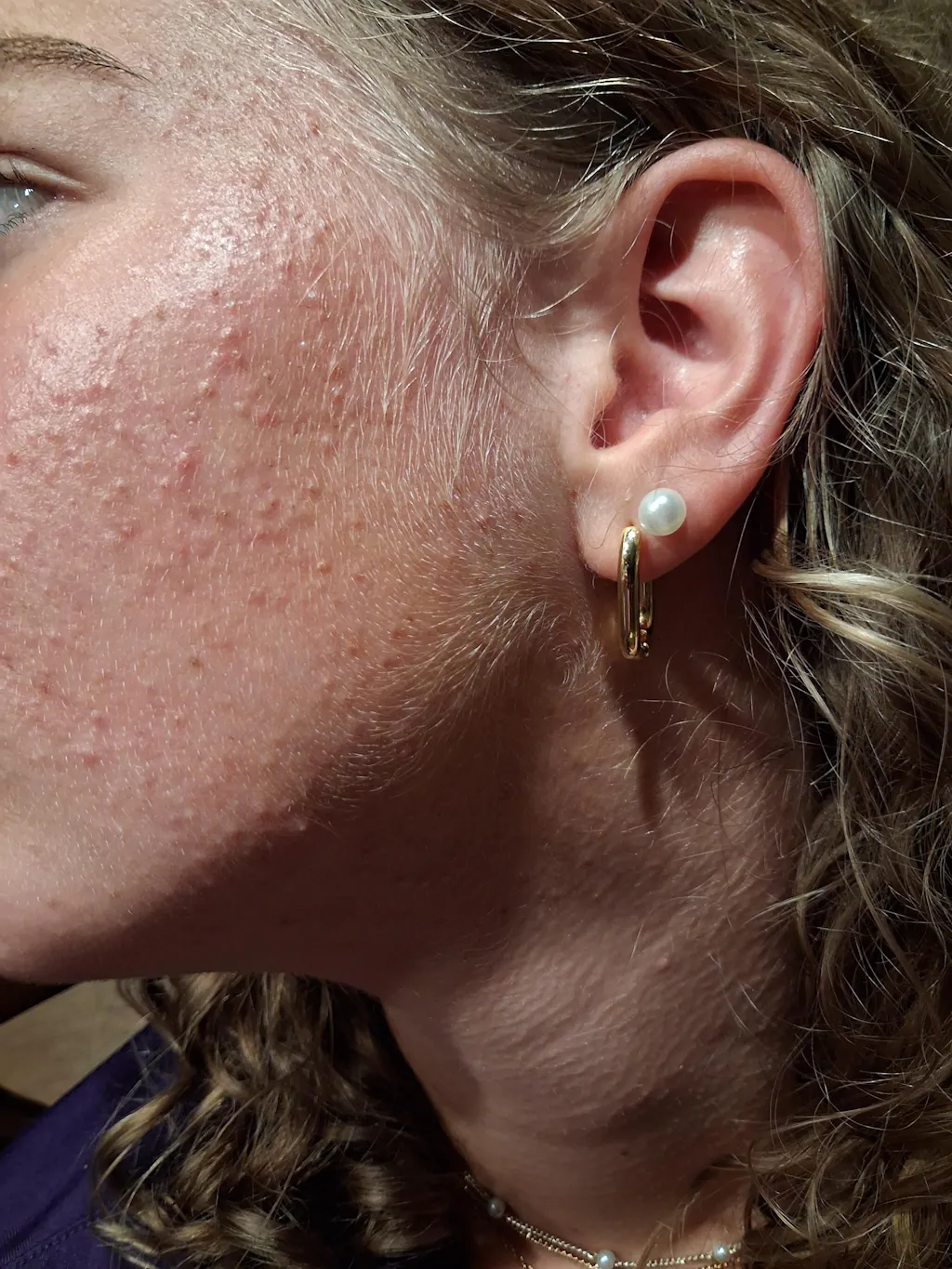
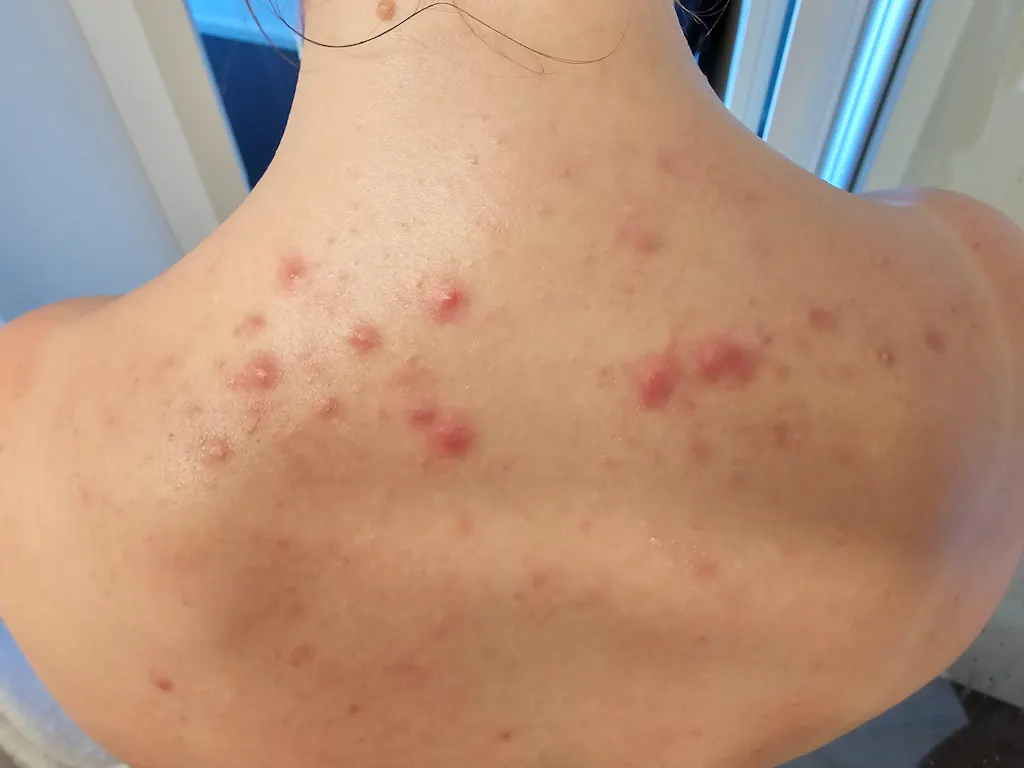
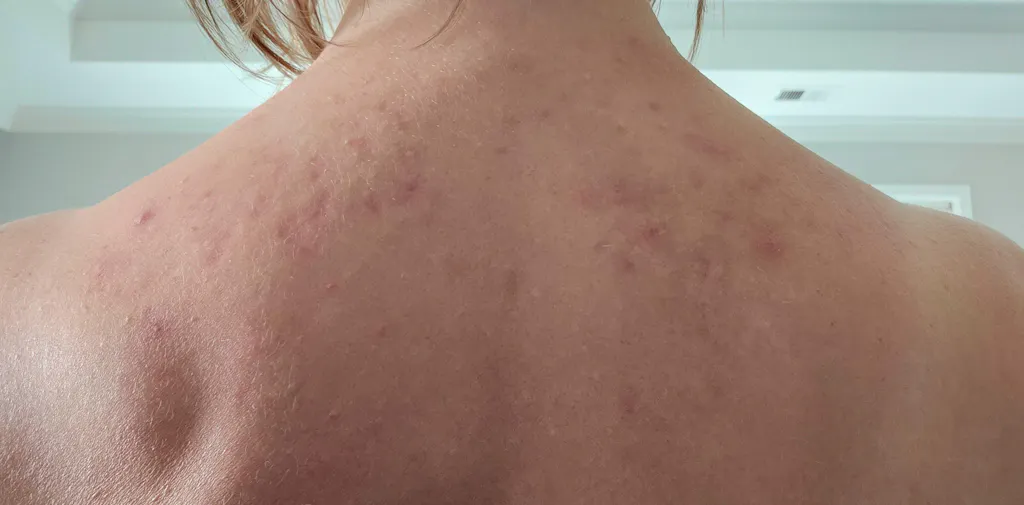
The first 30 minutes after you open your eyes decide more about your skin than any cream you own. In that little window your cortisol spikes, your gut wakes up, your blood sugar bottoms out, and your sebaceous glands choose what kind of day to give you. Most of us hand that window to a phone, a coffee, and a bowl of cereal that quietly sets the stage for a breakout. Let me show you what to do instead.
I have been working with women on adult and hormonal acne for years. The same pattern shows up again and again. They have a great evening routine. They have nice products. Their mornings are a quiet disaster. So let me walk you through the morning routine for clear skin I actually use with clients, with the mechanisms, the timing, and the small swaps that change everything.
Why the first 30 minutes after waking matter most for your skin
The cortisol awakening response is real. Within 30 to 45 minutes of opening your eyes, your cortisol rises by roughly half to three quarters of its baseline. Clow and colleagues (2010) described this beautifully. That spike is supposed to wake you up. The problem is what we pile on top of it.
Cortisol is not the villain. It is a clock. But when you stack stress hormones, caffeine, and sugar onto that natural peak, you change the chemistry of your skin for the next six hours. Zouboulis (2002) and Slominski (2000) showed that the skin itself has a working stress system. Your sebocytes, the little oil factories in your pores, have receptors for stress signals. Ganceviciene (2009) demonstrated that when those receptors fire, oil production climbs.
So if you spike cortisol hard in the first hour, you are telling your pores to produce more sebum all morning. Then you wonder why your T zone is greasy by lunch.
Your skin does not start in the bathroom. It starts in the kitchen, in the first thirty minutes after you wake up.
Step one: warm lemon water on an empty stomach
Warm water with a squeeze of lemon, sipped slowly within 10 minutes of waking, gently rehydrates the body after an overnight fast and nudges the digestive system into motion. It is not a cure. It is a soft on-switch for the gut, the liver, and the bowels before anything else hits your system.
You have just gone seven or eight hours without water. Your blood is thicker. Your gut is sluggish. Warm liquid moves through the stomach faster than cold, and the mild acidity of lemon supports the natural production of stomach acid you need to actually digest the food coming next. The mechanism is sound and the cost is a lemon.
Skip the ice. Skip the giant glass that bloats you. About 250 to 350 ml, warm, sipped over five minutes. That is it.
Step two: a gentle morning cleanse before food
A gut cleanse supplement taken on an empty stomach, 15 to 30 minutes before breakfast, works because there is no food in the way of the binders, the herbs, or the prebiotic fibers. They reach the intestinal lining intact, where they actually do their job.
This is where I lean on a targeted gut cleanse with my clients. The gut-skin axis is not a wellness slogan. It is a documented pathway. Bowe and Logan (2011) revived the old Stokes and Pillsbury hypothesis and gave it modern teeth. Stress alters your microbiome. The microbiome shifts the gut barrier. A leaky gut barrier sends low-grade inflammation into circulation. And that inflammation lands on your face.
Deng (2018) found that acne patients have measurably different gut bacteria than people with clear skin. Less Bifidobacterium. Less Lactobacillus. Less microbial diversity overall. That is dysbiosis, and dysbiosis quietly drives the breakouts you cannot figure out.
So in that 15 to 30 minute window before food, the cleanse gets clean access. After food, it is fighting through eggs and oats to do the same job.
Step three: do NOT reach for coffee yet
Drinking coffee on an empty stomach, in that first 30 to 60 minutes after waking, amplifies an already elevated cortisol peak. Lovallo (2005, 2006) showed that 250 to 300 mg of caffeine raises plasma cortisol meaningfully, even in people who drink coffee every day. The tolerance you think you have is incomplete.
I am not anti-coffee. I drink coffee. I am anti-coffee-at-6:45 AM on an empty stomach in your bathrobe. Push it to about 90 minutes after waking, after you have eaten something, and you let your natural cortisol curve do its job without the booster shot.
Why does this matter for skin? Chronic cortisol elevation does measurable damage. It increases sebum secretion, degrades hyaluronic acid, slows collagen production, and impairs the skin barrier itself. That means more water loss, more dryness, more sensitivity, more breakouts. Coffee is not the cause of your acne. But morning coffee, on top of cortisol, on top of stress, on top of a missed breakfast, is a stack that quietly works against you. Notice the stack. Then break one piece of it.
Step four: an anti-inflammatory breakfast that does not spike insulin
An anti-inflammatory breakfast for clear skin centers on low-glycemic carbohydrates, omega-3 fats, deep-pigment berries, and zero dairy. The goal is to feed the body without spiking insulin or IGF-1, the two hormones most directly linked to acne in the diet research.
Smith and colleagues (2007) ran a 12-week randomized trial showing a low-glycemic diet improved acne and lowered IGF-1. Melnik and Schmitz (2009) laid out the mechanism. High-glycemic foods and dairy both raise IGF-1, which switches on mTORC1 in your sebocytes, which increases oil production and follicular plugging. That is the road to a pimple, drawn at the molecular level.
What I actually put on the plate:
- Half a cup of berries. Blueberries, raspberries, blackberries. Real polyphenols that protect skin against oxidative stress.
- A small handful of walnuts or chia seeds. Plant omega-3s that lower inflammatory eicosanoids.
- Two pasture-raised eggs, soft-boiled or poached. Protein, choline, no dairy.
- A spoon of ground flax or hemp on top.
- Optional: a small portion of slow oats with cinnamon. Skip the granola.
What does not belong on that plate, even though every cafe sells it: a glass of milk, a flavored yogurt, a bowl of frosted anything, a pastry, a fruit juice. Adebamowo (2005) showed in a large prospective cohort that skim milk was associated with acne. Dairy is not evil. But if your skin is breaking out, dairy in the morning is not your friend.
Step five: minerals, the unsexy step that quietly changes everything
If your gut is irritated, your absorption is poor. If your absorption is poor, you are quietly mineral depleted week after week. That depletion shows up on your skin as dullness, slow wound healing, and a barrier that just will not hold its moisture. Most women I see are running on empty before breakfast is even on the table.
This is where I bring in mineral-rich sea moss with clients who have been on restrictive diets, or who have been chronically stressed, or who simply look pale and tired even when they sleep eight hours. Sea moss is not a magic bullet. It is a quiet workhorse. You take a small amount in the morning, ideally before or with breakfast, and you let it do its slow job over weeks.
The same idea applies to bioavailable collagen support. Cortisol actively breaks down collagen and hyaluronic acid in the dermis. If your mornings are stressful and your diet is light on amino acids, you are losing dermal scaffolding faster than you are building it. A small dose first thing rebalances that math.
You will not feel sea moss working. You will see it about six to eight weeks in, when you look in the mirror and your skin just looks denser.
Step six: stress, the vagus nerve, and the part nobody puts on a checklist
The cortisol-gut-skin axis is the single most under-treated driver of adult acne I see. When you are chronically stressed, your HPA axis pours out cortisol. Cortisol thins the gut barrier. The gut leaks. Inflammation rises. Sebum changes. Breakouts appear. Then you get stressed about the breakouts and the loop tightens.
Bowe and Logan (2011) drew this loop clearly. Stress signaling activates mast cells in the skin to release inflammatory molecules directly, while cutaneous nerves release substance P during stress, driving redness and flushing. None of this is in your head. It is in your nervous system.
The vagus nerve is the brake pedal. You can stimulate it. Slow nasal breathing, four counts in, six counts out, for five minutes. Humming. A cold splash on the face. A short walk outside in real light before noon. These sound small. They are not. They reset the autonomic tone for the entire morning. The HPA axis listens to what you do in the first hour. Give it slow breath instead of doomscrolling.
A sample morning routine, minute by minute
Here is what a clean morning actually looks like in real time. Adjust the wake hour to your own life, your own kids, your own work start. Keep the rhythm and the order. The point is not the clock. The point is the sequence, because each step lines up with the body process that runs at that exact moment.
- 6:30 AM. Wake. No phone for the first 10 minutes. Open a curtain. Let real light hit your eyes.
- 6:35 AM. 300 ml warm water with half a lemon squeezed in. Sipped slowly.
- 6:40 AM. Take your gut cleanse supplement on the empty stomach.
- 6:45 AM. Five minutes of slow nasal breathing. Four in, six out. This is your vagus nerve work.
- 6:50 AM. Splash cool water on your face. A simple gentle cleanser. Pat dry. No scrubbing.
- 7:00 AM. Breakfast. Eggs, berries, walnuts, a small portion of slow oats. Water on the side.
- 7:30 AM. Sea moss gel or capsule. Collagen if you use it.
- 7:45 AM. Step outside for five minutes. Sunlight on the skin, even through clouds.
- 8:00 AM. Now, if you want it, coffee. With food already inside you.
That is the whole routine. It is not glamorous. It works because every step lines up with a real mechanism your body is running anyway.
What about the night before
The morning routine starts the night before. Cortisol that climbs at 6 AM is shaped by what you did at 9 PM. Late screen time, late eating, alcohol, a fight with your partner. All of those raise the next morning's cortisol curve.
I have my clients build a quiet wind-down. Dim lights after 9 PM. No food after 8. A small evening skin ritual with a barrier-repairing tallow cream on damp skin. The fat content rebuilds the lipid layer that cortisol has been chipping at all day. You repair that overnight, or you do not. Your call.
If you want a structured version of all of this
Reading a routine and living a routine are two different things. I know that, because I lived in the gap between them for years before my own skin finally cleared. If you want this whole morning protocol mapped out for you, week by week, with the timing, the supplements, the food templates, and the small course corrections, that is exactly what the 12-week gut-to-skin program is built around. It is the same protocol I use one-on-one in my practice, just packaged so you can follow it at home without me on the phone every morning.
For women who have already tried the standard advice and need a deeper reset, especially after years of dairy, sugar, and stress, a full detox protocol goes further into the liver and bowel side of the equation. It is not a juice cleanse. It is a structured 30-day reset that pairs with the morning work above. Most of my clients who have stubborn cystic patterns do this one first, then layer the 12-week program on top once their gut is no longer inflamed.
If you would rather start simple and just fix the morning, begin with the microbiome gut cleanse, a daily glass of sea moss, and a nightly application of tallow cream. Three products. Three habits. Thirty days. That is the smallest version of this protocol that still moves the needle, and it is where I tell most women to start.
Frequently asked questions
What should I drink first thing in the morning for clear skin?
Warm water with a squeeze of fresh lemon, sipped over about five minutes within 10 minutes of waking. It rehydrates after the overnight fast, gently stimulates the gut, and prepares your stomach for the food and supplements coming next. Skip the cold water, the coffee, and the juice for the first 30 minutes.
Is coffee really that bad for my skin?
Coffee itself is not the problem. Coffee on an empty stomach in the first hour after waking is the problem, because it stacks caffeine-driven cortisol on top of your natural cortisol awakening response. Lovallo (2005, 2006) documented this clearly. Push your coffee to about 90 minutes after waking, after food, and most of that issue resolves.
How long until I see results from a morning gut routine?
Most women I work with notice changes in bloating and energy within two to three weeks. Skin lags behind because skin cells take about 28 days to turn over. Expect the first real visual changes around week six, with clearer improvement by week 10 to 12. Consistency in those first 30 minutes each morning matters more than any single product.
Can I take a gut cleanse on a sensitive stomach?
Yes, with care. Start at half the suggested amount for the first week. Always take it with warm water on an empty stomach, then wait the full 15 to 30 minutes before breakfast. If you notice any irritation, lower the dose further and add a small amount of food. Sensitive stomachs often respond better to slower, gentler protocols rather than aggressive ones.
Is dairy in my breakfast really triggering my acne?
For many women, yes. Large prospective cohort studies have shown that dairy, especially skim milk, is associated with acne. The mechanism, as Melnik and Schmitz (2009) explained, runs through IGF-1 and insulin spikes that activate mTORC1 in your oil glands. Try removing dairy from breakfast for three weeks and watch what happens. The answer is usually obvious.