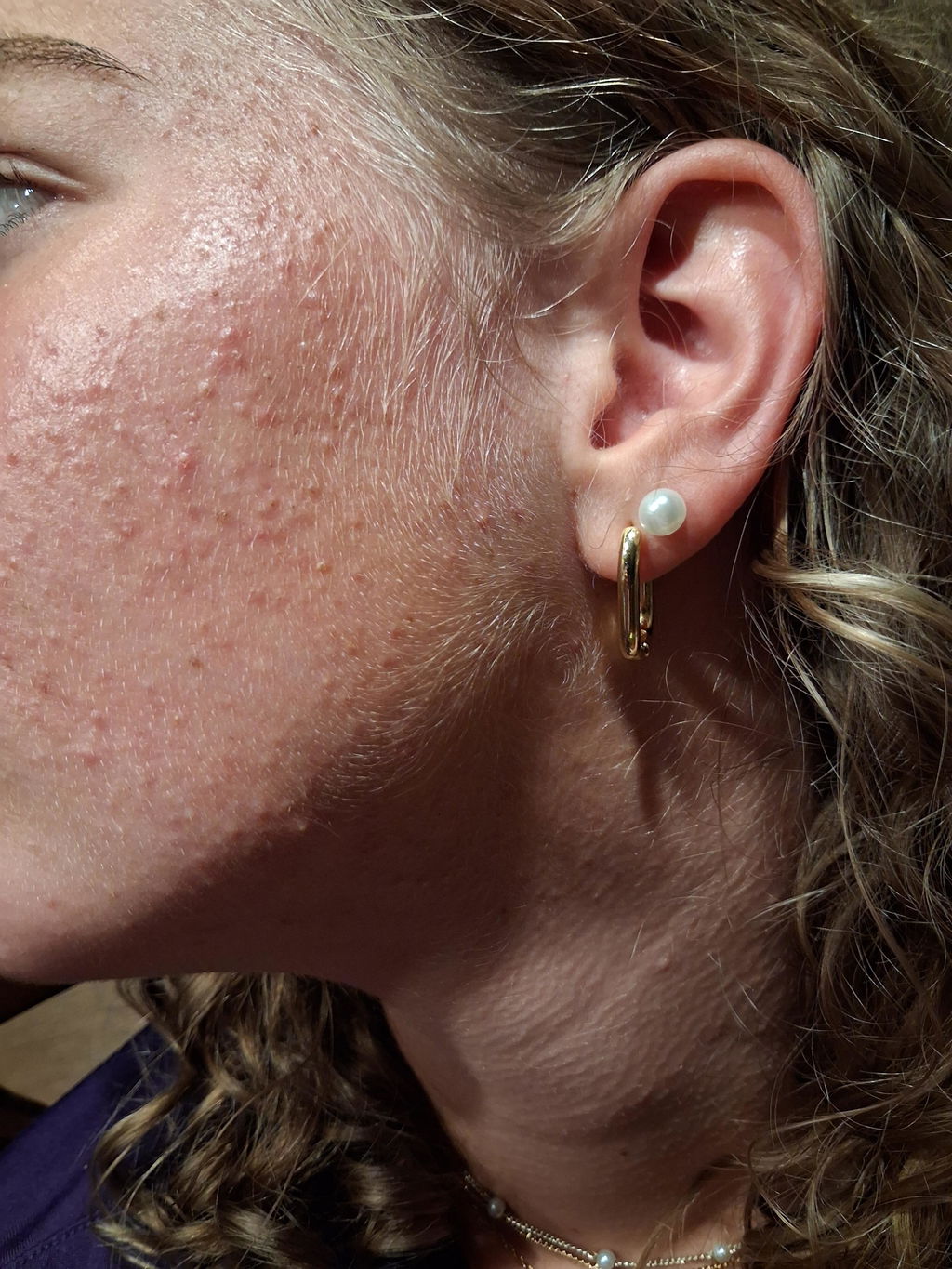
Here is something the wellness industry got wrong. You can drink a gallon of water a day and still have skin that looks dehydrated. Tight. Flaky. Crepey under the eyes by 3 PM. In my practice I see women drinking a hundred ounces a day and wondering why their skin still pulls when they smile. The problem is not how much water you drink. It is whether your cells can actually use it.
Why Plain Water Cannot Hydrate Your Skin Cells
Plain water does not hydrate skin cells directly. Hydration is a cellular event that requires electrolytes like sodium, potassium, and magnesium to pull water across cell membranes through specialized channels called aquaporins. Without the right mineral balance, water passes through the body and out, never reaching the cells that need it most.
Think of your cells as small balloons floating in salt water. The salt outside the balloon (sodium) creates a gradient. Water follows the gradient and crosses the membrane. The pump that runs this whole operation is called the sodium-potassium ATPase, and it needs minerals to function. Take the minerals away and you have flat balloons sitting in flavorless water. That is what dehydrated skin actually looks like at the cellular level.
This is why the women who drink the most water often still complain about tight, dull skin. They are flushing themselves before any real absorption can happen. The kidneys do their job. The skin gets almost nothing.
The "8 Glasses a Day" Rule Has No Real Science Behind It
The eight glasses a day rule has no peer-reviewed origin. Kidney physiologist Heinz Valtin traced it in his 2002 review in the American Journal of Physiology and found no scientific basis for the recommendation. The actual research suggests thirst, urine color, and diet are far more reliable hydration signals than a fixed daily ounce count.
Valtin's paper was titled, fairly bluntly, "Drink at least eight glasses of water a day. Really?" His answer was no. The 1945 Food and Nutrition Board memo that started the whole thing actually said most of that water comes from food. The food part got dropped on its way into pop culture, and we ended up with women hauling thirty-two ounce tumblers everywhere for no real reason.
Here is the part most people miss. Drinking too much water without minerals can lower your sodium levels into a state called hyponatremia. It does not just fail to hydrate. It actively dilutes the electrolytes you already have.
If water alone hydrated skin, the marathon runners who drink the most would have the best complexions. They do not.
Mineral Water Versus Filtered Water: What You Are Actually Drinking
Most filtered water has had its minerals stripped out. Reverse osmosis systems remove the majority of dissolved minerals including magnesium, calcium, and potassium. Mineral water and good well water contain these naturally. The cleaner your water, the less hydrating it can actually be at the cellular level.
I am not against filtration. The chlorine and heavy metals coming out of municipal water are a real concern. What I am against is filtering with no replacement. If you run reverse osmosis at home and drink only that, you are giving yourself an empty solvent. It pulls minerals out of your tissues on the way through, the opposite of what you want for your skin.
The fix is simple. Add a pinch of unrefined sea salt or a few drops of trace mineral concentrate to each glass. Or alternate filtered water with mineral water during the day. Your taste buds will tell you the difference quickly. Real mineral water has weight on the tongue. Stripped water tastes like absolutely nothing.
The Three Minerals That Decide If Water Reaches Your Skin
Sodium, potassium, and magnesium drive cellular hydration through ion gradients. Sodium pulls water into cells. Potassium balances it inside. Magnesium activates over three hundred enzymes including the ones that produce hyaluronic acid in your skin. A deficiency in any of the three keeps water moving past your cells instead of into them.
Sodium is the one most women have been told to fear. Unrefined salt is not the same thing as table salt. The trace minerals in real sea salt or pink salt are part of the package and matter for cellular function. A small pinch in your morning water resets the gradient that pulls water into your cells.
Potassium is the quiet partner. It works inside the cell to balance what sodium pulls in from outside. Most women eat nowhere near enough potassium because it comes from fruit, leafy greens, and tubers, not from anything in the boxed food aisle.
Magnesium is the one I see most depleted in my practice. Stress burns through it. Caffeine flushes it. Without enough magnesium your skin literally cannot hold water, because the enzymes that build hyaluronic acid slow down. This is also why mineral-dense foods like 92 trace minerals from the ocean change skin texture in a way that drinking more water never will.
What "Structured Water" Actually Is And Is Not
Structured water refers to a fourth phase of water (sometimes written H3O2) proposed by University of Washington researcher Gerald Pollack. His lab work on exclusion zone water near hydrophilic surfaces is published in legitimate journals. The consumer "structured water" devices and vortex machines sold online have no peer-reviewed evidence supporting their hydration claims. The basic science is real. The marketing on top of it is not.
Here is what is actually true. Water inside healthy cells does behave differently than water in a glass. It is more organized. It is held in gel-like networks by proteins. This is what Pollack's research describes.
Here is what is not true. You cannot buy a device that "structures" your water before you drink it in a way that changes anything inside your cells. Your body makes structured water itself, every time you eat mineral-rich food and your cells function properly. You do not need to pay six hundred dollars for a copper vortex to make this happen.
Your Gut Decides How Much Water Reaches Your Skin
Water absorption happens in the small intestine and colon through tight junctions and active mineral transport. When the gut barrier is inflamed (often called intestinal permeability or leaky gut), water moves through too quickly and minerals are poorly absorbed. The same person can drink the same amount of water and end up dehydrated based on their gut health alone.
This is the part of the gut-skin axis nobody explains clearly. The microbiome produces short-chain fatty acids like butyrate that feed the cells lining your colon. Those cells are what create the gradient that absorbs minerals and water in the first place. When your microbiome is in dysbiosis, the gradient is weaker. You absorb less of everything, including the water you keep pouring in.
The vagus nerve plays into this too. Chronic stress shifts you into a sympathetic state where digestion slows and absorption drops. Cortisol stays elevated through the HPA axis. The result is a woman who eats clean, drinks plenty, supplements correctly, and still has skin that looks dehydrated because nothing is actually getting absorbed.
This is why a targeted gut cleanse often produces visible skin changes within a few weeks even though nothing was directly applied to the skin. The absorption finally turns back on.
A Practical Hydration Protocol That Actually Reaches Your Skin
The hydration protocol I use with clients has four parts: a pinch of unrefined salt in morning water, mineral-dense food like sea moss, gut absorption support, and an end to over-filtration. Within two to three weeks most women see less under-eye crepe and softer cheek texture without changing anything topical at all.
Here is what it looks like in real life.
- Morning mineral water. Twelve to sixteen ounces with a small pinch of unrefined salt and a squeeze of lemon. Before coffee. Before anything else.
- One mineral-rich food per day. Sea moss is the easiest because it carries trace minerals that are difficult to get from a Western diet. A spoonful of gel in a smoothie covers it.
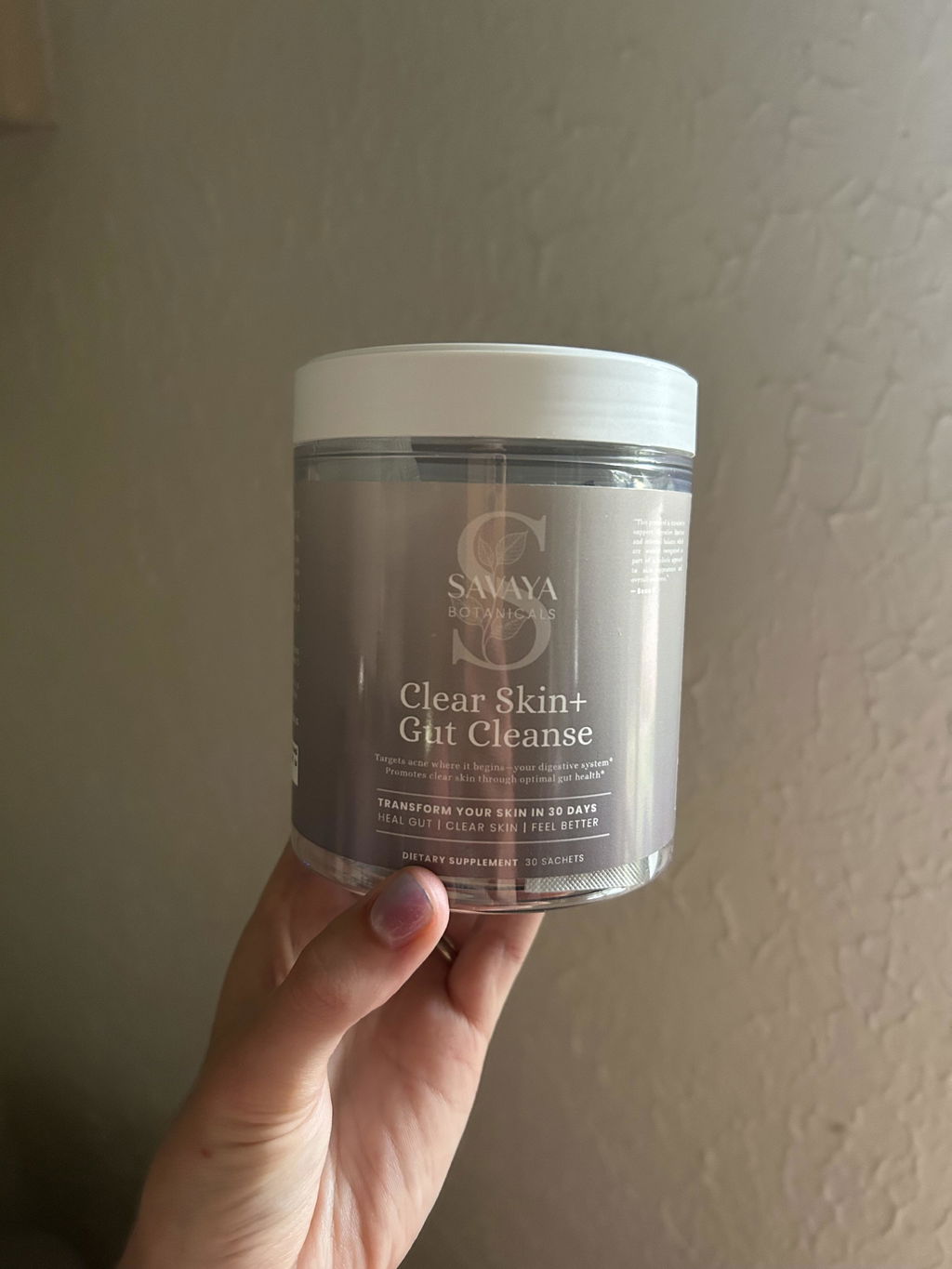
- Fix absorption first. If your gut is inflamed, no amount of mineral water will land. Clear Skin+ Max Detox, a daily acai-based blend, helps support that foundation alongside your hydration changes.
- Stop drinking by ounce count. Light yellow urine and no afternoon thirst are the only signals you actually need to track.
- Support the skin from outside too. Once cellular hydration improves, a barrier-repairing tallow cream locks the water you finally have into the stratum corneum.
That is the whole thing. No gallon jugs. No structured water gadgets. No counting ounces on an app at 9 PM.
If you have been doing the "drink more water" thing for years and your skin still pulls at the cheekbones by 4 PM, the issue is not your effort. It is the missing piece of the equation. Address the minerals and the gut, and water finally starts behaving the way you were promised it would.
• • •
Cellular hydration is a mineral problem before it is a water problem. This microbiome reset and mineral-rich sea moss are the two things I reach for first because they restore the absorption pathway and supply the trace minerals your skin needs to actually hold the water you drink.
Frequently Asked Questions
How much water should I actually drink for clear skin?
Drink to thirst with attention to urine color. Pale yellow is the target. Most women land somewhere between sixty and ninety ounces a day depending on body size and climate. What matters more than the number is the mineral content of what you drink and whether your gut is absorbing it properly.
Why does my skin still look dehydrated when I drink a lot of water?
The most common cause is mineral deficiency, especially magnesium and potassium. Without electrolytes the water passes through without entering your cells. Gut inflammation also reduces absorption, so even adequate mineral intake fails to reach the skin. Address minerals and gut barrier first, then watch what happens.
Can sea moss replace electrolyte powders?
For most women, yes. Sea moss naturally contains a broad mineral profile including magnesium, potassium, sodium, iodine, and trace minerals like selenium and zinc. Commercial electrolyte powders often contain added sugar and synthetic flavoring you do not need. A daily spoonful of sea moss gel covers the same nutritional need.
How long does it take for proper hydration to show in my skin?
Visible changes usually appear within two to three weeks. The stratum corneum (your outer skin barrier) cycles every twenty-eight to forty days, so the full visual shift takes about a month. Most women notice less morning puffiness and softer cheek texture first, then a reduction in fine lines around the eyes.
Is structured water worth buying?
No. The peer-reviewed science behind exclusion zone water exists, but no consumer device has been shown to produce a meaningful change in cellular hydration. Your body structures water internally when you have the right minerals and a functional gut. Save the money for sea moss and good unrefined salt.