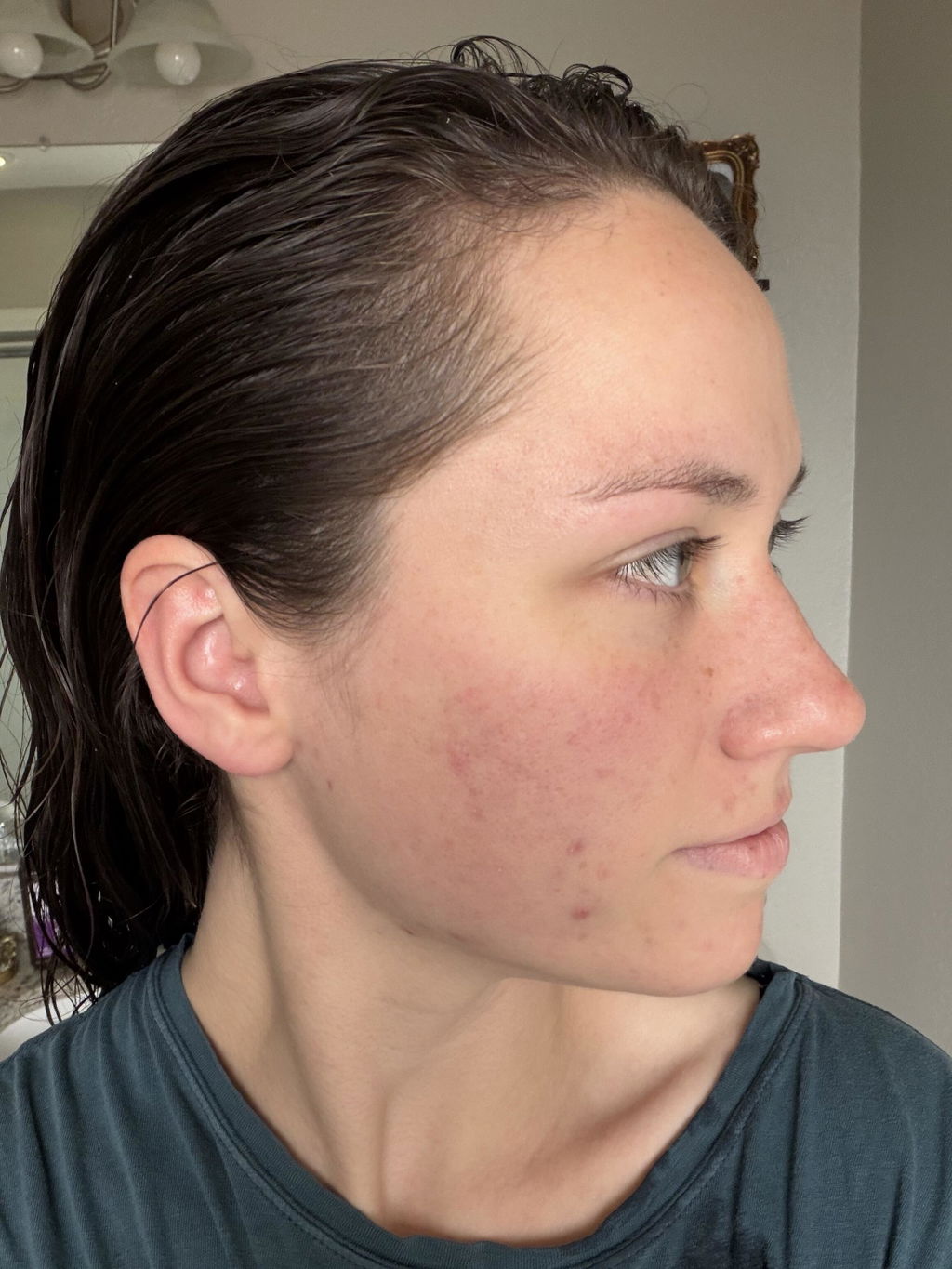
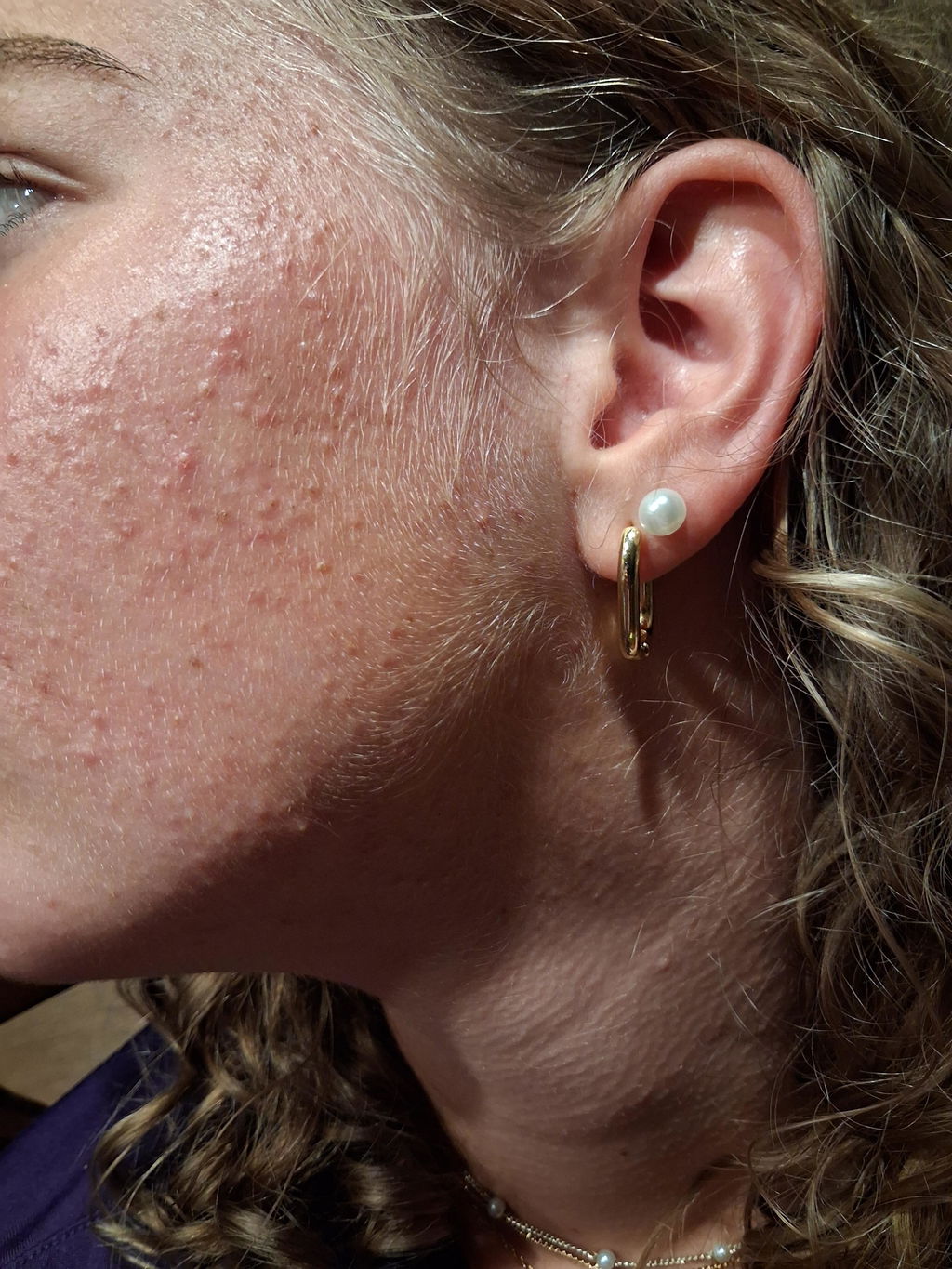
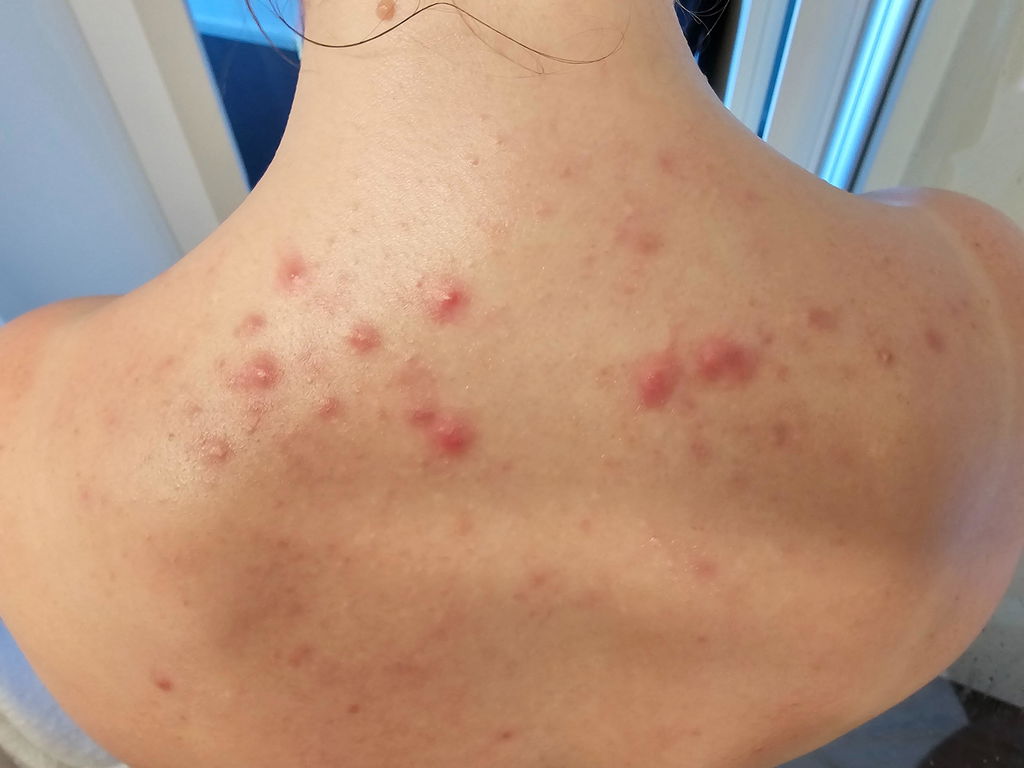
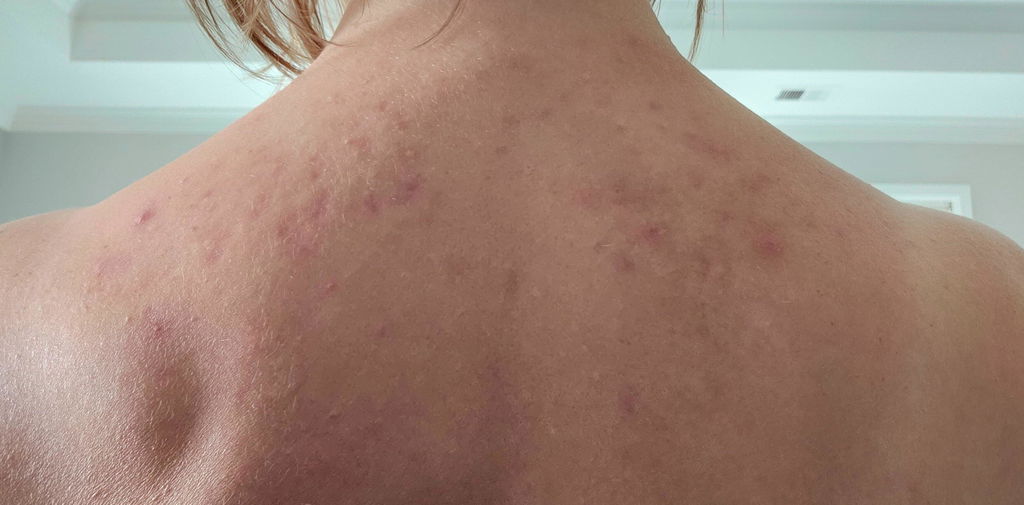
You moisturize. You eat clean. You use the actives. And still, the morning after a bad night of sleep, your skin looks puffy, dull, and that cyst on your chin is back. It is not random. Your skin is reading your sleep through your gut. A quiet conversation runs between your microbiome and the clock on your wall, and most skincare routines ignore it entirely.
In my practice, sleep is the variable I see women underestimate the most. They will overhaul their diet, swap their serums, and still wake up inflamed. Once we untangle the gut-sleep piece, things move.
Your Gut Has Its Own Bedtime: The Microbiome's Circadian Rhythm
Your gut microbiome runs on a 24-hour clock. The composition, location, and activity of your gut bacteria shift predictably between day and night. When your sleep schedule breaks, those rhythms desynchronize within days, which research links to inflammation, metabolic disruption, and changes in the gut barrier itself.
The clearest work on this came out of Eran Elinav's lab at the Weizmann Institute. The Thaiss et al. studies, published in Cell in 2014 and 2016, showed that gut bacteria physically migrate along the intestinal lining over the course of a day. They cluster near the gut wall during your active hours and pull back at night. When mice and humans experience jet lag or shift work, that rhythm collapses. The downstream effect: dysbiosis, glucose intolerance, and increased intestinal permeability.
Translation for your skin: an out-of-sync microbiome is a leaky one. And a leaky gut is an inflamed face.
This is also why people who travel often, work shifts, or scroll until 2am tend to develop skin issues that no topical can fully solve. The clock has to come first, or nothing else holds.
Why Your Gut Makes 400 Times More Melatonin Than Your Brain
Most people think of melatonin as the brain's sleep hormone. The truth is, your gut produces roughly 400 times more melatonin than your pineal gland. This gut-derived melatonin is not primarily for sleep. It protects the intestinal lining, calms inflammation, and helps regulate the rhythm of digestion overnight.
The figure comes from Bubenik's 2002 review in Digestive Diseases and Sciences, which mapped melatonin production across the gastrointestinal tract. Enterochromaffin cells, the same cells that make most of your serotonin, produce melatonin throughout the gut. It acts locally as a powerful antioxidant and tight-junction stabilizer.
Here is the part that matters for skin: gut melatonin production depends on having tryptophan available and on a healthy microbiome to convert it. If your gut is inflamed, in dysbiosis, or overrun with the wrong bacteria, you make less of it. You sleep worse. Your gut barrier degrades. Your skin sees the consequences within a few cycles.
This is why I often start clients with a targeted gut cleanse before adjusting anything else. You cannot supplement your way past a microbiome that is producing the wrong signals after dark.
How One Bad Night Triggers the Cortisol to Leaky Gut to Skin Cascade
Sleep deprivation spikes cortisol the next morning. Elevated cortisol activates corticotropin-releasing hormone in the gut, which loosens the tight junctions between intestinal cells. This is the leaky gut pathway. Once bacterial fragments enter the bloodstream, the immune system fires inflammatory cytokines that travel to the skin and aggravate acne.
Vanuytsel et al. demonstrated this clearly in a 2014 study published in the journal Gut. They showed that psychological stress and the stress hormone CRH directly increase intestinal permeability in healthy humans, within hours. Not weeks. Hours.
The HPA axis, your hypothalamic-pituitary-adrenal stress system, does not distinguish between "I had a fight with my partner" and "I only slept four hours." It reads both as threat. Cortisol goes up. The vagus nerve, which usually keeps the gut calm and digesting, gets overridden. Tight junctions loosen. Zonulin, the protein that regulates gut permeability, climbs.
Then comes the skin part. Inflammatory cytokines like IL-6 and TNF-alpha rise. Sebocytes, the oil-producing cells in your pores, become more reactive. Sebum production shifts toward the inflammatory profile that feeds Cutibacterium acnes. You wake up with a chin breakout that feels like punishment.
It is not punishment. It is a predictable cascade. And it starts in the gut before it ever reaches the skin.
The Glymphatic System and Why 3am Matters
The glymphatic system is your brain's overnight cleaning crew. During deep sleep, cerebrospinal fluid flushes metabolic waste out of the brain at up to ten times the daytime rate. When sleep is short or fragmented, that cleanup stalls, and the resulting neuroinflammation echoes downward through the nervous system into the gut and skin.
Iliff and colleagues first mapped this system in 2012 in Science Translational Medicine. A year later, Xie et al. published the landmark Science paper "Sleep Drives Metabolite Clearance from the Adult Brain," showing that during sleep, the space between brain cells expands by about 60 percent, allowing the flush to happen efficiently.
Most of this happens between roughly midnight and 4am, during the deep slow-wave window. If you are scrolling, anxious, or genuinely awake during that block, the cleanup is incomplete. The brain stays mildly inflamed. The vagus nerve transmits that inflammation to the gut. The gut transmits it onward to the skin via the gut-skin axis.
You cannot out-supplement a missed glymphatic flush. Sleep is the active ingredient.
This is why women who try every probiotic and still flare often turn a corner the moment they fix the midnight to 4am window. Not bedtime alone. The deep window.
What the Research Actually Shows About Sleep Quality and Acne
Research consistently links poor sleep quality with more severe acne. Studies measuring sleep with validated tools like the Pittsburgh Sleep Quality Index find that people who sleep poorly tend to have higher acne severity scores, more inflammatory lesions, and worse outcomes from topical treatment alone.
A 2020 study in Clinical, Cosmetic and Investigational Dermatology surveyed young adults and found that participants classified as "poor sleepers" by the Pittsburgh Sleep Quality Index had significantly higher rates of moderate-to-severe acne compared to good sleepers, after controlling for diet and perceived stress. Earlier work in the dermatology literature had pointed the same direction for years.
The mechanism is the stack you have now read about:
- Disrupted circadian rhythm of the gut microbiome.
- Lower nighttime gut melatonin and weaker barrier protection.
- Elevated morning cortisol increasing intestinal permeability.
- Higher systemic inflammation reaching sebocytes.
- Increased IGF-1 sensitivity, which amplifies sebum and androgen signaling.
- Reduced production of beneficial short-chain fatty acids that normally calm inflammation.
What I see most often in clinic: clients on the perfect skincare regimen, with a clean diet, who plateau. The thing that breaks the plateau is almost always sleep. Specifically, the boring kind. Consistent. Dark. Cool. With the phone in another room.
An Evening Routine Built for Gut-Supported Sleep
A gut-friendly evening routine works with your circadian biology instead of against it. The goal is to lower cortisol, raise gut melatonin naturally, and protect the skin barrier overnight. The structure matters more than perfection, and most women notice a shift within two to three weeks of consistency.
Here is the order I give clients. Adapt it. Do not optimize yourself into stress over it.
- Stop eating three hours before bed. This is the single highest-leverage lever. Late food keeps the gut in active digestion when it should be transitioning to repair. The microbiome stays stuck in day mode.
- Get dim by 9pm. Bright overhead light suppresses melatonin in both the brain and the gut. Lamps, not ceiling lights. Amber bulbs help. Sunset on your phone is not enough.
- Mineral support with dinner. Magnesium glycinate and the broad mineral profile in 92 trace minerals from the ocean help calm the nervous system and feed the conversion of tryptophan into melatonin.
- Warm shower, then cool room. The drop in core body temperature after a warm shower signals melatonin release. Room temperature around 18C is the sweet spot for most people.
- Barrier in, screens out. Apply a barrier-repairing tallow cream as your last skincare step. The lipid profile mirrors human sebum, so the skin can rest instead of working overnight to rebuild. Phones in another room.
- Quiet wind-down for 20 minutes. Reading, journaling, slow breathing. Anything that drops your nervous system into parasympathetic dominance so the vagus nerve can do its overnight work on the gut.
If you have been doing all the topical things and still waking up inflamed, the deeper question is usually whether the gut barrier is intact enough for the sleep work to matter. That is where a daily acai detox blend like Clear Skin+ Max Detox can help support that repair work. Sleep alone cannot rebuild a chronically inflamed gut. But sleep plus barrier repair is a completely different conversation.
• • •
The honest version is this. You can spend years chasing skin from the outside and miss the rhythm that drives the whole system. Fix the sleep, and the gut gets a chance to repair. Fix the gut, and the skin finally gets a chance to settle. Start with this microbiome reset if the gut feels like the missing variable, and let the evening routine compound on top of it.
Frequently Asked Questions
How long does it take for better sleep to show in your skin?
Most women notice puffiness and dullness improve within a week. Inflammatory acne tends to take longer because the gut barrier has to repair before the cytokine load drops. Expect two to three weeks of consistent sleep before active breakouts visibly change, and six to twelve weeks for the underlying pattern to shift.
Can a single bad night really cause a breakout?
Yes, and the mechanism is fast. One night of restricted sleep raises cortisol the next morning, which increases intestinal permeability within hours. Inflammatory signaling can reach the skin within 24 to 48 hours. The cyst that appears two days after a stressful sleepless night is not a coincidence.
What is the gut-skin axis, in simple terms?
The gut-skin axis is the two-way communication between your microbiome, your immune system, and your skin. When the gut barrier is intact and the microbiome is balanced, the skin runs calm. When the gut is inflamed or leaky, the immune system carries that inflammation to the skin, where it shows up as acne, eczema, rosacea, or dullness.
Is it the cortisol or the lack of sleep itself that causes acne?
Both, working together. Lack of sleep raises cortisol, and cortisol drives the leaky gut and inflammation pathway. But sleep deprivation also independently disrupts the circadian rhythm of the microbiome and reduces glymphatic clearance. The two effects stack. Fixing only one usually leaves the other in play.
What should I eat at night for better gut sleep?
A small protein with complex carbohydrate and a source of tryptophan supports natural melatonin production. Think a piece of turkey, a few oats, some pumpkin seeds. Avoid alcohol within three hours of bed, since it fragments sleep architecture and disrupts the glymphatic flush even when you feel like you slept through.