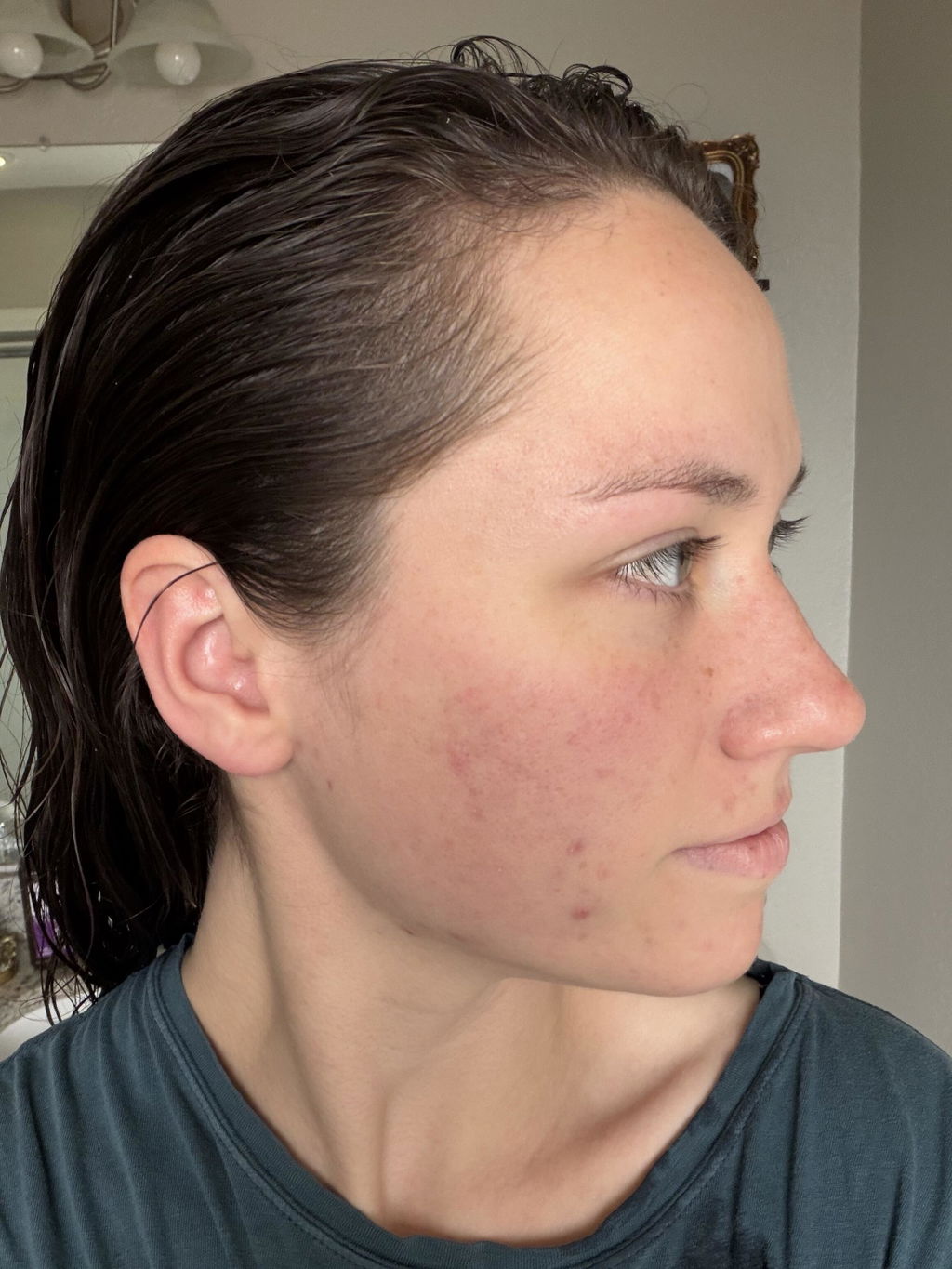
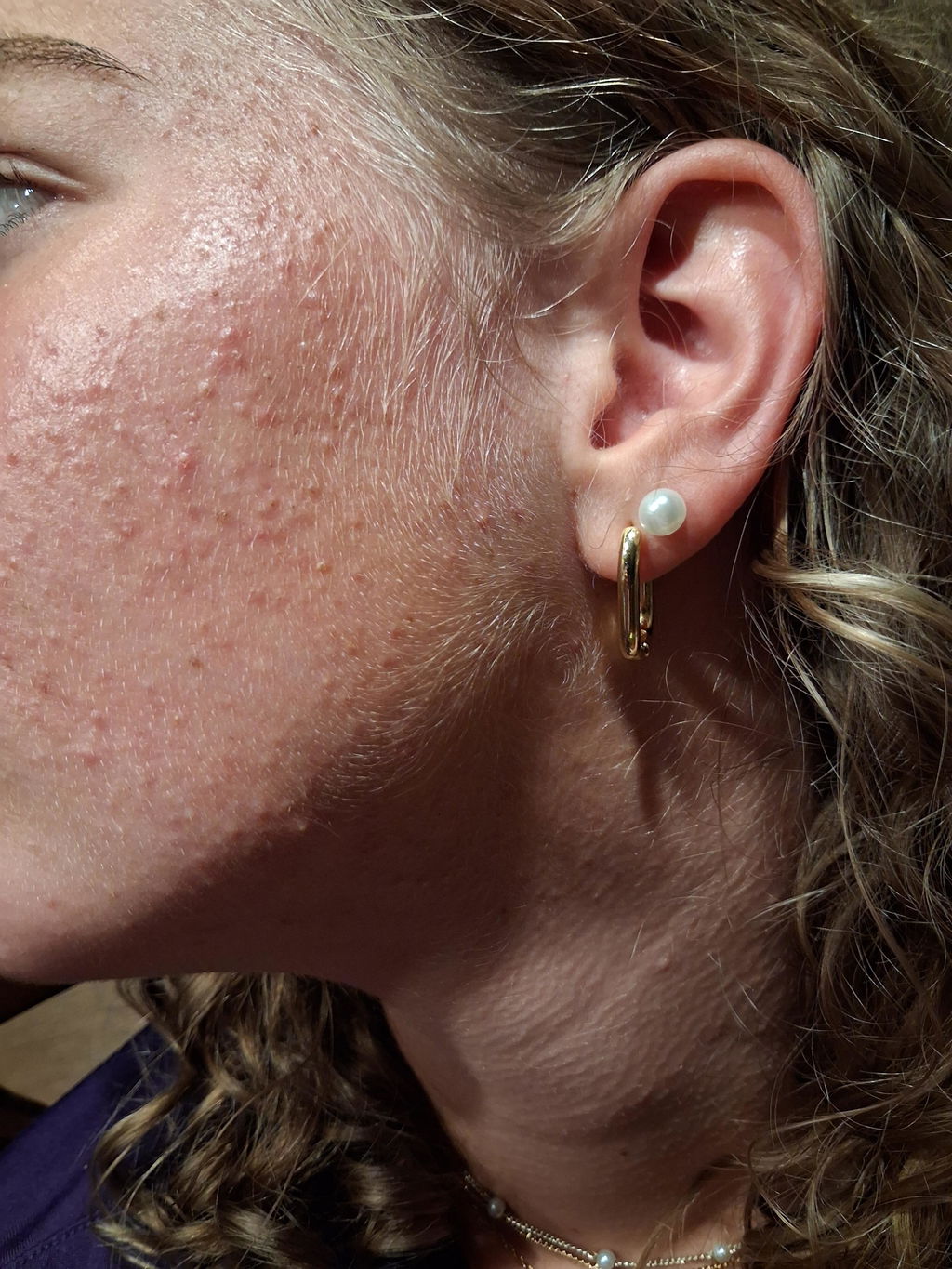
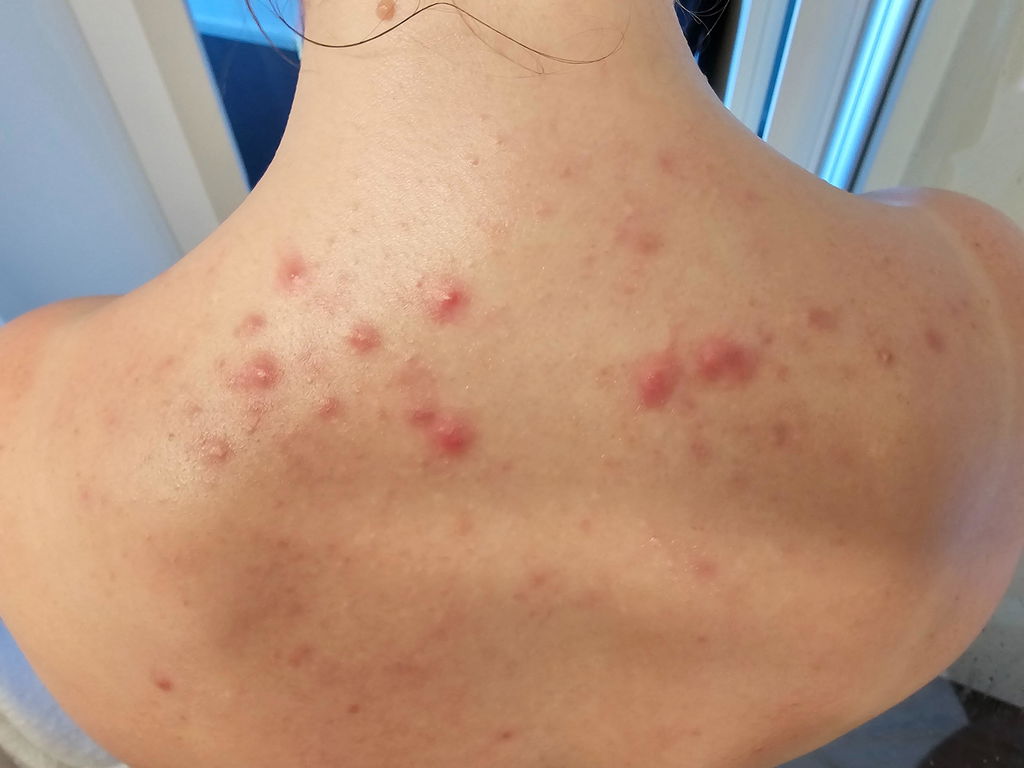
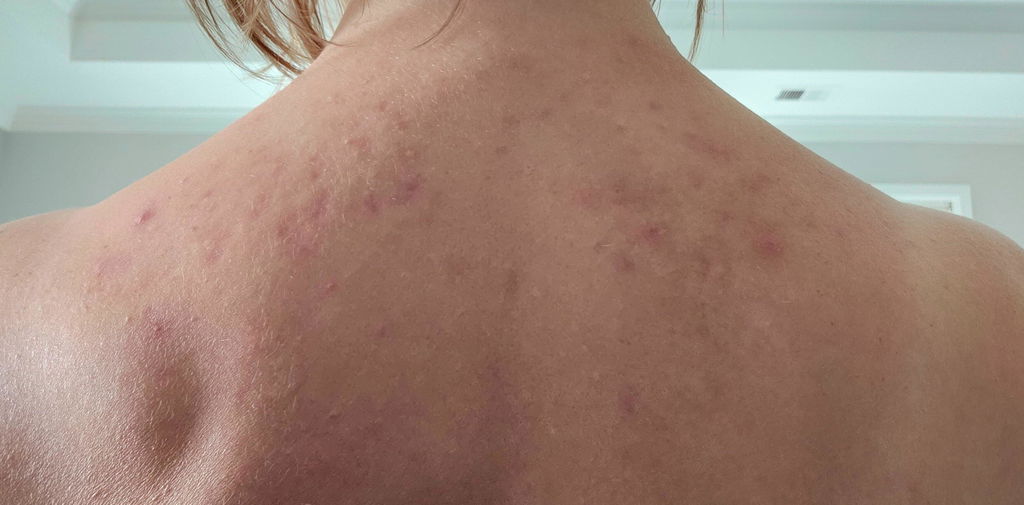
By week two, the puffiness under my eyes was gone. By week three, the angry red bumps along my jawline had calmed. By day thirty, I caught my reflection in a window and almost did a double take. Sugar was not just feeding the bacteria on my pillow. It was rewiring my gut, my hormones, and my collagen at once. Here is what the research has been quietly telling us for years, and what my own face confirmed.
Why I Stopped Eating Sugar for 30 Days
A 30-day no-sugar experiment is a four-week elimination of added sugars, refined carbohydrates, and most concentrated sweeteners to reset the gut-skin axis. The goal is not weight loss. It is to observe how your skin, energy, and digestion respond when you remove the single most inflammatory food in the modern diet.
In my practice, I see the same story every week. A client comes in with stubborn cystic acne along the jawline, exhausted by mid-afternoon, frustrated that her "healthy" diet is not working. We pull out her food log. There it is. Honey in the morning oats. Agave in the smoothie. Coconut sugar in the protein bar. Date paste in the energy ball. The label says natural. The body reads sugar.
I tried this experiment on myself because I wanted to feel what my clients feel. Most of all, I wanted to watch my own skin in real time.
How Sugar Ages Your Skin From the Inside (Glycation Explained)
Glycation is a chemical reaction where sugar molecules bind to proteins like collagen and elastin, creating compounds called advanced glycation end products, or AGEs. These AGEs make your skin fibers stiff and brittle. Over time, glycated collagen loses its bounce, which is why high-sugar diets accelerate visible aging in ways no cream can undo.
Here is what most women never hear. Your collagen has a lifespan. The fibers in your face turn over slowly, sometimes taking years. When sugar binds to a collagen strand, it stays stuck. That strand is now glycated for the rest of its life. Multiply this by every croissant, every iced latte, every "healthy" granola bowl, and you start to understand why skin in your thirties does not respond to topicals the way it did at twenty-two.
A 2007 paper in the British Journal of Dermatology mapped AGE accumulation in human skin and confirmed it builds steadily after age thirty-five. The takeaway is uncomfortable. You cannot moisturize your way out of glycation. You have to stop feeding it.
Supporting collagen turnover with the raw materials your body needs matters too. Many of my clients add bioavailable collagen support alongside their reset to give skin the amino acids it needs to rebuild what sugar has been slowly stiffening.
The Hormone Cascade Sugar Triggers in Your Pores
Every sugar spike pushes insulin up. Insulin signals your liver to release IGF-1, a growth hormone that tells your sebaceous glands to produce more oil. More sebum means more food for acne-causing bacteria. This is why a high-glycemic diet is one of the most consistent triggers in the adult acne research.
The dermatology literature on this is now pretty settled. A 2007 study by Smith and colleagues at RMIT University put young men with acne on a low-glycemic-load diet for twelve weeks. Their lesion counts dropped significantly compared to the control group eating standard Western foods. The mechanism was insulin and IGF-1, not topical care.
Sebocytes, the cells that make sebum, carry receptors for IGF-1. When you feed them sugar, you are literally instructing your pores to produce more oil. Then you wonder why the salicylic acid stopped working.
This is the part of the story I wish someone had told me at twenty-five. You cannot scrub your way out of a hormonal problem. You have to interrupt the signal upstream.
Your Gut Bacteria Eat What You Eat (And They Hate Sugar)
Sugar feeds opportunistic bacteria and yeast like Candida albicans while crowding out the fiber-loving species that produce short-chain fatty acids. Within days of a high-sugar diet, microbial diversity drops. Research published in Cell Host and Microbe has demonstrated how quickly the gut ecosystem reorganizes when dietary sugar shifts.
When diversity drops, your gut barrier suffers. The tight junctions between intestinal cells loosen, a process driven in part by a protein called zonulin. Loosened junctions mean bacterial fragments cross into the bloodstream. Your immune system reacts. Inflammation rises. And inflammation, eventually, shows up on the face.
This is the gut-skin axis in one sentence. What disrupts your microbiome shows up on your skin in three to six weeks.
The species that suffer most on a high-sugar diet are the ones that produce butyrate and acetate, the short-chain fatty acids that feed your colon cells and quiet inflammation through the vagus nerve. When you starve the good guys, you weaken your own defense system. A microbiome cleanup is the closest thing I know to skincare from the inside.
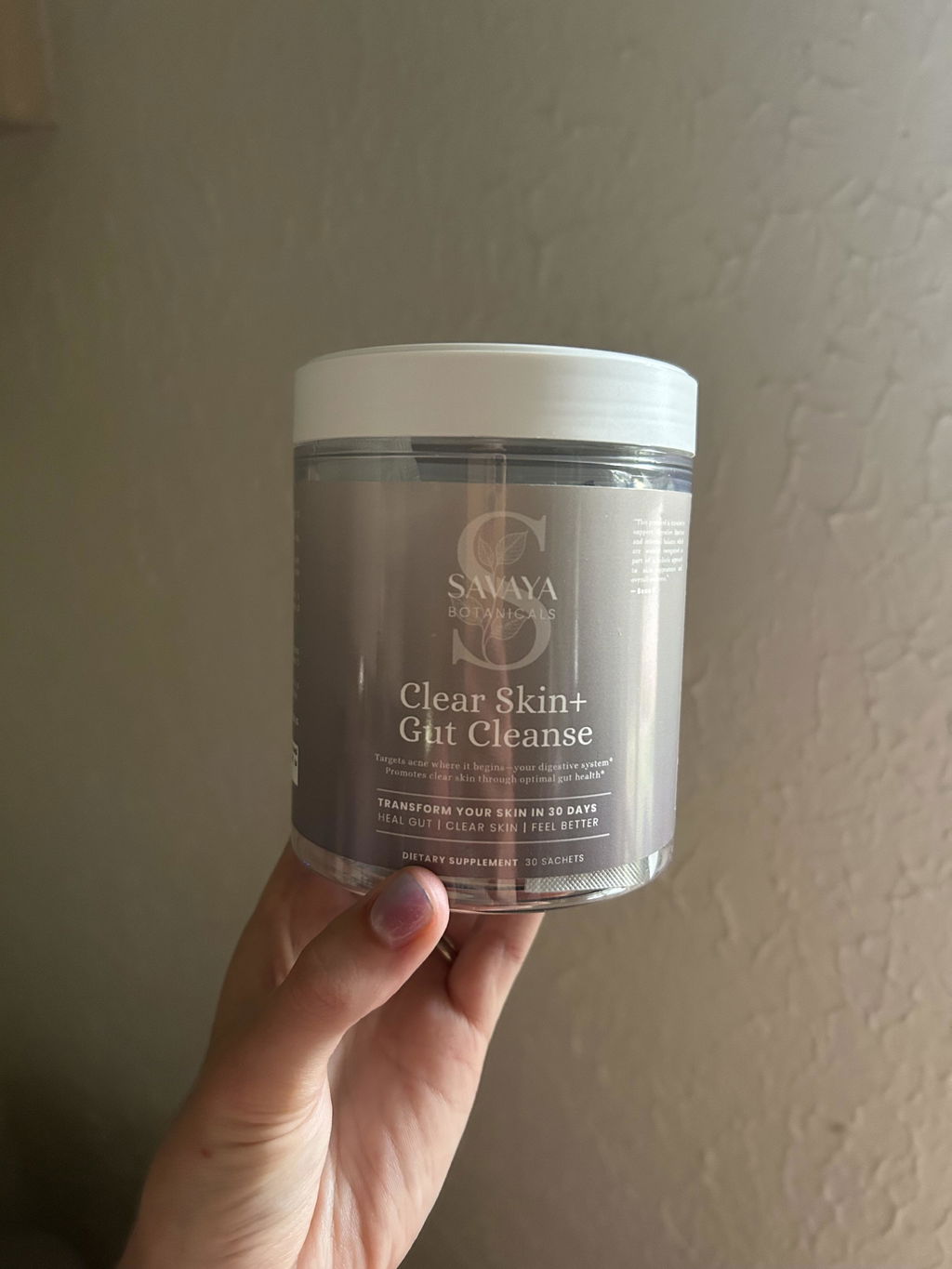
This is exactly why I often recommend a targeted gut cleanse at the start of a sugar reset. You are clearing out the species that thrived on the sugar so the helpful ones have room to repopulate when you feed them fiber again.
The "Healthy" Foods That Are Actually Sugar Bombs
Hidden sugars hide in foods marketed as wellness essentials. Granola, flavored yogurt, plant milks, bottled kombucha, smoothie bowls, "natural" protein bars, salad dressings, pasta sauce, and "low-fat" anything almost always contain added sugars at levels that match or exceed soda per serving.
Here is a quick audit I run with new clients.
- Flavored Greek yogurt: often 15 to 25 grams of added sugar per cup
- Bottled cold-pressed juice: 35 to 45 grams per bottle
- Granola: 12 to 18 grams per half cup
- "Healthy" breakfast cereals: 9 to 14 grams per serving
- Sweetened plant-based milks (vanilla or chocolate): 7 to 15 grams per cup
- Salad dressings: 4 to 8 grams per two tablespoons
- Pasta sauce: 6 to 12 grams per half cup
- Energy bars marketed as "clean": 12 to 20 grams per bar
- Dried fruit: 16 grams of sugar in a single medjool date
The trick is that the labels say "no refined sugar" or "made with real fruit." The body does not read marketing. It reads glucose.
Week by Week. The Skin Diary
Week one was withdrawal. Headaches, mood swings, intense cravings around three in the afternoon. My skin actually got worse before it got better, which I now understand is detox related. The body is mobilizing stored toxins and pushing them out through the largest organ.
Week two, the bloating disappeared first. My stomach was visibly flatter by day ten. Sleep got deeper. The under-eye puffiness softened. No new breakouts, but the existing ones were still healing.
Week three was the shift. The angry inflammation along my jawline started to calm. The pores around my nose looked smaller. My skin felt thinner and brighter, not in a fragile way, but in a transparent, hydrated way. I stopped reaching for concealer in the morning.
Week four was the quiet glow. Not Instagram-filter glow. Real glow. The kind that comes from a calm gut, balanced blood sugar, and a body that is not constantly fighting inflammation. I also slept through the night every night, which is the part nobody talks about.
The change was not on my face. It was in my gut. My face just stopped hiding it.
How to Run Your Own 30-Day Sugar Reset
Start with a kitchen audit. Throw out the granola, the flavored yogurt, the bottled smoothies, the protein bars, the salad dressings with sugar in the first five ingredients. If it has a label and a sweetener, it leaves the house.
Then build your replacements.
- Swap flavored yogurt for plain whole-milk yogurt with cinnamon and a few raspberries
- Swap granola for soft-boiled eggs and avocado
- Swap bottled juice for warm lemon water with a pinch of sea salt
- Swap sweetened plant milk for unsweetened almond or coconut milk
- Swap protein bars for hard-boiled eggs, jerky, or a small handful of macadamia nuts
- Swap dried fruit for fresh berries
- Swap jarred pasta sauce for crushed tomatoes simmered with garlic and olive oil
The first three days are the hardest. Your gut bacteria are literally screaming for their food. By day five, the cravings drop dramatically. By day ten, your taste buds reset. A blueberry will taste like candy. This is not exaggeration. This is the dopamine system recalibrating to actual food.
Hydration matters. Minerals matter even more. When I do a reset, I make sure I am getting 92 trace minerals from the ocean every morning, because mineral depletion is what makes most resets feel awful by day four.
If you want a deeper sweep after the initial 30 days, the deeper 12-week reset layers in liver and lymph support after the gut work is done.
Simple Meal Ideas That Do Not Spike Blood Sugar
You do not need recipes. You need patterns. Build every meal around protein, fat, fiber, and color. Skip the grains and concentrated sugars for thirty days.
Breakfast:
- Two soft-boiled eggs, half an avocado, a handful of arugula, olive oil and salt
- Plain whole-milk yogurt with cinnamon, walnuts, and three fresh raspberries
- Scrambled eggs in butter with sauteed spinach and mushrooms
- Chia pudding made with unsweetened coconut milk and a few fresh blueberries
Lunch:
- Grilled chicken thighs over a big leafy salad with olive oil and lemon
- Wild salmon over roasted vegetables with a tahini drizzle
- Tuna with diced cucumber, capers, and olive oil over greens
- Bone broth with shredded chicken and zucchini noodles
Dinner:
- Roasted chicken with cauliflower mash and sauteed greens
- Wild salmon with asparagus and half a baked sweet potato
- Grass-fed steak with sauteed mushrooms and arugula
- Slow-cooked lamb with rosemary and roasted carrots
Snacks:
- A small handful of macadamia nuts
- Sliced cucumber with olive oil and flaky salt
- Two olives and a slice of hard cheese
- A boiled egg with sea salt
Notice what is missing. No grains. No legumes for the first two weeks. No fruit beyond a small berry serving. This is not forever. This is for thirty days, to give your gut and your insulin a real reset.
If breakouts are still happening at the end of the experiment, you may want to look at extra barrier support, like the daily acai blend in Clear Skin+ Max Detox, which helps support skin health. Some skin issues are not just food. They can reflect years of accumulated inflammation in the body.
What to Expect After Day 30
Most women who finish a sugar reset notice three changes that stick. Sleep gets deeper. The afternoon energy crash disappears. And skin becomes more responsive, meaning the actives you use on it actually start working again.
The mistake people make is thinking they have to be perfect forever. You do not. You have to know what sugar does to your skin so that when you eat it, you eat it with eyes open. A piece of birthday cake at a wedding will not undo thirty days of healing. A daily oat milk latte will.
Most of my clients reintroduce sugar slowly in week five, starting with one serving of fresh fruit per day, then small amounts of honey or maple syrup in cooking. Refined sugar usually stays out of the kitchen for good. After thirty days, the cravings just are not there anymore.
For overnight repair, many of my clients pair the reset with a barrier-repairing tallow cream so the skin barrier rebuilds while the gut heals underneath. Two layers of repair, working at the same time.
• • •
If you want to give your gut a head start before you cut sugar, beginning with a microbiome reset clears out the species that fed on the sugar in the first place, which makes the cravings smaller and the skin shift faster.
Frequently Asked Questions
What counts as sugar in a 30-day reset?
Added sugars, refined carbohydrates, and concentrated sweeteners. This includes honey, maple syrup, agave, coconut sugar, date paste, cane sugar, brown sugar, and most "natural" sweeteners. Whole fruit in small amounts is allowed, but fruit juice and dried fruit are not.
Why do I get sugar cravings on day three?
Day three is when the gut bacteria that thrived on sugar start dying off. They send chemical signals through the vagus nerve that feel like cravings, irritability, and brain fog. This usually passes by day five if you stay hydrated and keep your minerals up.
How long until my skin shows changes?
Most women see calmer inflammation by week two and visible texture changes by week three. The full skin turnover cycle is about twenty-eight days, which is why thirty days is the minimum window to see real shifts in the mirror.
Can I have fruit during a sugar reset?
Yes, but in small amounts. A half cup of berries, a green apple, or a few raspberries is fine because the fiber slows glucose release. Skip bananas, mangoes, pineapples, grapes, and dried fruit during the reset.
Is it safe to do a sugar reset twice a year?
Many women find that doing a reset in spring and fall keeps their gut and skin in a good rhythm year-round. It is not an extreme protocol. It is a return to how humans ate before processed foods existed.