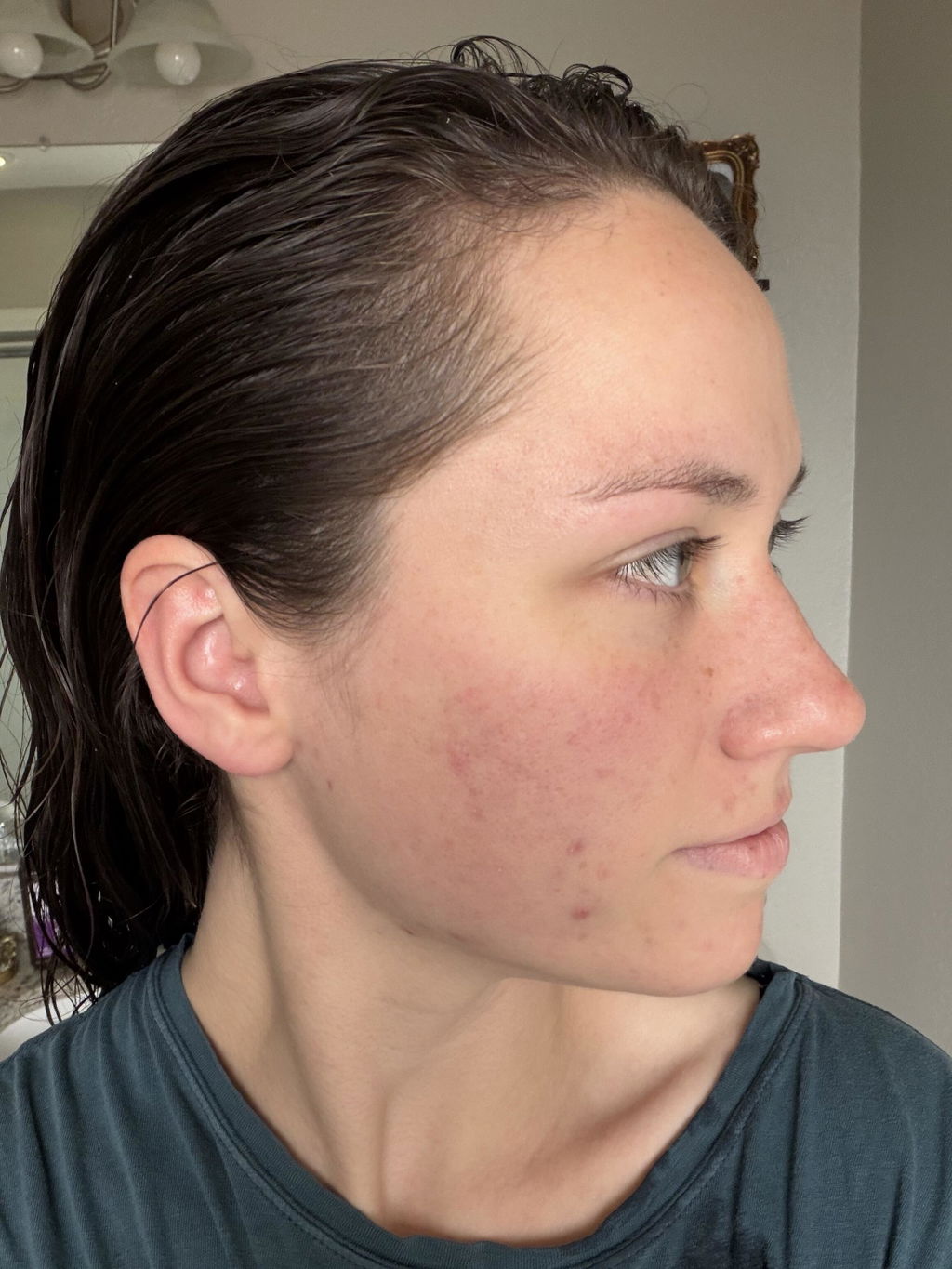
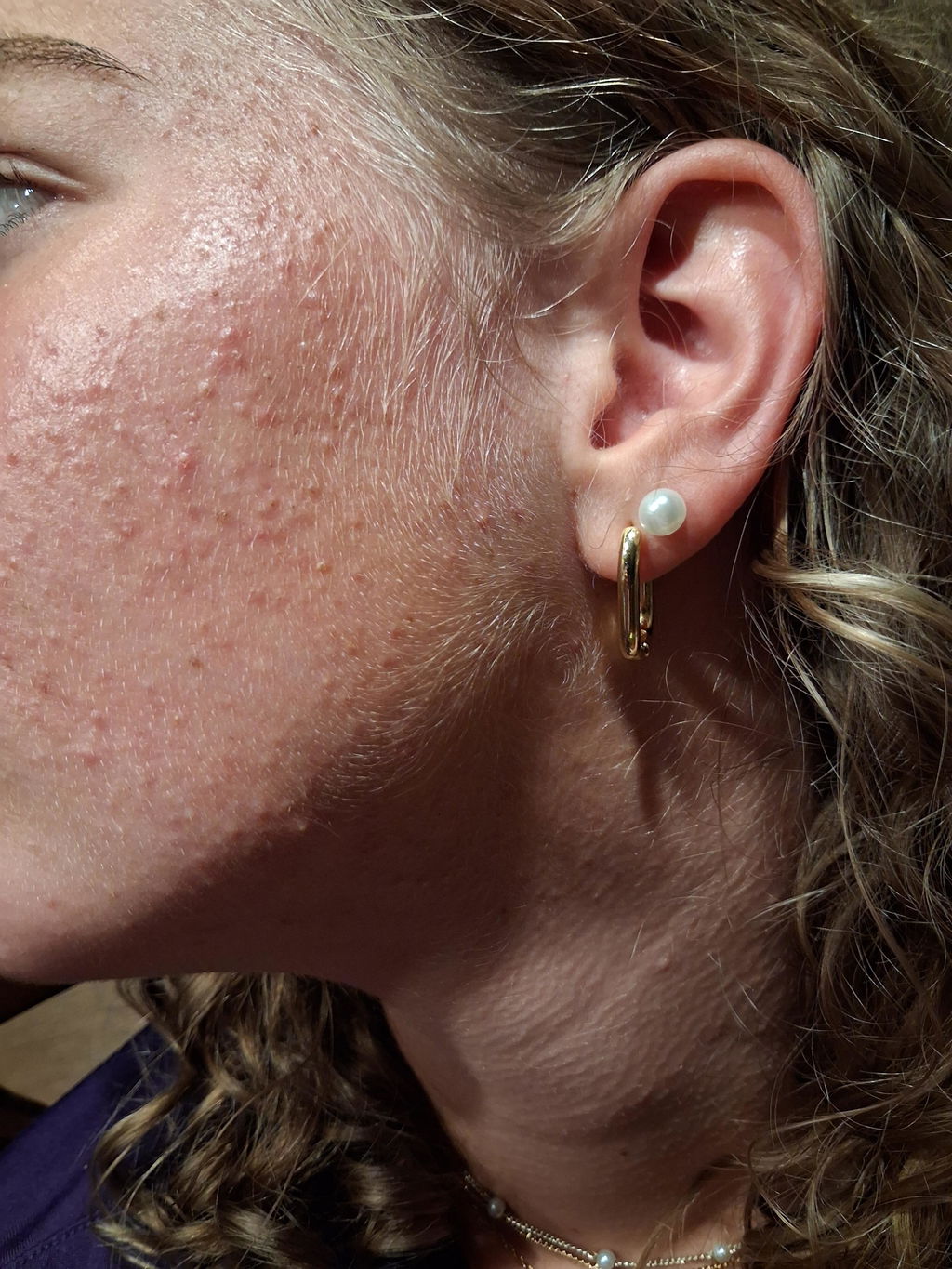
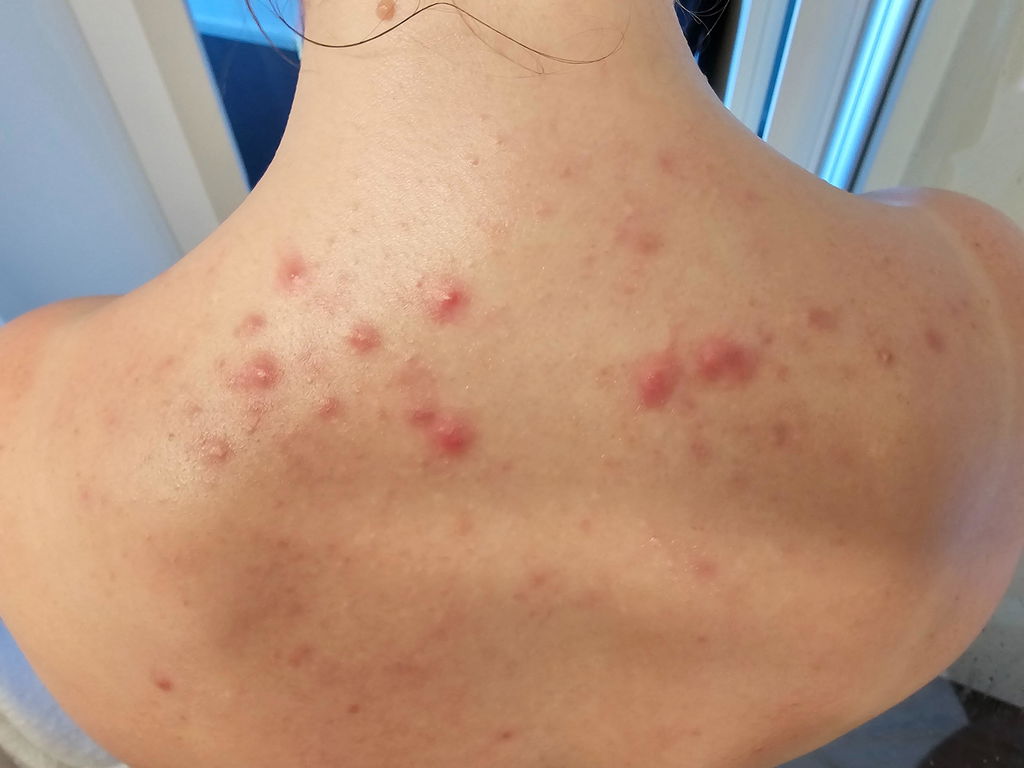
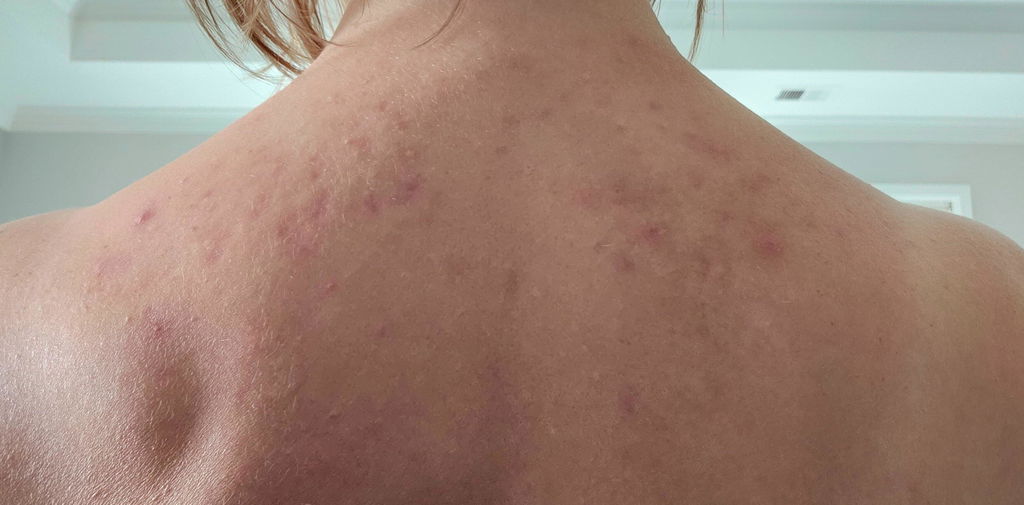
Six months of doxycycline. Skin cleared up. Then it came back, worse than before. If that story sounds familiar, you are not imagining it. Antibiotics can absolutely calm acne in the short term. But what most prescribers do not explain is what those pills do to the bacterial communities living in your gut. And how that quiet disruption tends to send acne back with reinforcements.
The Short-Term Win That Sets Up a Long-Term Loss
Antibiotics like doxycycline, minocycline, and tetracycline reduce acne by killing Cutibacterium acnes on the skin and lowering inflammation through the body. In the first eight to twelve weeks, skin often looks the calmest it has in years. The problem is what happens after the bottle runs out, when bacteria rebound on already weakened skin and a depleted gut microbiome.
In my practice, I see the same pattern over and over. A woman comes in after two, three, sometimes five rounds of oral antibiotics. The first round worked beautifully. The second worked for a shorter time. By the third, the skin was barely calming down before flaring again. And the breakouts that came back were different. Deeper. More cystic. Stuck along the jawline and chin, the classic gut-skin axis pattern.
The acne did not get worse because the bacteria got smarter, although that is happening too. It got worse because the rest of the ecosystem inside her body had been knocked sideways.
What Actually Gets Wiped Out in Your Gut
Tetracycline-class antibiotics are broad-spectrum. They do not just target acne bacteria on the face. They sweep through the gut and decimate populations of beneficial bacteria that took years to establish, including the species most responsible for keeping skin calm and inflammation low.
The biggest casualties tend to be:
- Bifidobacterium, which helps regulate inflammation and supports the gut barrier
- Lactobacillus, which produces short-chain fatty acids that feed the cells lining the colon
- Faecalibacterium prausnitzii, one of the most powerful anti-inflammatory bacteria in the human body
- Akkermansia muciniphila, the species that maintains the mucus layer keeping endotoxins out of your bloodstream
When these species crash, two things happen at once. Your gut barrier loosens, allowing bacterial fragments called LPS to leak into circulation. And your body loses the steady production of postbiotics that normally keep skin inflammation in check. The result shows up on your face weeks later, often after you have already stopped taking the pills.
The Rebound: Why Acne Comes Back Worse
The post-antibiotic flare is not bad luck. It is a predictable consequence of a damaged gut-skin axis. When the protective bacteria are gone, opportunistic species and yeast move into the empty space. Inflammation rises. Sebocytes, the oil-producing cells in your pores, become more reactive to androgens and to inflammatory signaling from the gut.
A client of mine described it this way. Her skin was the best it had ever been at the end of her six-month course. Eight weeks later, she had cysts she had never had before, in places she had never broken out. She thought she was losing her mind. She was actually watching her microbiome ask for help in the only language it has.
Antibiotics do not fix the reason you are breaking out. They press pause on the symptom while damaging the system that was supposed to keep your skin calm in the first place.
This is why so many women find themselves on a rotation. One course, six months of calm, a flare worse than baseline, another course, a shorter stretch of calm, an even worse flare. The pattern is exhausting and it has a name. Researchers call it antibiotic-induced dysbiosis, and the deeper it goes, the harder it is to climb out of without a real rebuild.
Antibiotic Resistance Is Now a Skin Problem Too
Resistance is not just a hospital concern. C. acnes strains resistant to common acne antibiotics have been documented in multiple countries since the early 2000s, and rates keep climbing. The Global Alliance to Improve Outcomes in Acne has been warning prescribers for years that long courses of oral antibiotics select for resistant strains on the skin and elsewhere on the body.
What that means in practice. If you have taken antibiotics for acne more than once, the bacteria that come back are likely tougher than the original population. The next course works less well. You need a higher dose, or a different drug, or both. And those resistant bacteria do not stay on your face. They live in your gut, in your nose, on your skin, and they can share resistance genes with other species you would much rather not have a fight with later.
Candida Overgrowth and the C. diff Risk No One Mentions
Antibiotics kill bacteria. They do not kill yeast. When the bacterial population in your gut crashes, Candida albicans, a yeast that is normally kept in check by your beneficial bacteria, expands to fill the empty ecological niche. Candida overgrowth shows up as bloating, sugar cravings, brain fog, recurrent yeast infections, and, very often, persistent jawline acne that no topical can touch.
The more serious risk is Clostridioides difficile, commonly called C. diff. Even oral antibiotics prescribed for acne have been linked to elevated C. diff risk, particularly in women who have taken multiple courses. A 2012 study in JAMA Dermatology by Margolis and colleagues documented higher rates of pharyngitis and inflammatory bowel disease in acne patients on long-term oral antibiotics. The mechanism in both cases comes back to the same thing. Disrupted microbiome, lost protection, opportunists moving in.
You will see the same story repeated across dermatology forums. A woman shares that her face cleared, then came back with bloating, yeast infections, and breakouts in new places. Then another woman replies, then another. It is not coincidence. It is biology.
The 6 to 12 Month Microbiome Recovery Window
One of the most sobering findings of the last few years comes from microbiome recovery research. Multiple 2022 studies, including work in Cell Host and Microbe, tracked what happens to the gut microbiome in the months after a course of broad-spectrum antibiotics. The honest answer. Most people do not fully recover bacterial diversity for six to twelve months, and some species never return to baseline on their own.
Earlier work by Suez and colleagues, published in Cell in 2018, showed that standard probiotic supplementation actually slowed the recovery of the native microbiome in some cases. The probiotic strains in the capsule outcompeted the slower-growing native species and delayed full reconstitution. This was a humbling finding. It told the field that rebuilding the gut is not as simple as swallowing a bottle of Lactobacillus and hoping for the best.
What does help recovery is steady prebiotic fiber, gentle binders that clear out endotoxin and yeast die-off, mineral repletion, and time. Lots of time. The body knows how to rebuild. It just needs the raw materials and a clean enough environment to do the work.
What I Recommend Instead
If you are reading this in the middle of a course, please do not stop suddenly. Talk to whoever prescribed it. The point of this article is not to scare you off a medication that is sometimes genuinely necessary. The point is to make sure that if you do go that route, you are also rebuilding underneath. And if you have already finished a course, or several, the path forward is repair.
The order matters. Trying to add probiotics or sea moss to a gut that is full of overgrown yeast and endotoxin is like seeding grass on top of weeds. You clear first. Then you feed. Then you rebuild the barrier. Then you nourish the skin from the outside.
A Gut Rebuilding Protocol That Actually Works
Here is the four-phase approach I walk my clients through after a course of antibiotics:
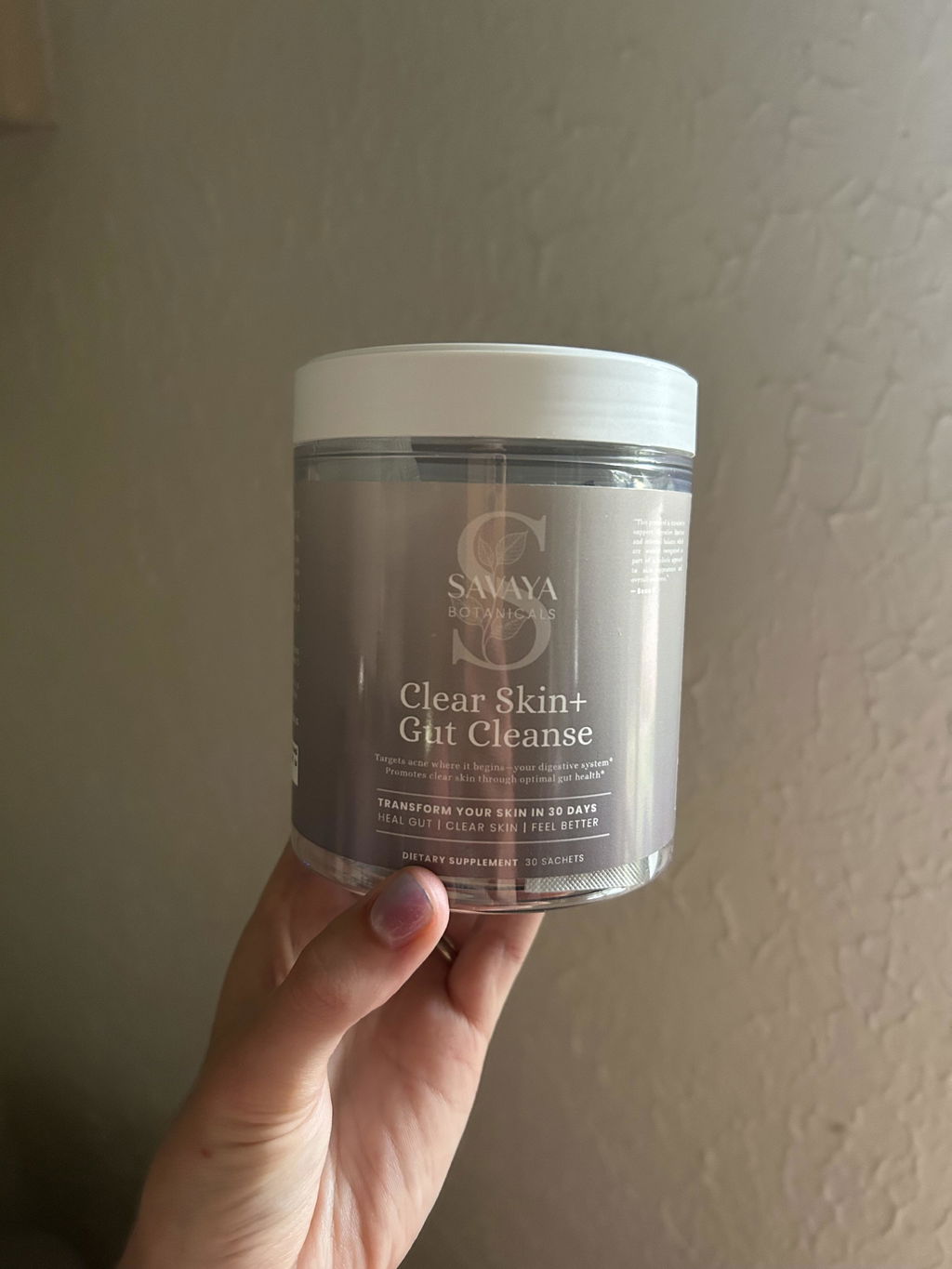
- Phase one, two to four weeks. Gentle clearing of yeast overgrowth and endotoxin using a targeted gut cleanse formulated with binders, antimicrobial herbs, and prebiotic fiber. This is the step that lets everything else work. Skip it and you are building on a swamp.
- Phase two, ongoing. Mineral repletion. Antibiotics deplete zinc, magnesium, and trace minerals your skin needs to heal. This is where 92 trace minerals from the ocean earn their keep. Mineral-rich sea moss is one of the few whole foods that delivers iodine, selenium, and bioavailable trace minerals in their natural matrix, not isolated and synthesized.
- Phase three, six to eight weeks. Rebuild the gut barrier and the dermis at the same time. Bioavailable collagen support provides the glycine and proline that the lining of your gut and the deeper layers of your skin both need to repair tight junctions and rebuild dermal structure.
- Phase four. The full integration. For women who have been through multiple rounds of antibiotics or a decade of breakouts, the four steps above are the foundation to build on. If your root cause runs deeper, Clear Skin+ Max Detox, a daily acai-based blend, helps support normal liver and lymph function alongside the rest of your routine.
Alongside the inside work, the outside matters too. While your skin barrier is repairing, harsh actives will keep undoing your progress. A simple ceramide-rich moisturizer, or a barrier-repairing tallow cream at night, gives your skin the saturated fats and fat-soluble vitamins it has been missing since the antibiotics stripped them out.
If your skin keeps coming back angrier after every course of antibiotics, your gut needs to be rebuilt before your face will hold a clear. The four-phase order above, clear, replete, rebuild, then nourish, is the work no prescription pad covers.
• • •
Frequently Asked Questions
How long does it take for the gut to recover after antibiotics?
Most research suggests six to twelve months for bacterial diversity to return toward baseline, and some species may never fully recover on their own. The recovery window depends on the antibiotic class, the duration of use, and what you do during the rebuild phase. Prebiotic fiber, mineral repletion, and gentle binders all speed the process. Sitting and waiting does not.
Why does acne come back worse after antibiotics?
Antibiotics kill the beneficial gut bacteria that normally regulate inflammation and modulate skin oil production. When those species are depleted, opportunistic bacteria and yeast expand to fill the gap, the gut barrier loosens, and inflammatory signaling rises through the gut-skin axis. The skin breaks out worse because the underlying ecosystem keeping it calm has been disrupted.
Can I take probiotics during or after antibiotics?
It is more nuanced than the bottle suggests. A 2018 study in Cell by Suez and colleagues found that standard probiotic capsules can actually slow the recovery of your native gut microbiome by outcompeting slower-growing species. Prebiotic fiber, fermented foods, and binders to clear yeast die-off tend to support recovery more effectively than capsules alone.
Is one short course of antibiotics really that harmful?
A single short course rarely causes lasting harm in an otherwise healthy person, although even one course shifts the microbiome for weeks to months. The bigger issue is the multi-month or repeat courses commonly prescribed for acne, which compound the disruption with each round and raise the risk of dysbiosis, candida overgrowth, and antibiotic-resistant strains.
What is the best way to clear acne without antibiotics?
Address the gut first. A clearing phase to remove yeast and endotoxin, mineral repletion to support skin healing, collagen and amino acid support to rebuild the gut barrier, and barrier-friendly topical care. Many women find meaningful change in eight to twelve weeks once the gut is part of the plan rather than left out of it entirely.