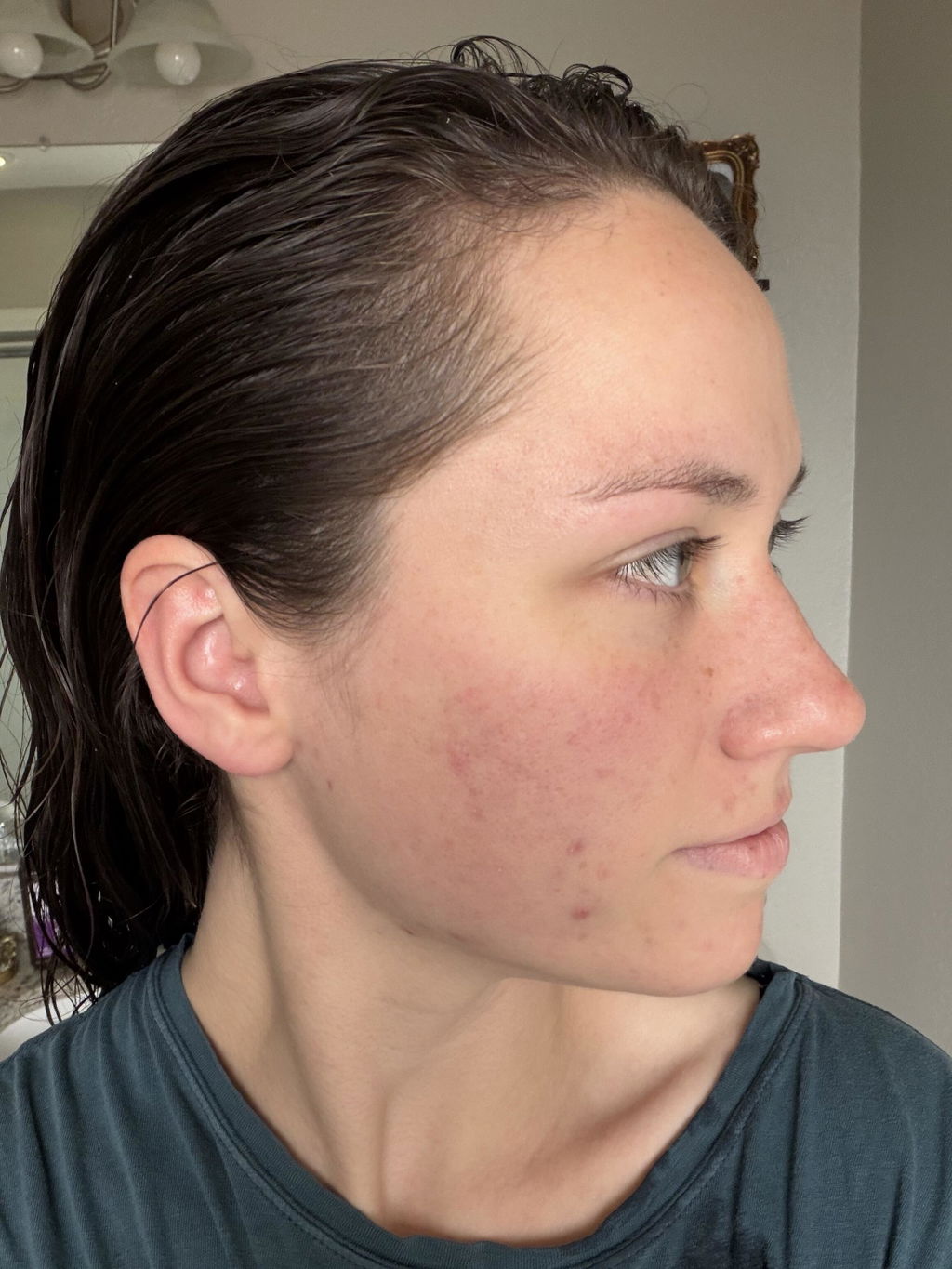
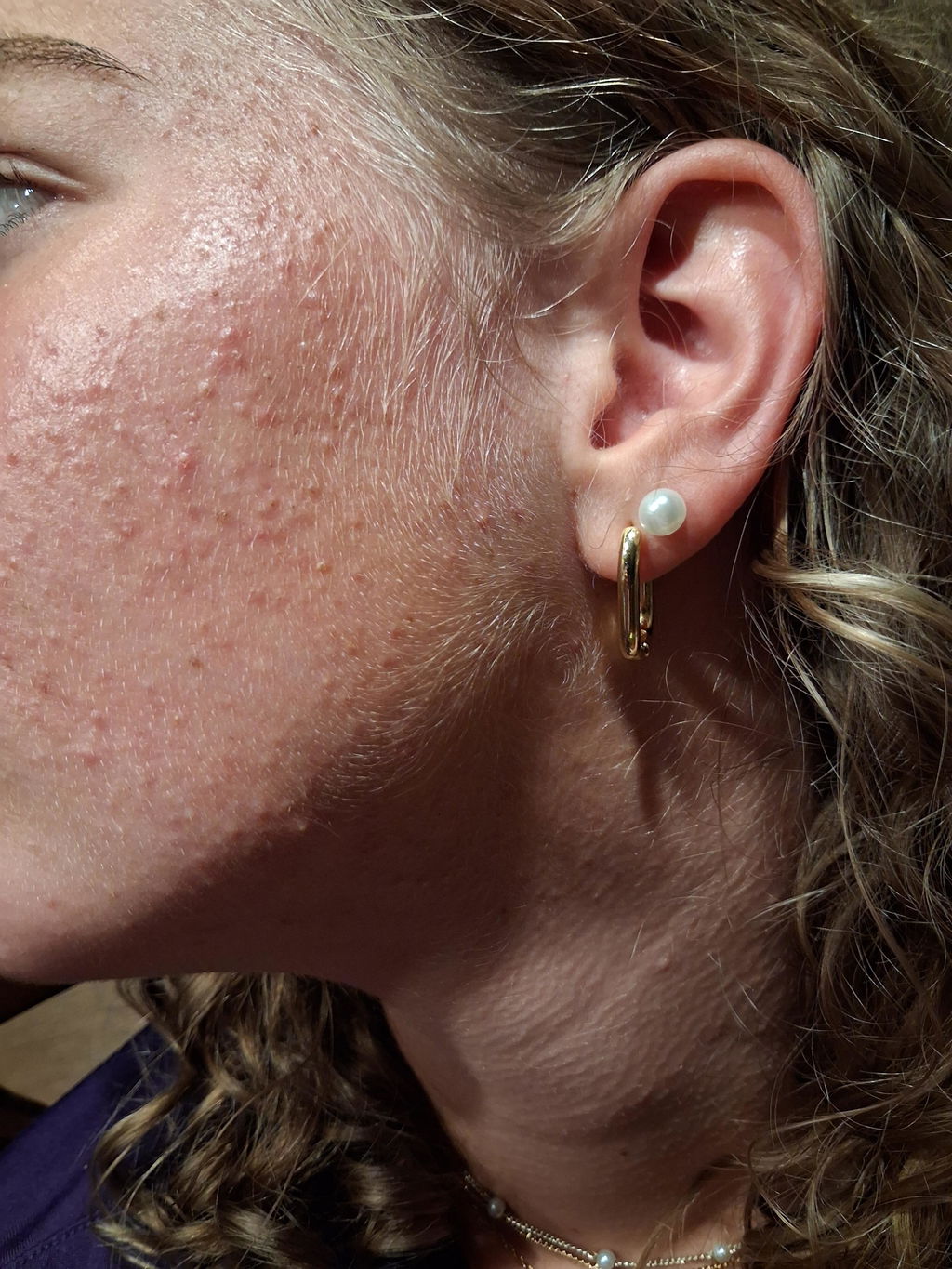
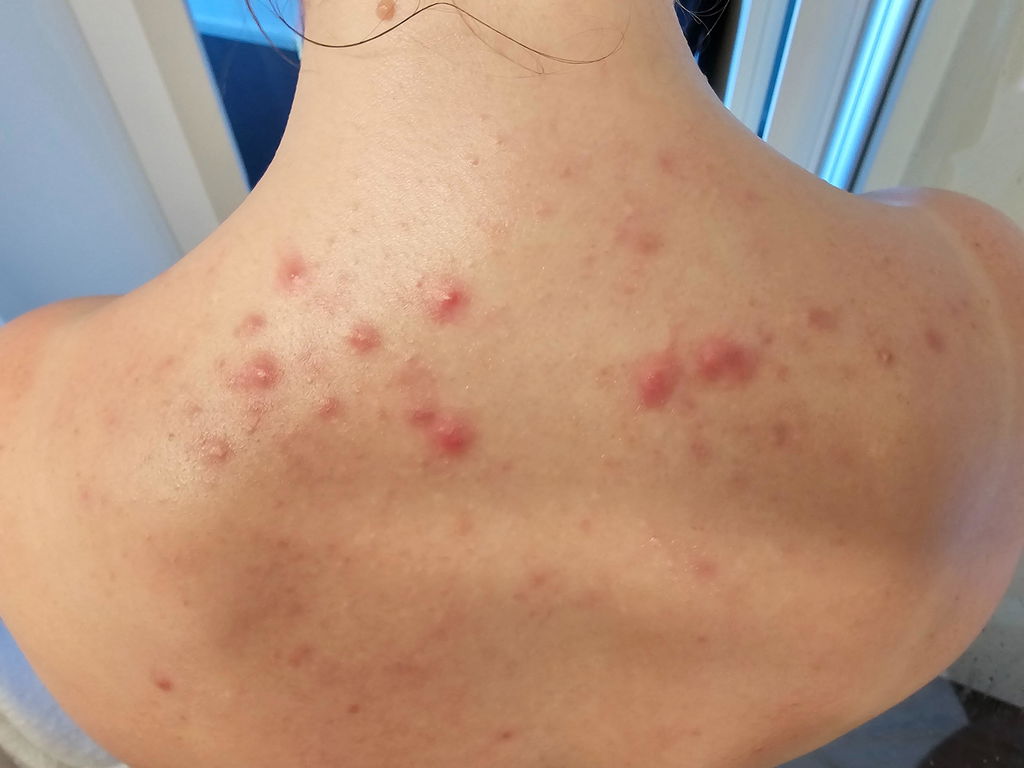
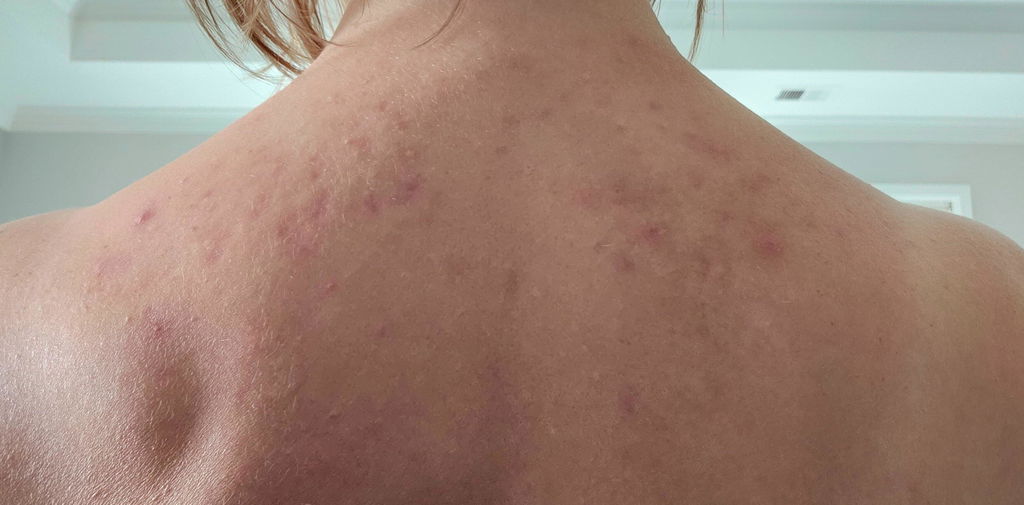
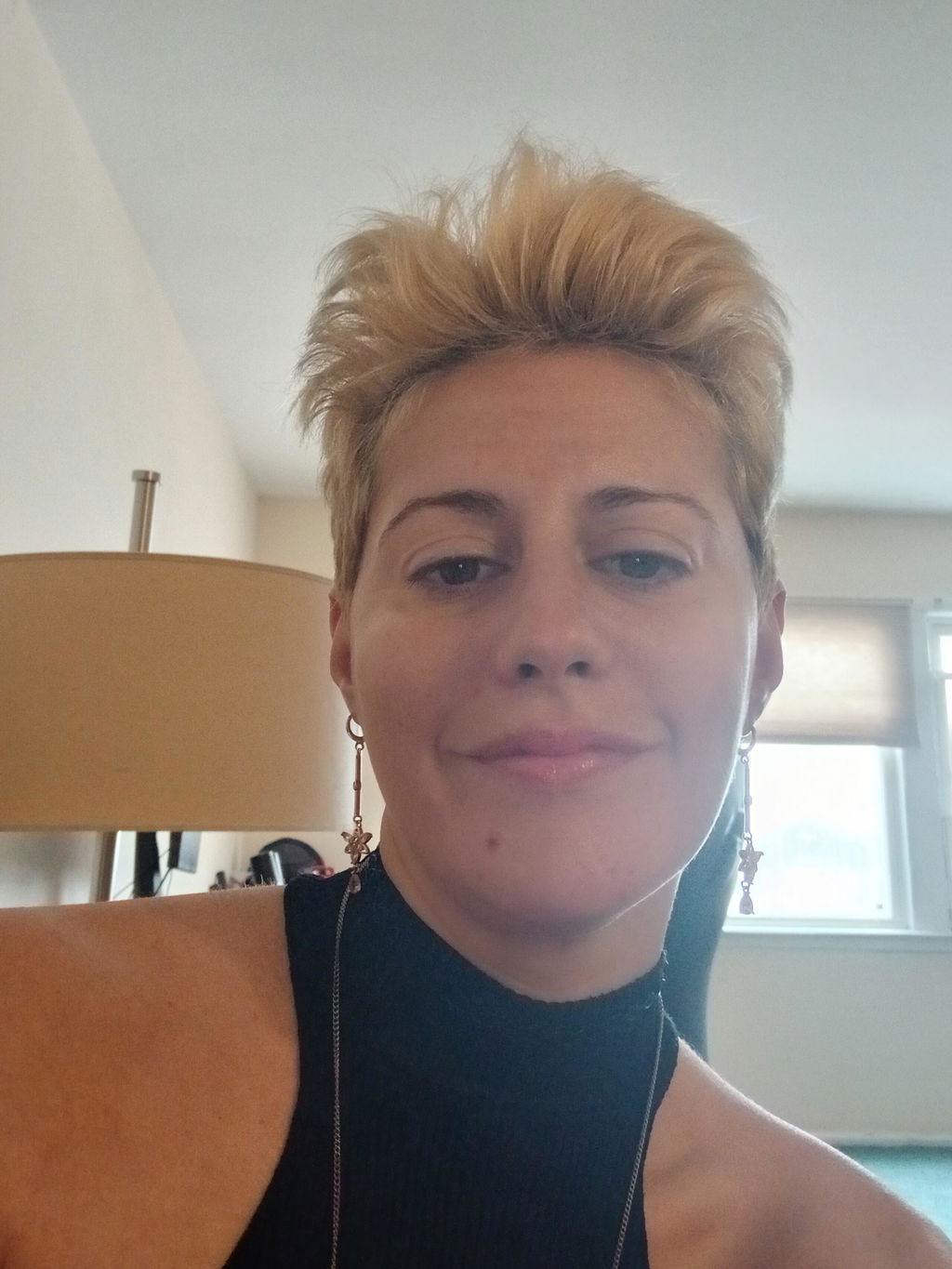
Four years of failed creams. Two years of tetracycline. Six months of spironolactone. My bathroom shelf looked like a pharmacy, and my skin still flared every cycle. The day I stopped treating my face and started treating my gut barrier, everything shifted. The reason was a single protein you have probably never heard of, controlling a door inside your intestine that should not be open.
What a Leaky Gut Actually Is
Leaky gut, clinically called increased intestinal permeability, is when the tight junctions between your gut lining cells loosen and allow particles to slip into your bloodstream that should not be there. The protein zonulin regulates these junctions. When zonulin stays elevated, the door stays open, and your immune system stays activated.
Dr. Alessio Fasano's lab at Harvard identified zonulin in the year 2000, and his team has spent more than two decades mapping how this protein responds to gluten, dysbiosis, and certain bacterial toxins. When zonulin rises, the gap junctions widen. Undigested food particles, bacterial fragments called lipopolysaccharides, and metabolic byproducts pass through into circulation.
Your immune system does what it is built to do. It launches an inflammatory response. That low grade fire then travels through the body, looking for somewhere to surface.
For many of the women I work with, that somewhere is the skin.
The Gut-Skin Axis Nobody Talks About
The gut-skin axis is the bidirectional communication network linking your microbiome, immune system, and skin. When intestinal permeability rises, lipopolysaccharides and inflammatory cytokines travel through circulation, drive cortisol, and stimulate sebum production from sebocytes. The result is the inflamed, oily, recurring breakouts that no topical can fix from the outside.
This pathway was first described by dermatologists John Stokes and Donald Pillsbury in 1930. They hypothesized that emotional states alter intestinal flora, which then triggers systemic and cutaneous inflammation. In 2011, Bowe and Logan published a comprehensive review in Gut Pathogens confirming what Stokes and Pillsbury suspected. Gut microbiota imbalance is a measurable contributor to acne vulgaris.
Here is what happens, simplified. The HPA axis (your stress response) talks directly to your gut. When stress, poor sleep, or processed food disrupt your microbiome, dysbiosis sets in. Beneficial bacteria that produce short-chain fatty acids decline. The barrier weakens. Inflammatory signals rise. Your skin, the largest immune organ you own, takes the heat.
In my practice, the women whose acne resists every topical almost always have a gut history they have never connected to their face. Bloating after meals. Constipation that comes and goes. A craving for sugar at 3 p.m. Mood dips before their cycle. These are not separate problems. They are one problem wearing different costumes.
How to Test for Intestinal Permeability
You can measure intestinal permeability through three main tests. The lactulose-mannitol urine test, serum zonulin, and a comprehensive stool analysis. None is perfect alone. Together they paint a clear picture of gut barrier health, microbial balance, and inflammation, which is what guides any real protocol.
The lactulose-mannitol test asks you to drink two sugars and collect urine for six hours. Mannitol is small and absorbs through a healthy gut. Lactulose is larger and should not. A high lactulose-to-mannitol ratio means your tight junctions are leaky.
Serum zonulin gives you a snapshot of the regulator itself. Elevated zonulin correlates with intestinal permeability and with autoimmune flares, as Fasano's group has shown repeatedly in their published work.
A comprehensive stool analysis (GI-MAP or similar) maps your microbiome, checks for opportunistic bacteria, parasites, yeast, calprotectin as a marker of gut inflammation, and digestive markers. Most of the women I work with discover dysbiosis, low secretory IgA, and depleted beneficial strains they never knew they had.
You do not need every test. Start with one. Even a simple organic acids test will tell you something useful about your microbial balance and where to begin.
The 4R Protocol That Actually Works
The 4R protocol, developed by the Institute for Functional Medicine, is a sequential framework for restoring gut barrier integrity. Remove the triggers, Replace what is missing, Re-inoculate beneficial bacteria, and Repair the lining. Done in order across roughly twelve weeks, it gives the gut what it needs to actually close.
Phase One. Remove (Weeks 1 to 3)
Pull the inflammatory inputs first. For most women, this means gluten, refined sugar, alcohol, conventional dairy, ultra-processed seed oils, and any food they personally react to. NSAIDs, if used regularly, also damage the gut lining and should be reduced where possible.
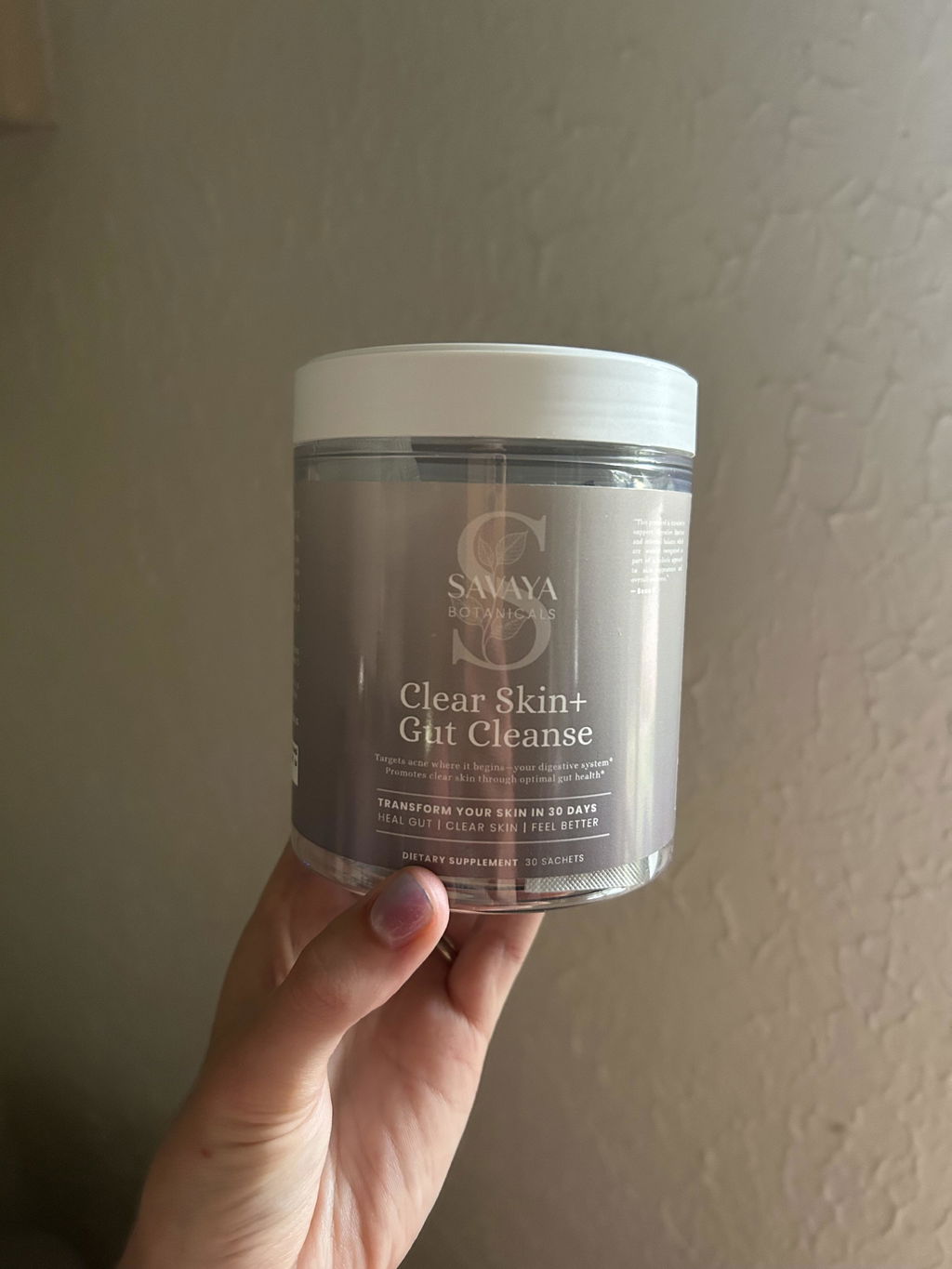
This phase is also where I bring in a targeted gut cleanse to clear opportunistic bacteria, yeast overgrowth, and parasitic load. You are creating a clean slate. Skipping this step is the most common reason protocols fail in the long term.
Expect mild detox symptoms in the first ten days. Headaches. Tired afternoons. A coated tongue. These are signs the system is offloading what it has been holding onto for years.
Phase Two. Replace (Weeks 2 to 5)
Replace the digestive support your gut is no longer making well. Stomach acid, digestive enzymes, and bile acids decline with chronic stress and age. Without them, food does not break down properly, and the intestinal lining keeps getting hit with poorly digested particles.
What I add in this phase, guided by symptoms:
- Betaine HCl with pepsin for signs of low stomach acid such as bloating, reflux, or undigested food in stool
- Plant or pancreatic enzymes for fat and protein digestion
- Ox bile if gallbladder function is sluggish
- Daily bone broth or collagen peptides for gelatin and glycine
This is also where bioavailable amino acids matter most. Bioavailable collagen support gives the gut the glycine and proline it needs to start rebuilding the mucosal layer from the inside out.
Phase Three. Re-inoculate (Weeks 4 to 8)
Re-introduce beneficial bacteria once the opportunistic players are knocked back. The microbiome is the foundation of barrier function, immune training, and short-chain fatty acid production. You cannot supplement around it. You have to repopulate it.
What I use, roughly in this order:
- Lactobacillus rhamnosus GG, one of the most studied strains for barrier function and skin
- Saccharomyces boulardii, a beneficial yeast for use during and after any cleanse phase
- A multi-strain probiotic with Bifidobacterium and Lactobacillus species
- Prebiotic fiber from food first such as cooked and cooled potatoes, green bananas, asparagus, garlic, and onions
- Fermented foods reintroduced slowly such as sauerkraut, kefir, and kimchi
This is also the phase where I add mineral-rich sea moss as a daily food. Sea moss provides 92 trace minerals along with natural polysaccharides that feed Bifidobacteria. The minerals matter, because dysbiosis depletes them, and the skin barrier cannot rebuild without zinc, selenium, and sulfur.
Phase Four. Repair (Weeks 6 to 12)
Repair the gut lining itself. The enterocytes that line your small intestine turn over every three to five days. Give them the raw materials, and they rebuild. Skip them, and the barrier stays porous, no matter how clean your diet looks on paper.
The repair stack I rely on:
- L-glutamine, 5 to 10 grams daily, the primary fuel for enterocytes
- Zinc carnosine, clinically supported for gastric and intestinal mucosa
- Slippery elm or marshmallow root, soothing mucilage herbs that coat the lining
- Quercetin, a flavonoid that stabilizes mast cells and tight junctions
- Deglycyrrhizinated licorice (DGL) for mucosal protection
- Omega-3 from cold-water fish or algae oil for systemic inflammation
For women who want extra support day to day, Clear Skin+ Max Detox is a daily acai-based blend that helps support gut and skin wellness, with no set steps or schedule to follow.
A Realistic 12-Week Skin Timeline
Healing leaky gut for clear skin is not a quick fix. The gut barrier itself turns over in days, but the immune system takes weeks to calm, and the skin cycle takes about 28 days for any visible change. A realistic timeline runs twelve weeks, with predictable milestones at each stage.
Weeks 1 to 3. Cleansing and removal. Energy dips for a few days, then rises. Bloating eases. Bowel movements regulate. Skin can briefly flare during week two as the body offloads. This is expected and passes.
Weeks 4 to 6. Inflammation drops. The constant red, angry tone fades. Cysts shrink before they fully clear. Sleep improves. Sugar cravings ease. This is the most encouraging window of the protocol.
Weeks 7 to 9. The skin barrier itself begins to repair. Pores look smaller. Texture smooths. New breakouts become less frequent and heal faster. Energy and mood stabilize. Cycle symptoms soften noticeably.
Weeks 10 to 12. The reset shows up in the mirror. The visible result of a healed gut is calm, even, predictable skin. From there, the work shifts to maintenance. Clean diet, weekly fermented foods, monthly probiotic rotation, and daily mineral support.
During the repair window, what you put on your skin matters less than what you stop disrupting. I send most clients to a barrier-repairing tallow cream because tallow's fatty acid profile is nearly identical to human sebum, which means it supports the skin barrier without feeding the inflammation underneath.
Your skin is not the problem. It is the receipt.
What I Tell Every New Client
If you have done four years of topicals and your skin still flares, the answer is not another cream. It is upstream. Test if you can. Cleanse if you cannot. Then rebuild the barrier with food, minerals, and time. The gut will tell the skin when it is safe to settle, and not a day before.
• • •
Leaky Gut and Acne. Common Questions
What is the fastest way to heal leaky gut?
The fastest evidence-supported path is sequential. Remove inflammatory inputs first. Replace digestive support. Re-inoculate with probiotics and prebiotic fiber. Repair with L-glutamine, zinc carnosine, and bone broth. Skipping the remove phase is the most common reason protocols stall.
How long does it take to heal leaky gut for clear skin?
Most women see meaningful skin change between weeks 6 and 12 of a structured protocol. Gut barrier turnover happens in days, but immune calming and skin cell renewal take longer. Expect noticeable shifts at the four week mark and visible results by week twelve.
Can leaky gut actually cause acne?
Yes, through the gut-skin axis. When intestinal permeability rises, lipopolysaccharides and inflammatory cytokines enter circulation, increase cortisol, and stimulate sebocytes to overproduce sebum. This pathway, first described in 1930 by Stokes and Pillsbury and confirmed in 2011 by Bowe and Logan, is well documented in dermatology research.
Is it safe to do a gut cleanse at home?
For most healthy adults, a food-based and herbal cleanse is safe when followed in a sequenced protocol. Pregnant women, breastfeeding mothers, and anyone with a diagnosed gastrointestinal condition should work directly with a practitioner. Start gentle, hydrate well, and listen to your body.
Why do topical acne treatments fail for gut-driven acne?
Topicals only address the surface of the inflammation. When the root driver is systemic, coming from intestinal permeability, cortisol, or hormonal imbalance, the breakout keeps returning until the upstream signal is calmed. Topicals can manage symptoms. They cannot resolve the cause.