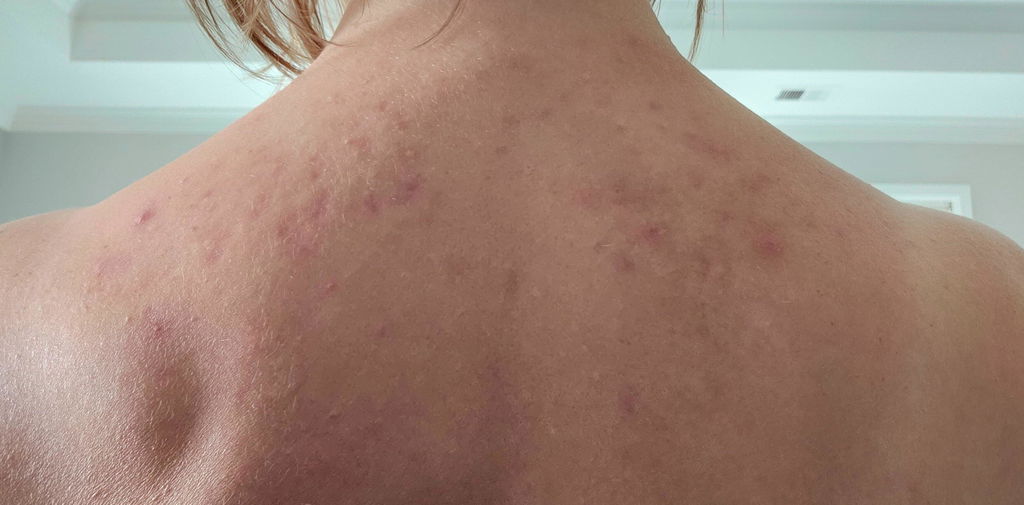
I remember the exact moment everything clicked. It was almost midnight, I was deep in a research spiral, and I landed on a paper from Harvard that made me put my laptop down and stare at the ceiling. A study tracking nearly 50,000 women had been sitting in scientific journals for years, quietly explaining why millions of people, especially women in their twenties and thirties, could never fully clear their skin no matter how many serums, prescriptions, or elimination diets they tried.
The answer was not in their bathroom cabinet. It was in their refrigerator.
I'm Sarah Mitchell, a holistic health practitioner, and I've spent the last decade helping people understand the root causes of skin inflammation rather than just managing symptoms. The dairy-acne connection is one of the most researched, most dismissed, and most consistently validated links in functional medicine. Today I'm giving you the complete picture: the mechanisms, the specific studies with real numbers, and the honest nuance about why dairy devastates some people's skin while others seem completely unaffected.
This is not a trend. This is cellular biology.
———
The IGF-1 Mechanism: Dairy Is Essentially a Growth Signal Your Skin Never Asked For
To understand why dairy drives acne, you first need to understand what milk is biologically designed to do. Cow's milk exists to turn a 65-pound calf into a 400-pound animal in under a year. It is, at its core, a growth-signaling fluid. And the primary molecule behind that transformation is Insulin-like Growth Factor 1 (IGF-1).
IGF-1 is present in cow's milk in biologically active concentrations, and it survives pasteurization. When you consume dairy, two things happen simultaneously. First, the preformed IGF-1 from the milk enters your bloodstream. Second, and this is the more powerful mechanism, dairy stimulates your liver to produce additional IGF-1 of its own. The combination creates a growth signal that your skin's oil-producing glands respond to directly.
Here is where it gets specific. IGF-1 activates a cellular signaling pathway called mTORC1 (mechanistic target of rapamycin complex 1). Dermatologist and biochemist Dr. Bodo Melnik, who has published extensively on this pathway, describes mTORC1 as the master regulator of acne pathogenesis. When mTORC1 is activated by dairy-derived IGF-1, it triggers three cascading effects in your skin:
- Sebum overproduction: mTORC1 directly stimulates sebaceous gland activity, increasing the oil that feeds acne bacteria
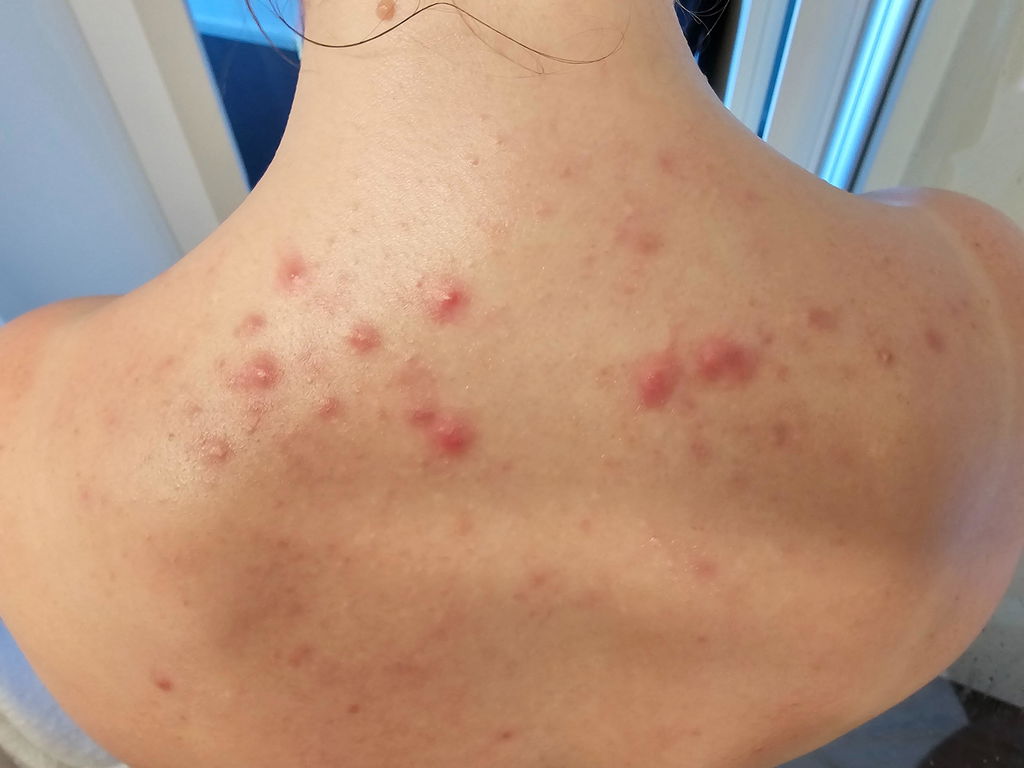
- Keratinocyte hyperproliferation: excess skin cell production accelerates follicular clogging, the physical origin of every comedone and cyst
- Androgen receptor upregulation: skin becomes more sensitive to testosterone-derived hormones, amplifying hormonal breakout patterns
A 2012 meta-analysis published in the Journal of the Academy of Nutrition and Dietetics, reviewing 21 observational studies across multiple populations, found a statistically significant positive association between dairy intake and acne prevalence. The effect was consistently strongest for skim milk, which, counterintuitively, shows higher IGF-1 activity per serving than whole milk. The removal of fat strips away fat-soluble modulators that partially buffer the growth signals.
———
The Harvard Nurses' Health Study: The Evidence That Made This Undeniable
If there is a single body of evidence that shifted dermatology's understanding of dairy and acne, it is the series of papers derived from the Harvard Nurses' Health Study, one of the largest and longest-running women's health investigations ever conducted.
The landmark 2005 paper by Adebamowo et al., published in the Journal of the American Academy of Dermatology, analyzed dietary recall data from 47,355 women about their high school diet. Women who consumed two or more glasses of milk per day in their teens had a 22% higher prevalence of severe acne compared to women who rarely drank milk. Crucially, this association held after adjusting for age, BMI, total caloric intake, and glycemic load.
A 2006 follow-up studying a younger cohort confirmed that total milk intake was positively associated with acne, again with skim milk showing the strongest effect. A third paper in 2008 using a prospective design replicated these findings and noted that the association was specific to milk as a food category rather than total dairy. Cheese and fermented yogurt showed considerably weaker associations, pointing to factors unique to liquid milk, specifically its concentrated IGF-1, bioactive hormones, and whey protein fractions.
Three independent analyses. Nearly 50,000 participants. Consistent findings across age groups. This is not anecdote.
———
Whey Protein and Acne: The Blind Spot in Fitness Culture
If you or someone you know trains regularly and cannot figure out why their skin breaks out despite eating clean, this section is for them. Whey protein is the liquid fraction of milk separated during cheese production. It is one of the most anabolic food substances available, and those same properties make it a potent acne trigger.
Whey's mechanism is distinct from casein's. Despite being a protein rather than a carbohydrate, whey causes a rapid insulin response that rivals white bread. This insulin spike does two things: it activates mTORC1 directly, and it suppresses IGFBP-3, the binding protein that normally keeps free IGF-1 in check. When IGFBP-3 is suppressed, bioavailable IGF-1 levels rise sharply.
A 2012 case series published in Nutrition documented multiple young men who developed severe nodulocystic acne after beginning whey supplementation, with complete resolution after discontinuation. A 2017 study in the Journal of the European Academy of Dermatology and Venereology found that 43% of regular whey protein users reported acne exacerbation compared to 26% in the non-whey control group, a statistically significant difference even after controlling for other dietary variables.
The hidden exposure layer: whey appears in protein bars, flavored Greek yogurts, light dairy products, meal replacement shakes, and many processed packaged foods. Someone eating a disciplined diet can still be consuming significant whey through these vehicles without realizing it.
———
Casein A1 vs A2: Why the Type of Dairy Protein Changes Everything
Casein makes up approximately 80% of the protein in standard cow's milk, and not all casein behaves the same way inside your body. The two primary variants are beta-casein A1 and beta-casein A2, and the distinction is clinically meaningful for anyone struggling with inflammatory skin conditions.
When A1 casein is digested, it releases a peptide fragment called beta-casomorphin-7 (BCM-7). BCM-7 is an opioid peptide that binds to receptors throughout the gut and nervous system. From a skin perspective, what matters most is its effect on the gut lining: BCM-7 triggers intestinal inflammation, increases gut permeability, and elevates circulating inflammatory cytokines. This systemic inflammation reaches the skin and worsens inflammatory acne independently of IGF-1.
A2 casein, found naturally in the milk of goats, sheep, Jersey cows, Guernsey cows, and human breast milk, does not produce BCM-7 during digestion. A rigorous 2019 double-blind crossover trial published in the European Journal of Clinical Nutrition compared A1 and A2 milk in healthy adults and found that A1 milk caused significantly greater intestinal permeability, bloating, and inflammatory markers than A2 milk in the same individuals.
This explains a common clinical puzzle: a client who breaks out from standard cow's milk but tolerates goat cheese without incident. They are not responding to dairy broadly. They are responding to BCM-7 specifically, and goat milk simply does not generate it.
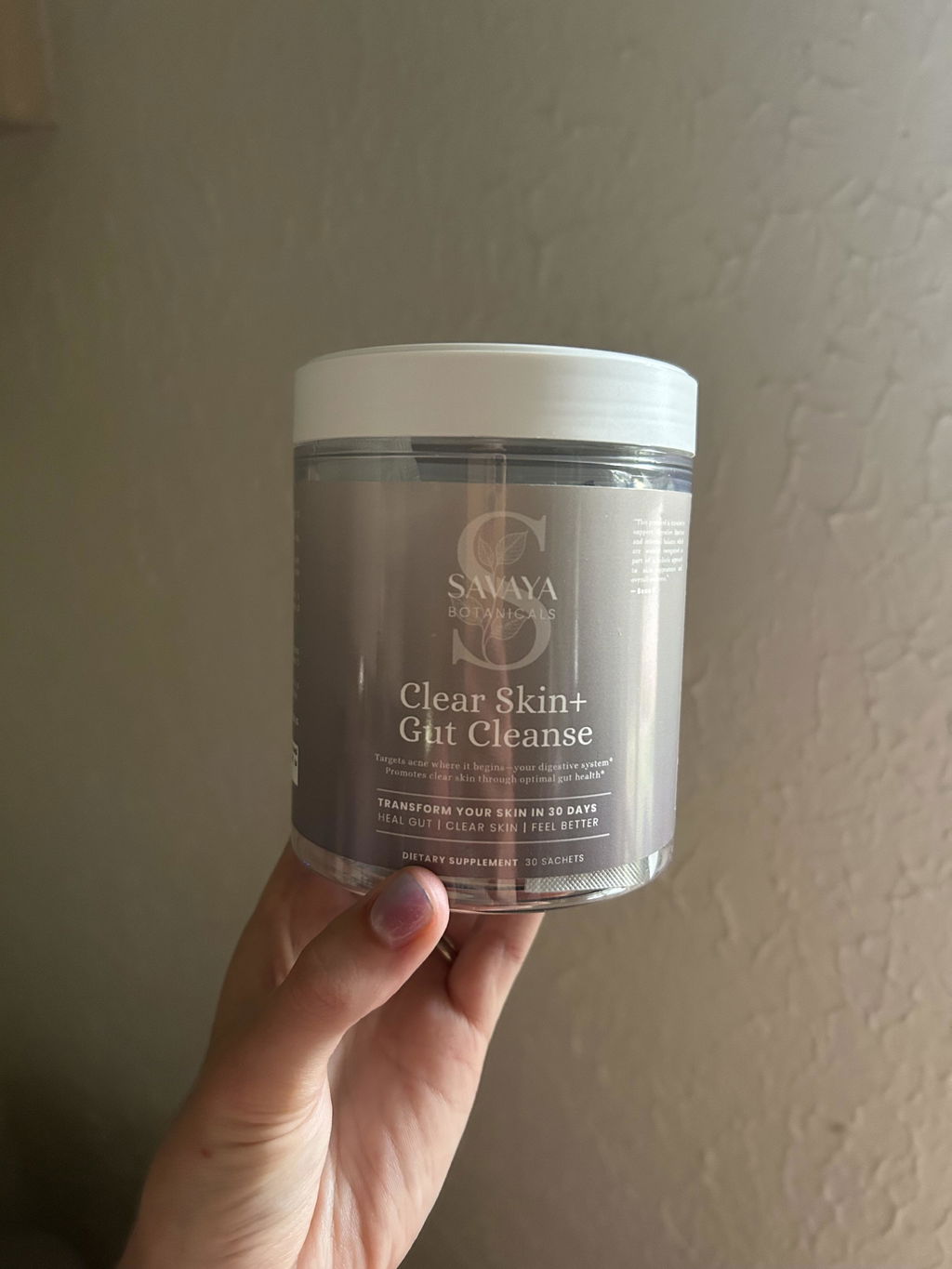
For people whose gut lining has been repeatedly exposed to A1 casein over years, supporting recovery through a targeted microbiome gut cleanse can measurably reduce the baseline inflammatory load that makes skin reactive to these triggers in the first place.
———
Hormones in Dairy: Why Organic Does Not Solve the Problem
The most common pushback I hear when clients first hear about dairy and acne: "But I already switched to organic. Doesn't that take care of the hormone issue?"
The honest answer is: partially, and not nearly enough.
Conventional dairy contains recombinant bovine growth hormone (rBGH), a synthetic additive that further raises IGF-1 levels in milk. Organic certification prohibits rBGH. That distinction is real. But here is what organic labeling does not address: the naturally occurring hormones present in all mammalian milk, regardless of how the cow was raised.
Cow's milk contains more than 35 bioactive hormones, including estrone, estradiol, progesterone, androstenedione, and multiple insulin-related peptides. These are produced by the cow's own endocrine system during lactation. And their concentrations are highest when the animal is pregnant, which is exactly when the majority of commercial dairy is collected. Research by Malekinejad and Rezabakhsh (2015) found that milk from pregnant cows contains 33 times more estrone than milk from non-pregnant animals, and this holds true whether the farming is organic or conventional.
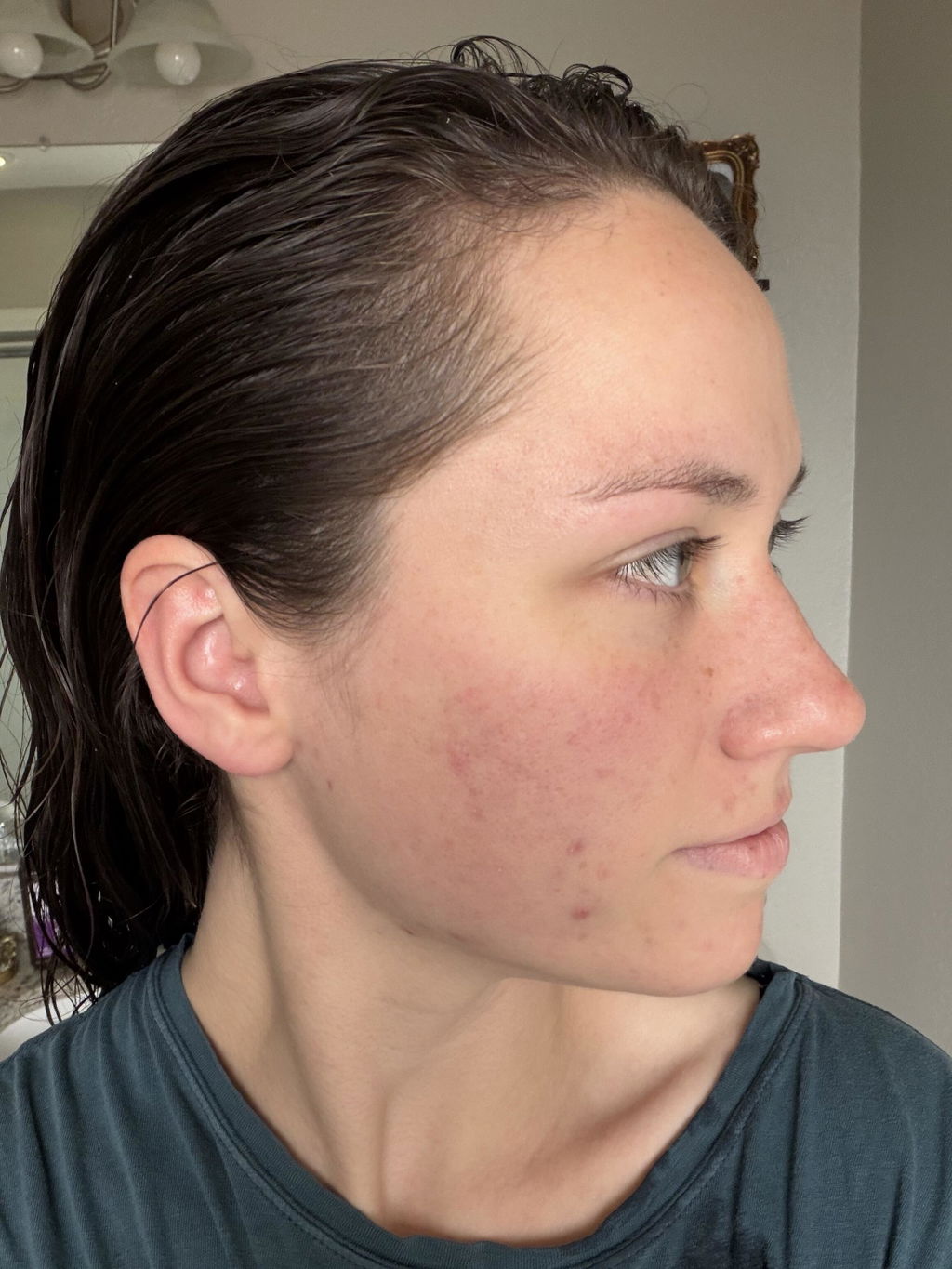
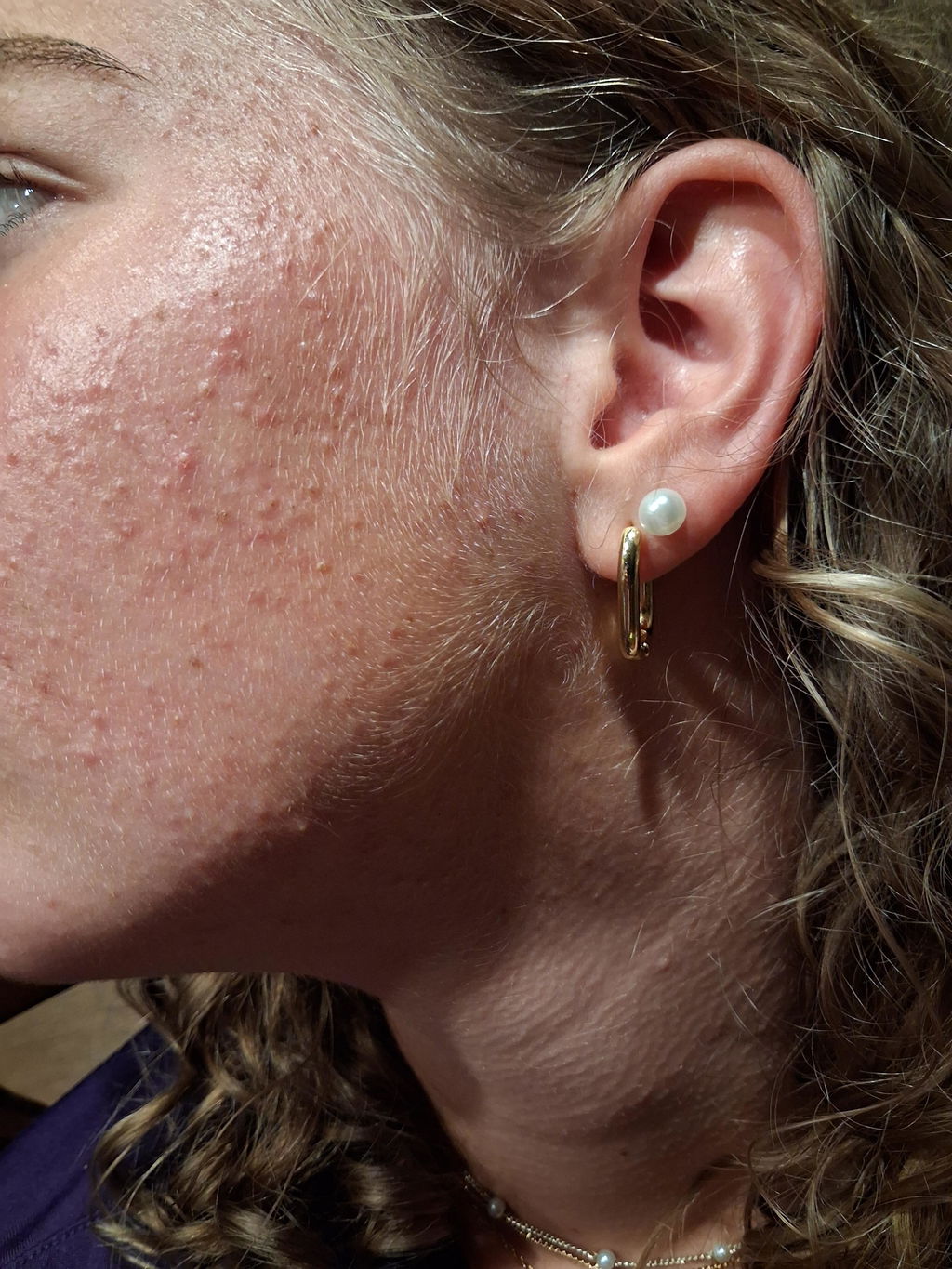
These exogenous sex hormones interact with androgen receptors in the sebaceous glands, stimulating excess oil production in a way that runs parallel to your own hormonal cycle. This is the biological reason dairy-related acne tends to cluster on the jaw, chin, and lower cheeks, the same zones affected by endogenous hormonal fluctuations. You are essentially adding a second hormonal signal on top of your body's own.
For people experiencing this pattern, addressing both the hormonal load and the gut-skin pathway together is worth considering alongside topical care. Clear Skin+ Max Detox, a daily acai-based blend, helps support this dual pathway.
———
Why Some People Tolerate Dairy and Others Don't
If dairy causes acne, why does the person next to you eat pizza and cheese every day with perfect skin? This is the question that causes people to dismiss the research. But the science of individual variation is actually quite clear, and it comes down to two factors: genetics and the gut microbiome.
Lactase persistence is the genetic trait that allows certain adults to continue producing the lactase enzyme and fully digest lactose. It is most prevalent among people of Northern European ancestry, affecting roughly 35% of the global adult population. Contrary to what you might expect, lactase persistence does not protect against dairy-related acne. In fact, it may slightly worsen it, because more complete digestion means more efficient absorption of the bioactive compounds, including IGF-1, dairy hormones, and whey peptides, into the bloodstream.
The more important variable is gut microbiome composition. Your gut bacteria are the first responders to everything you eat. Individuals with a diverse, resilient microbiome, particularly one rich in Bifidobacterium longum and Lactobacillus acidophilus species, possess the enzymatic machinery to partially neutralize BCM-7, metabolize dairy hormones before systemic absorption, and maintain tight junction integrity in the gut lining. People with dysbiosis (depleted or imbalanced gut bacteria) lack these protective strains and mount a far stronger inflammatory response to the same dairy intake.
This is why two people eating identical diets can have completely different skin outcomes. The difference is not willpower or genetics. It is the microbial ecosystem that sits between what you eat and what actually reaches your bloodstream.
Rebuilding that ecosystem is where the real skin transformation happens. The Microbiome Gut Cleanse specifically targets the bacterial populations that regulate gut-skin signaling, and pairing it with a complete detox protocol helps clear the accumulated hormonal and inflammatory burden that has built up over time.
———
Dairy Alternatives That Actually Support Your Gut and Skin
Removing dairy is the first move. What you replace it with is equally important. These categories provide the nutritional function dairy was serving while actively supporting the gut-skin axis.
Ocean-Sourced Minerals
Dairy is often defended as a calcium source, but that calcium comes packaged with the exact compounds driving your inflammation. Sea moss offers a completely different mineral delivery system: 92 of the 102 minerals the human body requires, including bioavailable calcium, magnesium, zinc (one of the most critical nutrients for wound healing and acne resolution), iodine, and sulfur compounds that support collagen synthesis. Sea moss also contains natural compounds that coat and soothe the gut lining, directly opposing the intestinal permeability caused by A1 casein and BCM-7.
Fermented Plant-Based Foods
Unsweetened coconut yogurt, water kefir, and fermented cashew-based products provide probiotic benefit without the inflammatory proteins. Look specifically for products with live, multi-strain cultures rather than heat-processed varieties. These foods feed the exact microbiome populations that protect against dairy-driven skin inflammation.
Targeted Collagen Support
One of dairy's legitimate nutritional functions is providing amino acids for tissue repair. For skin specifically, Beauty Collagen Strips deliver bioavailable collagen peptides that support skin elasticity and barrier repair without triggering any of the inflammatory pathways dairy activates. As your skin recovers from chronic inflammation, collagen support accelerates the visible healing process.
Skin Barrier Fats
Replace butter and heavy cream with avocado oil, extra virgin olive oil, and grass-fed tallow. These fats support the skin's lipid barrier from the inside. For external barrier restoration alongside dietary change, Tallow Cream Peaceful Night works with your skin's natural sebum chemistry to rebuild the surface integrity that chronic inflammation disrupts.
———
The 30-Day Elimination Protocol: Treat Your Body Like an Experiment
The most powerful thing you can do is remove all dairy completely for 30 days. Not reduced dairy. Not just cutting obvious milk. All of it: whey, casein, lactose, milk solids, ghee if inflammatory acne is severe. Read every ingredient label. Photograph your skin on days 1, 7, 14, 21, and 30.
In practice, most people who pair complete dairy elimination with gut support begin to see 40 to 80% reduction in active breakouts within three to four weeks. The timeline depends on how long dairy was being consumed, the current state of the gut microbiome, and baseline hormone levels.
A 2020 study in Nutrients found that circulating IGF-1 levels decline measurably within two to three weeks of dairy cessation. As IGF-1 drops, mTORC1 activity in sebaceous glands decreases, and sebum production begins to normalize. The gut lining, no longer under constant assault from BCM-7 and whey proteins, starts to repair its tight junctions. The systemic cytokine burden drops. And skin, which is simply a readout of what is happening internally, begins to respond.
This is not a surface-level fix. It is a systemic reset.
———
Frequently Asked Questions About Dairy and Acne
Does dairy really cause acne, or is this just a wellness trend?
The dairy-acne connection is backed by multiple large-scale epidemiological studies, including three separate analyses from the Harvard Nurses' Health Study involving over 47,000 participants, as well as robust mechanistic research identifying IGF-1 and mTORC1 activation as the primary biological pathways. It has been published in peer-reviewed dermatology and nutrition journals since 2005 and the mechanistic evidence has grown steadily since. It is not a trend; it is one of the better-supported dietary associations in skin science.
Does switching to organic dairy eliminate the acne risk?
Organic dairy removes synthetic hormones like rBGH, which is a meaningful difference. However, it does not remove the naturally occurring estrogens, androgens, IGF-1, A1 casein, or whey proteins present in all mammalian milk. Research shows that milk from pregnant cows contains 33 times more estrone than non-pregnant cow milk, and this ratio is unaffected by organic farming practices. For most people with dairy-driven acne, the triggers are these naturally occurring compounds, not synthetic additives.
Why does my friend eat dairy every day and have perfect skin?
Individual variation in dairy tolerance is primarily explained by gut microbiome composition. People with a diverse microbiome rich in Bifidobacterium and Lactobacillus species metabolize casein-derived peptides and dairy hormones more effectively, reducing systemic inflammatory load. People with dysbiosis lack these protective bacterial populations and mount a stronger inflammatory and hormonal response to the same dairy intake. Genetics play a secondary role, but microbiome health is the dominant variable.
What is the difference between A1 and A2 milk for acne-prone skin?
A1 casein (found in most commercial cow's milk) releases a peptide called beta-casomorphin-7 (BCM-7) during digestion, which triggers gut inflammation and increases intestinal permeability. A2 casein (found in goat milk, sheep milk, Jersey cow milk, and A2-certified products) does not produce BCM-7. A 2019 double-blind crossover study in the European Journal of Clinical Nutrition confirmed A1 milk causes significantly greater gut inflammation and permeability than A2 milk. For acne-prone individuals, A2 sources may be tolerated better, though they still contain IGF-1 and bioactive hormones.
How long does it take for skin to clear after stopping dairy?
Most people see noticeable improvement within two to four weeks of complete dairy elimination. IGF-1 levels decline measurably within two to three weeks of cessation according to research published in Nutrients (2020), with sebum production normalizing shortly after. Full clearing, including reduction of post-inflammatory hyperpigmentation and cyst resolution, can take eight to twelve weeks and is significantly accelerated when dairy elimination is paired with active gut microbiome support.
———
Start the Reset Your Skin Has Been Waiting For
The research is clear. The mechanism is understood. And the path forward is not another topical cream or prescription cycle — it is addressing the root cause: the IGF-1 signaling, gut inflammation, and hormonal load that dairy has been driving, possibly for years without you connecting the dots.
Start with the Microbiome Gut Cleanse: a targeted daily formulation designed to restore the specific bacterial populations that regulate the gut-skin axis, reduce intestinal permeability, and increase your skin's resilience to dietary triggers. Pair it with Sea Moss for the 92-mineral foundation your skin needs as it begins to heal.
Your skin is not the problem. It is the signal. And now you have the science to understand what it has been trying to tell you.