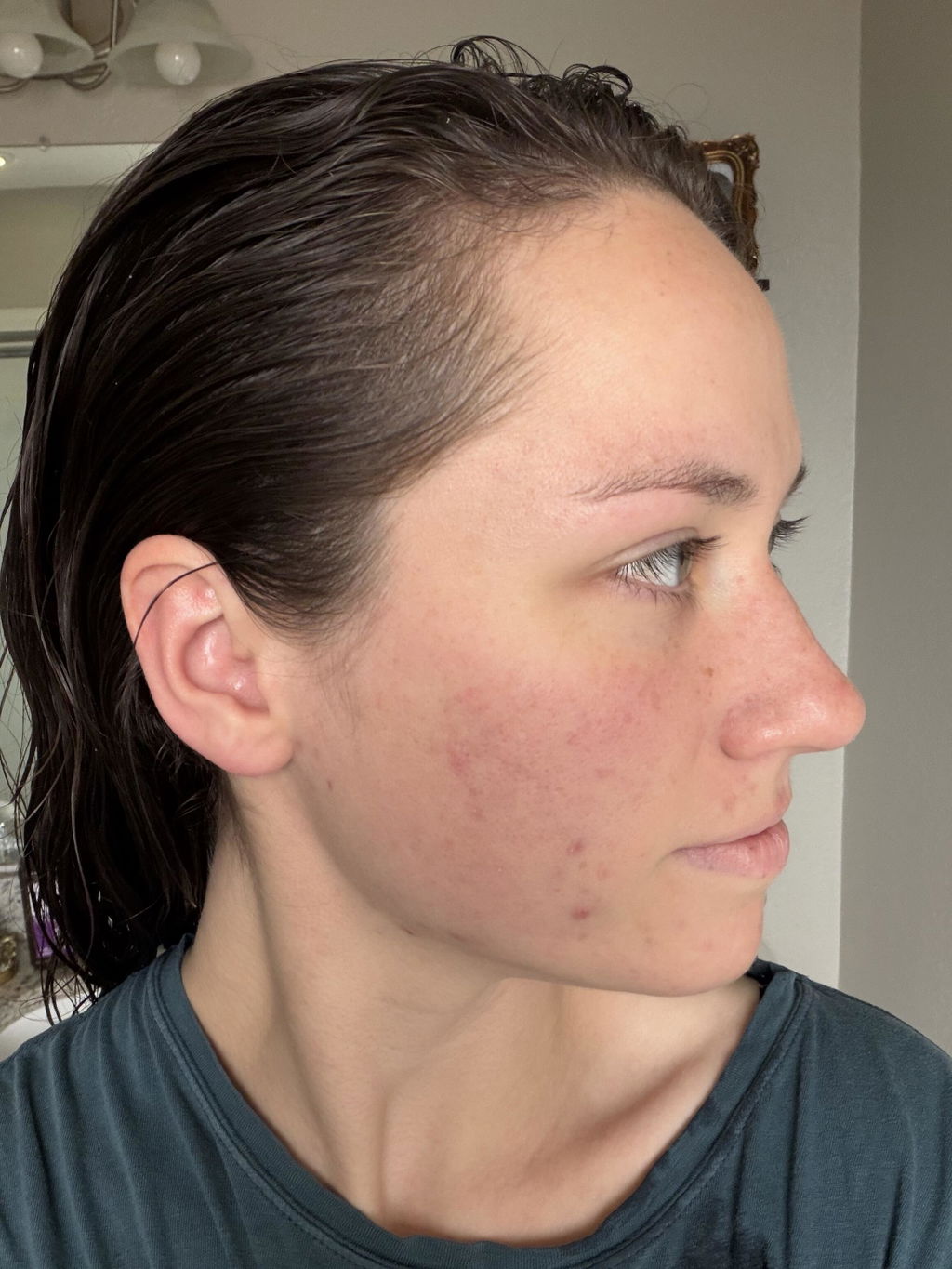
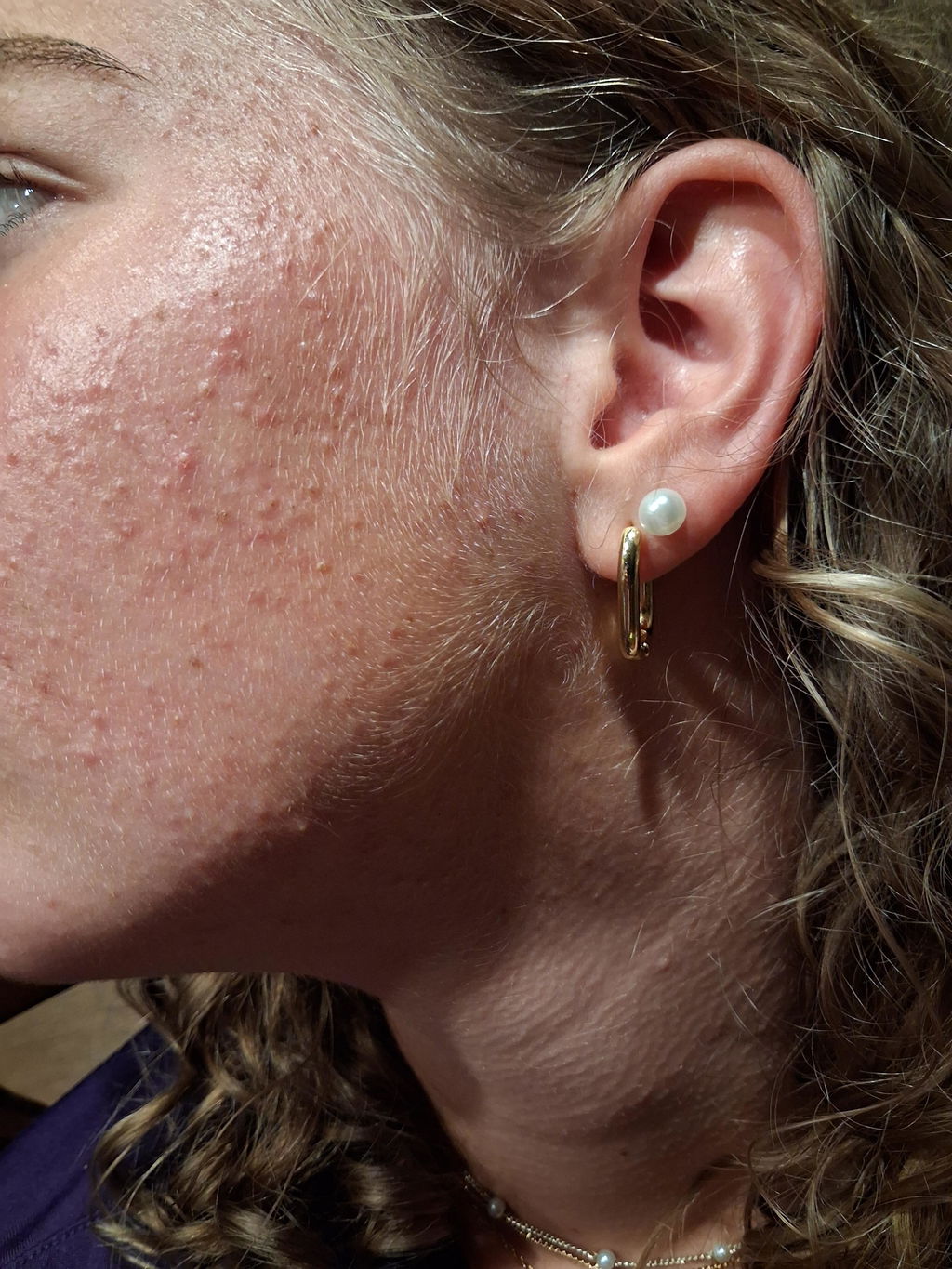
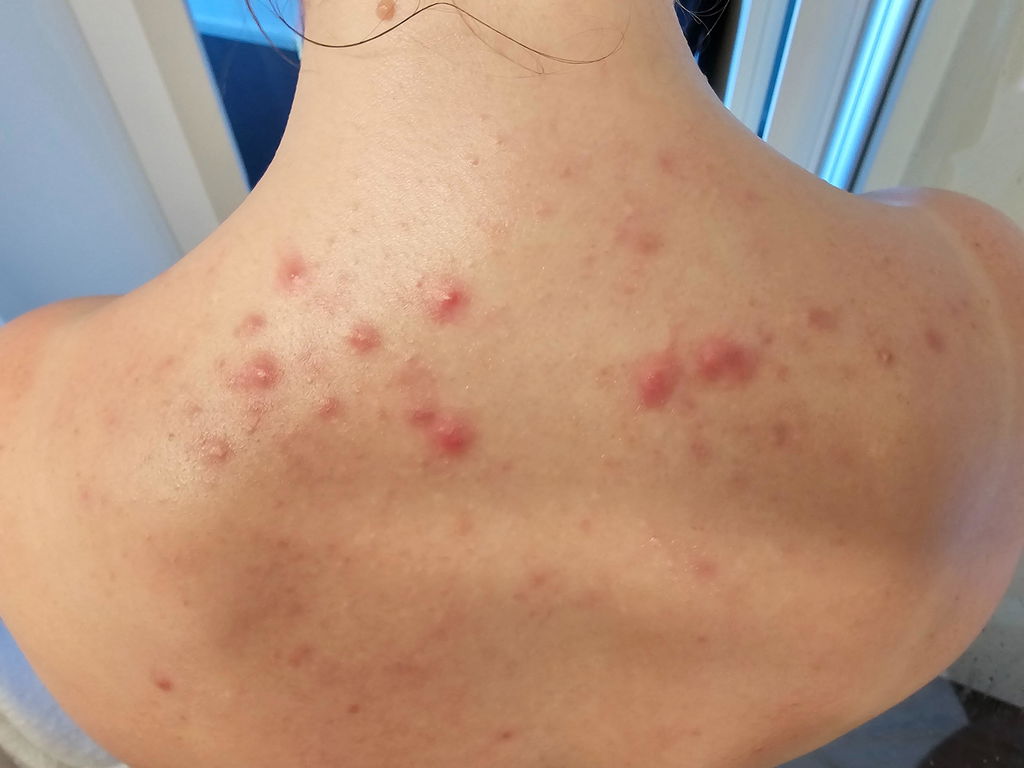
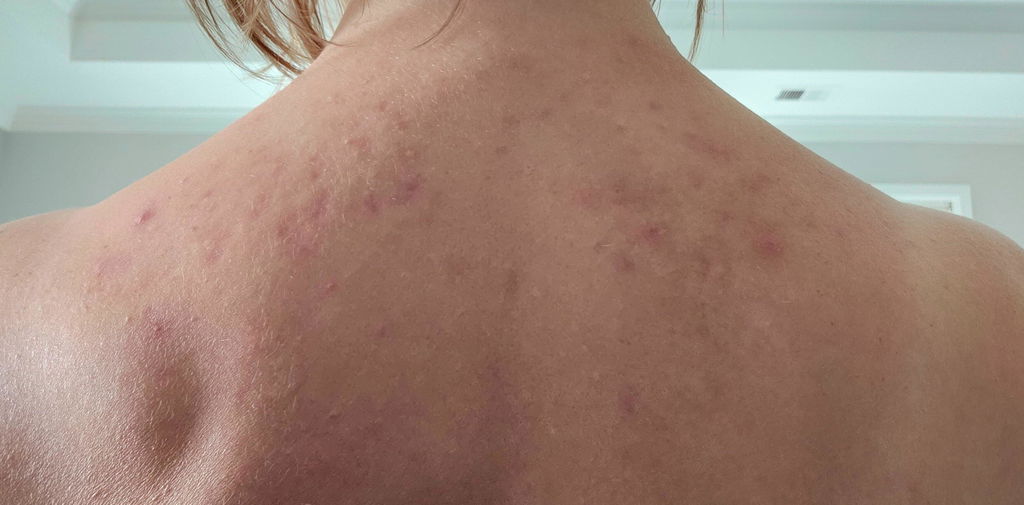
You cut out fast food. Swapped soda for sparkling water. Started washing your face twice a day with the gentle cleanser your dermatologist recommended. And your jaw still breaks out the week before your period.
Here is what almost nobody tells you. The latte you drink every morning may be doing more damage than the chocolate you gave up. Even the organic, grass-fed, "clean" version. And the science explaining why has been quietly piling up for two decades.
What Dairy Actually Does to Your Skin
Dairy triggers acne through three overlapping mechanisms. It spikes insulin-like growth factor 1 (IGF-1), which tells your sebaceous glands to produce more oil. It contains naturally occurring bovine hormones that disrupt your own hormone balance. And the proteins in milk can drive low-grade inflammation along the gut-skin axis.
In my practice, dairy is the single most common food trigger I see for adult hormonal acne. Not chocolate. Not gluten. Dairy. The women who clear up the fastest are almost always the ones who finally take it out for sixty days and give their skin one full turnover cycle to respond.
The IGF-1 Mechanism (The Master Switch)
Milk is engineered by nature to grow a calf from 80 to 800 pounds in a year. It does this by stimulating IGF-1, a growth hormone that activates the mTORC1 pathway. In your skin, that same pathway makes sebocytes pump out oil and skin cells multiply faster than they can shed.
Dr. Bodo Melnik, a dermatology researcher at the University of Osnabrück, has spent over a decade mapping how dairy hijacks this growth signaling. His 2015 review in Clinical, Cosmetic and Investigational Dermatology laid it out plainly. Milk consumption raises serum IGF-1. Elevated IGF-1 increases androgen activity. Androgens enlarge sebaceous glands and increase sebum production. More sebum plus faster keratinocyte turnover equals more clogged pores.
That is not theory. That is biochemistry your endocrinologist can confirm with a blood panel.
But here is the part that surprises most of my clients. Skim milk is often worse than whole milk for skin. Stripping the fat speeds absorption of the bioactive proteins, and it also removes the fat-soluble nutrients that buffer the hormonal hit.
What the Harvard Nurses' Health Study Actually Found
In 2005, Dr. Clement Adebamowo and colleagues at Harvard analyzed dietary recall data from 47,355 women in the Nurses' Health Study II. Women who drank two or more glasses of milk per day in high school had a 44 percent higher prevalence of severe teenage acne compared to those who drank less than one glass per week.
The same research team followed up with a 2006 study on 6,094 adolescent girls. Skim milk showed the strongest association, with a 22 percent increased acne risk per serving per day. A third study in teenage boys, published in 2008, confirmed the pattern. Three studies. Same direction. Same dose-response.
Then in 2018, a meta-analysis in Nutrients by Juhl and colleagues pooled data from 78,529 children, adolescents, and young adults across 14 studies. The conclusion was unambiguous. Any dairy, total dairy, milk, low-fat milk, and skim milk all increased the odds of acne. A 2019 meta-analysis by Aghasi and colleagues in Clinical Nutrition reached the same finding.
So if the data is this strong, why does your dermatologist still hand you a cream and shrug when you ask about food?
Casein A1 vs A2 (Why Even Organic Milk Often Fails)
Most cows in conventional and even organic American dairy herds (Holsteins, Friesians) produce a casein protein called A1 beta-casein. When digested, A1 releases a peptide called beta-casomorphin-7, or BCM-7. BCM-7 is linked to digestive inflammation and increased intestinal permeability. A2 milk, from Jerseys, Guernseys, goats, and sheep, produces little to no BCM-7.
This is why women keep telling me they switched to organic, grass-fed milk and their skin still did not clear. The label changed. The protein structure did not. Researchers including Pal and colleagues, in their 2015 Nutrition Journal paper, have documented that A1 dairy causes more digestive inflammation than A2 dairy in humans.
The downstream effect matters. BCM-7 slows gut motility and triggers immune responses in the gut wall. That is the same gut wall that, when inflamed, allows endotoxins to slip into the bloodstream and shows up on your face as cystic breakouts. The gut-skin axis is not a wellness buzzword. It is the actual route between your morning latte and your jawline.
The Whey Protein Acne Connection
Whey is the most concentrated form of dairy on the market and one of the most predictable acne triggers in young adult research. A 2012 study by Pontes and colleagues, published in the journal Anais Brasileiros de Dermatologia, documented acne flares in 30 male athletes after 60 days of whey supplementation, with breakouts appearing on the back and chest in those who had previously been clear.
Silverberg, in a 2012 case series, reported five young men whose acne resolved within weeks of stopping whey. Cengiz and colleagues, in 2017, confirmed the connection in another small clinical sample.
If you are training hard, reaching for a whey isolate shake, and your jaw is breaking out a few weeks in, the cause is not a mystery. Whey concentrates the IGF-1 signal. Clean plant proteins do not.
The Hormones in Even Organic Milk
Modern dairy cows are kept pregnant for most of their productive lives so the milk keeps flowing. That means the milk you drink, even from a small organic dairy, contains naturally elevated levels of estrogens, progesterone, and prolactin. A 2010 Pediatrics International study by Maruyama and colleagues documented five estrogens and four progestins in commercial milk samples.
Organic does not fix this. Grass-fed does not fix this. The hormones come from the cow's own body, not from added rBGH. Dr. Ganmaa Davaasambuu's research at Harvard School of Public Health was among the first to flag the link between dairy from pregnant cows and hormone-related conditions.
For a woman with PMS acne, the kind that always lands on her chin and jawline the week before her period, adding bovine estrogens to an already-tipping androgen balance is gasoline on a fire.
Your skin is not a beauty problem. It is a downstream readout of what your gut and your hormones are dealing with upstream.
Why Some People Drink Milk and Have Flawless Skin
Lactase persistence, the genetic ability to digest milk sugar into adulthood, is found in roughly 35 percent of the world's adults. It is concentrated in populations of northern European, certain African pastoralist, and Middle Eastern descent. The other 65 percent have varying degrees of lactase non-persistence. But lactase only explains the sugar half of the story.
Even among lactase-persistent people, gut microbiome composition determines how dairy proteins are processed. Some microbiomes host bacterial strains that break down BCM-7 quickly and produce protective short-chain fatty acids. Others do not. People with higher microbial diversity and a stronger gut barrier tolerate dairy noticeably better.
This is why two women can drink the same latte and one breaks out and the other does not. Genes. Microbiome. Gut barrier integrity. None of it is willpower or "eating clean enough."
If your microbiome has been depleted, by years of antibiotics, chronic stress, processed food, or oral birth control, your dairy tolerance drops. Your gut becomes more permeable. Your HPA axis stays activated. Your vagus nerve signaling gets noisy. Your skin shows what your gut cannot say. This is exactly why a structured microbiome reset before any elimination diet often outperforms restriction alone.
Dairy Alternatives That Actually Support Your Gut
Not all dairy alternatives are equal. Many oat and almond milks are loaded with seed oils, gums, and added sugars that drive their own inflammation. The best swaps are minimally processed, contain prebiotic fiber or trace minerals, and feed the bacteria you want to grow rather than starving them.
What I recommend in my practice:
- Unsweetened canned coconut milk, diluted, for cooking. Medium-chain fats, no gums, no oils.
- Homemade nut milk. Soak, blend, strain. Three ingredients, no emulsifiers.
- 92 trace minerals from the ocean blended into smoothies. The prebiotic fiber in sea moss feeds beneficial gut bacteria and supports the postbiotic short-chain fatty acids that calm skin inflammation.
- Bone broth for collagen and glycine if you tolerate animal protein. Or bioavailable collagen support without the dairy load.
- A2 milk only, in small amounts, if your gut is genuinely robust and you have tested your tolerance.
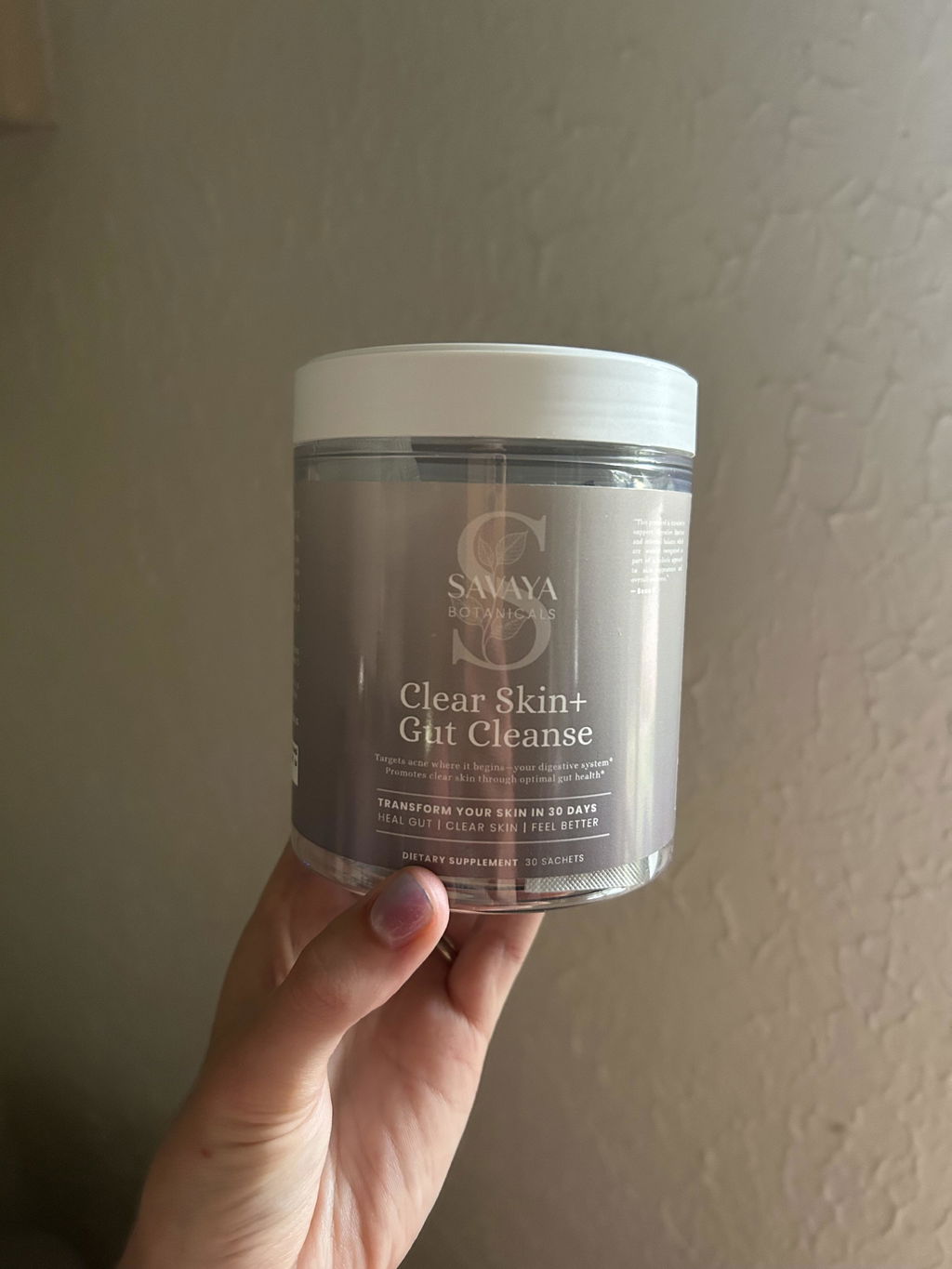
For women whose acne has been going on for years, food swaps alone are usually not enough. The gut barrier needs active repair. That is where this microbiome reset or a full detox protocol does the heavy lifting that diet alone cannot.
How Long Does Skin Take to Clear After Quitting Dairy
Most women in my practice see meaningful skin changes between weeks 6 and 12 after fully removing dairy. Inflammation drops first, usually within two weeks. New breakouts slow next. Existing cystic acne, which sits deep and runs its own cycle, is typically last to resolve.
Skin cells turn over every 28 to 40 days. Add the time required for sebum production to recalibrate after IGF-1 normalizes, and you are looking at one full skin cycle minimum, ideally two. If you want a simple daily habit to have in place either way, Clear Skin+ Max Detox is a single daily acai blend that helps support the body's normal detox process.
What to Do This Week
If you suspect dairy is your trigger, a 60-day elimination plus a targeted gut cleanse gives you the cleanest signal you will ever get from your own skin. For barrier support while your skin recalibrates and the inflammation drains, a barrier-repairing tallow cream is what I reach for myself at night.
• • •
Frequently Asked Questions
Does cutting out dairy really clear acne?
For most women with hormonal or cystic acne, yes. The 2018 Nutrients meta-analysis of 78,529 people confirmed dairy increases acne risk dose-dependently across milk, low-fat milk, and skim milk. In my practice, a 60 to 90 day elimination is the most reliable diet experiment a woman can run on her own skin.
Is A2 milk safe for acne-prone skin?
A2 milk eliminates the BCM-7 inflammation pathway, but it still raises IGF-1 and contains bovine hormones from the cow's pregnancy. Some people tolerate it. Most acne-prone women do better off all dairy for the first 60 days, then carefully test A2 in small amounts.
Why does skim milk cause more acne than whole milk?
Removing fat speeds the absorption of bioactive proteins that spike IGF-1. It also strips fat-soluble nutrients that buffer the hormonal response. Multiple Harvard Nurses' Health Study analyses found skim milk had the strongest acne association of any dairy category studied.
Can I eat cheese and yogurt if milk breaks me out?
Fermented dairy like aged cheese and yogurt has lower BCM-7 and lactose, but still contains IGF-1-raising proteins and hormones. Many women tolerate small amounts of plain yogurt. If you have cystic acne, you usually need to remove all dairy for a full skin cycle to know what your skin is actually capable of.
How long after quitting dairy will my skin clear?
Inflammation calms in roughly two weeks. New breakouts slow by week four. Existing cystic acne takes one to two full skin cycles, 28 to 80 days. Pair the elimination with a microbiome reset for a faster and more reliable result.