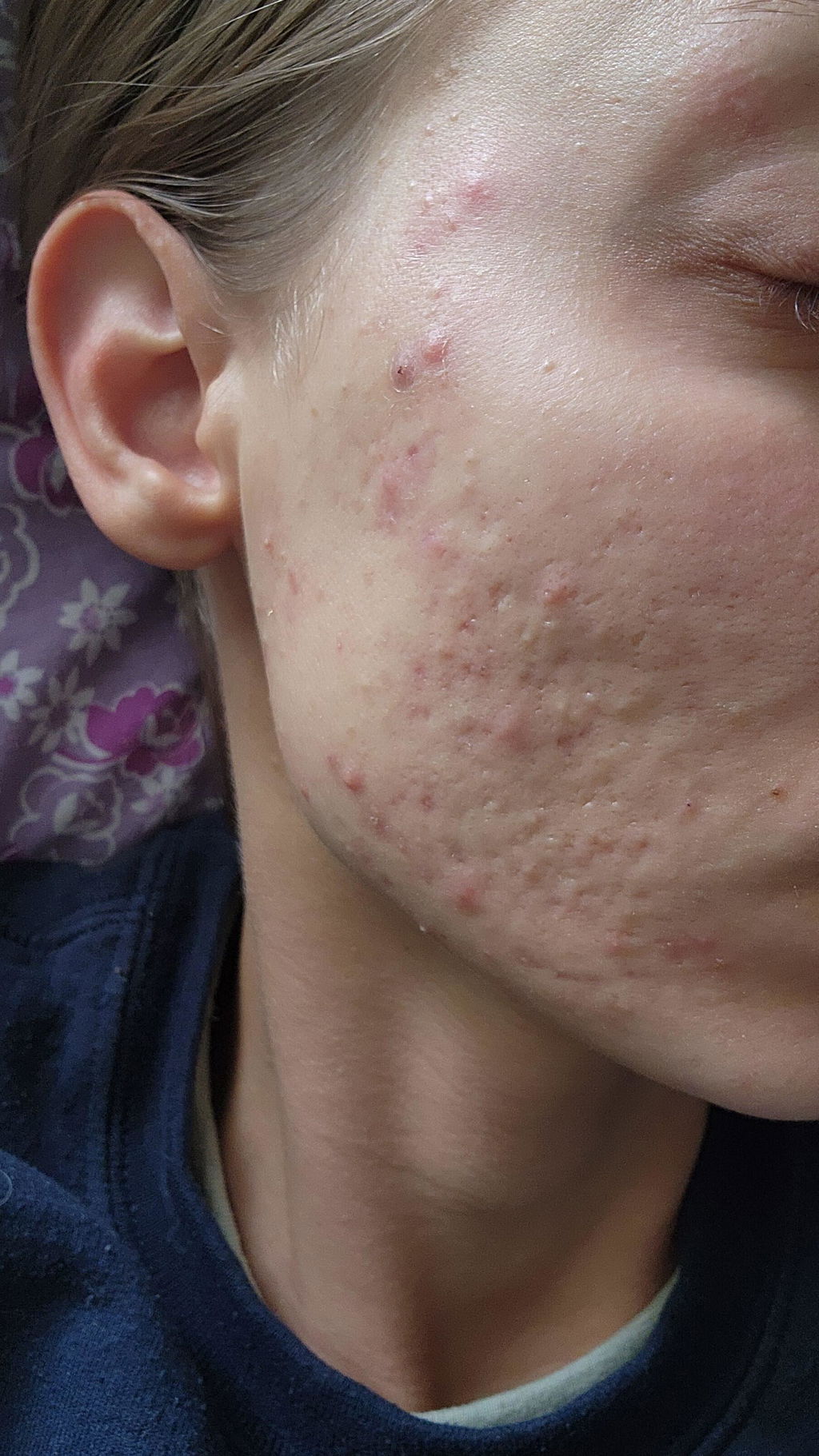
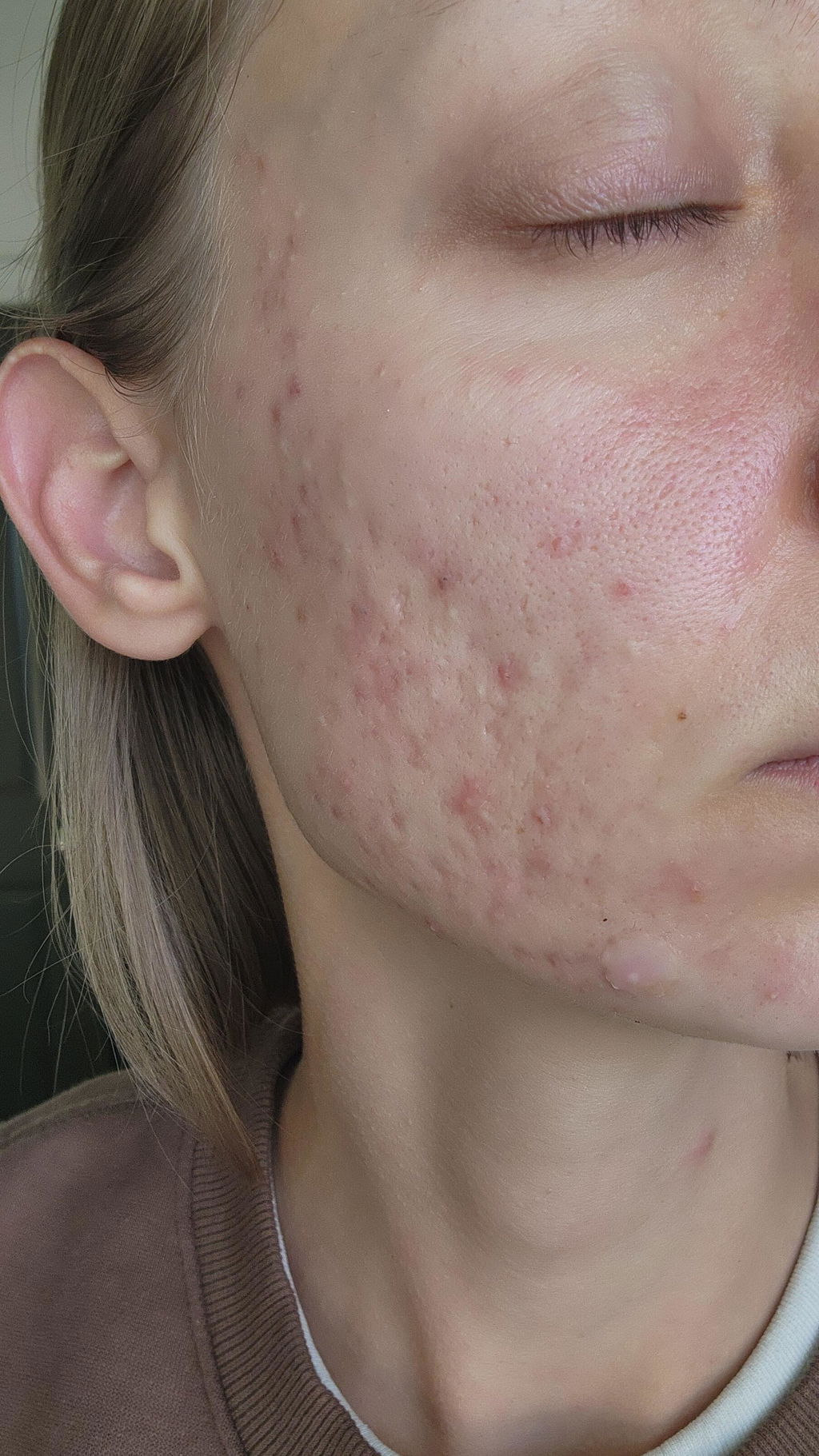
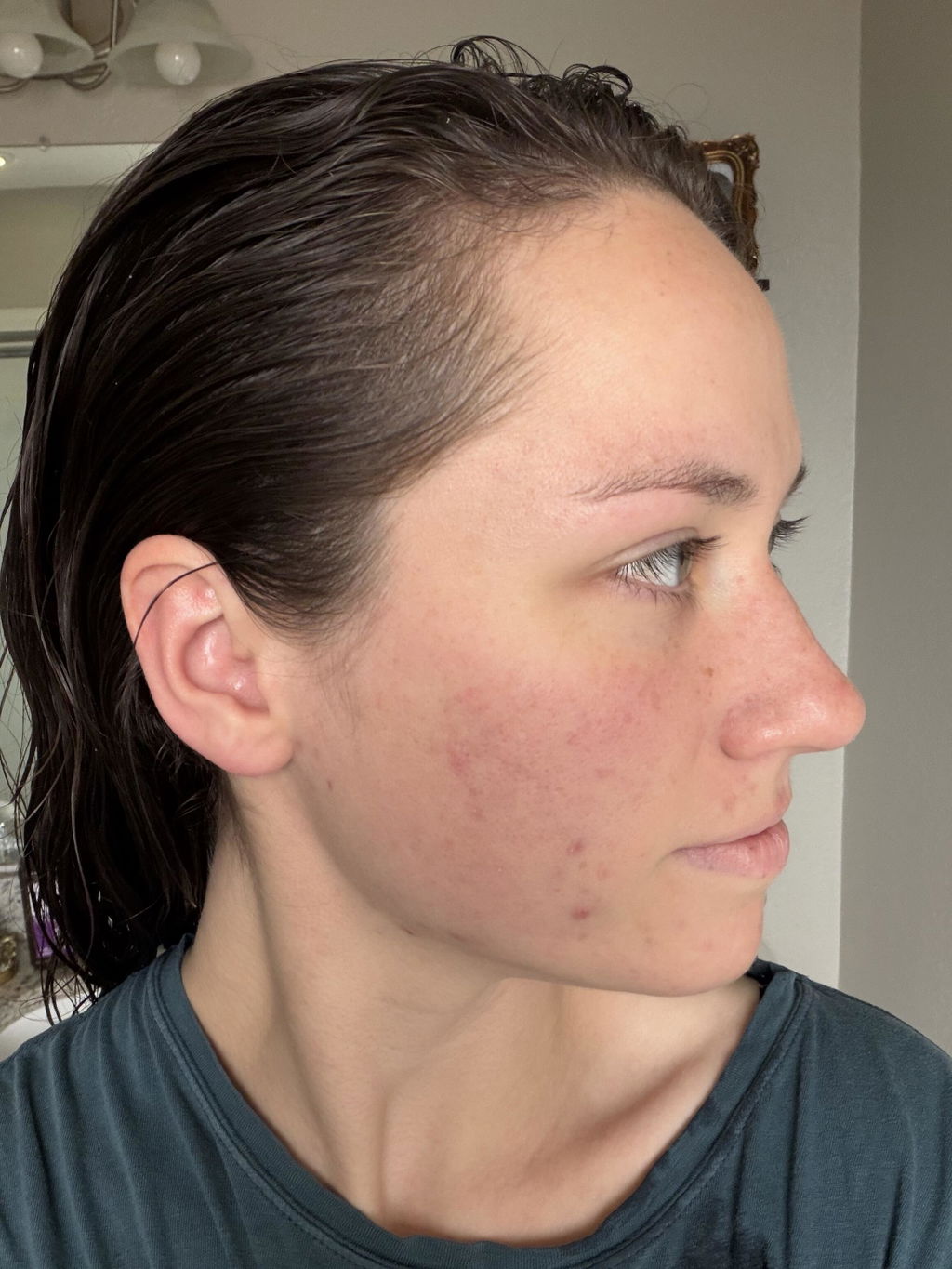
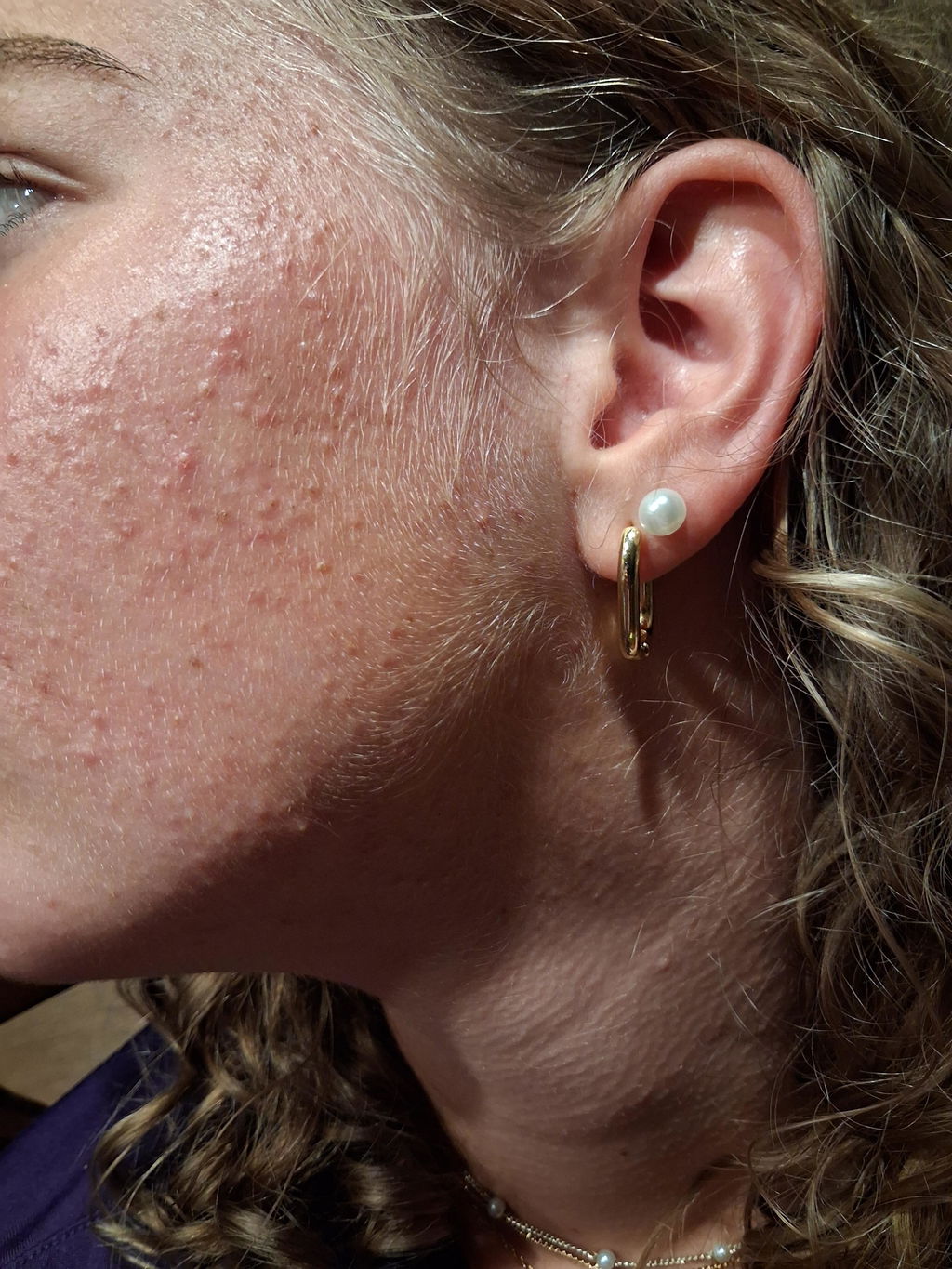
Your skin isn't broken. It's reporting. And the message is usually about an organ no one ever told you to think about when you stand in front of the mirror frustrated: your liver. When clearing pathways slow down, the body looks for back doors. The skin is one of them. Once you understand how phase I and phase II liver detoxification actually work, the redness, the chin breakouts, the dullness that no serum seems to touch, all of it starts to make a different kind of sense.
What Your Skin Is Really Telling You About Your Liver
The liver-skin connection describes the direct relationship between hepatic detoxification capacity and visible skin clarity. When the liver cannot efficiently neutralize hormones, metabolites, and environmental compounds, the body shifts excretion to secondary routes including sweat glands and sebocytes. The result shows up as breakouts, congestion, and persistent inflammation along the jawline and cheeks.
In my practice, when a woman tells me she has tried every topical and nothing holds, I almost never start at the skin. I start at the liver. Because the liver isn't just filtering alcohol or medication. It is processing every estrogen molecule, every dose of cortisol your stress response makes, every fragrance you put on, every preservative in your snacks. And it does that in two distinct phases.
Here is the part most articles skip: those two phases have to stay in balance. When phase I gets faster than phase II can keep up, intermediates back up. Those intermediates are often more reactive and more inflammatory than the original compound. That's the bottleneck. That's where skin gets loud.
Phase I Liver Detoxification: The First Door
Phase I detoxification is run by a family of enzymes called cytochrome P450, mostly housed in liver hepatocytes. Their job is to take fat-soluble toxins, hormones, and drugs and chemically modify them through oxidation, reduction, or hydrolysis. The output is a more reactive intermediate that phase II then conjugates and prepares for excretion.
Phase I can be sped up by alcohol, certain medications, smoking, and chronic inflammation. That sounds fine on paper. Faster detox, right? Not when phase II is slow. When phase I outpaces phase II, you get a buildup of reactive intermediates and oxidative stress. Those intermediates are more damaging than what they started as, and they leak into systemic circulation looking for a way out.
The skin, with its massive surface area, is happy to oblige. And it does not look pretty when it does.
Phase II Liver Detoxification: Where Most Women Get Stuck
Phase II detoxification adds a water-soluble molecule to the phase I intermediate so it can be excreted in bile or urine. There are six main conjugation pathways: glutathione conjugation, sulfation, methylation, glucuronidation, acetylation, and amino acid conjugation. Each one requires specific nutrient cofactors. When those cofactors run low, phase II stalls.
This is where I see most women hitting a wall. They are eating clean. They are sleeping enough. They are even drinking the lemon water. But their phase II pathways are running on empty because they lack the building blocks: B vitamins for methylation, sulfur amino acids for sulfation and glutathione, glycine and taurine for amino acid conjugation, magnesium for dozens of enzyme reactions in between.
A 2015 review by Hodges and Minich in the Journal of Nutrition and Metabolism mapped the specific nutrients each phase II pathway needs. Reading it changed how I work with skin clients. We stopped asking "what should I cut out" and started asking "what cofactors am I missing."
When the Liver Backs Up, Skin Becomes the Exit Door
When liver detoxification stalls, the body activates alternative elimination pathways. The skin, with its sweat glands and sebaceous output, becomes a secondary exit route. Toxins, hormone metabolites, and inflammatory mediators move through sebum and sweat, where they irritate the follicle, feed bacterial overgrowth, and trigger the cascade we recognize as acne, eczema, and persistent redness.
This is also where the gut-skin axis tangles into the picture. Phase II conjugates get dumped into bile. Bile flows into the small intestine. If gut bacteria are dysbiotic, certain enzymes (beta-glucuronidase, made by overgrown microbes) deconjugate the bound toxins and send them right back into circulation. Now your liver has to process the same compound again. It is the most exhausting loop in the body, and your skin pays for it.
The 2018 Salem et al. review in Frontiers in Microbiology on the gut-skin axis describes this exact recirculation pattern. Intestinal permeability, dysbiosis, and altered bile acid metabolism all feed inflammatory load that reaches the skin. This is one of the reasons I almost always pair liver support with a targeted gut cleanse. You cannot drain a sink with the drain partially clogged.
If your skin is breaking out and you have tried everything topical, your skin is not the problem. It is the messenger.
Foods That Actually Move the Needle
Liver-supporting foods provide the specific cofactors phase I and phase II detoxification require. The most well-studied categories are cruciferous vegetables, bitter roots, and sulfur-rich foods. These are not folk wisdom. They map directly onto the conjugation pathways hepatologists have characterized for decades.
Cruciferous vegetables (broccoli, cabbage, kale, brussels sprouts, watercress) contain sulforaphane and indole-3-carbinol. Sulforaphane is one of the most potent known activators of the Nrf2 pathway, which upregulates phase II enzymes including glutathione S-transferase and NAD(P)H quinone oxidoreductase. The work of Paul Talalay at Johns Hopkins established this mechanism in the 1990s and it has held up across decades of follow-up research.
Beets carry betaine, a methyl donor that supports methylation in both the liver and the homocysteine cycle. They also stimulate bile flow. Dandelion (root and leaf) is a traditional bitter that increases bile production and supports glucuronidation. Garlic, onions, and eggs deliver sulfur-bearing amino acids your body uses to make glutathione, the master antioxidant your liver burns through every single day.
Add these to your week:
- One serving of cruciferous vegetables daily, lightly cooked or fermented
- Roasted or raw beets two to three times per week
- Dandelion tea or dandelion root coffee in the morning
- Garlic and onions in cooking, raw when you tolerate them
- Pasture-raised eggs for sulfur amino acids
- Leafy greens daily for folate, a methylation cofactor
- Protein at every meal so amino acid conjugation has fuel
The Morning Olive Oil and Lemon Shot
The olive oil and lemon morning protocol involves taking one tablespoon of cold-pressed extra-virgin olive oil mixed with the juice of half a lemon, on an empty stomach, fifteen to twenty minutes before eating. The combination stimulates bile release from the gallbladder, supports contraction of the biliary tract, and helps move stored bile (and the toxins bound to it) into the small intestine for elimination.
It sounds simple because it is. But the mechanism is not folk theatre. Fat in the duodenum triggers cholecystokinin release, which signals the gallbladder to contract. The lemon adds vitamin C, a cofactor for hepatic detox enzymes, and citric acid, which can support the production of bile acids in the liver.
I tell clients to start with one teaspoon if the full tablespoon feels intense, and work up over a week. Some women feel a little nauseous the first few days. That is usually the gallbladder waking up from years of sluggishness. It passes.
What you should not do: take this if you have known gallstones without speaking to a qualified practitioner first. Forcing contraction with stones present is not the win you think it is.
Bile, the Detox Hero No One Talks About
Bile is the primary vehicle for excreting fat-soluble toxins, excess hormones, and waste products from the liver. Produced in hepatocytes and stored in the gallbladder, bile carries phase II conjugates into the duodenum, where they bind to fiber and exit through stool. When bile is thick, low-volume, or sluggish, that excretion stalls, and the same toxins recirculate.
Most women I see have some degree of bile sluggishness. The signs are subtle. Pale or floating stools. Trouble digesting fats. A heavy feeling under the right rib. Skin that breaks out a few days after a higher-fat meal. These are not random. They are bile signals.
This is why a full detox protocol works on bile flow as much as on the liver itself. Stimulating phase II without opening bile flow is like turning on the tap with the drain closed. And the gut piece matters here too: the microbiome modulates bile acid pools through bile salt hydrolase enzymes. A balanced microbiome keeps the enterohepatic circulation moving the right direction. A dysbiotic one deconjugates bile salts and recirculates the very things you were trying to get rid of.
Minerals also play a quiet but real role. The thyroid sets the metabolic pace for the liver, and the thyroid runs on trace minerals (iodine, selenium, zinc) most modern diets underdeliver. This is why I often add 92 trace minerals from the ocean when a woman has both skin issues and that telltale low body temperature, slow morning, sluggish bile pattern.
Signs Your Liver Is Asking for Help
The classic signs of an overburdened liver are easy to miss because they look like normal modern living. Morning fatigue that takes hours of coffee to break through. Skin that breaks out cyclically with your period, especially along the jawline. A short fuse around 3 to 4 pm. Pale or floating stools. Sensitivity to perfumes, alcohol, or rich food that didn't bother you in your twenties.
Here is what I watch for in practice:
- Hormonal acne along the jaw and chin, worse the week before bleeding
- Trouble losing weight despite clean eating, especially around the midsection
- Itchy skin without a rash, often worse at night
- Dark under-eye circles that don't budge with sleep
- Strong reactions to alcohol (one glass feels like three)
- A coated tongue, especially in the morning
- Estrogen-driven symptoms: heavy periods, breast tenderness, premenstrual mood swings
- Mid-afternoon energy crashes that food doesn't fix
None of these are diagnostic on their own. Together, they paint a picture. The liver is not failing. It is asking for support.
How I Sequence Liver Work in Practice
I never start with aggressive liver work. The body moves at its own pace, and pushing too hard releases more than the kidneys, gut, and lymph can excrete. The order matters: open elimination first (bowels, bile, lymph, sweat), feed phase II cofactors, then gently support phase I.
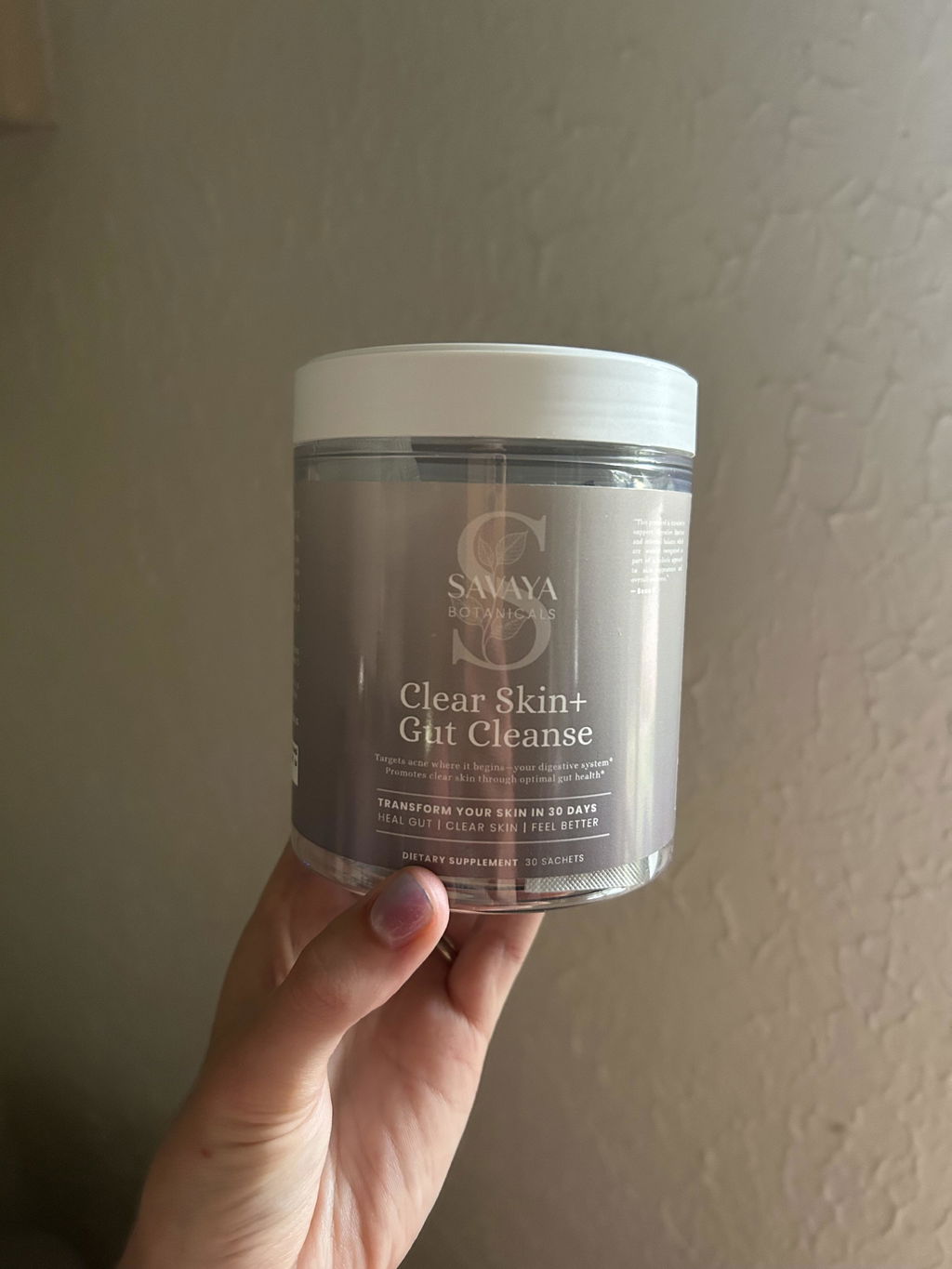
For women who want daily support, I often point them toward Clear Skin+ Max Detox, an acai-based detox blend that helps support the liver, gut, and skin barrier. And I almost always pair it with a barrier-repairing tallow cream at night, because while the inside is doing its work, the outside still needs to hold the line. For connective tissue support during the rebuild, bioavailable collagen support shortens the gap between feeling the change and seeing it in the mirror.
This is not a quick fix. It is the slowest, most reliable lever you have. Give it twelve weeks of consistent inputs and the conversation you have with your skin changes entirely.
• • •
Frequently Asked Questions
What are the first signs your liver needs support?
Morning grogginess, cyclical breakouts along the jaw and chin, pale or floating stools, a coated tongue, dark under-eye circles, and increasing sensitivity to alcohol, perfumes, or rich foods. These signs reflect sluggish phase I or phase II detoxification and stalled bile flow, not necessarily liver disease, and usually respond well to nutritional support.
How long does it take to see skin changes after supporting the liver?
Most women notice early changes (less puffiness, brighter eyes, fewer afternoon crashes) within two to three weeks. Skin clarity typically follows in six to twelve weeks, because skin cell turnover takes roughly 28 days and the deeper dermal layers need several cycles to reflect the work happening underneath.
Can I do the olive oil and lemon shot every day?
Yes, daily use is well tolerated for most adults. Start with one teaspoon and work up to one tablespoon. Take it on an empty stomach fifteen to twenty minutes before eating to give the gallbladder time to contract and release bile. Avoid if you have known gallstones without first speaking with a qualified practitioner.
What foods burden the liver the most?
Excess alcohol, ultra-processed seed oils, high-fructose corn syrup, and chronic exposure to artificial preservatives and dyes burden phase I and deplete glutathione. Constant low-grade exposure is often more damaging than occasional indulgence because it never gives the liver a chance to recover its antioxidant reserves between hits.
Is liver support safe during pregnancy or breastfeeding?
Aggressive detoxification protocols are not recommended during pregnancy or breastfeeding. Gentle nutritional support (cruciferous vegetables, beets, leafy greens, adequate hydration, and protein at every meal for amino acid conjugation) remains appropriate, but specific herbal liver formulas should be reviewed with your practitioner before adding them.