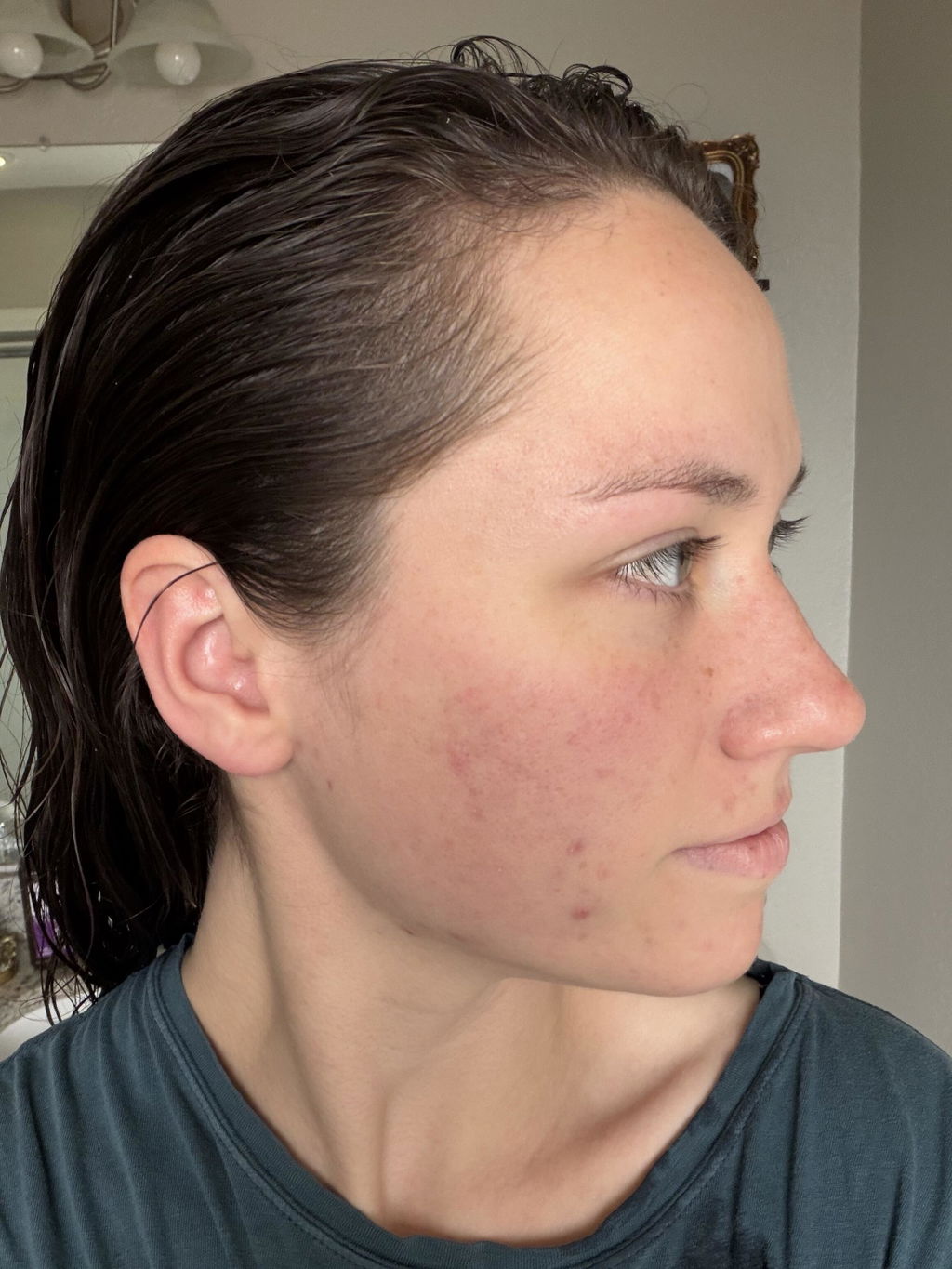
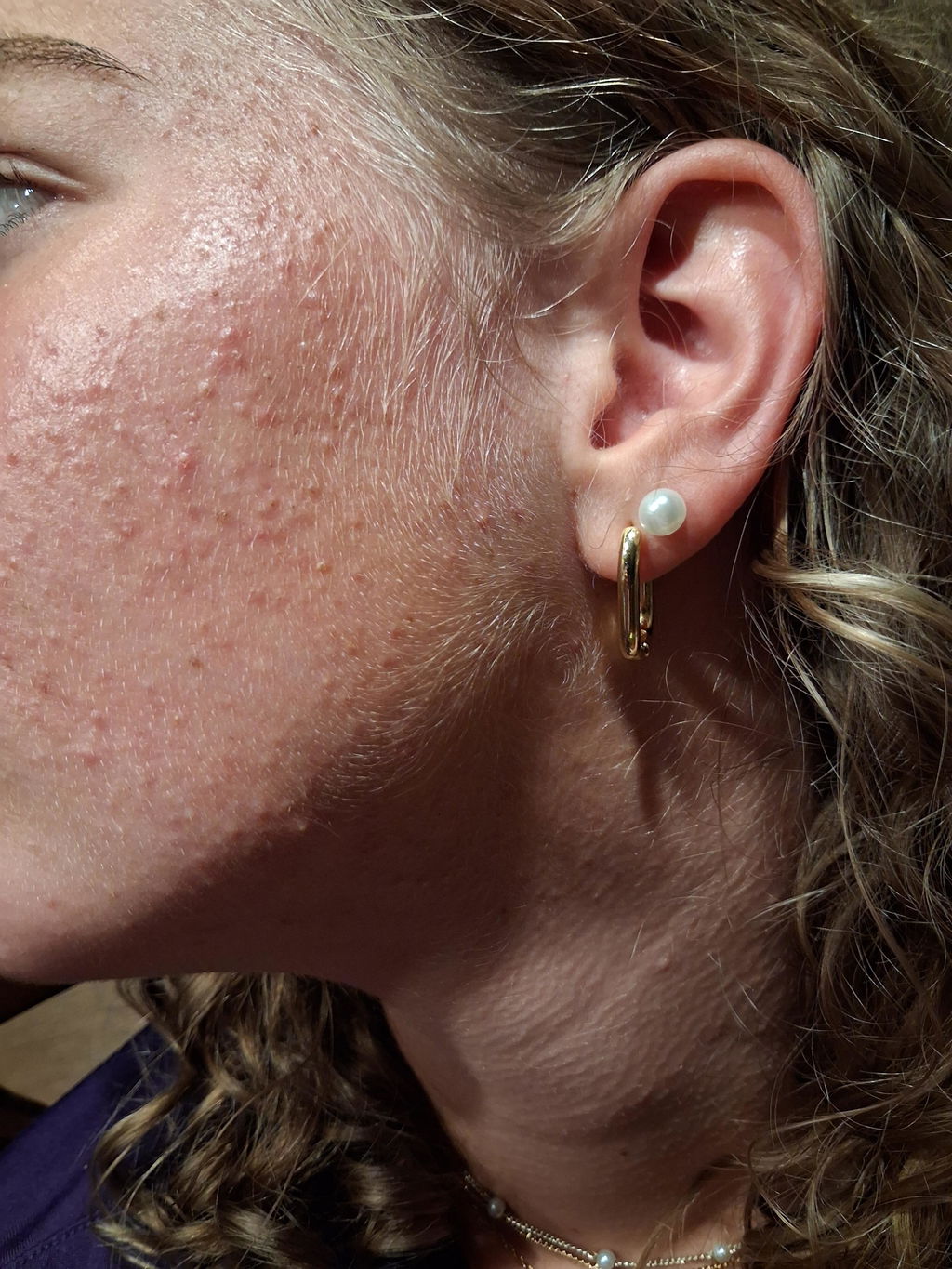
Here is something that drives me a little crazy. A woman walks into my practice with dry, dull, breakout-prone skin and tells me she drinks a gallon of water a day. Two gallons. Sometimes more. She is peeing every forty minutes and her skin looks the same as it did six months ago. She has been told for years that water is the answer. It is not. Not by itself. The advice is incomplete in a way that wastes years of effort.
Why "8 Glasses a Day" Was Never Real Science
The eight-glasses-a-day rule has no original research behind it. In 2002, kidney physiologist Dr. Heinz Valtin published a review in the American Journal of Physiology asking where the rule came from, and concluded there was no scientific evidence for it. The number was repeated until it sounded true.
Valtin traced the closest source back to a 1945 recommendation from the U.S. Food and Nutrition Board suggesting roughly 2.5 liters of water a day. Almost nobody quoted the rest of that sentence. Most of that water, the original report noted, comes from prepared food. The Institute of Medicine's 2004 report on water intake repeated the point in polite language. Total water comes from everything you eat and drink, and individual needs vary by climate, body size, activity, and diet.
In my practice, I see women drinking three, four, sometimes five liters of plain filtered water a day and feeling worse. Headachy by noon. Bloated. Skin still tight by 3 p.m. They are not dehydrated. They are flushing minerals out faster than they are putting them in. For a lot of women, the rule is not just wrong. It is actively making things worse.
Plain Water Is Not Hydration. It Is a Vehicle.
Hydration is the process of water crossing from your gut into your bloodstream, then into your cells, and staying there long enough to do something useful. Plain water without electrolytes does not complete that journey. It mostly passes through, taking minerals with it. Hydration is a transport problem, not a volume problem.
Your cells have tiny channels called aquaporins. Peter Agre won the 2003 Nobel Prize in Chemistry for discovering them. Water does not just diffuse into cells on its own. It is pulled in by an osmotic gradient, and that gradient is set by sodium, potassium, magnesium, and chloride. No minerals, no gradient. No gradient, no cellular hydration. You can drink a swimming pool and your skin cells will still be parched.
This is why endurance athletes who drink only plain water sometimes collapse with hyponatremia even though their bodies are full of fluid. The water is in the body. It is just not where it needs to be. Skin works on a slower timeline, but the mechanism is the same. Volume without minerals equals empty hydration. And there is a second problem hiding inside your water bottle that almost nobody talks about.
Mineral Water vs Filtered Water: What Reaches Your Cells
Reverse osmosis and most pitcher filters strip nearly every mineral out of water. The result is hypotonic water, meaning it carries fewer dissolved minerals than your blood. To absorb it, your body has to pull electrolytes from its own reserves. Over time, heavy filtered-water drinkers can develop low-level mineral depletion.
Mineral water is different. Real spring water carries calcium, magnesium, bicarbonate, sulfate, and trace amounts of dozens of other elements. Research on regular mineral water consumption has shown improved magnesium and calcium status compared with low-mineral tap water, particularly in women whose intake was marginal to begin with.
You do not need to import bottled Alpine water. A pinch of real sea salt in a glass of filtered water, a squeeze of lemon, and a small scoop of mineral-rich sea moss gel turns empty water into something your cells can actually use. The cost difference between filtered water and remineralized water is essentially nothing. The skin difference, after a few weeks, is not.
The Minerals Your Skin Cells Are Quietly Begging For
Skin needs magnesium, potassium, sodium, silica, zinc, selenium, and iodine to maintain hydration, sebum balance, and barrier integrity. Most U.S. women fall short on at least three of these. Putting them back in is often the fastest way to make skin look more hydrated, without changing water intake at all.
- Magnesium regulates over 300 enzyme reactions and helps convert essential fatty acids into the lipids that build your skin barrier. NHANES data consistently show that around half of U.S. adults consume less than the estimated average requirement.
- Potassium keeps water inside your cells. When potassium runs low, water leaks into the spaces between cells and shows up as puffiness instead of plumpness.
- Sodium is not the villain. The right amount signals your cells to hold onto water. Too little sodium combined with too much plain water is the classic setup for the puffy-yet-dry skin pattern I see weekly.
- Silica supports collagen crosslinking, which is what keeps skin firm and bouncy rather than crepey.
- Zinc and selenium regulate sebum and act as cofactors for the enzymes that calm inflammation in oily, acne-prone skin.
- Iodine drives thyroid function, and your thyroid sets the pace of every skin cell turnover.
This is where Wild Atlantic Irish sea moss earns its quiet reputation. It naturally carries 92 trace minerals from the ocean in a gel-like matrix your gut absorbs easily. It is the cleanest way I have found to put electrolytes back into water without flavored powders full of citric acid and sucralose.
Structured Water Sounds Magical. The Science Says Wait.
Structured water, sometimes called EZ water or fourth-phase water, is the idea that water can form ordered layers near certain surfaces and behave differently from regular water. The basic physics is real. The health claims sold around it are not yet supported by clinical evidence in humans.
The original research traces back to Dr. Gerald Pollack at the University of Washington, whose lab demonstrated that water near hydrophilic surfaces forms a so-called exclusion zone with unusual electrical and optical properties. Interesting science. Worth following. But there is currently no peer-reviewed clinical evidence that drinking water from a special vortexing pitcher hydrates your skin better than mineral water from a spring.
If a product needs a documentary to explain why it works, it usually does not.
Save your money for actual minerals. Eat more cucumbers, watermelon, and leafy greens. The water inside whole plants is already wrapped in the cofactors your body needs to use it.
Why Your Gut Decides How Much Water You Actually Absorb
Water absorption happens almost entirely in the small intestine and colon, and it depends on a healthy gut barrier and a balanced microbiome. With dysbiosis, increased intestinal permeability, or sluggish bile flow, you can drink three liters and absorb meaningfully less than someone with a calm, sealed gut drinking one.
Two specific mechanisms matter here. First, short-chain fatty acids, the postbiotic compounds your good bacteria produce when they ferment prebiotic fiber, directly stimulate sodium and water uptake through the colon wall. Low SCFA production means poor water absorption, no matter how full your water bottle is.
Second, chronic gut inflammation drives up zonulin, the protein that controls how tight your intestinal junctions stay. When zonulin is high, the gut barrier leaks, water and nutrient absorption become erratic, and inflammatory signals travel through the bloodstream to the skin. This is the gut-skin axis in one paragraph. The vagus nerve carries the conversation in both directions, and the HPA axis amplifies it under stress.
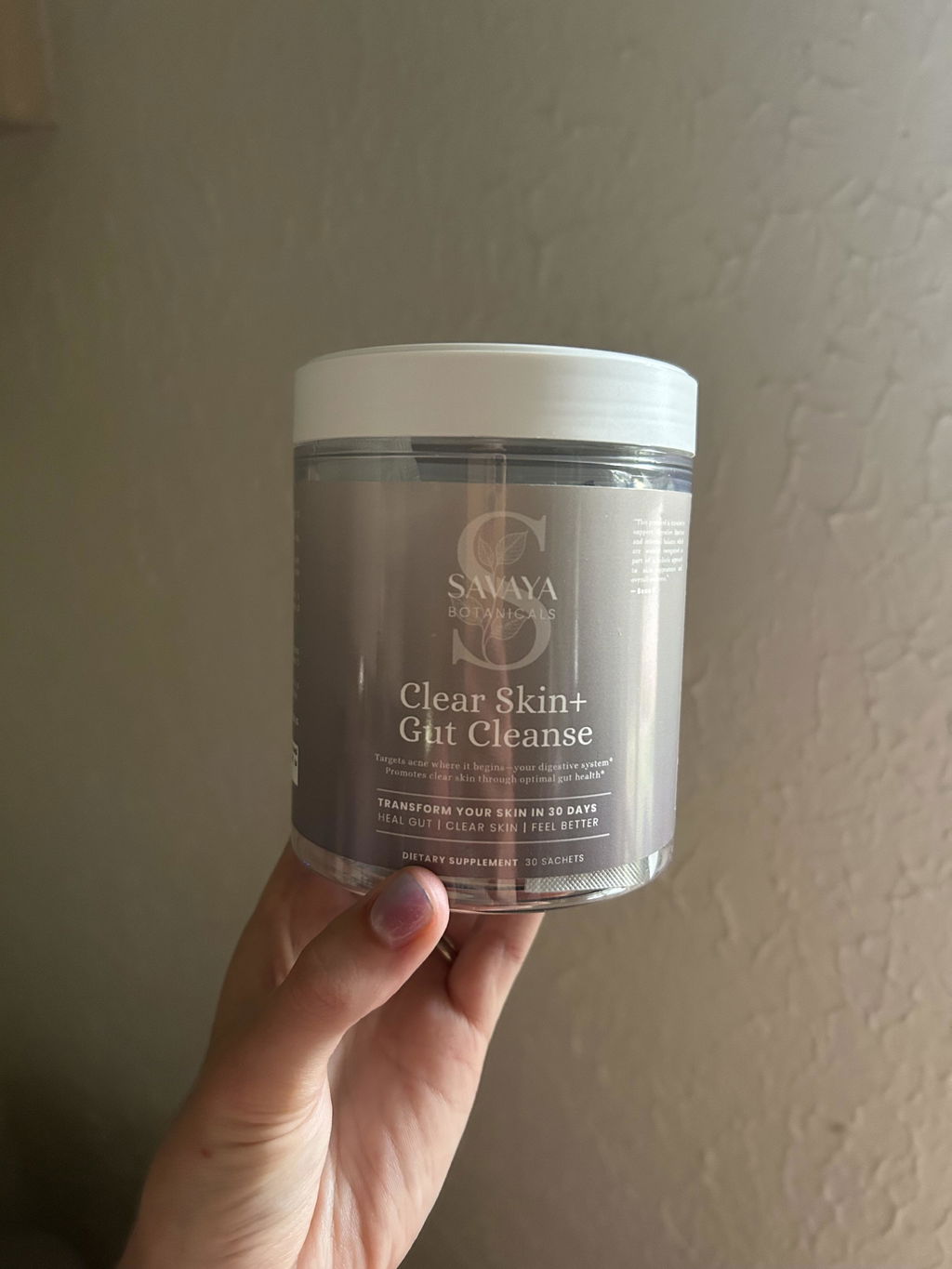
In my practice, women who do a targeted gut cleanse before changing anything about their water habits often report softer, less reactive skin within three to four weeks. The water did not change. The pipes did. For deeper or longer-standing skin concerns, many also add Clear Skin+ Max Detox, a daily acai-based blend that helps support healthy digestion alongside the gut work.
A Hydration Strategy That Actually Hydrates
A working hydration strategy combines moderate water intake, daily electrolyte replacement, a healthy gut, and water-rich whole foods. Most women feel and look more hydrated within ten days of doing this consistently, without forcing a single extra glass of water.
- Drink to thirst, not to a number. Aim for pale yellow urine, not clear. Clear urine means you are over-diluting your minerals.
- Mineralize your first glass of the day. A pinch of real sea salt, a teaspoon of sea moss gel, and a squeeze of lemon. This one habit changes more than anything else for most women.
- Eat your water. Cucumber, watermelon, oranges, lettuce, celery, berries, and cooked greens all deliver water bundled with potassium, magnesium, and natural sugars that pull fluid into cells.
- Stop sipping during meals. Diluting stomach acid weakens your ability to absorb the minerals in the food you just ate. Drink between meals instead.
- Repair the gut barrier. Without a calm, sealed gut, no amount of water will reach your skin in a usable form.
- Cut the daily diet soda. The phosphoric acid binds calcium and magnesium and pulls them out through your kidneys.
- Match electrolytes to sweat. If you exercise, sauna, or live somewhere hot, you need more sodium, not just more plain water.
- Support the structural layer. If your skin is also losing firmness, bioavailable collagen support gives the dermis the raw material it uses to hold water.
• • •
When Skin Needs More Than a Better Water Glass
If you have been doing everything right and your skin still looks dehydrated, the issue is rarely the water itself. Repairing the gut barrier with the deeper 12-week reset, remineralizing daily with sea moss, and protecting the outer lipid layer with a barrier-repairing tallow cream addresses hydration from the inside, the outside, and the channels in between.
Frequently Asked Questions
Does drinking more water actually clear up acne?
Not on its own. Acne is driven by inflammation, hormones, gut dysbiosis, and sebum quality, not by water volume. Plain water without minerals can even worsen skin in heavy drinkers by diluting electrolytes. Remineralizing your water and repairing the gut barrier matters far more for clear skin than chugging another liter.
How much water does my skin really need per day?
There is no single number. The Institute of Medicine puts total daily water intake for adult women around 2.7 liters from all food and drink combined, with at least 20 percent coming from food. For most women, that means roughly 1.5 to 2 liters of fluid, paired with daily minerals and water-rich foods like cucumber and leafy greens.
Can I just take an electrolyte powder instead of sea moss?
You can, but most commercial electrolyte powders contain only three or four minerals plus citric acid, sucralose, and artificial color. Sea moss carries a much broader spectrum of trace minerals in a food-based form, which the gut tends to absorb more gently. The two are not interchangeable.
How long does it take for hydration changes to show on the skin?
Most women I work with see softer texture and less afternoon tightness within ten to fourteen days of remineralizing their water and supporting their gut. Deeper changes in plumpness and tone, the kind tied to barrier repair and collagen, usually take eight to twelve weeks of consistent gut and mineral work.
Is filtered water bad for you?
Filtered water is not bad. It is just incomplete. Removing chlorine and contaminants is a good thing. The mistake is treating empty water as a complete hydration source. Add a pinch of real sea salt or a teaspoon of sea moss gel back in, and filtered water becomes something your cells can actually use.