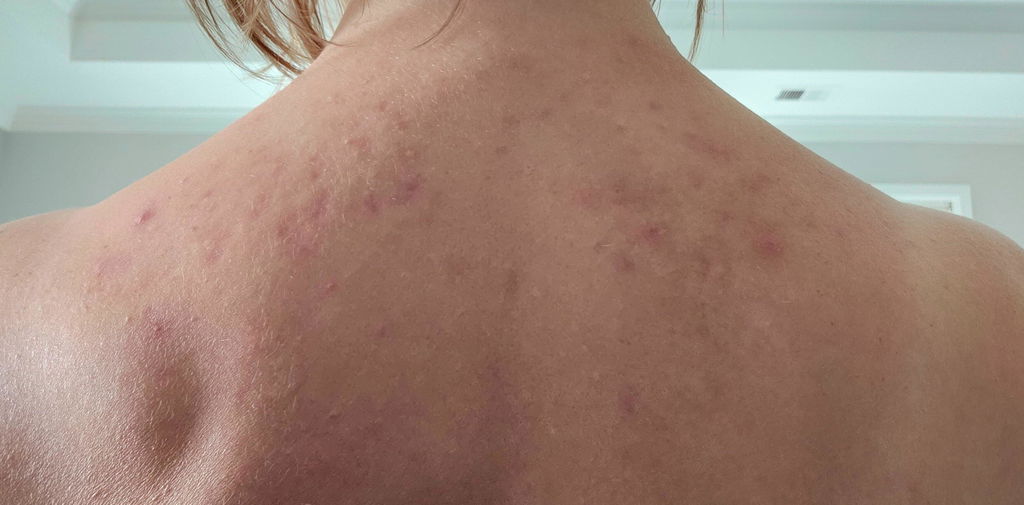
You wash your face. You use the right serums. You drink the water. So why does your skin still look angry the morning after a bad night? The answer is not on your bathroom shelf. It is in your gut, where a second clock is ticking, where most of your melatonin is actually produced, and where one stressful, sleep-starved night can crack open the barrier that protects your skin from the inside out.
The Gut Has Its Own Body Clock
Your gut microbiome runs on a 24-hour rhythm. The bacteria living in your intestines shift in composition, activity, and even physical location across day and night. When you sleep on schedule, they cycle properly. When you scroll until 1 a.m. for the third night in a row, that internal clock drifts, and so does your skin.
A landmark 2014 study by Thaiss and colleagues, published in Cell, showed that gut bacteria physically move closer to the intestinal lining at certain hours and pull back at others. Disrupt the host's sleep, and that choreography falls apart. The same paper linked microbial dysrhythmia to metabolic disease in mice and showed similar patterns in jet-lagged humans within days of crossing time zones.
In my practice, I see this pattern most often in night-shift nurses, new moms, and women going through perimenopause. Their gut symptoms and their skin symptoms always travel together. Bloating shows up the same week the chin acne does. That is not a coincidence. That is your microbiome telling you the clock is broken.
Your Gut Makes Roughly 400 Times More Melatonin Than Your Brain
Melatonin is not just a sleep hormone. The enterochromaffin cells lining your intestines produce melatonin in quantities estimated at around 400 times what your pineal gland makes. Researcher Gianluigi Bubenik described this gut melatonin pool in detail back in 2002, and follow-up work has only expanded the picture.
Gut melatonin does three jobs that matter for skin. It quiets local inflammation in the intestinal wall. It acts as a powerful antioxidant inside the gut lining, neutralizing the oxidative damage that drives dysbiosis. And it helps regulate the tight junctions between cells, the very seal that keeps inflammatory triggers out of your bloodstream.
When sleep is short, both pools fall. The brain pool drops because you went to bed too late. The gut pool drops because cortisol is competing for the same biological signals. Less melatonin in the gut means a leakier barrier, more oxidative stress, and a microbiota that drifts toward inflammatory species.
So what happens next? That is where one rough night turns into a visible flare.
How One Bad Night Cracks Your Gut Lining
A single night of restricted sleep elevates morning cortisol the next day. Leproult and Van Cauter documented this clearly in their sleep restriction work going back to the late 1990s. Chronically elevated cortisol does something specific to the gut. It loosens the tight junctions between intestinal cells, the protein seals that keep what is inside the gut, inside the gut.
When those junctions loosen, a protein called zonulin rises, and the barrier becomes more permeable. Lipopolysaccharides, the cell wall fragments of certain gut bacteria, can then translocate into the bloodstream. Your immune system reacts. Cytokines like IL-6 and TNF-alpha climb, a pattern Mullington and colleagues showed clearly in their sleep loss studies. This low-grade systemic inflammation has to land somewhere. Skin is one of the most visible places it shows up.
The downstream skin consequences are not subtle:
- Sebocytes, the oil-producing cells, become more sensitive to androgens and IGF-1, which sleep loss also elevates.
- Pore lining cells turn over faster and clump together, trapping oil.
- The skin barrier itself loses water more quickly. Transepidermal water loss measurably increases after poor sleep.
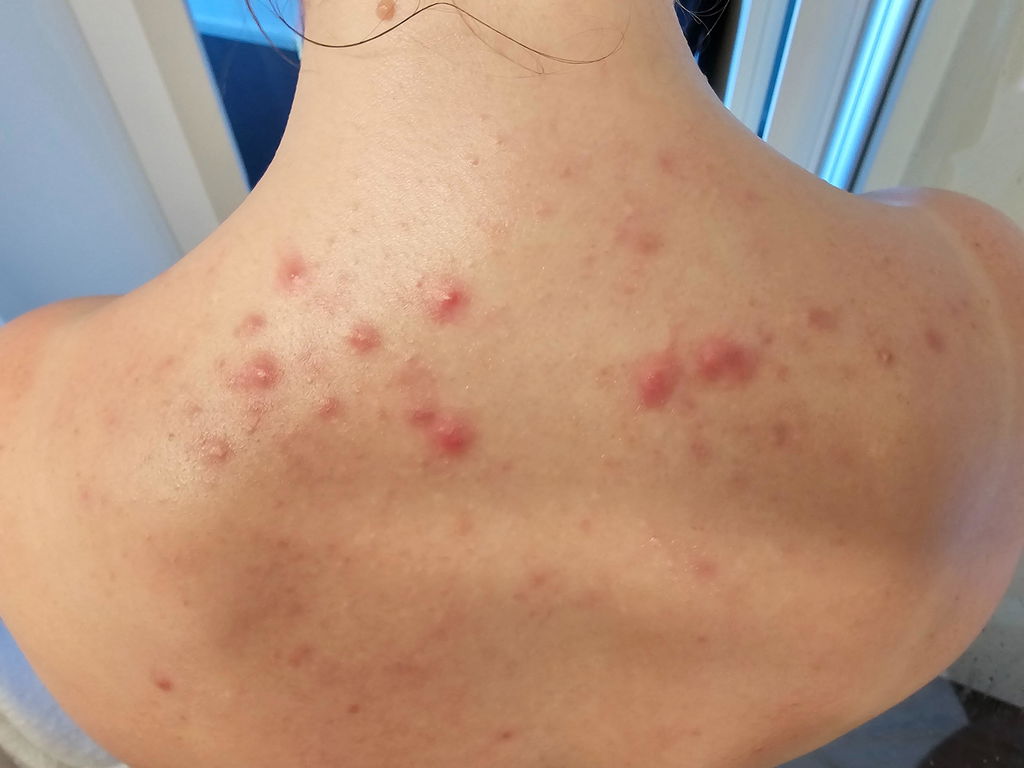
- Inflammatory acne lesions, the deep painful ones, become more likely than the simple blackhead variety.
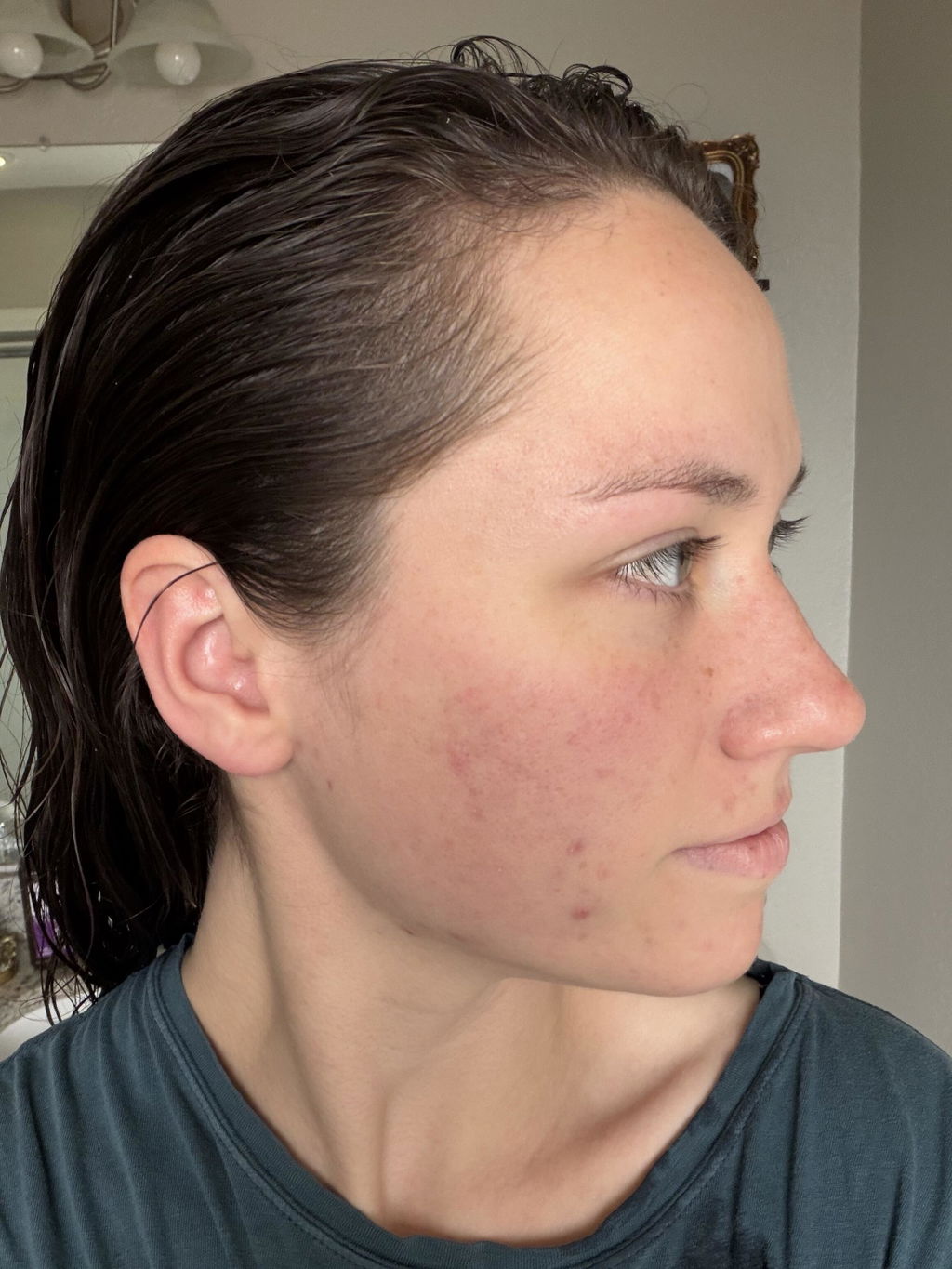
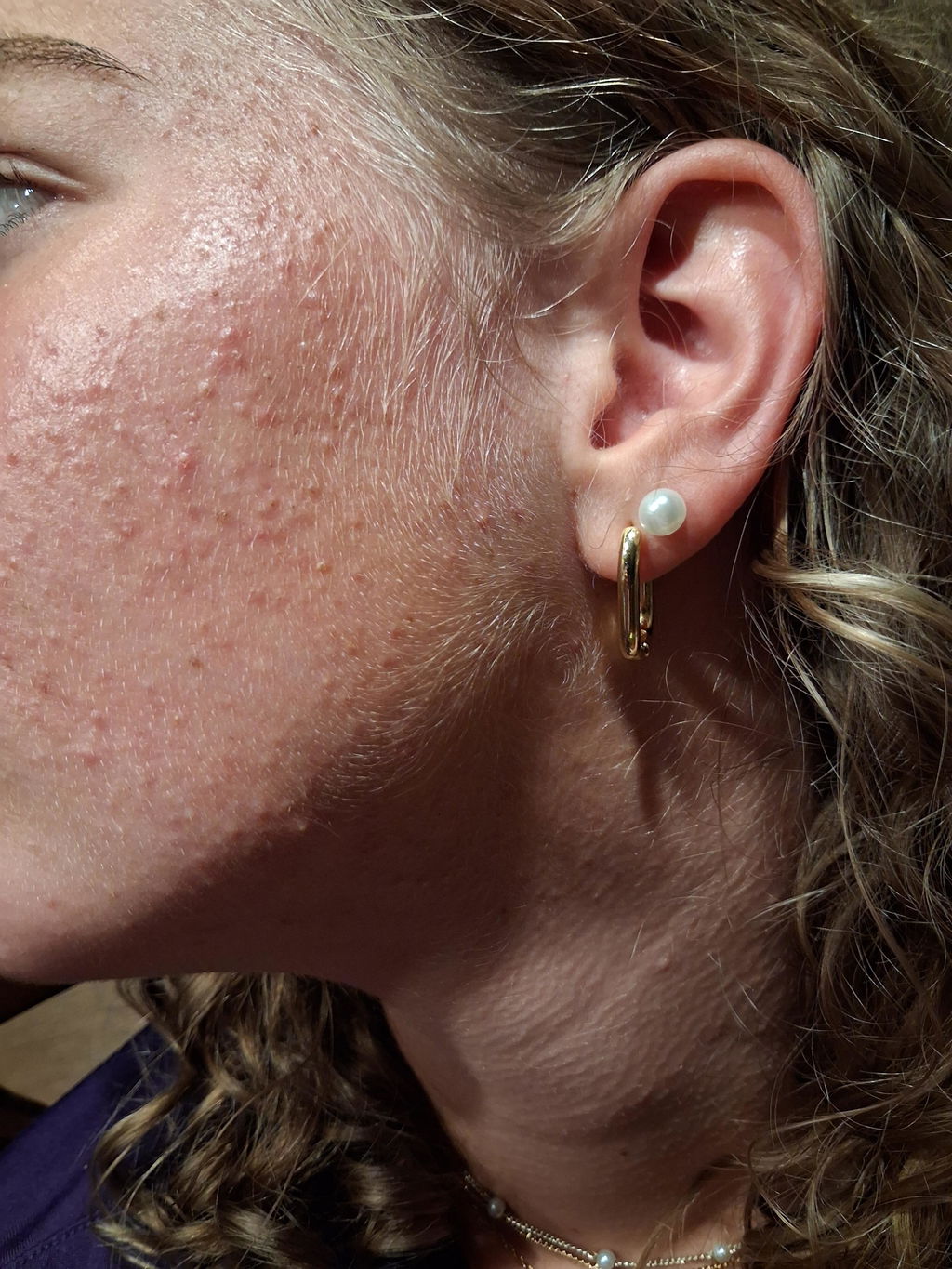
This is why someone running on five hours of sleep with high stress almost never has just "a little acne." They have hormonal-pattern breakouts, redness around the nose, and a tired, puffy look that no concealer fixes. The gut barrier is the hinge that swings the whole picture.
The Glymphatic System: Your Overnight Cleaning Crew
The glymphatic system was only described in 2012, by Maiken Nedergaard's team at Rochester. It is the brain's waste-clearance pathway, and it works almost exclusively during deep sleep. Cerebrospinal fluid flows through brain tissue and flushes out metabolic byproducts, including inflammatory proteins and beta-amyloid.
A 2013 paper in Science by Xie and colleagues showed that this clearance is up to roughly twice as efficient during sleep as it is while awake. Skip those deep sleep cycles and yesterday's inflammation does not get rinsed out. It lingers. You feel it as brain fog. You see it as facial puffiness, dull tone, and dark circles that no eye cream addresses.
The lymphatic system in your face works on a related principle. It drains best when you are horizontal and deeply rested. Short, broken sleep means stagnant fluid, which means a face that looks heavier and more inflamed by morning.
Your skin is not just waking up tired. It is waking up inflamed.
What The Research Actually Shows About Sleep and Acne
Studies on sleep quality and acne severity point in a consistent direction. Adults with poor sleep quality, measured with validated tools like the Pittsburgh Sleep Quality Index, tend to report more severe and more persistent acne than those who sleep well, even after adjusting for age and diet.
The mechanisms behind that association are well established, even when the specific human trials are smaller than we would like:
- Cortisol and androgens climb with sleep loss, increasing sebum production at the follicle.
- Insulin sensitivity drops within a few nights of restriction, raising IGF-1, a known driver of acne in clinical research.
- Inflammatory cytokines rise systemically, as shown in work by Mullington and colleagues on sleep deprivation and immune activation.
- Skin barrier repair slows, since most barrier regeneration happens during deep sleep, when growth hormone peaks.
- Vagus nerve tone weakens, dampening the anti-inflammatory signal that normally keeps the gut-skin axis calm.
None of this means a single late night will hand you cystic acne. But three or four nights a week of broken, shallow sleep, sustained over months, will almost always show up on your face. I have watched it happen in dozens of clients who could not figure out why their skincare suddenly "stopped working."
What the Gut-Skin Axis Needs at Night
The gut-skin axis describes the two-way conversation between your microbiome and your skin, carried by short-chain fatty acids, immune signaling, vagus nerve traffic, and circulating metabolites. At night, this conversation is supposed to quiet down, repair, and rebalance. Three things determine whether it actually does.
- Microbiome diversity. A diverse gut handles overnight metabolic stress better. A depleted one tips into dysbiosis under any pressure.
- Barrier integrity. Tight junctions need adequate magnesium, zinc, vitamin D, and butyrate (a postbiotic short-chain fatty acid) to stay sealed.
- Parasympathetic tone. The vagus nerve must shift you into rest-and-digest, or the gut never actually repairs.
If even one of these three is off, you wake up with the same skin you went to bed with, only puffier and slightly more inflamed.
An Evening Routine That Supports Both Sleep and Gut
This is what I walk clients through. None of it is fancy. All of it is mechanism-driven.
- Stop eating three hours before bed. Your microbiome needs a digestive rest window to do its overnight cleaning, similar to a small fasting period. Late eating shortens that window and disrupts microbial rhythm.
- Dim the lights after sunset. Blue and bright white light suppress melatonin production in both the pineal gland and, indirectly, the gut. Warm lamps only after 8 p.m. is a small habit with disproportionate returns.
- Take minerals, not stimulants, in the evening. Magnesium glycinate calms the nervous system. A small evening serving of mineral-rich sea moss delivers magnesium alongside the other trace minerals the gut barrier uses to repair overnight.
- Slow the nervous system on purpose. Four minutes of slow nasal breathing, with longer exhales than inhales, raises vagal tone. This is the cheapest gut-skin intervention in existence.
- Treat skin as a barrier, not a surface. After cleansing, seal the skin with something biologically compatible. I send clients to a barrier-repairing tallow cream at night because grass-fed tallow mirrors the lipid profile of human skin and supports overnight repair without disrupting the skin's own microbiome.
- Get into bed before 11 p.m. Cortisol naturally bottoms out around midnight in healthy rhythms. If you are still awake then, you miss the steepest drop, and the gut barrier never gets its full repair window.
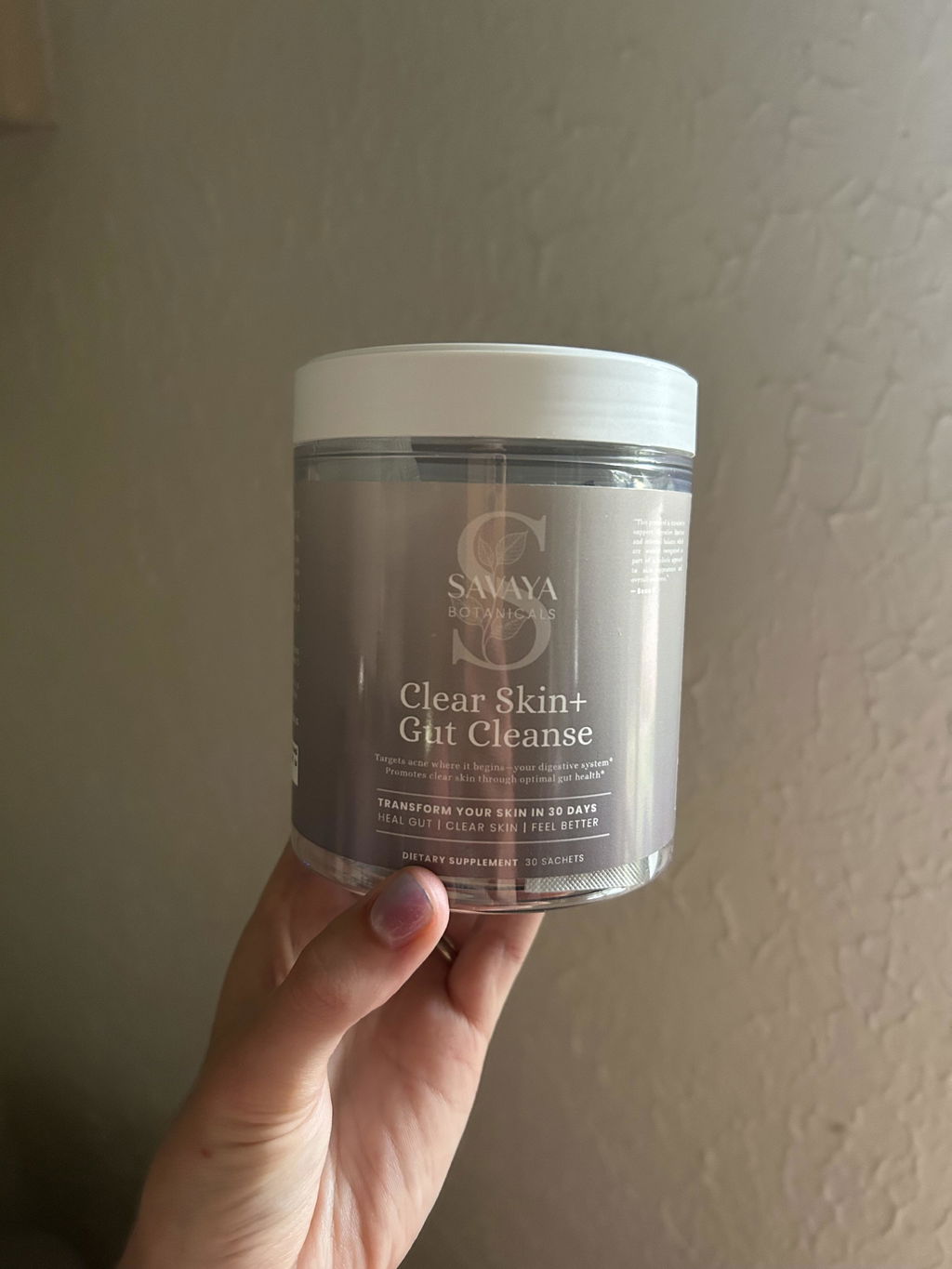
If your gut is already inflamed, no evening routine will fully compensate on its own. In that case, the routine works best alongside a targeted gut cleanse to bring the microbiome back into rhythm before you try to fine-tune sleep. For longer-standing skin issues, many of my clients pair their evening practice with Clear Skin+ Max Detox, a daily acai blend that helps support the gut-skin connection. And for those whose skin has thinned with age or stress, bioavailable collagen support in the evening gives the gut lining and the dermis the same building blocks at the same time.
If you have tried every cream and every cleanse and your skin still flares the week you slept badly, the work is not on your face. It is in restoring the rhythm between your gut and your sleep. Start with one or two of these habits, and consider the deeper 12-week reset if the inflammation is years deep.
• • •
Frequently Asked Questions
What is the gut-skin axis?
The gut-skin axis is the constant two-way signaling between your gut microbiome and your skin. Bacteria in your intestines produce short-chain fatty acids and other postbiotics that influence skin inflammation, sebum production, and barrier function. When the gut is dysregulated, the skin almost always reflects it within weeks.
Can lack of sleep really cause acne?
Sleep loss does not cause acne directly, but it drives every major mechanism behind it. Cortisol rises, IGF-1 climbs, inflammatory cytokines increase, and the gut barrier becomes more permeable. Together, these changes tip vulnerable skin into breakouts, especially around the jaw, chin, and lower cheeks.
How long does it take for better sleep to improve skin?
Most women I work with start seeing changes in skin tone and puffiness within two weeks of consistent 7 to 8 hour nights. Acne severity, especially inflammatory acne, usually takes 8 to 12 weeks to noticeably shift, because the deeper follicles take that long to fully repair and turn over.
Does melatonin help skin?
The melatonin your own body makes, both in the brain and the gut, is one of the most powerful antioxidants in human physiology. It supports overnight repair and quiets inflammation. Supplemental melatonin is a separate question and depends on individual needs. Restoring natural production through proper sleep timing usually comes first.
Is it safe to start a gut cleanse if I am already sleep-deprived?
It depends on how depleted you are. If you are running on five hours a night and high stress, focus on sleep first for two weeks before introducing a cleanse. A reset works best on a nervous system that has the resources to detoxify. Start with rest, then layer the protocol on top.