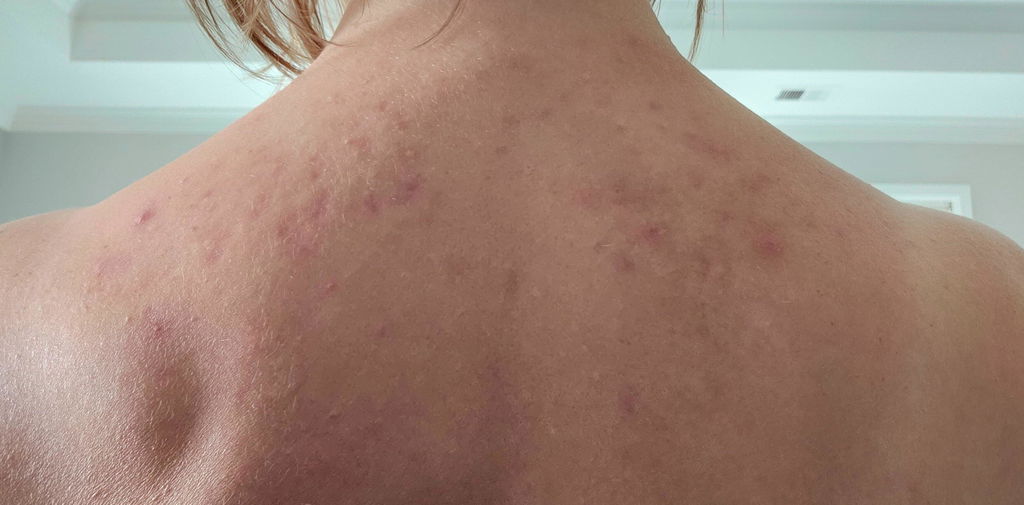
You've tried the serums. You've cut out dairy. You've spent more on probiotics than groceries. And your skin still breaks out in the same three spots. Here's what most skincare advice misses: when your liver runs out of room, your skin becomes the backup exit. Sometimes the problem isn't on your face. It's two inches below your ribs.
Why Your Skin Mirrors Your Liver
The liver is your body's primary detox organ. When it can't process the daily load of hormones, alcohol, medications, and metabolic byproducts, the burden shifts to secondary elimination routes: the kidneys, the gut, and the skin. That's why a struggling liver often shows up as chronic acne, dullness, or dark circles long before it shows up in standard bloodwork.
In my practice, the pattern is almost always the same with adult acne. Hormonal imbalance, gut dysbiosis, and an overworked liver. Three legs of the same stool. Fix one without the others and the breakouts come back within months.
What does an overloaded liver feel like? Sluggish mornings. Pimples along the jawline. A coated tongue. Estrogen that won't leave the building. The body whispers before it shouts. The question is whether you're listening.
Phase I and Phase II: How Your Liver Actually Detoxes
Liver detoxification happens in two sequential phases. Phase I uses cytochrome P450 enzymes to break down fat-soluble toxins. Phase II then attaches molecules like glutathione, sulfate, or glycine to those intermediate compounds, making them water-soluble so they can leave the body through bile, urine, or sweat. Both phases need different nutrients to function.
Here's where most "detox teas" miss the point. If you crank up Phase I without supporting Phase II, you create a backlog of partially processed intermediates that are often more reactive than the original toxins. Free radicals. Oxidative stress. Skin inflammation. This is the biochemistry textbook stuff that wellness influencers skip.
Phase I needs B-vitamins, antioxidants like vitamin C and E, and minerals like zinc and selenium. Phase II needs amino acids (especially glycine, cysteine, glutamine, methionine), sulfur compounds, and B12. Without both, you're stuck in the messy middle. That's where most detox protocols quietly fail.
What Happens When Your Liver Hits Its Ceiling
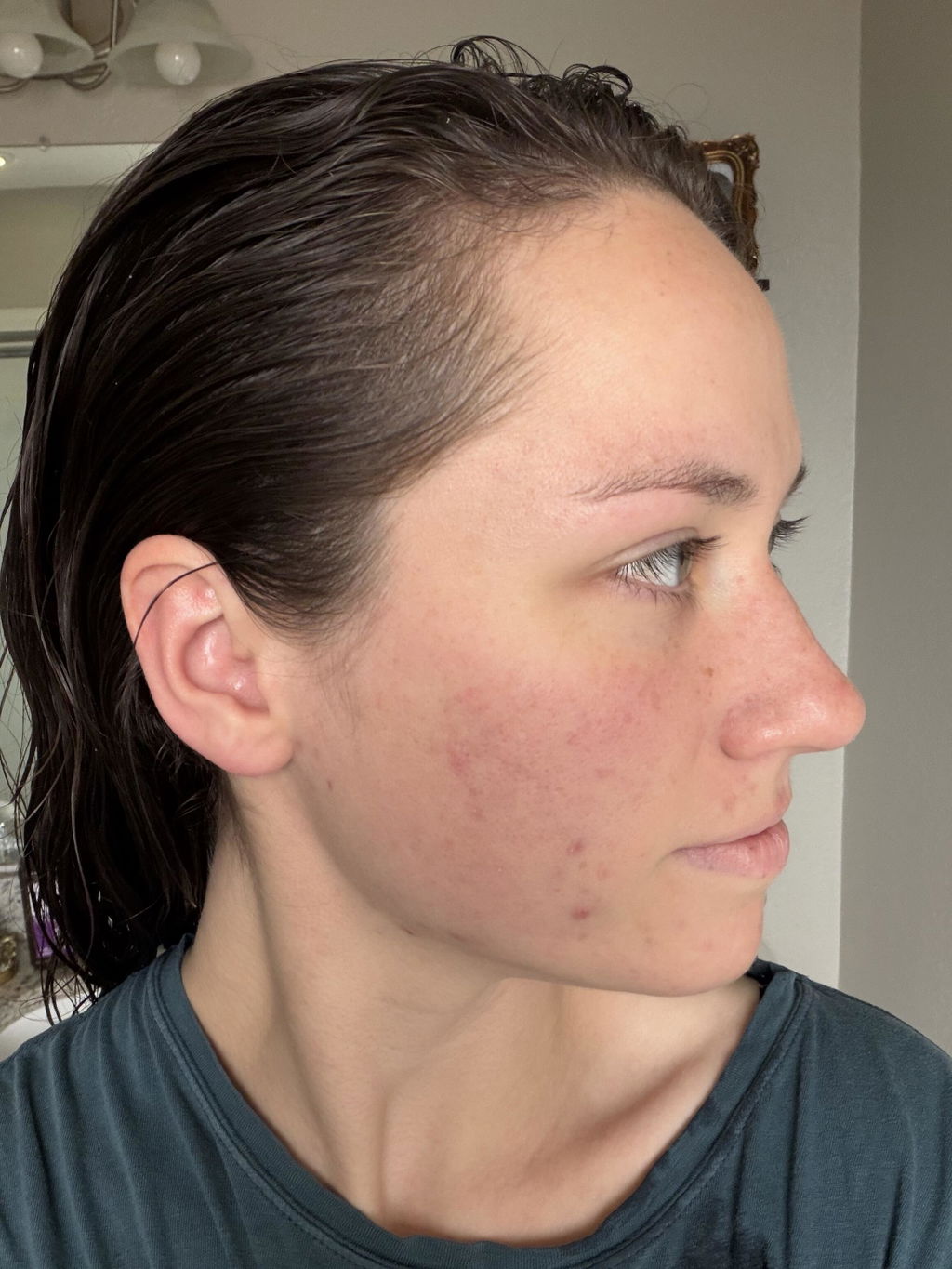
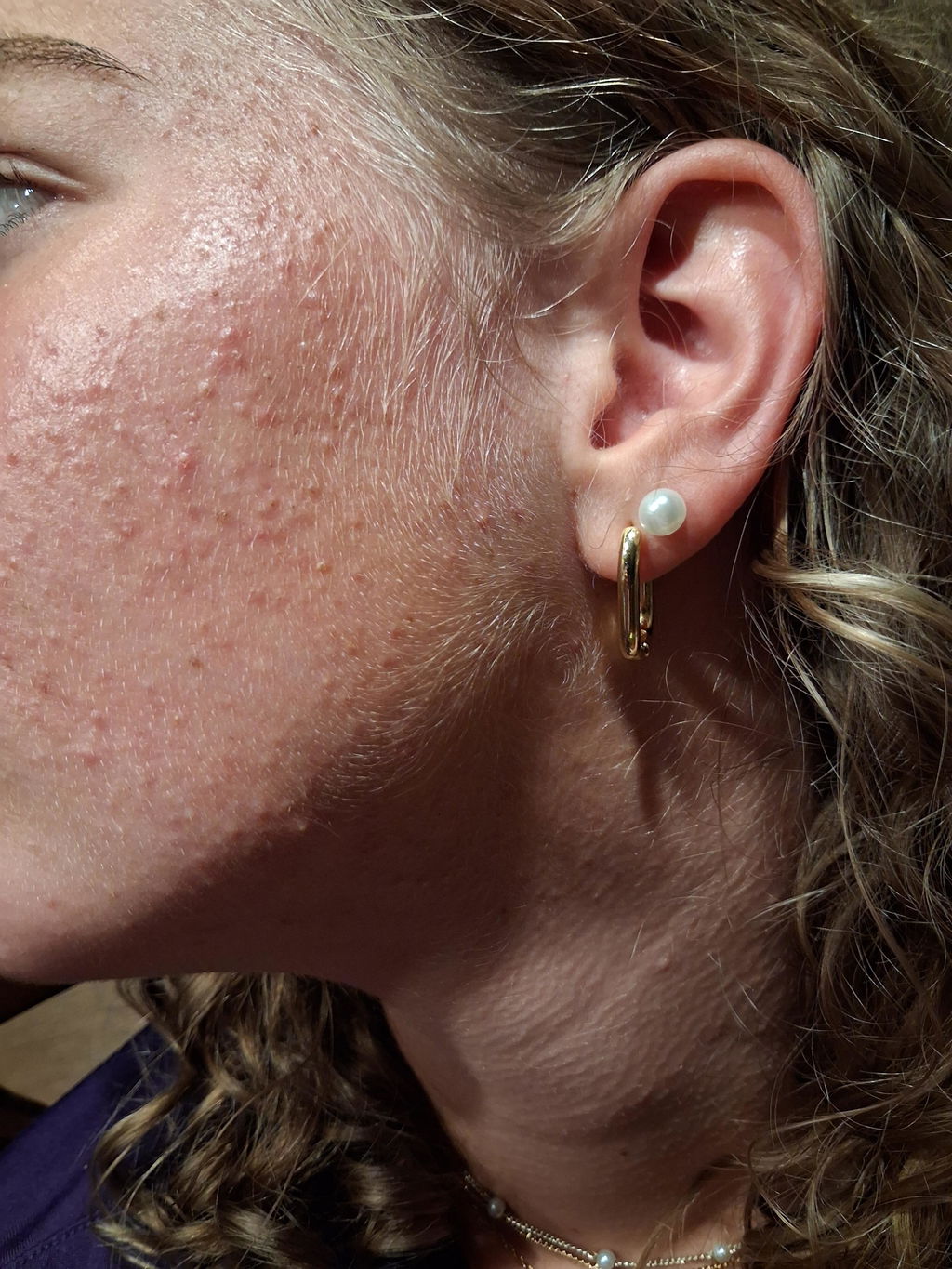
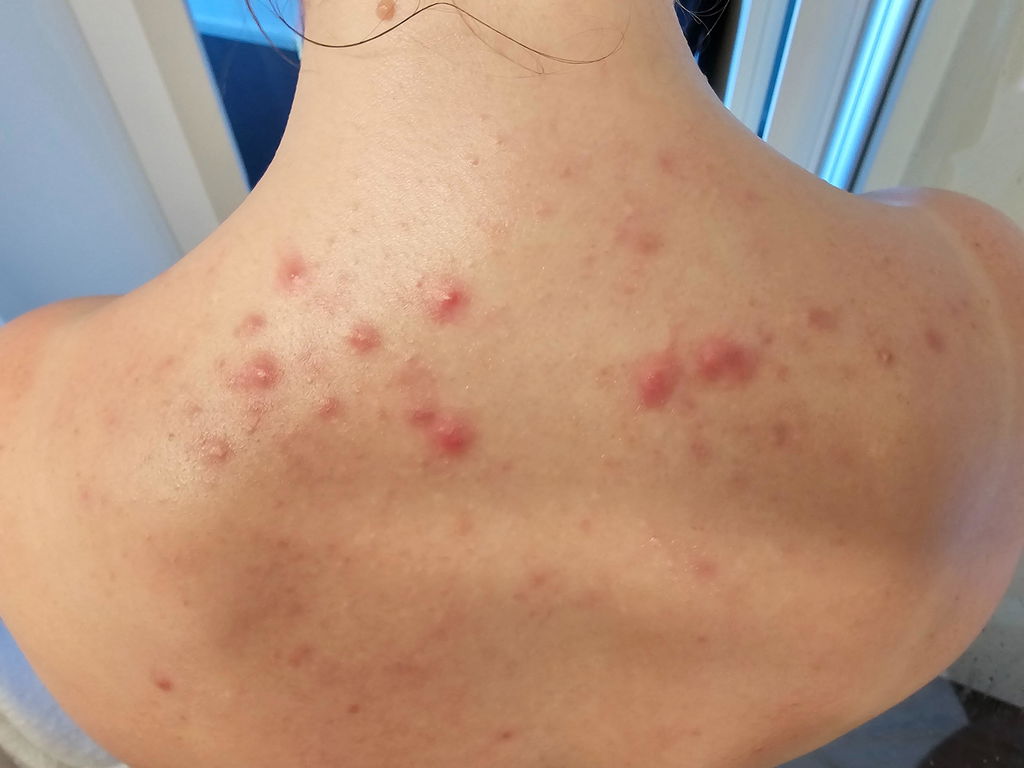
When the liver is overwhelmed, the body looks for backup exits. The skin is the largest organ and the most accessible escape route. Toxins, excess hormones, and inflammatory byproducts get pushed out through sebaceous glands and sweat. The result is congestion along the jaw and chin, dullness, and breakouts that flare with stress, alcohol, or hormonal shifts.
Estrogen dominance is the one I see most often. The liver methylates estrogen into safer forms for elimination through the gut. If methylation pathways are sluggish, estrogen recirculates instead of leaving. Hormonal acne. Heavy periods. Mood swings before your cycle. The skin tells the story your standard hormone panel may not catch.
This is where the inflammation cascade begins. Cortisol stays elevated longer than it should. The HPA axis stays stuck on high alert. Sebum production climbs. Sebocytes, the cells that produce skin oils, respond to androgens that the liver should have cleared. The breakouts you see in the mirror are downstream of a process that started in a sluggish detox organ.
Your skin is not the problem. It's the receipt.
The Foods That Wake Up a Sluggish Liver
Liver-supporting foods deliver the specific nutrients each detox phase needs. The three categories that matter most are cruciferous vegetables (for sulfur and indole-3-carbinol), beets (for betaine and nitrates), and bitter greens (for bile flow). Real food. Daily. Not a powder. Not a fad cleanse.
Cruciferous vegetables: broccoli, cauliflower, Brussels sprouts, kale, cabbage, arugula. Research on sulforaphane, the active compound concentrated in broccoli sprouts, shows it upregulates Phase II enzymes through the Nrf2 pathway. Johns Hopkins researchers led by Paul Talalay spent decades documenting this. Three to five servings a week, raw or lightly steamed, keeps the sulfur compounds intact.
Beets: high in betaine, which supports methylation and helps the liver process fats. Studies on beetroot have shown reductions in liver fat markers. Roast them, grate them raw into salads, or blend them into a morning juice. Beet greens count too. Don't toss them.
Dandelion: the root and the leaves both stimulate bile production. Dandelion tea before meals is one of the oldest liver tonics in herbal medicine. Bitter taste activates cephalic phase digestion. We've engineered bitterness out of the modern diet, and our livers are paying for it.
Other unsung heroes: artichokes, garlic, onions, turmeric, lemon, and quality animal protein for the amino acids Phase II actually runs on.
The Morning Olive Oil and Lemon Protocol
The morning olive oil and lemon shot is a simple ritual that supports bile flow and gentle liver stimulation. One tablespoon of extra-virgin olive oil mixed with the juice of half a lemon, taken on an empty stomach about twenty minutes before breakfast. The fat triggers gallbladder contraction. The acid supports digestive enzyme production. The combination is older than wellness culture.
I know it sounds like a social media fad. It's not. Mediterranean populations have done versions of this for centuries. The mechanism is well-understood. Bile is stored in the gallbladder and released when fat hits the duodenum. Olive oil is a clean, predictable trigger. Lemon adds vitamin C, which the liver uses in Phase I and which supports glutathione recycling.
Start small if you have a sensitive stomach. A teaspoon of oil with a squeeze of lemon for the first week. Build to a full tablespoon. If you have known gallstones, skip this protocol and check with a practitioner first.
Does this replace a deeper reset? No. But it's a daily nudge in the right direction, and most of my clients notice less morning puffiness and steadier digestion within two to three weeks.
Bile: The Forgotten Link Between Liver and Gut
Bile is the bridge between your liver and your gut microbiome. Made in the liver, stored in the gallbladder, released when fat enters the small intestine, bile emulsifies fats, carries fat-soluble waste out of the body, and shapes which bacteria thrive in your lower gut. Sluggish bile means sluggish digestion, dysbiosis, and skin issues. The loop closes on your face.
Research on bile acid signaling through the FXR and TGR5 receptors has reshaped how we understand gut-liver communication. Bile acids are not just digestive juice. They're signaling molecules that influence inflammation, glucose metabolism, and the gut barrier itself. When bile is healthy, the gut is calmer. When bile is sluggish, intestinal permeability rises, and inflammatory molecules travel.
When bile flow is poor, fats aren't properly digested. Fat-soluble vitamins (A, D, E, K) aren't absorbed. The gut becomes hospitable to opportunistic bacteria and yeast. Dysbiosis sets in. Short-chain fatty acid production drops. And the gut-skin axis lights up with low-grade inflammation that often shows up as acne, eczema, or rosacea.
This is why a smart approach combines liver support with gut work. A targeted gut cleanse alongside bile-supporting foods often clears skin faster than either intervention alone. The two organs were never meant to be treated separately.
Signs Your Liver Is Asking for Help
Most liver overload signs show up long before liver enzymes change on a blood test. The most common signals I see in practice are: persistent fatigue (especially 1-3am wake-ups), jawline and chin acne, a coated white tongue in the morning, sensitivity to alcohol or caffeine, and unexplained skin dullness. Any three of these together is worth taking seriously.
Other clues:
- Bitter taste in the mouth on waking
- Yellow-tinged sclera (the whites of the eyes)
- Trouble digesting fatty foods or feeling nauseous after them
- Hormonal acne that flares the week before your period
- Floating, pale, or greasy stools
- Chemical sensitivities to perfumes or cleaning products
- Brain fog that lifts after sweating, sauna, or movement
- Skin that bruises easily or heals slowly
If you're nodding through this list, your liver is not broken. It's overworked. There's a real difference. The fix isn't a juice cleanse. It's consistent, layered support over weeks and months.
For deeper work, I often recommend pairing daily food upgrades with the deeper 12-week reset and 92 trace minerals from the ocean to replenish what stress and modern food strip out. Minerals are the spark plugs of the entire detox system. Without them, the enzymes don't fire.
How to Build a Real Liver-Skin Reset
A real reset is not a weekend juice fast. It's twelve weeks of consistent inputs: bitter foods at every meal, cruciferous vegetables daily, quality protein for the amino acids Phase II needs, mineral-rich hydration, and a reduced toxic load (alcohol, processed seed oils, fragranced personal care). Boring on paper. Powerful in practice.
Sleep is non-negotiable. The liver does the heaviest detox work between 1am and 3am. If you're regularly awake during that window, your liver is likely asking for help. Magnesium glycinate before bed often helps. So does cutting caffeine by 2pm. So does eating your last meal three hours before sleep.
Sweat matters. Sauna, hot yoga, brisk walks. Sweat is one of the few ways the body excretes heavy metals and lipophilic toxins. Two or three sweat sessions a week move the needle. While the deeper work happens internally, a barrier-repairing tallow cream supports the skin from the outside so it doesn't crack while the inside is rebuilding.
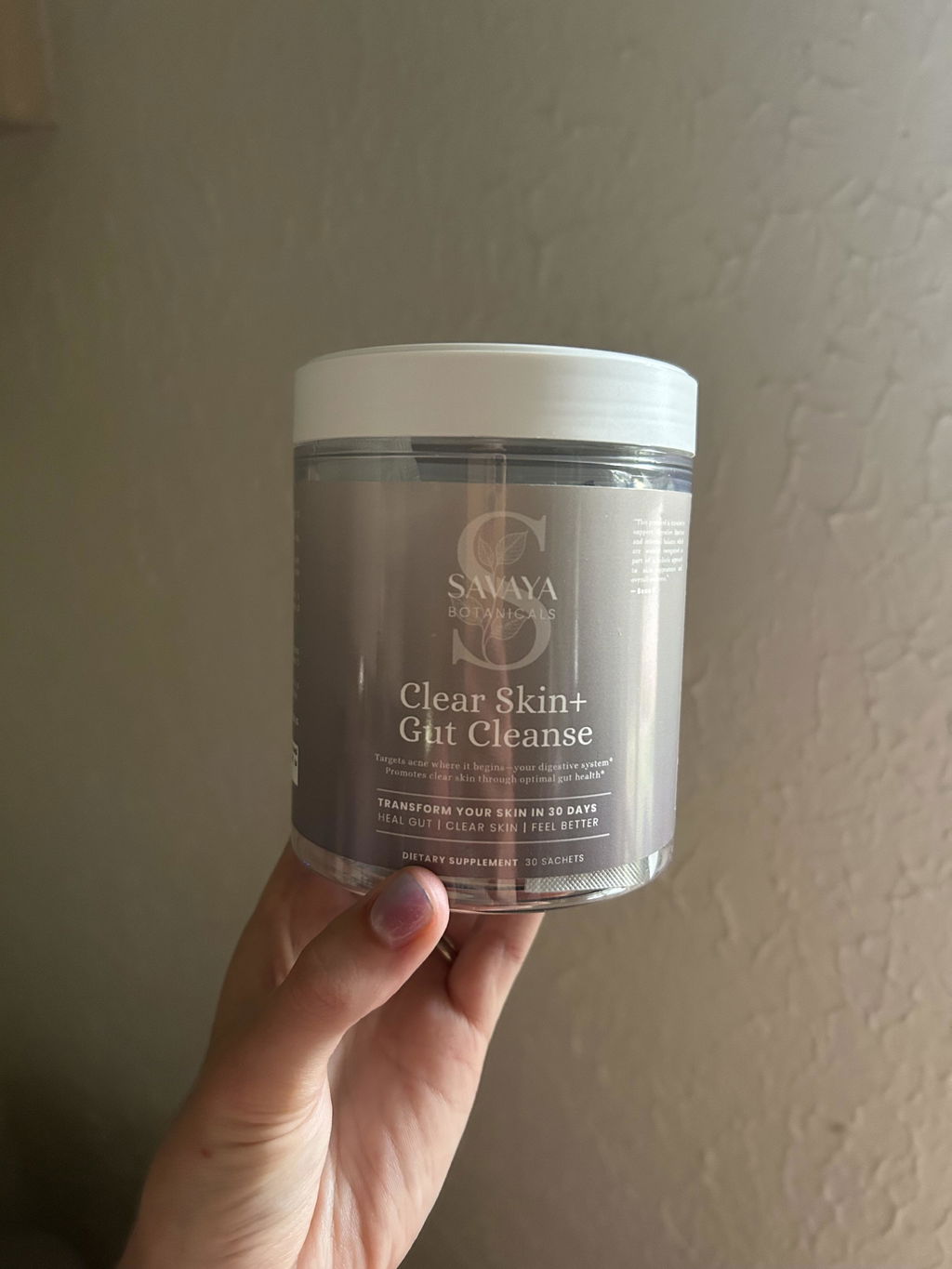
If you want a simple daily addition, Clear Skin+ Max Detox is an acai-based blend that supports liver, gut, and skin health as part of a broader routine. Mechanism first. Patience second. Skin follows.
• • •
If you've been chasing topical solutions for years, this is the layer most acne advice quietly skips. Start with one liver-loving meal a day and a morning oil-and-lemon shot. Add bioavailable collagen support if your skin barrier feels thin. The skin you want is downstream of organs you've never been taught to nurture.
Frequently Asked Questions
What does an overloaded liver look like on the skin?
Jawline and chin acne, dull complexion, dark under-eye circles, and breakouts that flare with stress, alcohol, or hormonal shifts. These are the most common skin signals I see in practice when liver pathways are sluggish. They often appear before liver enzymes ever move on a standard blood test.
How long does it take to support liver function through food?
Most women notice changes in energy, digestion, and morning puffiness within two to three weeks of consistent liver-supporting foods. Skin clarity usually takes eight to twelve weeks, because skin cell turnover is roughly 28 days and clearing congestion takes multiple cycles to fully resolve.
Is the morning olive oil and lemon shot safe for everyone?
It's safe for most people. Skip it if you have known gallstones, are on medications that interact with citrus compounds, or have a very sensitive stomach. Start with smaller amounts (a teaspoon) and build up. Listen to how your body responds in the first week before going daily.
Can I support my liver while on hormonal birth control or other medications?
Food-based liver support is fine alongside most medications because real food is what your body uses anyway. Avoid aggressive herbal detox protocols without practitioner guidance, since some herbs can affect how medications are processed through the same Phase I enzymes your medication relies on.
Why do my breakouts get worse when I start detoxing?
This is sometimes called a healing reaction. As the liver mobilizes stored toxins, they enter circulation before being eliminated. Skin can flare for one to three weeks. Slow the protocol, increase hydration and fiber, and support elimination through sweat and daily bowel movements until the wave passes.