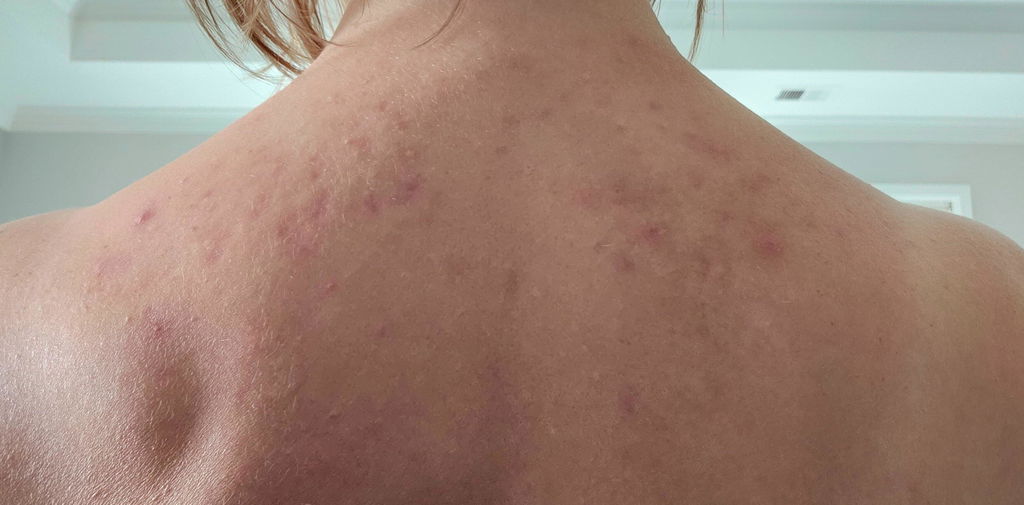
Your skin is the largest organ in the body. But it is also the backup exit. When your liver runs out of room to process toxins, those toxins find another door. The pores. That is why so many women try a dozen serums, swap their cleanser three times, and still wake up to inflamed, congested, breakout-prone skin. The real conversation has to start a few inches deeper. Right behind your right ribs.
What the Liver-Skin Connection Actually Means
The liver-skin connection refers to the way hepatic detoxification pathways directly influence what shows up on your face. The liver filters everything from hormones to environmental toxins. When it cannot keep up, the skin steps in as a secondary excretory organ. That is when you see breakouts, dullness, and chronic inflammation in the mirror.
In my practice, I see women who have spent years treating their skin from the outside. Cleansers. Acids. Retinols. Lasers. The results never last because the inflammation is being generated from within. The liver processes roughly two quarts of blood per minute. It is the body's primary filter. So when the filter clogs, the body looks for another exit. Skin and lungs become the relief valves.
What I find frustrating is how rarely conventional dermatology connects the two. The skin clinic treats the symptom. The liver remains the unaddressed cause. And the woman keeps spending money on the surface while the real driver hides in plain sight.
Phase I Detoxification: When Toxins Get Activated
Phase I detoxification is the first step the liver takes to neutralize fat-soluble toxins. Enzymes called cytochrome P450, or CYP450, chemically alter the toxin so it can be processed further. This step actually creates highly reactive intermediates. Without adequate antioxidants on board, those intermediates can be more harmful than the original toxin.
Phase I uses oxidation, reduction, and hydrolysis to break down what comes in. Alcohol. Pesticides. Excess estrogen. Metabolized medications. Caffeine. The CYP enzymes do the heavy lifting, and they need a long list of cofactors. B vitamins. Magnesium. Selenium. Glutathione. When those run low, the system slows. When the system slows, toxins recirculate. And recirculation always shows up on the face first.
Here is the part most articles skip. Phase I alone does not finish the job. The molecules it produces are still toxic. Often more reactive than what came in. They need Phase II to be neutralized and shipped out. If Phase II cannot keep up, the partially detoxed molecules float around the bloodstream and oxidize cell membranes. That is when the real inflammation starts.
Phase II Detoxification: The Bottleneck Most Women Hit
Phase II detoxification is where the activated toxins from Phase I get conjugated. The liver attaches them to molecules like glutathione, sulfate, or glucuronic acid so they become water-soluble and can leave through bile or urine. This is the step where most overwhelmed livers stall out, and it is where chronic skin issues are quietly born.
There are six core Phase II pathways: glucuronidation, sulfation, glutathione conjugation, methylation, acetylation, and amino acid conjugation. Each one requires specific nutrients. Glutathione depends on cysteine, glycine, and glutamate. Methylation needs B12, folate, and choline. Sulfation needs sulfur amino acids like those found in cruciferous vegetables and eggs.
When one pathway slows, the others have to work harder. Modern life is loaded with conjugation demand. Hormones from food and personal care products. Pesticides. Plastics. Medications. Alcohol. Caffeine. Most women are running their Phase II pathways at full capacity by their early thirties without realizing it.
The result? Toxins accumulate in fat tissue and skin. The body tries to help by pushing them out through pores. Welcome to chronic acne, melasma, and that exhausted greyish skin tone nothing seems to fix.
When the Liver Is Overloaded, Your Skin Takes the Hit
When the liver is overloaded, toxins cannot leave through bile and urine fast enough. The body activates secondary detox routes: sweat through the skin and exhalation through the lungs. Skin becomes a backup organ. The result is congestion, oxidative stress in the dermis, and inflammation that triggers sebum overproduction.
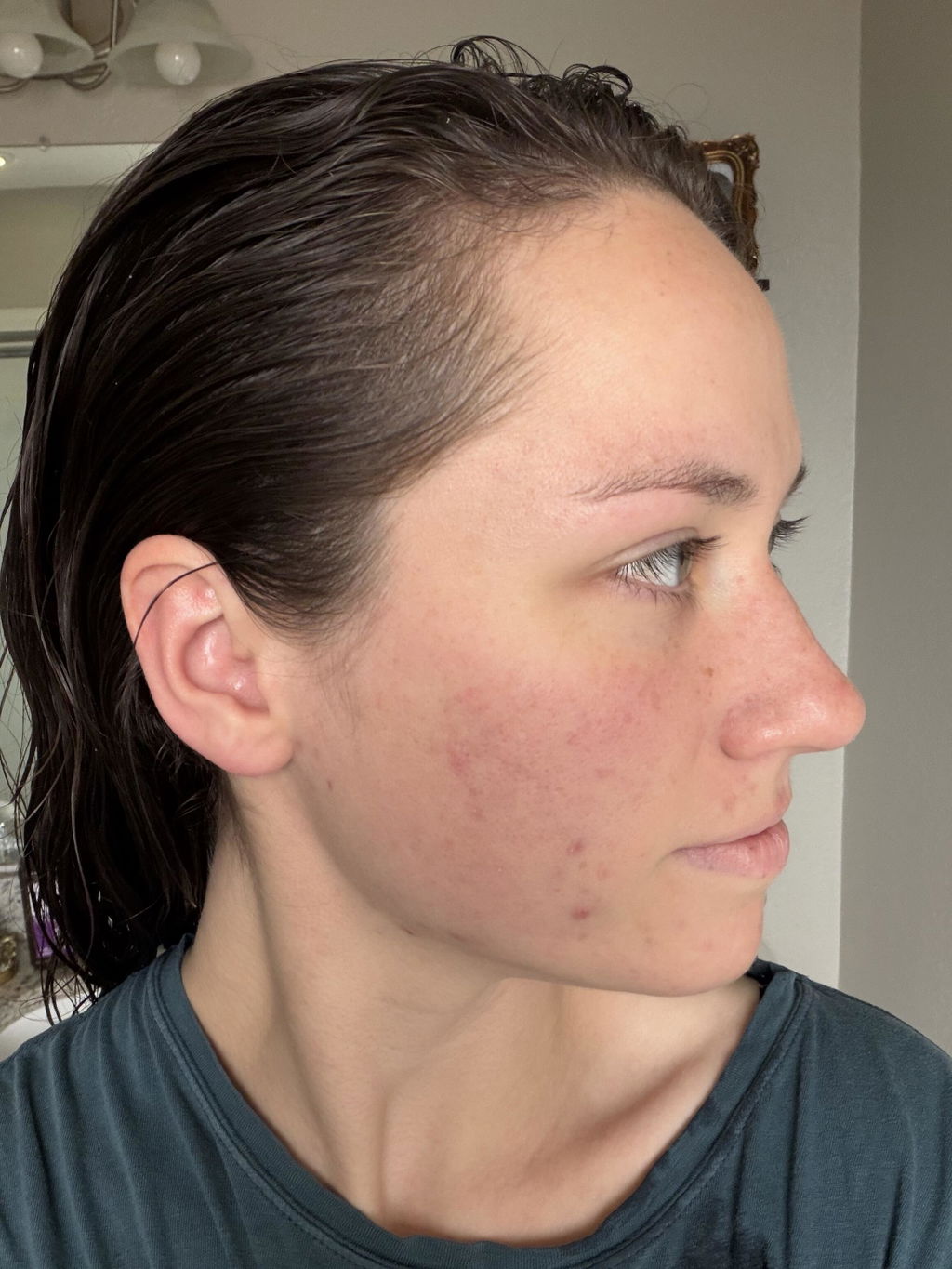
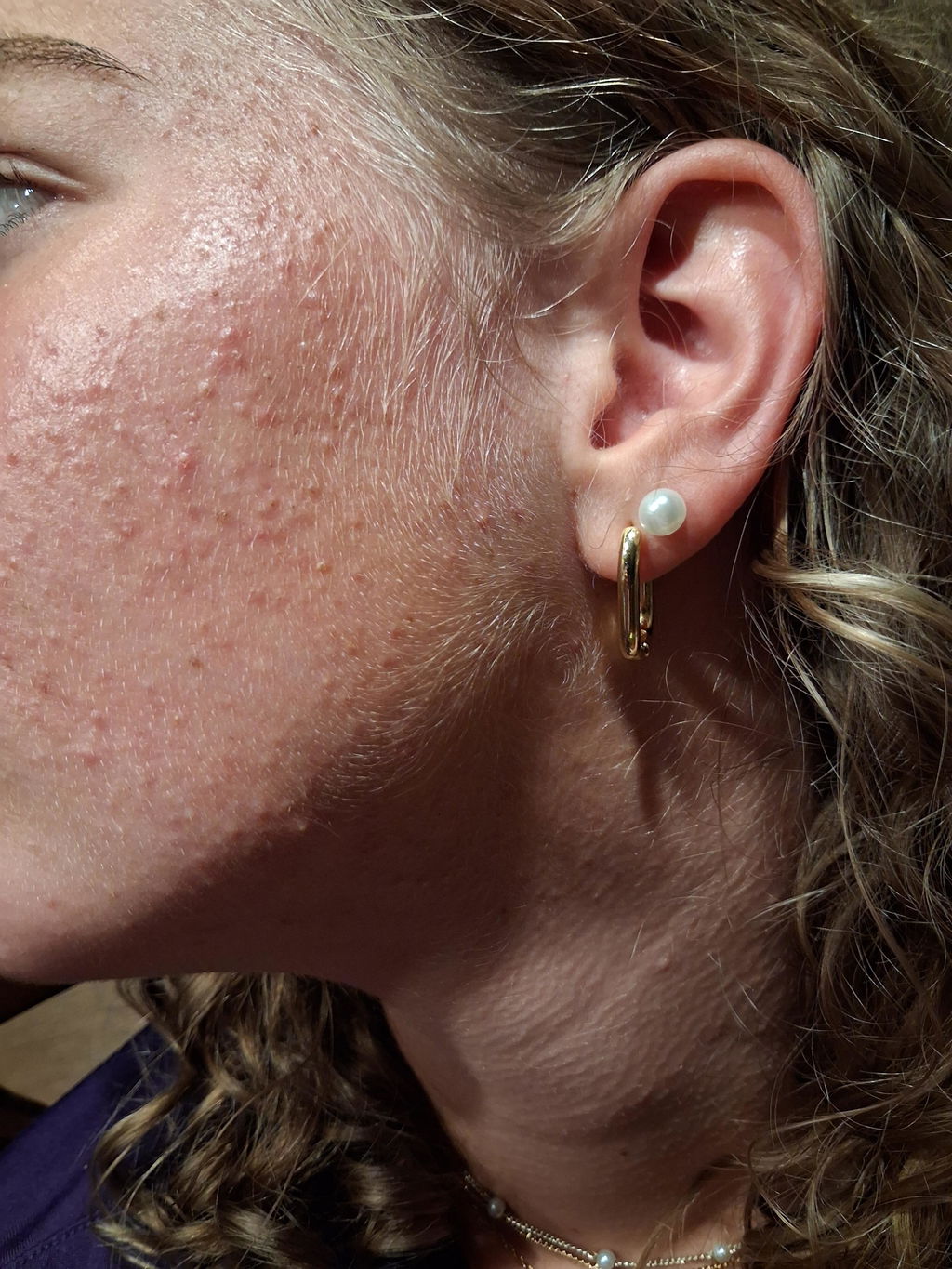
What I see most often in my practice is the same pattern. A woman in her thirties comes in with cystic jawline acne, mid-afternoon energy crashes, and bloating after meals. She has tried every skincare routine she could find online. Her bloodwork looks "normal." But her liver is silently asking for help.
The skin is the mirror of the liver. When the filter clogs, the face is where the body writes the note.
When you push toxins through skin, several things happen at once. The skin barrier weakens. Sebum chemistry changes. Inflammation rises. The microbiome on the skin shifts toward acne-promoting strains. The same systemic inflammation that disrupts the gut barrier also drives breakouts. The gut-skin axis and the liver-skin axis are really the same conversation. While you rebuild the liver, supporting the surface helps. A barrier-repairing tallow cream at night gives the skin something nourishing to work with while the deeper system catches up.
Bile Production and Why Your Gut Cares
Bile is the river of liver detoxification. The liver produces between 600 and 800 milliliters of bile per day. It carries conjugated toxins, excess hormones, and cholesterol metabolites out of the body through the intestines. Without enough bile flow, those toxins get reabsorbed in a process called enterohepatic recirculation. Which means they end up right back in your bloodstream.
Bile also does double duty in the gut. It emulsifies fats so you can absorb fat-soluble vitamins like A, D, E, and K. It signals through receptors called FXR and TGR5 that regulate inflammation and insulin sensitivity. And it shapes the microbiome. Bile acids selectively suppress problematic bacteria and feed beneficial strains that produce short-chain fatty acids.
When bile flow is sluggish, you get the cascade. Fat malabsorption. Floaty pale stools. Dysbiosis. Constipation. Intestinal permeability. Inflammation that travels back to the skin. This is one of the most overlooked drivers of stubborn breakouts in women who eat clean but still struggle with their face. A targeted gut cleanse can be a useful early step here because clearing dysbiosis takes the burden off bile and gives the liver some breathing room.
7 Signs Your Liver Is Asking for Support
Your liver does not have many pain receptors, so it whispers before it shouts. The signals show up everywhere else first. Skin changes, mood swings, hormonal symptoms, digestive issues, and energy crashes are often the earliest indicators. Most women miss them because they look like normal life stress. They are not.
Here are the patterns I see most often:
- Jawline and chin acne that worsens around your cycle.
- Bloating, especially after fatty meals.
- Pale, floating, or greasy-looking stools.
- Brown spots on the face or backs of the hands (melasma).
- Mid-afternoon energy crash around 3 PM.
- A stronger reaction to alcohol, with one or two drinks now hitting harder than they used to.
- Skin that looks dull, yellowish, or grey by late afternoon.
If three or more of those resonate, your liver is not broken. It is just running over capacity. The good news is the liver regenerates remarkably well when you reduce the inputs and add the cofactors. Some women see skin shifts within four to six weeks of consistent support.
Foods That Actually Support Liver Detox
The most effective liver-supporting foods feed specific Phase II conjugation pathways. Cruciferous vegetables drive glucuronidation. Beets support methylation. Bitter greens stimulate bile flow. None of these are exotic, and the research is solid. You do not need a fancy detox kit. You need a few of these on your plate every single day.
Cruciferous vegetables. Broccoli, cauliflower, Brussels sprouts, kale, and arugula all contain glucosinolates that the body converts into indole-3-carbinol (I3C) and sulforaphane. Both compounds upregulate Phase II enzymes and help the liver clear excess estrogen, a major driver of hormonal acne. Research from Johns Hopkins on sulforaphane has shown a strong effect on supporting glutathione production and Phase II enzyme induction.
Beets. Beets are rich in betaine, a methyl donor that supports homocysteine metabolism and the methylation pathway. They also contain betalains, antioxidants that protect liver cells from oxidative stress. Roasted, juiced, or grated raw into a salad, they work.
Dandelion. Dandelion root and leaf have been used as cholagogues for centuries. They gently stimulate bile flow, which is exactly what most sluggish livers need. A daily mug of dandelion root tea after meals is one of the simplest interventions I recommend.
Other quiet heroes: artichoke (cynarin), lemons (citric acid stimulates bile), turmeric (curcumin upregulates Phase II), and garlic (sulfur for conjugation). And then there is the mineral side of liver work. Phase II enzymes are mineral-hungry. Selenium, zinc, magnesium, and molybdenum are all required cofactors. Mineral-rich sea moss is one of the densest plant sources of the trace minerals these enzymes need to keep up with modern toxic load.
The Morning Olive Oil and Lemon Shot
The morning olive oil and lemon shot is a simple ritual that gently stimulates bile flow and primes Phase II detoxification before food enters the system. One tablespoon of cold-pressed extra virgin olive oil with the juice of half a lemon. Taken on an empty stomach. That is the whole protocol.
Here is why it works. Olive oil contains oleic acid, which prompts the gallbladder to contract and release bile. Lemon provides citric acid and limonene, both of which support liver enzyme activity and bile flow. Together they nudge the entire detox river forward before breakfast even starts.
In my practice, this is one of the first things I have women try. It is gentle. It is cheap. It is sustainable. Most women feel a difference within a week. Less bloating after meals. Clearer skin by the second week. More regular bowel movements within days.
A few practical notes. Use only high-quality extra virgin olive oil. The cheap stuff has been refined and oxidized, which defeats the purpose. Squeeze fresh lemon, not bottled juice. Wait fifteen to twenty minutes before eating. And give your body two to three weeks of consistency. Detox pathways respond to rhythm, not heroic one-off efforts.
For women with gallbladder disease or a history of gallstones, start with one teaspoon, not a full tablespoon. The bile release is real, and a sluggish gallbladder needs a slow ramp.
Once the morning shot is a habit and the food side is in place, the next layer is the deeper reset. Clear Skin+ Max Detox is a daily acai-based blend that helps support the body's natural detox pathways alongside targeted botanicals and minerals. For women whose skin stays irritated no matter what they try, it's one more piece I walk women through alongside the gut and skin barrier work I cover separately.
• • •
Clear skin is downstream of a clear liver. Support the filter first, and the face usually follows.
Frequently Asked Questions
What does the liver have to do with acne?
The liver processes hormones and toxins. When it cannot keep up, excess hormones and inflammatory compounds recirculate in the bloodstream and exit through the skin. The pores become a backup detox channel. This is why hormonal acne often clusters along the jawline and chin, where the body tries hardest to push toxins out.
How long does it take to clear skin through liver support?
Most women notice early shifts within three to four weeks of consistent liver support. Visible skin changes typically arrive between six and twelve weeks. The liver regenerates quickly, but skin cells turn over on a 28 to 40 day cycle, so the surface always lags behind the internal repair.
Can I do a liver detox if I have hormonal acne?
Hormonal acne is often a sign your liver needs help clearing excess estrogen and other hormones. Gentle, food-based liver support is usually one of the most effective places to start. Avoid harsh or fast cleanses. They mobilize toxins faster than the liver can process them, and breakouts often get worse before they get better.
Is the morning olive oil and lemon shot safe to take daily?
For most women it is gentle and safe to take daily. If you have a history of gallstones or gallbladder disease, start with one teaspoon instead of a full tablespoon, and check in with a practitioner before increasing. The shot stimulates bile release, which is exactly the response you want, but a sluggish gallbladder needs a slow ramp.
Why do my breakouts get worse before they get better?
This is sometimes called retracing. When the liver starts moving stored toxins out faster than the skin and gut can clear them, the surface temporarily flares. It usually settles within two to three weeks. Drinking more water, adding fiber, supporting bile flow, and going gentler on the protocol all help.