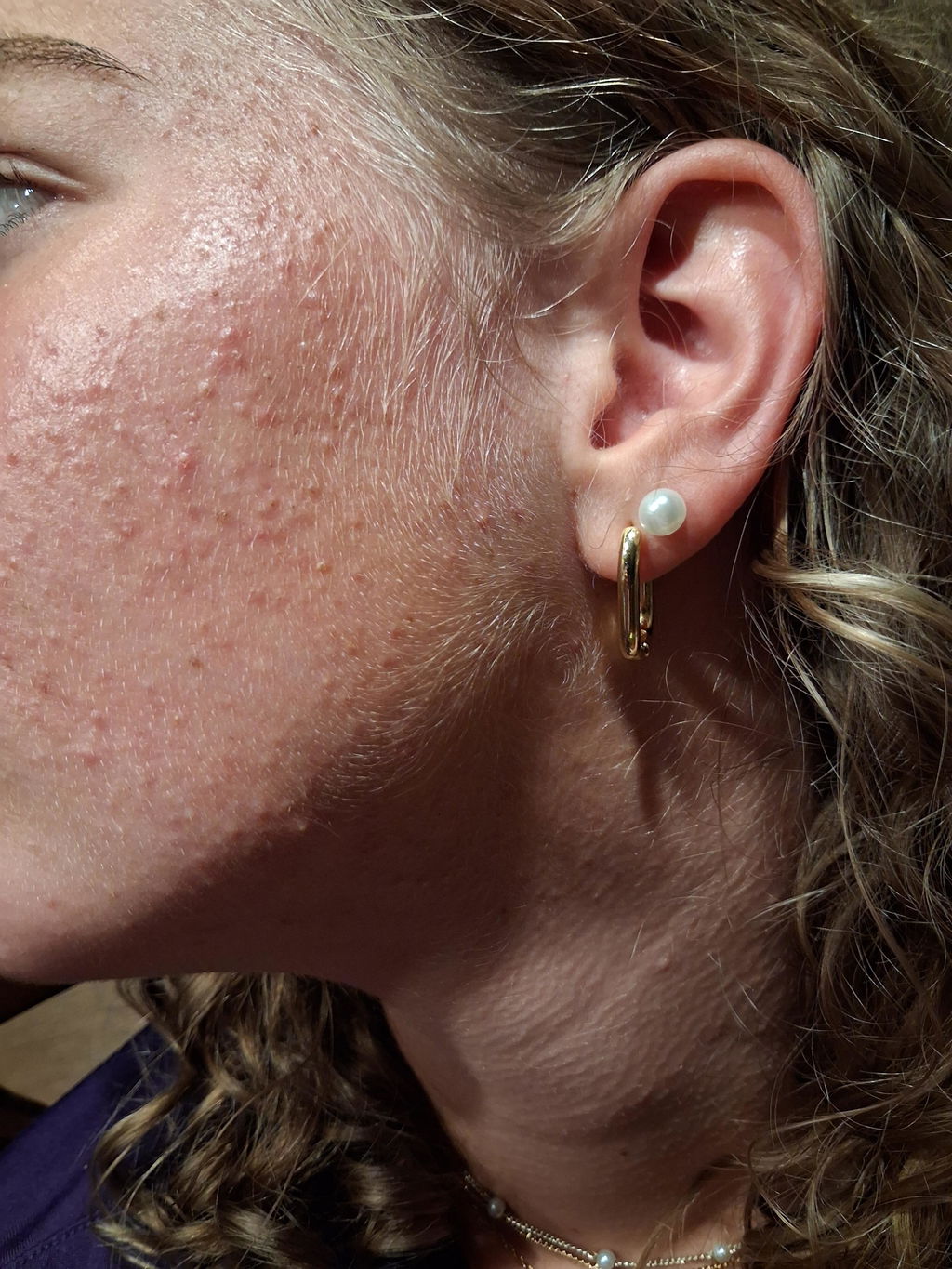
Your skin is talking. Loud, actually. And most of the time, we hand it another serum and tell it to hush.
I spent years doing that. Ten step routines. Prescription creams. A drawer full of half-used bottles that promised the world and delivered a nice smell. Then I learned that the skin on my face was basically a bulletin board for what my gut was posting, and everything changed.
These are the seven signs I wish someone had explained to me a decade ago. If you see yourself in three or more, your skin is not the problem. It is the messenger.
Sign 1: Chronic acne that laughs at your topicals
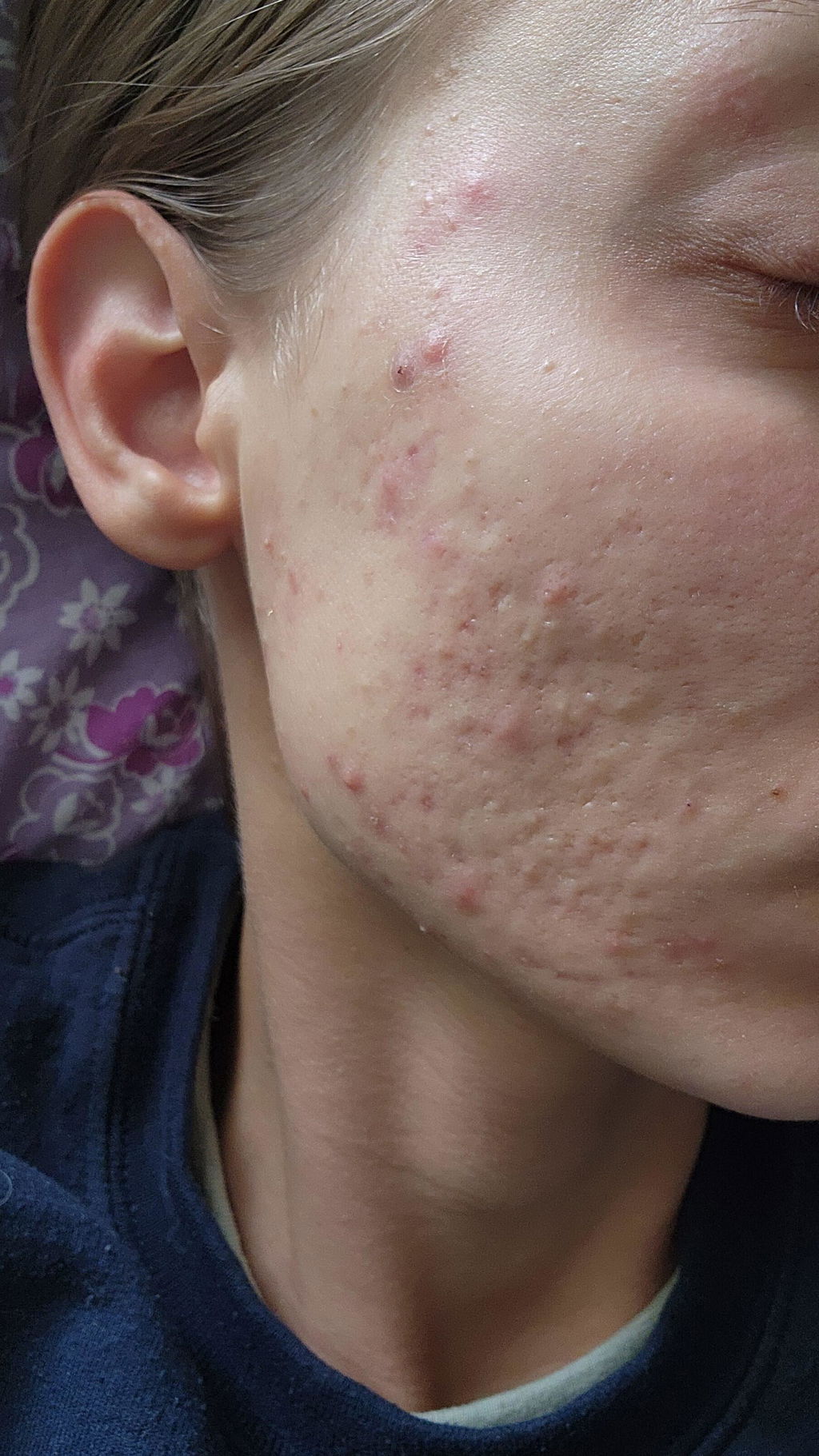
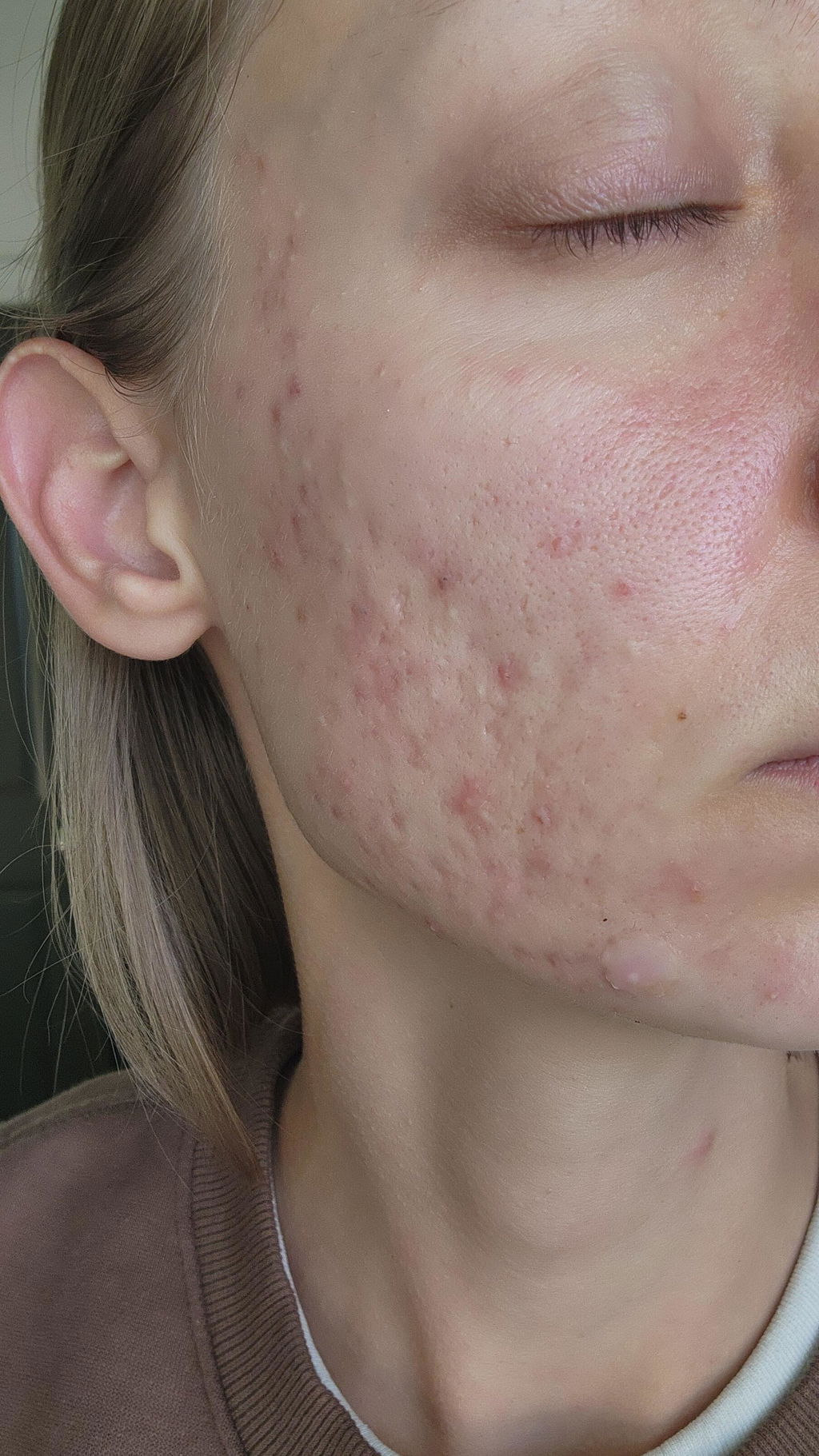
Chronic acne that keeps returning despite prescription creams, benzoyl peroxide, and expensive spot treatments is usually being driven from the inside. When the microbiome shifts away from beneficial bacteria, systemic inflammation rises and hormones like IGF-1 tell your oil glands to overproduce. Topicals only scrub the roof of a house that is flooding from below.
Here is what is happening. Intestinal dysbiosis reduces the friendly bacteria that keep your gut wall sealed. Lipopolysaccharide, a nasty molecule shed by less friendly bacteria, starts to leak into your bloodstream. Your body reads it as an infection and cranks up inflammation everywhere, including your face.
At the same time, elevated IGF-1 hits your sebocytes (the oil-producing cells inside every pore) and orders them to pump out more sebum and to shed more sticky, dead skin cells inside the follicle. That is the classic clogged pore recipe. Bowe and Logan revived this idea in their 2011 Gut Pathogens review, dusting off a 1930s theory that got things right long before we had the science to prove it.
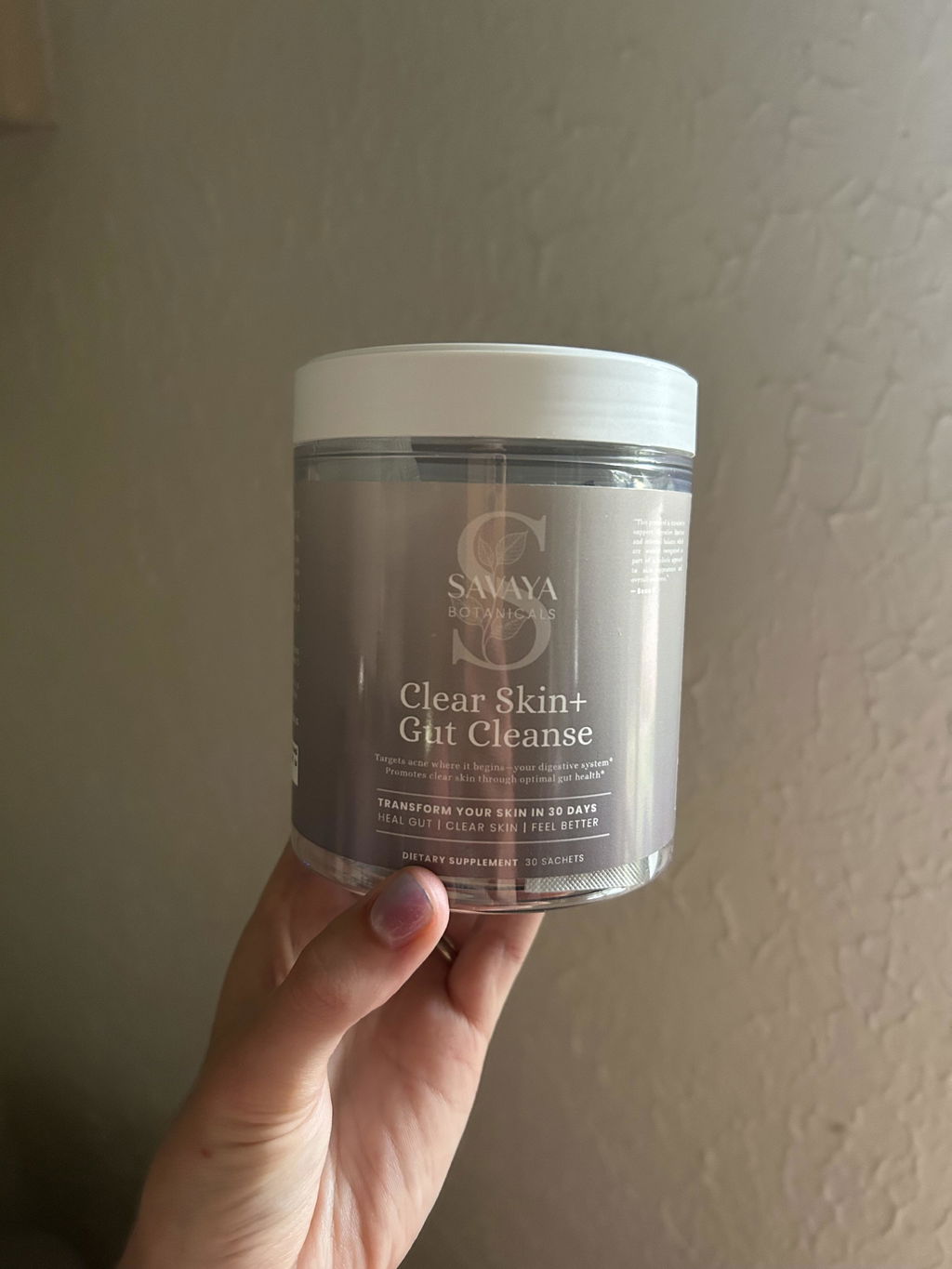
No cream on Earth can turn down that signal. It starts in the gut, which is why so many women eventually try a targeted gut cleanse after their dermatologist runs out of ideas.
So what does eczema have to do with dinner?
Sign 2: Eczema flares hours after certain meals
Eczema flares that show up hours after eating are a fingerprint of a leaky gut barrier. Undigested food particles cross a compromised intestinal wall, get sampled by immune cells, and trigger a Th2 immune response that weakens the skin barrier and drives the itch-scratch cycle. The delay is the tell.
Pike and colleagues showed this back in 1986 in the Journal of Investigative Dermatology. Kids with atopic eczema had measurably higher intestinal permeability than kids without. The gut was leaking. The skin was screaming.
Here is the loop, plain and simple:
- You eat a trigger food.
- Peptides that should stay inside the gut slip through the wall.
- Immune cells sound the alarm and release IL-4, IL-5, and IL-13.
- Those cytokines suppress filaggrin, a protein your skin needs to stay watertight.
- Your skin barrier weakens. You itch. You scratch. You flare.
Penders and the KOALA cohort team confirmed in Gut (2007) that the composition of the early gut microbiome predicts eczema later. This is not a coincidence. It is a signal. Sealing the gut, which many women find easier with a full detox protocol, is often what finally quiets the flares.
Sign 3: Rosacea that fires up when life gets loud
Rosacea triggered by stress is rarely just skin-deep. Psychological stress activates the HPA axis and suppresses vagus nerve tone, which slows gut motility and creates conditions for small intestinal bacterial overgrowth. That bacterial overgrowth pushes inflammatory mediators into circulation, dilating the delicate vessels of the central face.
Parodi and colleagues published a study in Clinical Gastroenterology and Hepatology in 2008 that stopped me in my tracks. They found that people with rosacea had SIBO at dramatically higher rates than controls. When they treated the SIBO with rifaximin, the rosacea largely cleared. The skin cleared because the gut cleared.
Egeberg and team followed up in 2017 in the British Journal of Dermatology with a Danish nationwide cohort showing rosacea patients had significantly higher rates of celiac disease, Crohn's, ulcerative colitis, IBS, and SIBO. Every single one of these is a gut condition.
Your face is not blushing at your boss. It is blushing at your bacteria.
Stress does not cause rosacea by magic. It causes it by wrecking your gut, which then wrecks your skin. Different problem, different solution.
Sign 4: Dull, tired skin no matter how good your routine is
Dull, tired skin despite a solid skincare routine usually points to poor nutrient absorption and low-grade systemic inflammation. When the gut lining is inflamed, absorption of B12, folate, iron, and other cofactors drops, oxygen delivery to skin cells slows, and cell turnover stretches from 28 days to something much longer. Aged cells pile up. Light stops bouncing.
You know that glow you had at nineteen? That was fast turnover, good absorption, and a quiet immune system. When any of those three go sideways, your face goes matte in a way no highlighter fixes.
The Salem review (Frontiers in Microbiology, 2018) laid this out clearly: gut microbiome disruption changes systemic inflammation and micronutrient status in ways that show up on the skin. O'Neill and colleagues in BioEssays (2016) described the gut-skin axis as bidirectional, meaning it is not just influence, it is a full conversation.
Three things are usually broken at once in dull skin:
- You are not absorbing the vitamins and minerals you eat.
- Chronic inflammation is suppressing mitochondrial energy in skin cells.
- The methylation cycle is running low, so your body cannot regenerate the antioxidants that keep skin luminous.
This is exactly why so many women who add mineral-rich sea moss to their morning notice a difference within weeks. It is not the sea moss doing hocus pocus. It is nutrient density finally reaching cells that were starving.
What if the shadows under your eyes are not from bad sleep?
Sign 5: Dark circles that sleep will not fix
Dark circles that persist despite eight hours of sleep are often vascular, not pigmentary. The skin under your eyes is roughly 0.5 mm thick, thinner than anywhere else on your body, so any change in the veins below shows up as a bluish or violet shadow. Gut inflammation drives histamine release and venous congestion in exactly those vessels.
Roh and Chung classified this vascular subtype in Dermatologic Surgery back in 2009. It is common, and it has nothing to do with concealer choice.
Here is the mechanism nobody explains at the beauty counter. When your gut is inflamed, mast cells in your body release histamine. Histamine dilates veins and makes them leakier. Under your eyes, where the skin is paper-thin, those dilated veins pool with deoxygenated blood and the color reads as blue, purple, or gray.
Sarkar and colleagues (Journal of Clinical and Aesthetic Dermatology, 2016) documented allergic and vascular contributions to periorbital darkness. Add in nasal congestion from the same histamine cascade, which blocks drainage of the ophthalmic vein, and you have a perfect shadow-maker.
If you have dark circles and any of the other signs on this list, do not assume you need a better eye cream. You need less histamine, which usually means calming dysbiosis in the gut.
Sign 6: Cuts, scrapes, and breakouts that heal in slow motion
Slow wound healing is a red flag that zinc and vitamin A absorption are compromised and that leaky gut is keeping your body in a chronic inflammatory state. Both nutrients are absorbed in the small intestine. Both are essential for skin repair. And chronic inflammation locks wounds in the early phase instead of letting them close and remodel.
Lin and colleagues (International Journal of Molecular Sciences, 2017) confirmed that zinc deficiency delays re-epithelialization and disrupts the enzymes that remodel damaged tissue. Polcz and Barbul (Nutrition in Clinical Practice, 2019) documented vitamin A's role in keratinocyte differentiation and epithelial repair. Fasano's work on zonulin (Physiological Reviews, 2011) tied intestinal permeability directly to the chronic systemic inflammation that stalls healing.
You know the pimple that sits on your chin for three weeks? The scratch that scabs, falls off, and then scabs again? The dark mark that never fades? That is a gut asking for help.
Signs it is happening to you:
- Blemishes leave dark marks that linger for months.
- Small cuts scar more than they should.
- Scabs form, break, and reform in the same spot.
- Bug bites turn into weeks-long dramas.
Many women in this stage find Clear Skin+ Max Detox makes more sense than another round of retinol, since it supports absorption and helps maintain a normal inflammatory response upstream of the wound itself.
Sign 7: You suddenly react to skincare you used to love
Sudden sensitivity to skincare products you have used for years is one of the loudest signals your gut can send. When butyrate-producing bacteria decline, short-chain fatty acids drop, and the gut barrier loosens. Circulating microbial fragments prime mast cells in the skin so that the mildest surfactant or acid tips them into histamine release.
Peng and colleagues (Journal of Nutrition, 2009) showed butyrate directly strengthens gut tight junctions. Salem (Frontiers in Microbiology, 2018) reviewed how these same short-chain fatty acids influence skin barrier integrity. Theoharides and team (Biochimica et Biophysica Acta, 2012) documented how primed mast cells overreact to non-allergic triggers, producing the exact stinging, flushing, and hives that sensitive skin sufferers describe.
Meanwhile, inflammatory cytokines downregulate filaggrin (Palmer et al., Nature Genetics, 2006) and claudin, weakening the skin's own tight junctions. The gut barrier and the skin barrier are made of the same architectural pieces, and they weaken together.
That is why a product you tolerated for a decade suddenly burns. Nothing changed on the label. Everything changed inside your gut.
While you rebuild, many women reach for a barrier-repairing tallow cream as a nightly reset, because it borrows from the same lipid family your skin uses to rebuild itself.
• • •
Reading your own warning lights
Reading your skin as a diagnostic panel takes practice. One sign might mean stress. Two signs might mean a bad week. But three or more of these together, especially the persistent ones, means your gut is trying to hand you a note.
Here is the honest truth. You cannot topical your way out of a gut problem. You cannot exfoliate intestinal permeability. You cannot cortisol-cream your way past a wrecked vagal tone. The signals start in the gut, travel through the blood, and land on your face. Fixing them means starting where they start.
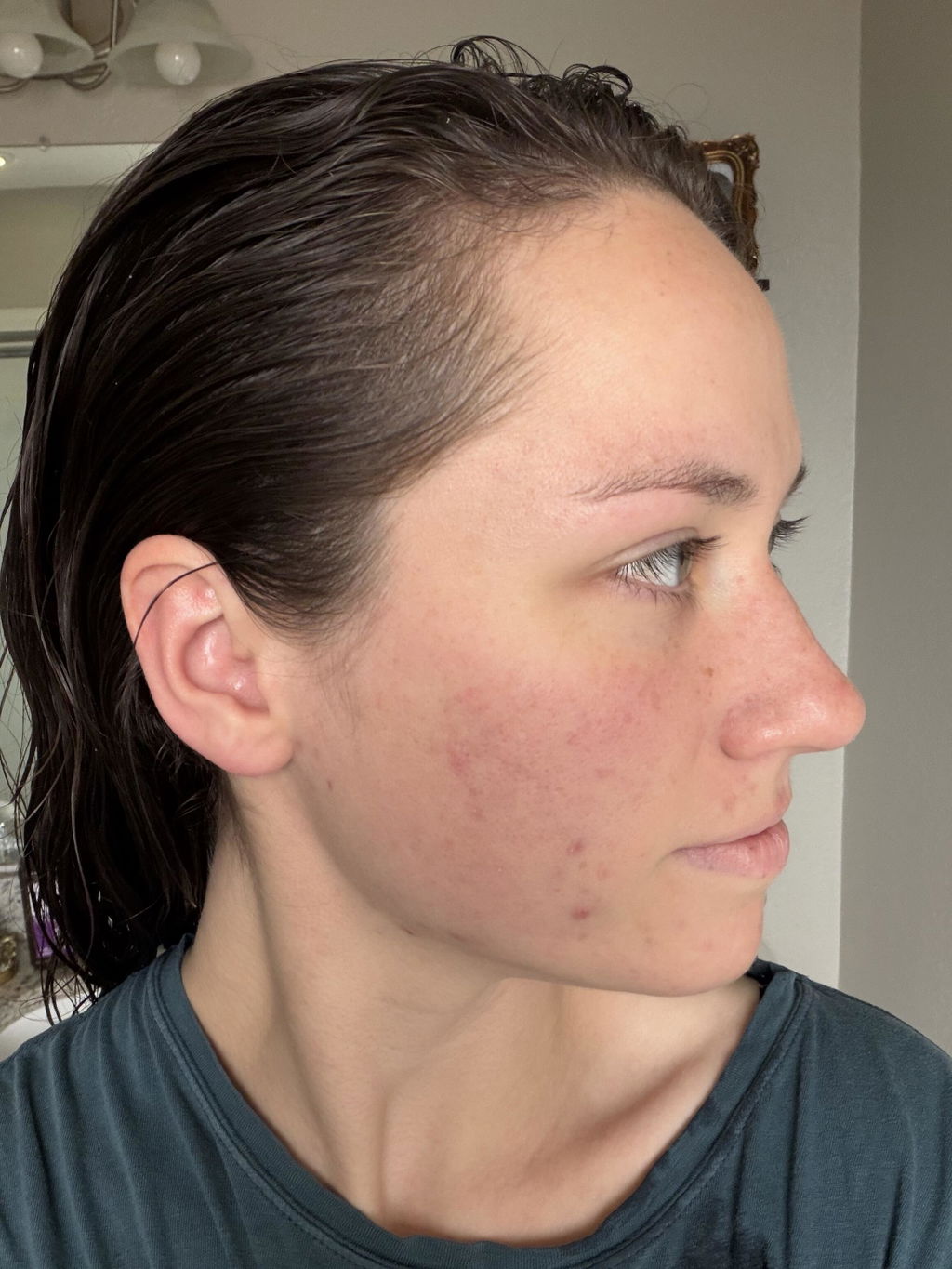
If you are seeing yourself in this list, the next kind step is not another serum. It is a look at the microbiome underneath. A guided microbiome reset or the deeper 12-week reset is where most women I know finally break the loop.
Frequently asked questions
How long does it take to see skin changes after healing the gut?
Most women notice inflammatory changes (redness, itch, reactivity) within two to four weeks. Texture, breakouts, and dullness usually shift between weeks six and twelve, matching the full skin cell turnover cycle. Deeper issues like rosacea and chronic eczema can take three to six months.
Can I test for leaky gut or should I just address the signs?
Zonulin and lactulose/mannitol tests exist, but many practitioners find symptom clusters (the seven signs above, plus bloating, brain fog, food sensitivities) tell you enough to start. If three or more signs match your daily life, gut work is a reasonable first move.
Do probiotics alone fix gut-driven skin problems?
Rarely. Probiotics add strains, but if the terrain is inflamed or dysbiotic, those strains often do not stick. Most women see better results when they combine gut-supporting protocols with prebiotic fiber, postbiotic compounds like butyrate, and a period of removing common trigger foods.
Which sign is the most common gateway to realizing gut is the issue?
Adult acne that will not respond to prescriptions, and sudden skincare sensitivity, are the two most common wake-up calls I hear about. Both feel like the skin has betrayed you overnight, and both almost always trace back to the gut.
Does stress alone cause these signs, or is stress just amplifying the gut problem?
Both. Stress raises cortisol, suppresses vagal tone, and shifts the microbiome within hours. But stress causes lasting skin problems mainly by damaging the gut. Fix the gut, and stress hits your skin far less hard, even when life stays loud.