You've heard it a hundred times. Drink more water for clearer skin. Eight glasses a day. Half your body weight in ounces. I used to repeat it too. But after years of watching clients drink water by the gallon and still struggle with dull, flaky, breakout-prone skin, I had to ask the harder question. What if water alone has been missing the point this whole time?
Here is what I see most often in my practice. A woman comes in with skin that looks tired no matter how much water she drinks. She is doing everything "right." A gallon a day. Lemon in the morning. Cucumber slices in her bottle. And her skin still looks like it has been left out on a windowsill. The problem is not how much water she is drinking. The problem is what her body can actually do with it.
Why Plain Water Cannot Hydrate Skin Cells Alone
Plain water by itself cannot fully hydrate your skin cells because cellular hydration depends on electrolyte balance. Without minerals like sodium, potassium, and magnesium, water passes through your system without being properly absorbed into cells. This is why you can drink gallons of water and still feel thirsty, look puffy, and have skin that feels papery by mid-afternoon.
Your cells move water in and out through tiny channels called aquaporins. For that movement to happen the way it should, there needs to be a mineral gradient on either side of the cell wall. Sodium pulls water into your bloodstream. Potassium pulls it into the cells where it is actually needed. Without that push and pull, water just keeps moving. Through your kidneys. Down the toilet. Past every cell that needed it.
I tell my clients to picture a dry sponge sitting in a flood. The sponge will not soak much up unless it has structure to hold onto the moisture. Your cells are the same. Strip away the minerals and you are pouring water through a strainer.
The Three Minerals Your Cells Actually Need
Cellular hydration depends on three core electrolytes: sodium, potassium, and magnesium. Sodium pulls water into the bloodstream. Potassium drives it into cells. Magnesium activates the enzymatic reactions that keep fluid balance steady. Without these working together, the water you drink becomes a passenger your body cannot use.
Most women I work with are quietly low in all three. Modern diets are heavy on processed sodium, which is not the same as the kind your cells need. Potassium runs low because most of us are not eating enough leafy greens, avocados, or starchy roots. And magnesium has been quietly depleted from agricultural soils over the past fifty years, which means even "eating clean" does not always cover it.
This is where 92 trace minerals from the ocean become genuinely useful. Sea moss is one of the few whole foods that contains all three of these electrolytes plus dozens of trace minerals your body uses for fluid balance, including iodine, selenium, and zinc. It is not magic. It is just mineral density in a form your body recognizes.
You cannot hydrate a body that has nothing to hold the water with.
Filtered Water, Mineral Water, and the Structured Water Debate
Filtered water removes contaminants but often strips beneficial minerals at the same time. Mineral water retains trace minerals like calcium, magnesium, and bicarbonate, which support hydration and cellular function. Structured water has become a popular wellness claim, but the scientific evidence for its unique benefits remains weak.
Reverse osmosis is the cleanest filtration method on the market. It also removes nearly every mineral in the water. If you drink only reverse osmosis water without adding minerals back in, you are essentially drinking a solvent. Your body has to pull minerals from its own reserves to balance it out. This is why I tell clients with RO systems to add a pinch of unrefined sea salt or a few drops of trace mineral concentrate to every glass.
Mineral water from a real spring source is different. It carries dissolved calcium, magnesium, silica, and bicarbonates that your body can use immediately. Population studies have repeatedly shown that mineral water can be a meaningful source of magnesium and calcium for people who do not get enough from food, especially as we age and absorption drops.
As for structured water. The research, mostly out of Dr. Gerald Pollack's lab at the University of Washington, suggests that water near hydrophilic surfaces forms a fourth phase with different molecular behavior. Interesting science. But the leap from a lab observation to "drink this special bottled water and your skin will glow" is much bigger than the marketing wants you to believe. I would not spend a dime on it. Spend it on minerals instead.
Your Gut Decides Whether Water Even Gets Absorbed
Water absorption happens primarily in the small intestine and colon. When the gut barrier is compromised, water passes through without proper electrolyte exchange. Dysbiosis, intestinal permeability, and chronic low-grade inflammation all reduce how much water your cells can actually use, regardless of how much you drink.
This is the part of the hydration story almost nobody talks about. Your gut is the gatekeeper. If your microbiome is out of balance, or the lining of your intestine is inflamed, water simply does not move through your tissues the way it should. The short-chain fatty acids that healthy gut bacteria produce, butyrate especially, are what keep that intestinal barrier strong and selectively permeable.
When that barrier breaks down, what researchers call leaky gut, the body cannot regulate fluid and mineral absorption properly. You get bloating. Puffiness. Skin that looks dehydrated even when you are drinking plenty. This is why, for clients who have been "drinking enough water" for years and still have problem skin, I start with a targeted gut cleanse before we even talk about water intake.
The gut-skin axis is not a wellness trend. It is anatomy. The vagus nerve, your microbiome, your HPA axis, all of it shapes what shows up on your face. Hydration is not just an input. It is an output of a system that has to be working.
The Truth Behind the 8 Glasses a Day Myth
The 8x8 rule, eight glasses of eight ounces a day, has no real scientific origin. Researcher Heinz Valtin traced it back to a 1945 U.S. Food and Nutrition Board recommendation that included water from food, which most people misread. Real hydration needs vary by body size, climate, activity, diet, and gut function.
In 2002, Valtin published a paper in the American Journal of Physiology titled "Drink at least eight glasses of water a day. Really?" His conclusion was that there is no scientific evidence supporting the rule. People in temperate climates eating real food generally meet their fluid needs without consciously chugging water.
This does not mean hydration does not matter. It means quantity is the wrong question. Quality matters more. Mineral content matters more. Whether your gut can absorb the water matters most of all.
What Actually Hydrates Your Skin From the Inside
Real cellular hydration comes from four things working together: mineral-rich water, electrolyte balance, healthy gut absorption, and water-dense whole foods. Most of my clients see better skin within a few weeks once they shift their approach from "drink more" to "absorb better."
Here is what I tell women in my practice to try first:
- Add a small pinch of unrefined sea salt to your morning water. Just enough that you can taste a hint of salt. This gives your cells the sodium they need to actually pull water in.
- Eat your water. Cucumber, watermelon, celery, leafy greens, berries, citrus. These come pre-packaged with the minerals your body uses to make water work.
- Start with this microbiome reset if you have been bloated, puffy, or breaking out despite drinking plenty of water. Gut function comes first.
- Add mineral-rich sea moss gel to a smoothie three or four times a week. One of the simplest ways to get magnesium, potassium, and trace minerals together in food form.
- Skip the bright-colored electrolyte drinks. Read the label. Most are mostly sugar with a token amount of sodium and synthetic flavors.
- Pair hydration with bioavailable collagen support for the structural side of skin moisture retention.
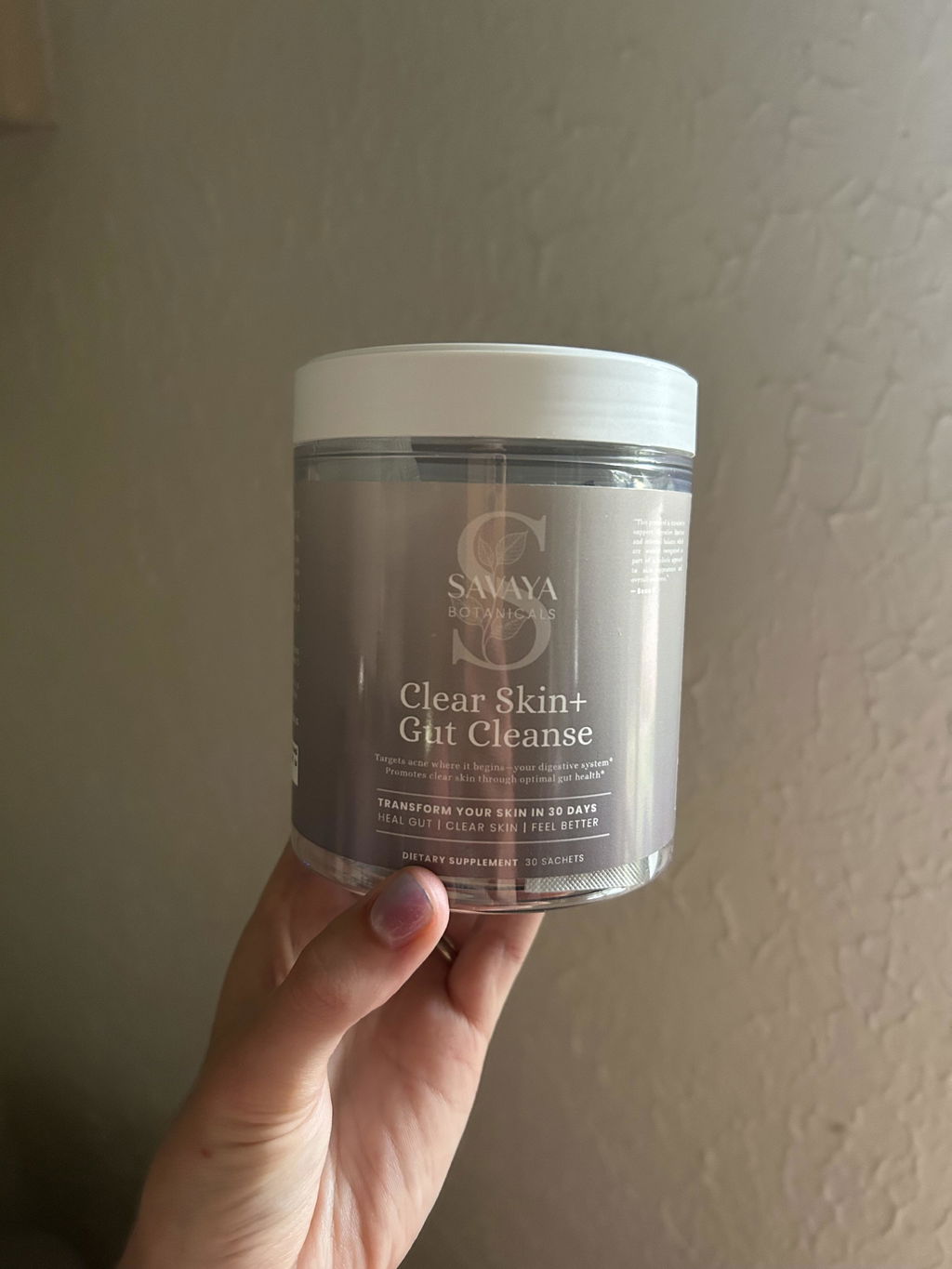
If your skin issues are deeper, hormonal acne, persistent dullness, breakouts that water has never touched, the issue is rarely on the surface. Many women in my practice add Clear Skin+ Max Detox to their routine, a daily acai blend that supports the gut-skin connection alongside the basics like water. Not because water does not matter. Because water was never the bottleneck.
For overnight barrier support, a barrier-repairing tallow cream helps your skin hold the moisture you are finally absorbing. Outside-in plus inside-out is how skin actually changes.
The Mistake Almost Everyone Makes With Water
The most common mistake is treating hydration like a math problem instead of a system. Ounces in does not equal hydration delivered. If your minerals are off, your gut is inflamed, or your cells are running on cortisol and sugar, the water you drink will not save your skin.
I have watched clients pour themselves into water bottles for years. Calorie counted. Tracked in an app. Lemon slices, sea salt sprinkles, the works. And still nothing changed on their face. Then we started looking at what was happening inside their gut and inside their cells. The water they were drinking had nowhere to go. Once we fixed that, hydration became something their skin could actually use.
If you are tired of staring at a water bottle wondering why your skin still looks dull, start with a full detox protocol that addresses the gut first. Then layer in the minerals. Then watch what happens when your cells can finally do their job.
Frequently Asked Questions
Is mineral water actually better than filtered water for skin?
Mineral water contains calcium, magnesium, and bicarbonates that support cellular hydration. Filtered water, especially reverse osmosis, removes these minerals along with contaminants. If you drink filtered water, adding a pinch of unrefined sea salt or trace mineral drops gives your body what it needs to use that water properly.
Can I get enough minerals from food alone?
You can, but most modern diets fall short. Soil depletion over the past fifty years has lowered the mineral content of most produce, even organic. Sea moss, leafy greens, avocados, nuts, and seeds help. For women with already depleted reserves, a concentrated whole-food mineral source makes the math easier.
How long until I see skin changes from better hydration?
Most clients notice changes within two to four weeks once they shift from quantity to quality. The first signs are usually less puffiness in the morning, fewer fine lines around the eyes, and skin that feels less papery. Deeper acne or dullness tied to gut issues often takes eight to twelve weeks of consistent support.
What is wrong with drinking a lot of plain water?
Drinking large amounts of plain water without minerals can dilute your electrolytes, a state called hyponatremia in extreme cases. For everyday drinking, the problem is subtler. Water without minerals does not stay in cells, so you end up running to the bathroom often without ever feeling fully hydrated.
Can sea moss really support hydration?
Sea moss contains a wide range of trace minerals, including potassium, magnesium, and sodium in food form. It is not a hydration drink in itself, but it gives your body the mineral building blocks it needs to use water properly. Many women in my practice add it to a daily smoothie for that reason.