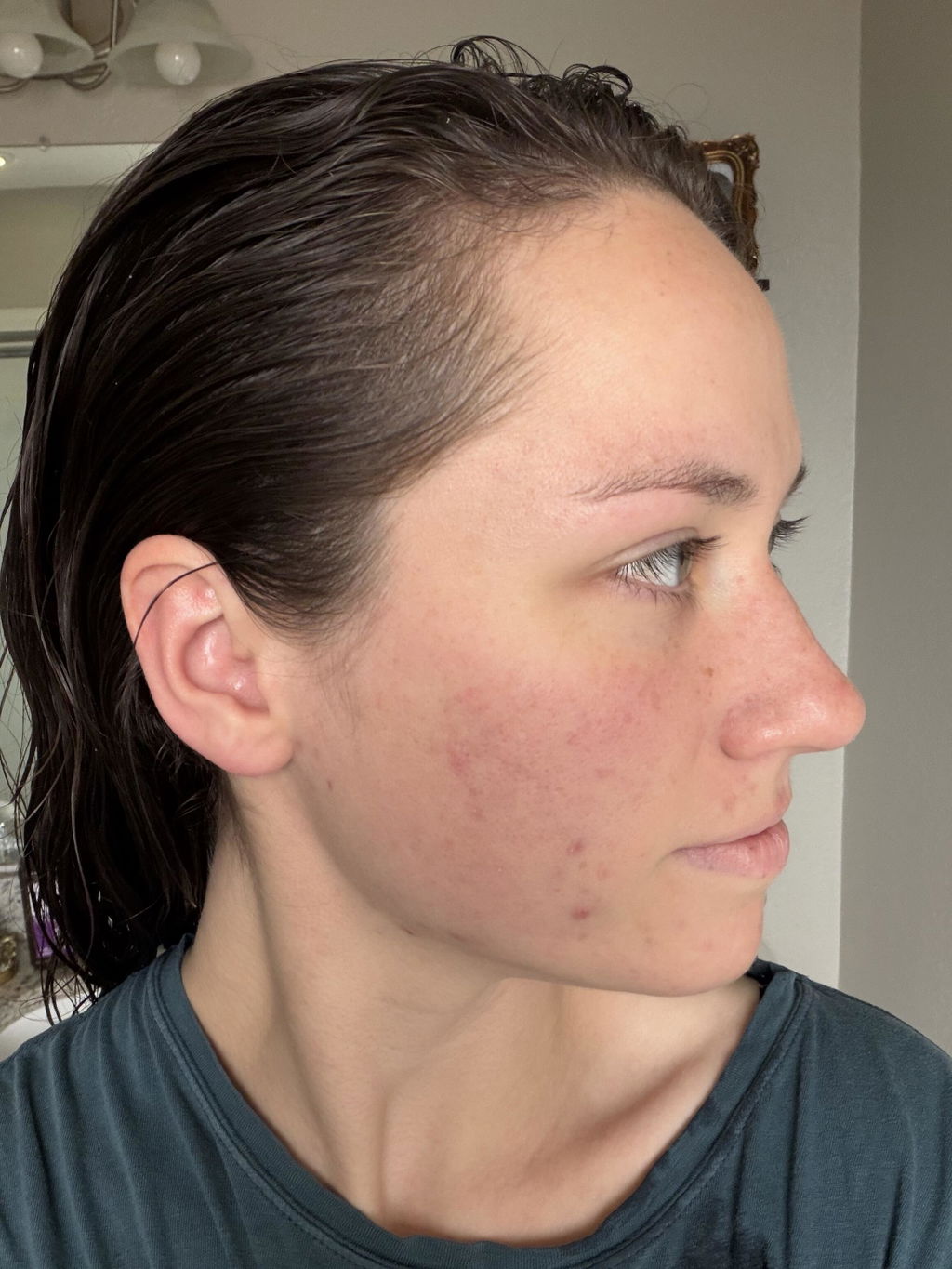
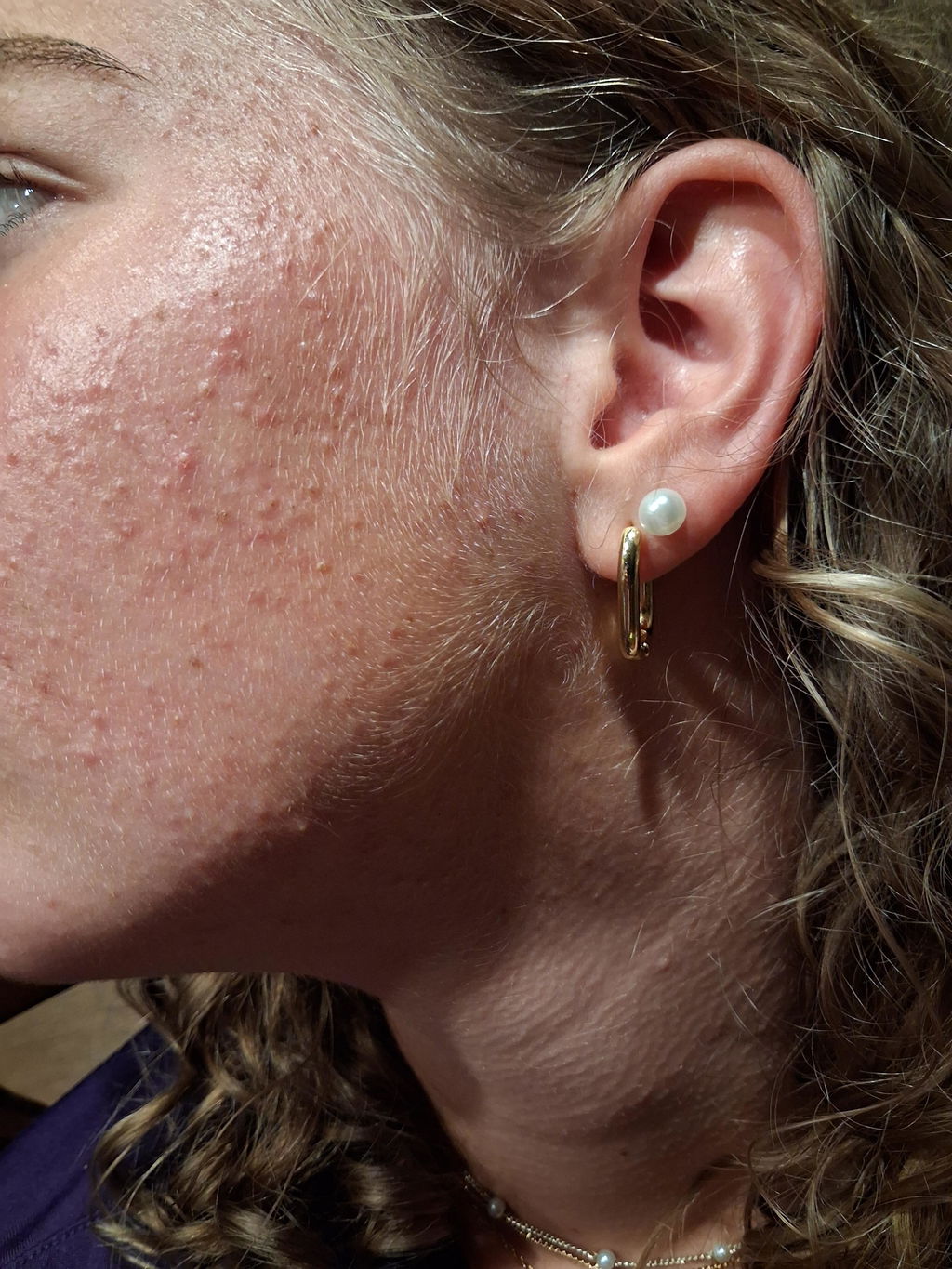
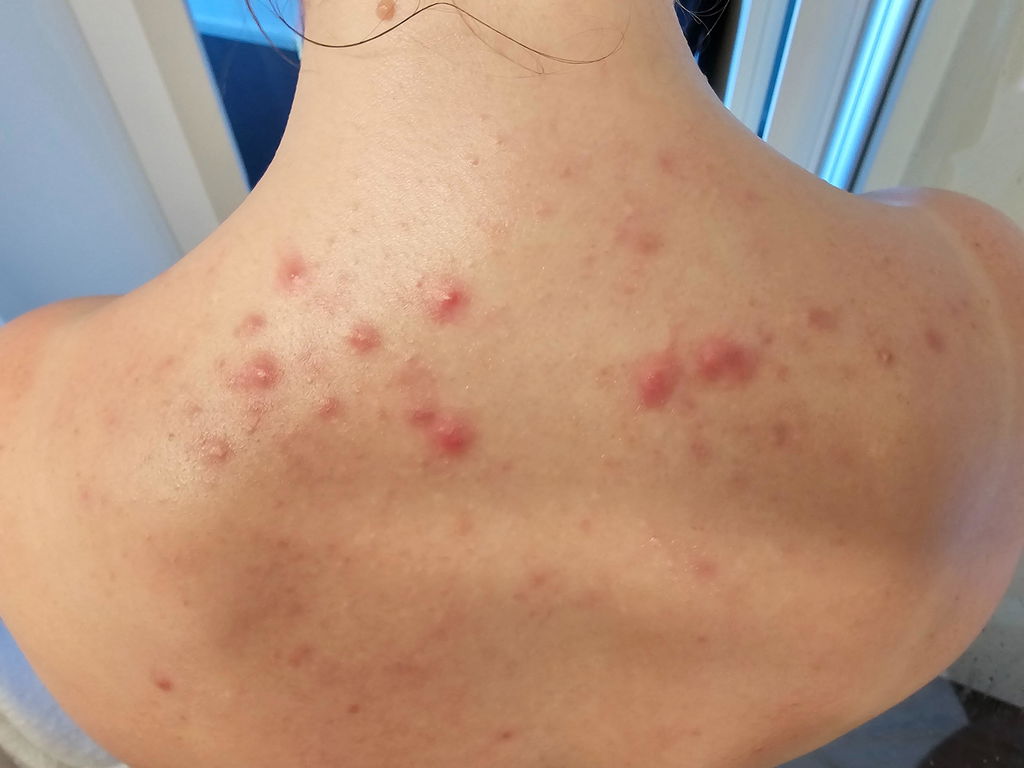
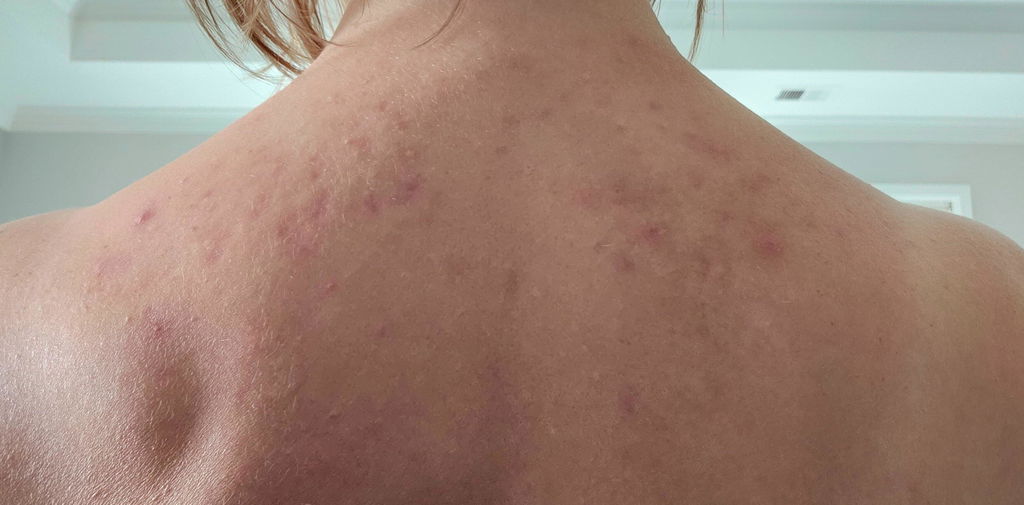
Three days before my functional medicine board exam, my jawline broke out worse than it had since I was seventeen. Nothing about my diet had changed. My skincare routine was identical to the one that had kept my skin clear for two years. The only thing different was eleven-hour study days, a racing mind at 2 a.m., and a body that felt like it was running on a live wire. My dermatologist at the time reached for a prescription pad. She never once asked about my gut.
That question turned out to be the whole answer. What I didn't understand then, and what almost nobody explains clearly, is that stress doesn't cause acne by "aggravating" your skin in some vague, hand-wavy way. It causes acne through a specific, traceable biological pathway that starts in your brain, runs through your gut, and ends up on your face. It's called the gut-brain-skin axis, and once you understand the mechanics of it, breakouts stop feeling random and start feeling like information.
What the Gut-Brain-Skin Axis Actually Is
The term itself isn't new-age wellness language. It comes from a 2011 paper by dermatologists John Bowe and Alan Logan published in the journal Gut Pathogens, which laid out the biological case that emotional stress, gut permeability, and inflammatory skin conditions like acne are mechanistically linked, not just correlated. Their argument was simple: the gut and the skin are both barrier organs, both densely populated with nerve endings and immune tissue, and both under direct control of the same stress-response system. When that system gets dysregulated, both organs show it.
What makes this different from the general "gut health equals skin health" idea you've probably seen elsewhere is the mechanism in the middle. It's not just that an unhealthy gut produces bad skin. It's that psychological stress is often the upstream trigger that makes the gut unhealthy in the first place, and that process is measurable.
The Pathway: Cortisol to Gut Permeability to Inflammation to Acne
Here's the sequence, step by step, the way I explain it to clients who want to understand why "just calm down" is medically real advice.
Step one: your hypothalamus releases corticotropin-releasing hormone (CRH). The moment your brain registers a threat, whether it's an exam, a deadline, or a fight with your partner, your hypothalamus releases CRH. This is the first domino.
Step two: CRH triggers cortisol release, and cortisol changes your gut lining. CRH signals your pituitary gland to release ACTH, which signals your adrenal glands to release cortisol. Cortisol is supposed to be short-term and protective, but under chronic stress it stays elevated. Research on stress physiology, including a widely cited review by Konturek and colleagues in the Journal of Physiology and Pharmacology, shows that sustained cortisol exposure loosens the tight junctions between the cells lining your intestinal wall. Those tight junctions are what keep your gut selectively permeable, letting nutrients through while keeping bacteria and toxins contained. Chronic stress compromises them.
Step three: a leakier gut lets inflammatory triggers into your bloodstream. Once those tight junctions loosen, bacterial components like lipopolysaccharide (LPS) can cross into circulation. Your immune system treats this as an emergency and releases inflammatory cytokines, mainly IL-6 and IL-1β, to deal with it. This isn't localized to your gut. It's systemic.
Step four: that circulating inflammation reaches your sebaceous glands. Your skin isn't a passive bystander here. Sebaceous glands have their own CRH receptors, something dermatologist Christos Zouboulis has documented extensively, meaning your skin can respond directly to stress hormones, not just to inflammation traveling through the blood. CRH increases sebum production and pushes sebocytes toward a more inflammatory state. Combine excess oil with circulating cytokines and a compromised gut barrier feeding low-grade inflammation, and you have the exact conditions acne needs to form: clogged follicles, bacterial overgrowth, and an immune system already primed to overreact.
This is why I start almost every stress-driven breakout case with gut repair before I touch a single topical product. If the lining of the gut is still permeable, you're fighting inflammation faster than you can calm it. A short reset with a gut cleanse protocol, designed to support the mucosal lining rather than strip it, is usually the fastest way to lower that inflammatory load while you work on the stress side of the equation.
Your HPA Axis Is the Command Center Behind All of It
Everything above runs through what's called the HPA axis: hypothalamus, pituitary, adrenal glands. It's your body's central stress-response circuit, and it's designed as a feedback loop. Cortisol is supposed to rise, do its job, then signal back to the hypothalamus to shut CRH production off. Under chronic, low-grade modern stress, work pressure, poor sleep, doom-scrolling, that feedback loop stops closing properly. Cortisol stays elevated, CRH keeps firing, and your gut lining and sebaceous glands never get the "stand down" signal.
This is also why acne that's driven by stress often doesn't respond to changing your skincare, and sometimes doesn't fully respond to changing your diet either. If the HPA axis itself is dysregulated, you're treating the output, not the source.
The Vagus Nerve: Your Gut's Direct Line to Your Brain
If the HPA axis is the alarm system, the vagus nerve is the wiring that carries information back and forth in real time. It's the longest cranial nerve in your body, running from your brainstem down through your neck, chest, and abdomen, and roughly 80 percent of its fibers carry information from your gut up to your brain, not the other way around. Your gut is, quite literally, talking to your brain constantly.
Vagal tone, a measure of how well this nerve is functioning, is closely tied to heart rate variability, and low vagal tone correlates with reduced gut motility, a less diverse gut microbiome, and a harder time shutting off the stress response once it's been triggered. A well-toned vagus nerve does the opposite of the cortisol cascade: it activates your parasympathetic "rest and digest" state, which supports gut barrier repair, encourages a more balanced microbiome, and lowers systemic inflammation. This is the physiological reason breathwork and cold exposure, which I'll get into below, aren't just relaxation techniques. They're direct interventions on the same nerve that governs your gut lining.
What the Research Actually Shows About Stress and Acne
None of this is theoretical. A frequently cited study by Chiu, Chon, and Kimball, published in the Archives of Dermatology, tracked college students during exam periods and found their acne severity increased significantly during high-stress weeks, with no changes to diet, sleep duration, or skincare reported. Stress was the only variable that moved.
A separate study published in Acta Dermatovenerologica Croatica by Jovic and colleagues found a measurable correlation between perceived psychological stress levels and acne severity across a broader population, reinforcing that this isn't a college-specific or exam-specific phenomenon. And Bowe and Logan's original gut-brain-skin axis paper cites earlier work showing that acne patients have higher rates of small intestinal bacterial overgrowth (SIBO) and altered gut permeability compared to people with clear skin, which lines up exactly with the cortisol-to-gut-lining mechanism above.
What I take from this body of research clinically is that stress-driven acne is not "in your head" in the dismissive sense people mean when they say that. It's in your head in the literal, neuroendocrine sense, and it travels through your gut on its way to your face.
Calming the Nervous System to Calm Your Skin
Once you understand the pathway, the interventions make a lot more sense. These aren't generic self-care suggestions. Each one has a specific mechanism for interrupting the cortisol-to-gut-to-skin cascade.
Cold exposure. A cold shower, a cold plunge, or even splashing cold water on your face and neck for 30 seconds triggers the mammalian dive reflex, which directly stimulates the vagus nerve and shifts you toward parasympathetic dominance almost immediately. I have clients do this first thing in the morning specifically because it front-loads vagal activation before the day's stressors start stacking up.
Breathwork. Slow, extended-exhale breathing, inhaling for four counts and exhaling for six to eight, activates the vagus nerve through mechanoreceptors in your lungs and diaphragm. This is measurable: studies on heart rate variability consistently show that slow diaphragmatic breathing increases vagal tone within minutes. Five minutes of this before a stressful meeting does more for your gut lining than people realize.
Sleep hygiene. Cortisol follows a daily rhythm that's supposed to peak shortly after waking and decline through the day, and gut barrier repair happens disproportionately during deep sleep. Fragmented or insufficient sleep blunts that cortisol rhythm and cuts the repair window short, which is part of why one bad week of sleep can show up on your skin ten days later. Consistent sleep and wake times matter more here than sleep duration alone.
Supporting Gut Lining and Skin Barrier From Both Ends
Nervous system work lowers the trigger, but if the gut lining and skin barrier are already compromised, they need direct support while that healing happens. This is where I layer in targeted nutrition. Sea moss carries around 92 trace minerals and has a naturally mucilaginous texture that supports the mucosal lining of the gut, the same lining that gets thinned out by chronic cortisol exposure. For clients dealing with more entrenched, longer-standing breakouts, I'll often recommend a fuller reset like the acai detox protocol to address inflammation at a broader level before narrowing back in on maintenance.
On the skin side, collagen is a structural protein your gut lining and your skin barrier both depend on, and levels decline under chronic stress just like they do with age. Collagen strips are an easy way to keep that supply consistent. Topically, while the internal work is happening, a barrier-focused product like tallow cream at night helps keep the skin barrier itself from breaking down further while the deeper inflammation resolves, since a compromised skin barrier makes stress-driven breakouts worse on top of everything happening internally.
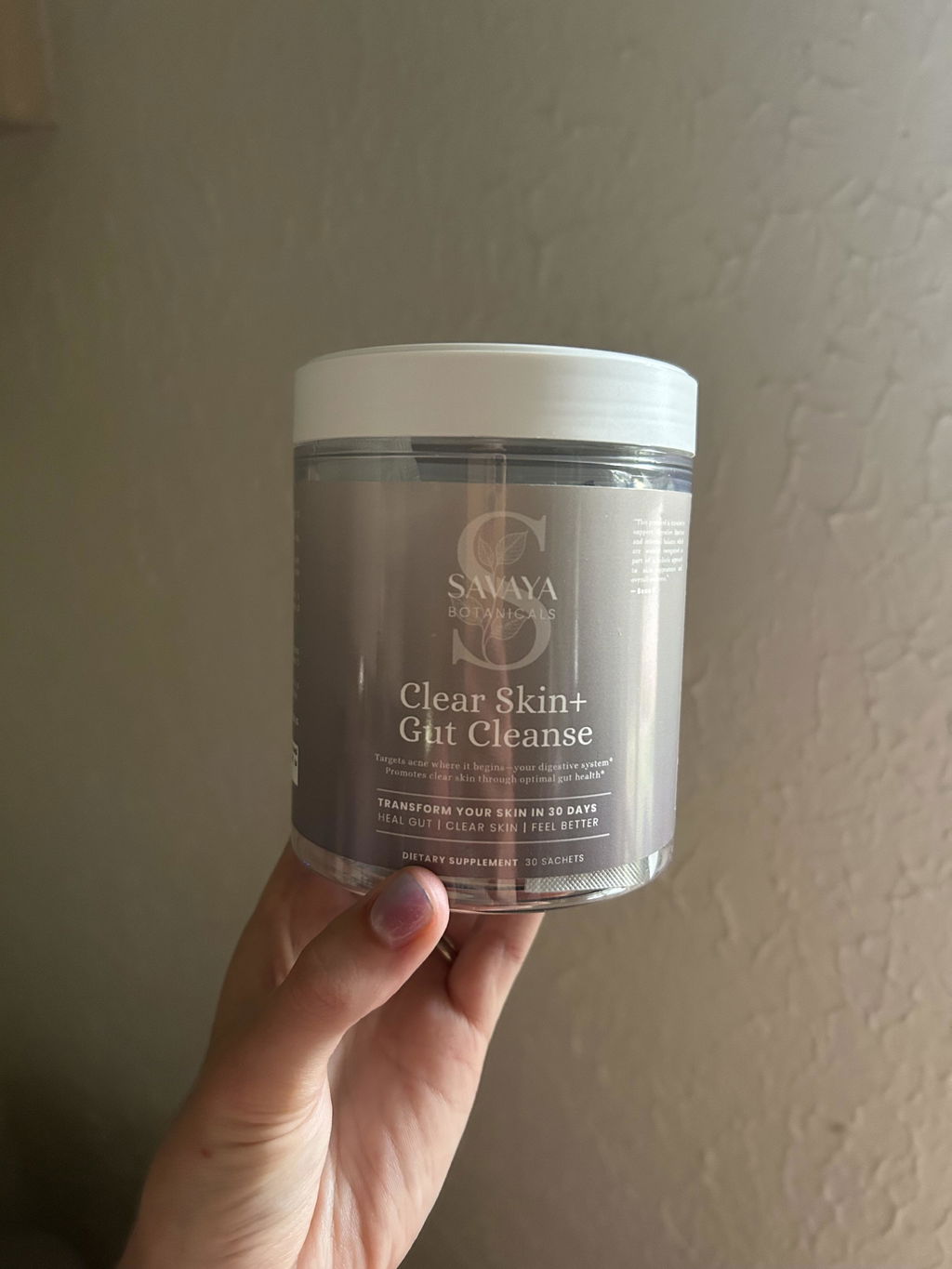
For clients who want one simple addition instead of a handful of scattered habits, this is the daily blend I point them to, Clear Skin+ Max Detox, an acai-based blend that supports gut and skin health alongside whatever else they're already doing, day in and day out.
Frequently Asked Questions
Can stress really cause acne, or is that just a myth?
Stress causes acne through a documented biological pathway, not a vague correlation. Chronic stress elevates cortisol, which loosens the tight junctions in your gut lining, allowing inflammatory triggers into your bloodstream and increasing sebum production directly through CRH receptors in your skin's sebaceous glands. Studies, including research published in the Archives of Dermatology, have tracked acne severity rising during measurably high-stress periods with no other variables changing.
How long does it take for stress-related acne to show up after a stressful event?
Because the pathway involves gut barrier changes, systemic inflammation, and skin cell turnover, stress-driven breakouts typically appear one to three weeks after a stressful period, not immediately. This delay is why so many people don't connect their skin flare-ups to the stress that actually caused them.
What is the fastest way to calm the gut-brain-skin axis?
Vagus nerve activation works fastest because it shifts your nervous system out of a stress state within minutes. Cold exposure and slow, extended-exhale breathing are the two most immediate tools, followed by supporting the gut lining directly through mineral-dense foods or a targeted gut cleanse protocol.
Does gut health really affect skin, or is that oversimplified marketing?
The gut-brain-skin axis is an established area of dermatological research, not a marketing concept, dating back to a 2011 paper in the journal Gut Pathogens. The mechanism is specific: gut permeability changes driven by stress hormones allow inflammatory compounds into circulation, and that inflammation shows up in the skin because the skin's sebaceous glands respond directly to the same stress hormones affecting the gut.
Can improving sleep alone reduce stress-related breakouts?
Sleep is a major factor because cortisol follows a daily rhythm and gut barrier repair happens primarily during deep sleep, but it works best combined with nervous system regulation during waking hours, since cortisol dysregulation happening all day can outpace what sleep alone repairs at night.
• • •
If your skin has been reacting to your life instead of your skincare routine, the fix usually isn't another serum, it's calming the pathway underneath it. Clear Skin+ Max Detox, a daily acai-based blend, helps support that process from the inside out.