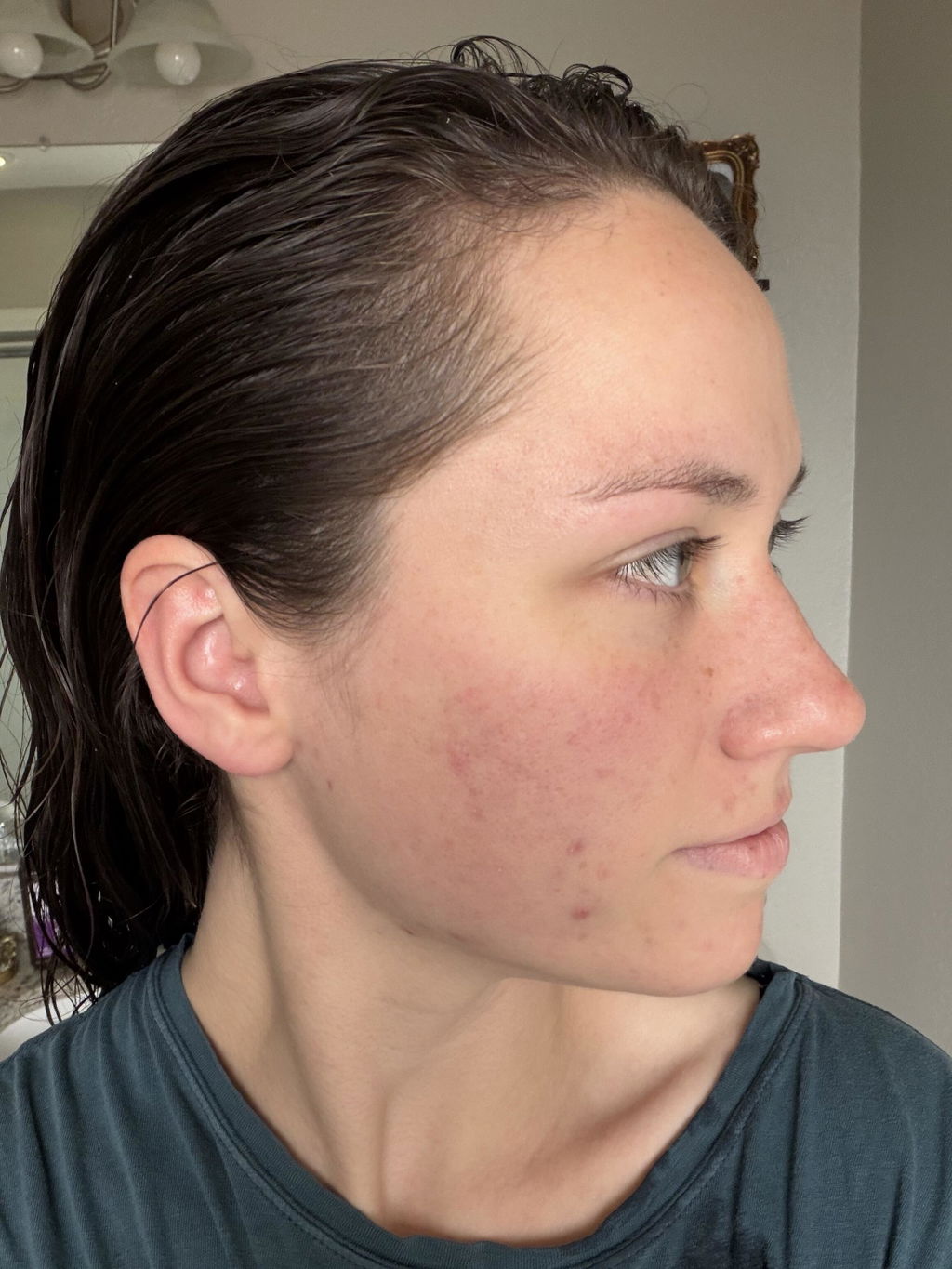
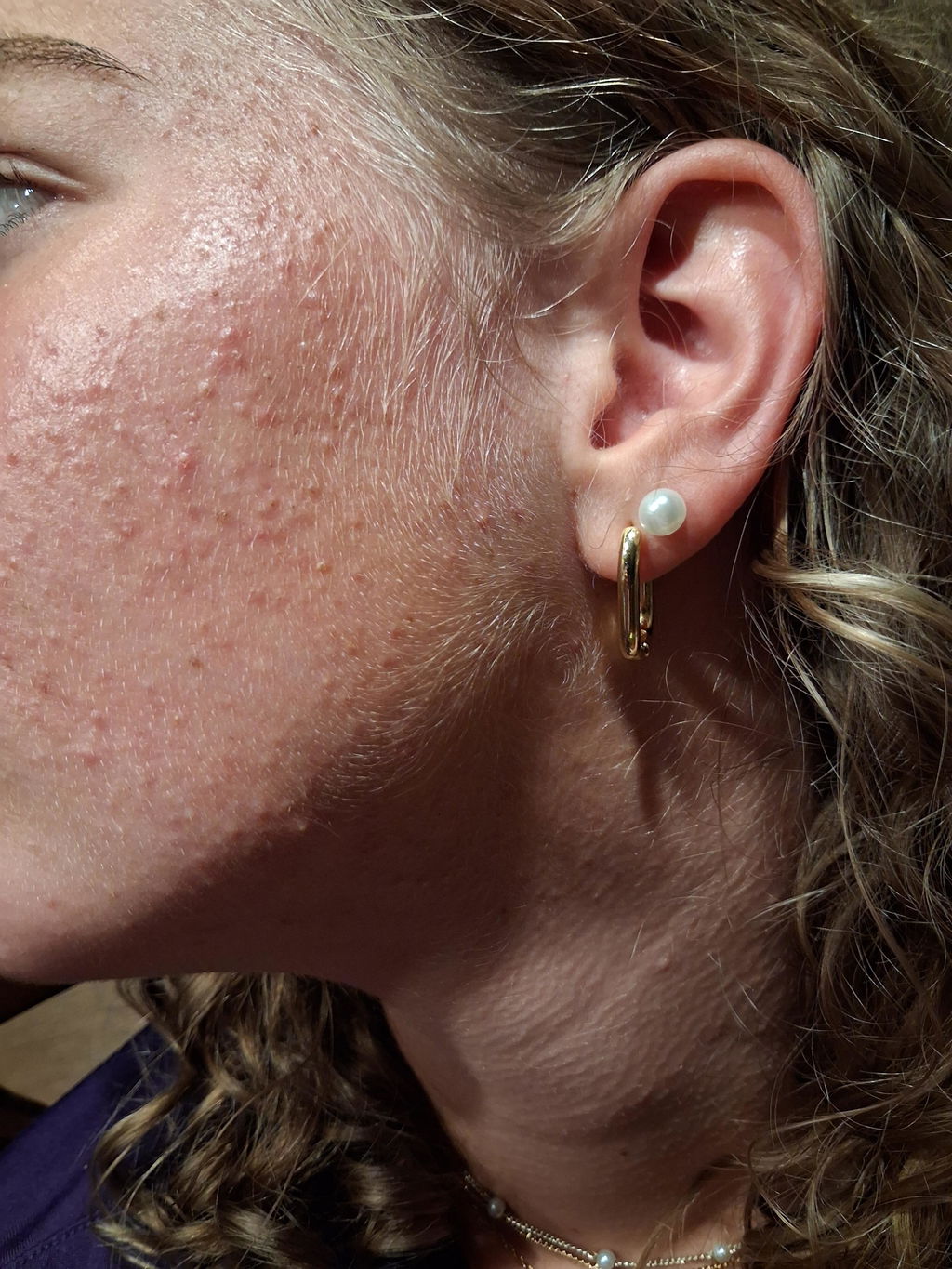
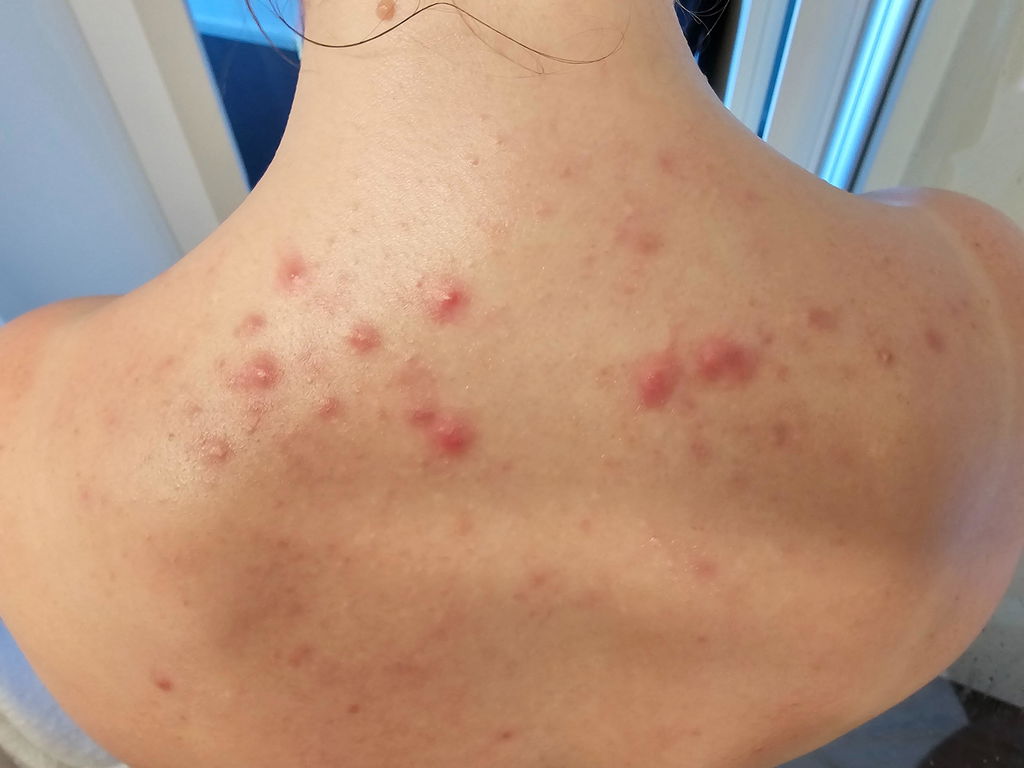
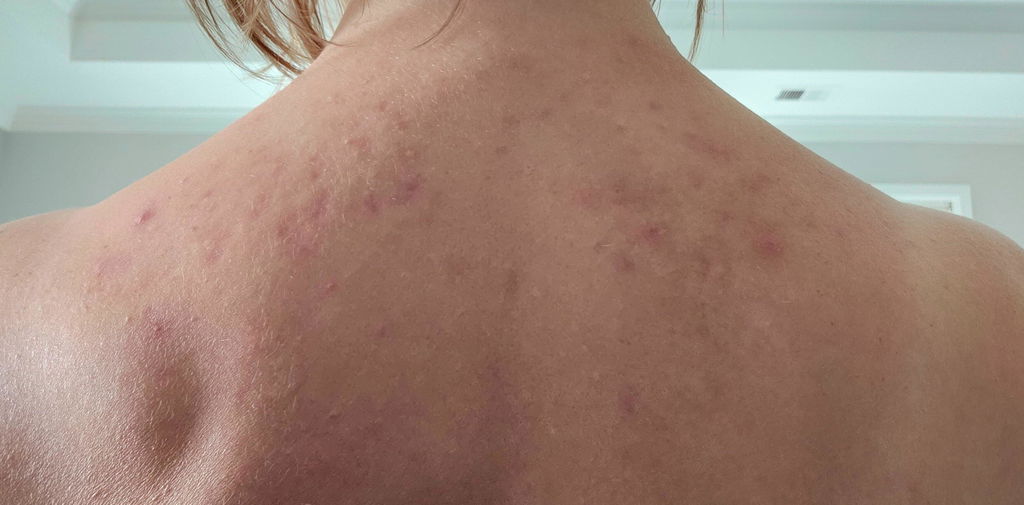
You wake up, catch your reflection, and there is a fresh cyst along your jawline the morning after a hard week. You blame your hormones. You blame the pillowcase. You blame that one dinner you had out. But the real trail runs from your brain, through your gut, and up to your face. The science behind that pathway is almost a hundred years old, and most dermatologists still do not talk about it.
What The Gut-Brain-Skin Axis Actually Is
The gut-brain-skin axis is the two-way conversation between your stress response, your gut microbiome, and your skin. When your nervous system fires, your gut bacteria shift, your intestinal wall loosens, and inflammatory signals travel back up to your face. It is a documented physiological loop, not a wellness metaphor.
Two dermatologists first proposed this loop in 1930. Their names were John Stokes and Donald Pillsbury. Their paper in the Archives of Dermatology and Syphilology argued that emotional states change gut microflora, increase intestinal permeability, and produce skin symptoms. That was almost a hundred years ago. We ignored it for most of the century because we did not have the tools to see what they were describing.
In 2011, Bowe and Logan revived the hypothesis in a review published in Gut Pathogens. What Stokes and Pillsbury guessed at, we can now measure. Stress lowers Lactobacillus and Bifidobacterium in the gut. That loss weakens the gut barrier. Bacterial fragments called LPS leak into circulation. The immune system reacts. And that reaction shows up on the skin.
In my practice, the women who tell me their acne is worst after a hard month are almost always the same women whose digestion is a mess. That is not a coincidence. That is the axis working exactly as described.
How Cortisol Turns Your Gut Into A Leaky Sieve
Cortisol does more than make you feel wired. It literally loosens the proteins that hold your intestinal wall closed. Within hours of a stressful event, the tight junctions between your gut cells relax, and molecules that should stay in your gut start crossing into your bloodstream. This is the first physical step from stress to skin inflammation.
The pathway looks like this. Your hypothalamus releases corticotropin-releasing hormone, or CRH. Your pituitary responds with ACTH. Your adrenal glands pump out cortisol. This is the HPA axis, and it is designed for short bursts of danger. When it stays on for weeks, cortisol and CRH begin to damage the gut lining itself.
Kelly and colleagues laid this out in a 2015 review in Frontiers in Cellular Neuroscience. They showed that chronic HPA activation degrades the tight junction proteins called occludin, claudins, and ZO-1. The gut wall becomes leaky. Bacterial LPS translocates into circulation. Low-grade systemic inflammation follows.
The Vanuytsel group ran a beautiful human experiment on this in 2014, published in Gut. They put healthy volunteers through a public-speaking task and gave others exogenous CRH. Both raised small-intestinal permeability. Both effects were blocked by a mast-cell stabilizer. The pathway is real, measurable, and reversible.
If you have ever had a breakout during a bad week and could not name a food or product that caused it, this is what was happening inside you.
The Vagus Nerve: Your Anti-Inflammation Cable
The vagus nerve is the longest cranial nerve in your body, and it is the main phone line between your gut and your brain. When it is toned and firing well, it actively dampens inflammation throughout your body. When it is weak, your gut and your skin inflame more easily and stay inflamed longer.
Bonaz, Bazin, and Pellissier described this system in their 2018 review in Frontiers in Neuroscience. The vagus is bidirectional. Its afferent fibers sense bacterial metabolites and cytokines from the gut. Its efferent fibers release acetylcholine, which binds to alpha-7 nicotinic receptors on immune cells and shuts down TNF-alpha production. This is called the cholinergic anti-inflammatory pathway.
The plain version: a toned vagus nerve is a built-in anti-inflammatory. A weak one leaves you vulnerable.
Your face is the last place inflammation shows up. Your gut is where it starts.
How do you actually strengthen it? Slow breathing at around six breaths per minute. Cold water on your face or a full cold shower. Humming. Singing. Gargling until your eyes water. These sound too simple to matter. The nervous system responds to signals, not to effort.
How A Leaky Gut Ends Up On Your Face
Once your gut barrier opens up, bacterial LPS and other molecules enter your bloodstream. Your immune system reads them as invaders and releases inflammatory cytokines. Those cytokines travel to your skin, activate sebaceous glands, promote hyperkeratinization, and create the exact conditions acne needs. The connection is chemical, not vague.
Here is where it gets molecular. Zouboulis and colleagues showed in 2002, in PNAS, that human sebocytes have their own receptors for CRH. Your skin has a mini HPA axis of its own. When systemic stress signaling rises, your oil glands respond by producing more lipids, more IL-6, and more IL-8. That is the direct chemical link between a stressful week and a jawline cyst.
Ganceviciene and colleagues extended this in 2009 in Dermato-Endocrinology. They mapped the nerve fibers around sebaceous glands and found that substance P, CRH, and alpha-MSH signaling all spike inside acne lesions. Stress does not only push oil out. It changes the composition of that oil and inflames the follicle from the inside.
Chiu, Chon, and Kimball followed university students through exam periods in 2003 and published in Archives of Dermatology. Acne severity climbed with self-reported stress, and the climb was independent of any change in sleep or diet. Stress on its own was enough.
If your gut is already compromised, this loop runs faster and hotter. That is why a targeted gut cleanse is often the very first move for stress-driven breakouts. You are not fixing the skin. You are lowering the inflammation load arriving at the skin.
Cold Exposure, Breathwork, Sleep: What Actually Rewires This System
The interventions that calm this axis are not soft. They are direct nervous-system signals with measured effects on inflammation, cortisol, and gut barrier integrity. Cold exposure raises vagal tone. Slow breathing increases heart rate variability. Deep sleep lowers cortisol. Each one is a specific lever.
Cold first. Kox and colleagues published in PNAS in 2014 on trained practitioners of the Wim Hof method. After endotoxin injection, they showed lower TNF-alpha, lower IL-6, and higher anti-inflammatory IL-10 than untrained controls. Voluntary sympathetic activation can dampen the innate inflammatory response. You do not need an ice bath. Cold face plunges and cold showers count.
Breath second. Zaccaro and colleagues reviewed the slow-breathing literature in 2018 in Frontiers in Human Neuroscience. Breathing at around six breaths per minute consistently increased heart rate variability and vagal tone, and reduced anxiety markers. Six breaths a minute is roughly a five-second inhale and a five-second exhale. Anyone can do it. Almost no one does it long enough for it to work.
Sleep third. Leproult and colleagues showed in a 1997 paper in Sleep that a single night of four-hour sleep raised the following evening's cortisol by around forty percent. Oyetakin-White in 2015 in Clinical and Experimental Dermatology showed that poor sleepers had slower skin barrier recovery after tape-stripping. If you are chronically under-sleeping, your gut is leakier, your cortisol is higher, and your skin repairs slower. All three feed the same fire.
There is also a food layer most people skip. Butyrate, a short-chain fatty acid your gut bacteria make from fiber, physically tightens the gut wall. Peng and colleagues showed in 2009 in the Journal of Nutrition that butyrate increased tight-junction assembly through AMPK activation. That is a real biochemical repair. Not a vibe.
Rosenkranz and colleagues added the mind piece in 2013 in Brain, Behavior, and Immunity. Mindfulness-based stress reduction shrank the post-stress inflammatory skin flare compared with an active control, even when the endocrine stress response was the same. Meditation targets the peripheral inflammatory arm specifically. Which means it is not just about feeling calm. It is measurable on the skin.
The Rebuild Order That Actually Works
Most women try to treat this from the outside first. Face washes, retinols, spot treatments. That is starting at the end of the pipeline. The order I use in my practice: calm the nervous system, seal the gut, feed the microbiome, then support the skin barrier and collagen from within.
What I see most often: within a month of consistent breathwork, cold exposure, and a real gut protocol, women stop describing their skin as reactive. It stops flaring at every stressful week. That is the axis quieting down, not the acne being covered.
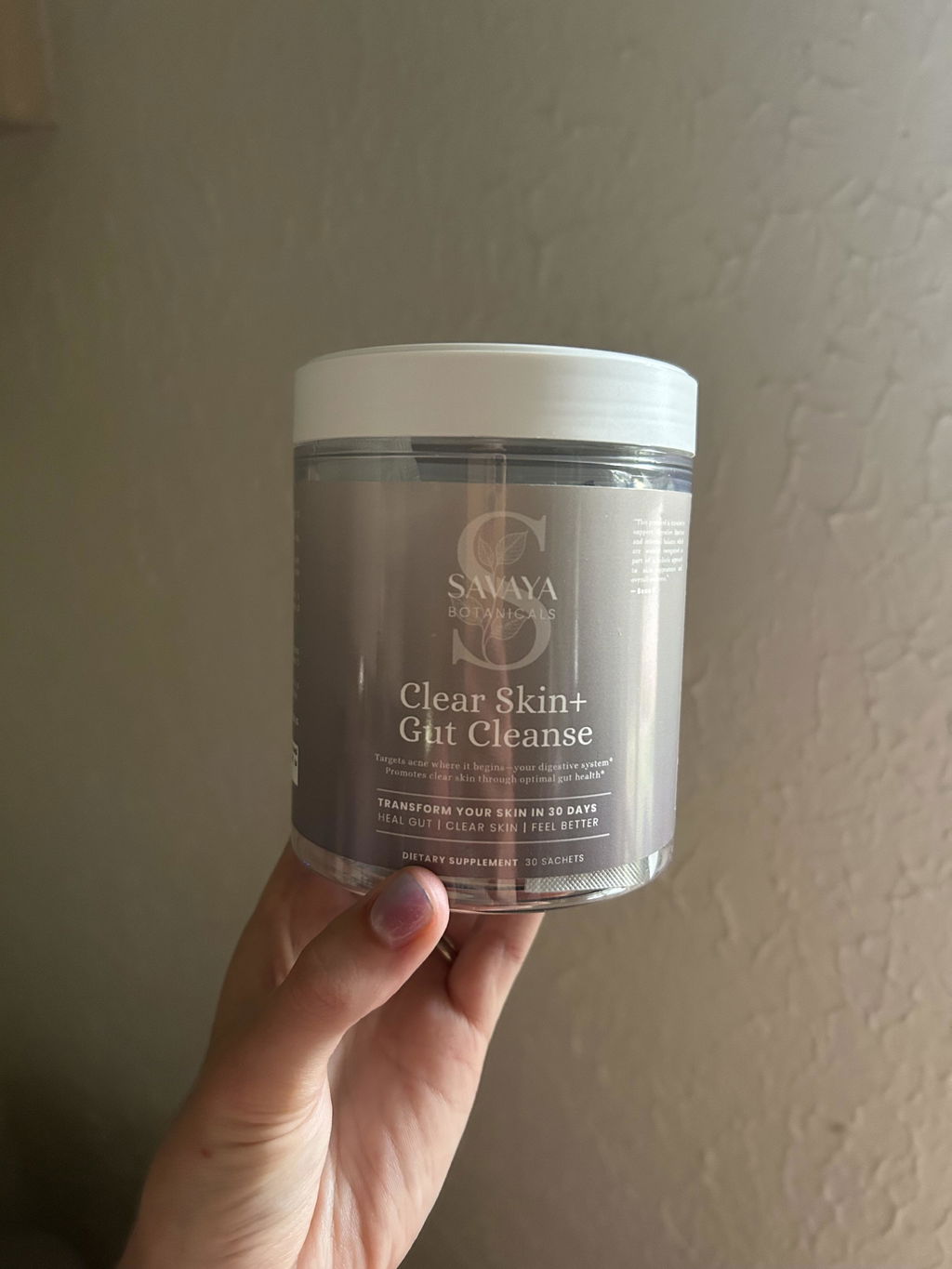
For the gut layer, I reach for a daily acai-based detox blend when the inflammatory burden looks heavy and years of stress are baked in, as part of a steady daily habit rather than a one-off step. For daily mineral support, 92 trace minerals from the ocean replace what chronic stress has drained. For the skin barrier itself, a barrier-repairing tallow cream supports overnight repair, and bioavailable collagen support gives the dermis the raw material to hold structure while the axis heals.
None of it replaces the breath. None of it replaces the sleep. But when the inside is calming down and the outside is fed, skin stops looking like a warning light and starts looking like skin.
• • •
Frequently Asked Questions
Can stress really cause acne on its own?
Yes. Chiu, Chon, and Kimball showed in 2003 that stress raises acne severity independently of sleep or diet changes. The mechanism is direct: cortisol and CRH activate receptors on sebocytes, and stress-induced gut permeability adds inflammatory fuel through the gut-skin axis.
How long does it take to fix a stress-damaged gut?
Most women see the first shifts within three to four weeks of consistent breathwork, sleep, and a targeted gut protocol. Full barrier repair and microbiome rebalancing generally take twelve weeks or longer. Zonulin normalization and tight-junction recovery are slow, cumulative processes.
Is leaky gut a real medical concept?
Yes. The scientific term is increased intestinal permeability, and it is measurable through zonulin, lactulose-mannitol testing, and LPS antibodies. Alessio Fasano's work in Physiological Reviews in 2011 established zonulin as the physiological regulator of gut tight junctions in humans.
What is the fastest way to strengthen the vagus nerve?
Slow breathing at around six breaths per minute has the most immediate measurable effect on heart rate variability and vagal tone, per Zaccaro et al. 2018. Cold exposure to the face, humming, gargling, and singing all stimulate vagal fibers as well. Daily consistency matters far more than intensity.
Do probiotics help acne through the gut-skin axis?
The evidence is early but promising. Jung et al. 2013 in the Journal of Cutaneous Medicine and Surgery found probiotic supplementation improved standard acne treatment outcomes. Kim et al. 2010 in Nutrition showed lactoferrin-fortified fermented milk reduced lesion counts. The likely mechanism is lower systemic inflammation via a calmer microbiome.