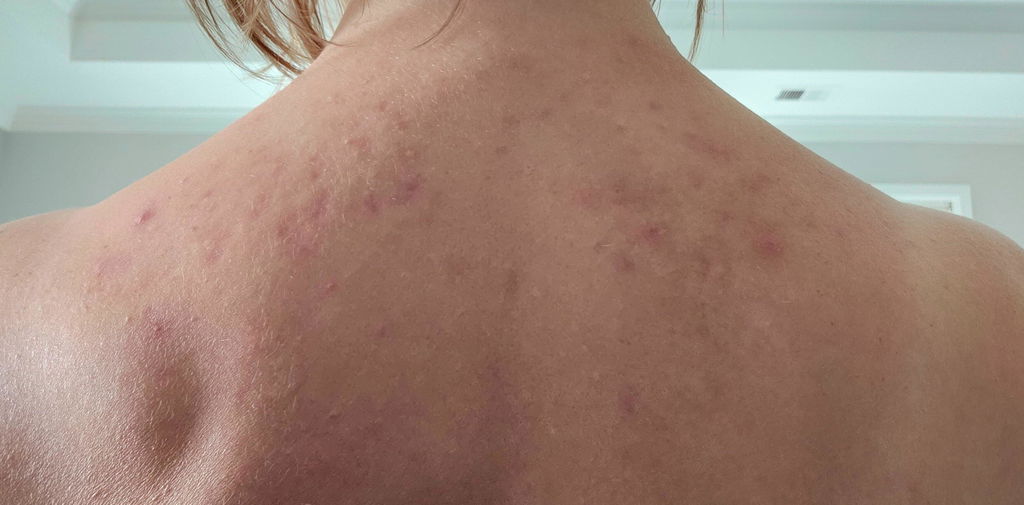
Your acne is not a random skin issue. It is a message. That cluster on your jawline, the persistent forehead bumps, the cheek breakouts that show up during stressful weeks. They map to specific organs and gut regions in ways that both traditional Chinese medicine and modern gut-skin axis research now agree on. What your skin is trying to tell you is often about digestion, hormones, or inflammation happening much deeper than the surface.
Why Your Face Is Actually a Gut Map
Face mapping is the practice of correlating acne location with internal health signals. Traditional Chinese medicine has used it for centuries. Modern dermatology now backs the underlying mechanism through the gut-skin axis, a two-way communication loop where the microbiome influences inflammation, sebum production, and hormonal signaling that shows up on your face.
The 2018 review by Salem and colleagues in Frontiers in Microbiology laid this out clearly. When your gut microbiome shifts into dysbiosis, the intestinal barrier gets more permeable. Bacterial fragments and inflammatory molecules leak into the bloodstream. Your immune system responds. Your skin, being your largest immune organ, ends up carrying the burden.
So no. That chin cyst is not because you touched your face. Your skin is a screen. The signal starts inside.
Chin and Jawline Acne: Hormonal Signals and Gut Estrogen
Chin and jawline acne is the classic hormonal breakout pattern, closely tied to fluctuations in androgens, estrogen metabolism, and cortisol. In face mapping, this zone corresponds to the reproductive organs and lower digestive tract. When your gut cannot properly clear excess estrogen, it recirculates back into your system and drives sebum production.
In my practice, this is the most common pattern I see in women aged 25 to 45. Deep, painful cysts that flare up the week before your period. They sit in the same spot every cycle. That is not random. Your body is repeating a signal.
Here is what is happening under the surface. Your liver processes used estrogen into a form your gut is supposed to escort out. If your microbiome is out of balance, an enzyme called beta-glucuronidase spikes. This enzyme deconjugates the estrogen your liver just packaged for elimination, and it gets reabsorbed. Higher circulating estrogens throw off your androgen ratio. Your sebaceous glands get the signal to produce more oil. Acne follows.
Chronic stress makes it worse. When cortisol stays elevated, the HPA axis dysregulates. Your ovaries produce more testosterone as compensation. Research on adult female acne consistently links elevated stress markers to more severe premenstrual breakouts.
What actually helps here. First, restore gut motility. Constipation is estrogen's best friend. Second, feed the microbes that keep beta-glucuronidase in check. A targeted gut cleanse can shift this within weeks for many women. Third, watch dairy. It spikes IGF-1 and directly worsens hormonal acne through the mechanism Bodo Melnik has documented in dermatology literature since 2009.
Forehead Breakouts: Digestion and Small Intestine Distress
Forehead acne signals digestive imbalance, particularly small intestine dysfunction and dysbiosis. In traditional face mapping, this zone maps to the digestive tract from stomach to small bowel. Modern research links forehead breakouts to elevated blood sugar, food sensitivities, and disrupted gallbladder function that impair fat digestion and toxin clearance.
The forehead is the fastest reactor. If I want to see how someone's digestion changed last week, I look here first. Small, gritty bumps across the T-zone. Congestion between the brows. These are usually the first physical signals of small intestinal bacterial overgrowth or new food sensitivities.
Here is the mechanism. When digestion stalls, food ferments in the small intestine longer than it should. Lipopolysaccharides from opportunistic bacteria increase intestinal permeability. That inflammatory load circulates and triggers the skin response. Your face is one of the first places you can see it. Which raises the obvious question, why does it show up on the forehead specifically and not somewhere else?
The answer sits in the density of sebaceous glands and nerve endings in the T-zone. It is the most reactive real estate on your face. When inflammation is systemic, this is the first zone to break.
If your forehead breakouts moved from occasional to constant, ask yourself what changed. Antibiotics in the last six months. A stretch of poor sleep. Alcohol every weekend. The gut microbiome is astonishingly responsive to these inputs.
The between-the-brows area specifically maps to liver function in Chinese medicine. If breakouts cluster there, your detox pathways are struggling. This is where the deeper 12-week reset can make a real difference by supporting phase one and phase two liver detoxification alongside gut repair.
Cheek Acne: Respiratory Support and Gut Inflammation
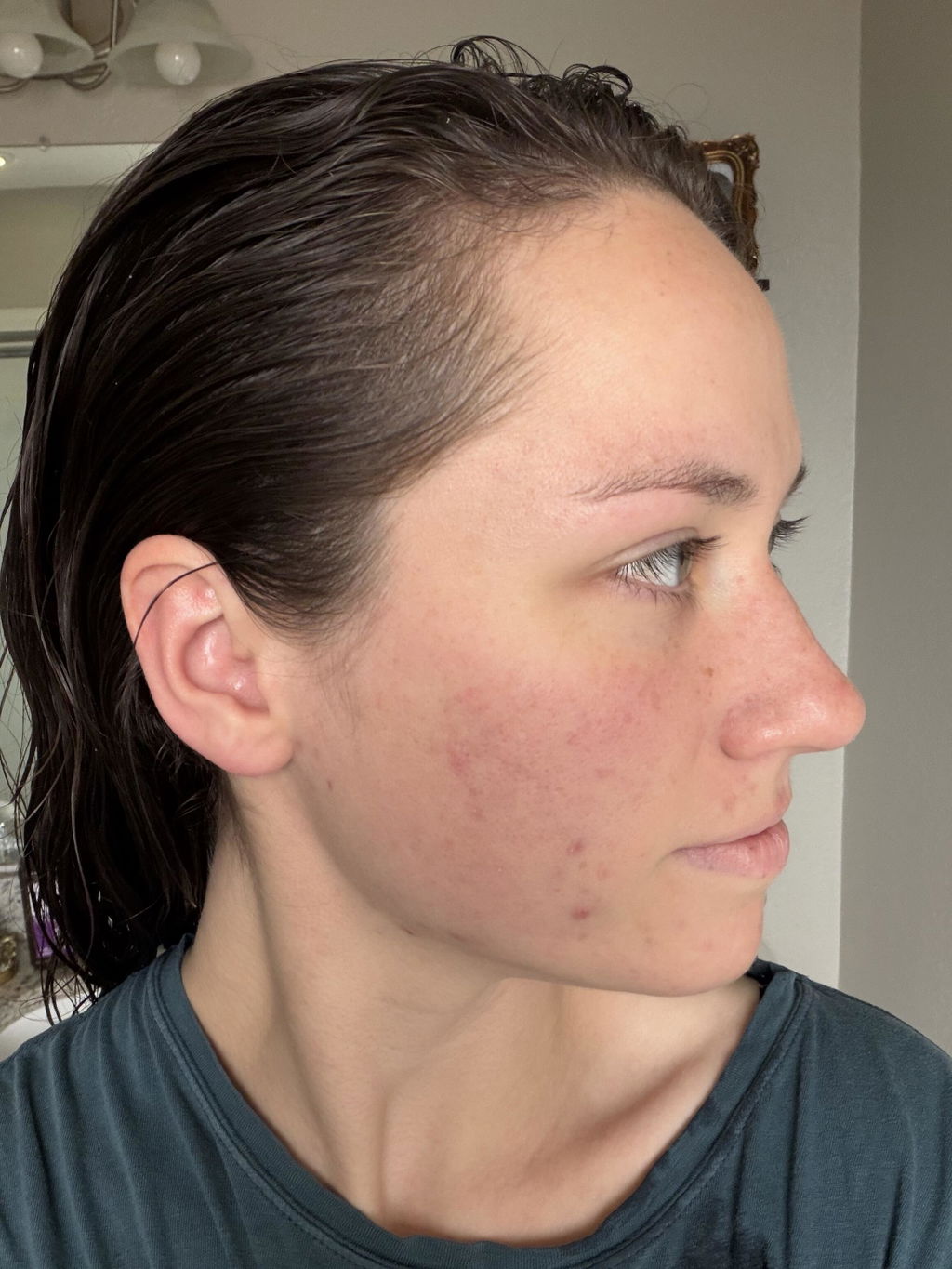
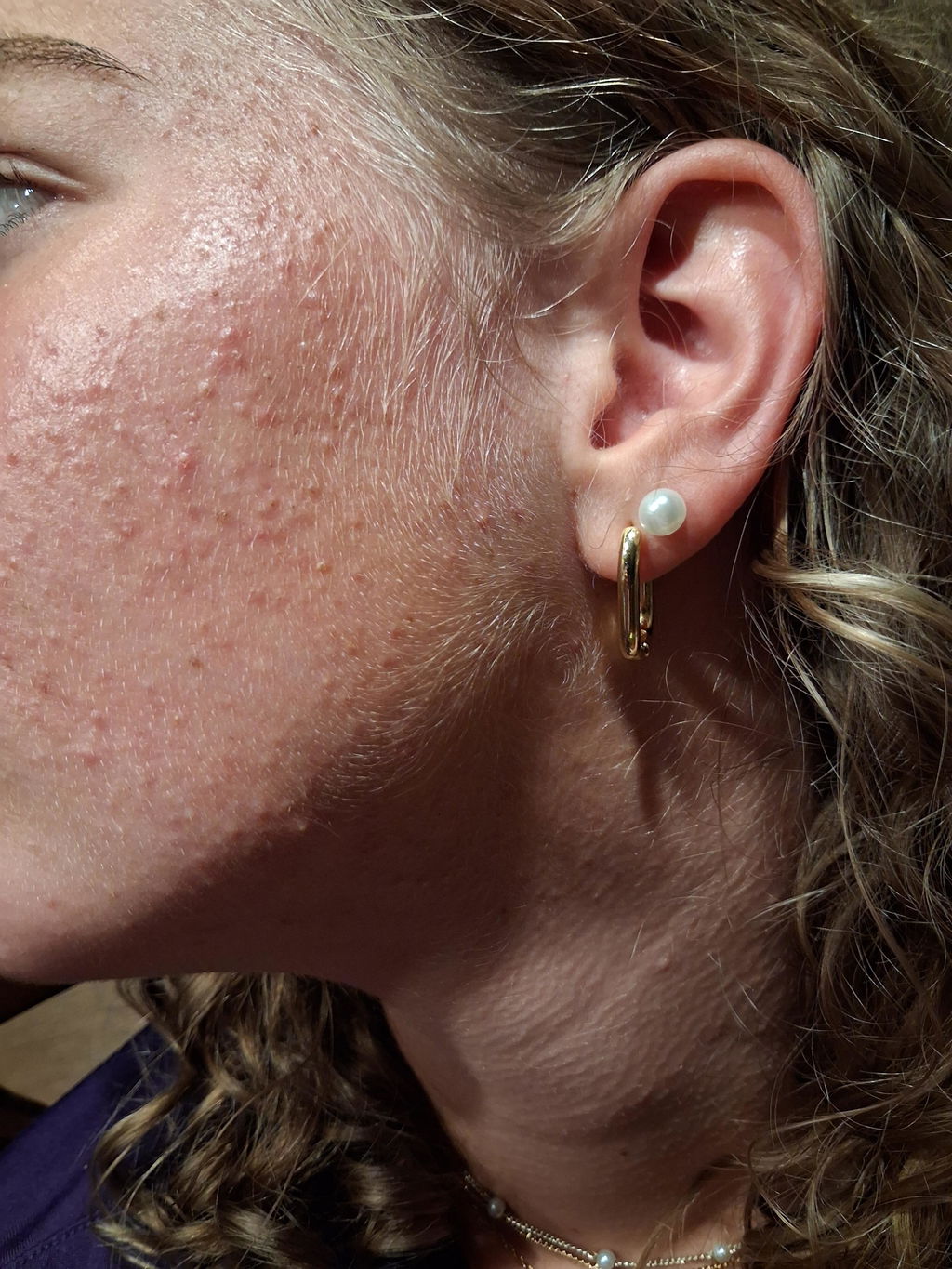
Cheek acne connects to two internal systems in face mapping. The upper cheeks link to respiratory function and the lungs, while the lower cheeks correspond to the large intestine and inflammatory load in the gut. Persistent cheek breakouts often reflect environmental irritants combined with underlying microbiome dysbiosis and elevated systemic inflammation.
Cheek acne frustrates me because it gets blamed on pillowcases and phones when the root cause is inflammatory. If you have been washing your pillowcase twice a week for months and nothing has budged, something deeper is going on.
The upper cheek connection to respiratory health matters more than people realize. Air quality, seasonal allergies, and chronic low-grade sinus inflammation all show up here. When your body is fighting airborne irritants, mast cells release histamine. Histamine drives skin inflammation directly and increases gut permeability, so the two systems compound.
Lower cheek acne usually points to the large intestine. Chronic bloating. Alternating constipation and loose stools. Gas that shows up two hours after meals. These are all signs of dysbiosis, and they tend to show up on the lower cheeks and along the jawline as inflammatory papules that never fully resolve on their own.
Bowe and Logan's 2011 review in Gut Pathogens made the case that acne is fundamentally an inflammatory disease with a gut microbiome component. Later research by Deng and colleagues in 2018 found that people with acne have measurably different gut bacteria profiles than clear-skinned controls, with lower diversity and fewer short-chain fatty acid producers.
If cheek acne is your pattern, look at fiber. Real, diverse plant fiber. Not one type of fiber powder. Your gut needs a range of prebiotic sources to feed the microbes that produce butyrate and other short-chain fatty acids that calm inflammation from the inside out.
Nose Breakouts: Heart, Stomach, and Circulation
Nose acne, blackheads, and redness map to the heart and stomach in traditional face mapping, reflecting cardiovascular strain, blood pressure changes, and stomach acid imbalance. Modern research supports the link between chronic gastritis, low stomach acid, and inflammatory skin conditions including rosacea and stubborn nose breakouts.
The nose is a fascinating zone because it holds two signals at once. Circulatory health on the surface. Stomach and upper digestive function underneath.
If your nose is chronically red, flushes easily, or has persistent visible capillaries, cardiovascular inflammation is often at play. Salt intake, alcohol, and hidden hypertension all express here. This is a signal to check in with your primary care.
But the more common nose pattern is blackheads and enlarged pores across the bridge. In my practice, this correlates almost every time with low stomach acid or a history of long-term acid blocker use. When stomach acid drops, protein digestion stalls. Undigested food fragments feed the wrong microbes. Nutrient absorption suffers, particularly zinc and B vitamins that skin needs to regulate sebum production.
The connection between H. pylori infection and skin conditions has been explored in dermatology literature for over a decade. When H. pylori disrupts the stomach lining, systemic inflammation follows. Rosacea rates in H. pylori positive individuals are consistently higher than in the general population.
If your nose is your zone, the answer is rarely more topical products. It is upstream. Support digestion at the source. Warm meals. Bitters before eating. Adequate protein. Bioavailable collagen support can help repair the gut lining while you work on the root cause.
Temples: Kidney and Liver Filtration Overload
Temple acne is one of the clearest signals in face mapping, pointing to kidney and liver filtration overload. Breakouts along the temples and hairline often show up during periods of dehydration, high toxin exposure, or when detox pathways cannot keep pace with what the body is trying to process out.
Temples are the small window into how well your body is filtering. Kidney function on one axis. Liver conjugation on the other. When either falls behind, you see it here first as pustules along the hairline or persistent congestion around the temples.
Ask yourself these questions if temples are your zone. Are you drinking half your body weight in ounces of water daily. Are you sweating regularly. Are you eating cruciferous vegetables to support liver phase two detoxification. Are you avoiding excess alcohol and processed seed oils that increase the liver's oxidative load.
The liver has two phases of detoxification. Phase one converts toxins into intermediate compounds that are often more reactive than the original toxin. Phase two conjugates those compounds so they can be excreted safely. If phase one runs faster than phase two, reactive intermediates circulate. Skin shows it.
Mineral-rich sea moss, with its 92 trace minerals from the ocean, supports thyroid and kidney function that underpins detoxification. Adequate minerals are the quiet foundation most acne protocols miss entirely.
How to Actually Fix the Root Cause
Treating face mapping acne means addressing the internal system it maps to, not just the surface. That involves restoring gut microbiome balance, supporting liver and kidney detoxification, and repairing the intestinal barrier over a consistent 8 to 12 week protocol. Topical care matters, but it will not resolve breakouts driven by internal inflammation.
Here is the honest truth after years of watching this pattern in clinic. Face mapping is not superstition. It is pattern recognition that ancient practitioners saw over centuries and modern research is only now catching up to.
Your face is not the problem. It is the report card of everything happening underneath.
The protocol I use with women whose acne maps to a clear internal pattern follows three stages. Clear. Repair. Nourish.
Clear means addressing dysbiosis. This is where a microbiome reset does the heavy lifting, using targeted botanicals to reduce overgrowths without wiping out beneficial bacteria. Two to four weeks.
Repair means healing the intestinal barrier. L-glutamine, zinc carnosine, and mucilaginous herbs like slippery elm. This is the stage where symptoms often plateau, then break through. Four to six weeks.
Nourish means feeding the ecosystem you have rebuilt. Diverse prebiotic fiber. Fermented foods. Adequate protein. Consistent sleep and movement. This is the phase most people skip, which is why breakouts return within a few months of any short-term protocol.
For skin care during the internal work, keep it minimal. A barrier-repairing tallow cream at night to protect the skin microbiome on the surface. Nothing stripping. Nothing exfoliating aggressively while the barrier is trying to heal from within.
• • •
If your acne maps to more than one zone or has been persistent for years, Clear Skin+ Max Detox is a daily acai-based blend that helps support your skin from within, so you have something straightforward to add to your routine.
Frequently Asked Questions
How long does it take to see results from gut-focused acne treatment?
Most people see meaningful changes between weeks 6 and 10 of a consistent protocol. The skin cell cycle is roughly 28 days, so give yourself at least two full cycles before evaluating results. Deeper hormonal patterns can take a full 12 to 16 weeks to shift, and cystic acne often takes the longest to resolve because the follicle needs time to heal after the inflammation calms down.
Can face mapping really predict which organ is affected?
Face mapping identifies patterns, not diagnoses. It offers a framework to notice which internal system may need support. Combined with symptoms like digestion, energy, and cycle patterns, it becomes a useful early signal. It does not replace clinical testing when concerns are serious, and it works best as a companion to how you actually feel day to day.
What is the gut-skin axis and how does it affect acne?
The gut-skin axis is the two-way communication between your gut microbiome and skin. When the gut barrier is compromised, inflammatory molecules and bacterial fragments circulate, triggering immune responses that show up as acne, redness, and other skin issues. Research on this axis has grown substantially since Bowe and Logan's foundational 2011 paper in Gut Pathogens.
Is dairy really connected to hormonal chin acne?
Yes, for many people. Dairy elevates IGF-1, a hormone that directly stimulates sebum production and androgen activity. Multiple observational studies since the mid-2000s have shown a link between dairy consumption and acne severity, particularly in the chin and jawline area where hormonal breakouts tend to cluster.
Do I need to do a gut cleanse to see results?
Not always. Some people respond well to dietary changes and stress management alone. But if you have been struggling for years with a clear face mapping pattern, a structured protocol accelerates the process by addressing dysbiosis, permeability, and detoxification in the right order rather than piecemeal.