I need to tell you something that most gut health articles completely skip over.
You can take the best probiotic supplement money can buy. Spend $40 a month on it, take it religiously every morning, and still see zero improvement in your skin. And here is the frustrating part: it is not because probiotics do not work. It is because most of us are asking the wrong question entirely.
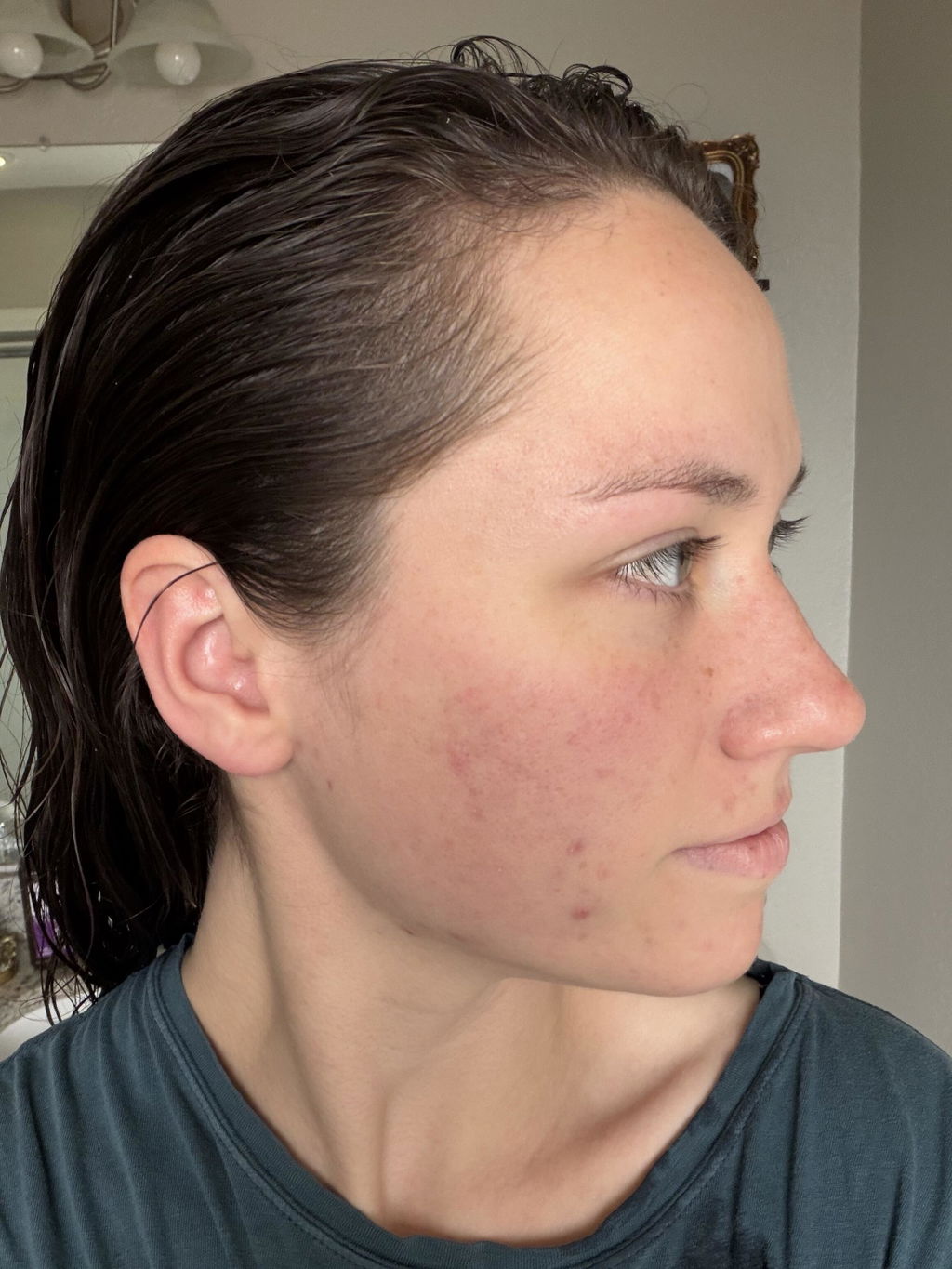
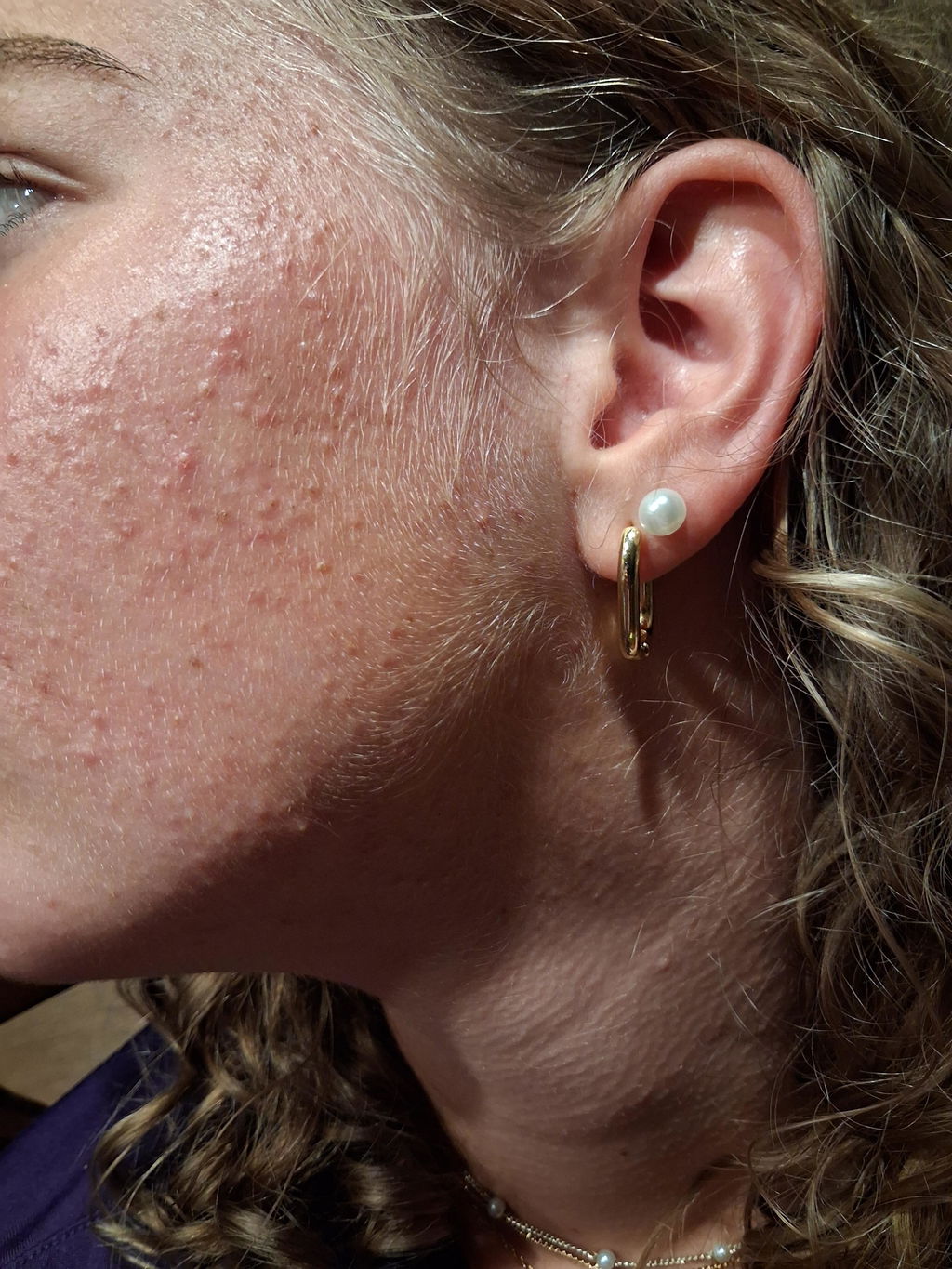
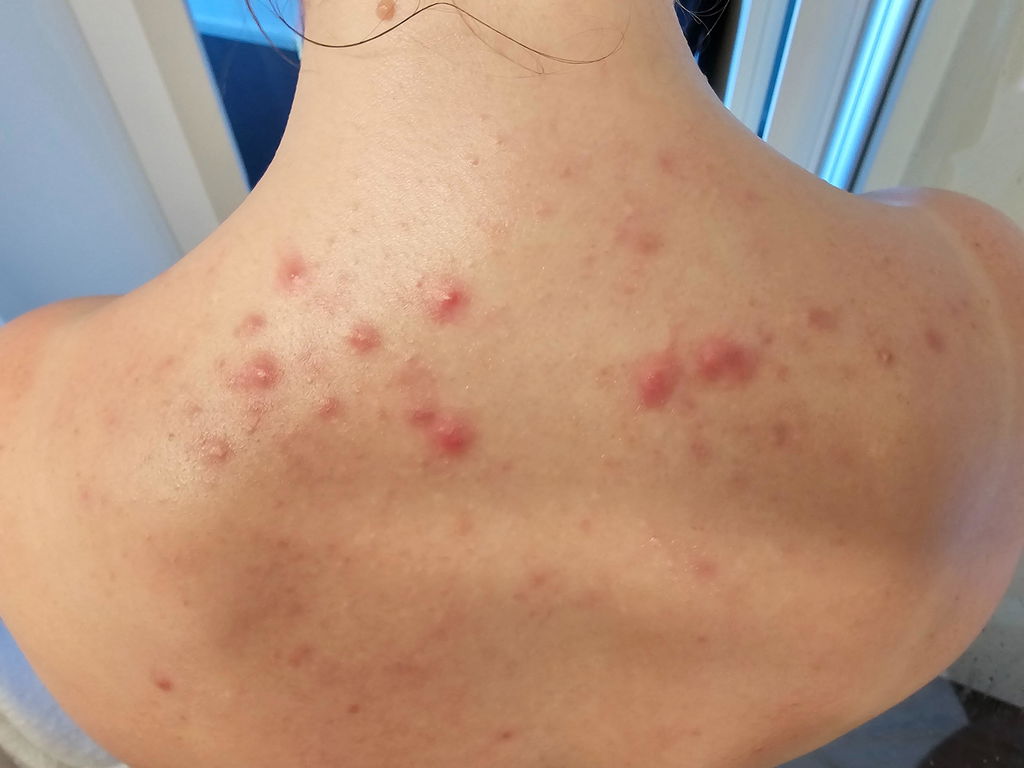
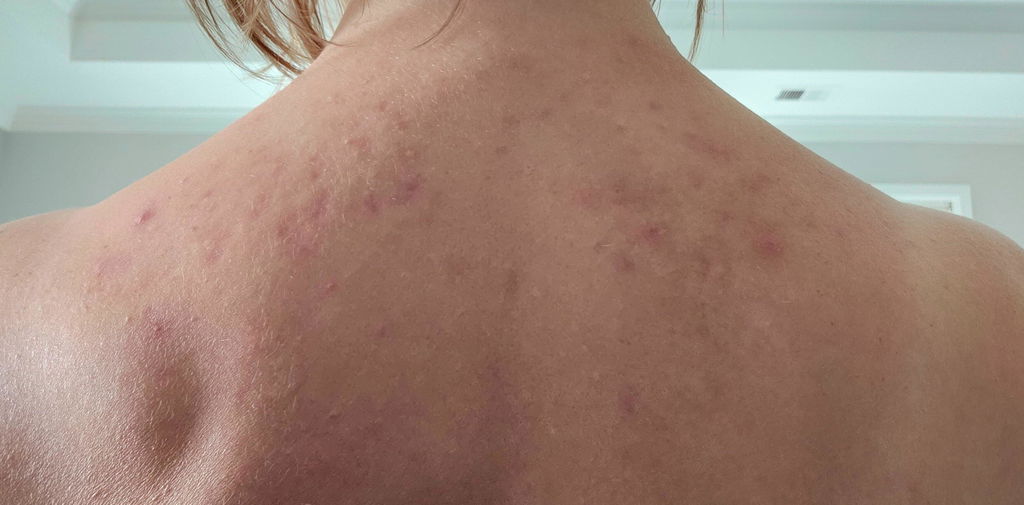
For two years, I kept trying to fix my hormonal acne by cycling through probiotic supplements. Lactobacillus acidophilus. Multi-strain blends. Refrigerated capsules. Fermented tablets. I read every label, bought the "clinical strength" formulas, tried them all. My skin got marginally better when I started eating better, marginally worse when I stressed out, but the probiotics themselves? Barely moved the needle.
It was not until I started digging into the actual microbiology, and eventually understood the difference between what a probiotic does versus what a prebiotic does, that everything clicked. When I started adding the right prebiotic foods into my routine alongside a proper gut-clearing protocol, my skin changed in a way that three years of supplements never managed.
Let me break this down the way I wish someone had for me.
Probiotics vs Prebiotics: What Is Actually the Difference?
A probiotic is a live microorganism, usually a specific strain of bacteria or yeast, that you introduce into your gut. Think of it like dropping new seeds into a garden.
A prebiotic is the food that already-existing bacteria in your gut eat to survive, multiply, and thrive. Think of it like watering and fertilizing the garden soil.
Most people focus entirely on the seeds. But if the soil is poor and there is no water, the seeds die. That is exactly what happens to most probiotic supplements.
Your gut already contains somewhere between 38 and 100 trillion bacteria. Those existing communities have been with you for years, far more entrenched than any bacteria in a capsule. When you swallow a probiotic, those bacteria have to survive stomach acid (pH as low as 1.5, which is corrosive), survive bile salts, find the right section of your intestine to colonize, and somehow compete against the massive established population already living there.
For most people, most of the time, the vast majority of those supplemental bacteria simply do not survive the journey intact.
Why Most Probiotic Supplements Fail Your Skin
There are three main reasons your probiotic is probably not doing much for your complexion.
Stomach acid destroys them before they arrive. Most standard probiotic capsules are not acid-resistant. Research has found that some popular probiotic products lose 99% of their viable bacteria before reaching the large intestine where they actually need to work. Without enteric coating or encapsulation technology designed for acid protection, you are essentially swallowing an expensive placebo.
Wrong strains for your skin concern. There are hundreds of documented Lactobacillus and Bifidobacterium strains. Not all of them do the same thing. The strains linked to clearer skin in clinical research are very specific. A generic multi-strain blend may contain none of the relevant ones, or contain them in doses far too low to be meaningful. Spreading 5 billion CFU across 20 different strains gives you 250 million of each, which is nowhere near the 10 to 50 billion per strain used in clinical trials.
No prebiotic environment to sustain them. Even if a probiotic strain survives delivery and reaches your colon intact, it needs food to thrive. Without prebiotics present, even the best probiotic strain fades within days of stopping the supplement. It never truly colonizes. It is a visitor, not a resident.
* * *
The Specific Bacterial Strains Linked to Clear Skin
This is where the science gets genuinely interesting.
Lactobacillus rhamnosus is one of the most studied strains in skin research. A randomized controlled trial published in Beneficial Microbes found that L. rhamnosus supplementation significantly reduced acne lesion counts compared to placebo over 12 weeks. Researchers believe it works by modulating the gut-skin axis, reducing systemic inflammation, and improving the gut barrier so that inflammatory particles stop leaking into the bloodstream and triggering skin flares.
Bifidobacterium longum has been specifically studied for skin sensitivity and redness. A double-blind clinical trial found that participants taking B. longum showed measurable reductions in skin reactivity, improved moisture retention, and a 29% reduction in skin sensitivity scores after eight weeks. This strain appears to communicate with skin cells via the gut-brain-skin axis, calming the immune overreaction that triggers chronic flushing and inflammatory breakouts.
The key insight: if you want these specific benefits, you need these specific strains in therapeutic doses, delivered intact to your colon. Most supermarket probiotics do not meet that standard.
This is also why a first-step gut reset matters so much. Using a targeted microbiome gut cleanse to clear and prepare the environment before introducing any new bacterial support makes the whole strategy work better. You are preparing the soil before planting.
What Prebiotics Do That Probiotics Cannot
Here is the shift that changed everything for my skin.
Prebiotics are non-digestible fibers and compounds that pass through your small intestine intact and selectively feed the beneficial bacteria already living in your colon. Instead of trying to introduce new bacteria (which usually do not stick around), you are growing your existing good bacteria population from within.
This is fundamentally more sustainable for long-term skin health because you are working with your biology, not against it.
The skin-clearing bacteria that benefit most from prebiotic feeding include Faecalibacterium prausnitzii (one of the most anti-inflammatory bacteria in the human gut, chronically depleted in people with IBD and acne), Akkermansia muciniphila (which strengthens the gut lining and reduces systemic inflammation), and various strains of Bifidobacterium and Lactobacillus that produce short-chain fatty acids regulating immune signaling throughout the body, including at the skin.
Best prebiotic foods for skin-healing bacteria:
- Raw chicory root and dandelion greens (highest inulin content of any food source)
- Jerusalem artichoke (dense in inulin and fructooligosaccharides)
- Green banana and cooled cooked potato (resistant starch that directly feeds short-chain fatty acid producers)
- Leeks and garlic (FOS-rich, specifically support Bifidobacterium growth)
- Sea moss (bioavailable trace minerals and prebiotic polysaccharides that create a gut-friendly environment)
Sea moss deserves specific attention here. Beyond its 92 trace minerals, sea moss contains complex polysaccharides and sulfated carrageenan compounds that act as a prebiotic substrate for beneficial gut bacteria while also supporting mucosal lining integrity. I add it to my morning routine as part of a broader mineral and microbiome support stack. You can find a clean source in this sea moss supplement that I use alongside my prebiotic foods.
The Stanford Fermented Foods Study That Changed How I Think About This
In 2021, researchers at Stanford published a landmark study in the journal Cell that directly compared two dietary strategies: a high-fiber diet versus a high-fermented-foods diet over 10 weeks. The results surprised even the study authors.
Participants on the fermented foods diet (kimchi, kefir, fermented cottage cheese, kombucha, and similar foods) showed a significant increase in microbiome diversity and a measurable decrease in 19 different inflammatory proteins, including multiple cytokines directly linked to skin inflammation like IL-17 and IL-6. The high-fiber group, despite eating more prebiotics overall, did not show the same immunomodulatory effect in the same timeframe.
The researchers concluded that fermented foods change gut function in ways that supplements alone cannot replicate, likely because fermented foods deliver prebiotic fibers, live organisms, short-chain fatty acids, and fermentation byproducts simultaneously in a matrix the gut recognizes as food rather than a foreign substance.
For skin health, the takeaway is clear: microbiome diversity is protective. A low-diversity gut is a stressed, inflammatory gut, and your skin reflects that inflammation directly.
This is one reason I believe the full detox protocol works as a starting point for people with stubborn skin concerns. Resetting the gut environment creates the conditions for diversity to return, and diversity is what actually drives the anti-inflammatory effect.
* * *
Debunking the Most Common Probiotic Myths
Myth: More strains equals a better probiotic. The research does not support the idea that a 20-strain formula beats a 2-strain formula. What matters is whether the specific strains match your health goal, and whether they are present at a therapeutic dose. A 20-strain product with 5 billion total CFU often contains less of any given strain than a targeted 2-strain product with 50 billion CFU. Strain specificity beats strain variety every time.
Myth: Eating yogurt covers your probiotic needs. Most commercial yogurt contains Lactobacillus bulgaricus and Streptococcus thermophilus. These are excellent for fermentation but are not well-studied for skin outcomes. They pass through the gut quickly and do not colonize in meaningful numbers. They also do not contain L. rhamnosus or B. longum in therapeutic quantities. Yogurt is a healthy food. It is not a clinical intervention.
Myth: Probiotics fix leaky gut. This one is partly true but mostly backwards in terms of sequence. Leaky gut (intestinal hyperpermeability) is often a cause of skin inflammation, not just a consequence of low probiotic intake. To address it properly, most people need a gut-clearing phase first, then prebiotic feeding to strengthen the mucosal lining, and then targeted strain support. Jumping straight to probiotics without the first two steps explains why so many people see limited results.
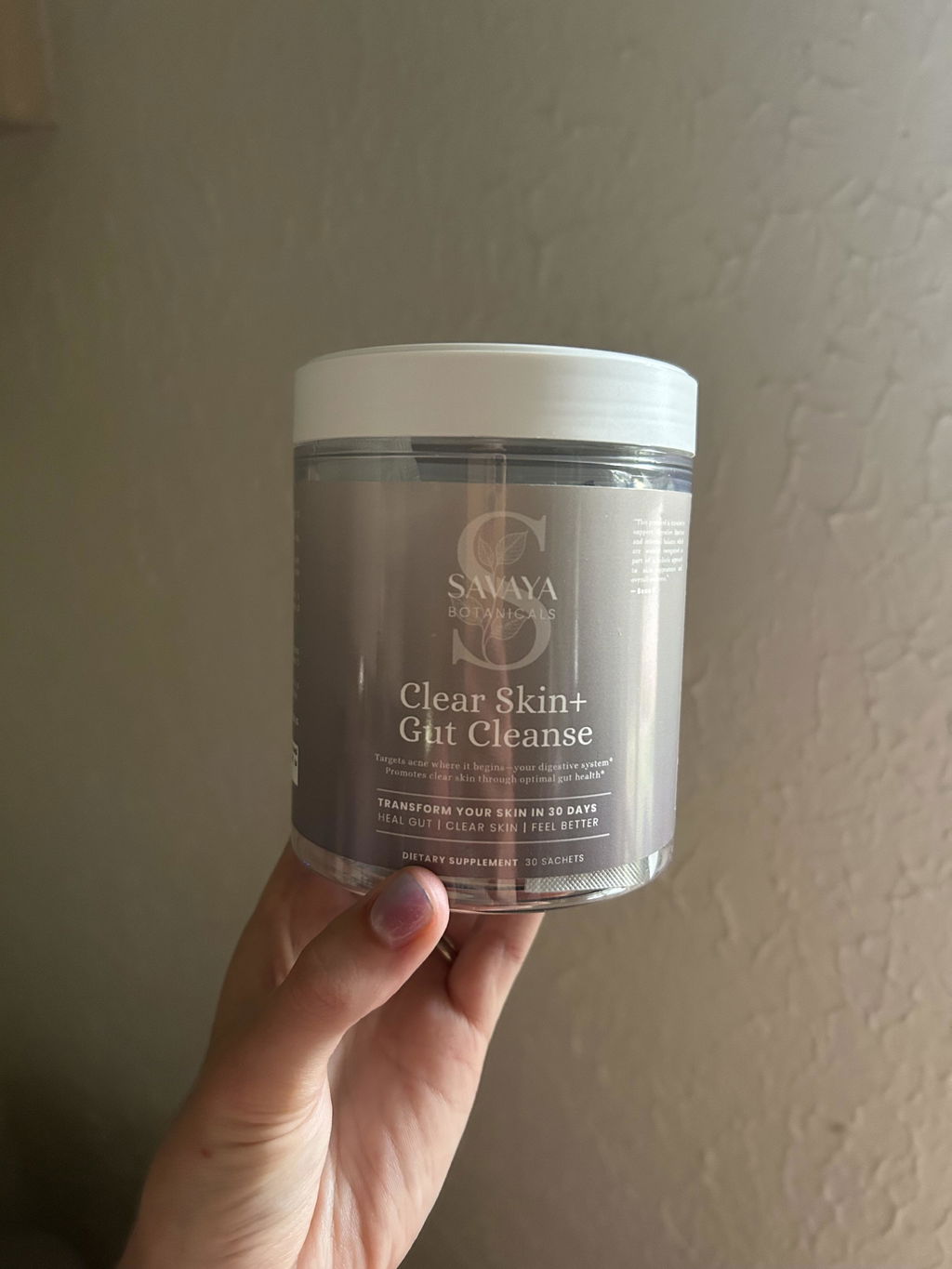
If you are dealing with persistent skin concerns and suspect your gut is involved, a simple daily addition like Clear Skin+ Max Detox, an acai-based blend, helps support your gut alongside the rest of your routine.
What a Holistic Gut-to-Skin Routine Actually Looks Like
After years of experimenting and working through the actual research, here is how I structure my approach now.
- Prebiotic foundation first, every day. A green banana, raw garlic in at least one meal, and cooked-and-cooled rice or potato several times a week. Non-negotiable, not optional.
- Fermented foods consistently. Kimchi, kombucha, or kefir at most meals. Not as a cure but as daily microbiome diversity maintenance, exactly what the Stanford study validated as the mechanism.
- Periodic gut environment resets. Every few months I run a targeted gut cleanse protocol to clear the environment. Coming out of a cleanse, I transition into a deeper detox phase for systemic clearing before rebuilding.
- Topical barrier support alongside gut work. The gut-skin axis takes time to recalibrate. Using a skin barrier cream supports the skin externally while internal inflammation resolves. The skin barrier and gut lining share similar fatty acid profiles and repair mechanisms.
- Collagen as a gut-skin amplifier. Collagen synthesis requires a healthy gut to absorb precursor amino acids properly. Adding collagen support works synergistically with gut health work in a way it never does when the gut is inflamed and leaky.
* * *
Frequently Asked Questions
Should I take a probiotic or prebiotic for acne?
For most people with skin concerns, prebiotic support tends to be more impactful than probiotic supplementation alone, because prebiotics feed the bacteria already living in your gut rather than trying to introduce new strains that may not survive transit. If you do use a probiotic, choose one containing clinically researched strains like L. rhamnosus or B. longum at 10 to 50 billion CFU with enteric coating for acid protection. The most effective approach combines a gut-clearing protocol, consistent prebiotic food intake, fermented foods, and targeted probiotic strains in that sequence.
How long before gut health changes appear in my skin?
Most people notice initial changes in skin texture and redness within 4 to 8 weeks of consistent gut protocol work. Deeper shifts in hormonal acne patterns and chronic breakouts typically take 10 to 12 weeks of sustained dietary and supplementation changes. The gut-skin axis operates at the pace of microbiome remodeling, which takes time but tends to produce lasting results compared to topical treatments that only address the surface symptoms.
What is the gut-skin axis exactly?
The gut-skin axis is the bidirectional communication network between your gut microbiome, your immune system, and your skin. Your gut microbiome regulates systemic inflammation levels, produces short-chain fatty acids that influence skin barrier function, and affects hormone metabolism including the androgens linked to acne. A disrupted microbiome, marked by low diversity, pathogenic overgrowth, or a compromised gut lining, sends pro-inflammatory signals that manifest in the skin as acne, redness, eczema, or accelerated aging.
Are prebiotic foods better than prebiotic supplements?
Whole food sources of prebiotics are generally superior because they deliver a broader spectrum of fiber types, polyphenols, and cofactors that work synergistically. However, prebiotic supplements like inulin, fructooligosaccharides, and galactooligosaccharides can be useful for therapeutic dosing when food alone is insufficient. Sea moss is a particularly valuable whole-food prebiotic source because it combines prebiotic polysaccharides with 92 trace minerals that support the gut-skin connection holistically.
Can I do a gut cleanse while continuing probiotic and fermented foods?
Yes, and this combination tends to work better than a cleanse alone. A gentle gut cleanse protocol removes irritants, pathogenic overgrowth, and accumulated waste from the intestinal environment. Continuing fermented foods and prebiotic-rich eating during and after the cleanse helps repopulate the cleared environment with beneficial bacteria faster and more durably. The cleanse creates the space. The prebiotic and fermented food strategy fills it with the right organisms.
* * *
Start With the Step Most People Skip
If you have been frustrated by probiotic supplements that did not deliver, it is probably not your fault. The supplement industry rarely explains the setup work that makes probiotics effective, because selling prebiotics and gut-clearing protocols is less marketable than selling "10 billion CFU ultra-strength" blends.
The gut-skin connection is real. The research on specific bacterial strains, fermented food diversity, and prebiotic feeding is solid and growing. But it works as a system, not as a single capsule.
Clear the environment first. Feed it well. Then support it with the right strains.
Start with the foundation: a targeted microbiome gut cleanse that prepares the gut so everything you do after it actually takes hold.