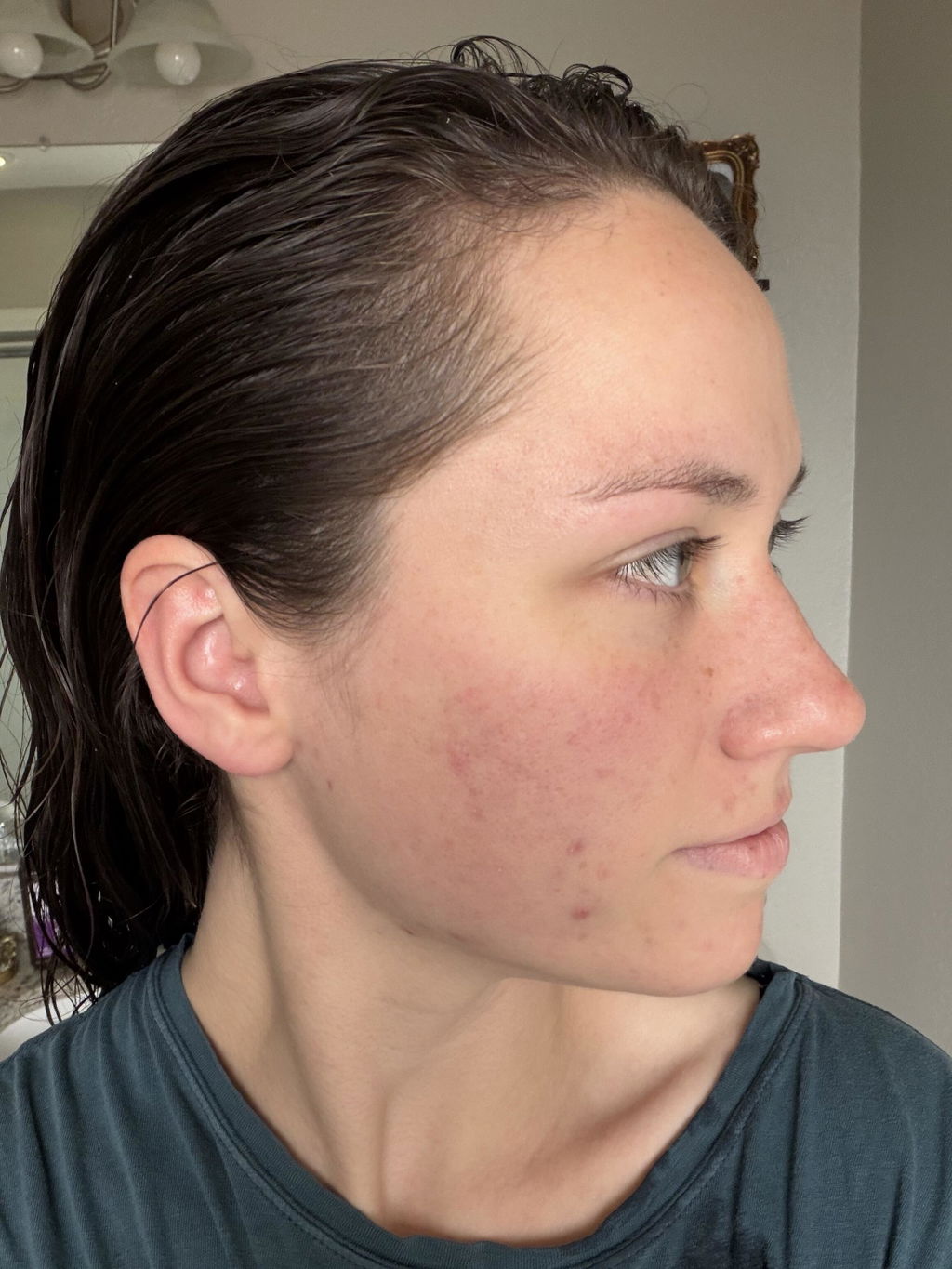
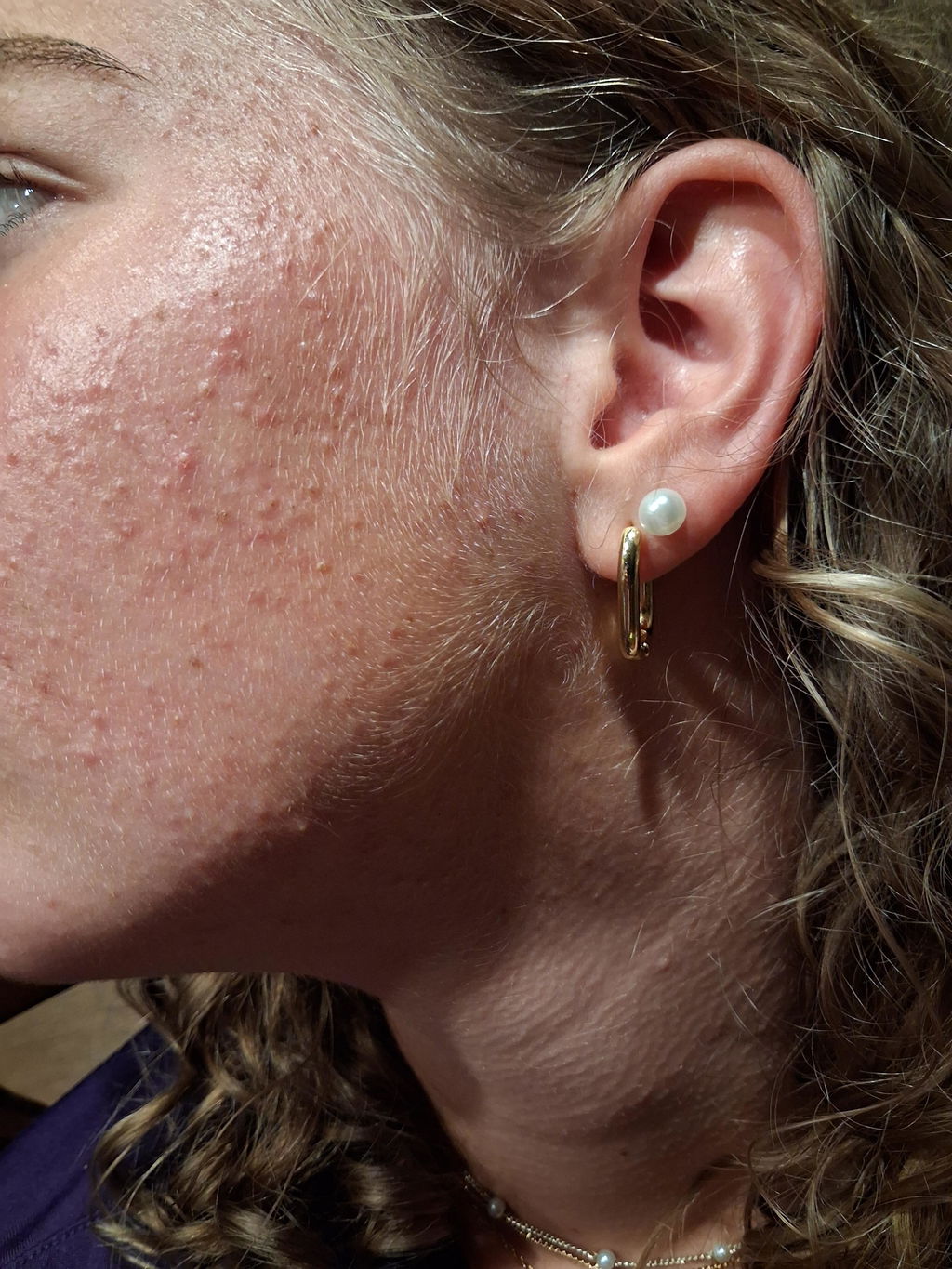
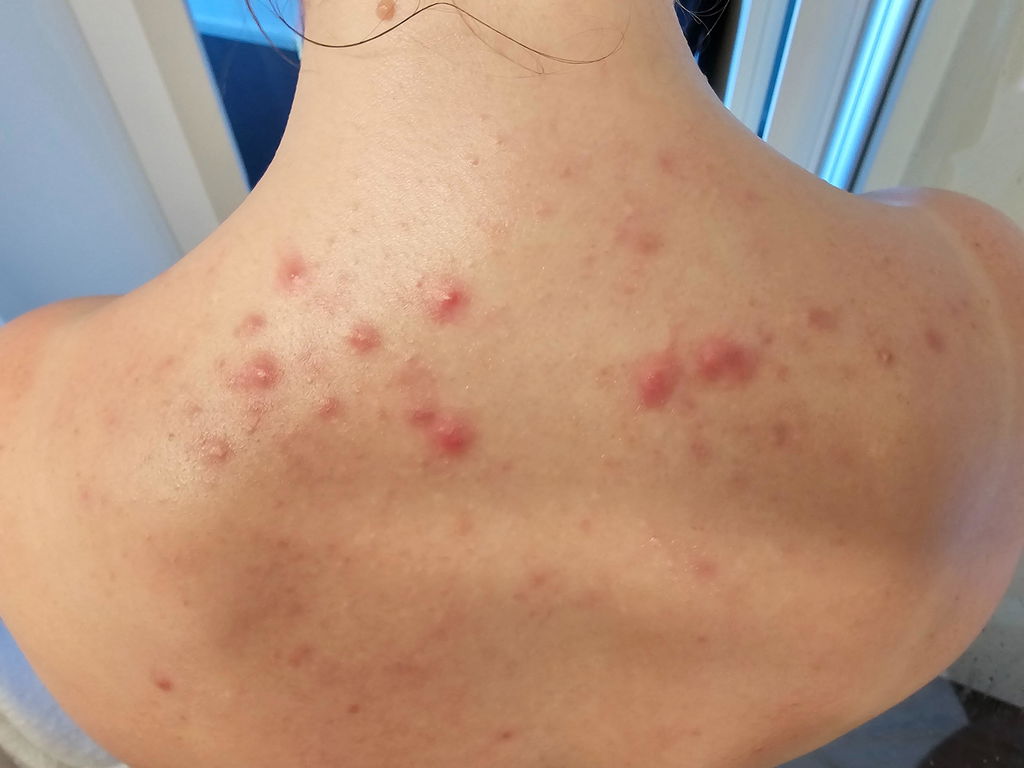
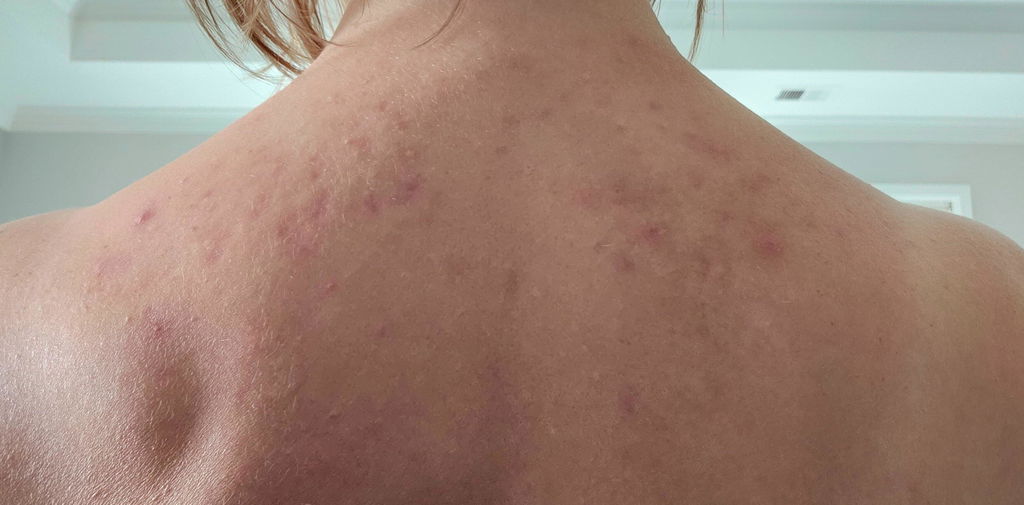
Three years ago, a young woman walked into my practice carrying a manila folder thick enough to prop open a door. Inside: 47 dermatologist visits across six different clinics. Twelve prescription topicals, half of which had bleached her pillowcases. Four rounds of oral antibiotics that decimated her digestion. Two failed Accutane attempts.
Her cheeks still looked like a battlefield.
We didn't replace a single product on her bathroom shelf. We didn't add another retinol or miracle serum. Instead, I handed her a single piece of paper: a list of eight foods to remove from her kitchen. Within nine weeks, her cystic acne — the kind that leaves scars long after the flare fades — was gone. Her sister, who had watched her cry in dressing rooms for years, called it a miracle.
It wasn't. It was biology. It was her gut lining finally being allowed to heal.
Why Your Gut Decides What Your Skin Looks Like
Your intestinal lining is a single cell thick. One fragile layer. That's the only thing standing between the food you eat and your bloodstream. When that lining gets damaged — and modern food damages it daily — undigested proteins, bacterial endotoxins called LPS, and inflammatory compounds slip into circulation. Your immune system flips to red alert. Inflammation surges through every organ, including your largest one: your skin. The result shows up on your face within seventy-two hours.
Researchers call this the gut-skin axis. I just call it the truth nobody tells you in the dermatologist's chair. Below are the eight foods I see destroying gut linings most often, with the specific mechanisms and studies behind each one.
———
1. Ultra-Processed Foods (The Hidden Demolition Crew)
A landmark 2019 study published in The BMJ tracked 105,159 French adults and found that every 10% increase in ultra-processed food consumption raised overall disease risk by 12%. But the more disturbing research came from Georgia State University, where Dr. Andrew Gewirtz's team showed that two of the most common food emulsifiers — polysorbate-80 and carboxymethylcellulose — eroded the protective intestinal mucus layer and triggered low-grade inflammation in just twelve weeks of dietary exposure.
These additives are nearly inescapable: protein bars, store-bought almond milk, ice cream, frozen "healthy" meals, bottled salad dressings, processed deli meats, packaged pastries, even many kombuchas. If a label lists more than five ingredients — or anything you wouldn't recognize from a farmers market — it qualifies. Treat ultra-processed food like sandpaper for your gut wall, because that is essentially what the histology slides reveal.
2. Refined Sugar (The IGF-1 Acne Trigger)
A 2018 Stanford study published in Cell Host & Microbe demonstrated that high-sugar diets shifted gut microbiome composition within four days. Just four days. Sugar feeds opportunistic yeast like Candida albicans, whose metabolites further compromise the gut barrier. But the most direct acne mechanism is hormonal: refined sugar spikes insulin, which spikes Insulin-like Growth Factor 1 (IGF-1). IGF-1 is sebum's best friend — it signals sebaceous glands to pump out oil and accelerates the keratinocyte turnover that clogs pores from the inside.
This is the reason teenagers in non-Westernized populations — the Kitavans of Papua New Guinea, the Aché of Paraguay — have essentially zero acne despite zero skincare routines. They also eat essentially zero refined sugar. The correlation is not subtle.
3. Conventional Dairy (The A1 Casein Problem)
Most people assume the dairy issue is lactose. It's not. It's A1 beta-casein, the dominant protein in modern Holstein cow milk. When A1 casein is digested, it releases a peptide called beta-casomorphin-7 (BCM-7). A 2014 study in the European Journal of Clinical Nutrition linked BCM-7 directly to intestinal inflammation and slower gut transit. BCM-7 acts like a low-grade opioid in the gut wall, dampening repair and triggering immune activity.
Layer that on top of dairy's natural IGF-1 content — cow's milk is literally engineered to grow a 90-pound calf into a 1,500-pound cow — and you have a textbook acne accelerant. A 2018 meta-analysis in Nutrients pooled fourteen studies and found a clear positive association between dairy intake and acne severity, with skim milk being the worst offender (skimming the fat concentrates the hormones).
4. Gluten (The Zonulin Pathway)
Dr. Alessio Fasano's research at Harvard Medical School cracked open something the wellness world had been fumbling with for years. The protein gliadin — a component of gluten — triggers the release of a molecule called zonulin. Zonulin's only job is to regulate the tight junctions between intestinal cells, the velcro that keeps your gut sealed.
Here's the problem: in genetically susceptible individuals (which Fasano estimates is far more people than just those with celiac disease), gluten causes zonulin to fling those tight junctions wide open. Lipopolysaccharides leak through. The immune system attacks. Skin inflammation follows within days. If you've ever noticed a breakout twenty-four to forty-eight hours after a slice of pizza or a bowl of pasta, you've watched the zonulin pathway play out on your face.
5. Artificial Sweeteners (The Microbiome Saboteurs)
The most damning research came from a 2014 paper in Nature by Jotham Suez and colleagues at the Weizmann Institute. They demonstrated that non-caloric artificial sweeteners — including sucralose (Splenda), saccharin, and aspartame — induced glucose intolerance specifically by altering the gut microbiota. In follow-up work published in Cell in 2022, the same team showed that sucralose reduced microbial diversity and shifted bacterial composition toward inflammatory species in human subjects within just two weeks.
Translation: your "zero sugar" energy drink, your sugar-free gum, your protein powder sweetened with sucralose — they may technically be calorie-free, but they are not metabolically neutral. They reshape the very ecosystem that determines whether your skin is calm or chaotic. Switching from soda to diet soda doesn't fix the gut problem. It just changes its shape.
6. Industrial Seed Oils (The Omega-6 Inflammation Bomb)
Soybean oil, canola oil, corn oil, sunflower oil, safflower oil, cottonseed oil, grapeseed oil. Read enough labels and you'll find these in nearly everything that comes in a wrapper or a restaurant fryer. The problem isn't fat — it's the ratio. The ancestral human diet maintained an omega-6 to omega-3 ratio of roughly 1:1 to 4:1. The modern Western diet sits at about 20:1.
When linoleic acid (the dominant omega-6 in seed oils) is heated and reheated — as it is in commercial frying oil — it produces 4-HNE (4-hydroxynonenal), a compound that increases oxidative stress and damages intestinal epithelial cells. A 2018 review in BioMed Research International concluded that excessive omega-6 intake is "a significant contributor to chronic inflammatory diseases of the skin," including acne, eczema, and rosacea. The chronic low-grade inflammation that follows is exactly the soil acne grows in.
7. Alcohol (The Tight Junction Destroyer)
Even moderate alcohol consumption increases intestinal permeability. A 2017 study in Alcoholism: Clinical and Experimental Research measured significant increases in zonulin and circulating LPS after just one episode of binge drinking in otherwise healthy subjects. Alcohol also depletes Akkermansia muciniphila — the keystone bacterial species responsible for maintaining your intestinal mucus layer — and starves the beneficial Lactobacillus and Bifidobacteria your skin depends on.
Add the dehydration, the sugar load (especially in cocktails and wine), and the burden alcohol places on liver detoxification, and you have a perfect storm. The "morning-after pimple" isn't a coincidence. It's a twenty-four-hour-old immune response showing up exactly where you can see it.
8. Excess Caffeine (The Cortisol Spiral)
I'm not anti-coffee. Small amounts can support gut motility and contain beneficial polyphenols. But more than 400 mg per day — roughly four cups — drives chronic cortisol elevation. Cortisol thins the protective gut mucus layer, slows tissue repair, suppresses secretory IgA, and triggers sebaceous gland activity. A 2019 review in Nutrients linked chronic stress and elevated cortisol directly to acne severity through impaired barrier function — both intestinal and dermal.
Caffeine also disrupts deep sleep when consumed after noon, and deep sleep is precisely when your gut lining repairs itself. You don't need to quit. You need to halve it. Cut your last cup off at 11 a.m. and watch what happens to your skin in two weeks.
———
What to Eat Instead: The Gut-Lining Repair Plate
The good news: the body wants to heal. The intestinal lining replaces itself every three to five days. Give it the right materials and it rebuilds, faster than most people believe possible.
- Pasture-raised eggs, wild-caught fatty fish, grass-fed liver — bioavailable vitamin A, zinc, and choline are non-negotiable for epithelial repair
- Bone broth and gelatinous cuts of meat — glycine and proline are the literal amino acids your gut wall is built from
- Fermented foods — sauerkraut, kimchi, and water kefir reseed the microbiome with diverse strains
- Cooked vegetables — squashes, carrots, zucchini, and well-cooked greens are gentler on a damaged gut than raw salads
- Sea moss — one of the most mineral-dense foods on earth, with 92 of the 102 minerals your body uses, plus mucilaginous fiber that physically coats and soothes the gut lining (it's the foundation of our ocean-sourced sea moss protocol)
- Healthy fats — extra virgin olive oil, grass-fed tallow, pasture butter, avocado
- Resistant starches — green plantain, cooked-and-cooled potatoes, and green banana flour feed beneficial bacteria like Akkermansia
- Collagen-rich foods — or a clean, marine-sourced supplement like our beauty collagen strips for connective tissue support
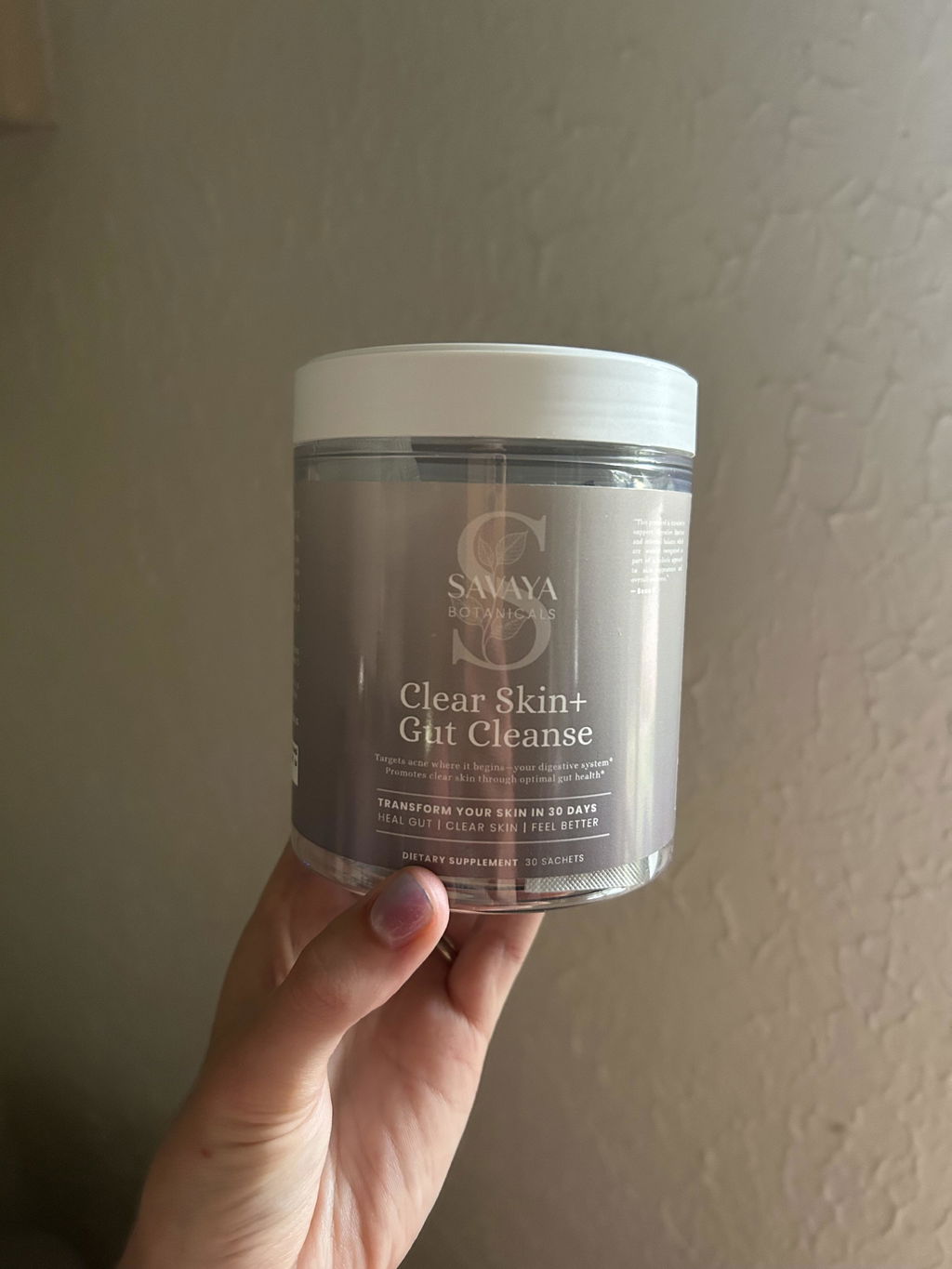
For most of my clients, food alone isn't enough. A healthy microbiome supports the skin's natural balance, and a steady, nutrient-dense routine helps maintain overall wellness. That's why I built our microbiome gut cleanse sachets and why I recommend our Clear Skin+ Max Detox — a daily acai-based blend that helps support the body's natural balance, right alongside a nutrient-dense diet.
The Bottom Line
Your skin isn't broken. Your gut is leaking. Once you stop putting sandpaper into your digestive tract — emulsifiers, A1 casein, gliadin, sucralose, oxidized seed oils — and start putting in repair materials, the inflammation drains out of your skin within weeks, not years.
The same client I told you about at the beginning? She still keeps that folder. Not as a reminder of what didn't work, but as proof of what does.
———
Ready to Reset Your Gut and Clear Your Skin?
If you've been dealing with breakouts that keep coming back, our Max Detox acai blend is a simple daily addition I recommend to every new client. Alongside the microbiome gut cleanse and our peaceful-night tallow cream, it helps support the skin barrier from the outside while contributing to normal balance from within. Clients tell me it's become a small daily habit they genuinely look forward to.
Frequently Asked Questions
How long does it take to heal a damaged gut lining?
Surface-level repair begins within three to five days, since the intestinal lining replaces itself rapidly. However, a fully restored mucus layer and rebalanced microbiome typically takes eight to twelve weeks of consistent dietary changes paired with targeted nutritional support. The deeper the damage from years of processed food, antibiotics, alcohol, or chronic stress, the longer the timeline — but visible skin improvements often appear within the first three weeks.
Can I still drink coffee while healing my gut?
Yes, in moderation. Limit to one cup before 11 a.m., choose organic to avoid pesticide residues, and never drink it on an empty stomach if you have any digestive sensitivity. If your skin is severely inflamed, consider switching to matcha or herbal alternatives like tulsi or chaga for the first thirty days to lower your overall cortisol load and let the gut mucus layer rebuild.
What is the single worst food for gut-driven acne?
For most people it's a tie between refined sugar and conventional A1 dairy — both directly elevate IGF-1 and trigger sebum overproduction. Ultra-processed snacks containing emulsifiers like polysorbate-80 come in a close third because they damage the gut barrier itself, allowing inflammatory compounds to reach the bloodstream and the skin within hours of eating.
Do I need supplements, or can diet alone heal my gut?
Diet alone can heal mild gut damage. But if you've had years of processed food intake, antibiotics, chronic stress, or visible cystic acne, targeted nutritional support — bioavailable minerals, mucilaginous fibers, and microbiome-restoring compounds — accelerates the timeline dramatically. In my practice, clients on a structured twelve-week protocol see results three to four times faster than those relying on dietary changes alone.
Will my acne come back if I eat these foods occasionally?
The 80/20 principle works once your gut is fully healed. After twelve weeks of consistent repair, most people can occasionally enjoy a slice of pizza or a glass of wine without breakouts, because the gut barrier is intact again and the inflammatory response is dampened. The trouble starts when "occasional" creeps back into "daily" — that's when the lining starts to erode and the breakouts return, usually within two to three weeks.
— Sarah