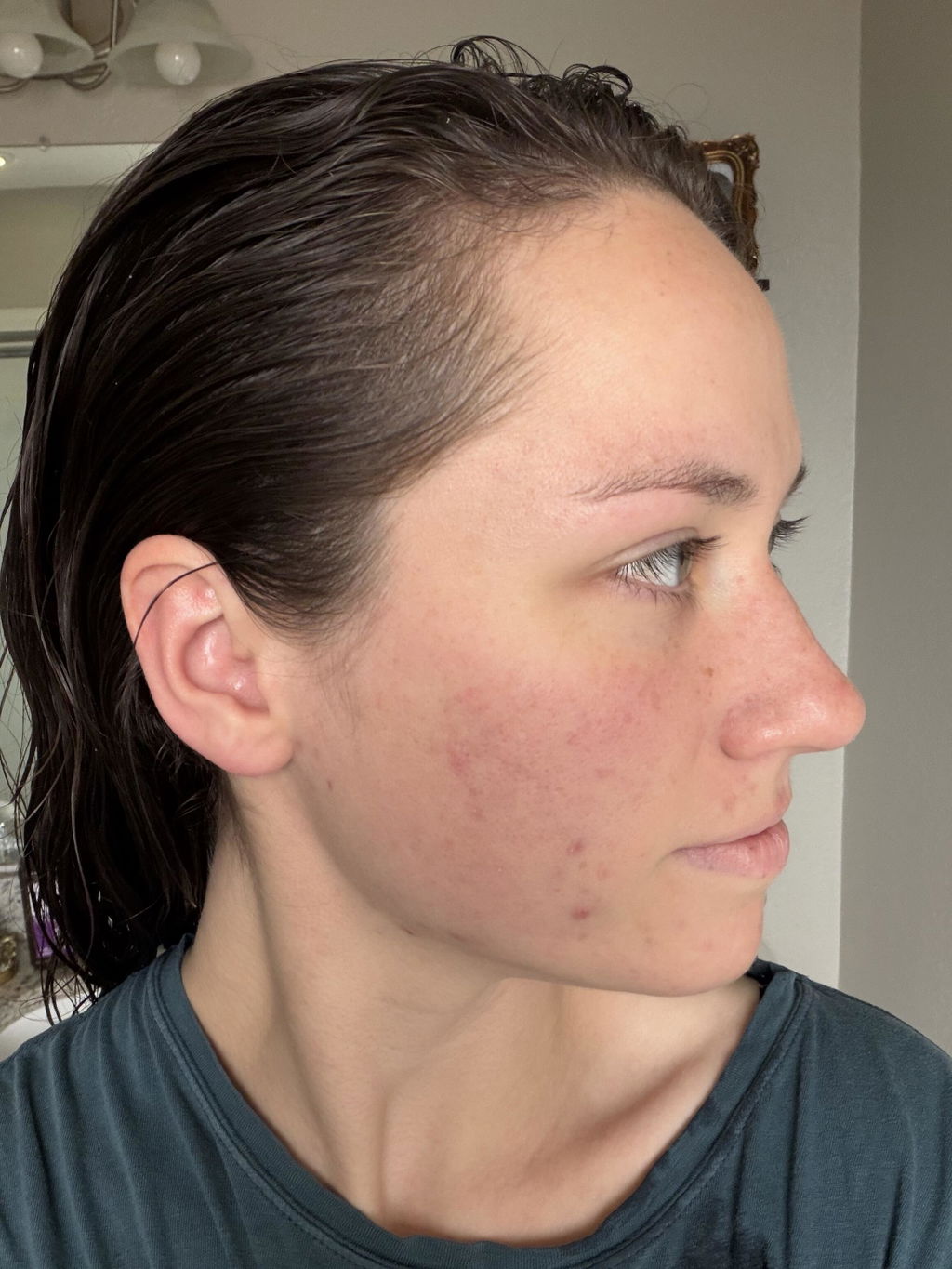
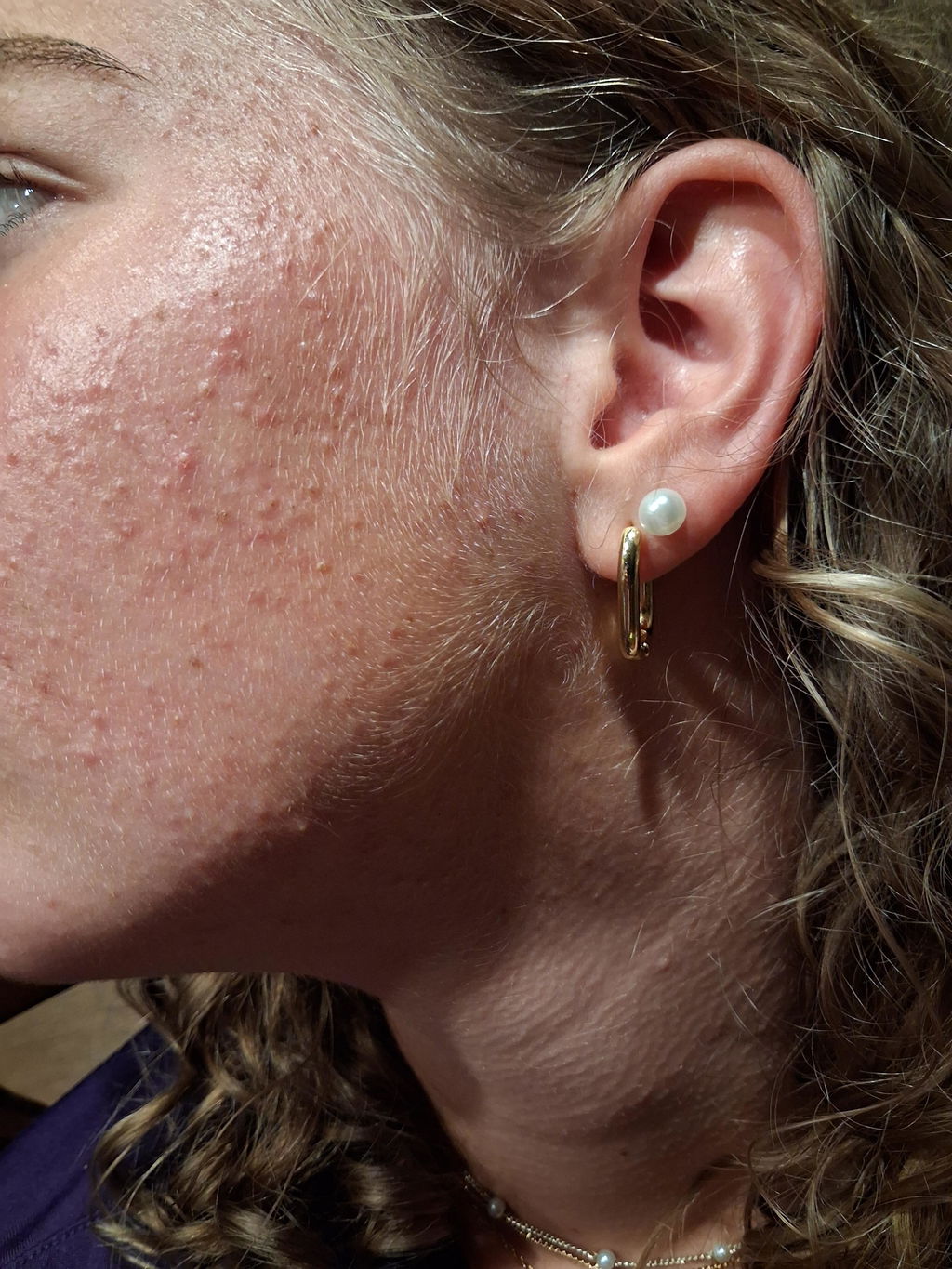
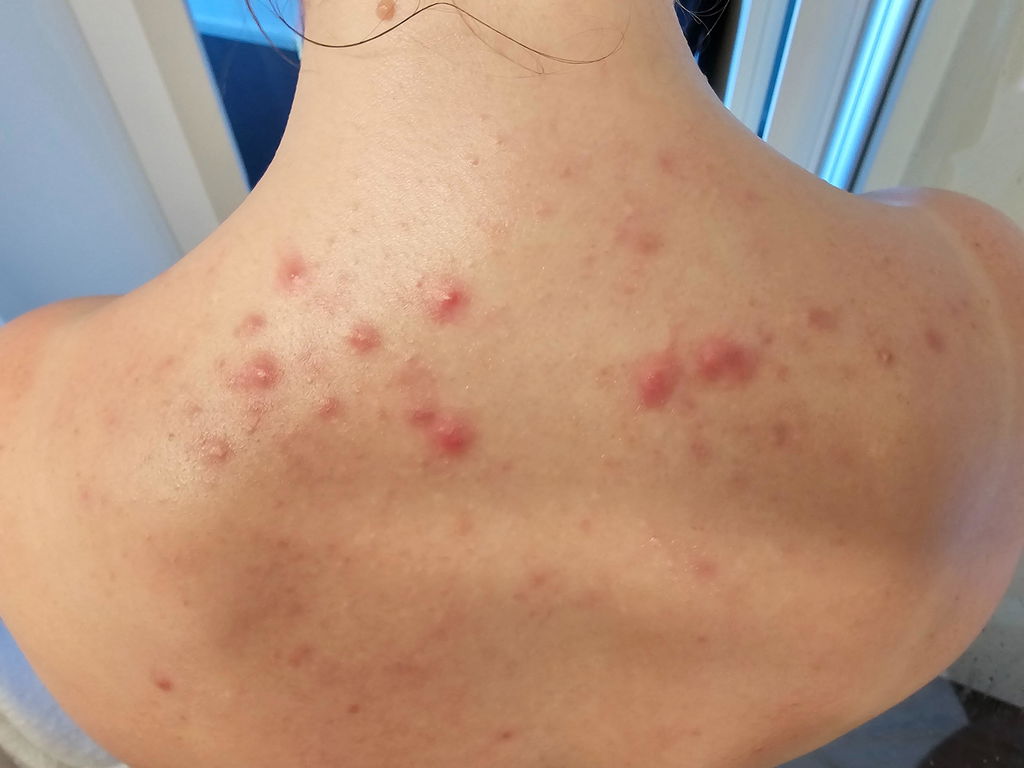
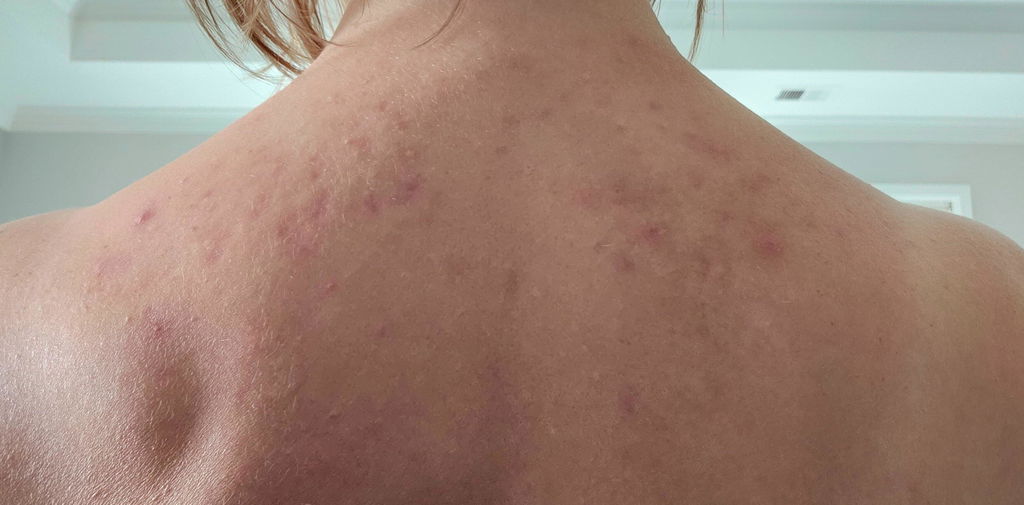
Last Tuesday at 2 AM, I was wide awake — again. Staring at the ceiling, running through tomorrow's to-do list, skin itchy and inflamed along my jawline. I'd been sleeping maybe five hours a night for weeks. And every morning, my face told the story my alarm clock wouldn't: new breakouts, dullness, that puffy look no amount of concealer could fix.
I kept blaming my skincare. Swapping serums. Adding actives. But here's what nobody was telling me — the problem wasn't on my face. It was happening inside my gut, every single night I didn't sleep.
What I've learned since then has completely changed how I think about skin, sleep, and the invisible ecosystem living inside all of us. And if you've ever wondered why your skin falls apart during stressful, sleep-deprived weeks, this is the science that connects the dots.
———
Your Gut Bacteria Run on a Clock (and Bad Sleep Breaks It)
Here's something that blew my mind when I first came across it: the trillions of bacteria in your gut don't just sit there passively. They follow their own circadian rhythm — rising, falling, and shifting in composition throughout a 24-hour cycle, almost like a second body clock.
A landmark 2014 study published in Cell by Thaiss and colleagues at the Weizmann Institute showed that the intestinal microbiota exhibits diurnal oscillations driven by feeding rhythms and the host's circadian clock. When researchers disrupted these rhythms — through jet lag or irregular schedules — the microbiome fell into dysbiosis. The downstream effects included metabolic dysfunction, glucose intolerance, and increased inflammation.
Think about that. Every late night, every inconsistent sleep schedule, every weekend where you stay up until 3 AM and sleep until noon — you're not just messing with your energy levels. You're disrupting the internal clock of your gut bacteria. And when your microbiome loses its rhythm, your skin is one of the first places to show it.
The Gut Produces 400 Times More Melatonin Than Your Brain
When most people think of melatonin, they think of a little gland in the brain — the pineal gland — releasing the "sleep hormone" when it gets dark. But that's only a fraction of the story.
Research by Bubenik, published in Digestive Diseases and Sciences in 2002, documented something remarkable: the gastrointestinal tract contains roughly 400 times more melatonin than the pineal gland. Your gut's enterochromaffin cells produce melatonin independently, and this gut-derived melatonin plays a significant role in intestinal motility, inflammation control, and mucosal protection.
This means your gut isn't just passively receiving signals from your brain about when to sleep. It's an active participant in your body's sleep-wake architecture. When your gut is inflamed, overgrown with the wrong bacteria, or starved of the nutrients it needs, melatonin production suffers — and so does your sleep. It becomes a vicious cycle: poor gut health leads to poor sleep, and poor sleep further damages the gut.
This is one of the reasons I started taking gut health seriously as a sleep strategy, not just a digestion strategy. Supporting the microbiome with mineral-dense nutrition — like sea moss, which delivers 92 of the 102 minerals your body needs — gives your gut the raw materials to do its job, including producing the melatonin that helps you actually fall asleep.
The Sleep Deprivation Cascade: Cortisol, Leaky Gut, and Skin Inflammation
Now let's walk through the pathway that connects a bad night's sleep to the breakout you see three days later. This isn't speculation — each link in this chain has published research behind it.
Step 1: Sleep loss spikes cortisol and inflammatory markers. A 2016 meta-analysis by Irwin, Olmstead, and Carroll in Biological Psychiatry found that chronic partial sleep deprivation — even just a few nights of sleeping around four hours — significantly elevated IL-6 and C-reactive protein, both markers of systemic inflammation. Your body reads sleep deprivation as a threat and responds accordingly.
Step 2: Cortisol damages your intestinal lining. Elevated stress hormones don't just make you feel wired. Research published in Neurogastroenterology & Motility (Zheng et al., 2013) demonstrated that corticosterone — the stress hormone — directly increases intestinal permeability in a region-specific manner. A 2017 study in Scientific Reports went further, showing that chronic glucocorticoid exposure decreases tight junction proteins like claudin-1 and occludin. These proteins are the "seals" between your gut cells. When they break down, you get what's commonly called leaky gut — undigested food particles, bacterial fragments, and toxins passing through the intestinal wall into your bloodstream.
Step 3: Leaky gut triggers systemic inflammation that shows up on your skin. A 2021 review in Microorganisms on the gut-skin axis confirmed that increased intestinal permeability allows bacterial components to trigger immune responses body-wide. This systemic inflammation has been directly linked to acne, eczema, psoriasis, and atopic dermatitis.
So the path is clear: poor sleep → cortisol surge → damaged gut lining → inflammatory molecules in the bloodstream → skin inflammation. It's not a theory. It's a documented biological cascade.
This is exactly why I tell my clients that topical products alone can't solve inflammatory skin conditions. You have to address the internal environment. A targeted gut cleanse protocol can help support intestinal barrier integrity, while a daily acai-based detox blend like Clear Skin+ Max Detox helps support that same internal environment.
Your Brain's Cleaning Crew Only Works at Night
There's another system that activates during deep sleep, and it has profound implications for your whole body — including your skin. It's called the glymphatic system.
Discovered by Maiken Nedergaard's lab at the University of Rochester, the glymphatic system is essentially your brain's waste-removal network. A groundbreaking 2013 study published in Science (Xie et al.) found that during sleep, the interstitial space in the brain expands by approximately 60%, allowing cerebrospinal fluid to flush through and clear metabolic waste — including amyloid-beta, the protein linked to neurodegeneration. This system is nearly ten times more active during sleep than during waking hours.
When you don't sleep enough, this cleaning process gets cut short. Metabolic waste accumulates. Neuroinflammation increases. And while the research on direct glymphatic-to-skin connections is still emerging, the systemic inflammatory burden from impaired waste clearance doesn't stay contained in the brain. It contributes to the overall inflammatory load your body carries — the same load that eventually manifests as dull, reactive, breakout-prone skin.
Sleep isn't beauty rest because of some vague, poetic reason. It's beauty rest because your body literally cannot detoxify without it.
What the Clinical Research Says About Sleep and Acne
If you want hard numbers, they exist. A clinical study by Schrom and colleagues published in Clocks & Sleep (2019) examined 40 adult acne patients and found that 75% scored 5 or higher on the Pittsburgh Sleep Quality Index — indicating clinically poor sleep. Among those with severe acne, 32% reported that their skin condition actively prevented them from sleeping, compared to just 18% with mild acne.
A 2024 comprehensive review in Dermatology Practical & Conceptual confirmed these findings on a larger scale: 75.2% of acne patients identified lack of sleep as a primary trigger or aggravating factor. The review concluded that sleep deprivation exacerbates acne through hormonal imbalances (cortisol and androgens), systemic inflammation, and immune dysregulation.
And then there's the microbiome connection. Smith and colleagues published a 2019 study in PLoS ONE showing that greater gut microbial diversity was positively correlated with better sleep efficiency and longer total sleep time, while lower diversity was associated with more nighttime waking. This creates a feedback loop: a diverse, healthy microbiome supports better sleep, and better sleep supports a diverse, healthy microbiome.
When both collapse at once — poor sleep and poor gut health — your skin bears the burden.
———
A Practical Evening Routine for Gut-Supported Sleep (and Clearer Skin)
Knowing the science is one thing. Putting it into practice is another. Here's the evening routine I've built around these principles — designed to support your microbiome, calm your nervous system, and give your skin what it actually needs overnight.
6:00–7:00 PM — Finish your last meal. Your gut microbiome's circadian rhythm is partly driven by feeding times. Eating too close to bedtime disrupts microbial oscillations and forces your digestive system to work when it should be in repair mode. Aim to finish eating at least three hours before sleep.
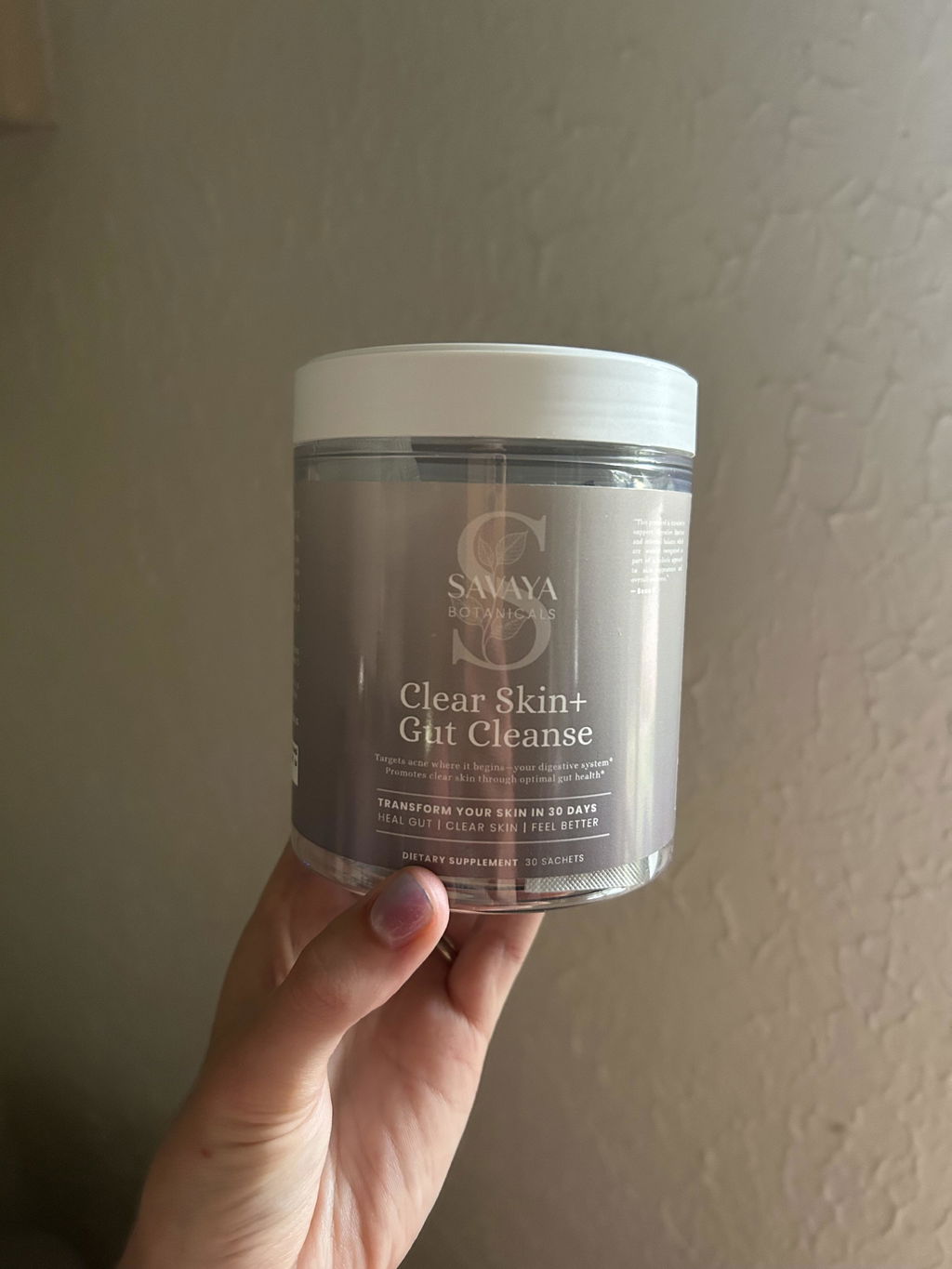
8:00 PM — Support your gut. This is when I take my gut cleanse sachets — a simple step that supports intestinal barrier repair during the overnight fasting window, when your gut does its deepest healing work.
9:00 PM — Dim the lights and cut screens. Artificial blue light suppresses melatonin production — both in your pineal gland and potentially in your gut. Switch to warm lighting. If you must use a phone, use a red-light filter.
9:30 PM — Apply your topical barrier support. Your skin's transepidermal water loss increases overnight, and its permeability to active ingredients peaks. This is the ideal time to apply a nutrient-dense barrier cream. I use grass-fed tallow cream — it mirrors the lipid profile of human skin and works with your body's overnight repair cycle rather than against it.
10:00 PM — In bed, lights out. Consistency matters more than duration. Going to bed at the same time every night is one of the most powerful things you can do for your microbiome's circadian rhythm — and by extension, for your skin.
If you want to go deeper — supporting your body's detox pathways, rebuilding your microbiome, and addressing skin inflammation from the inside out — the full detox protocol combines gut support, mineral nutrition, and collagen building blocks into a single system.
———
The Bottom Line
Your skin doesn't exist in isolation. It's connected to your gut through the microbiome, through melatonin, through cortisol, through inflammatory pathways that light up every time you sacrifice sleep. The research is clear: if you want genuinely healthy skin, you have to support the systems underneath it — starting with your gut, and starting with sleep.
I spent years adding more products to my bathroom shelf when what I actually needed was to add more hours to my sleep and more support to my gut. Once I made that shift, everything changed.
Your skin has been trying to tell you something. Maybe it's time to listen.
———
Start Tonight
If you're ready to address your skin from the inside out, Clear Skin+ Max Detox is a daily acai-based blend that supports your body's natural processes, working alongside the gut-skin axis research above. It's a simple addition I wish I'd had years ago.
Explore Clear Skin+ Max Detox →
———
Frequently Asked Questions
How does sleep affect your gut microbiome and skin health?
Sleep deprivation disrupts the circadian rhythm of your gut bacteria (shown in a 2014 Cell study by Thaiss et al.), elevates cortisol that damages your intestinal lining, and triggers systemic inflammation through the gut-skin axis. This cascade — poor sleep to leaky gut to skin inflammation — is supported by research across multiple fields including chronobiology, gastroenterology, and dermatology. Clinical studies show that 75% of adult acne patients have clinically poor sleep quality.
Does your gut produce melatonin for sleep?
Yes. The gastrointestinal tract produces significantly more melatonin than the pineal gland in your brain — research by Bubenik (2002) in Digestive Diseases and Sciences documented that gut enterochromaffin cells synthesize melatonin independently. This gut-derived melatonin plays roles in intestinal protection, motility, and inflammation control, meaning that gut health directly influences your body's ability to produce the hormones needed for quality sleep.
Can fixing your gut health improve acne and sleep at the same time?
Research suggests yes. A 2019 PLoS ONE study by Smith et al. found that greater gut microbial diversity correlates with better sleep efficiency and longer total sleep time. Since gut dysbiosis and intestinal permeability are also linked to acne through the gut-skin axis, improving your microbiome health can create a positive feedback loop — better gut health supports better sleep, and better sleep supports a healthier gut and clearer skin.
What is the glymphatic system and why does it matter for skin?
The glymphatic system is your brain's waste-removal network, discovered by Nedergaard's lab and described in a landmark 2013 Science study. During deep sleep, cerebrospinal fluid flushes through brain tissue, clearing metabolic waste. This system is nearly 10 times more active during sleep. When sleep is insufficient, waste accumulates and contributes to systemic inflammation — the same inflammatory burden that can trigger skin breakouts and accelerate skin aging.
What is the best evening routine for gut health and clear skin?
A research-backed evening routine includes: finishing your last meal 3+ hours before bed to support your microbiome's circadian rhythm, taking gut-supportive supplements during the overnight fasting window, dimming lights and avoiding screens after 9 PM to protect melatonin production, applying a nutrient-dense barrier cream like grass-fed tallow before bed, and maintaining a consistent bedtime. Consistency in sleep timing is one of the most powerful regulators of both your microbiome rhythm and skin repair cycle.