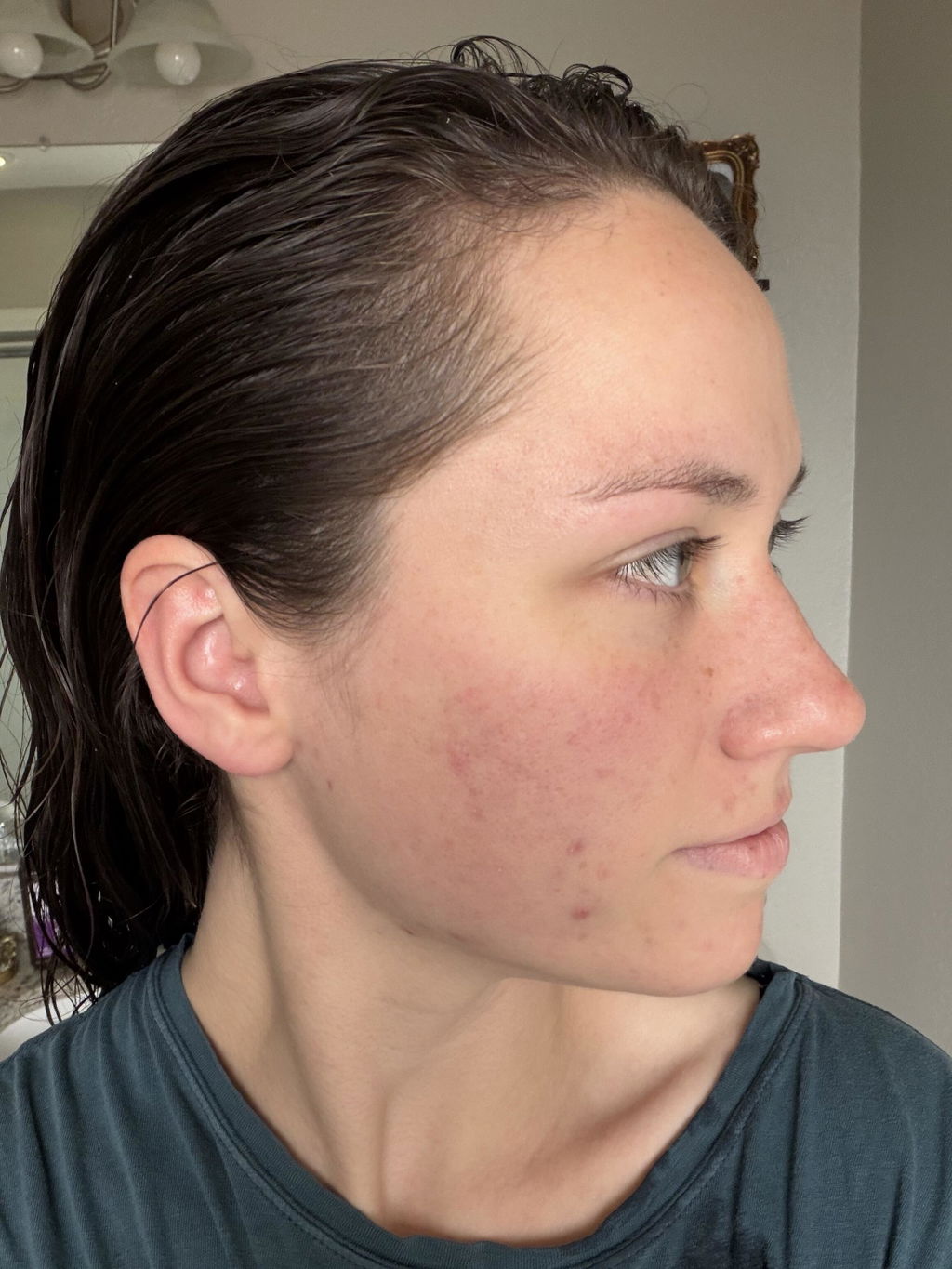
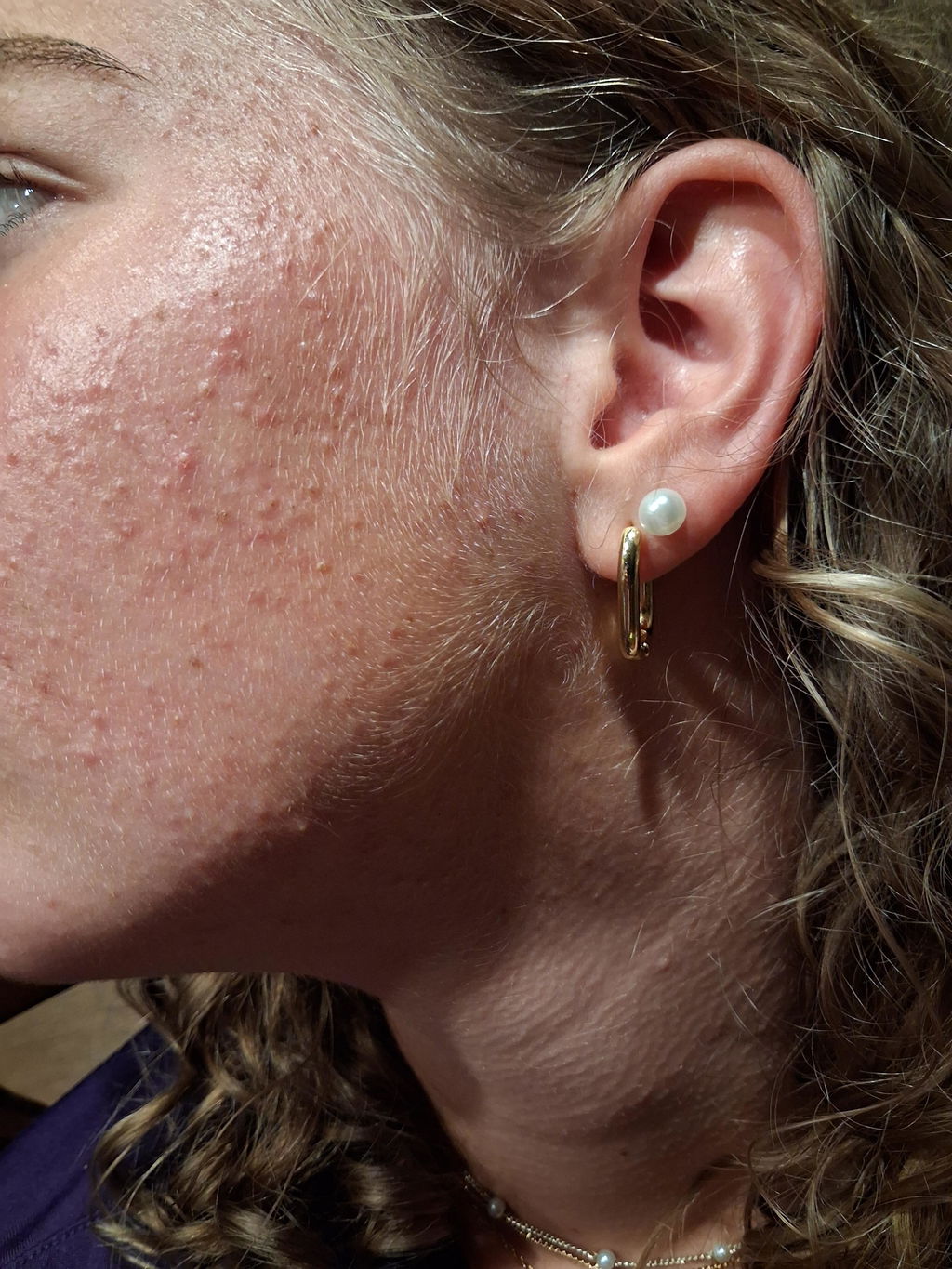
My dermatologist once told me to "drink more water" for my breakouts. I was already drinking a gallon a day. My skin still looked like a teenager's, my lips were permanently chapped, and I peed approximately every 45 minutes. Something didn't add up.
Then I read a study that broke my brain: researchers gave participants extra water for 30 days and measured skin hydration at a cellular level. The result? Most of the water went straight through them. Their skin didn't get more hydrated. Their cells didn't hold more moisture. They just peed more.
That's when I realized the "drink 8 glasses a day" advice we've been parroting since the 1940s might be the most oversimplified wellness myth still in circulation. And if you have dry, dull, acne-prone, or prematurely aging skin, understanding why could change everything.
———
Where the "8 Glasses a Day" Myth Actually Came From
Here's the part nobody tells you: there is no peer-reviewed study that ever established 8 glasses (64 ounces) as the magic number. The figure traces back to a 1945 recommendation from the U.S. Food and Nutrition Board that suggested adults consume "1 milliliter of water for each calorie of food." For a 2,000-calorie diet, that's about 2 liters — roughly 8 cups.
But the original recommendation included one line that got lost in translation: "Most of this quantity is contained in prepared foods."
Translation: you're already getting most of your water from cucumbers, soup, berries, and yes, coffee. Dr. Heinz Valtin, a kidney specialist at Dartmouth, spent a decade trying to find scientific support for the 8-glass rule and concluded in the American Journal of Physiology that there is none. Zero. It's wellness folklore dressed up as medicine.
So why does chugging water not fix your skin? Because hydration isn't about volume. It's about absorption.
Why Plain Water Can't Actually Hydrate Your Cells
Here's the science your skincare aisle won't explain: water alone can't enter your cells. It needs electrolytes — specifically sodium, potassium, and magnesium — to be transported across cellular membranes through something called the sodium-potassium pump.
Think of your cells as tiny houses with locked doors. Water is trying to get in, but without the right "key" (an electrolyte gradient), it just loiters outside in your bloodstream until your kidneys flush it out. This is why people who drink gallons of filtered or reverse-osmosis water often feel more dehydrated, not less. Ultra-pure water actually leaches minerals from your body as it exits.
The skin is one of the last organs your body prioritizes for hydration. Your brain, heart, and kidneys get first dibs. If your electrolyte pool is depleted — and for most people eating a modern, low-mineral diet, it is — your skin gets whatever's left, which isn't much.
Mineral Water vs Filtered Water: Why the Source Matters
I used to be proud of my reverse-osmosis system. Crystal clear, zero contaminants, tasted like nothing. Turns out "tastes like nothing" also means "contains nothing." Reverse osmosis and most pitcher filters strip water of calcium, magnesium, and trace minerals along with the chlorine.
The World Health Organization has published multiple reports warning that chronically drinking demineralized water is associated with lower bone density, higher cardiovascular risk, and reduced mineral absorption from food. Natural spring water and mineral water — the kind that comes out of actual rocks — contains 50 to 500 mg/L of dissolved minerals. Your cells recognize this. They can use it.
If switching your water source isn't practical, the next best thing is to remineralize what you drink. A pinch of unrefined sea salt, a squeeze of lemon, or a mineral-dense food source added to your daily routine can transform how your body uses every sip.
The Three Minerals Your Skin Is Starving For
Magnesium is the most under-discussed beauty mineral on the planet. It regulates over 300 enzymatic reactions, including the ones that keep your skin barrier intact and your stress hormones (hello, cortisol-driven breakouts) in check. The CDC estimates over 50% of Americans are magnesium deficient. That deficiency shows up as dull skin, puffy eyes, and stubborn hormonal acne along the jawline.
Potassium works in tandem with sodium to maintain the osmotic pressure that keeps water inside your cells. Low potassium means leaky cells, which means wrinkles appear faster, skin looks deflated, and dehydration lines become permanent.
Sodium has been villainized by decades of low-salt propaganda, but unrefined sea salt (not table salt) is critical. Without adequate sodium, water has nothing to bind to inside your tissues. This is why athletes and sauna regulars often look radiant — their electrolyte practice is on point.
This is also where sea moss became a game-changer for me. It naturally contains 92 of the 102 minerals the human body needs, in a bioavailable, food-based form that your cells actually recognize. Two tablespoons in a smoothie delivered more cellular hydration than two liters of filtered water ever did.
Structured Water: Science or Woo?
If you've fallen down the wellness rabbit hole, you've probably heard about "structured water" or "EZ water" — the idea, popularized by Dr. Gerald Pollack at the University of Washington, that water near cellular membranes exists in a fourth phase, more gel-like than liquid. Proponents claim structured water hydrates cells more efficiently.
Here's my honest take after reviewing the literature: Pollack's research on the exclusion zone (EZ) phenomenon is real and peer-reviewed. But the $400 "structured water" devices sold online? Largely unsubstantiated. Your body already creates structured water naturally when you consume mineral-rich foods, get sunlight on your skin, and eat things like raw fruits, coconut water, and — yes — sea vegetables.
Save your money. Eat your water.
The Gut-Hydration Connection Nobody Talks About
Here's where it gets wild: even if you're drinking mineral-rich water with perfect electrolyte balance, a compromised gut lining will sabotage absorption. Water and minerals are primarily absorbed through the small intestine, and if your gut is inflamed, leaky, or overgrown with the wrong bacteria, you're flushing hydration straight through.
I tracked this on myself. During a six-week period of chronic bloating and poor digestion, my skin elasticity tested lower even though my water intake was identical. After a gut cleanse protocol focused on repairing the intestinal lining and rebalancing my microbiome, my skin hydration improved dramatically within three weeks — without changing my water intake at all.
This is why gut-skin axis research is exploding. A 2021 review in the journal Microorganisms confirmed that dysbiosis (bacterial imbalance) directly impairs water and mineral absorption, which shows up on the face as dryness, flakiness, and persistent inflammation. If your skin is struggling, the answer probably isn't more water — it's better plumbing.
Practical Hydration Strategies That Actually Work
- Start your day with minerals, not water. Before coffee, mix a pinch of sea salt, a squeeze of lemon, and a teaspoon of sea moss gel into warm water. This primes your cells to actually absorb what comes next.
- Eat your water. Cucumbers are 96% water. Watermelon is 92%. Celery, lettuce, berries, and bone broth deliver hydration bundled with the exact minerals your cells need.
- Stop chugging. Start sipping. Your kidneys can only process about 1 liter per hour. Drinking 32 ounces at once mostly goes to your bladder. Small, consistent sips throughout the day allow for cellular uptake.
- Remineralize your water. If you use a filter, add trace mineral drops or a pinch of unrefined salt per liter. This one adjustment changed my skin texture within two weeks.
- Heal your gut first. You cannot hydrate a leaky gut. A structured protocol like the full detox reset addresses root absorption issues before focusing on intake.
- Support from the outside too. Topical barrier repair matters. A nourishing balm like grass-fed tallow seals in moisture in a way no serum can replicate.
- Feed your collagen matrix. Hydrated skin cells still need structural support. Marine collagen gives your dermis the scaffolding to hold all that water in place.
What Real Hydration Looks Like After 90 Days
When I stopped obsessing over ounces and started focusing on minerals, gut repair, and whole-food hydration, something shifted. My skin looked plumper after eight weeks than it had after years of drinking a gallon a day. My energy stabilized. My chronic headaches (which I'd blamed on "not enough water") disappeared once my magnesium levels normalized.
I'm not telling you to stop drinking water. I'm telling you that water is the vehicle, not the fuel. You need the minerals, the gut capacity, and the absorption pathway for any of it to matter.
The skincare industry makes billions selling you serums to put water on your face. The wellness industry makes billions selling you bottled water to drink. Meanwhile, the most effective hydration protocol — minerals, gut health, whole foods — costs less than a month of your current skincare routine and works from the inside out.
Stop drinking more water. Start drinking smarter water.
———
Ready to Hydrate From the Inside Out?
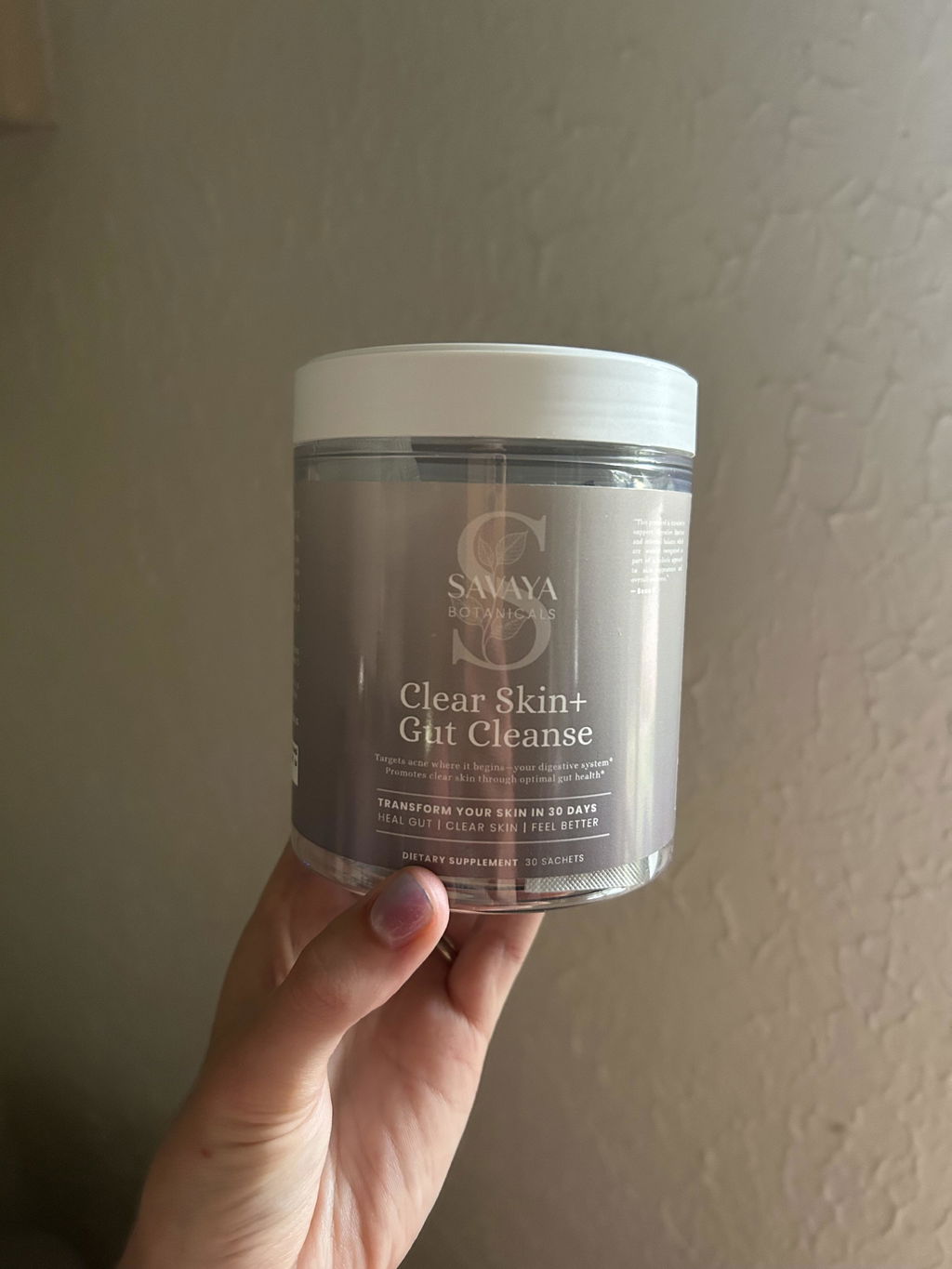
If your skin feels dry, dull, or inflamed no matter how much water you drink, the issue isn't volume — it's absorption. Clear Skin+ Max Detox is a daily acai-based blend that helps support hydration at the cellular level and contributes to normal mineral balance, without another serum or supplement shelf.
Frequently Asked Questions About Hydration and Skin
Does drinking more water really clear up acne?
Not directly. While hydration supports skin function, most acne is driven by gut inflammation, hormonal imbalance, and mineral deficiencies — not dehydration. Drinking more water without addressing these root causes rarely improves breakouts. Focus on electrolyte balance, gut health, and mineral-rich nutrition for clearer skin.
Is mineral water better than filtered water for skin?
Yes, in most cases. Filtered and reverse-osmosis water strips away essential minerals like magnesium, calcium, and potassium that your cells need to absorb water. Mineral water or filtered water remineralized with unrefined sea salt provides the electrolyte balance required for actual cellular hydration.
How does sea moss help with hydration?
Sea moss contains 92 of the 102 minerals the human body needs in a bioavailable, food-based form. These minerals — including magnesium, potassium, iodine, and trace electrolytes — support the sodium-potassium pump that delivers water into your cells. Many people notice improved skin plumpness and hydration within two to three weeks of daily use.
Can gut health really affect how hydrated my skin looks?
Absolutely. Water and minerals are primarily absorbed through the small intestine. A compromised or inflamed gut lining impairs this absorption, meaning hydration passes straight through you. This is why addressing gut health through a dedicated cleanse often produces visible skin improvements faster than increasing water intake.
How much water should I actually drink for healthy skin?
There is no universal number. Most adults do well with 1.5 to 2.5 liters of total fluid per day, including water-rich foods like cucumbers, berries, and soups. What matters more is that your water contains minerals or is consumed alongside electrolytes, and that your gut can absorb it. Quality and context beat quantity every time.