I used to blame my pillowcase.
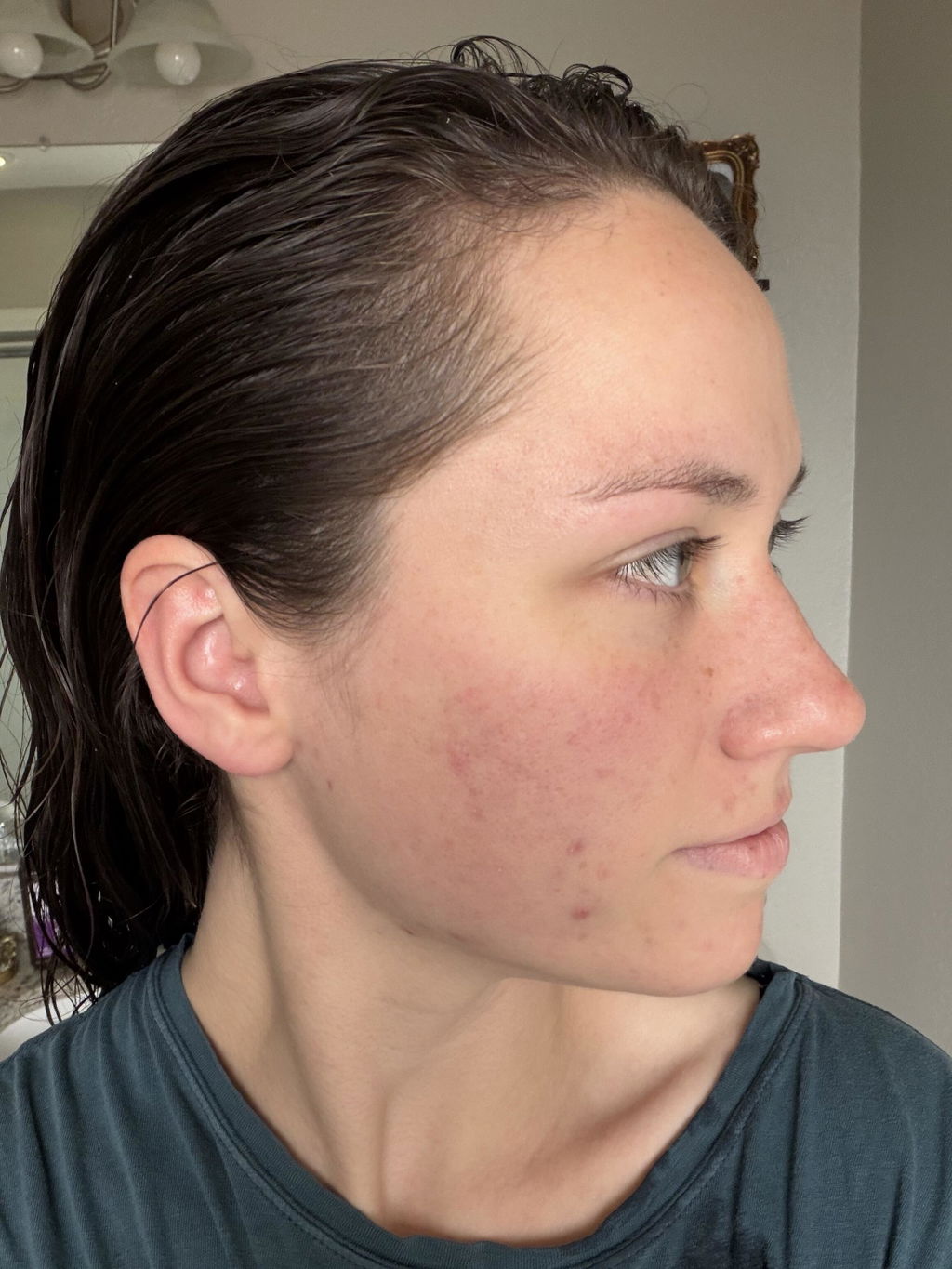
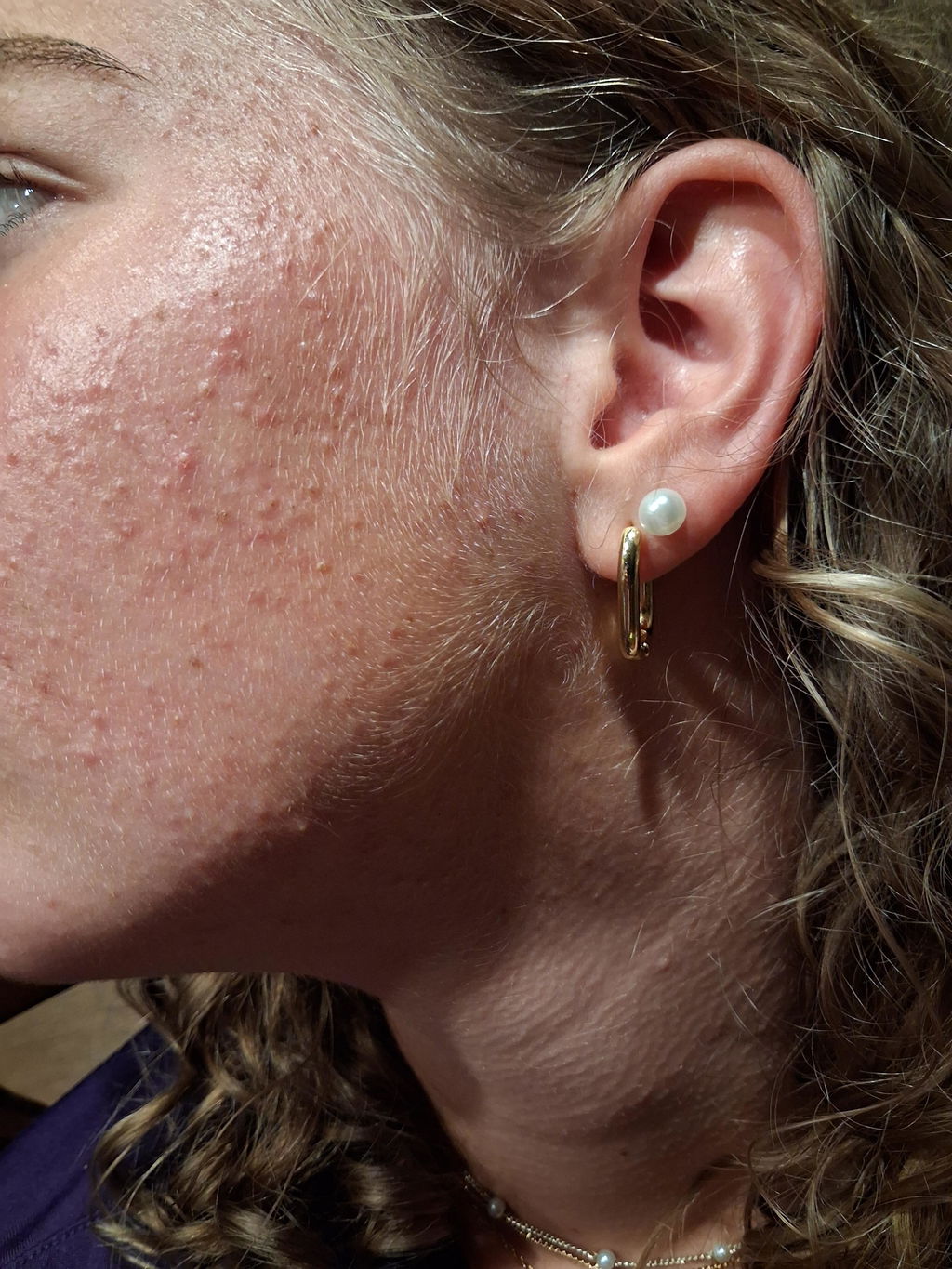
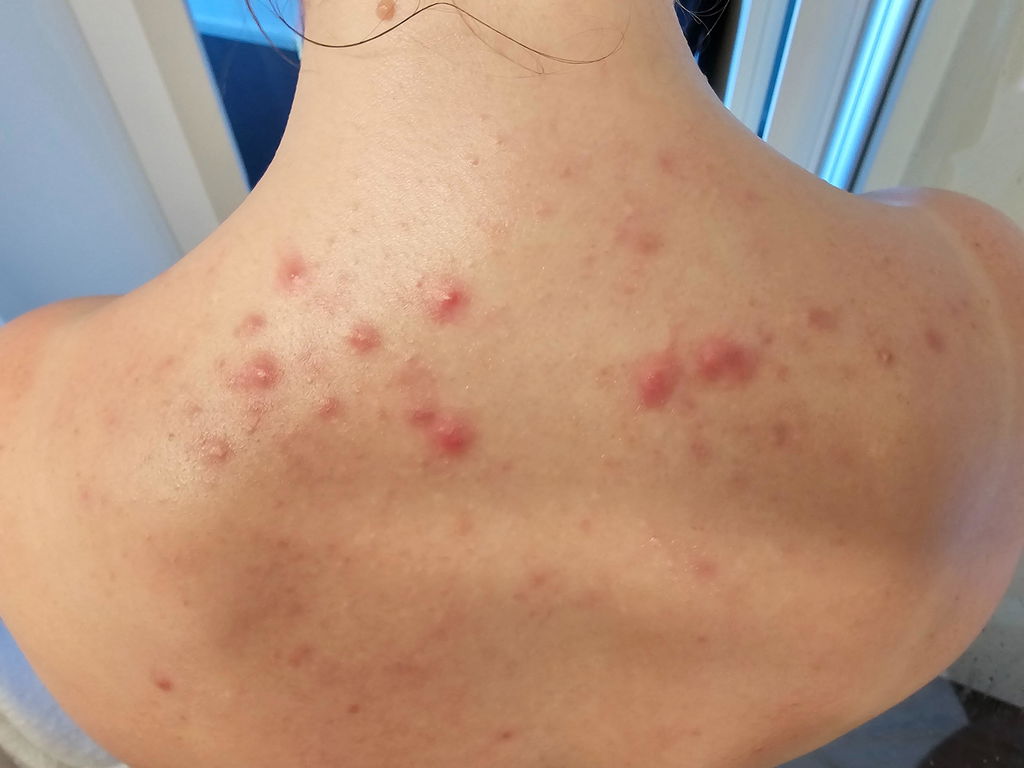
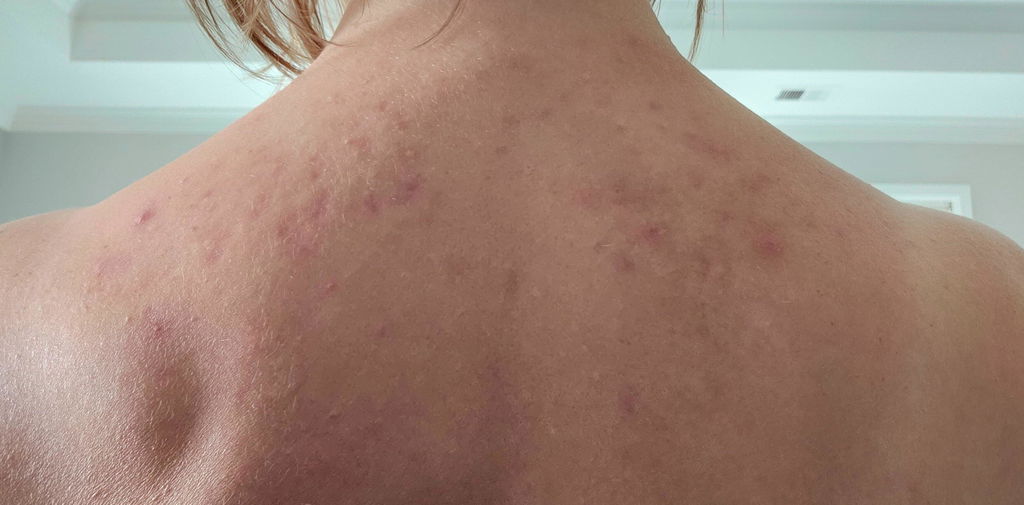
Every morning I'd wake up, shuffle to the bathroom mirror, and stare at a new cluster of angry bumps along my jawline. I changed my pillowcase every other day. I tried silk. I tried satin. I even tried sleeping on a towel like some kind of experiment gone wrong.
But the breakouts kept coming — always worse after a bad night of sleep.
It wasn't until I stumbled into chronobiology research at 2 AM (ironic, I know) that everything clicked. The connection between sleep and skin doesn't start on your face. It doesn't even start in your brain. It starts in your gut.
And once I understood that, everything about my skin changed.
———
Your Gut Has Its Own Body Clock (And It Controls More Than You Think)
Here's something most dermatologists won't tell you: your gut microbiome follows a circadian rhythm — a 24-hour cycle of activity that mirrors your sleep-wake pattern.
In 2014, researchers at the Weizmann Institute of Science published a groundbreaking study in Cell showing that intestinal bacteria don't just sit there passively. They oscillate. Different species rise and fall throughout the day, switching between tasks like energy metabolism during active hours and detoxification and cellular repair during rest (Thaiss et al., Cell, 2014).
When those rhythms get disrupted — through jet lag, shift work, late-night scrolling, or chronic sleep deprivation — the microbiome falls into dysbiosis. The Weizmann team even proved this was transferrable: when they transplanted gut bacteria from jet-lagged mice into germ-free mice, the recipients developed glucose intolerance and metabolic dysfunction.
Your gut bacteria are literally keeping time. And when you mess with that clock, your skin pays the price.
The Gut Produces 400 Times More Melatonin Than Your Brain
Most people think of melatonin as a "sleep hormone" made in the brain. And yes, your pineal gland does produce melatonin. But it's a drop in the bucket.
In 2002, researcher George Bubenik published a landmark review in Digestive Diseases and Sciences revealing that your gastrointestinal tract contains at least 400 times more melatonin than the pineal gland. The primary source? Enterochromaffin cells — the same cells that produce about 95% of your body's serotonin (Bubenik, Digestive Diseases and Sciences, 2002).
This gut melatonin isn't just about making you sleepy. It acts as a powerful antioxidant, protects the intestinal lining from damage, increases microcirculation, and helps maintain the gut barrier. When gut melatonin production drops — which happens with poor sleep, chronic stress, and an imbalanced microbiome — you lose a critical layer of gut protection.
And here's the kicker for your skin: research published in Dermatology Practical & Conceptual (2024) showed that decreased melatonin leads to increased androgen synthesis, which drives up sebum production and fuels acne (Li et al., 2024). So it's not just about getting drowsy — melatonin is actively keeping your oil glands in check.
Supporting your gut with the right minerals and nutrients — like the 92 essential minerals found in raw sea moss — helps maintain the environment those enterochromaffin cells need to function properly.
The Sleep Deprivation Cascade: From Cortisol to Breakouts
Let me walk you through what actually happens inside your body when you don't sleep well. It's a cascade, and each step makes the next one worse.
Step 1: Cortisol spikes. A study published in Sleep found that even partial sleep deprivation elevates evening cortisol levels by 37-45% (Leproult et al., 1997). Normally, cortisol should be winding down by evening. Sleep deprivation keeps it elevated, and your body stays in a stress state it was never designed to maintain.
Step 2: Your gut barrier breaks down. Elevated cortisol directly attacks tight junction proteins — the molecular "glue" holding your intestinal lining together. A 2017 study in Scientific Reports showed that stress-level cortisol decreases Claudin-1, a critical tight junction protein, by binding to glucocorticoid response elements on its gene promoter (Chang et al., 2017). Researchers at the University of Michigan found this can cause a threefold increase in intestinal permeability (Zheng et al., Neurogastroenterology & Motility, 2013).
Step 3: Bacterial toxins enter your bloodstream. Once the gut barrier is compromised, lipopolysaccharide (LPS) endotoxins from gram-negative bacteria leak through. A 2018 review in the Journal of the American Academy of Dermatology found that acne patients show markedly overexpressed LPS biosynthesis pathways in their gut bacteria (Yan et al., 2018).
Step 4: Systemic inflammation hits your skin. Those LPS endotoxins trigger TLR-4 receptors throughout your body, driving up pro-inflammatory cytokines like TNF-α, IL-6, and IFN-γ. Your skin — the body's largest organ and a reflection of internal inflammation — responds with redness, swelling, and breakouts.
This is why one bad week of sleep can trigger a flare-up that lasts a month. The damage isn't happening on your face. It's happening in your gut.
If you suspect this cascade is playing out in your body, a structured microbiome gut cleanse can help restore intestinal barrier integrity while you work on your sleep.
The Glymphatic System: Your Brain's Nightly Deep Clean
In 2013, Dr. Maiken Nedergaard's lab at the University of Rochester discovered something remarkable: during sleep, the space between brain cells expands by 60%, allowing cerebrospinal fluid to flush through and clear metabolic waste products — including beta-amyloid, the protein linked to neurodegeneration (Xie et al., Science, 2013).
They named this the glymphatic system, and it operates almost exclusively during sleep.
What does brain waste clearance have to do with your skin? More than you'd expect. When the glymphatic system doesn't get adequate time to do its job — because you're not sleeping enough or not sleeping deeply enough — waste products accumulate, systemic inflammation increases, and your body's overall inflammatory burden rises. Your skin, as a downstream organ that reflects internal health, shows it.
Think of it this way: your body has a limited capacity for managing inflammation. When your brain can't take out its own trash, the whole system gets backed up — and your skin is often the first place it shows.
What the Research Actually Says About Sleep and Acne
This isn't just theory. Clinical research backs it up directly.
A study published in Clocks & Sleep (2020) found a clear bidirectional relationship between acne severity and sleep quality. Among adults with severe acne, 32% reported that their skin condition prevented them from sleeping well — creating a vicious cycle where bad skin causes bad sleep, and bad sleep causes worse skin (Gupta et al., 2020).
A comprehensive 2024 review in Dermatology Practical & Conceptual confirmed the mechanism: inadequate sleep increases pro-inflammatory cytokines, elevates cortisol, decreases melatonin (which normally suppresses androgen synthesis), and ultimately increases sebum production — the oil that feeds acne-causing bacteria (Li et al., 2024).
The researchers at Johns Hopkins and Harvard who originally hypothesized the gut-brain-skin axis back in the 1930s were vindicated by modern science: Stokes and Pillsbury proposed that emotional states alter intestinal microflora, increase permeability, and drive skin inflammation. A 2011 review in Gut Pathogens found that 54% of acne patients have significant alterations in intestinal microflora (Bowe & Logan, 2011).
Your skin is telling you what's happening inside. The question is whether you're listening.
———
A Practical Evening Routine for Gut-Supported Sleep
Once I understood the science, I built an evening routine designed to support every link in this chain — circadian rhythm, gut melatonin, cortisol regulation, and skin repair. Here's what works for me:
6:00-7:00 PM — Last meal of the day. Your gut microbiome needs time to shift into its nighttime repair mode. Eating too late disrupts those circadian oscillations Thaiss and his team identified. I aim to finish dinner at least 3 hours before bed. Keep it light on sugar — high-glycemic foods before bed spike insulin, which drives androgen production and sebum.
8:00 PM — Screens off, lights down. Blue light suppresses pineal melatonin production, but remember — your gut is making 400 times more. The goal here is to send consistent signals to your whole body that it's time to wind down. I switch to warm lighting and put my phone in another room.
8:30 PM — Gut support. This is when I take my sea moss — the minerals support the enzymatic processes involved in serotonin-to-melatonin conversion. If I'm in a reset phase, I'll use a gut cleanse protocol to clear out the bacterial overgrowth that disrupts those circadian oscillations.
9:00 PM — Skin ritual. I apply tallow cream as the last step. Grass-fed tallow is biocompatible with human skin — it mimics the lipid profile of our own sebum and supports the skin barrier while you sleep. This isn't about "treating" acne topically. It's about giving your skin barrier the building blocks it needs to repair overnight while your gut does the real work internally.
9:30 PM — Breathwork. Five minutes of slow, deep breathing activates the parasympathetic nervous system and helps bring cortisol levels down. Remember — elevated evening cortisol is the trigger that starts the entire leaky gut cascade. Anything that lowers cortisol before bed is protecting your gut lining.
10:00 PM — Lights out. Consistent sleep timing is what keeps your microbiome's circadian rhythm synchronized. The research is clear: irregular sleep schedules cause the same kind of dysbiosis as jet lag.
———
The Bigger Picture: Why Topical-Only Approaches Fail
If you've been struggling with persistent skin issues and nothing topical seems to work long-term, consider this: you might be treating the symptom while ignoring the system.
Your skin is downstream of your gut. Your gut is downstream of your sleep. Your sleep is downstream of your stress and your habits. It's all connected — and the research proves it.
The women I work with who see the most dramatic skin transformations are the ones who address all three layers: gut health, sleep quality, and topical barrier support — simultaneously.
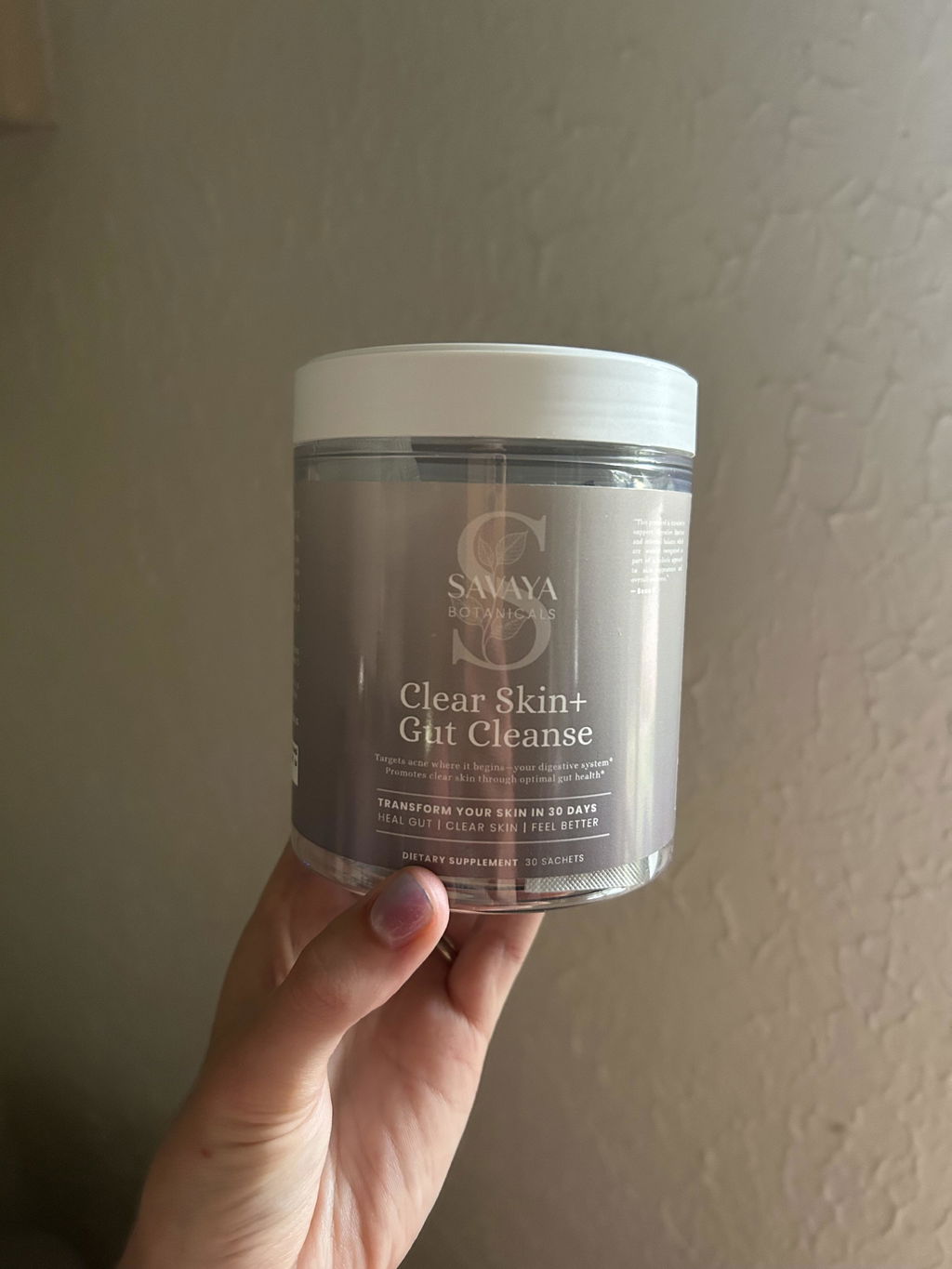
If you're ready to add extra support to your routine, Clear Skin+ Max Detox is a daily acai-based blend that helps support your body from within, alongside whatever topical care you're already using. It's the same blend I added to my own routine, as one small piece alongside everything else I do.
———
Frequently Asked Questions
How does sleep affect your gut microbiome?
Your gut bacteria follow a 24-hour circadian rhythm, oscillating between different metabolic functions throughout the day and night. Research published in Cell (Thaiss et al., 2014) showed that sleep disruption and irregular sleep schedules cause dysbiosis — an imbalance in gut bacteria — similar to what happens with jet lag. This disruption impairs gut barrier function, reduces melatonin production in the gut, and increases systemic inflammation that can manifest as skin problems.
Can lack of sleep cause acne breakouts?
Yes. Studies show that sleep deprivation elevates cortisol by 37-45% (Leproult et al., Sleep, 1997), which damages intestinal tight junction proteins and increases gut permeability. This allows bacterial endotoxins to enter the bloodstream, triggering systemic inflammation that drives acne. Additionally, poor sleep reduces melatonin production, which normally suppresses androgen synthesis — leading to increased sebum production and more breakouts (Li et al., Dermatology Practical & Conceptual, 2024).
Does your gut really produce more melatonin than your brain?
Yes — significantly more. Research by George Bubenik published in Digestive Diseases and Sciences (2002) found that the gastrointestinal tract contains at least 400 times more melatonin than the pineal gland in the brain. This gut melatonin is produced by enterochromaffin cells and plays crucial roles in protecting the intestinal lining, acting as an antioxidant, and regulating gut motility — functions that go far beyond simply promoting sleepiness.
What is the gut-skin axis and how does sleep affect it?
The gut-skin axis describes the bidirectional communication between your intestinal microbiome and your skin. When sleep is disrupted, it triggers a cascade: elevated cortisol breaks down gut barrier integrity, allowing inflammatory bacterial toxins (LPS) to enter circulation and trigger skin inflammation. Research in Gut Pathogens (Bowe & Logan, 2011) found that 54% of acne patients have significant alterations in their intestinal microflora, supporting this gut-to-skin connection.
What is the glymphatic system and why does it matter for skin health?
The glymphatic system is your brain's waste clearance mechanism, discovered by Dr. Maiken Nedergaard's lab in 2013. During sleep, the space between brain cells expands by 60%, allowing cerebrospinal fluid to flush out metabolic waste products. When this system doesn't function properly due to inadequate sleep, systemic inflammation increases throughout the body — including in the skin. Supporting deep, restorative sleep is essential for keeping this waste clearance system operating effectively.