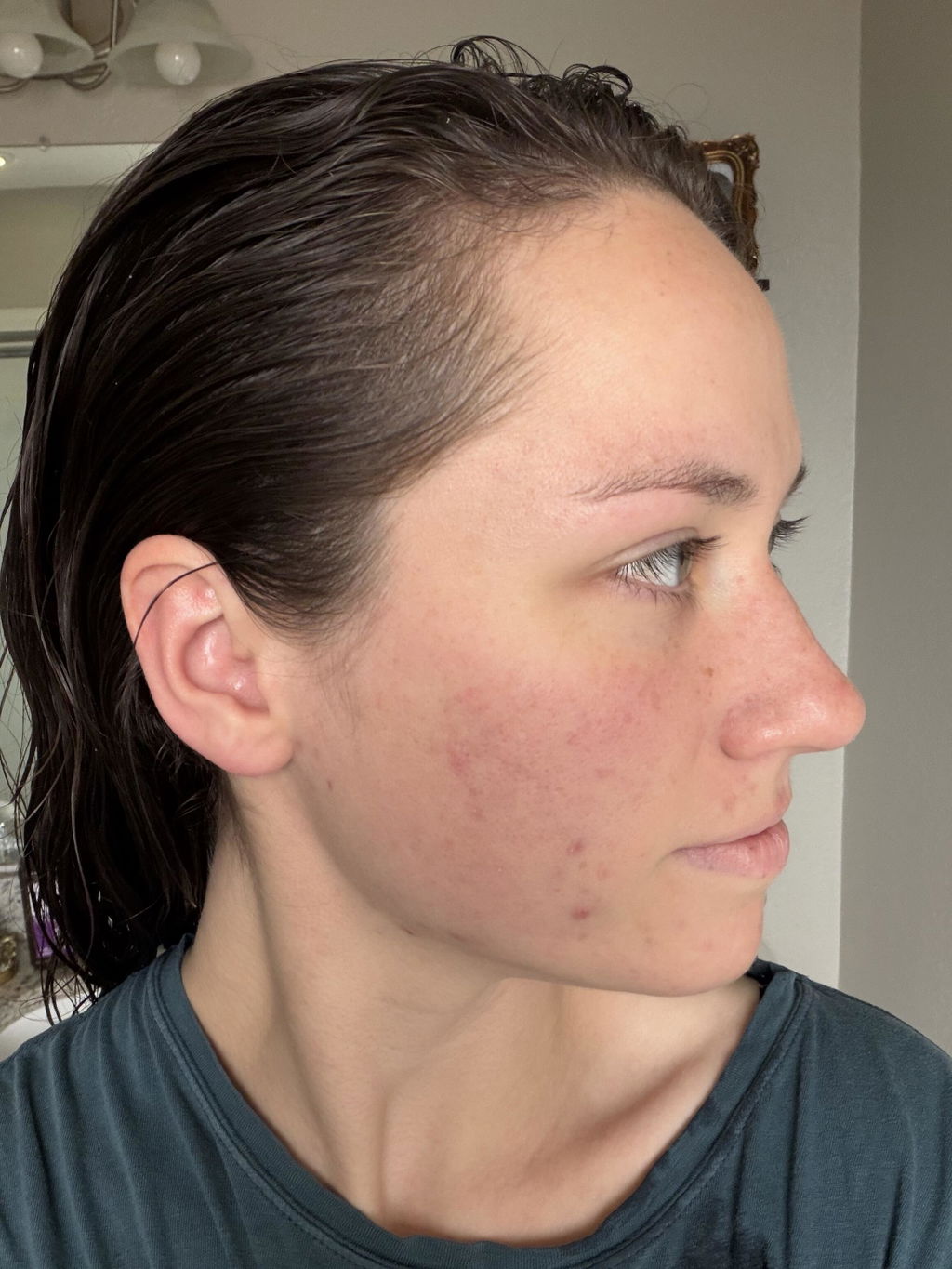
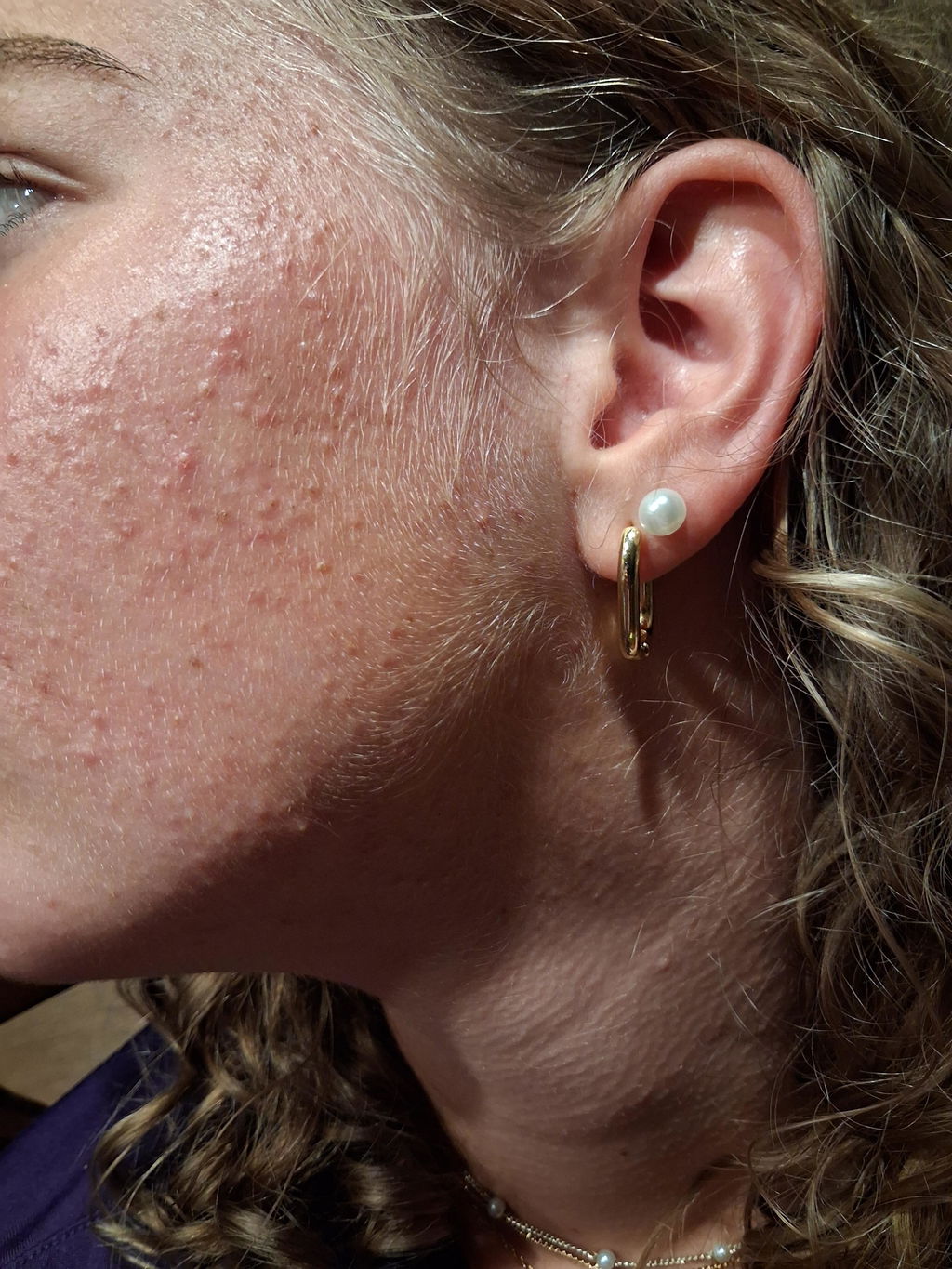
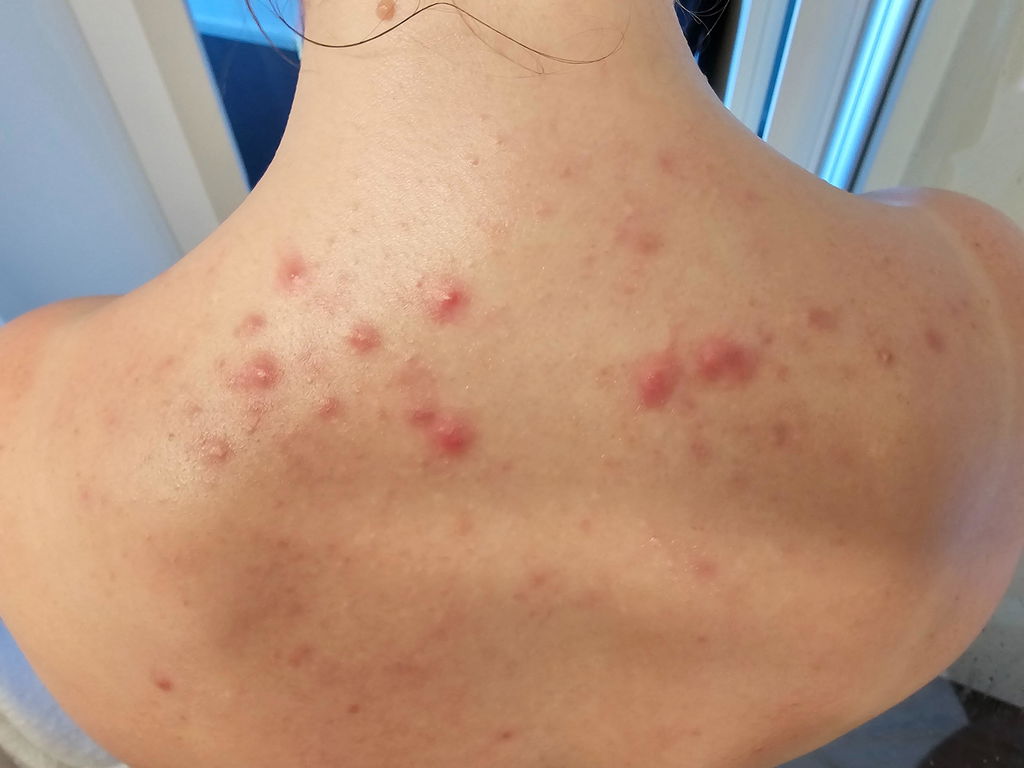
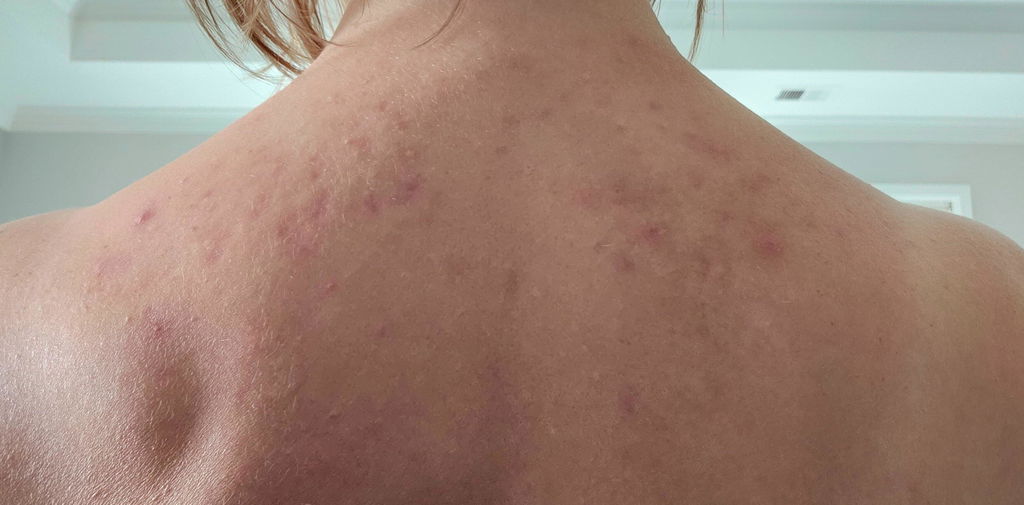
You went on doxycycline. Your skin cleared up. Then six months later the breakouts came back louder, deeper, and everything that used to work stopped working. If that sounds familiar, you are not making it up. Oral antibiotics for acne set off a chain reaction in your gut that predicts almost perfectly the rebound most women describe. And nobody warns you about it before you fill the prescription.
What Actually Happens in the First 6 Weeks on Antibiotics
Oral antibiotics like doxycycline, minocycline, and tetracycline reduce populations of Cutibacterium acnes on the skin and dampen inflammation. Most people see visible improvement within four to eight weeks. That short-term win is real. What no one mentions is that the same pill is wiping out beneficial bacteria in your gut, your mouth, your skin, and your urinary tract at the same time.
In my practice this is the single most common origin story I hear. A teenager or young woman goes on antibiotics for three months. Skin clears. She stays on for six months, sometimes a year. Everything looks fine. Then she comes off. Within eight to twelve weeks the acne is back, and it is worse than before. Same face. New rules.
The reason lives in your gut.
The Microbiome Wipeout Nobody Warned You About
Tetracycline-class antibiotics are broad spectrum. They do not politely target only the acne bacteria on your face. They circulate through your bloodstream and reach every microbial community you have. The species most affected include Bifidobacterium (immune regulation), Lactobacillus (gut barrier), Faecalibacterium prausnitzii (a keystone anti-inflammatory species), Akkermansia muciniphila (mucus layer maintenance), and Roseburia (short-chain fatty acid production).
Those last two, F. prausnitzii and Akkermansia, are exactly the species most tied to a healthy gut-skin axis. When they crash, the mucus layer of your intestinal wall thins. That is the beginning of intestinal permeability. Endotoxins leak into circulation. Your skin becomes the exit sign for the inflammation your gut can no longer contain.
This is not fringe theory. It is the same mechanism described in mainstream gastroenterology and dermatology research.
The antibiotic that clears your skin in month two is quietly setting up the flare in month twelve.
Antibiotic Resistance Is Making Acne Harder to Treat Every Year
Resistance in Cutibacterium acnes to erythromycin and clindamycin has been documented globally since the 1990s and has kept climbing. Systematic reviews in dermatology journals have found that in many regions more than half of C. acnes isolates now carry resistance to at least one topical antibiotic. That means the drug that worked for your older sister may not work for you. And every course you take builds resistance not only on your skin, but in every bacterial community you carry.
This is why so many women describe the pattern of each course working less than the last one. They are not imagining that either. The bacteria adapted.
Why Candida Overgrowth Follows Nearly Every Antibiotic Course
When you wipe out the bacterial species that normally keep yeast in check, Candida albicans expands. It always does. This is not a rare side effect. It is baseline pharmacology. Bacteria compete with yeast for space, food, and receptor sites. Remove the bacteria, and the yeast has nothing to answer to.
Symptoms most women I work with report after three or more months on acne antibiotics:
- Recurring vaginal or oral yeast infections
- A white coating on the tongue
- Intense sugar and refined carb cravings
- Bloating after meals that used to be fine
- New itchy scalp or ear canal
- Skin fungus like tinea versicolor showing up for the first time
- Persistent brain fog and afternoon energy crashes
Candida also produces its own inflammatory metabolites, and it is one of the classic triggers of the fungal acne pattern you see across the forehead, chest, and upper back after a long antibiotic course. If your face cleared but you suddenly have small uniform bumps along your hairline, this is often why.
When Antibiotics Set Off C. diff (The Serious Risk Nobody Names)
Clostridioides difficile infection is the most dangerous downstream consequence of broad-spectrum antibiotic use. It happens when the protective bacterial layer of the colon collapses enough that C. diff can bloom. The CDC has consistently identified clindamycin, fluoroquinolones, and broad-spectrum cephalosporins as the highest-risk classes. Tetracyclines carry lower risk, but the risk is not zero, especially with long courses, in older patients, or in combination with other medications.
I bring this up not to scare you. I bring it up because most women taking a full year of doxycycline for acne have no idea this risk is even on the chart.
What 2022 Research Reveals About Post-Antibiotic Recovery
The foundational work on this question is Palleja and colleagues, published in Nature Microbiology in 2018. Healthy young men took a cocktail of three broad-spectrum antibiotics for four days. Six months later, most species had returned. Nine species were still missing. Function had not fully recovered. The word the researchers used to describe the state of the microbiome was partial.
Research published through 2022 has kept refining the picture. What the newer work shows is that recovery time varies enormously based on the antibiotic class, the length of the course, the diversity of the person's starting microbiome, and the diet they eat after finishing. For most people, meaningful recovery of the beneficial species most tied to skin health (Bifidobacterium, Faecalibacterium, Akkermansia) takes six to twelve months of intentional support. Without active rebuilding, some species may never return at all. That is the piece dermatology has not caught up to yet.
The Gut-Skin Axis, In Plain English
Your gut lining is one cell thick. That single layer is what stands between the contents of your intestines and your bloodstream. When beneficial bacteria are healthy, they feed that lining, produce short-chain fatty acids like butyrate, and keep the tight junctions between cells sealed. When the bacteria are wiped out, the tight junctions loosen. Researchers call this intestinal permeability. Most people call it leaky gut.
Once endotoxins reach circulation, your immune system responds with systemic inflammation. The sebocytes, the oil-producing cells in your skin, get the signal. Sebum shifts in composition. Follicles become inflamed more easily. Insulin-like growth factor 1 rises. The vagus nerve, which normally holds the calm conversation between gut and skin, becomes dysregulated. Cortisol patterns follow, which shifts the HPA axis, which loops back to sebum again. This is the axis that acne antibiotics interrupt without ever repairing.
What to Do Instead: The Rebuild Protocol
Here is the approach I walk women through in my practice. It is slow. It is not glamorous. It works because it addresses the root, not the surface.
Step one is stopping the damage. If you are on oral antibiotics for acne and have been for more than three months, talk to your dermatologist about a taper plan. Do not just quit cold turkey. Layer in gut support during the taper so the come-off does not spike a flare that scares you back onto the drug.
Step two is clearing what should not be there. That means Candida overgrowth, biofilm, and the metabolic waste that accumulated during antibiotic use. This microbiome reset handles the first two to four weeks of that clearing work.
Step three is rebuilding the mucosal barrier. This is where prebiotic fiber, polyphenols, and marine minerals do the heavy lifting. Mineral-rich sea moss is one of the most complete tools I recommend here because it contains soluble fiber that feeds Bifidobacterium plus the trace minerals your skin uses directly for barrier repair. Postbiotics build from there.
Step four is repairing skin from within while the gut catches up. Bioavailable collagen support gives your skin the amino acid building blocks it lost during the antibiotic-driven inflammation. Topically, a barrier-repairing tallow cream supports the acid mantle without disrupting the skin microbiome, which the harsh cleansers and benzoyl peroxide you were probably layered on with your antibiotics almost certainly damaged.
For women who have been on antibiotics for a year or more, or who have cycled through several courses, a full detox protocol is usually necessary because you are not undoing a season. You are undoing years.
What Women in the Rebuild Phase Actually Report
A client of mine, on and off doxycycline since her teens, described the first month coming off as worse than any period of acne she had ever had. That is the rebound. It is the microbiome collapsing without its pharmaceutical scaffolding. By week eight she was clearer than she had been on the drug. By week sixteen her cycles regulated, the bloating stopped, and the acne stayed away.
I hear a version of this story most weeks. The dermatology forums are full of it too. Women on r/SkincareAddiction, on Accutane recovery threads, and in acne scar communities talk openly about the rebound pattern most dermatology offices still do not name out loud. Threads titled "I finished doxy six months ago and my skin is worse than ever" have thousands of comments underneath them, and the pattern in those comments is nearly identical: initial clearing, months of calm, then a rebound that will not respond to anything topical.
The pattern is real. The recovery is possible. The timeline is longer than you were promised.
• • •
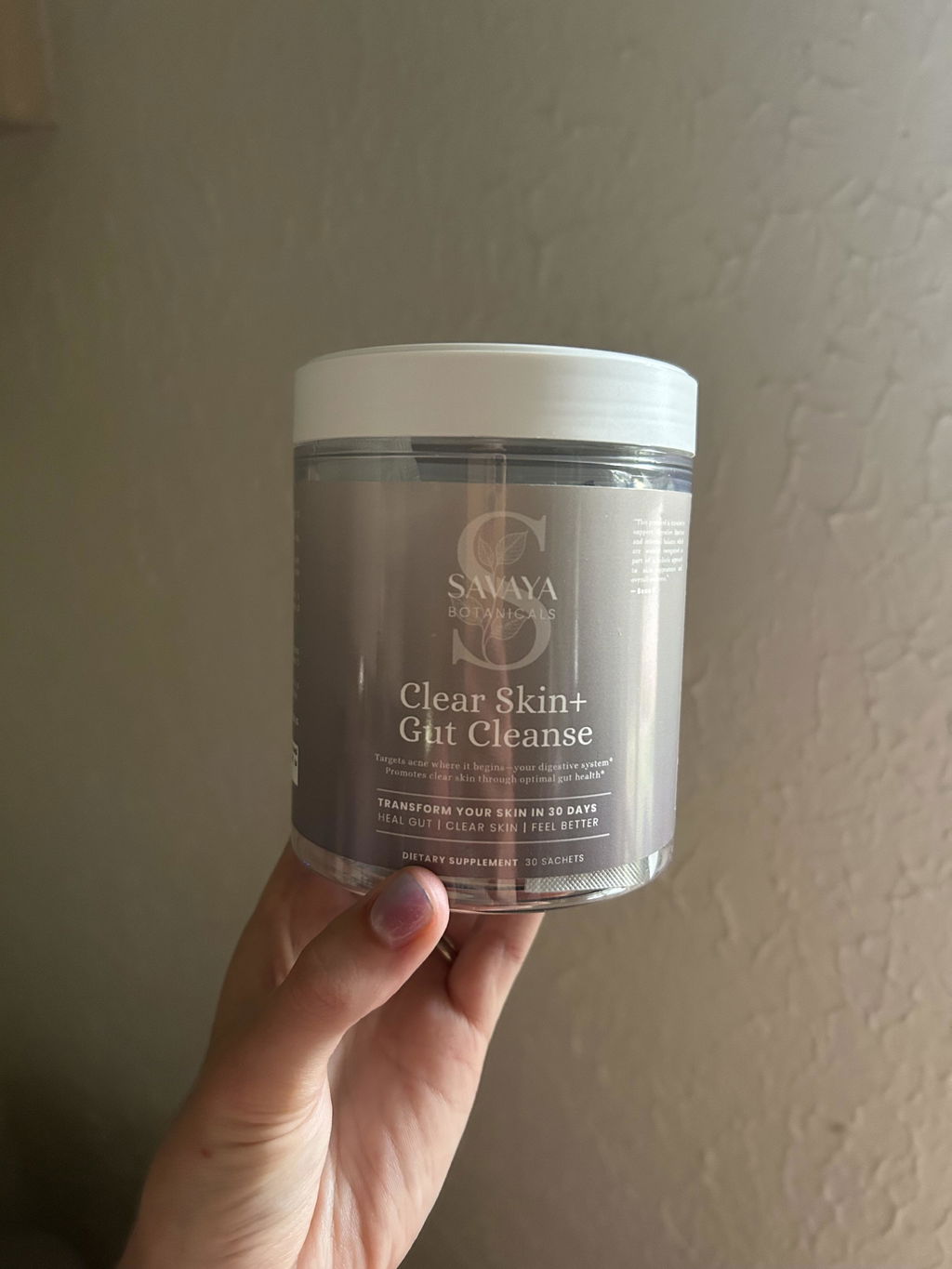
If you are ready to stop the cycle instead of restarting it, Clear Skin+ Max Detox, a daily acai blend, helps support your body's natural balance from the inside out.
Frequently Asked Questions
How long do antibiotics affect the gut microbiome?
Meaningful recovery of the beneficial species most linked to skin health, including Bifidobacterium, Faecalibacterium prausnitzii, and Akkermansia muciniphila, generally takes six to twelve months of intentional gut support after finishing an antibiotic course. Without active rebuilding, research suggests some species may not return at all.
Can I take probiotics while on antibiotics for acne?
Taking probiotics during an antibiotic course is a mixed picture in the research. Most practitioners suggest a two-hour gap between the antibiotic dose and the probiotic strain. The more important step is beginning gut rebuilding immediately after finishing the course, when the microbial slate is most open to being reseeded with the right species.
Why does acne come back worse after antibiotics?
The rebound happens because oral antibiotics reduce inflammation temporarily but do not resolve the underlying gut dysbiosis, hormonal patterns, or barrier dysfunction driving the acne. Once the drug clears, the same inflammatory signals return, often amplified by a depleted microbiome and secondary yeast overgrowth.
Is it safe to stop antibiotics for acne suddenly?
Suddenly stopping a long antibiotic course can trigger a strong flare because the anti-inflammatory effect drops before the skin has stabilized on its own. Most practitioners suggest a slow taper combined with gut and barrier support to make the transition manageable.
What should I do first after finishing antibiotics for acne?
The first four weeks are the most important window. Clearing residual dysbiosis and yeast overgrowth, feeding beneficial bacteria with prebiotic fiber and mineral-rich foods, and supporting the intestinal barrier gives the microbiome the best chance at genuine recovery rather than the partial return most people settle for.