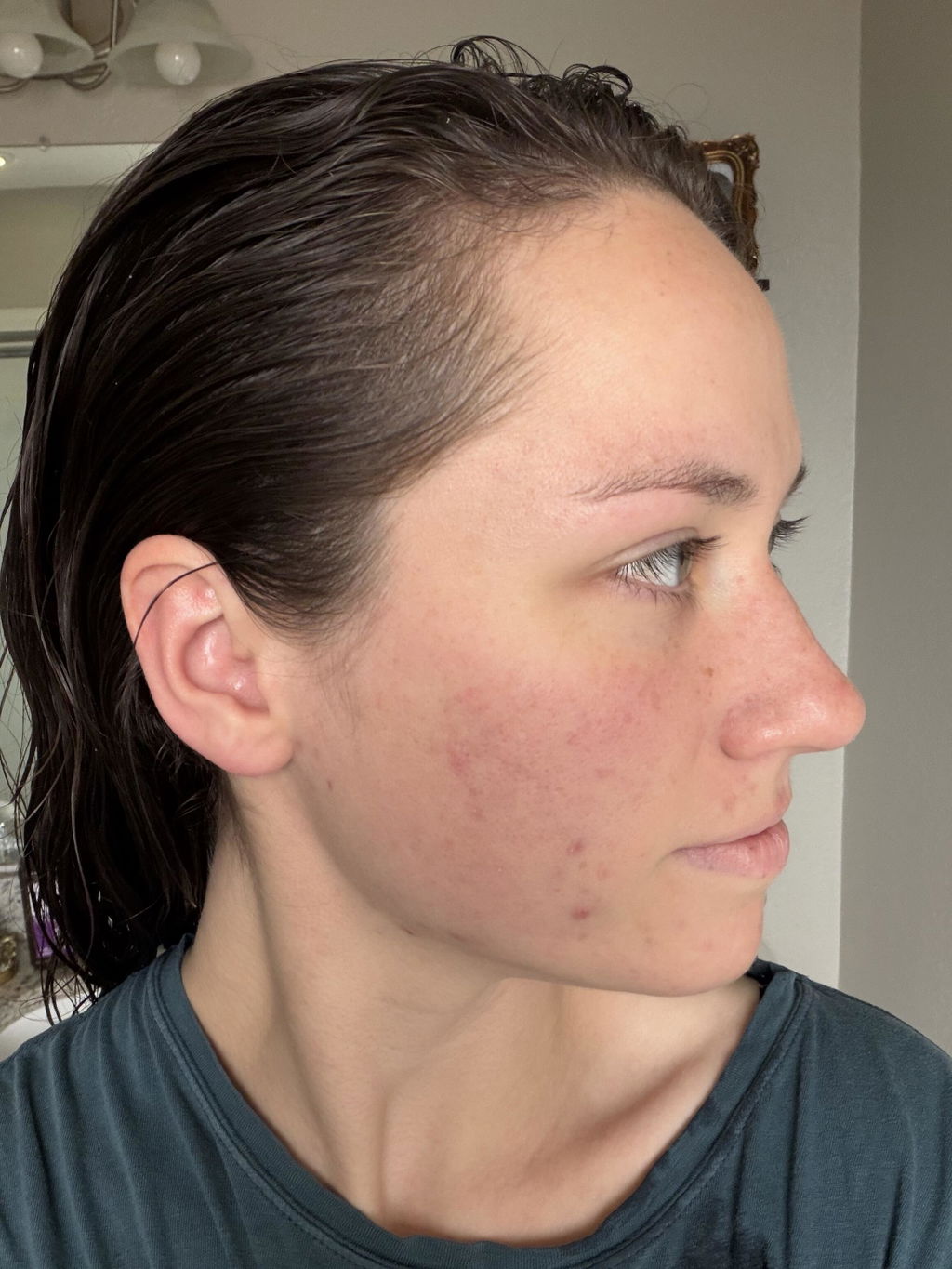
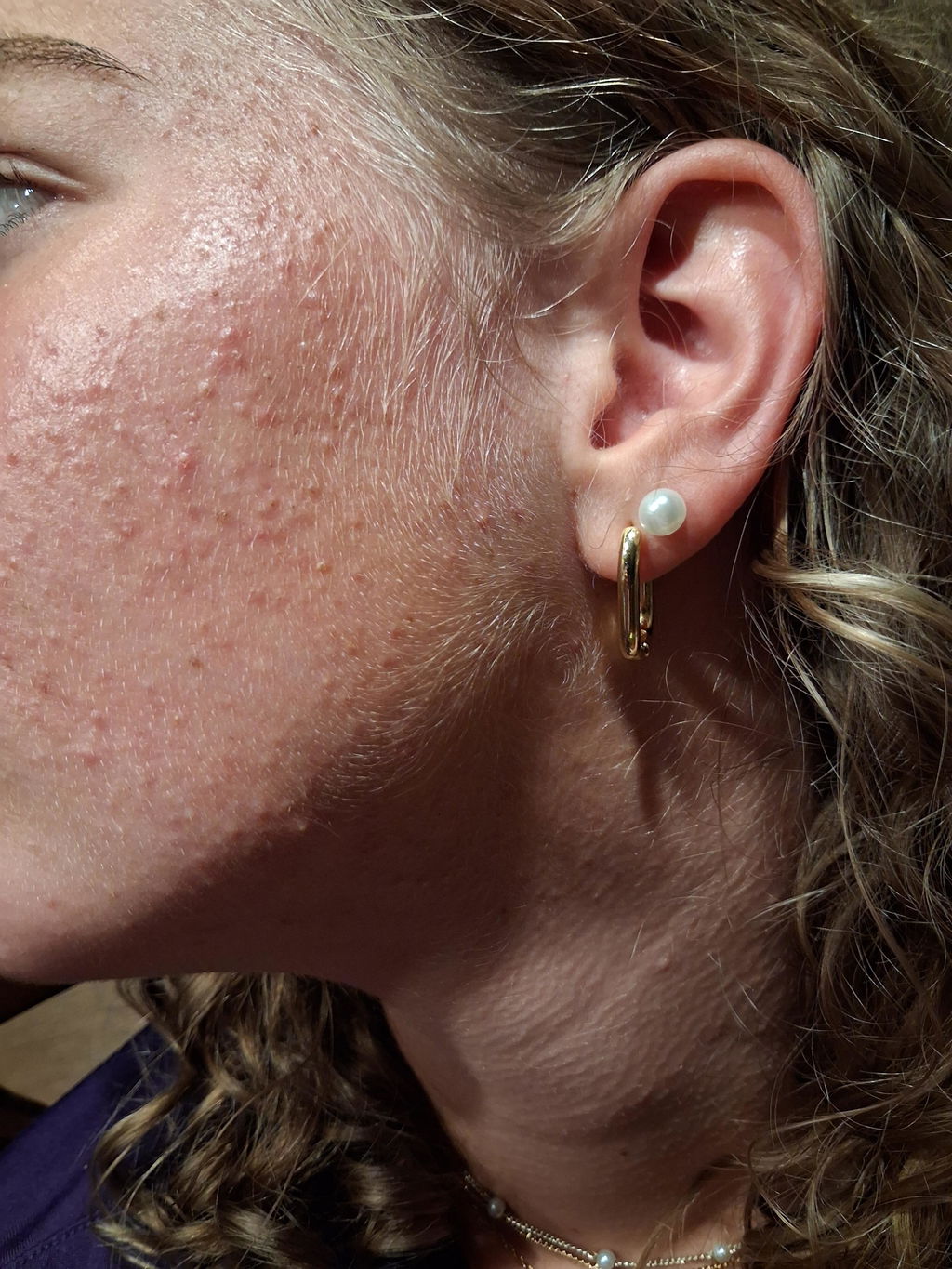
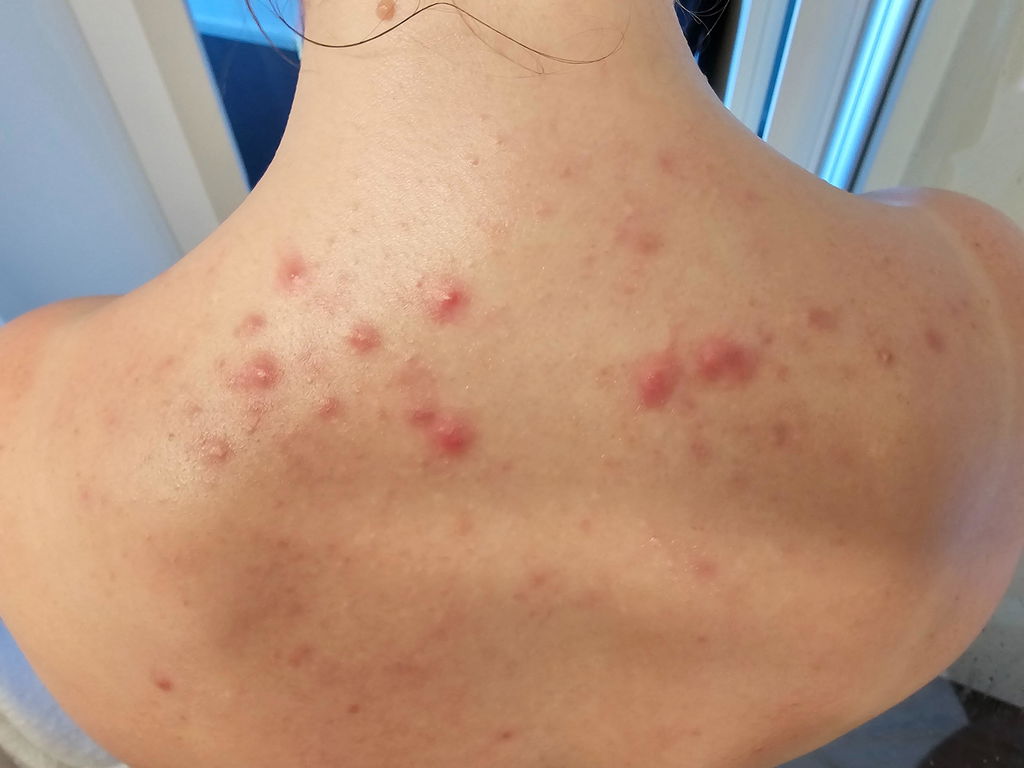
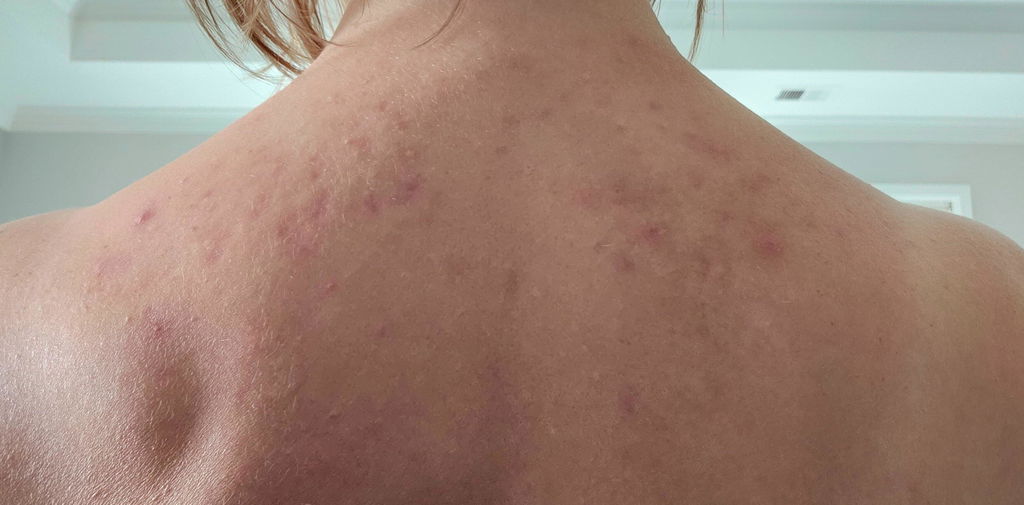
You took the pill for six weeks. Your skin cleared. You felt like yourself again. Then the breakouts came back, and they were angrier than before. In my practice, this is the single most common story I hear from women who tried antibiotics for acne. And the reason it happens has almost nothing to do with your skin. It starts in your gut, months before the rebound shows up on your face.
The Antibiotic Honeymoon That Ends in a Bigger Breakout
Antibiotics work fast on acne because they kill the bacteria on your skin and reduce inflammation across your whole body. The problem is that they also kill the bacteria in your gut that keep hormones, immune signaling, and inflammation in check. Once you stop taking them, the balance collapses, and your skin pays the price.
Most dermatologists prescribe doxycycline or minocycline for three to six months. During that window, the anti-inflammatory effect suppresses breakouts. Your face looks like proof the treatment is working. What you cannot see is what is happening inside.
Your gut is quietly losing its most important protective species. The lining is getting more permeable. Your immune system is losing the daily conversations it has with beneficial bacteria. When the pills stop, everything that was suppressed comes rushing back, often louder than it was before you started. This is the rebound almost nobody warns you about.
Which Gut Bacteria Antibiotics Actually Wipe Out
Broad-spectrum antibiotics like tetracyclines do not distinguish between the bacteria driving your acne and the bacteria protecting your skin. They kill Bifidobacterium, Lactobacillus, Faecalibacterium prausnitzii, and Roseburia. These are the species that produce short-chain fatty acids, calm inflammation, and defend your gut barrier.
Faecalibacterium and Roseburia matter most for skin. They make butyrate, a short-chain fatty acid that feeds the cells lining your colon and quiets inflammatory signaling throughout the body. When butyrate drops, systemic inflammation rises, and inflammation is what turns a normal pore into a red, painful cyst.
Bifidobacterium species help regulate the gut-skin axis by influencing how much oil your sebocytes produce and by keeping cortisol responses balanced. Lactobacillus species compete with yeast and unfriendly bacteria for space. Kill them off, and you leave empty real estate for the wrong tenants to move in. That handoff is where the real trouble begins.
How Antibiotic Resistance Makes Acne Harder to Treat
Resistance to acne antibiotics is now widespread. Cutibacterium acnes, the bacterium on your skin, has been developing resistance to erythromycin, clindamycin, and tetracyclines since the 1970s. Studies published in the British Journal of Dermatology report resistance rates above fifty percent in treated patients across multiple countries. Translation: the drug that helped you at sixteen may barely dent your skin at twenty-eight.
Each round of antibiotics selects for the strains that survive. Those resistant strains grow back stronger and pass their resistance genes to other bacteria in your skin and gut. Over time, your microbiome becomes a library of drug-resistant DNA.
This is why so many women describe a pattern of shorter and shorter clear-skin windows between rounds. The first course lasted a year. The second course lasted six months. The third barely worked at all. That is not your imagination. That is selection pressure at work.
The Candida Overgrowth Nobody Warns You About
Candida albicans is a yeast that lives in your gut in small amounts. Bacteria keep it in check by competing for food and space. When antibiotics wipe out those bacteria, Candida expands into the empty territory. This overgrowth drives sugar cravings, brain fog, and skin symptoms that look like acne but do not respond to any acne treatment.
The clue I look for in my practice is fungal-pattern breakouts. Small, uniform bumps on the forehead, chest, and back. Itchy, not painful. Worse after sugar, wine, or bread. These do not respond to salicylic acid or benzoyl peroxide because they are not bacterial. They are fungal, and they usually appear within weeks of stopping a course of antibiotics.
Candida also produces metabolites that inflame the gut lining, raise zonulin, drive intestinal permeability, and push up histamine. All of that feeds skin inflammation. Restoring gut flora is the only way to bring Candida back down to a healthy level, and it takes months.
C. Difficile: The Serious Risk Nobody Talks About
Clostridioides difficile is an opportunistic bacterium that thrives when antibiotics wipe out gut competitors. Infection can cause severe diarrhea, colitis, and dehydration, and it is a documented risk with tetracyclines, clindamycin, and fluoroquinolones. Younger women taking long courses of antibiotics for acne are not immune.
The risk is highest in the weeks after you finish a course, when your microbiome is at its lowest and most vulnerable. Symptoms can be mistaken for food poisoning or a stomach bug. If diarrhea persists more than a couple of days after antibiotics, that is worth investigating with a stool test.
Most women I work with never had C. diff, but almost all of them had persistent digestive symptoms after antibiotics that they never connected to the medication. Loose stools. New food sensitivities. Bloating that would not go away. All signs the ecosystem never bounced back on its own.
What Recent Research Reveals About Microbiome Recovery Time
The Palleja et al. study published in Nature Microbiology in 2018 followed healthy adults after a broad-spectrum antibiotic course and found that at six months, their gut microbiomes were still missing nine common beneficial species. Recovery was incomplete, and the drop in diversity persisted long after the drugs left the body.
Research published in 2022 confirmed and extended this finding. Follow-up work on post-antibiotic microbiome resilience showed that most people need six to twelve months to return to something close to baseline, and some never fully recover the species they lost. The longer the antibiotic course and the more courses you have taken, the longer the recovery window.
The Bowe and Logan work on the gut-skin axis established years earlier that dysbiosis, meaning a disturbed microbial balance, is directly linked to acne severity. Newer studies keep confirming that link. Fix the gut, and the skin follows. Ignore the gut, and topicals will keep failing.
You cannot antibiotic your way out of a problem that antibiotics helped create. At some point you have to stop killing what is left and start rebuilding.
Real Voices From Dermatology Forums
Threads on r/SkincareAddiction, r/Accutane, and Acne.org repeat the same pattern almost word for word. Women describe six months of clear skin on doxycycline, then a rebound at month two or three off the drug that is worse than what they started with. Many report brand new cystic acne on the jawline that never existed before treatment.
The other common thread is digestive fallout. Bloating that started during antibiotics and never left. New yeast infections. Sudden intolerance to gluten or dairy. Anxiety and low mood that arrived alongside the digestive changes. This is not coincidence. It is a microbiome trying to function without the species it lost.
The most heartbreaking posts come from women on their fourth or fifth round of antibiotics, being told by their dermatologist that Accutane is the next step. Not one of them was ever asked about their gut. Not one was offered a rebuilding protocol. That is the gap I want to close.
What Actually Works Instead of Antibiotics
Real repair takes three things at once. You have to remove what is feeding the problem, restore the species you lost, and repair the gut lining so nutrients get absorbed and inflammation can settle. Miss any of the three, and the skin keeps flaring.
Removal comes first. That means reducing added sugar, processed seed oils, and inflammatory foods that feed Candida and dysbiosis. Alcohol also has to go for a while. This is where a targeted gut cleanse can help, because it clears out the overgrowth species that are dominating the terrain before you try to reseed it.
Restoration is next. Prebiotic fibers feed the beneficial species that survived. Fermented foods reintroduce diversity. Mineral-dense foods give the gut lining the raw materials it needs. This is where 92 trace minerals from the ocean matter, because a mineral-deficient gut cannot rebuild a healthy lining or produce enough stomach acid to digest what you eat.
Repair comes last. This is where collagen, glutamine-rich foods, and bone broth help close the tight junctions in the intestinal wall. Bioavailable collagen support is one of the simplest tools for this stage. When the gut barrier is intact, inflammatory signals stop leaking into the bloodstream, and skin has a real chance to clear from the inside.
A Gut-Rebuilding Protocol That Restores Clear Skin
In my practice, I walk women through a twelve-week rebuild. The timeline matches what the research shows about how long the microbiome actually needs. Weeks one through four focus on removing inflammatory foods and clearing overgrowth. Weeks five through eight focus on reseeding with prebiotic fiber, fermented foods, and mineral support. Weeks nine through twelve focus on repair, collagen, and stress work that supports the vagus nerve and calms the HPA axis.
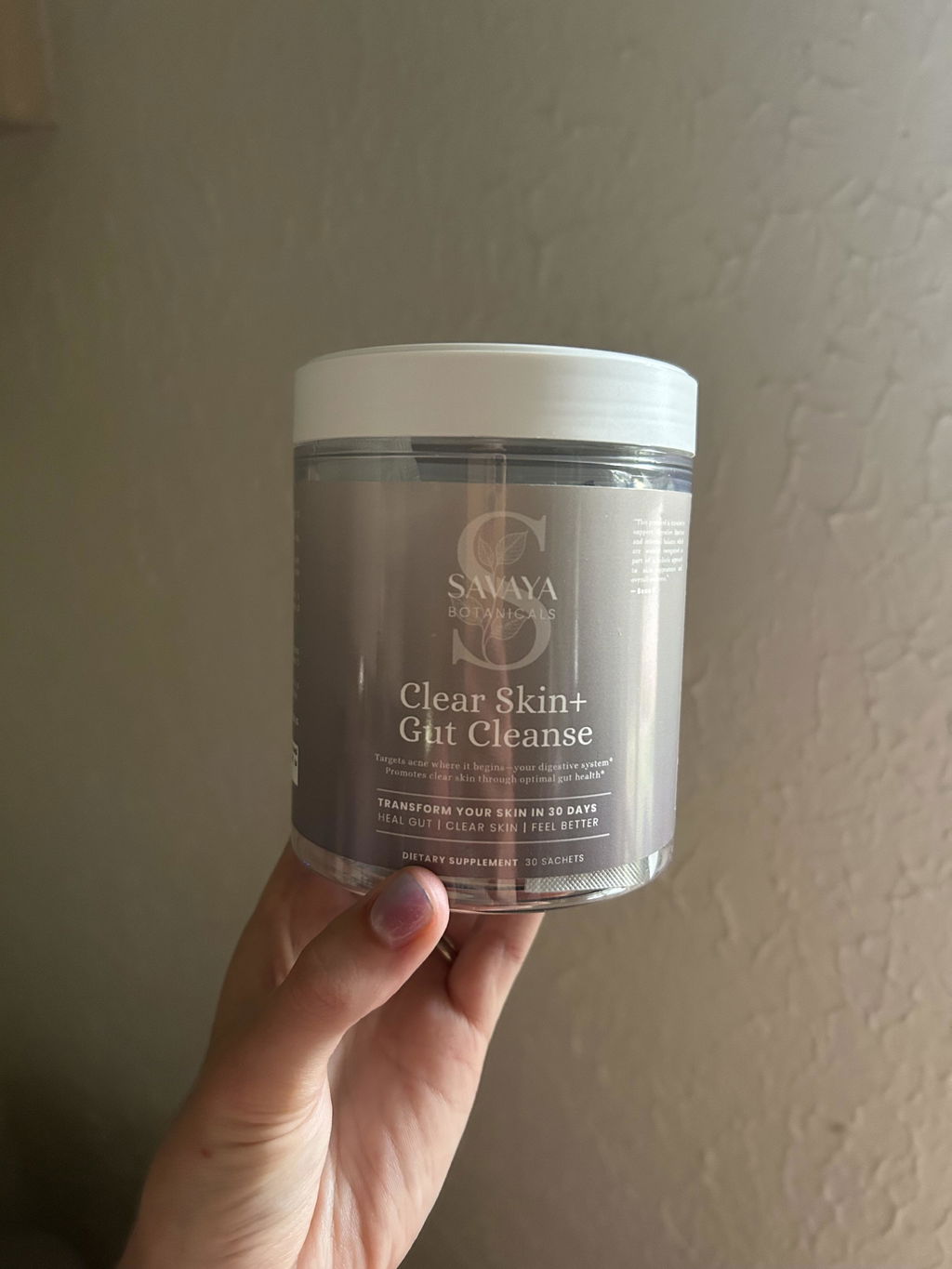
For women who want extra support alongside this, Clear Skin+ Max Detox, a daily acai-based blend, helps support liver and lymphatic function. For those with deeper histories of antibiotics, hormonal birth control, or long-term stress, it can play a role in supporting the body as it processes what the gut is releasing.
Sleep, sunlight, and stress reduction matter more than any supplement in this phase. Your vagus nerve regulates the conversation between gut and skin, and it works best when you are not chronically activated. Ten minutes of morning sunlight, a walk after dinner, and a real bedtime will do more for your skin than any topical you have ever tried.
If you want a place to start without a full program, a simple pairing of this microbiome reset with mineral and collagen support is enough to move the needle for many women within the first eight weeks. The rebuild is not optional after years of antibiotics. Give it twelve weeks of consistent removal, reseeding, and repair, and your skin will tell you it worked.
• • •
Frequently Asked Questions
How long does it take for gut bacteria to recover after antibiotics?
Most people need six to twelve months for the gut microbiome to return close to baseline after a course of antibiotics. Some beneficial species never fully return without active rebuilding through fermented foods, prebiotic fiber, and mineral support.
Why did my acne come back worse after antibiotics?
Antibiotics suppress skin bacteria and inflammation temporarily. When you stop, the gut microbiome that regulates skin inflammation has been disrupted, sebum production rises, and rebound acne appears, often on the jawline and often more cystic than the original breakouts.
Can I take probiotics while on antibiotics for acne?
Taking probiotics during a course of antibiotics can help slightly, but the bigger repair happens after you finish. Focus on a full rebuilding phase with prebiotic fiber, fermented foods, and mineral support for at least three months once the medication is done.
What signs suggest antibiotics damaged my gut?
Common signs include new bloating, loose stools, sugar cravings, yeast infections, food sensitivities that were not there before, brain fog, and fungal-pattern skin bumps on the chest, back, or forehead. These often show up within weeks of finishing the course.
Is it safe to skip antibiotics and heal acne from the gut?
Many women find they can rebuild the gut, calm systemic inflammation, and clear their skin without another round of antibiotics. Working with a practitioner is helpful, especially if you have severe cystic acne or a long history of medications.