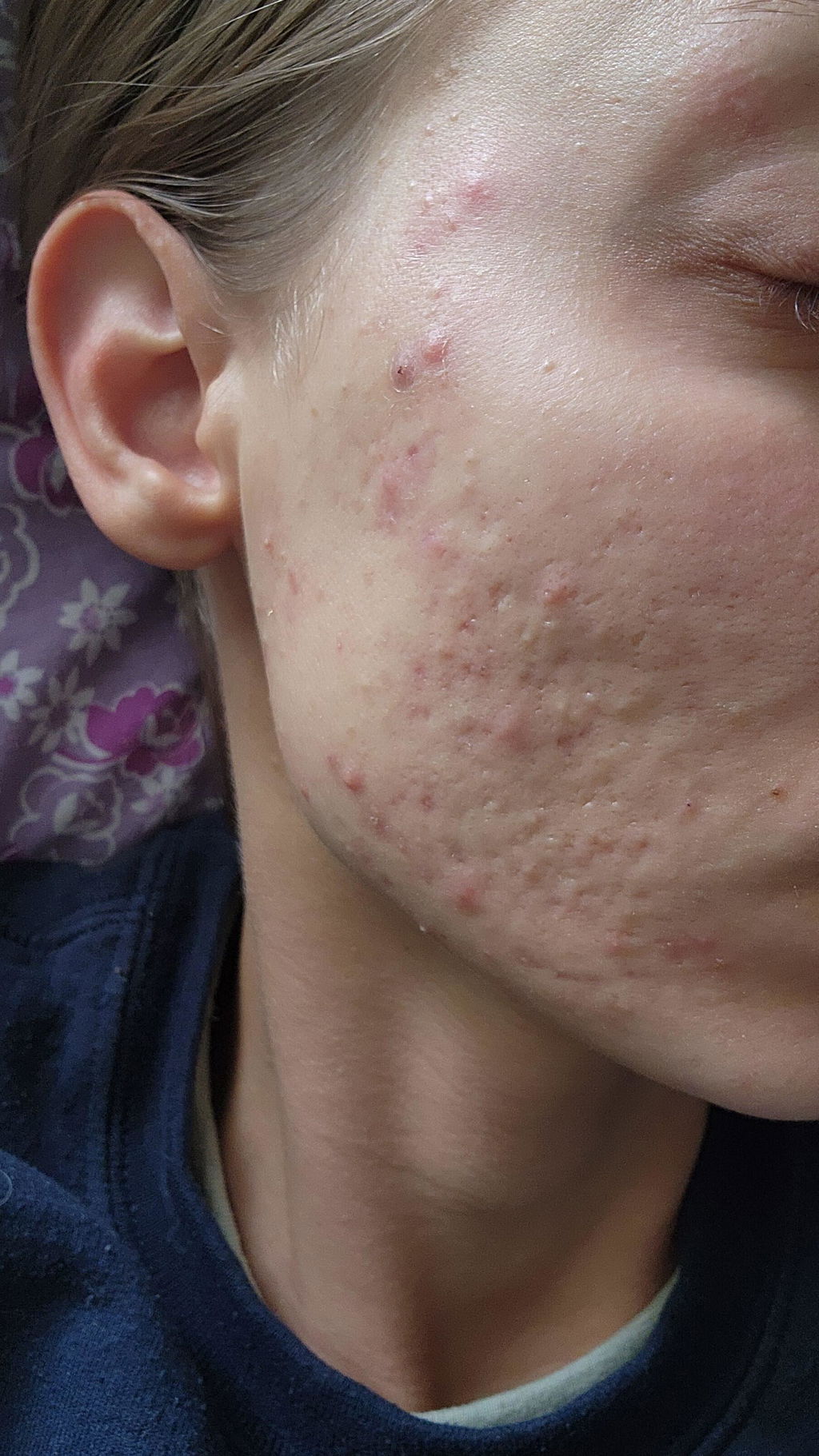
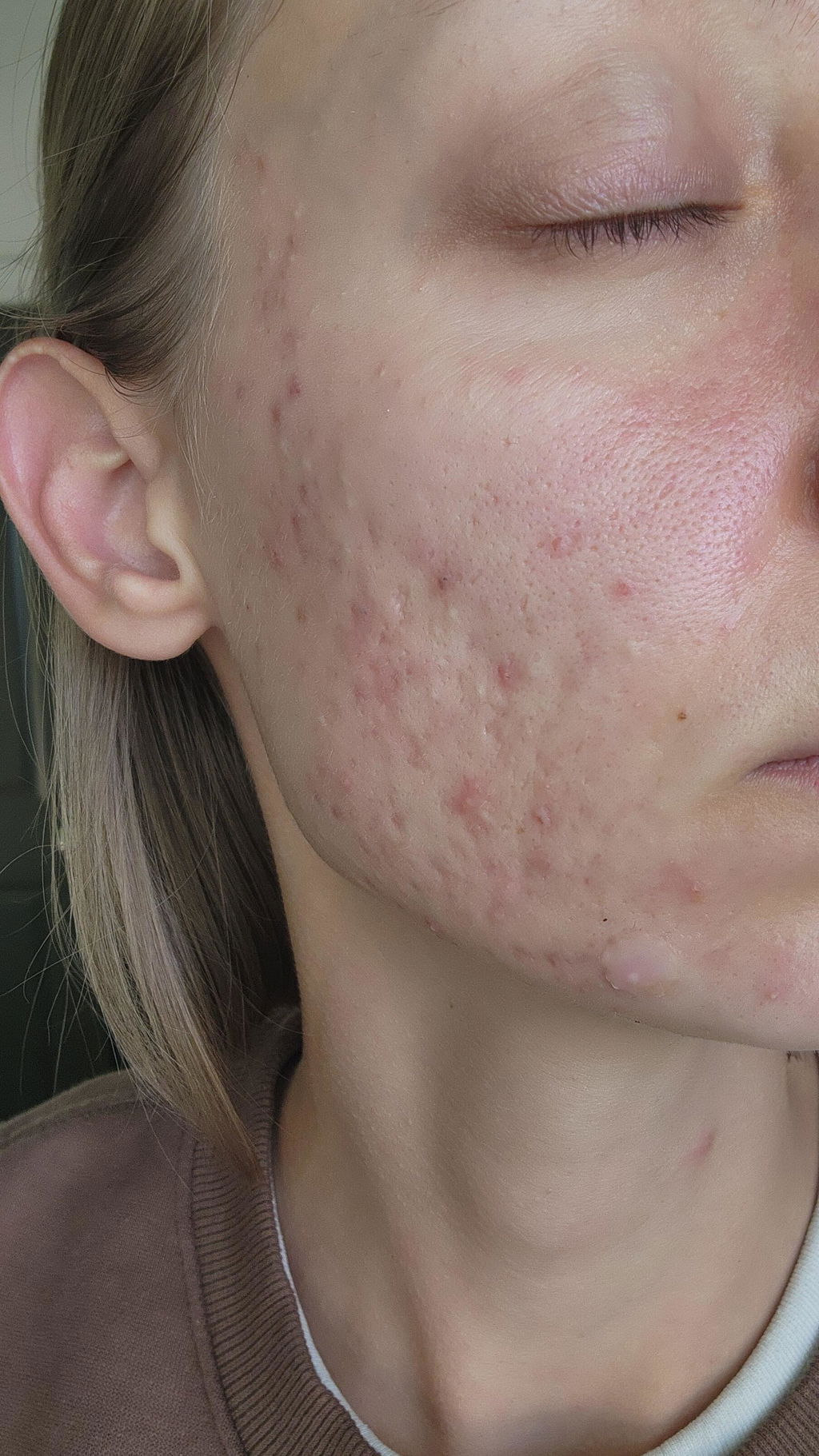
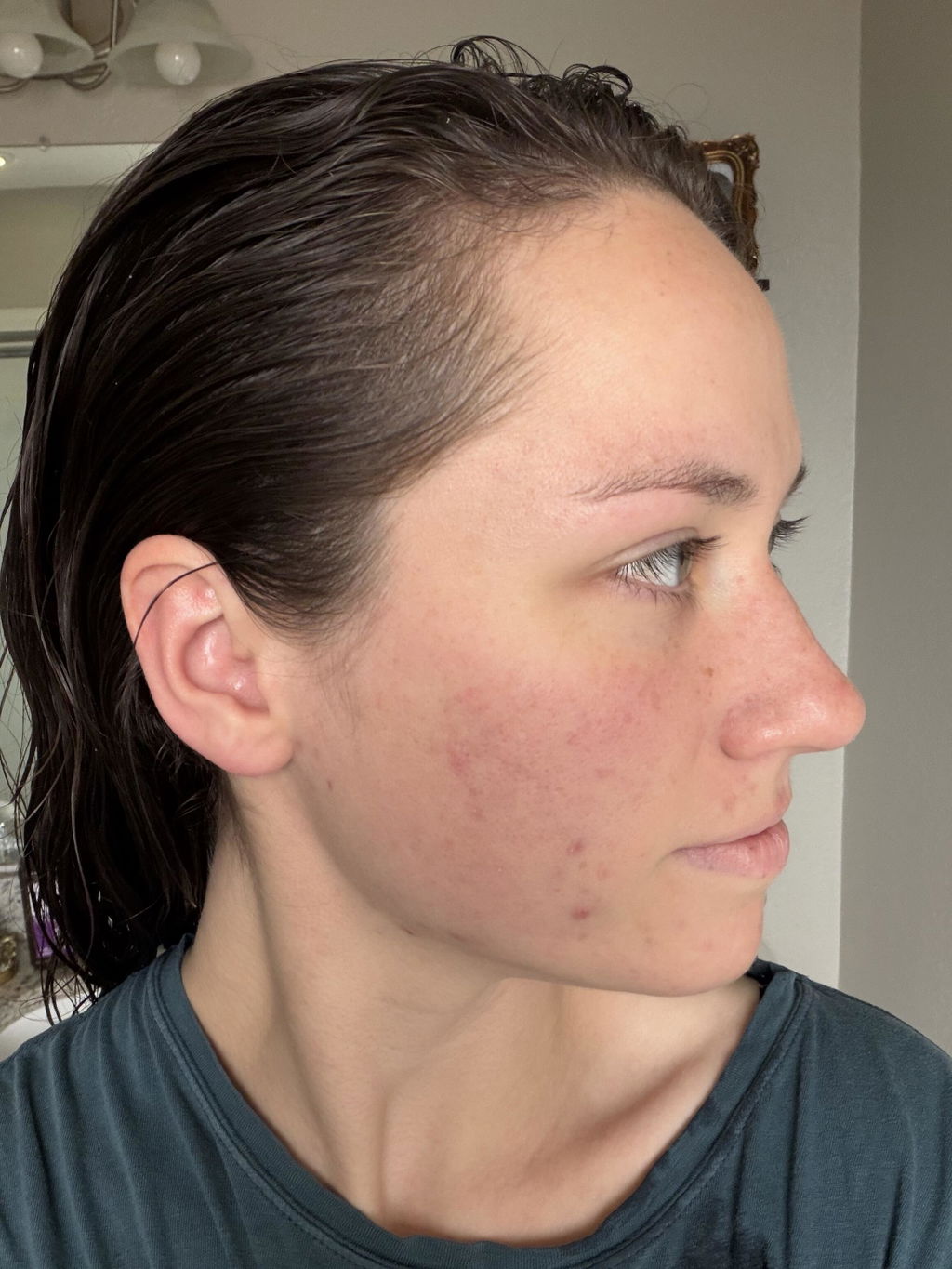
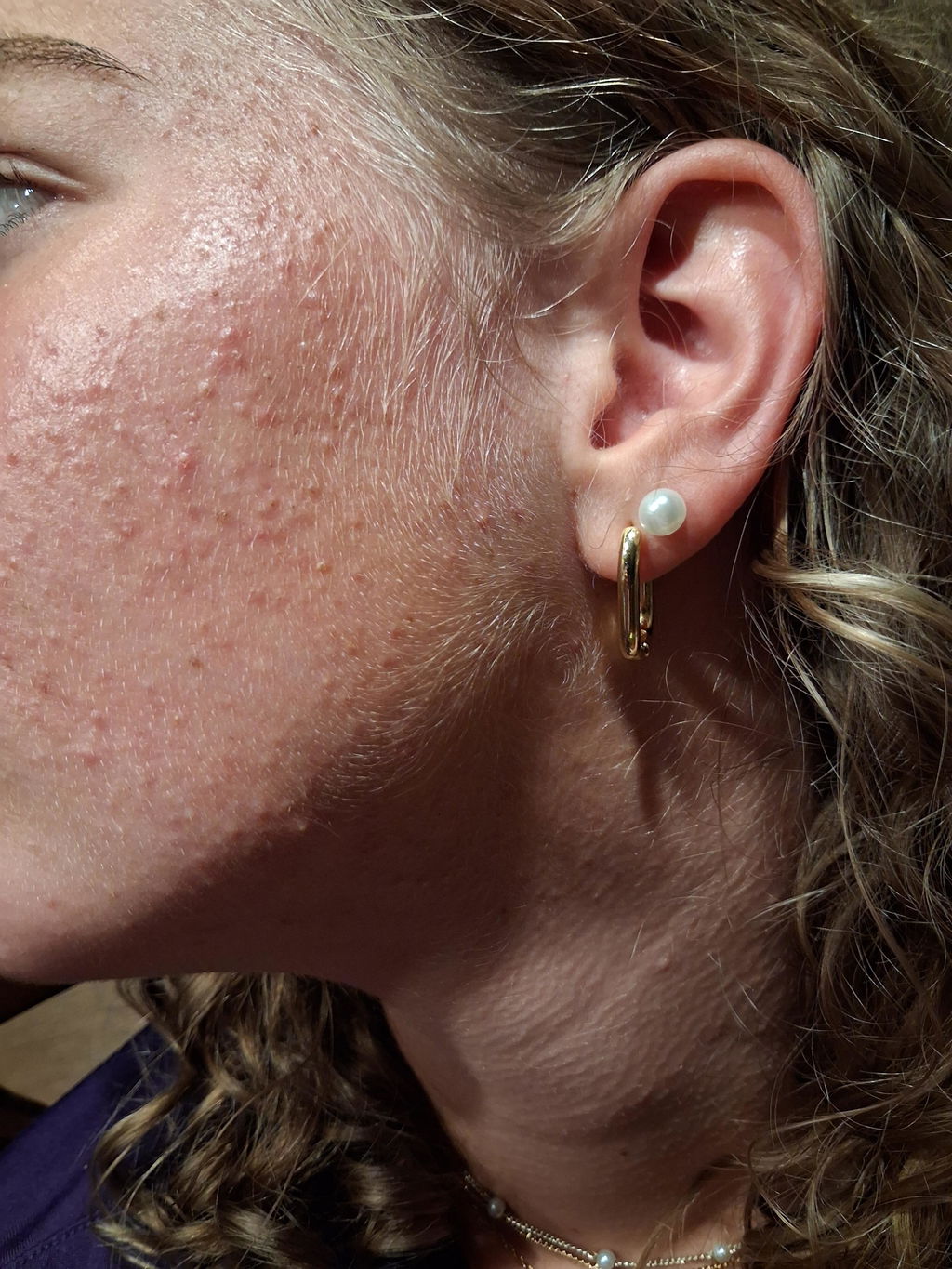
For four years, I did everything right. Every retinoid, every acid, every dermatologist visit, every clean product. My skin still broke out every month like clockwork. Then a functional practitioner asked me one question that changed the way I look at skin forever. Have you ever tested your gut lining? I hadn't. And it turned out my acne was never really about my face at all.
What Leaky Gut Actually Is (And Why Zonulin Matters)
Leaky gut, or intestinal permeability, is when the tight junctions between your small intestine cells loosen and start letting food particles, bacterial fragments, and toxins slip into your bloodstream. Your body reads this as an infection. So it turns on the same inflammatory system that shows up on your skin.
Here is the anatomy piece most doctors do not explain in a seven-minute visit. Your intestinal lining is one cell thick. That is it. One cell layer, held together by protein seams called tight junctions. Claudin, occludin, JAM-A, and ZO-1 are the main ones. When they seal properly, your gut is a filter. When they loosen, it becomes a sieve.
A gut immunologist named Alessio Fasano at the University of Maryland changed everything in 2000 when his team identified zonulin, the human protein that regulates how tightly those seams stay shut. His 2011 review in Physiological Reviews laid out the science in detail. Zonulin binds to receptors on your gut cells and reversibly pulls the seams apart. Gluten, certain gut bacteria, and chronic stress all upregulate it. Once the seams open, LPS (a bacterial toxin from cell walls) can pass through your gut wall. And that is where skin starts paying the price.
How Your Gut Talks to Your Skin (The Gut-Skin Axis)
The gut-skin axis is the two-way biochemical conversation between your microbiome, your gut barrier, and your sebaceous glands. When your gut is inflamed, your immune system releases signals that travel through your bloodstream, reach your skin, and drive sebum production, redness, and clogged pores.
Dermatologists Whitney Bowe and Alan Logan revived this idea in 2011 with a paper in Gut Pathogens called "Acne vulgaris, probiotics and the gut-brain-skin axis." They dusted off a nearly forgotten hypothesis from Stokes and Pillsbury in 1930 that had already connected constipation, emotional stress, and acne almost a century ago. Then Salem and colleagues published a full review in Frontiers in Microbiology in 2018, mapping the mechanisms in even more detail.
What the research actually shows is this. When bacterial LPS crosses a leaky gut wall, it triggers TLR4 receptors on immune cells. That signals systemic low-grade inflammation. High-glycemic diets also push IGF-1 upward, which activates mTORC1 in sebaceous glands and drives sebum overproduction. Meanwhile a healthy microbiome would normally produce short-chain fatty acids like butyrate, which calm the immune tone. In dysbiosis, that calming signal is missing.
Your face is not the problem. Your face is the report card.
How to Actually Test for Intestinal Permeability
You cannot see a leaky gut on a colonoscopy. It is a functional issue, not a structural one. The real testing options are a small handful of research-grade markers, each with its own strengths and limits, and honest interpretation matters more than any single number.
The most established option in research is the lactulose/mannitol ratio. You drink a solution of two sugar molecules and collect urine for six hours. Mannitol is small and gets absorbed easily. Lactulose is bigger and should not cross a healthy gut wall. A high ratio of lactulose to mannitol suggests the seams are loose.
Serum zonulin tests are commonly ordered by functional practitioners. But here is the honest part. A 2018 study by Scheffler and colleagues in Frontiers in Endocrinology found that the widely used commercial zonulin ELISA may actually be measuring properdin rather than zonulin itself. So take that number as one data point, not a verdict.
Other useful markers include LPS binding protein in serum, which tells you whether bacterial toxin is reaching circulation. Fecal calprotectin flags gut inflammation, though it is technically a screen for inflammatory bowel disease, not permeability. In my practice, I combine one lab marker with a full symptom picture. Bloating, brain fog, joint aches, and cyclical acne together tell you something the numbers alone cannot.
The 4R Protocol: Remove, Replace, Reinoculate, Repair
The 4R protocol is a four-step framework from the Institute for Functional Medicine used to restore gut function. It stands for Remove, Replace, Reinoculate, and Repair. It is a clinical roadmap, not a magic bullet, and there is no single randomized trial of 4R as a package, but the individual pieces each have decades of use behind them.
Remove is where you take out what is fueling the fire. That means the foods your gut is reacting to (most often gluten, dairy, sugar, and alcohol), any medications adding stress to the lining if your practitioner agrees, and any pathogenic overgrowth that shows up on stool testing. This is where a targeted gut cleanse can help you clear the ground before you plant anything new.
Replace is about restoring what your digestion is missing. Stomach acid, pancreatic enzymes, and bile all decline under chronic stress. If food is not being broken down properly, undigested particles are more likely to trigger immune responses at the gut wall. Digestive bitters before meals, a betaine HCl trial if warranted, and slower, calmer eating all belong here.
Reinoculate means feeding and reseeding the beneficial bacteria. Prebiotic fibers like partially hydrolyzed guar gum, inulin, and resistant starch feed the strains that make butyrate. Fermented foods and targeted probiotic strains rebuild the population itself.
Repair is the last piece, where you give the enterocytes the raw materials they need to rebuild tight junctions and thicken the mucus layer. Enterocytes turn over every three to five days, so this phase moves faster than most people expect.
Foods That Support Each Phase (What to Actually Eat)
The food piece is where most people get overwhelmed. It does not have to be. In my practice I frame it in four short lists, one for each R. You do not need to do all of them at once.
Remove phase, foods to pull back on:
- Gluten (wheat, barley, rye, most oats)
- Conventional dairy, at least until you have retested tolerance
- Refined sugar and high-fructose corn syrup
- Alcohol, for at least the first month
- Seed oils used at high heat
Replace phase, foods that support digestion:
- Bitter greens before meals (arugula, dandelion, endive)
- Apple cider vinegar in warm water fifteen minutes before eating
- Ginger, fennel, and cardamom teas
- Well-chewed protein eaten sitting down, not on a call
Reinoculate phase, foods for the microbiome:
- Sauerkraut, kimchi, kefir, unsweetened coconut yogurt
- Cooked and cooled potato or green banana for resistant starch
- Garlic, leek, onion, and asparagus for prebiotic fiber
- Mineral repletion from the ocean via 92 trace minerals from the ocean
Repair phase, foods that rebuild the lining:
- Bone broth for glycine, proline, and gelatin
- Slow-cooked collagenous cuts of meat
- Cooked okra, chia, flax, and slippery elm porridge for mucilage
- Wild-caught fish for omega-3 fats
Supplements That Support Each Step
Supplements are meant to fill gaps and speed things along, not replace food or bypass the work. The ones with the clearest mechanistic backing are also the least glamorous. Here is what I actually recommend in the order you would use them across the protocol.
For Remove. A well-formulated botanical and binder combination sweeps out overgrowth without stressing the system. For clients whose total inflammatory load is high, layering in a full detox protocol alongside the elimination phase gives the liver and lymphatics a helping hand at the same time.
For Replace. Digestive bitters before meals, betaine HCl with pepsin if low stomach acid symptoms are present, and pancreatic enzymes for a short window to help protein digestion catch up.
For Reinoculate. A diverse probiotic with Lactobacillus and Bifidobacterium strains, plus a prebiotic fiber like partially hydrolyzed guar gum. One small 2016 trial by Fabbrocini and colleagues in Beneficial Microbes found that Lactobacillus rhamnosus SP1 improved skin gene expression tied to insulin signaling in adult acne. It is a pilot, not a slam dunk, but the mechanism lines up.
For Repair. L-glutamine feeds enterocytes directly. Zinc-L-carnosine has decades of use in Japan for gastric lining support. Deglycyrrhizinated licorice, slippery elm, and marshmallow root coat and soothe the mucus layer. Bioavailable collagen support gives your gut wall the glycine and proline it needs to rebuild those tight junction seams from the inside.
A Realistic 12-Week Timeline (With Milestones)
Twelve weeks is the honest window for most people. Enterocytes turn over every three to five days, but the microbiome, the mucus layer, and the immune calibration behind them all take longer. Most clients notice digestive changes in the first month and clearer skin between weeks eight and twelve. Some take longer. That is normal.
Weeks 1 to 4, Remove and Replace. Pull back the triggers, add digestive support, sleep more than you think you need, and start walking after meals. Expect the first two weeks to feel harder before easier. Bloating usually shifts first. Mood follows. Skin often flares slightly before it calms as the body clears backed-up inflammation.
Weeks 5 to 8, Reinoculate. Add fermented foods and prebiotic fiber slowly. Start a targeted probiotic. This is where many clients notice cravings quieten, bowel movements normalize, and post-meal fatigue lifts. Skin texture begins to shift, especially fewer new deep cysts along the jawline.
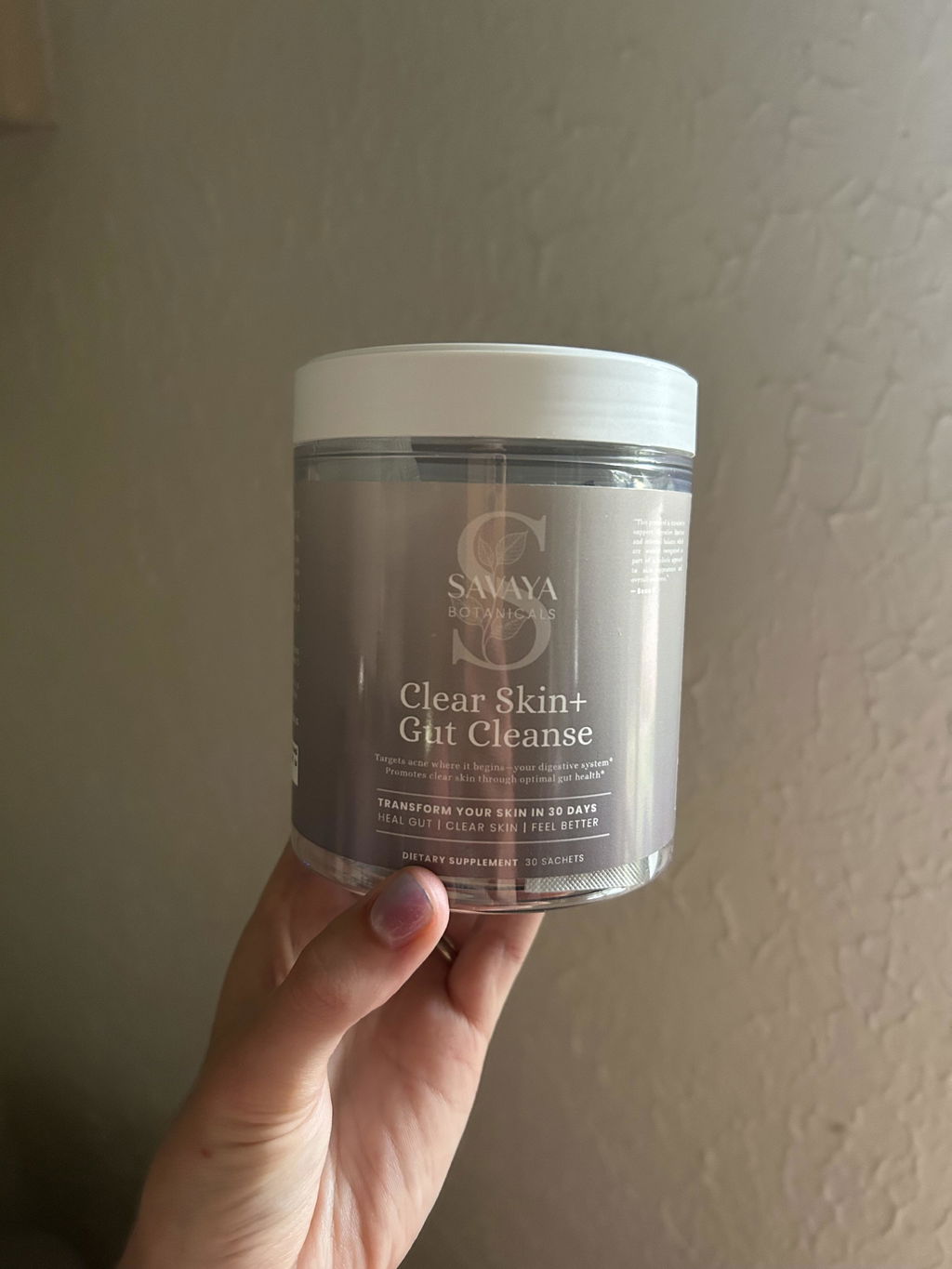
Weeks 9 to 12, Repair and rebuild. Focus on collagen sources, mucilaginous foods, and nervous system work. This is when the skin milestone usually lands. Fewer new breakouts, faster healing of old ones, less oiliness around the T-zone, and softer texture overall. A daily acai-based blend like Clear Skin+ Max Detox can help support this stage from the inside.
Give the surface some support while the inside is healing. Something as simple as a barrier-repairing tallow cream at night reinforces your skin's own lipid layer while the internal work catches up. Inside heals inside. Outside heals outside. Both at once beats either one alone.
If you are ready to work on the root cause, the gentlest place to start is where the gut lining lives. A structured protocol with a real timeline beats another topical every time.
Frequently Asked Questions About Leaky Gut and Skin
What are the most common symptoms of leaky gut?
The most common signs are bloating after meals, brain fog, cyclical adult acne, joint aches, food sensitivities that seem to multiply over time, and afternoon energy crashes. Skin issues rarely show up alone. If your gut is inflamed enough to leak, your body is telling you in more than one language.
Why does gut inflammation show up on the face?
When your gut barrier is loose, bacterial LPS and undigested proteins reach your bloodstream. Your immune system responds with systemic inflammation, and one of its favorite exit points is the skin. High-glycemic foods also raise IGF-1, which directly stimulates sebaceous gland activity through mTORC1. Your face is often the loudest early warning.
How long does it take to heal leaky gut?
Enterocytes replace themselves every three to five days, but functional healing of the gut barrier and microbiome usually takes eight to twelve weeks of consistent work. Deeper cases, especially where autoimmune activity is involved, can take four to six months. Fast is not the goal. Durable is.
Can I heal leaky gut without cutting out gluten and dairy?
You can try, but most clients I see stall until they remove at least one of the two for the initial phase. Gluten upregulates zonulin in nearly everyone, not only in celiac disease. Dairy varies more by person. A short elimination and a careful reintroduction is the honest way to find out where you actually sit.
Is testing for leaky gut worth it?
It can be, if you interpret the results carefully. The lactulose/mannitol ratio is the most established option. Serum zonulin and LPS binding protein can add context, though the zonulin ELISA has known assay limitations. In practice, symptoms plus a food and stool history often tell you more than any single lab.