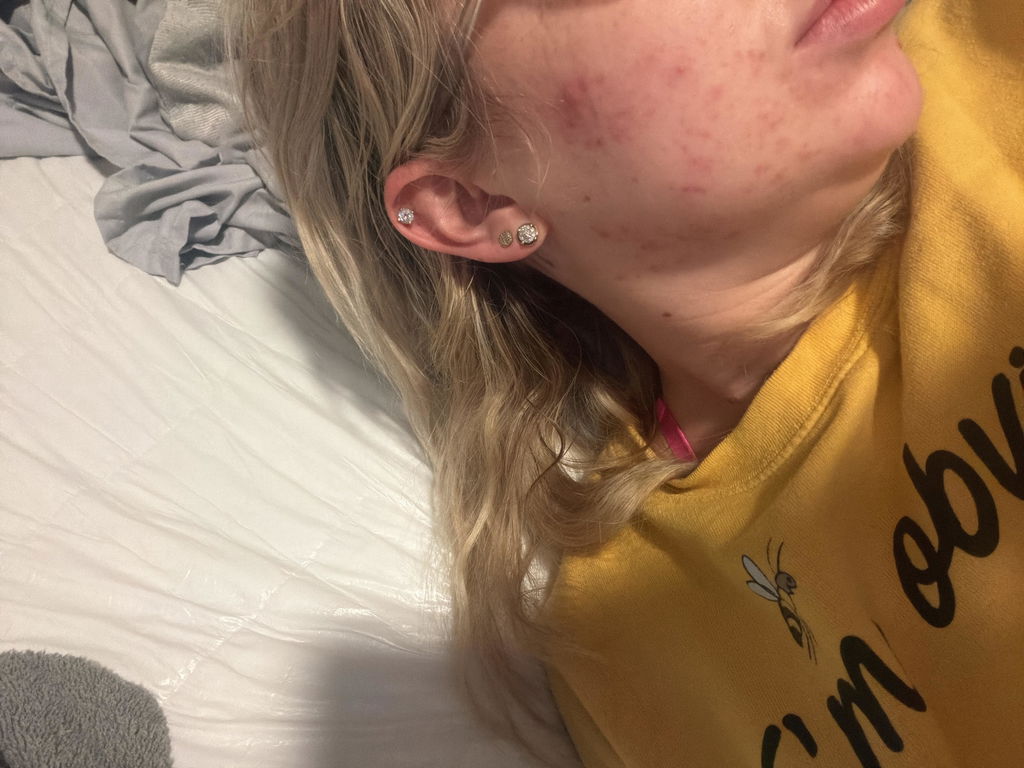
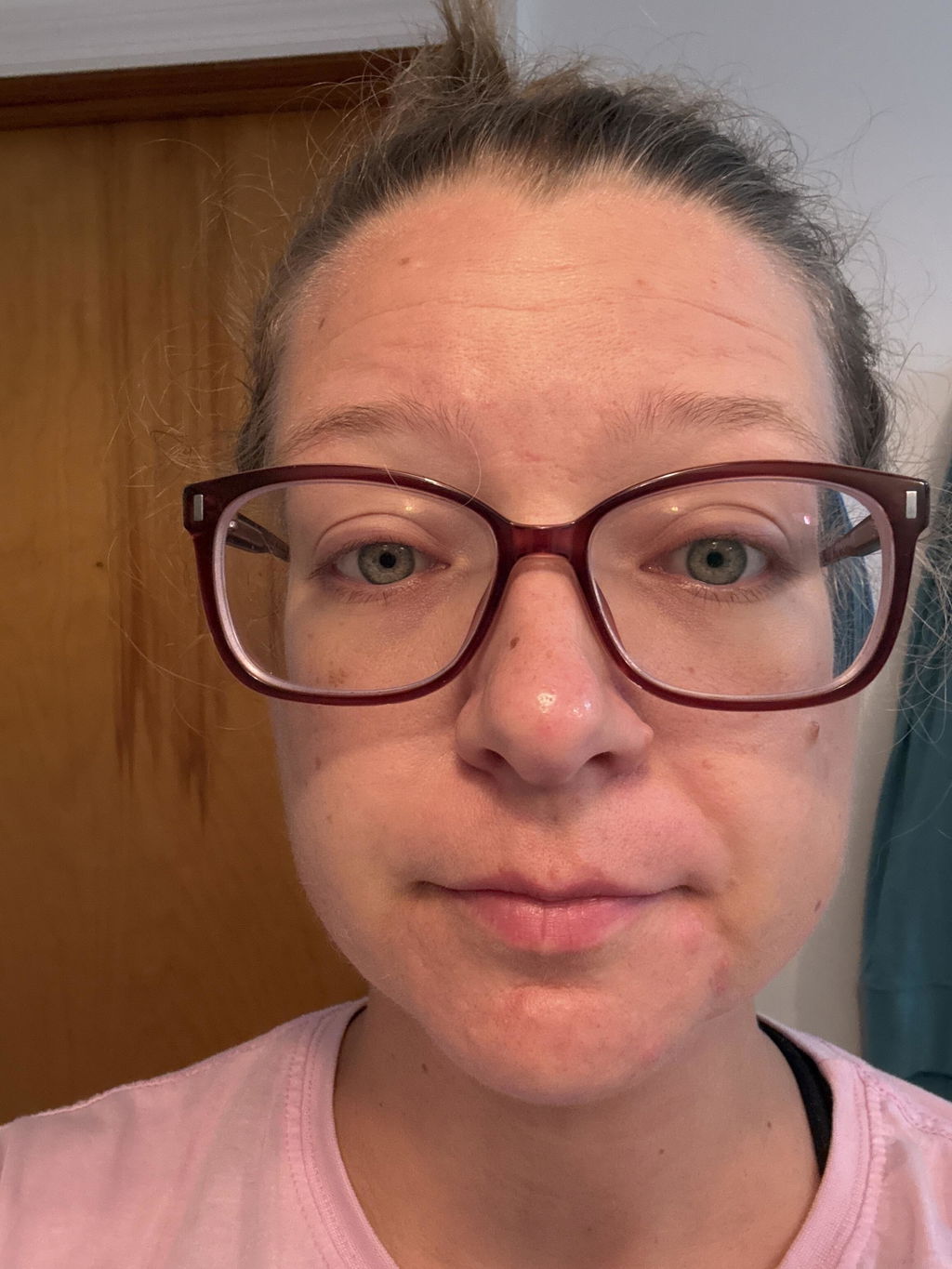
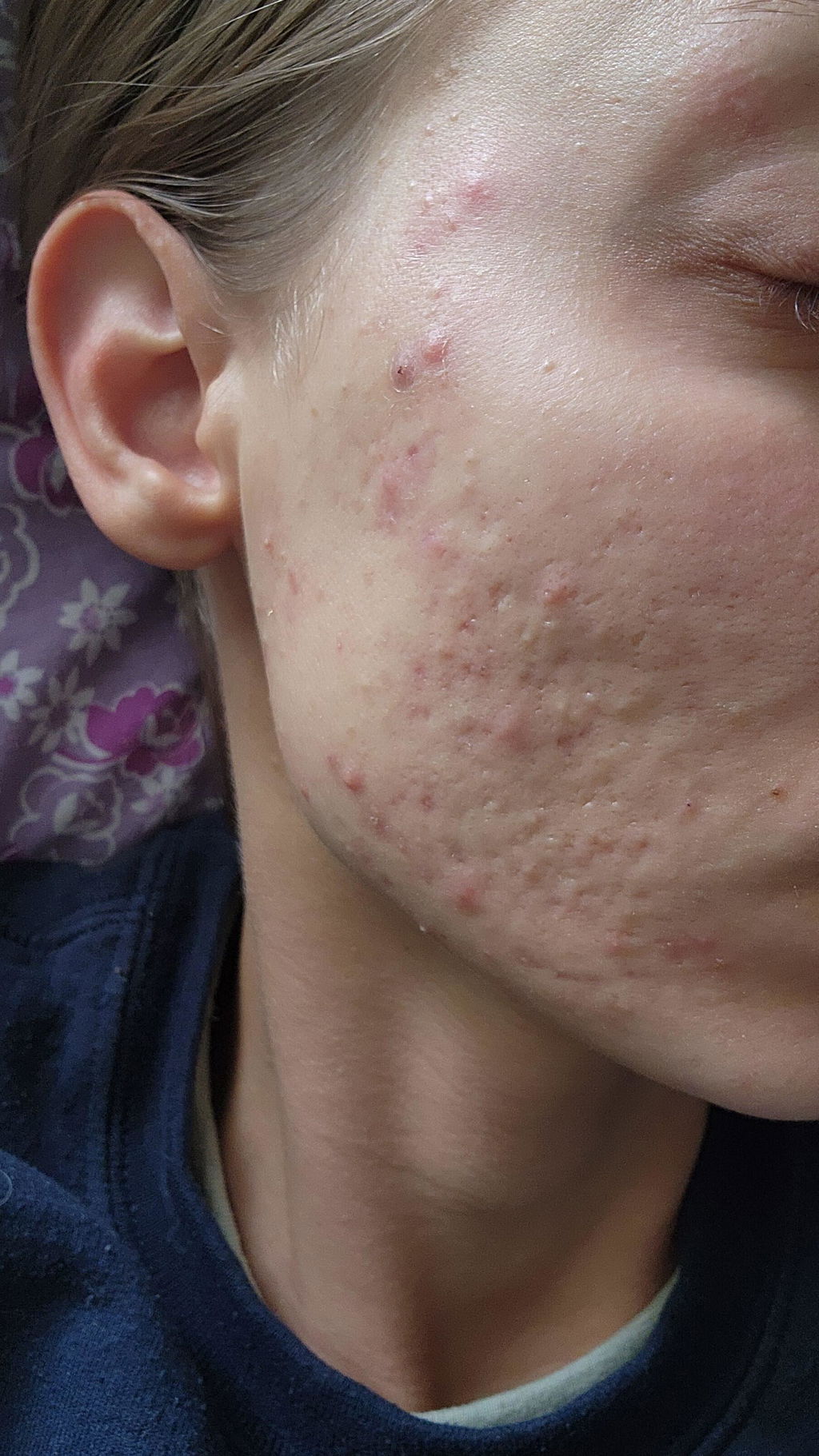
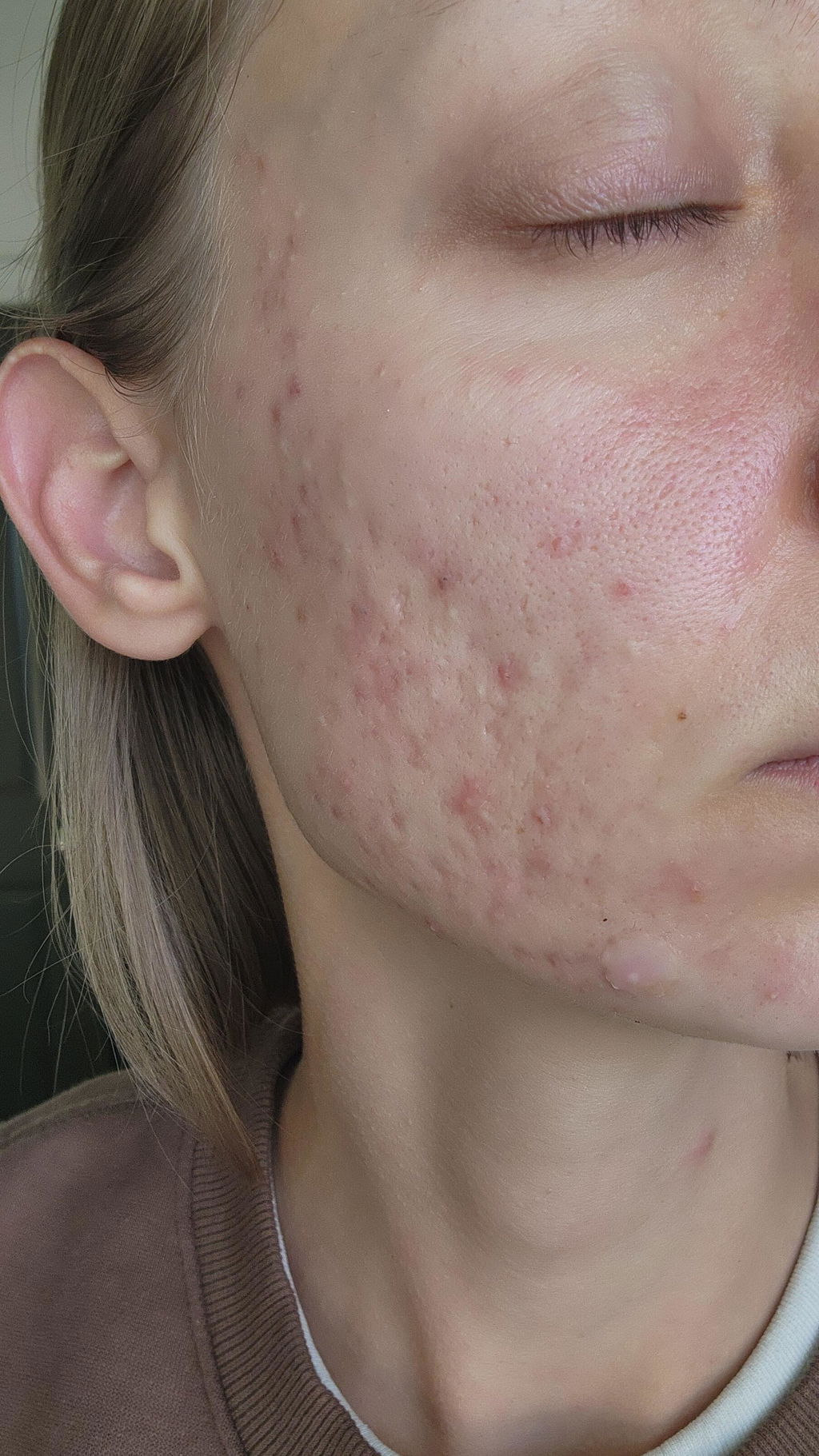
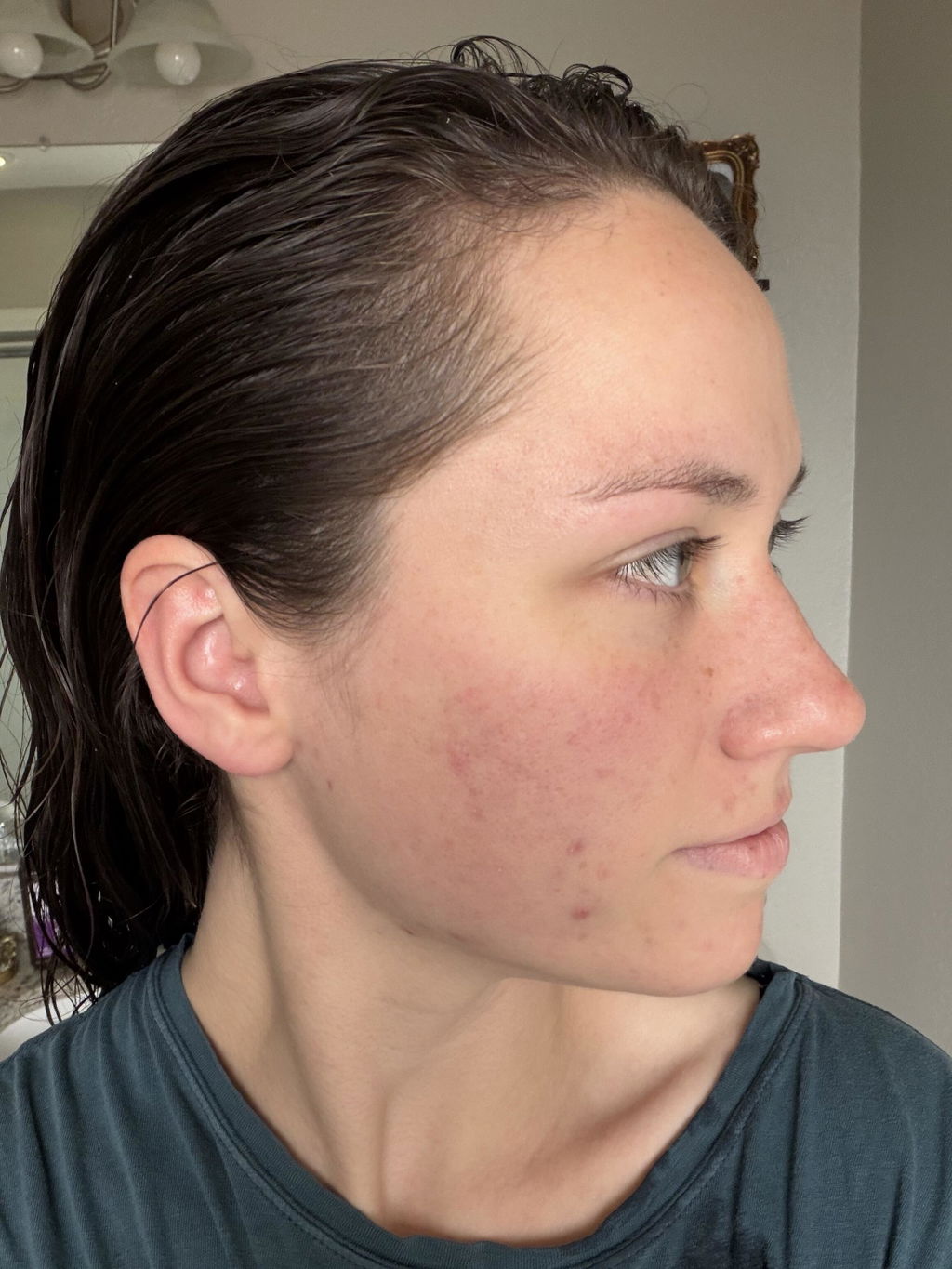
Here is what nobody tells you about stubborn acne. You can scrub, exfoliate, and layer a hundred dollar routine every single night, and if the inflammation is coming from your gut and your hormones, your skin will not clear. It will just relocate the breakouts. That is what I watch happen to women in my practice every single week.
Why topical treatments alone rarely fix stubborn acne
Topical products work only on the last inch of the acne pipeline. Your face is where the inflammation shows up. Sebum overproduction, androgen conversion, and gut-driven inflammation all happen deep inside the body. When you only address the outside, you are wiping the sink while the faucet still runs.
That is why so many women I see have spent three, four, sometimes five years on the same rotation of cleansers, spot treatments, and prescription creams. The pimples move around. The redness comes and goes. But the pattern does not break.
Real acne repair happens from the inside out. That is not a wellness slogan. That is the sequence your body actually follows. Once you understand which internal levers matter, the supplement conversation gets a lot more useful. Even a good outer support like a barrier-repairing tallow cream works better once the inflammation is coming down from the inside.
Why dermatologists default to antibiotics and retinoids
Most dermatologists reach for oral antibiotics and topical retinoids because both work in a measurable, repeatable way. Antibiotics knock down C. acnes bacteria on the skin. Retinoids push faster keratinocyte turnover so pores stop plugging. These are honest tools for a real problem.
What they do not do is address the drivers upstream. When you stop the medication, the underlying inflammation, the hormonal signaling, and the intestinal permeability are all still there. Most dermatologists have fifteen minutes with you. Not the ninety minutes it takes to unpack your gut history, your stress load, your diet, and your cycle.
That is not a moral failure. It is a schedule problem. It is also why the supplement stack below rarely comes up in a dermatology appointment.
Zinc, the mineral that quiets inflammation from the inside
Zinc is the first supplement I reach for with inflammatory acne. In a 1989 double-blind trial by Dreno and colleagues, 200 mg of zinc gluconate daily (roughly 30 mg of elemental zinc) produced a statistically significant reduction in inflammatory acne lesions after two months compared with placebo, with p less than 0.02.
Zinc works in three ways at once. It inhibits 5-alpha-reductase, the enzyme that converts testosterone to dihydrotestosterone, which is what tells your sebocytes to pump out extra oil. It dampens TLR2 signaling in the follicle, which lowers the release of TNF-alpha and IL-6. And it has a direct bacteriostatic effect on Cutibacterium acnes, the bacteria that colonize a clogged pore.
You are not "boosting immunity" with zinc. You are turning down three different noise sources at the same time. That is why it works when so many trendy supplements do not.
Acne is not a face problem with skin-deep answers. It is a whole-body signal that keeps getting louder until you finally listen.
Omega-3 EPA, the fat that cools the fire
Omega-3 fatty acids from fish oil calm inflammation from the inside. In a 2014 randomised double-blind trial by Jung and colleagues, 45 patients with mild-to-moderate acne who took 2,000 mg of combined EPA plus DHA daily for 10 weeks showed significant reductions in both inflammatory and non-inflammatory lesion counts compared with untreated controls.
Here is what is actually happening. EPA competes with arachidonic acid inside your cell membranes and blocks the enzyme that produces leukotriene B4, a chemical signal that pulls immune cells into the pilosebaceous unit and drives the red, swollen lesions you can see in the mirror. EPA also blunts the IGF-1 and mTORC1 pathway that ramps up sebum production, and it quiets NF-kB signaling triggered by C. acnes.
Translation. Less swelling. Less oil. Less redness. All from a lipid your body already recognizes as food.
Most women I see are chronically low in EPA and DHA. Their diet is heavy on inflammatory omega-6 seed oils and light on cold-water fish. Rebalancing that ratio is one of the quietest, most reliable levers you can pull.
Vitamin D3 with K2, the pair that must go together
Vitamin D3 is not just a bone vitamin. It is a hormone your immune system uses to decide how loudly to react to threats. In a 2016 study by Lim and colleagues, 48.8% of acne patients were vitamin D deficient compared with 22.5% of healthy controls, and serum D3 levels were inversely correlated with acne severity.
In the supplementation arm, 39 deficient acne patients given 1000 IU of D3 daily for two months showed significant improvement in inflammatory lesions compared with placebo.
The vitamin D receptor sits on keratinocytes, sebocytes, and immune cells inside your skin. When it is activated, it downregulates NF-kB driven cytokines like IL-6 and IL-8, modulates Th17 differentiation, and dampens sebocyte proliferation. Low D3 means your skin's immune system is essentially over-reacting to every follicular clog.
Here is where I differ from most supplement advice. When you take D3, you absorb more calcium from your gut. Vitamin K2, in the form of menaquinone, is the enzyme cofactor that activates matrix Gla protein and osteocalcin. Those two proteins act like traffic controllers, directing calcium into bone and away from arteries and soft tissue.
Without adequate K2, D3 supplementation, especially at higher doses over time, has been associated with soft-tissue calcification risk. This is why D3 and K2 belong together in the same capsule. Not as a marketing gimmick. As a physiology requirement.
Sea moss, mineral density and honest limits
I have to be straight with you here. There are no direct clinical trials of sea moss for acne. Not one. Any skin practitioner who tells you otherwise is selling, not teaching. What the science does support is the mineral density of edible seaweeds and the thyroid and gut connections downstream of that.
According to a 2019 Nutrition Reviews paper by Cherry and colleagues, sea moss (Chondrus crispus and Eucheuma cottonii) concentrates iodine, which the thyroid uses to make T3 and T4. Thyroid hormone regulates keratinocyte turnover and sebaceous gland activity. Sea moss also carries trace zinc, selenium, and magnesium, which are cofactors for antioxidant enzymes (superoxide dismutase, glutathione peroxidase) that skin uses to repair itself.
Sulfated carrageenan polysaccharides in sea moss resist upper-GI digestion and behave as prebiotic fiber, feeding colonic microbiota. That indirectly influences the gut-skin axis we are about to unpack.
If you want to try it, 92 trace minerals from the ocean makes the most sense as a mineral floor, not a targeted acne intervention. Culinary servings of one to two grams dried per day stay well under the 600 microgram iodine upper limit the review flagged.
The gut cleanse, the root cause most women skip
If I had to name the most under-treated driver of adult acne, it would be gut dysbiosis. In their 2011 Gut Pathogens review, Bowe and Logan revisited the gut-brain-skin hypothesis and confirmed that gut microbiota modulation influences systemic inflammation, oxidative stress, glycemic control, and tissue lipids in ways that meaningfully affect acne vulgaris.
Here is what happens in the tissue. Stress and a poor diet alter the gut microbiota. Zonulin rises. Intestinal permeability increases. Lipopolysaccharide from gram-negative bacteria leaks into circulation and drives systemic low-grade inflammation. That inflammation reaches the pilosebaceous unit and joins forces with IGF-1 dysregulation to amplify sebum production and follicular hyperkeratinization.
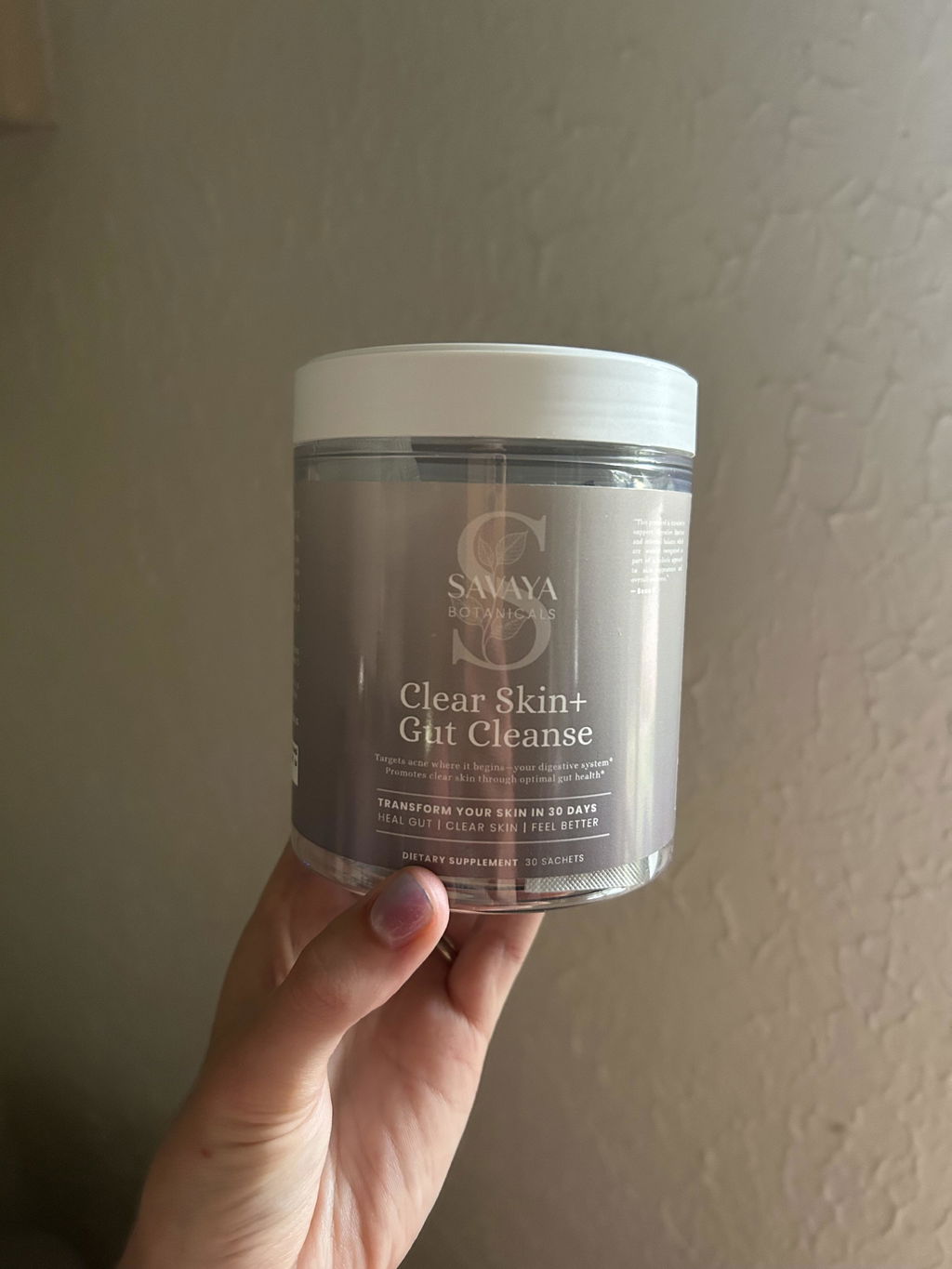
You cannot outrun this with a face wash. You have to repair the gut barrier first. In my practice that usually means a targeted gut cleanse to clear out overgrown organisms, then probiotic and prebiotic support to restore short-chain fatty acid production. Butyrate in particular reinforces the tight junctions between your intestinal cells.
For women who have been fighting acne for more than two years, I usually recommend the 12-week gut-to-skin program because the sequencing matters. You cannot repopulate a gut that still has active dysbiosis. You have to clear, then rebuild, then maintain.
Collagen, rebuilding after the inflammation calms down
Once inflammation calms down, your skin still has real repair work to do. In a 2014 double-blind placebo-controlled study by Proksch and colleagues, 69 women aged 35 to 55 took either 2.5 g or 5.0 g of specific bioactive collagen peptides daily for eight weeks. Both doses produced significant improvement in skin elasticity versus placebo, with a lasting effect four weeks after supplementation ended.
Hydrolyzed collagen breaks down in your gut into small hydroxyproline-containing di- and tripeptides (Pro-Hyp and Hyp-Gly are the two that matter most) that get absorbed intact and reach your dermis. There they signal your fibroblasts to make more procollagen, elastin, and glycosaminoglycans, and to modulate the matrix metalloproteinases that would otherwise chew up existing collagen.
For post-acne repair, that fibroblast signal is exactly what you want. This is why bioavailable collagen support belongs at the end of the stack, not the beginning. You are rebuilding, not putting out fires.
Putting the stack together
The order I use in my practice matters as much as the ingredients themselves. You do not want to rebuild collagen while the pipeline is still inflamed. You do not want to feed a gut you have not cleared. Sequencing is what turns a pile of supplements into a stack that actually works together.
- Zinc and omega-3 come in first to lower inflammatory signaling and sebum drive.
- Vitamin D3 with K2 supports the immune response inside the skin without the calcium routing risk of isolated D3.
- A gut protocol addresses the intestinal permeability that keeps feeding the loop.
- Sea moss provides a mineral floor for enzyme systems and thyroid function.
- Collagen supports dermal repair once the acne is calming down.
If you want a done-for-you sequence rather than piecing this together yourself, a full detox protocol layers these mechanisms in the order the body actually needs them. That is the closest thing I have to a shortcut for women who are tired of guessing.
Frequently Asked Questions
What is the best supplement stack for acne?
Based on the research, the most evidence-supported stack combines oral zinc gluconate for inflammation and androgen control, omega-3 EPA plus DHA for eicosanoid balance, vitamin D3 with K2 for immune modulation and safe calcium routing, gut microbiota support for intestinal permeability, and collagen peptides for post-inflammation repair. Sea moss adds a broader mineral base to the whole stack.
Why will most dermatologists not recommend these supplements?
Most dermatology visits last around fifteen minutes and are structured around prescription solutions with strong topical evidence, mainly antibiotics and retinoids. Nutrition-based interventions require longer conversations about diet, gut history, stress load, and lifestyle, which usually falls outside the scope of a standard skin appointment.
How long does it take supplements to work for acne?
The clinical trials cited in this article ran between eight and ten weeks before reaching statistically significant improvement in inflammatory lesion counts. In my practice most women start noticing calmer skin around week six, with more meaningful visual changes between weeks eight and twelve. Gut-driven acne can take a full 12 weeks or longer.
Can I take zinc, omega-3, and vitamin D3 together?
Yes, and in most well-designed acne protocols they are stacked because they act on different mechanisms. Zinc dampens androgen conversion and TLR2 inflammation, omega-3 EPA blocks leukotriene B4 and cools the immune cascade, and vitamin D3 modulates VDR signaling in skin cells. There is no significant nutrient antagonism between them at standard supplemental doses.
Is it safe to take these supplements long term?
At the doses used in the referenced trials (around 30 mg elemental zinc, 2000 mg EPA plus DHA, 1000 IU D3 with K2), these nutrients are widely used long term. Zinc taken above 40 mg elemental daily for extended periods can lower copper status, so cycling or copper co-supplementation matters. Vitamin D3 without K2 raises soft-tissue calcification concerns, which is why they belong paired.