Most women walking into a dermatology office with acne leave with the same two prescriptions. A retinoid. An antibiotic. Maybe a birth control pill if the breakouts are "hormonal." Those tools can calm a flare. But they do not touch the deeper problem. In my practice I see the same pattern over and over. Six nutrients and one reset are usually missing. Here is the stack.
Why Topical-Only Approaches Keep Failing You
Topical acne treatments work on sebum, surface bacteria, and skin cell turnover. They do not address the three systemic drivers behind most adult breakouts. Those drivers are gut dysbiosis, mineral depletion, and low-grade inflammation. Clear the surface without clearing the signal underneath and the acne returns the moment you stop treating.
I have watched women spend five, six, seven years on topicals. The breakouts shift location. Jawline becomes chest. Chest becomes back. Forehead goes next. That is not resistance. That is a systemic signal looking for an outlet.
Your skin is the body's largest detox organ. When the liver is overloaded and the gut barrier is permeable, inflammation and endotoxins get pushed outward through sebum. A retinoid speeds up cell turnover. It cannot fix what the gut is leaking in. And when the surface skin is wrecked from months of acid washes and bleaching cleansers, a barrier-repairing tallow cream helps the dermis settle while the real work happens inside.
Clear skin is not the absence of acne. It is the presence of a calm gut, mineralized tissue, and a liver that is not under siege.
Why Most Dermatologists Default to Antibiotics and Retinoids
Dermatology training is procedural and pharmaceutical. Nutrition and microbiome education is minimal in most medical schools. Prescriptions produce measurable surface improvement in weeks. Nutritional protocols take three to six months. Insurance-driven appointments are short. That ratio favors speed over root cause. It is not malice. It is incentive structure.
A good dermatologist can tell you exactly what accutane will do to your skin at week eight. Ask the same doctor about zinc gluconate or EPA to DHA ratios and you often get a shrug. That gap is a training gap, not a knowledge gap. The research exists. It just does not land in the exam room.
Here is what the research actually shows when you follow it root to tip.
Zinc. The First Mineral Most Acne Women Are Low In
Zinc is a cofactor in over 300 enzymatic reactions. It regulates sebum, calms the inflammatory response of sebocytes, and inhibits the growth of C. acnes bacteria from the inside. Acne patients are consistently low in serum zinc. Clinical dosing for breakout support usually sits between 30 and 50 mg of elemental zinc daily, taken with food.
The Dreno multicenter trial published in Dermatology (2001) compared zinc gluconate at 30 mg of elemental zinc daily to minocycline (100 mg daily) over three months in patients with inflammatory acne. Both groups showed meaningful reduction in inflammatory lesions. Minocycline edged ahead on raw counts. But zinc produced its result without the gut damage, antibiotic resistance, or photosensitivity that come packaged with long-term tetracyclines.
That is the piece dermatologists rarely mention. A mineral did most of the work of an antibiotic. Without the fallout.
Dosing form matters. The glycinate and picolinate forms absorb better than oxide or sulfate. Take with a meal that contains some protein. Pair with 1 to 2 mg of copper, because long-term zinc without copper creates its own deficiency.
EPA. The Omega-3 Your Sebocytes Are Starving For
EPA (eicosapentaenoic acid) is the omega-3 fatty acid that directly dampens inflammatory signaling in the oil-producing cells of the skin. Most modern diets are flooded with omega-6 and critically low in EPA. That imbalance shifts sebum chemistry toward the sticky, inflammatory form that clogs pores and feeds C. acnes.
The Jung and colleagues 10-week trial published in Acta Dermato-Venereologica (2014) tested EPA and DHA supplementation in acne patients. Both inflammatory and non-inflammatory lesion counts dropped significantly in the omega-3 group compared to control. The mechanism is cleaner than it sounds. EPA competes with arachidonic acid for the same enzyme pathways. Less arachidonic acid available means less leukotriene B4. Less leukotriene B4 means less inflammation inside the sebocyte.
Look for a fish oil that lists EPA higher than DHA on the label. For acne support I usually see women do best on 1,000 to 2,000 mg of EPA daily. DHA matters too. EPA is the inflammatory lever.
Vitamin D3 and K2. The Pair That Only Works Together
Vitamin D3 modulates immune response and sebocyte inflammation. K2 directs calcium into bone instead of soft tissue, including skin. Taking D3 alone, especially above 2,000 IU daily, without K2 can push calcium into places you do not want it. Acne patients consistently show lower serum vitamin D than clear-skinned controls.
The Lim and colleagues study published in PLOS One (2016) measured serum 25-hydroxyvitamin D in acne patients versus healthy controls. The acne group averaged significantly lower levels. When deficient participants were supplemented over eight weeks, inflammatory lesion counts dropped meaningfully compared to placebo.
I ask every woman I work with to get a 25-hydroxy vitamin D test before supplementing. Optimal clinical range is 50 to 70 ng/mL. Below 30 is deficient. Most acne clients I see start out well below 30. Pair D3 (usually 2,000 to 5,000 IU for women starting low) with 100 to 200 mcg of MK-7 form K2.
Sea Moss. Nature's Pre-Built Mineral Stack
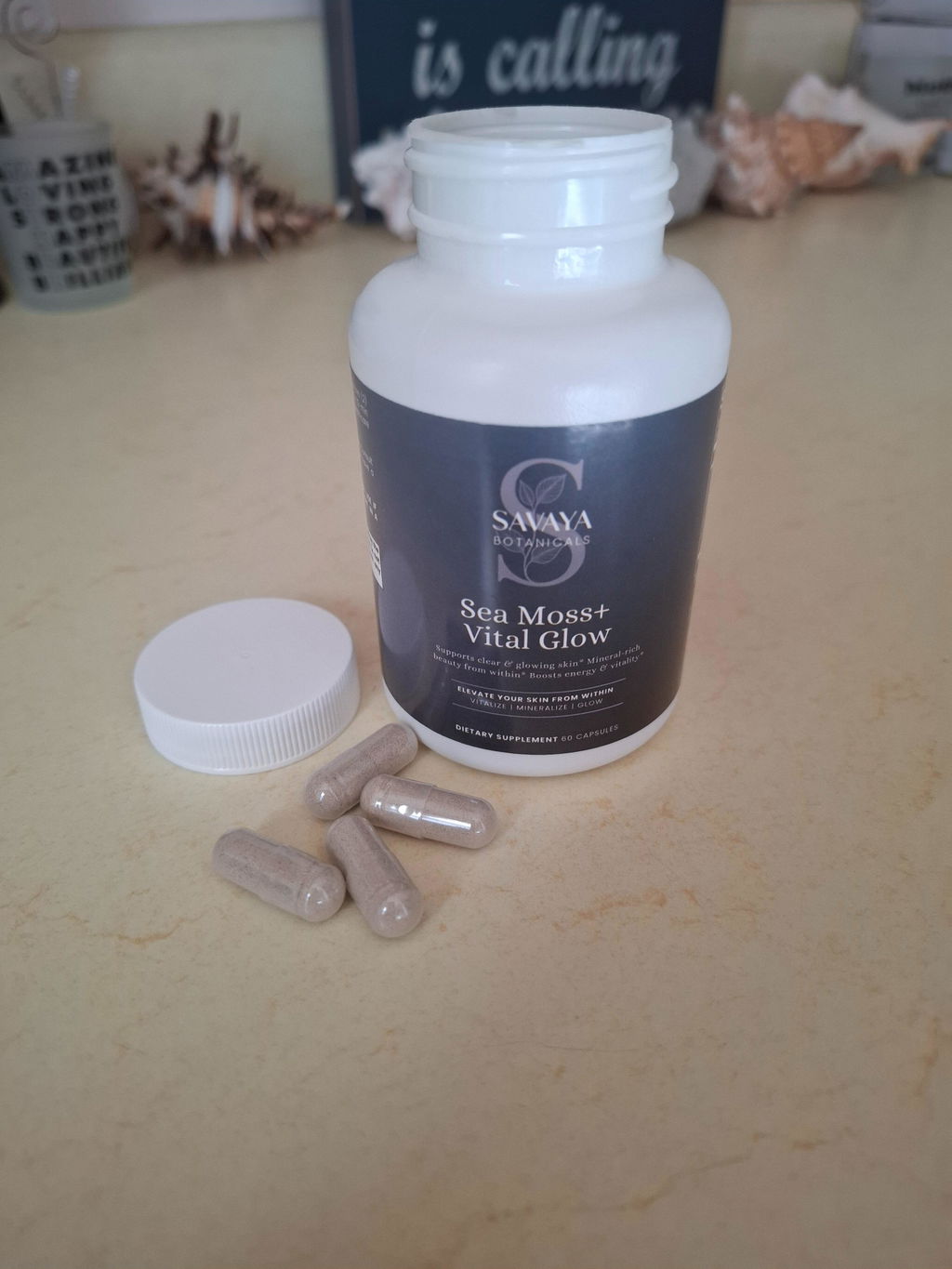
Sea moss is a red algae native to the Caribbean and the North Atlantic. It is dense in iodine, selenium, zinc, iron, magnesium, and sulfur, the exact minerals that go missing in women with chronic breakouts. It also contains polysaccharides that act as prebiotic fiber in the gut, feeding microbes that keep skin inflammation in check.
Clinical trials specifically on sea moss and acne do not yet exist. What does exist is a long list of mineral-deficiency studies tied to acne, and a mineral profile in sea moss that happens to cover almost all of them in one food.
I use mineral-rich sea moss as the foundation of the stack. Not a magic bullet. A baseline rebuild. Think of it as the way your great-grandmother got her trace minerals: from the water, not from a lab. One teaspoon of gel, blended into a smoothie or stirred into warm water with lemon, every morning.
• • •
The Gut Cleanse Most Supplement Stacks Skip
The majority of the immune system lives in the gut lining. When intestinal permeability rises (what gets called leaky gut), zonulin opens tight junctions, lipopolysaccharides from gram-negative bacteria enter circulation, and the skin becomes a secondary dumping ground for inflammatory signaling. No topical reaches that mechanism. No single vitamin fixes it. The gut has to be reset.
The Bowe and Logan paper in Gut Pathogens (2011) pulled dermatology research into the microbiome conversation in a way that finally stuck. They documented that acne patients consistently show altered gut microbiota, higher intestinal permeability markers, and co-occurring GI symptoms that most dermatologists never ask about.
A proper reset includes three things. Clearing out the overgrown opportunistic bacteria. Rebuilding the beneficial strains that produce short-chain fatty acids like butyrate. Repairing the gut lining itself so endotoxins stop leaking into circulation.
This is why I recommend this microbiome reset as the single most leveraged piece of the stack. Supplements working on a leaky gut are shouting into a cracked pipe. Seal the pipe first.
Collagen. What Rebuilds Skin After Inflammation Clears
Hydrolyzed collagen peptides supply the amino acids (glycine, proline, hydroxyproline) your skin uses to rebuild the dermal matrix after inflammatory damage. Chronic acne leaves pitting, scarring, and dull turnover long after breakouts stop. Oral collagen supplementation improves skin elasticity and hydration measurably within 8 to 12 weeks in placebo-controlled trials.
The Proksch and colleagues double-blind, placebo-controlled trial published in Skin Pharmacology and Physiology (2014) gave women 2.5 grams of specific collagen peptides daily for eight weeks. Skin elasticity improved significantly compared to placebo, with effects persisting four weeks after the trial ended.
This piece is less about preventing new breakouts and more about letting your skin finish healing from the old. For women transitioning off topicals who are seeing texture, scarring, or dullness from years of inflammation, bioavailable collagen support closes the loop.
How to Sequence the Stack So It Actually Works
Order matters. In my practice, the first two to four weeks focus on gut repair alone. Then zinc, EPA, D3+K2, and sea moss layer in. Collagen comes in by week six, once inflammation has quieted and the matrix has something steady to rebuild from. Supplementing a leaky gut without clearing it first wastes most of what you take in.
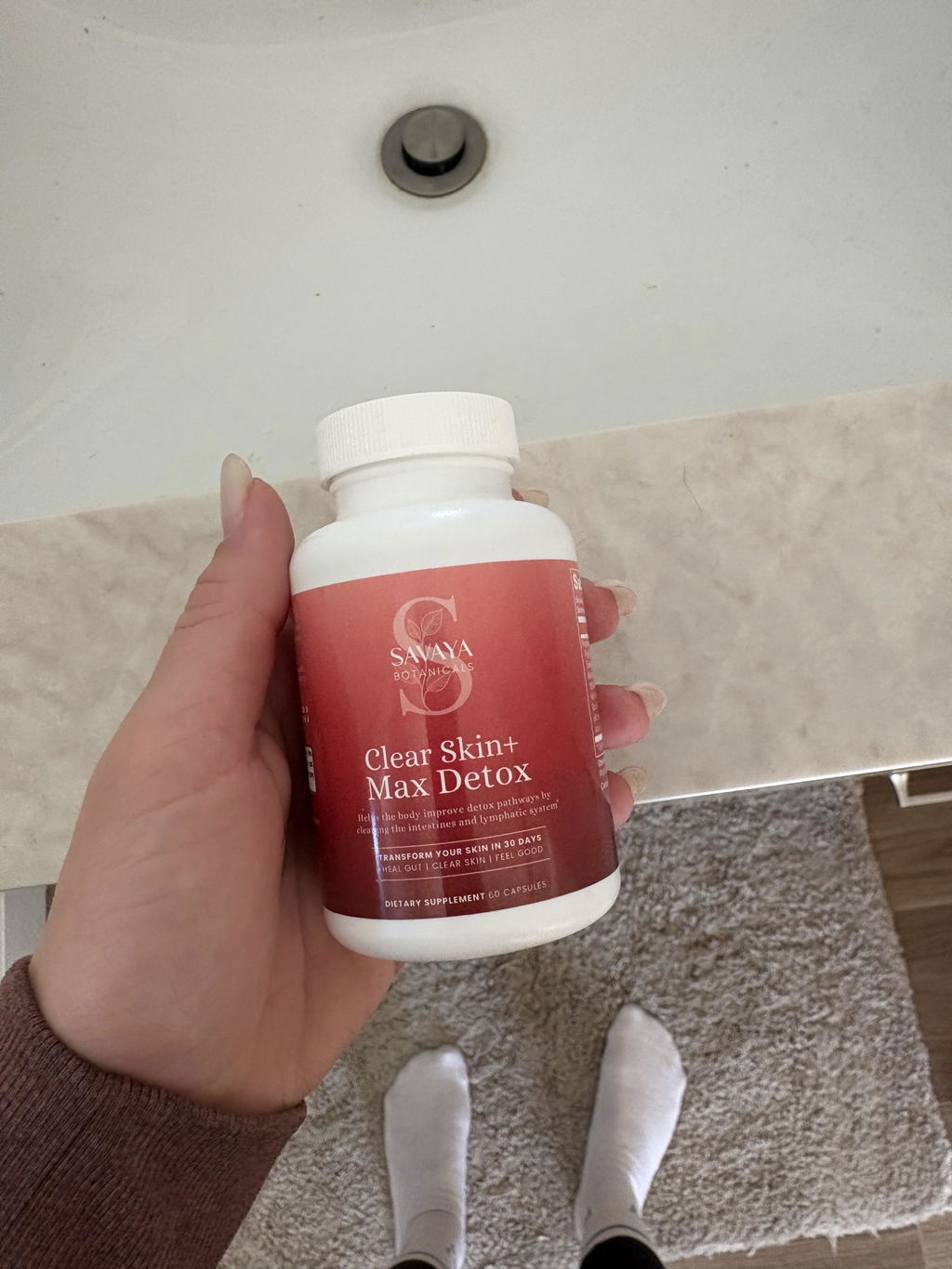
If you want this sequenced for you in the right order, the 12-week gut-to-skin program walks the cleanse, mineral load, and skin rebuild in phases. For women who have already tried the piecemeal route and want something that also moves the HPA axis and liver pathways, a full detox protocol is the deeper reset.
Frequently Asked Questions
What supplements actually clear acne from the inside?
The six-piece stack most dermatologists do not mention: zinc (30 to 50 mg elemental daily), EPA-rich fish oil (1,000 to 2,000 mg EPA), vitamin D3 with K2, sea moss for trace minerals, hydrolyzed collagen peptides, and a gut reset that repairs intestinal permeability. Each targets a different root cause, from inflammation to mineral deficiency to gut-skin axis dysfunction.
Why do dermatologists prescribe antibiotics instead of fixing the gut?
Dermatology training is procedural and pharmaceutical. Nutrition and microbiome education is minimal in most medical schools. Antibiotics produce visible results in weeks. Gut repair takes months. Short appointments and insurance reimbursement models favor the faster, prescribable fix over root-cause work.
How long does the acne supplement stack take to work?
Zinc and omega-3 often show visible calming within 4 to 6 weeks. Full gut repair and skin rebuilding runs 8 to 12 weeks. Most women see their biggest shift between week 6 and week 10, once the gut lining has recovered and mineral stores are rebuilt. Collagen matrix work tends to show up closer to week 10.
Can I take all these supplements at the same time?
Yes, when dosed and sequenced correctly. Many women find zinc and omega-3 with meals, D3 and K2 with a fat-containing breakfast, and sea moss stirred into a morning smoothie fits daily life well. A gut cleanse usually gets sequenced first for 2 to 4 weeks before layering the rest.
Is sea moss safe to take daily?
Yes, for most women. One to two teaspoons of sea moss gel per day is the typical supportive dose. The main caution is iodine content. If you have a diagnosed thyroid condition or are iodine-sensitive, start with a smaller dose and track how you feel. Many women find the mineral density supports clearer skin and steadier energy over time.