Your acne is not random. Where it shows up on your face tells a story, and in my practice I see the same patterns over and over. Most of them have very little to do with what you are putting on your skin. They have to do with what is happening in your gut, your liver, and your hormones. Here is what each zone may be telling you, in plain words, with the steps that have helped most of the women I work with.
Before we go zone by zone, one promise. I will keep this simple. I raised two daughters and watched my own face flare through every stressful season of motherhood, so I know what it feels like to want a clear answer at the end of a long day. The science matters, but only if you can use it tonight.
Chin and jawline: the hormone and gut zone
Chin and jawline acne is the classic hormone pattern, and the gut is almost always involved. The lower face has a thick band of oil glands that react strongly to male-type hormones like testosterone. When your gut struggles to clear old estrogen, those cyclical cystic bumps along your jaw often become the loudest signal your body sends you.
In old Chinese face reading, the chin maps to the reproductive system. Western science ends up in a similar place. The lower face responds to spikes in insulin, which can push oil glands into overdrive and shift the balance of your sex hormones for days at a time.
Here is the short version of the chain. A sugary meal spikes insulin. Insulin frees up more active androgens in the blood. Those androgens tell oil glands on your chin to work harder. At the same time, certain gut bacteria can recycle estrogen that your liver was trying to send out through bile. The hormone load goes up, the oil glands get louder, and your chin flares the week before your period.
What I ask my clients to try first is simple. Track two full cycles. If your cystic bumps show up in the same week every month, you are looking at a hormone-and-gut story, not a cleanser problem. Then look at breakfast. Swapping a sugary coffee drink for eggs and berries for two weeks is the single change that has moved the needle most often for the moms I see.
From there, I usually start women with a gentle microbiome gut cleanse to help reset the bacteria that influence estrogen recycling, then layer in fiber variety. Thirty different plants a week is a better goal than any single supplement. I count herbs, nuts, and spices. My own grocery list has twelve plants on it before I even leave the produce aisle.
Chin acne is only one chapter. The forehead tells a very different story, and it is the zone most of my clients blame on stress alone.
Forehead: the small intestine zone
Forehead breakouts are usually a small intestine story. In Chinese face reading, the forehead links to digestion in the upper gut. Modern research points to the same area through bile flow, the slow cleaning wave that sweeps the small intestine between meals, and bacterial overgrowth in the wrong part of the bowel.
The forehead has one of the densest patches of oil glands on your face. Those glands are very sensitive to stress hormones and growth signals. When digestion in the small bowel is off, two things tend to happen at once. Bile flow slows, so fats and fat soluble vitamins are harder to absorb. And bacteria that belong further down can creep upward, fermenting food in the wrong place and producing gas and inflammation.
That inflammation does not stay in the gut. Pieces of bacterial coat can slip into the blood and nudge the immune system into a slow simmer. The oil glands on your forehead feel that simmer and respond with more oil and more clogged pores.
Stress makes this worse in a specific way. When you live on cortisol, your body makes less of the immune factor that patrols the gut lining, the housekeeping sweep in the small intestine slows down, and the whole system gets leakier. Low vagal tone, which is just a fancy way of saying your nervous system is stuck in go mode, cuts stomach acid and bile. Everything points to the small intestine, and your forehead translates it into oil.
What tends to help. Stop grazing. Space meals four to five hours apart so the cleaning sweep can run. Try a few drops of digestive bitters on the tongue before dinner. Eat your last bite three hours before bed. I started doing this when my youngest was in high school and the change in my own forehead within six weeks is one of the reasons I built a protocol around it.
Your face is not misbehaving. Your face is reporting. The question is whether anyone is listening.
For readers who want a structured plan rather than a scavenger hunt, the Clear Skin 12-week program is built around exactly this sequence. It is designed to help calm the small intestine first, then support the gut lining, then help rebalance the wider microbiome. It is not a cure. It is a steady, mechanism-first way to help your skin have the backup it needs.
Which brings us to the cheeks, and the quietest axis in all of skin health.
Cheeks: the lung-gut axis and histamine
Cheek breakouts and flushing sit at the crossroads of the lung-gut connection, histamine load, and dairy sensitivity. The cheeks have a lot of mast cells, which are the little alarm cells that fire off histamine when they are irritated. In Chinese face reading, the cheeks pair with the lungs and the large intestine, and the picture holds up.
When the gut lining is leaky, bits of bacterial coat drift into circulation and prime those mast cells. The ones sitting under the skin of your cheeks respond by releasing histamine. That is the flush you feel after a glass of wine, after aged cheese, after a stressful meeting with your boss. Over time, that same reaction can show up as cheek breakouts, redness, and visible little blood vessels.
The lung-gut piece is more subtle. When colon bacteria ferment fiber, they make short chain fats like butyrate. Those compounds help calm the immune system across the whole body. They support the regulatory cells that keep inflammation in check. A fiber poor week often shows up as a reactive cheek week. I have watched this pattern in dozens of my clients, and in myself every holiday season when the cookies win for a few days.
Dairy is the other player. For many women with cheek acne, a careful four week dairy pause followed by a one food at a time reintroduction is the most useful experiment they can run. Add plain yogurt back first, then cheese, then milk, with four days between each. Keep a photo log in the same light each morning. Your phone's front camera at the bathroom window is enough.
While you are rebuilding the gut side, the skin barrier itself needs protection. A fragrance free moisturizer and daily mineral sunscreen are the floor. For nighttime, a barrier-supporting tallow cream may help replace the saturated and monounsaturated fats that an irritated barrier is losing, without the fragrances and alcohols that make reactive cheeks worse. I keep a jar on my own nightstand.
Move up a few centimeters and the story changes again. The nose has its own anatomy and its own troublemaker.
Nose: stomach, circulation, and tiny mites
The nose has the highest oil gland density on your face, which is why blackheads and persistent redness love it here. In Chinese face reading, the nose reflects the stomach and the heart. Modern science adds a mite, a very reactive patch of tiny blood vessels, and a gut connection that most people have never heard about.
The nose is the favorite home of a microscopic mite that lives in almost every adult. In small numbers it is harmless. When it overgrows, the skin's immune system can start a cascade that researchers have tied to the rough, bumpy, red pattern many women mistake for stubborn acne for years. If your nose has been inflamed for months and no cleanser has helped, this may be part of the story.
The gut side matters too. Researchers have found that people with the long term redness pattern on the nose and cheeks are more likely to have bacterial overgrowth in the small intestine. In my practice, calming the small bowel often helps the skin on the nose settle in parallel. It is not a treatment. It is a quiet shift in the background that gives the skin a chance to repair.
Blood pressure and vascular tone also show up here. The tip of the nose sits over a dense patch of tiny vessels. Alcohol, salty takeout, and poor sleep all leave their trace. Track your trigger foods for a month before deciding anything is permanent.
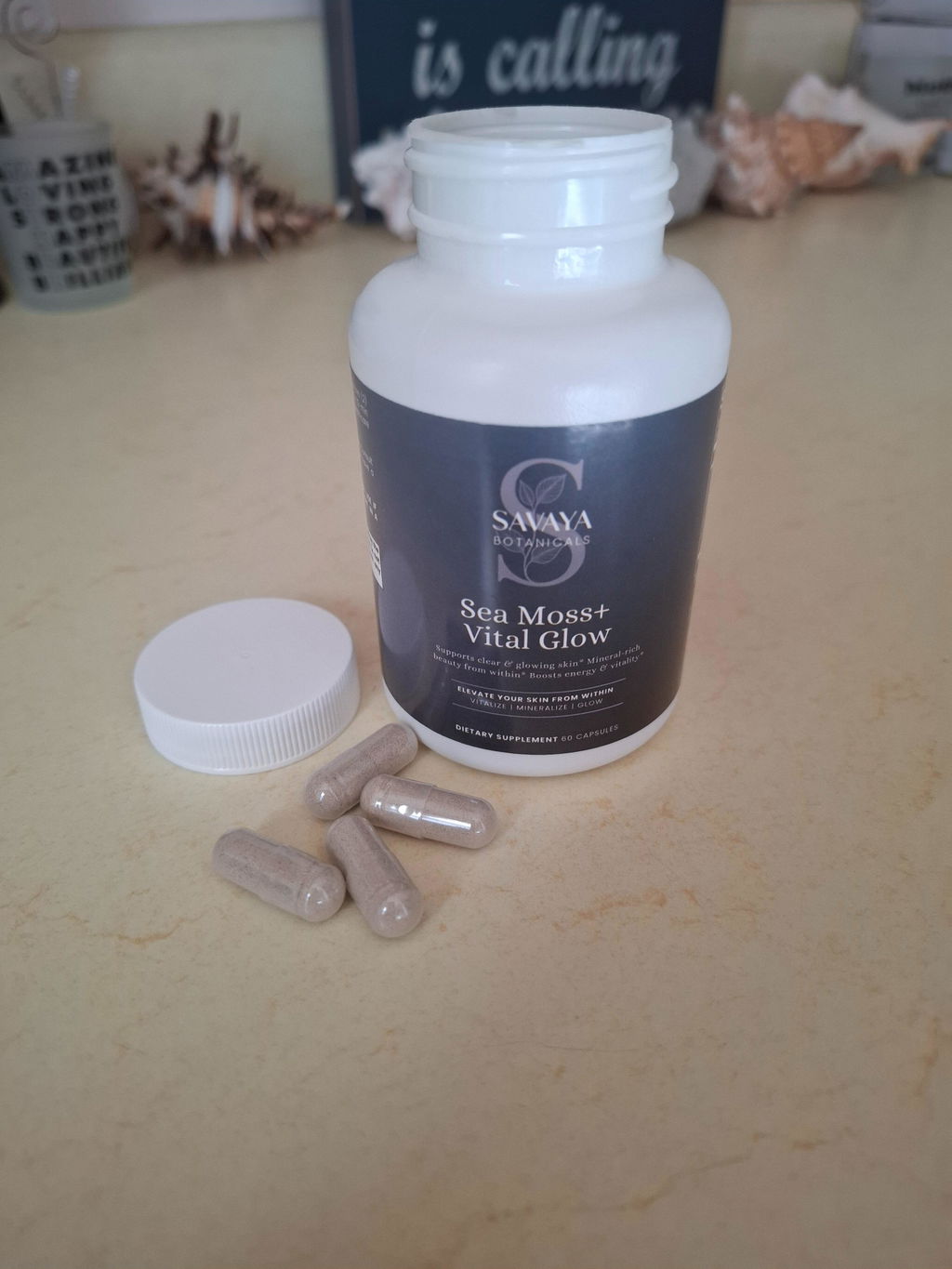
Zinc is a quieter helper. It supports oil gland regulation and the skin's natural defense against irritation. Food first works best for most women. Oysters, pumpkin seeds, lentils, and beef are the obvious wins. A mineral-rich sea moss is one gentle way to broaden your trace mineral intake without pushing any single mineral too high. I stir it into my morning smoothie three days a week.
One zone left, and it is the one almost no one talks about.
Temples: liver support, bile, and the hydration tell
Temple breakouts and dullness point to liver support, bile flow, and hydration. In Chinese face reading, the temples run along the gallbladder lines, which govern the smooth movement of bile. Modern physiology lands in a similar place, with the liver's clearance pathways and the gut microbiome doing most of the work.
Your liver clears old hormones and other compounds through several steps. The gut then disposes of those compounds through bile and stool. When the gut microbiome is unbalanced, some of those hormones can get recycled back into circulation, raising the overall load on the oil glands along the sides of the forehead and temples.
Bile flow is central and often overlooked. Bile helps you digest fats, carries out things your liver has tagged for disposal, and keeps the upper gut cleaner. When you are run down and your gallbladder is sluggish, bile does not release the way it should, hormone recycling climbs, and the temples flare. Add chronic stress and a few late nights and the pattern locks in.
Hydration is the fast indicator. The artery that feeds the temples sits very close to the surface, so changes in your water balance show up here first as tightness, dullness, or a dull ache behind the eyes. Front load water in the morning with a pinch of mineral salt. Keep urine pale through the afternoon. Finish eating three hours before bed so your liver's late night window is not competing with digestion.
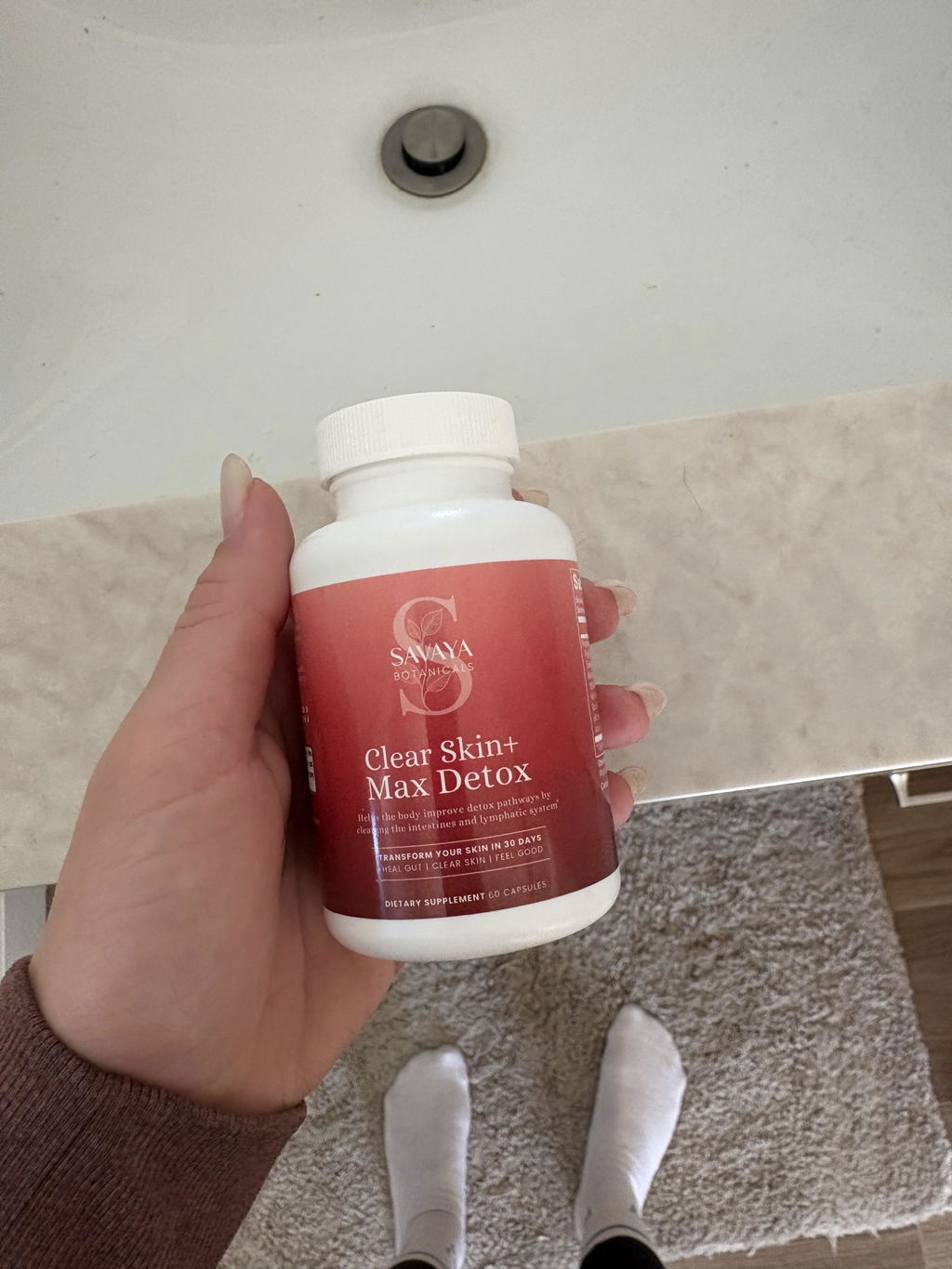
For women dealing with years of accumulated load, especially after long term use of hormonal birth control, chronic constipation, or a decade of restrictive dieting, the Max Detox acai program is the plan I lean on. It is designed to help support bile flow, the body's hormone clearance pathways, and the gut lining at the same time, which is what the temples usually need. For a lighter daily nudge toward skin resilience, many women pair it with beauty collagen strips once their gut feels calmer.
If your face has been telling the same story for years, the fix is almost never a stronger cream. The system under the skin needs tending, and that is what a careful, mechanism-first routine is built to do. Pick one zone. Pick one change this week. Give it two full cycles. Then come back and read the map again.
Frequently asked questions
What does face mapping actually reveal about my acne?
Face mapping is a pattern recognition tool, not a diagnosis. Each zone reflects a different system under the skin, including hormones, bile flow, the gut microbiome, mast cells, and the stress axis. When the same spot flares in the same way month after month, the location is a clue about which system to support first.
Why do I get acne on my chin before my period?
Cyclical chin and jawline acne usually reflects hormone shifts filtered through the gut. The lower face has a high density of oil glands that respond to male-type hormones, and an imbalanced gut can disrupt the body's clearance of old estrogen so hormones feel louder on the wrong days. Many women find that a lower sugar diet, a short dairy pause, and gentle support for the gut barrier help move this pattern within two full cycles.
How long does it take for the gut-skin axis to improve my face?
Most women find the first changes in six to twelve weeks when the gut-skin link is being supported properly. The gut lining itself may begin feeling calmer within two to four weeks, but oil gland turnover and hormone clearance take longer. Give any routine one full menstrual cycle before you judge it.
Can I use face mapping if I have rosacea instead of acne?
Yes. The same zones apply. Nose and cheek rosacea often involve the small intestine, tiny mites in the skin, and overactive mast cells, which show up on the gut-skin axis just like inflammatory acne. Supporting the gut tends to help the skin on the nose and cheeks settle in parallel.
Is it safe to try a gut reset while I am breaking out?
For most healthy adults, a gentle, food based gut reset is a reasonable first step and many women find it helps calm breakouts over several weeks. Start with simple changes first, like spacing meals, swapping sugary breakfasts, and adding more plant variety, before layering in anything stronger.