For seven years, I started every morning the same way. Roll out of bed at 6:45. Coffee on an empty stomach by 6:50. Granola bar in the car by 7:15. Wonder, by 9 AM, why my jawline was breaking out again.
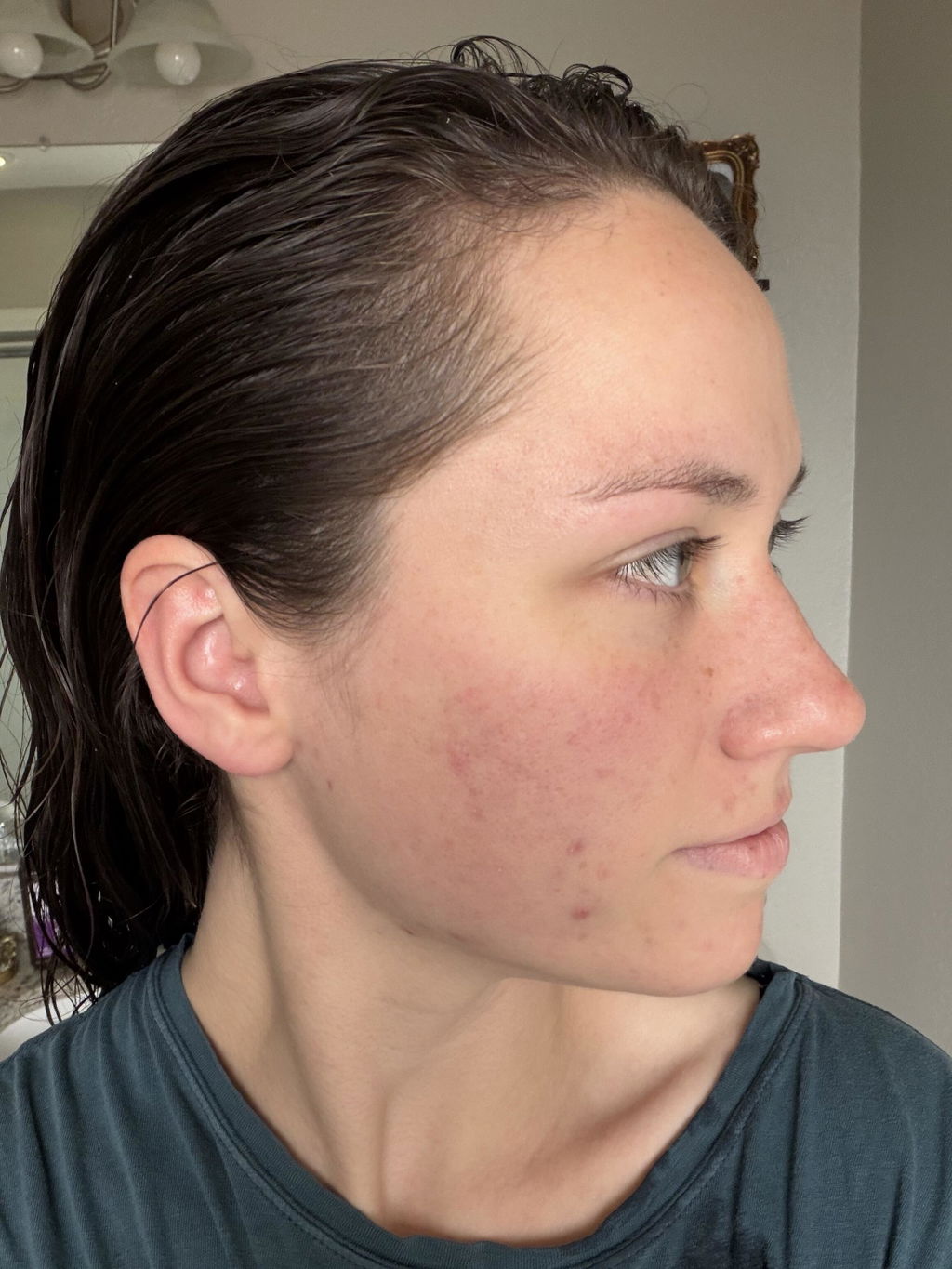
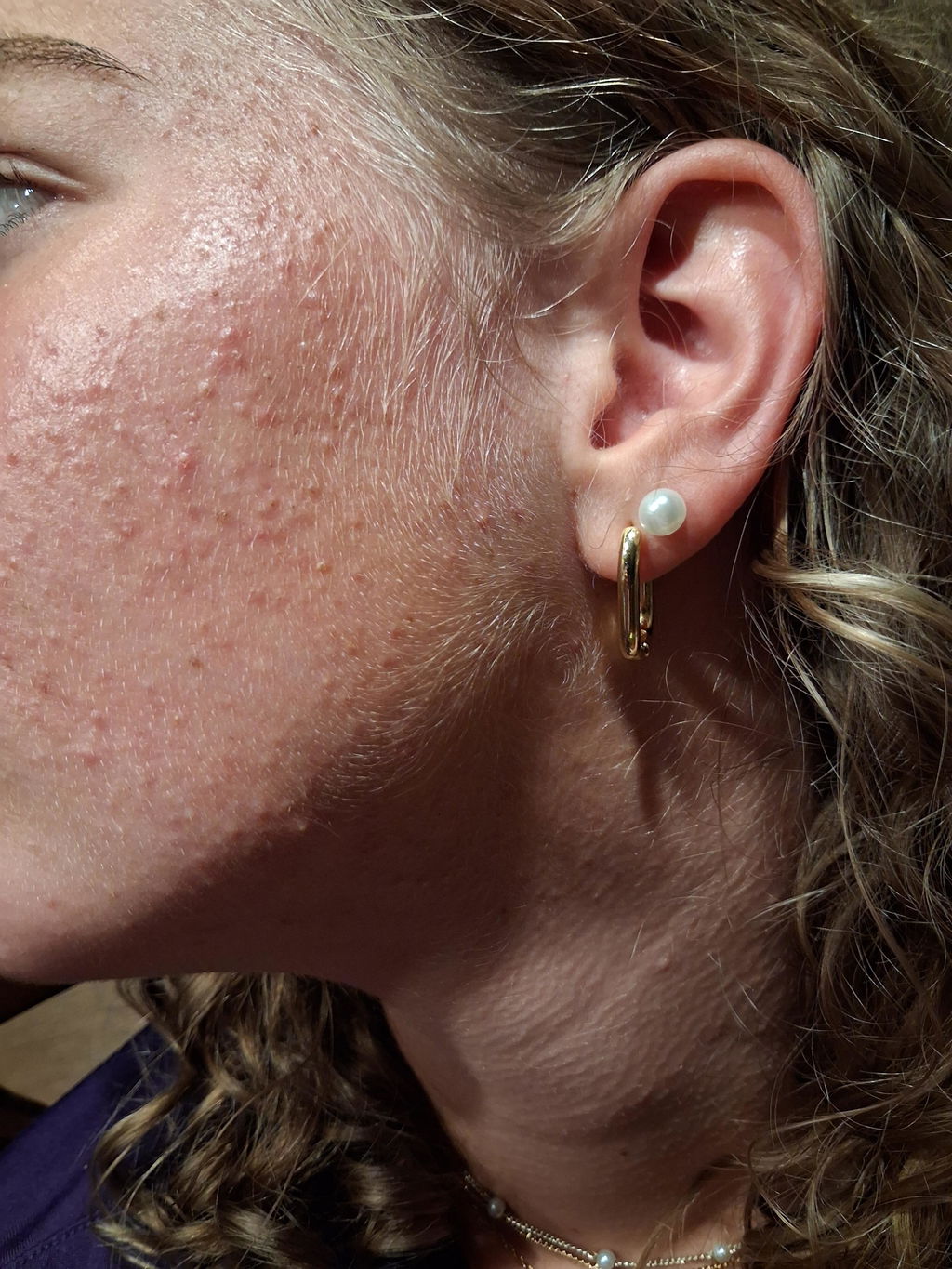
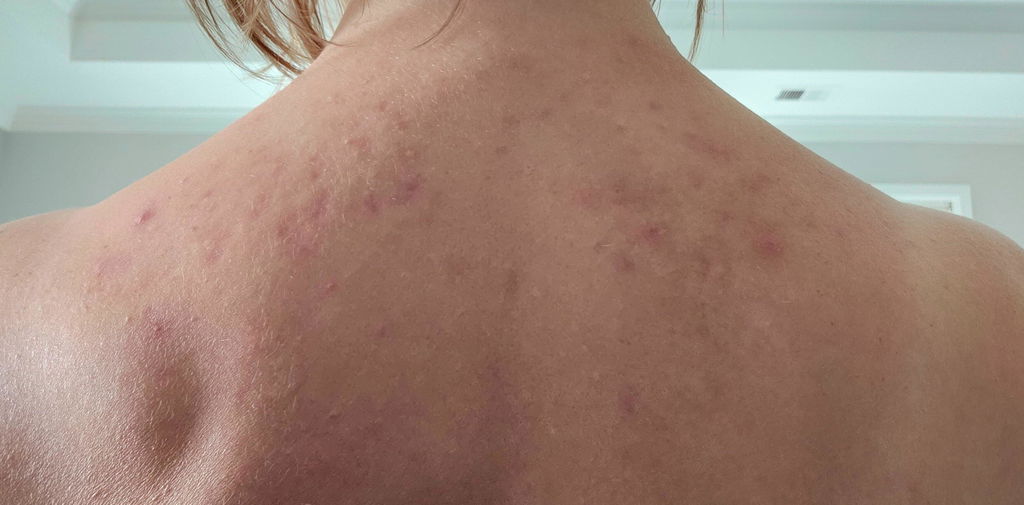
I was thirty-one. I'd spent over $4,000 on dermatology. I had three different prescription topicals on my bathroom counter. And my skin still looked like it belonged to a stressed-out teenager.
It wasn't until a functional medicine practitioner asked me one question — "What does your first hour of the day actually look like?" — that I realized I'd been treating my skin from the wrong direction my entire adult life.
Your skin doesn't break out because of what's happening on its surface at 8 AM. It breaks out because of what's happening inside your body — your gut, your hormones, your nervous system — between the moment you wake up and the moment you eat. That sixty-minute window is the most powerful, most overlooked skincare tool you have. And almost nobody is using it correctly.
Here's the morning routine that finally cleared my skin after a decade of trying everything.
Why Your First Hour Decides How Your Skin Looks
Cortisol. That's the answer.
Between 6 and 9 AM, your body releases its largest cortisol surge of the entire day — a phenomenon researchers call the Cortisol Awakening Response. This isn't a bad thing on its own. Cortisol is what gets you out of bed. The problem is what most of us pour on top of it.
When morning cortisol stays elevated for too long, three things happen that show up directly on your face:
- Sebum production spikes. Cortisol signals your sebaceous glands to overproduce oil, which clogs pores and feeds acne-causing bacteria.
- Gut barrier weakens. Chronically high cortisol thins the mucosal lining of your intestines, allowing inflammatory compounds to leak into your bloodstream and resurface as breakouts on your face.
- Collagen breaks down faster. Cortisol is catabolic — it dismantles the protein structures that keep your skin plump, resilient, and able to heal post-blemish marks cleanly.
This is the cortisol-gut-skin axis, and once you understand it, your morning stops being a series of small habits and starts looking like a battlefield. Every choice you make in that first hour either calms the system or sets it on fire.
The 60-Minute Morning Routine for Clear Skin
I want to be honest before we start: this routine took me about three weeks to make automatic. Don't try to perfect it on day one. Pick the lemon water and the breakfast change first. Layer the rest in as the habit settles.
6:30 AM — Wake without the phone
The instant your eyes open, your nervous system reads signals to decide whether today is safe or dangerous. Scrolling emails, news, or social media within the first ten minutes hijacks that read directly into "danger" — and your cortisol responds accordingly.
Leave your phone face-down. Walk to the kitchen. The first thing your eyes should see is daylight, not a screen.
6:35 AM — Warm lemon water on an empty stomach
This is the single highest-leverage habit I added. Twelve ounces of warm (not hot) filtered water with the juice of half a fresh lemon, sipped slowly over five to ten minutes.
The benefits stack: it stimulates bile production from a gallbladder that's been resting all night, supports gentle peristalsis to move waste out of the colon, and provides a small but real dose of vitamin C and polyphenols that begin tamping down systemic inflammation. Skip the lemon if you have active reflux — plain warm water still works.
Crucially: do not drink coffee yet. We'll get to why in a minute.
6:45 AM — Gut cleanse, taken correctly
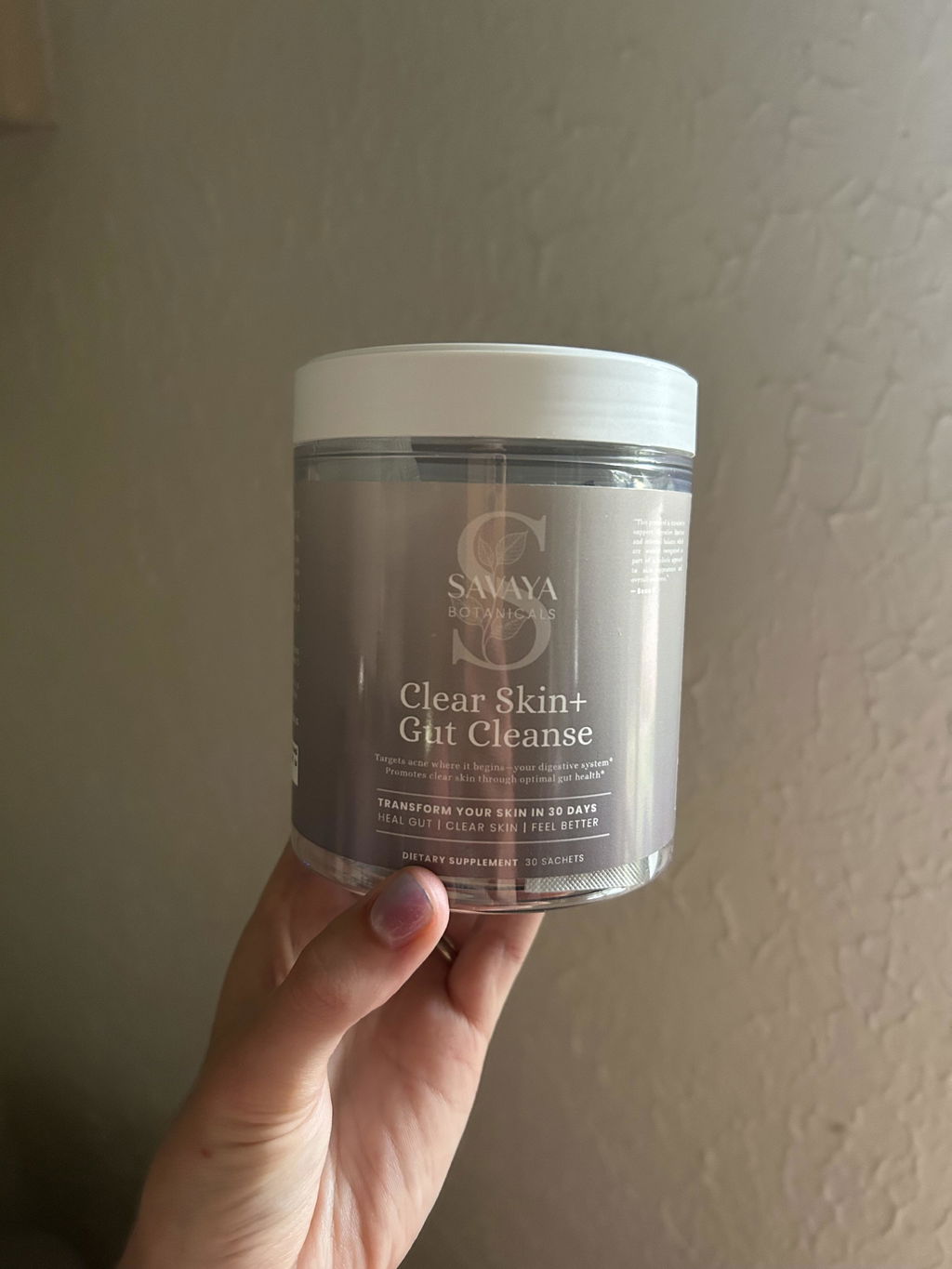
About ten minutes after the lemon water, I take my microbiome gut cleanse sachet. Timing matters here more than most people realize. Taking it on a fully empty stomach — before any food, before coffee, before other supplements — gives the binding compounds direct access to the GI tract without competing for absorption.
If you're working through a deeper reset, the Max Detox protocol stacks well in this slot, but I'd start with the basic cleanse first and let your gut adapt for a couple of weeks.
Wait at least twenty to thirty minutes before eating anything.
7:00 AM — Fifteen minutes for the nervous system
This is the part everyone skips and the part that probably matters most. While your gut is doing its quiet work, you have a fifteen-minute window to actively pull your cortisol curve down.
Pick one practice — not all four:
- Box breathing (four counts in, four hold, four out, four hold) for ten minutes
- A short walk outside, eyes on the horizon, no headphones
- A cold rinse at the end of your shower for sixty seconds
- Ten minutes of unstructured journaling, pen on paper
The point isn't the practice. It's giving your nervous system explicit evidence that the morning is safe. Skin that breaks out under stress is skin that never received that signal.
7:30 AM — The anti-inflammatory breakfast
Now you eat. And what you eat in the first meal sets the inflammatory tone for the next six to eight hours.
The template I follow:
- Protein first, always. Two pasture-raised eggs, a scoop of clean collagen, or wild salmon if I have it. Protein in the morning stabilizes blood sugar and prevents the cortisol-insulin rollercoaster that drives afternoon breakouts.
- One serving of cooked, fiber-rich vegetables. Sautéed greens in olive oil, roasted sweet potato, or zucchini. Cooked is gentler on a fasted gut than raw.
- A real fat source. Half an avocado, a tablespoon of grass-fed ghee, or a generous drizzle of olive oil. Skin-supportive fats build the lipid barrier from the inside out.
- A mineral-dense add-on. I stir sea moss gel into a small smoothie or take it straight off the spoon. Ninety-two of the one hundred and two minerals your body uses are in it, and morning is when your gut absorbs minerals best.
If you're short on time and skip the cooking, finish with a few beauty collagen strips — they dissolve on the tongue and slot into the routine without adding another supplement to swallow.
What to Avoid in the Morning (No Matter What)
If I had to pick the three habits that did the most damage to my skin before I knew better, it would be these. Cutting them did more for my complexion than any topical I've ever used.
Coffee on an empty stomach
Coffee on top of your morning cortisol surge is double-stacking the same hormone. The result is a sharp blood sugar drop ninety minutes later, a sugar craving around 10 AM, and a stress signal that takes eight to ten hours to fully clear from your system. If you love coffee, push it to 9 or 9:30 AM, drink it after food, and watch what happens to your skin within fourteen days. The under-eye puffiness alone is a different conversation.
Sugary cereals, granola, and "healthy" pastries
Most boxed cereals — even the ones marketed as wholesome — spike blood sugar harder than a candy bar. That spike triggers an insulin surge, which triggers IGF-1, which is one of the most well-documented hormonal drivers of adult acne in the dermatology literature. The same goes for oat-milk lattes with hidden syrups and "protein" muffins built around refined flour.
Dairy, especially in your first cup of coffee
I know. I didn't want to hear it either. But conventional dairy contains hormones — natural to the cow, disruptive to your skin — that have been linked in multiple peer-reviewed studies to acne severity in adults. If you're chronically breaking out and you haven't done a strict thirty-day dairy elimination, that's the next experiment to run. The change in my chin and jawline alone was worth it.
———
What Changed After 30 Days on This Routine
By the end of my first month, the deep cystic spots along my jawline had stopped recurring. By month two, my skin started looking calm in photographs for the first time since college. By month three, I stopped reaching for foundation on weekends.
None of this happened because I added something extreme. It happened because I removed the morning chaos that had been quietly inflaming my body for years and replaced it with a sequence that lets the gut, the hormones, and the nervous system actually do their jobs.
If you're deeper into the work and want something simple to add rather than another set of steps to manage, Clear Skin+ Max Detox is a daily acai-based detox blend that fits right alongside the basics — the kind of easy addition I wish I'd started with the first time around.
Topicals Still Matter — But They Come Last
I haven't forgotten the surface. I just put it last on purpose.
The skin barrier is a living tissue, and it responds to what you feed it the same way your gut does. After my morning routine, my single nighttime topical is a thin layer of tallow cream on damp skin. Grass-fed beef tallow mirrors the lipid profile of human sebum more closely than almost any plant oil, which is why it absorbs without clogging pores and why my barrier finally repaired itself after years of over-exfoliating.
That's the entire surface routine. No serums. No actives. Five minutes, once a day.
Frequently Asked Questions
How long before I see results from a morning routine for clear skin?
Most people notice less morning puffiness and calmer skin tone within seven to ten days. Visible reduction in active breakouts typically takes four to six weeks because that's how long a skin cell cycle takes to turn over. Cystic acne can take eight to twelve weeks to fully resolve, especially if it's hormonally driven. Consistency beats intensity — a simple routine done daily outperforms a perfect routine done sporadically.
Can I drink coffee at all if I want clear skin?
Yes, but timing is everything. Avoid coffee within the first ninety minutes of waking, when your natural cortisol is already at its peak. Drinking coffee after a protein-rich breakfast — usually around 9 to 9:30 AM — minimizes the blood sugar spike, the hormonal cascade, and the dehydration that all show up in your skin. Limit to one cup, skip the conventional dairy, and stop drinking caffeine by noon to protect your sleep.
Is warm lemon water actually doing anything for my skin?
It's not magic, but the mechanism is real. Warm water on a fasted gut stimulates bile flow and gentle peristalsis, which helps the body clear waste compounds that can otherwise show up as inflammation in the skin. Lemon adds a small dose of vitamin C and polyphenols that support antioxidant pathways. The bigger benefit is that it replaces the morning habit (coffee, sugary drink, or nothing at all) that was causing harm in the first place.
Should I take my gut cleanse in the morning or at night?
Morning, on an empty stomach, before any food or other supplements. The binding compounds in most quality gut cleanse products work best when they have direct access to the GI tract without competing fats, proteins, or fibers slowing them down. Wait twenty to thirty minutes before eating to give the formula time to circulate.
What if I work out in the morning — does the routine change?
Slightly. If you train before breakfast, do the warm lemon water beforehand, train in a fasted state if it feels good, and shift the gut cleanse and breakfast to immediately after your session. Skip the cold rinse if you're already getting a stress dose from intense exercise — the goal is to bring cortisol down across the morning, not stack stressors on top of one another.
Where to Start Tomorrow
Don't try to install all six steps at once. Pick the lemon water, the breakfast template, and the gut cleanse for week one. Add the nervous system practice in week two. By week three, the rest of your morning will feel like it's missing something if you skip it.
If you want a single product that does the most work in the smallest amount of time, the microbiome gut cleanse is where I started — and where I tell every friend with stubborn adult acne to start too.
Your skin is downstream of your morning. Change the morning, and the rest follows.
— Sarah