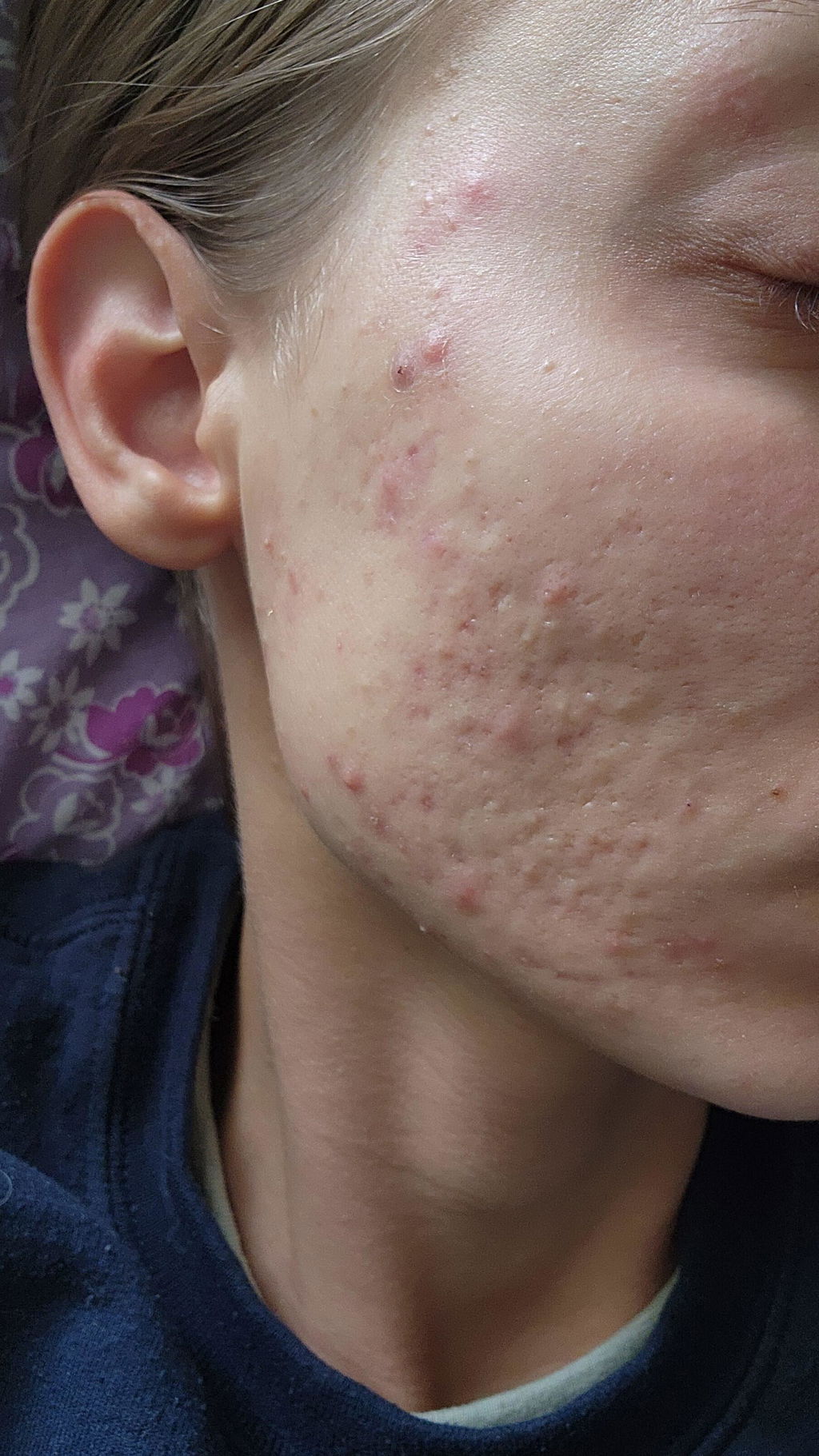
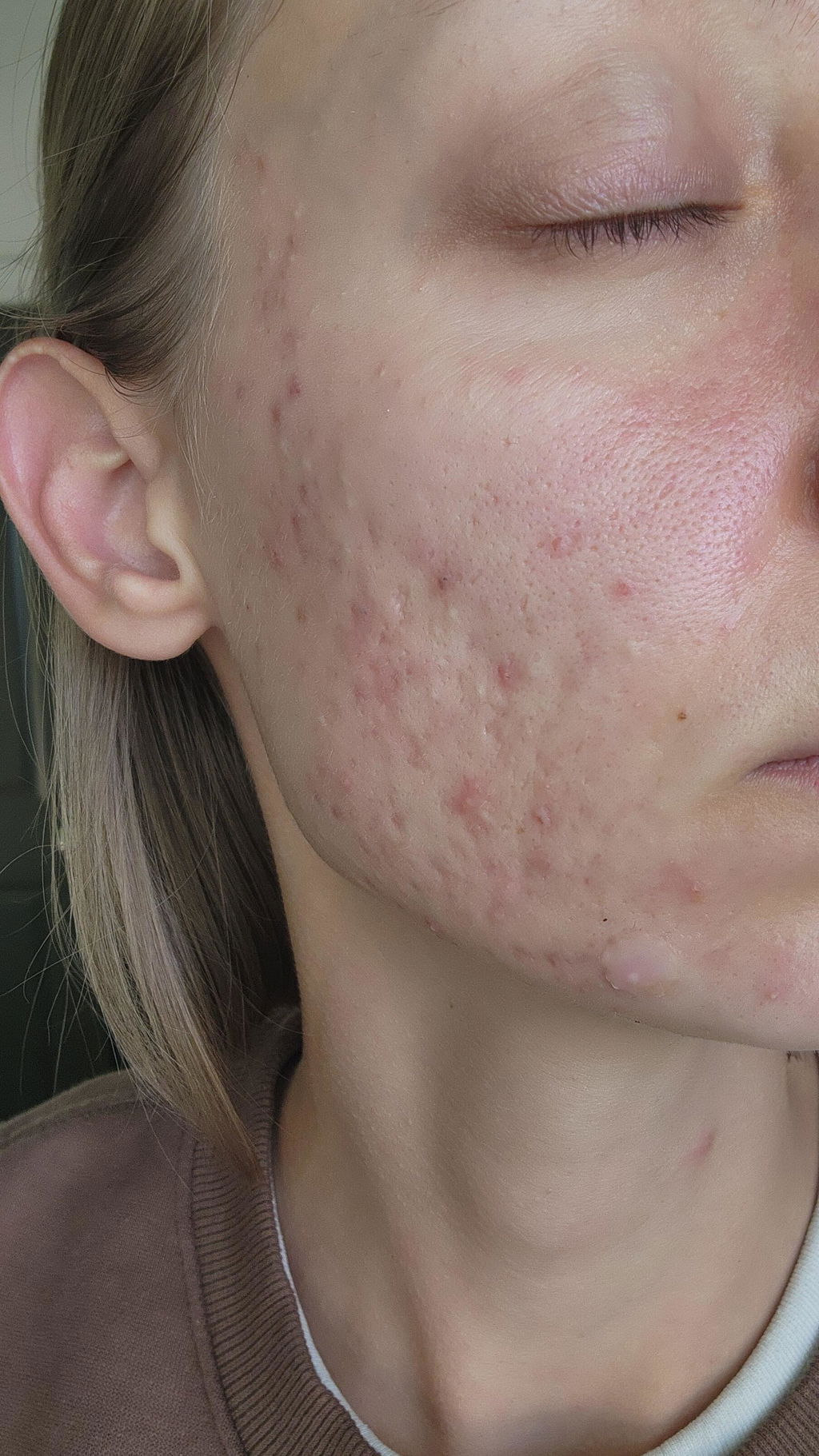
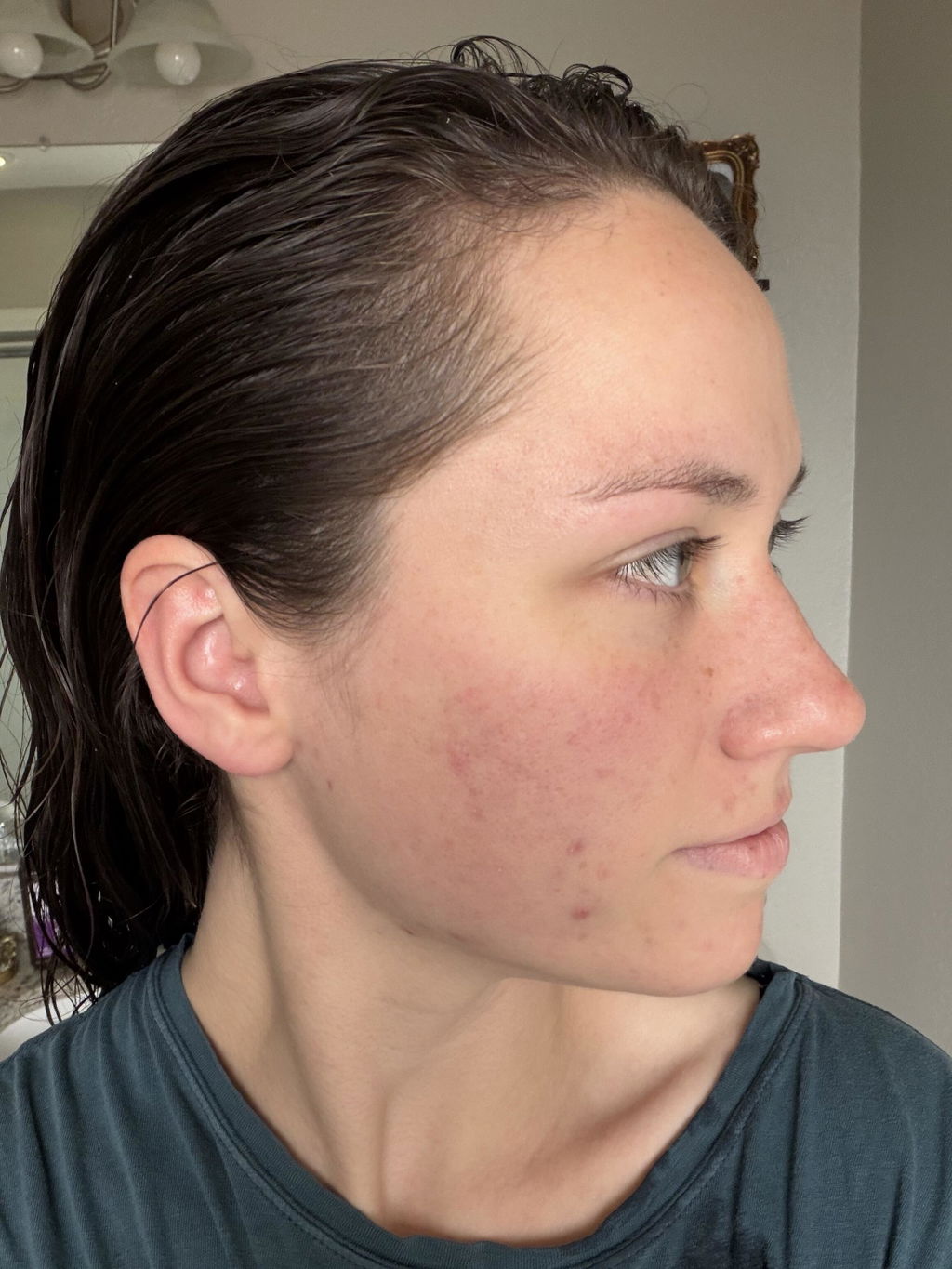
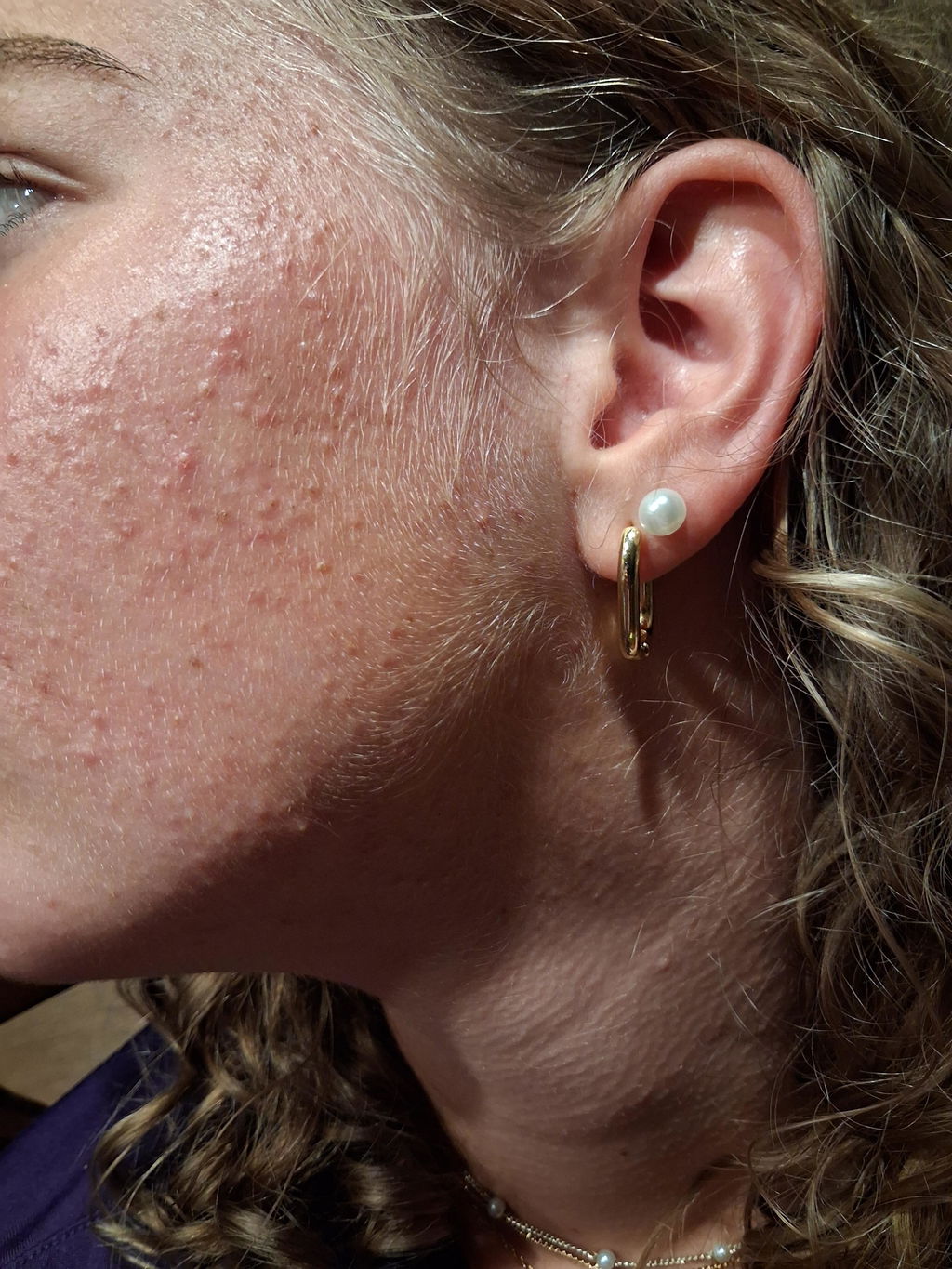
My dermatologist looked me in the eye and said, "Some people just have acne-prone skin." I was 27, spending $300 a month on skincare, and eating what I thought was a healthy diet. What she never mentioned — what no one in conventional medicine ever mentioned — was that the breakouts starting at my jawline and spreading across my cheeks had nothing to do with my face. They had everything to do with what was happening 30 feet of intestine away.
It took me three years of functional medicine research, elimination diets, and working with hundreds of clients before I understood the full picture: your gut lining is the gatekeeper between your food and your bloodstream. When that lining is compromised, the fallout doesn't just stay in your gut — it erupts on your skin.
These 8 foods are the most common, most overlooked gut destroyers I see in my practice. If you're eating them regularly and wondering why your skin won't clear, here's your answer.
———
1. Ultra-Processed Foods: The Gut Lining's Silent Assassin
Flavored chips, instant ramen, packaged cookies, fast food chicken nuggets, frozen dinner meals — ultra-processed foods now make up more than 60% of calories in the average American diet. And they're doing something far more destructive than just adding empty calories.
A 2019 study published in Cell found that a diet high in ultra-processed foods significantly reduced gut microbiome diversity — one of the strongest predictors of intestinal permeability, also known as leaky gut. The emulsifiers added to these products, including carboxymethylcellulose (CMC) and polysorbate 80, have been shown in peer-reviewed research to thin the protective mucus layer that lines your gut wall. When that mucus layer erodes, bacteria and inflammatory molecules gain access to the gut epithelium and, eventually, your bloodstream.
The result? Your immune system launches a full-scale inflammatory response. And inflammation is the engine behind virtually every type of acne — from clogged pores to deep cystic lesions.
Real-world rule: If it has more than 5 ingredients and you can't picture what it looked like before it was processed, your gut doesn't recognize it as food either.
2. Refined Sugar: The Insulin-IGF-1-Sebum Pipeline
This isn't news to most people, but the mechanism is misunderstood. Refined sugar — white table sugar, high-fructose corn syrup, the stuff in sodas and candy — doesn't cause acne directly. It triggers a hormonal cascade that does.
When blood sugar spikes sharply, the pancreas releases insulin. Insulin elevates a hormone called insulin-like growth factor 1 (IGF-1), which has a direct stimulatory effect on the sebaceous glands — driving excess sebum production and accelerating the skin cell turnover that leads to clogged pores. A landmark randomized controlled trial by Smith et al., published in the American Journal of Clinical Nutrition in 2007, showed that participants on a low-glycemic diet had significantly fewer acne lesions after 12 weeks compared to those eating a high-glycemic diet — even with matched calorie intake.
In the gut, sugar feeds Candida albicans and other opportunistic organisms that crowd out beneficial bacteria. The dysbiosis that follows perpetuates the inflammation-acne cycle indefinitely.
If you're doing a gut reset, pairing dietary change with a microbiome gut cleanse can help clear the overgrowth and rebalance the terrain that sugar disrupted.
3. Dairy and the Casein A1 Problem
This is the one that surprises almost everyone. It's not just the added hormones in conventional milk that wreak havoc on skin — it's the molecular structure of the protein itself.
Most commercial dairy in the US comes from Holstein cows, which produce a form of beta-casein called A1. When A1 casein is digested, it releases a peptide called beta-casomorphin-7 (BCM-7). Research published in the European Journal of Nutrition in 2017 identified BCM-7 as a trigger for gut inflammation, showing it increases intestinal permeability and activates immune pathways associated with systemic inflammatory conditions.
Layered on top of this is the fact that all dairy — even organic — contains naturally occurring IGF-1. Drinking or eating it adds another hit of the same hormone that drives sebum overproduction. The combination of A1 casein-induced gut permeability and IGF-1-stimulated sebum makes commercial dairy a double-threat for acne-prone individuals.
In my practice, a strict 30-day dairy elimination is almost always the single most impactful first step for clients with persistent hormonal or cystic acne.
4. Gluten and the Zonulin Pathway
You don't need a celiac diagnosis for gluten to be compromising your gut barrier. This is one of the most important and under-communicated findings in gut health research.
Dr. Alessio Fasano and his team at Harvard Medical School identified zonulin — a protein that gluten triggers in essentially all humans. Zonulin regulates the tight junctions between gut lining cells. When gluten is present, zonulin is released, those tight junctions loosen, and the gut barrier becomes permeable. Partially digested food particles and bacterial fragments called lipopolysaccharides (LPS) slip through into circulation.
LPS in the bloodstream triggers a powerful innate immune response — the kind of low-grade, systemic inflammation that drives inflammatory skin conditions from the inside out. A 2015 review in Nutrients confirmed that non-celiac gluten sensitivity is a distinct physiological condition with measurable inflammatory consequences, independent of celiac disease.
For clients with cystic, inflammatory acne who haven't found relief with topical approaches, gluten removal alongside a daily acai-based blend — like Clear Skin+ Max Detox — may play a role in a broader routine beyond topicals alone.
5. Artificial Sweeteners: The "Healthy" Microbiome Wrecker
Diet soda. Sugar-free yogurt. Zero-calorie protein bars. Sweetened with sucralose, aspartame, saccharin, or even stevia — and marketed as the smart, skin-friendly choice. The research tells a different story.
A 2022 randomized controlled trial published in Cell by Suez et al. — one of the most rigorous human studies on sweetener-microbiome interactions to date — found that sucralose, saccharin, and stevia all significantly altered gut microbiome composition within just two weeks of daily consumption. Sucralose specifically reduced populations of beneficial Lactobacillus and Bifidobacterium species — the very strains most associated with gut barrier integrity and anti-inflammatory immune regulation.
An earlier animal study in the Journal of Toxicology and Environmental Health (2008) found that sucralose reduced total gut microbiota by up to 50%, with incomplete recovery even after supplementation stopped. The practical takeaway: when you devastate your beneficial bacterial populations, you remove the biological buffer between gut inflammation and skin inflammation.
Swapping sugar for artificial sweeteners isn't neutral. For your gut, it may be trading one fire for another.
6. Seed Oils: The Omega-6 Inflammation Bomb Hidden in Everything
Canola oil, soybean oil, sunflower oil, corn oil, cottonseed oil — these refined, polyunsaturated fats are in nearly every packaged food, restaurant dish, and commercial condiment. And they're quietly driving the most pervasive dietary cause of systemic inflammation in the modern world.
The human body evolved with an omega-6 to omega-3 fatty acid ratio of approximately 1:1 to 4:1. The average American now consumes at a ratio of 15:1 to 20:1 — almost entirely due to seed oil dominance in the food supply. This imbalance floods the body with the raw materials for pro-inflammatory prostaglandins and leukotrienes, which directly inflame gut epithelial tissue and promote the inflammatory cascade behind acne.
A 2014 review in Lipids in Health and Disease confirmed the direct relationship between elevated omega-6 intake and increased severity of inflammatory skin conditions. Seed oils also oxidize rapidly under cooking heat, producing toxic aldehydes that directly damage gut lining cells upon digestion.
Switch to cold-pressed olive oil, coconut oil, avocado oil, or grass-fed butter. The shift in your omega ratio — and your skin — can happen faster than you'd expect.
———
7. Alcohol: Gutting Your Microbiome One Drink at a Time
I'm not here to moralize about alcohol. But if you're struggling with persistent acne and you drink regularly — even moderately — this is the variable most people don't want to look at.
A comprehensive 2015 review in Alcohol Research: Current Reviews documented alcohol's direct toxic effects on gut epithelium, showing that even moderate alcohol consumption increases intestinal permeability, promotes dysbiosis, and drives systemic endotoxemia — the exact condition where bacterial LPS enters circulation and creates the inflammatory foundation for skin breakouts.
The downstream effects compound: alcohol depletes zinc (critical for wound healing and sebum regulation), vitamin A (essential for skin cell turnover), and B vitamins (needed for gut lining repair). It suppresses liver detoxification capacity, meaning toxins that would normally be cleared begin recirculating — and expressing through the skin.
When I work with clients on a serious gut-skin reset, I recommend at minimum a 3-4 week alcohol-free window. Pairing that break with a full body detox protocol helps the liver and gut recover simultaneously rather than continuing to work against each other.
8. Excess Caffeine: The Cortisol Driver You're Overlooking
This one catches people off guard. Coffee isn't inherently a skin enemy — but excess caffeine operates as a cortisol amplifier, and cortisol is one of acne's most reliable accelerants.
A 2005 study in Psychosomatic Medicine demonstrated that caffeine amplifies the cortisol stress response by up to 25%, and that this effect persists even with habitual consumption. Elevated cortisol directly increases sebum production, accelerates the proliferation of keratinocytes (the skin cells that clog pores when they shed too rapidly), and — critically — disrupts gut barrier tight junction proteins, contributing to intestinal permeability.
Four or more cups of coffee daily, especially consumed on an empty stomach, also disrupts the gut microbiome's pH environment and has been associated with worsened SIBO and gut dysbiosis in sensitive individuals. The gut inflammatory state that follows shows up on skin within days for those already prone to breakouts.
One or two cups in the morning, with food, is the sweet spot for most people. When you're reaching for a 4th cup because you're exhausted — your adrenals and your skin are paying the price.
———
What to Eat Instead: Foods That Actively Repair the Gut-Skin Axis
The goal isn't restriction for its own sake — it's crowding out the destructive with the restorative. Here's what I consistently recommend to clients rebuilding after gut damage:
- Fatty fish (wild salmon, sardines, mackerel): Omega-3 rich to directly counter the omega-6 inflammatory ratio driven by seed oils
- Fermented foods (kimchi, sauerkraut, miso, A2 goat kefir): Replenish beneficial bacteria; fermented foods outperform supplements for microbiome diversity in clinical studies
- Leafy greens and cruciferous vegetables: Prebiotic fiber feeds beneficial strains; sulforaphane in broccoli and cabbage activates liver detox phase 2 pathways
- Bone broth: Rich in glycine and proline, both essential for tight junction repair and gut lining regeneration
- Blueberries, pomegranate, tart cherries: Polyphenols that selectively feed beneficial bacteria (a property called "prebiotic selectivity") while reducing oxidative damage to skin cells
- Sea moss: Contains 92 bioavailable minerals and functions as a marine prebiotic — I use sea moss daily in morning smoothies for both gut support and skin mineral density
- Collagen peptides: Support both gut lining integrity and the skin's structural matrix — beauty collagen strips are my preferred format for daily use
And while the real work happens internally, supporting the skin barrier topically during a healing phase makes a meaningful difference. A tallow-based night cream works with the skin's natural lipid composition rather than stripping or disrupting it — ideal for inflamed, reactive skin in the middle of a gut reset.
The Fastest Way to Start: A Structured Reset
If you've been eating several of these foods regularly — and statistically, most people reading this have — the encouraging news is that the gut lining is one of the most regenerative tissues in the human body. The intestinal epithelium renews itself every 3 to 5 days. With the right inputs and the right removals, measurable microbiome shifts can occur within 3 to 4 weeks.
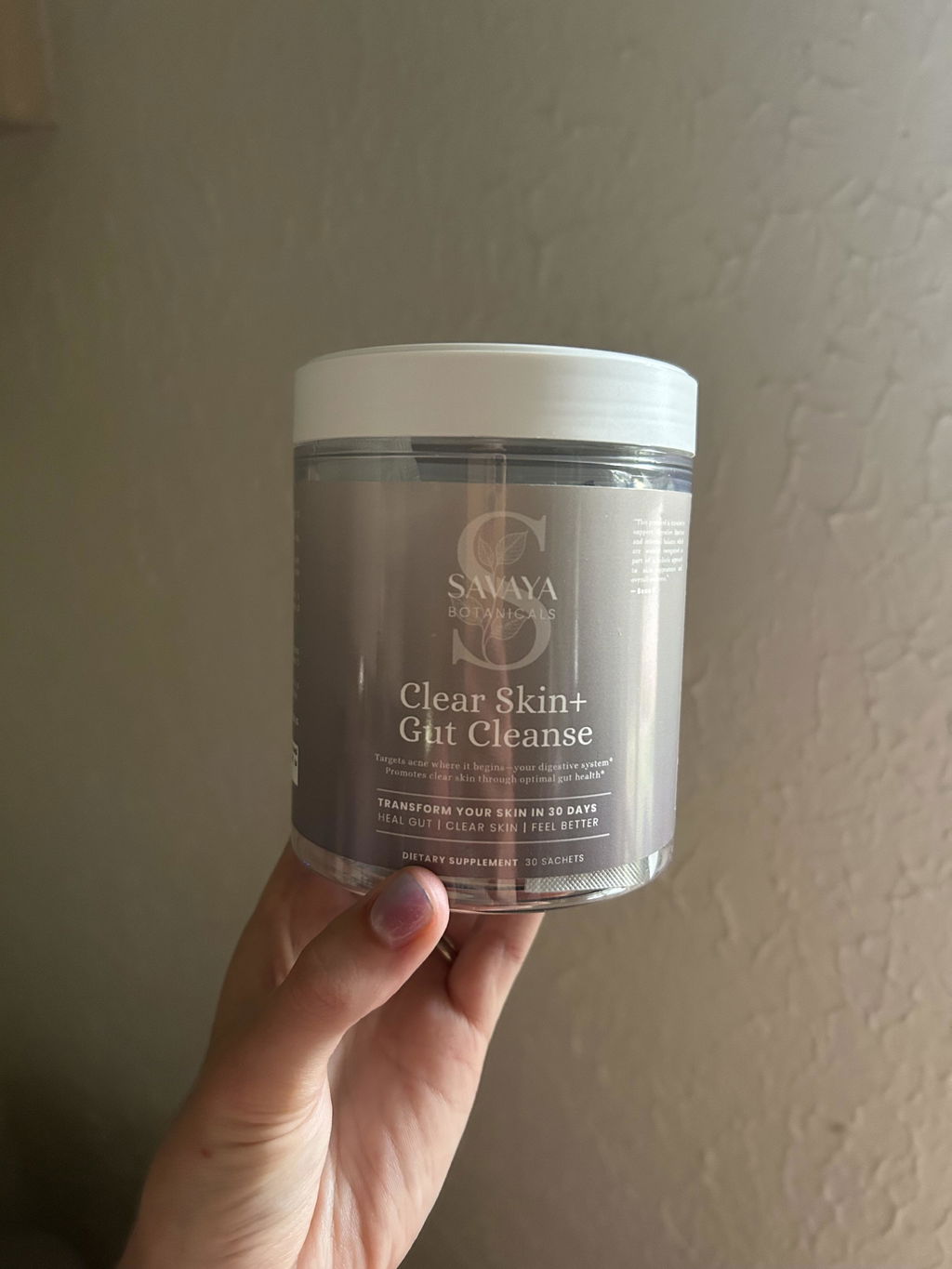
But recovery is faster and more complete when you don't just remove the disruptors — you actively reseed and repair. A targeted microbiome gut cleanse helps clear the inflammatory residue left behind by these 8 foods while introducing the strains that restore barrier function. For those who want extra daily support, Clear Skin+ Max Detox, an acai-based blend, helps support your body's natural detox processes as part of your everyday routine.
Your skin is a messenger. When it breaks out persistently, it's telling you something is wrong deeper in — and that something almost always has a gut address.
———
Frequently Asked Questions
Can cutting out these 8 foods really clear my acne?
For many people, yes — particularly if your acne is inflammatory, cystic, or hormonally driven. All 8 foods share a common downstream mechanism: they compromise the gut lining, disrupt the microbiome, and fuel systemic inflammation that surfaces as skin breakouts. Removing them doesn't produce overnight results, but clinical evidence and functional medicine practice consistently show significant improvement within 4 to 12 weeks when the gut-skin connection is addressed directly rather than managed topically.
How long does it take for gut healing to show up in the skin?
Most people notice initial changes in texture, redness, and inflammation within 2 to 4 weeks of removing the major disruptors. Deeper changes — reduction in cystic breakouts, improved skin tone, and normalized oiliness — typically emerge over 8 to 12 weeks as the gut lining regenerates and microbiome populations restabilize. Since the gut epithelium turns over every 3 to 5 days, healing can accelerate faster than most expect when the right dietary foundations are in place.
Is all dairy bad for acne, or just certain types?
The research specifically implicates A1 casein — found in most commercial US dairy from Holstein cows — as the problematic protein via the BCM-7 inflammatory pathway. Some individuals tolerate A2 dairy (from Jersey cows, goats, or sheep) significantly better, as it doesn't produce BCM-7 on digestion. However, all dairy contains naturally occurring IGF-1, which can still stimulate sebum production independent of casein type. The clearest protocol: eliminate all dairy for 30 days, observe skin changes, then reintroduce A2 sources to determine your personal threshold.
Are artificial sweeteners actually worse than sugar for gut health?
For the microbiome specifically, yes — in some measurable ways. While refined sugar drives insulin spikes and feeds pathogenic organisms, artificial sweeteners like sucralose have been shown in clinical research to directly eliminate beneficial bacterial populations without providing any caloric substrate. You're damaging the microbiome without even feeding it. For gut health, small amounts of whole-food sweeteners — raw honey, pure maple syrup, or ripe fruit — are meaningfully better options than engineered zero-calorie alternatives.
What is the fastest way to heal a leaky gut for clearer skin?
The most effective protocol combines removal and repair simultaneously: eliminate the 8 gut-disrupting foods above, then add active healing inputs — bone broth, collagen, fermented foods, and prebiotic-rich vegetables. A targeted gut cleanse protocol can accelerate the timeline by addressing residual inflammation and reseeding beneficial bacterial strains. For those looking to add another daily step, Clear Skin+ Max Detox is an acai-based blend that helps support the gut-skin axis.