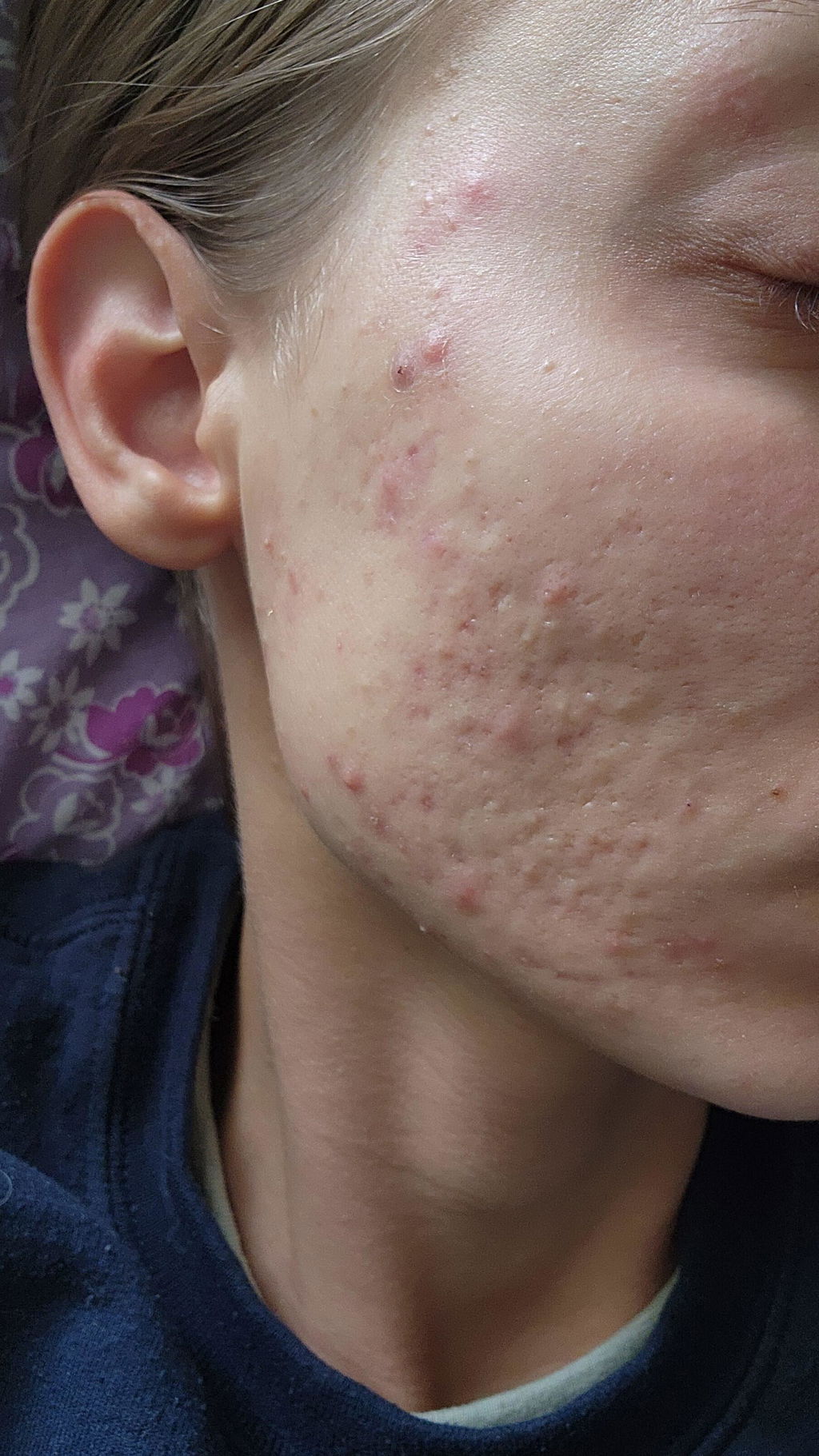
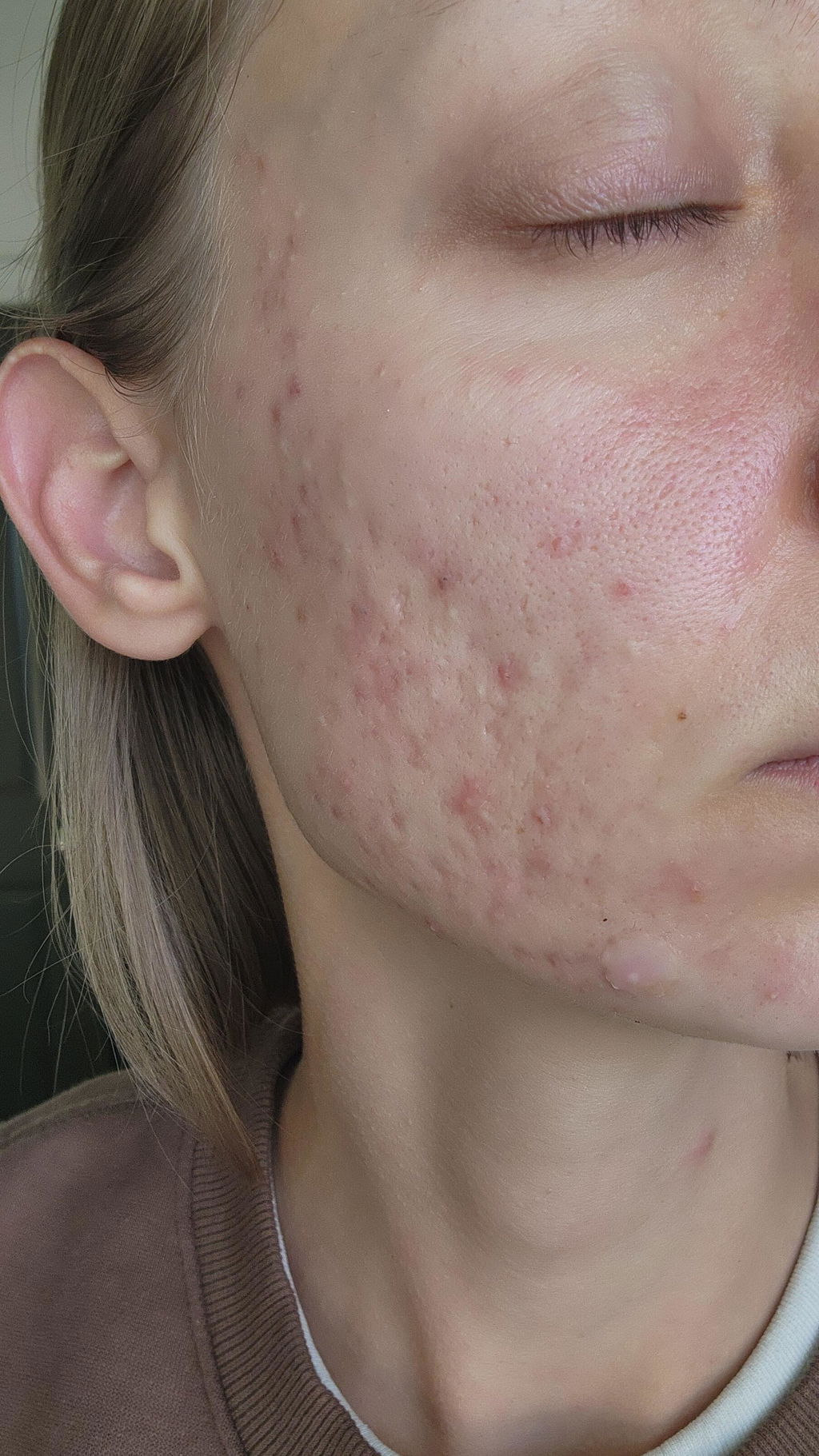
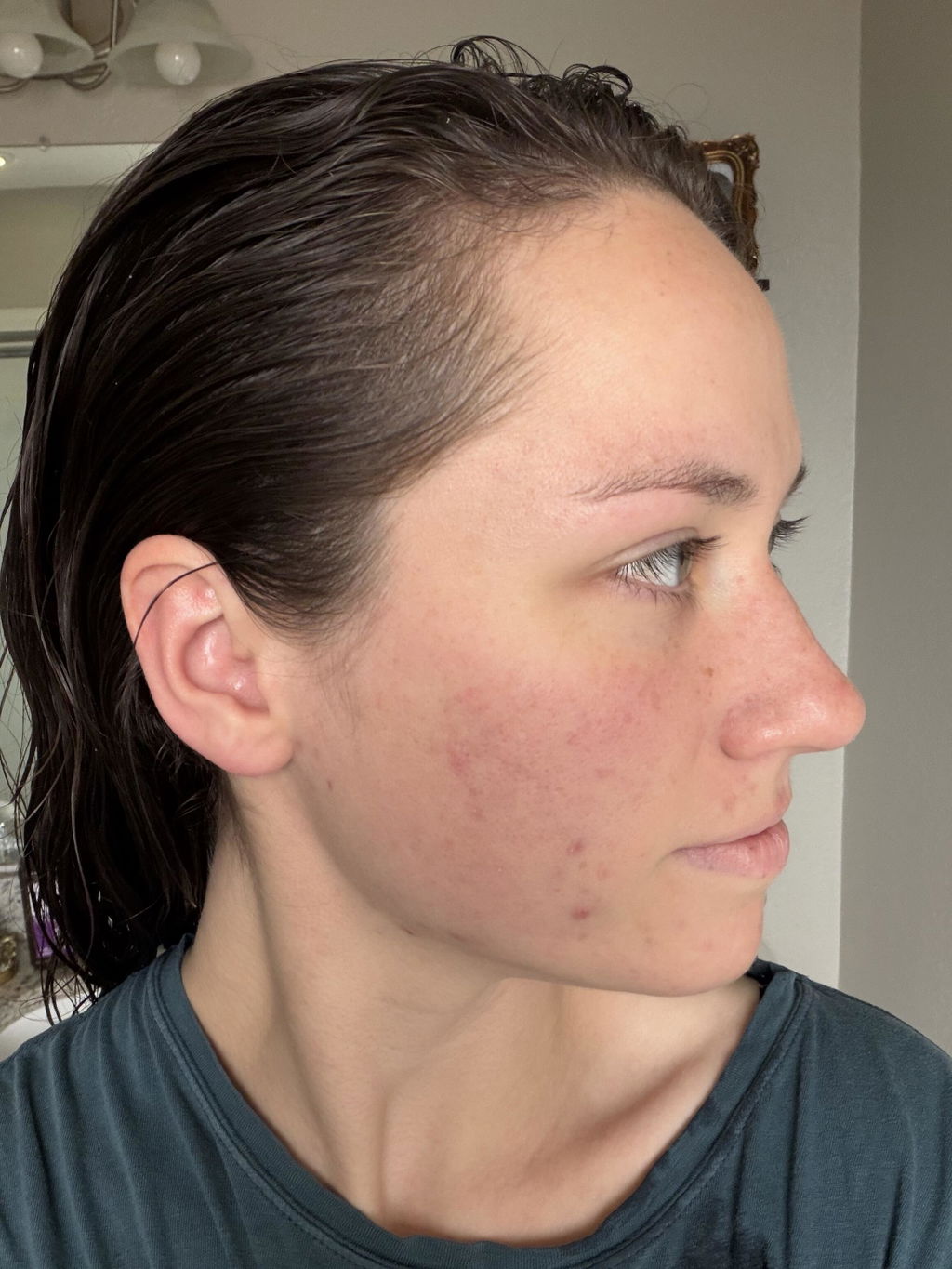
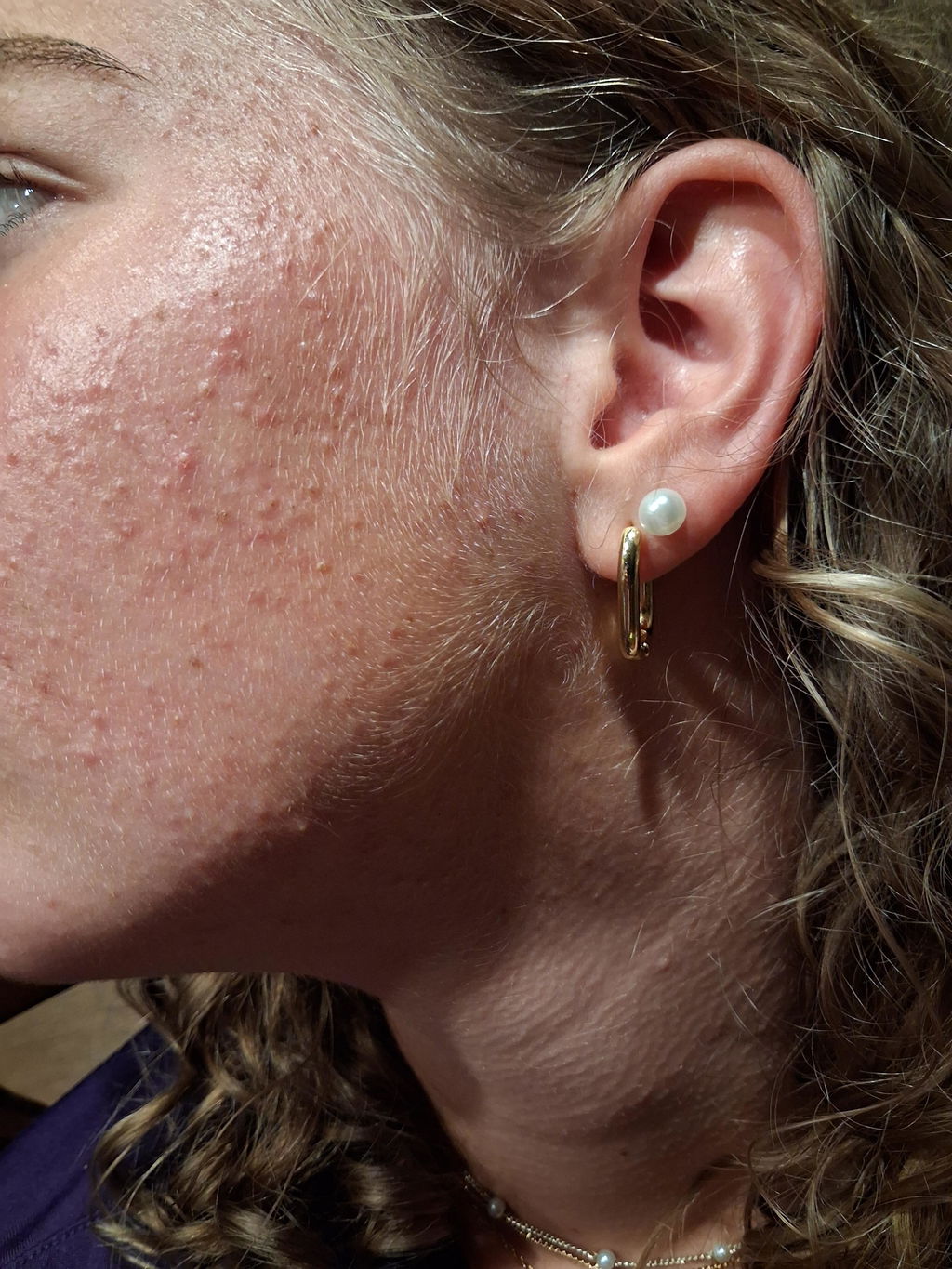
You have tried the cleansers. The face masks. Maybe even the topical retinoid your dermatologist handed you at the end of a 15-minute appointment. Your skin got worse before it got barely better. Here is the honest truth most derm visits skip. Acne that keeps returning is not a surface problem. It is an inflammation problem, a mineral problem, and a gut problem, and the six-supplement stack below addresses all three.
I have watched hundreds of women in my practice cycle through tubes and serums for a decade before someone finally told them what was actually happening inside their body. This is that conversation.
Why Topical-Only Treatments Fail Most Adults
Topical treatments target the last 10 percent of the acne cascade. The visible pimple. They do nothing about the inflammatory signaling, the hormonal shifts, and the gut dysbiosis that produced the pimple in the first place. That is why most adults on retinoid monotherapy relapse the moment they stop applying it.
Here is the pattern I see most often. A woman comes in with a bag of tubes and a shelf of serums. Her skin barrier is thin. Her cheeks are red. She has been treating the symptom for years while the actual driver sat untouched. Real skin change starts from the inside out, not the other way around. So what is that inside driver doing exactly?
The Gut-Skin Axis: What Actually Drives Adult Acne
The gut-skin axis is a two-way signaling highway between your intestinal microbiome and your skin. When the gut barrier is intact, inflammatory cytokines stay local. When intestinal permeability rises, bacterial fragments (lipopolysaccharides) enter circulation and trigger the systemic inflammation that surfaces as acne, rosacea, and eczema.
Since the Bowe and Logan review in 2011, research has repeatedly shown that people with acne have altered gut microbiota. Lactobacillus and Bifidobacterium species drop. Opportunistic bacteria rise. Short-chain fatty acid production falls, and the postbiotic signals that normally calm skin inflammation go quiet. Zonulin, the protein that regulates tight junctions in the gut lining, climbs. So does IGF-1, one of the strongest drivers of sebum production.
Acne that keeps returning is not a skin problem. It is a signal from a body asking to be heard.
Zinc Gluconate: 30mg That Held Up Against an Antibiotic
Zinc gluconate at 30mg daily has performed comparably to oral antibiotics in randomized trials for inflammatory acne, without the microbiome damage. Zinc regulates sebum production, suppresses Cutibacterium acnes growth, and modulates the inflammatory response of sebocytes.
The Dreno et al. 2001 trial published in Dermatology randomized 332 patients to either zinc gluconate 30mg or minocycline 100mg daily. Both reduced inflammatory lesions significantly. Minocycline was slightly more effective on paper. Zinc did not disrupt the gut microbiome. Given what we now understand about the gut-skin axis, that trade-off matters more than the trial authors realized at the time.
In my practice I start with 30mg elemental zinc, taken with food to avoid stomach upset, and reassess after four weeks. Cheap. Boring. Effective.
EPA Omega-3: The Fatty Acid That Cools Sebocyte Inflammation
EPA (eicosapentaenoic acid) is the specific omega-3 that lowers inflammatory eicosanoids inside the sebaceous gland. Standard fish oil labeled "1000mg" often contains under 200mg of EPA. For acne, you want at least 1000mg of EPA per day, ideally paired with DHA, to shift the inflammatory tone of adult skin.
A 10-week randomized controlled trial by Khayef et al. in Lipids in Health and Disease (2012) supplemented young men with 930mg EPA and 660mg DHA daily. Inflammatory acne lesions dropped significantly compared to placebo. The mechanism is elegant. EPA competes with arachidonic acid for the COX enzyme, producing less inflammatory prostaglandin E2. Less PGE2 means calmer sebocytes.
Jung et al. 2014 in Acta Dermato-Venereologica extended this finding. Both omega-3 and gamma-linolenic acid supplementation reduced inflammatory and non-inflammatory acne lesions over 10 weeks. Read your fish oil label. The EPA number is the one that matters.
Vitamin D3 + K2: The Sebum and Immune Regulator
Vitamin D3 acts as an immune modulator inside the skin. Deficiency correlates with acne severity in multiple case-control studies. Adding K2 (menaquinone-7) directs calcium away from soft tissue and toward bone, and prevents the calcification risk that comes with sustained high-dose D3.
Lim et al. 2016 in PLOS ONE compared vitamin D levels in 80 patients with nodulocystic acne against matched controls. Deficiency was significantly more common in the acne group. After 8 weeks of 1000 IU/day of D3 in deficient patients, inflammatory lesions decreased significantly compared to placebo.
In my practice most adult acne clients test below 40 ng/mL for 25-hydroxy vitamin D. Getting them into a 60-80 ng/mL range, paired with 100-200 mcg of K2 MK-7, often produces visible skin change within a single cycle.
Sea Moss: 92 Trace Minerals Your Skin Cannot Fake
Sea moss (Chondrus crispus and related Irish moss species) contains a broad spectrum of trace minerals including iodine, zinc, selenium, magnesium, and sulfur in a food-based, bioavailable form. Mineral cofactors are the raw material your skin uses to build the enzymes that regulate inflammation, sebum, and cellular turnover.
There is no acne-specific randomized trial on sea moss, and I will not pretend otherwise. What the mineral analysis reliably shows is a density that few land foods can match. Selenium activates glutathione peroxidase, your skin's main antioxidant enzyme. Zinc, as we already covered, moderates sebocyte inflammation. Sulfur is required for the collagen crosslinks your skin needs after a breakout heals.
For clients rebuilding from years of low-mineral eating and antibiotic exposure, I use 92 trace minerals from the ocean as a foundation, not a targeted treatment. Note: if you have Hashimoto's or another thyroid condition, work with a practitioner first because sea moss is naturally iodine-rich.
Gut Cleanse: Removing the Root Cause, Not the Symptom
A gut cleanse removes the biofilm-protected opportunistic bacteria, the yeast overgrowth, and the inflammatory metabolites that keep triggering skin flare-ups. Adding probiotics on top of dysbiosis is like planting seedlings into a bed of weeds. Clear the terrain first, then reseed.
Fabbrocini et al. 2016 in Beneficial Microbes gave adult acne patients Lactobacillus rhamnosus SP1 for 12 weeks. Skin gene expression for insulin signaling and IGF-1 pathways normalized. Adult acne improved significantly. The mechanism runs through mTOR and IGF-1, both of which drive sebum production when the gut is inflamed.
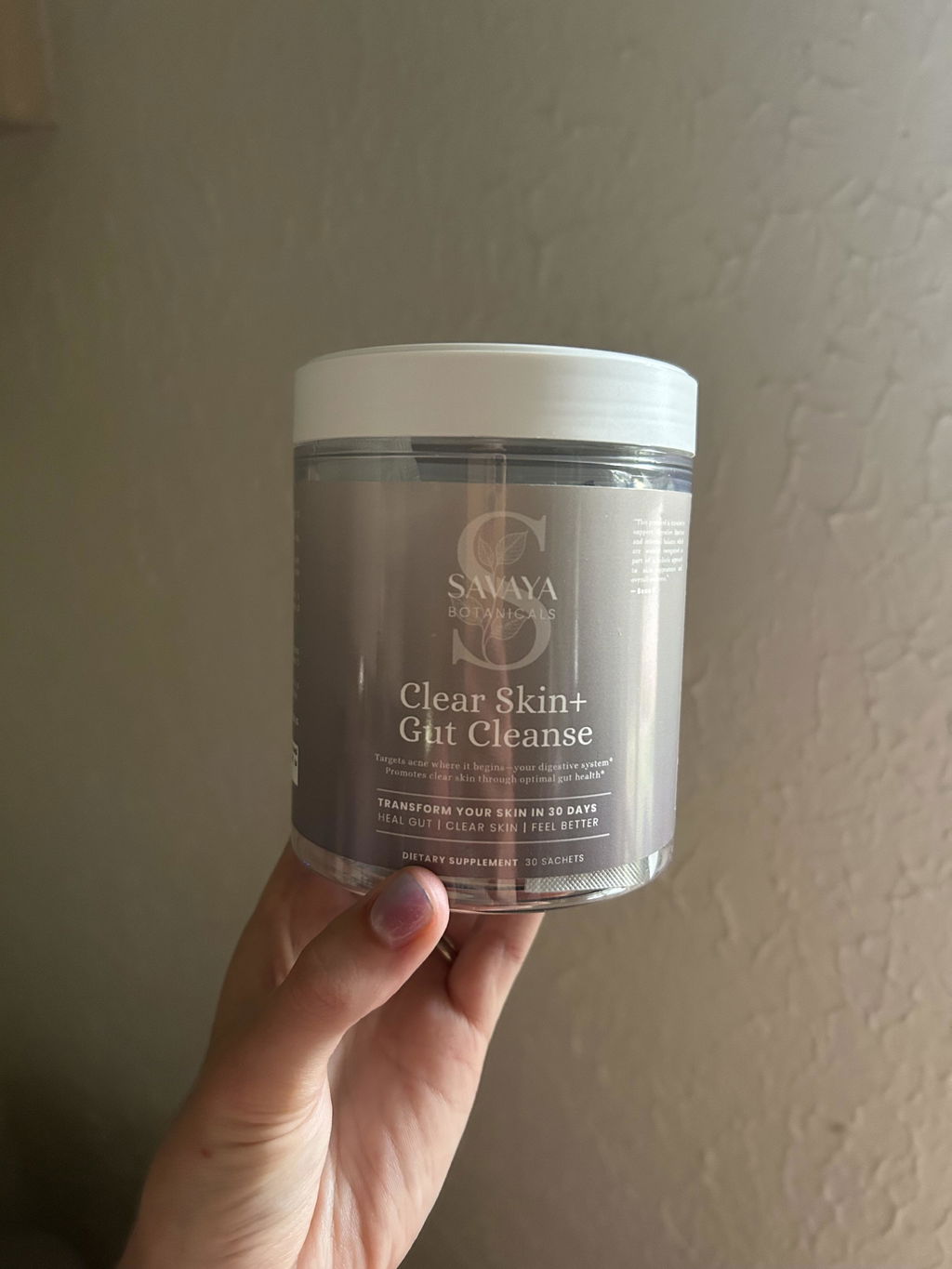
A well-designed cleanse pairs herbal antimicrobials with binders to escort the die-off out of the body. That is the frame I use when I recommend a targeted gut cleanse as the first four weeks of any acne protocol.
Collagen Peptides: Rebuilding the Skin Acne Damaged
Bioavailable collagen peptides supply the amino acids (glycine, proline, hydroxyproline) your dermis uses to rebuild after acne inflammation and post-inflammatory pigmentation. Type I collagen supports skin barrier repair. Type III collagen supports faster remodeling after a breakout heals.
Proksch et al. 2014 in Skin Pharmacology and Physiology gave women 2.5g of bioactive collagen peptides daily. After 8 weeks, skin elasticity improved significantly compared to placebo. Follow-up work by the same team showed increased dermal collagen density with continued use.
For someone whose skin barrier has been shredded by years of benzoyl peroxide and retinoids, this is not cosmetic. It is structural. I layer bioavailable collagen support into the final phase of a protocol, once systemic inflammation has come down.
Why Dermatologists Default to Antibiotics and Retinoids
Dermatologists default to antibiotics and retinoids because those are the tools their training and insurance framework reward. A 15-minute appointment cannot address diet, gut health, HPA axis dysregulation, and mineral status. A prescription can be written in 60 seconds and it is reimbursable.
This is not a slur on dermatologists. It is a structural observation. Nutrition training in US medical schools averages under 20 hours across four years. The reimbursement model rewards procedures and prescriptions, not the slow root-cause work that women with cystic acne actually need. So when someone walks in with recurring breakouts, the tool that fits the appointment is a script for doxycycline or tretinoin.
Both drugs work in the short term. Both carry costs. Doxycycline reduces C. acnes populations but also depletes Bifidobacterium and Lactobacillus from the gut, and that is exactly the dysbiosis that drove the acne in the first place. Retinoids thin the stratum corneum, increase sun sensitivity, and can worsen a barrier that was already inflamed. Neither addresses why the sebocytes were firing to begin with.
How to Layer This Stack Over 12 Weeks
A 12-week protocol runs in three phases. Weeks 1-4 focus on gut cleanse and mineral repletion. Weeks 5-8 layer in EPA omega-3 and vitamin D3+K2 to shift the inflammatory tone. Weeks 9-12 add collagen to rebuild skin structure. Zinc runs the entire way.
- Weeks 1-4: begin the gut cleanse. Add sea moss for baseline minerals. Take 30mg zinc gluconate with food.
- Weeks 5-8: keep everything from phase one. Add EPA-heavy omega-3 targeting 1000mg EPA daily. Add vitamin D3 3000-5000 IU with K2 MK-7 100-200 mcg. Take both with dietary fat.
- Weeks 9-12: keep phases one and two going. Add bioactive collagen peptides 5-10g in the morning. This is when clients usually see the barrier come back and pigmented marks fade.
The order matters. Rebuilding on top of a compromised gut wastes collagen. Clearing inflammation before the cleanse leaves the driver intact. For clients with more entrenched dysbiosis or a slow liver phase-2 pathway, Clear Skin+ Max Detox, a daily acai-based blend, is often where I start to help support that process.
• • •
If you have spent a decade collecting new tubes and starting over every three months, the shift is this. Address the gut and the minerals first. Calm the inflammation next. Rebuild the skin last. That order is what most protocols get wrong, and it is why the stack above is the one I keep coming back to.
Frequently Asked Questions
How long until I see results from supplementing for acne?
Most clients notice inflammatory calm within 3 to 4 weeks. Real barrier repair and pigmentation fading usually takes 8 to 12 weeks because skin turnover runs on a 28-day cycle and dermal remodeling is slower than surface change.
Can I take zinc, omega-3, and vitamin D at the same time?
Yes. Take zinc with food to avoid nausea. Omega-3 with a meal containing some dietary fat for absorption. Vitamin D3 with K2 also with fat. Separate zinc from iron or calcium by two hours if you take those.
Is sea moss safe if I have a thyroid condition?
Sea moss contains iodine, which can move thyroid function in either direction. If you have Hashimoto's, Graves', or thyroid nodules, work with a practitioner and monitor TSH before and after adding it. Food-form iodine behaves differently from pharmaceutical potassium iodide, but individual sensitivity varies.
Why not just take a probiotic instead of a full gut cleanse?
Adding probiotics on top of dysbiosis is like planting seedlings in a garden overrun with weeds. The cleanse removes biofilm and opportunistic bacteria first, so beneficial strains have room to colonize and rebuild short-chain fatty acid production.
Can I do this stack if I am already on a topical retinoid?
Yes. Many clients find their retinoid works better once systemic inflammation is calmer and the skin barrier has structural support from collagen and omega-3. If your barrier is currently red or peeling, ease back on retinoid frequency while the internal stack rebuilds.