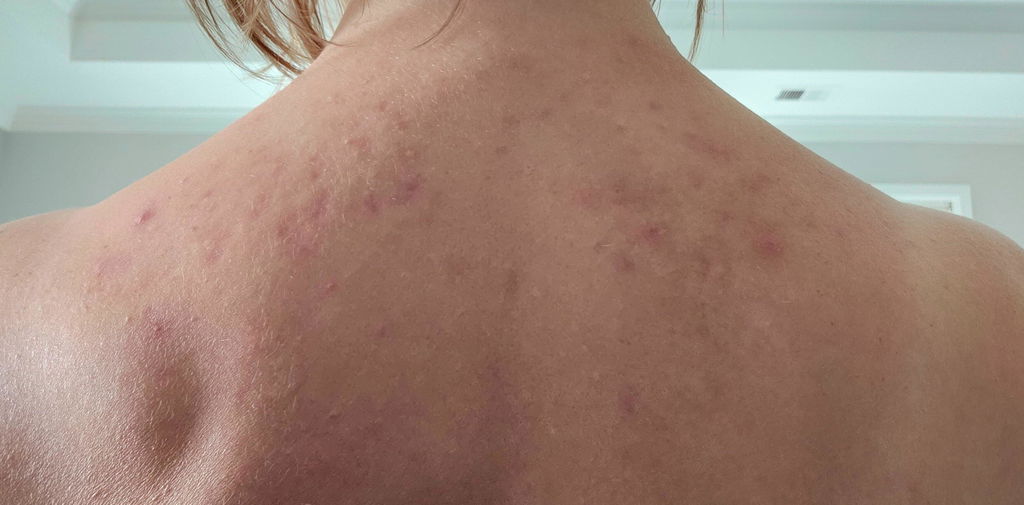
Your breakouts are not random. They cluster. They repeat. That patch of acne on your chin that shows up every month, the forehead bumps that flare when you are stressed, the deep cyst on your cheek that will not quit. There is a pattern here, and it is not on your skin. It lives in your gut.
The Gut-Skin Axis: Why Your Face Reads Like a Map
Face mapping is the practice of reading the location of your breakouts to identify the internal system that needs support. Traditional Chinese medicine has used it for centuries. Modern dermatology now confirms a real biological pathway called the gut-skin axis, where your microbiome directly influences sebum, inflammation, and hormonal signaling.
Here is what changed. In 2018, Salem and colleagues published a review in Frontiers in Microbiology called "The Gut Microbiome as a Major Regulator of the Gut-Skin Axis." It laid out how gut dysbiosis, intestinal permeability, and short-chain fatty acid production shape skin conditions from acne to eczema to rosacea. Bowe and Logan flagged the same link back in 2011 in their Gut Pathogens paper on acne, the gut-brain-skin axis, and probiotics. The science is not new. It is finally mainstream.
Your gut and your skin talk constantly. They share a common origin during embryonic development. They share immune signaling. When one of them is inflamed, the other usually is too. In my practice, I see this every single week. A woman walks in with adult acne that has not responded to a decade of topicals, and the moment we address her gut, her skin starts to shift.
So where is your gut trying to tell you something? Read your face.
Chin and Jawline Acne: The Hormonal and Gut Story
Chin and jawline breakouts are the most common hormonal acne pattern, especially in women. They tend to flare the week before menstruation, present as deep and painful cysts, and come from a mix of androgen sensitivity and a struggling gut. The gut clears used hormones. When it stalls, those hormones recirculate.
Here is the mechanism most people miss. Your liver processes estrogen and packages it for elimination. That package travels to the gut for exit. A group of gut bacteria called the estrobolome produces an enzyme called beta-glucuronidase, and when that enzyme runs too high because your microbiome is out of balance, the estrogen gets unpackaged and reabsorbed. Now you have more circulating estrogen than your body meant to have, and the ratio of estrogen to progesterone tips. Your skin feels it first.
Add in blood sugar chaos and the problem compounds. When insulin rises, so does IGF-1, and IGF-1 stimulates sebocytes to produce more oil and to keratinize the pore lining. The follicle clogs. The bacteria arrive. The cyst forms.
What actually helps chin acne:
- Reduce dairy for 30 days. Melnik's 2011 paper in Nutrition and Metabolism laid out how milk drives IGF-1 signaling in ways that map onto acne.
- Aim for 30 grams of fiber a day. Fiber feeds the microbes that keep beta-glucuronidase in check.
- Support elimination with this microbiome reset. If you are constipated even one day, estrogen recirculates.
If chin and jawline breakouts are your pattern, this is the intervention I recommend most often. Not because it does one thing. Because it addresses the whole loop.
Forehead Acne: Digestion, Stress, and the Small Intestine
Forehead acne is your gut's flare signal. In face mapping, the forehead connects to the small intestine and digestive tract. When digestion is slow, stress is chronic, or the vagus nerve is dysregulated, your forehead is often the first place that speaks up. Bumps here rarely respond to topical treatment because the root is not on the surface.
The forehead is dense with sebaceous glands. It is also thin-skinned and highly responsive to systemic inflammation. The gut connection here runs through two systems that most acne advice skips entirely.
First, the vagus nerve. It is the main information highway between your gut and your brain. Chronic stress downregulates vagal tone. Low vagal tone means slower gut motility, poorer bile release, and less digestive enzyme output. Food sits. It ferments. Dysbiosis worsens. The forehead flares.
Second, the HPA axis. Cortisol at night suppresses your gut's natural repair window. Research on shift workers has linked disrupted circadian rhythm to higher rates of skin barrier breakdown and adult acne. If you go to bed at 1am and eat at 11pm, your forehead will tell on you.
What actually helps forehead acne:
- Stop eating three hours before bed. Your gut needs a fasted repair window.
- Chew every bite until it is almost liquid. Digestion starts in the mouth.
- Address chronic constipation. If you are not going daily, your face is where the toxins go.
For readers who suspect a deeper backup, a full detox protocol targeting the liver-gut clearance route is often what breaks the plateau.
Cheek Acne: Gut Inflammation and Respiratory Load
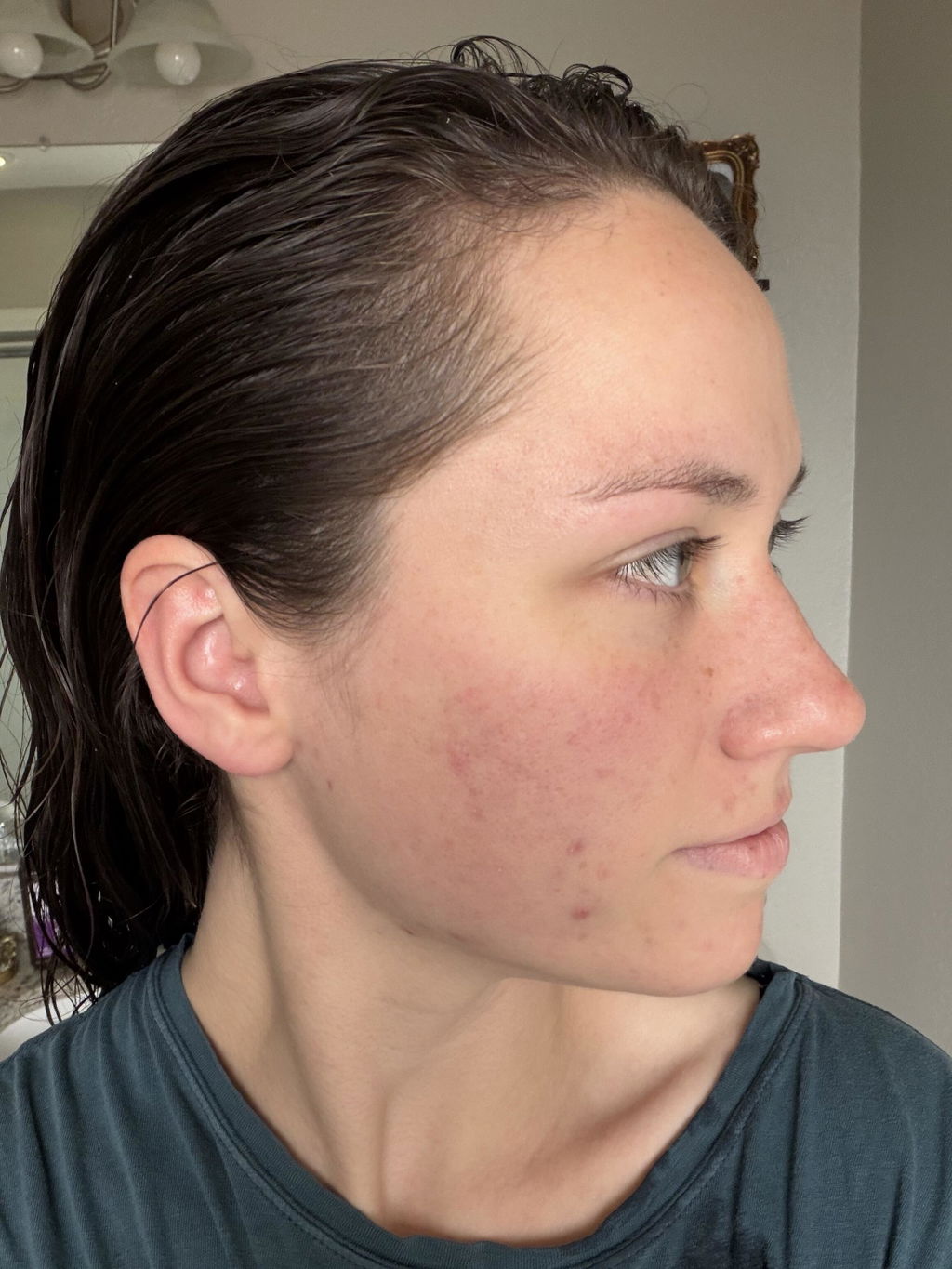
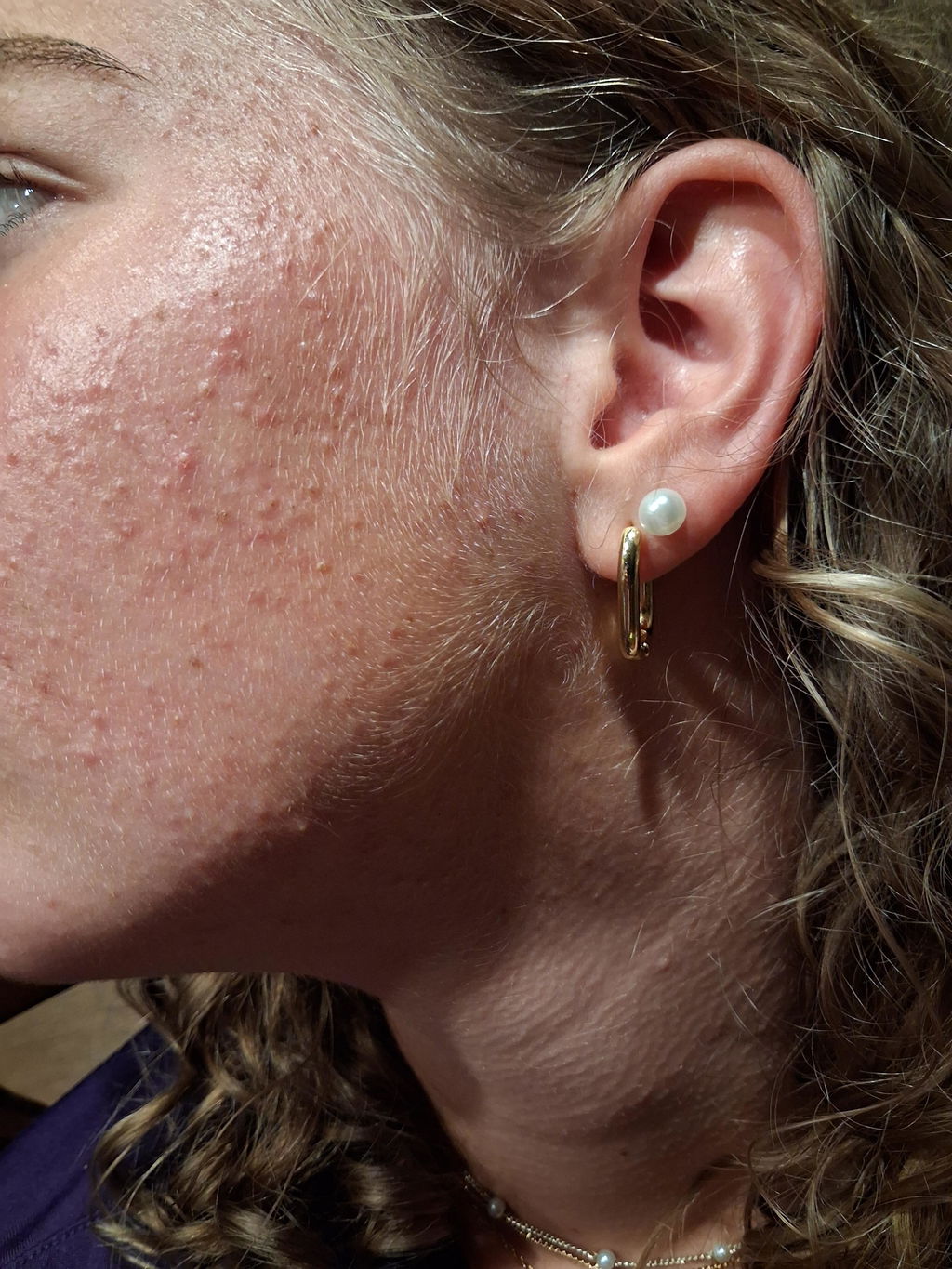
Cheek acne usually points to two overlapping issues: gut inflammation and respiratory or lymphatic stress. Traditional Chinese medicine connects the cheeks to the lungs and large intestine. Modern research supports the overlap, showing that systemic inflammation from a compromised gut barrier can drive cystic breakouts along the cheekbones.
The cheek is your gut's mirror in the most literal sense. When the intestinal barrier becomes permeable, a state often described as leaky gut and confirmed in research through the zonulin pathway, lipopolysaccharides from gut bacteria leak into circulation. Your immune system responds with systemic inflammation. Skin gets caught in the crossfire.
A 2018 study by Deng and colleagues in Acta Dermato-Venereologica compared the gut microbiota of acne patients to healthy controls and found a distinct dysbiotic signature. Lower diversity. Fewer short-chain fatty acid producers. More pro-inflammatory strains. Cheek breakouts often show up in patients with this profile.
There is also a more mundane driver: your phone. Your pillowcase. The mask you wear at the gym. These add mechanical and microbial load to the exact zone where gut inflammation is already priming the skin. Fix one without the other and you plateau.
What actually helps cheek acne:
- Wash pillowcases every three days. Wipe your phone daily.
- Repair the skin barrier from the outside. This is where a barrier-repairing tallow cream at night makes a visible difference. Grass-fed tallow mirrors the lipid profile of human skin, so it seals without disrupting the microbiome on your face.
- Repair the gut barrier from the inside. Bone broth, glutamine, and mineral-rich sea moss all support this work.
Cheek acne is the zone where inside-out and outside-in have to happen at the same time.
Nose Acne: Stomach, Heart, and Blood Sugar
The nose connects to the stomach and cardiovascular system in face mapping. Blackheads, redness, and small pimples on and around the nose often reflect blood sugar imbalance, low stomach acid, and inflammation that stresses circulation. The center of your face tends to reflect the center of your metabolic health.
Sebaceous glands are dense on the nose, especially on the tip and sides. That is why the nose reveals sebum-driven issues faster than almost any other zone. Two mechanisms usually explain what shows up here.
First, blood sugar. High glycemic diets have been repeatedly linked to acne severity, with Smith and colleagues' 2007 study in the American Journal of Clinical Nutrition being one of the clearest early demonstrations. Sugar spikes drive insulin. Insulin drives IGF-1. IGF-1 drives sebocytes. Blackheads on the nose are the visible receipt.
Second, low stomach acid. If you cannot break down protein properly, you cannot extract the amino acids and minerals your skin needs to repair itself. Undigested food also feeds dysbiotic bacteria further down the tract. A red, congested nose can be the first sign that stomach acid is under-producing, especially in women over 35.
What actually helps nose acne:
- Cut refined sugar and refined seed oils for 30 days. This one shift alone changes many noses.
- Try apple cider vinegar or digestive bitters before meals.
- Replenish minerals. Sea salt in your water. Trace minerals in your food. 92 trace minerals from the ocean is one of the simplest ways to close the mineral gap.
Temple Acne: Liver, Kidneys, and Detox Load
Temple acne is a detox signal. In TCM, the temples connect to the kidneys and gallbladder. Modern interpretation points to hepatic overload, sluggish bile flow, and dehydration. When your liver is processing more chemicals, hormones, and metabolic waste than it can clear, secondary elimination routes activate. Your skin is one of them.
The temples are the least common acne zone, which is exactly why people miss the signal. A recurring temple breakout is worth paying attention to. It usually points to one of three things.
One, your liver is under load. Alcohol, prescription medications, hormonal birth control, high fructose intake, and daily stress all draw on liver capacity. Phase I and Phase II detox pathways need specific cofactors like B vitamins, glycine, and sulfur amino acids. Without them, intermediate metabolites build up and inflammation rises.
Two, bile is stagnant. Bile is how your body actually removes fat-soluble toxins and used hormones. If bile flow is slow, those hormones and toxins recirculate. Skin flares.
Three, dehydration. The kidneys are your other main detox route. Low water intake concentrates everything. The temples often flare first.
What actually helps temple acne:
- Drink half your body weight in ounces of water each day. Add minerals so the water actually hydrates instead of flushing through.
- Support bile with bitter foods: arugula, dandelion greens, radicchio, artichoke.
- If temple breakouts have been persistent for six months or longer, Clear Skin+ Max Detox is where I would start. This daily acai blend helps support your skin and gut from the inside, alongside whatever routine you're already following.
• • •
How to Actually Fix Face-Mapped Acne
The location tells you the system. The system tells you the fix. Topicals treat the pore. Real change comes from restoring microbiome diversity, supporting liver clearance, and closing the gut barrier. This takes weeks, not days. Human skin turns over on a 28-day cycle, and gut lining repair usually takes longer than that.
Here is what I tell every client. Read your face for two full cycles before you conclude anything. Track your breakouts by zone. If chin acne shows up before your period every single month, it is hormonal and gut-related. If forehead bumps arrive on high-stress weeks, it is HPA axis and motility. If cheek cysts flare after gluten or dairy, it is inflammation and barrier. The pattern is the diagnosis.
Your skin is not the problem. It is the receipt.
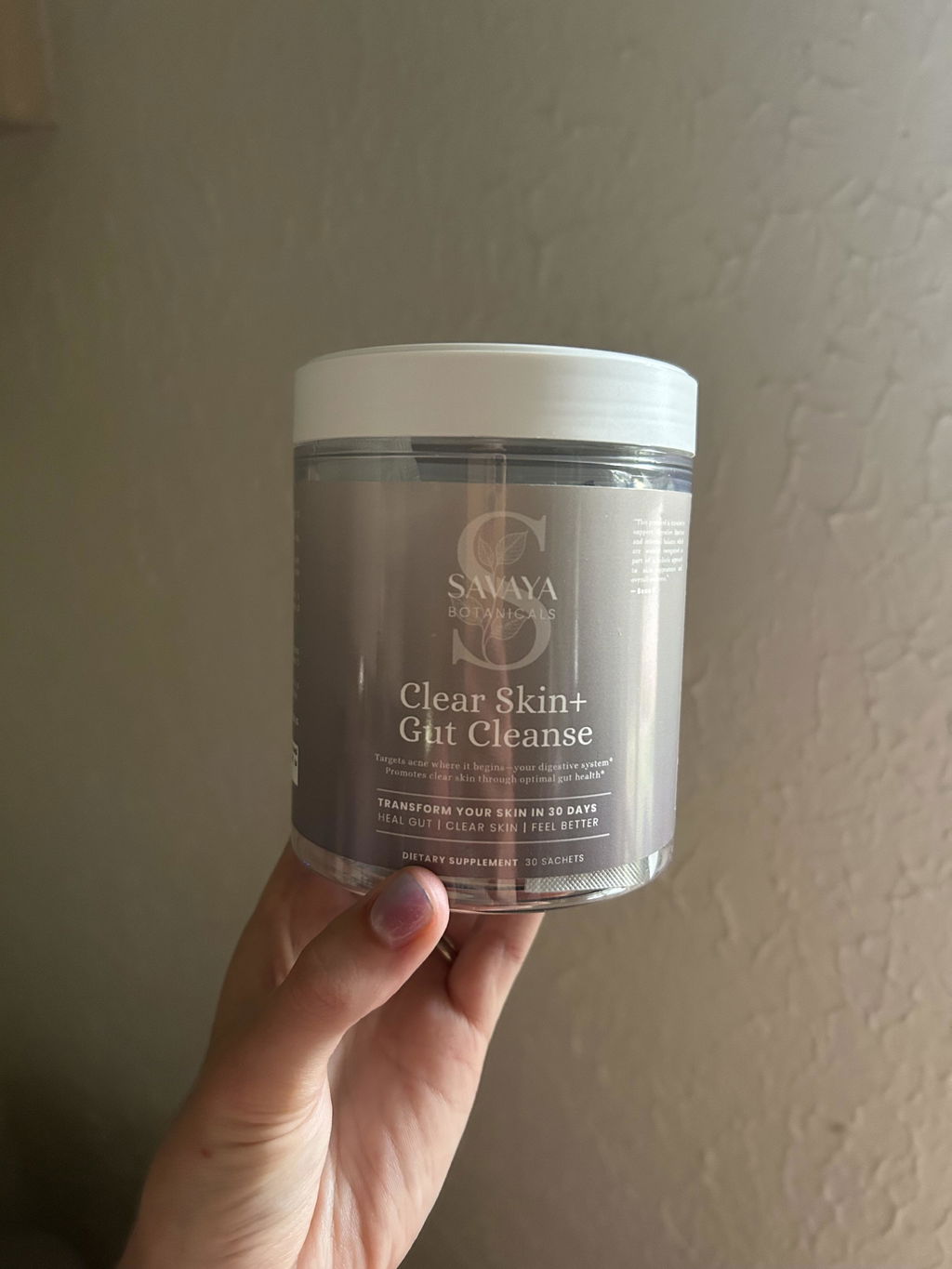
If you want a starting point, begin with the gut. A targeted gut cleanse addresses the most common root pattern I see in my practice: dysbiosis feeding into estrogen recirculation and low-grade inflammation. Pair it with a barrier-friendly nighttime moisturizer so your skin has support while the inside catches up.
Frequently Asked Questions
What is face mapping and does it really work?
Face mapping is a system used in traditional Chinese medicine that links acne locations to internal organs and body systems. Modern research on the gut-skin axis validates several of the strongest patterns, particularly hormonal chin acne, digestion-related forehead breakouts, and inflammation-linked cheek cysts. It works best as a diagnostic starting point, not a strict rule.
How long does it take for gut healing to clear acne?
Most people begin to see visible skin changes between weeks four and eight, because skin cells turn over roughly every 28 days. Deeper cystic patterns tied to hormonal or liver load often take a full 12 weeks. Consistency matters more than intensity, and one bad weekend does not undo four weeks of work.
Can face mapping help me identify food sensitivities?
Yes, indirectly. If the same zone flares within 24 to 72 hours of a specific food, that is worth logging. Dairy commonly triggers chin acne. Sugar and refined grains commonly trigger nose and forehead breakouts. Track it across two full cycles and the pattern usually reveals itself clearly.
Is chin acne always hormonal?
Not always, but usually. Chin and jawline breakouts that recur monthly are almost always tied to the estrogen and gut loop. Non-cyclical chin breakouts can also be linked to dairy, mask contact, or hand touching throughout the day, so timing and pattern matter as much as the location itself.
Is it safe to keep using acne creams while healing my gut?
Yes, though many women find they need less over time. The goal is to avoid stripping the skin while the gut catches up. A gentle nighttime approach, ideally something barrier-friendly, tends to give better long-term results than harsh actives layered on top of an already inflamed system.