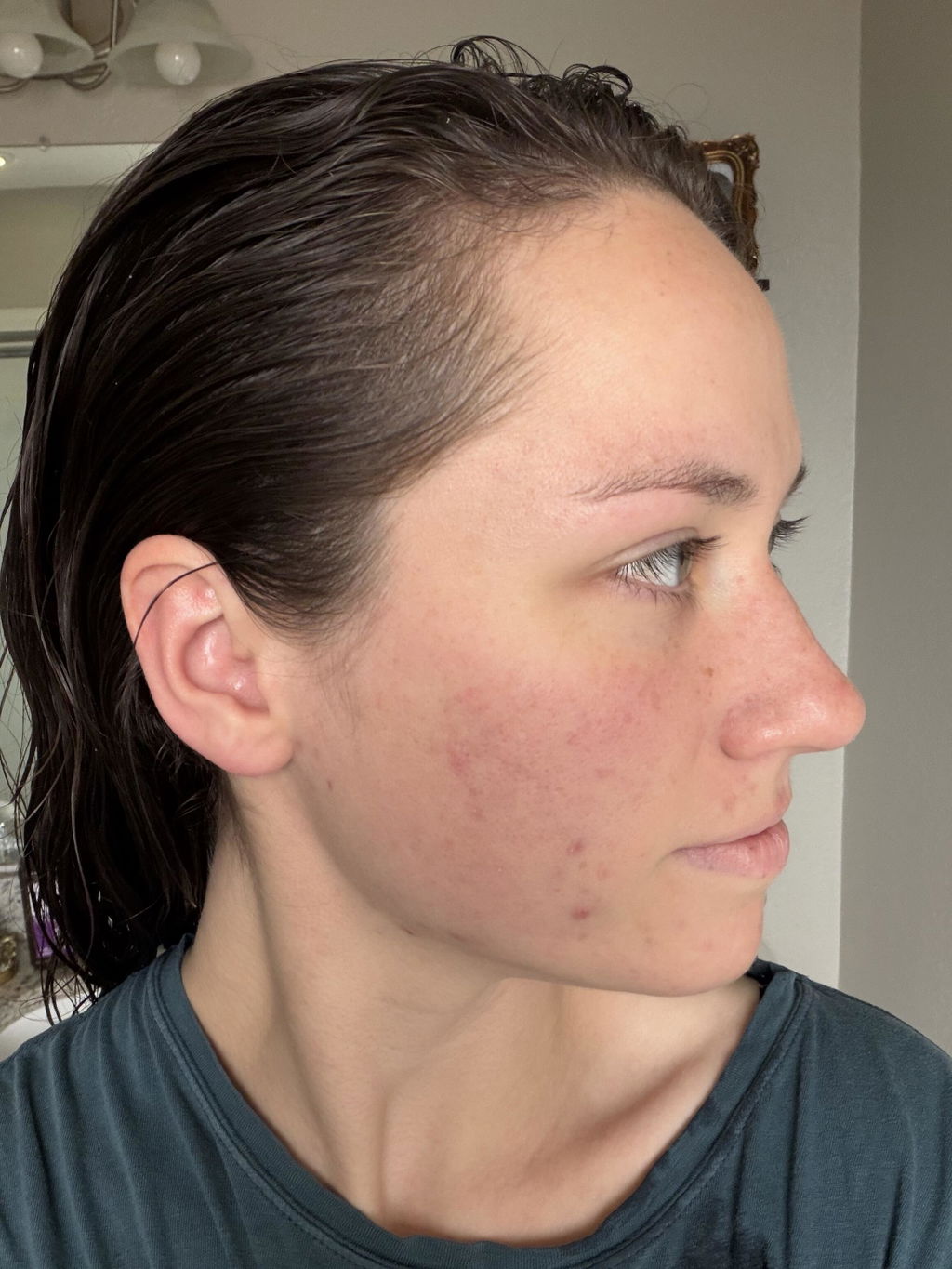
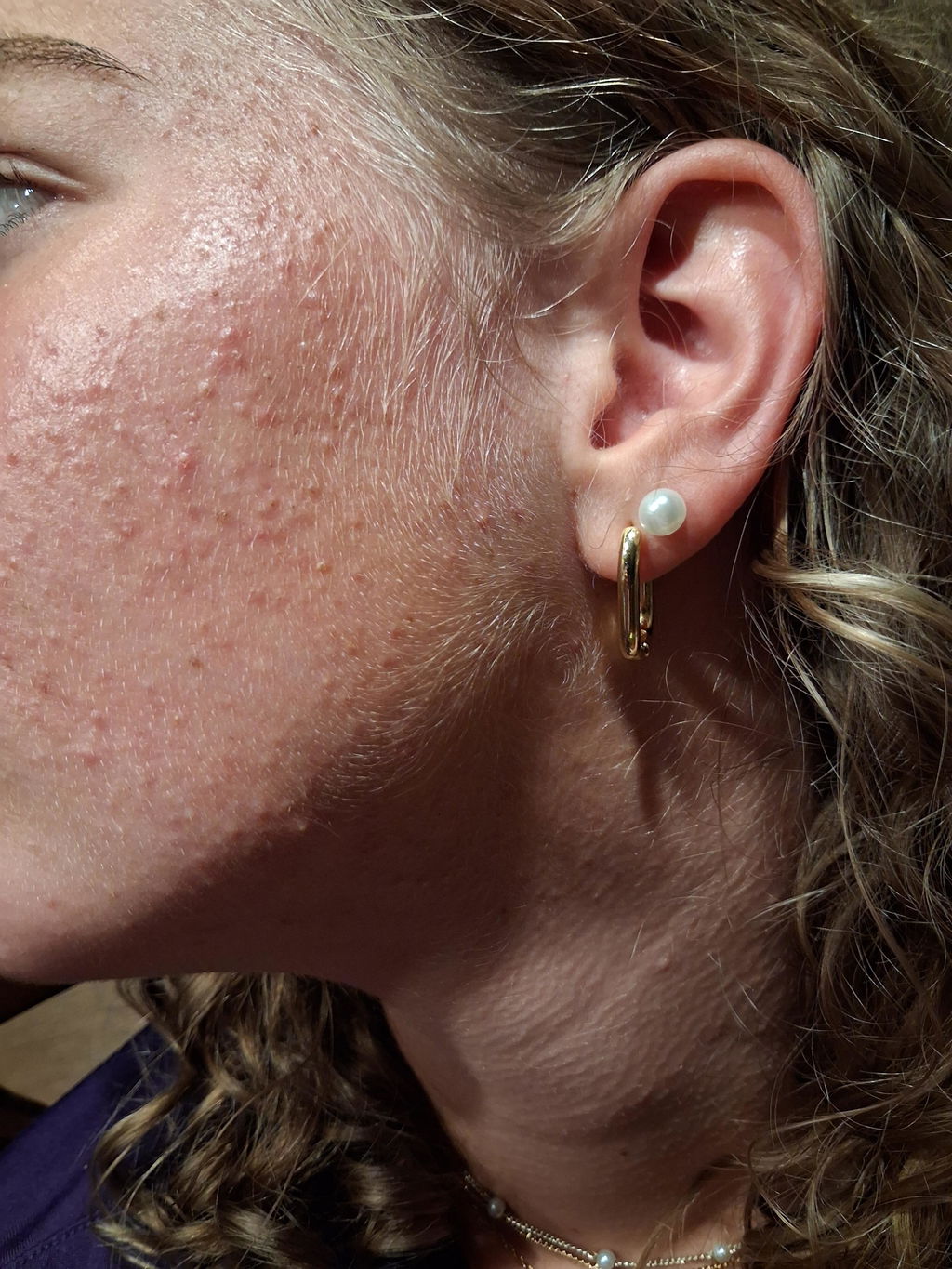
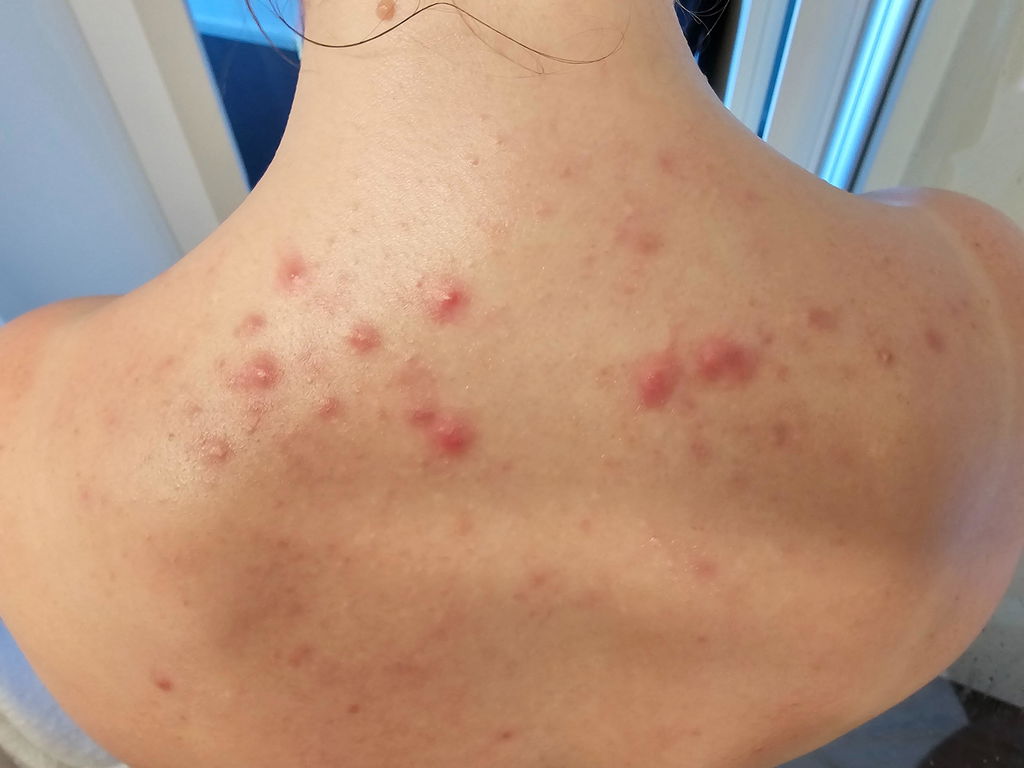
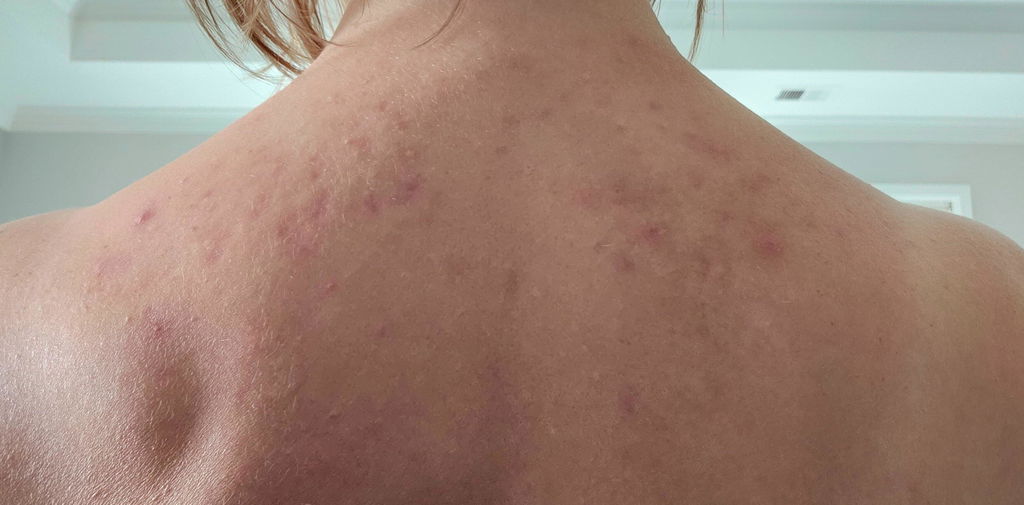
Your face is not broken. Your face is a receipt. Every breakout is a slip of paper printed out by something deeper, usually a gut that is leaking, a hormone that is spiking, or a mineral your plate forgot to deliver. In my practice I see the same pattern correct stubborn adult acne when topicals have already failed. Five targeted supplements layered on top of a gut cleanse. None of it is exotic. Most of it is decades old in the research. So why does almost no one in a white coat hand you this list?
Why dermatologists default to antibiotics and retinoids
Most dermatologists are trained to silence symptoms, not chase upstream causes. Antibiotics lower bacterial load on the skin and inside the gut. Retinoids shrink sebocytes and speed cell turnover. Both work on the surface. Neither asks why your sebum is inflamed in the first place. That is the gap.
Insurance codes reward a fifteen-minute visit and a script. Nutrition counseling is unbilled and slow. So the protocol calcifies. Doxycycline. Tretinoin. Spironolactone. Accutane. Each one effective in its lane, each one silent on the gut-skin axis, intestinal permeability, or the cortisol surges that drive IGF-1 and sebum production. When a patient relapses three months after stopping, the answer is usually another round of the same. The body keeps printing receipts.
Zinc: the mineral acne research keeps confirming
Zinc is the single most studied mineral for acne, and it still rarely makes it into a treatment plan. Oral zinc reduces inflammatory lesions, calms sebocyte activity, and supports the gut barrier. In my practice I see clearer results within six to eight weeks at the right dose.
Dreno B et al., 1989, Acta Dermato-Venereologica showed that 30 mg per day of elemental zinc as zinc gluconate reduced inflammatory acne lesions versus placebo over about two months. A later systematic review, Cervantes J et al., 2018, Journal of Drugs in Dermatology, concluded that oral zinc in the 30 to 150 mg per day range consistently lowered inflammatory lesion counts across trials.
What I look for. Zinc bisglycinate or zinc picolinate. Taken with food to avoid nausea. Paired with a small amount of copper if you stay on it past three months, because long-term zinc can quietly drop copper status. This is also where 92 trace minerals from the ocean earn their place, because they cover the cofactor minerals that pure zinc capsules cannot.
Omega-3 EPA: the inflammation dial
Acne is not just a skin condition. It is inflammation expressed through the pore. EPA, the omega-3 fatty acid concentrated in fatty fish, lowers prostaglandin E2 and leukotriene B4, two of the molecules that turn a clogged pore into an angry red one.
Jung JY, Kwon HH et al., 2014, Acta Dermato-Venereologica ran a ten-week double-blind randomized trial with around 2 g per day of combined EPA and DHA. The supplement group saw a significant reduction in both inflammatory and non-inflammatory lesions versus placebo. Earlier work on fish oil, Khayef G et al., 2012, Lipids in Health and Disease, looked at its anti-inflammatory and lipid effects and is often cited as part of the broader case for why EPA matters for skin driven by inflammation.
I aim for roughly 2 g of combined EPA plus DHA daily, with EPA leading the ratio. Triglyceride form absorbs better than ethyl ester. Store the bottle in the fridge. If it smells fishy on the burp, it is oxidized and doing the opposite of its job. Here is the open loop. The supplement is only half the equation. The other half is whether your gut can actually absorb the fat you swallow.
Vitamin D3 with K2: the deficiency hiding behind the breakout
Vitamin D is a hormone. It modulates immune signaling, sebocyte behavior, and the skin barrier. When it runs low, inflammation runs high. Most acne patients I test are deficient, and most have never been asked.
Lim SK et al., 2016, PLoS One ran a case-control comparison and found that acne patients had significantly lower serum 25-hydroxyvitamin D than controls, with the gap widest in inflammatory acne. The clinical read for me is simple. If your vitamin D is low, correcting it is part of the foundation. Test, do not guess.
I pair D3 with K2 as MK-7. D3 raises calcium absorption. K2 directs that calcium into bone instead of soft tissue. Skipping K2 long term is the difference between a tool and a liability. Take both with the fattiest meal of the day, because they are fat-soluble vitamins and a dry swallow does very little.
• • •
Sea moss: the mineral floor most diets never reach
Sea moss, Chondrus crispus, is not a miracle. It is a mineral floor. A single tablespoon of the gel form delivers iodine, zinc, magnesium, selenium, and sulfur, the five minerals most often missing from a Western plate. Those minerals are the cofactors your enzymes need to detoxify hormones, build collagen, and quiet inflammation.
I want to be honest here. There is no head-to-head acne trial on sea moss. What there is, is a documented mineral profile of Chondrus crispus that lines up almost perfectly with the deficiency pattern I see in chronic acne. And the mechanism that connects mineral status to clear skin is the same one the gut-skin axis research keeps pointing to. Bowe WP, Logan AC, 2011, Gut Pathogens described the gut-brain-skin axis as a single feedback loop. Salem I et al., 2018, Frontiers in Microbiology called the gut microbiome a major regulator of that axis. Minerals feed the microbiome. The microbiome feeds the skin.
I run sea moss daily as a baseline, then layer the targeted nutrients on top. If you are already eating a clean diet and still breaking out, the issue is rarely calories. It is trace minerals and the gut that does or does not absorb them.
The gut cleanse: removing the root cause, not the symptom
Here is the part most protocols skip. You can take every supplement on this list and still break out if your gut is leaking. Intestinal permeability, what most people call leaky gut, lets undigested proteins and lipopolysaccharides slip into the bloodstream. The immune system flags them. Inflammation rises. The skin becomes one of the exit routes.
Dysbiosis is the upstream villain. When the wrong bacteria dominate, short-chain fatty acid production drops, the gut barrier thins, and zonulin loosens the tight junctions between intestinal cells. The HPA axis joins in through cortisol, which feeds sebum production through IGF-1. The vagus nerve, which links gut and brain and skin, stays in a low-grade alarm state.
Clear skin is not a topical event. It is what happens when the gut stops sending distress signals.
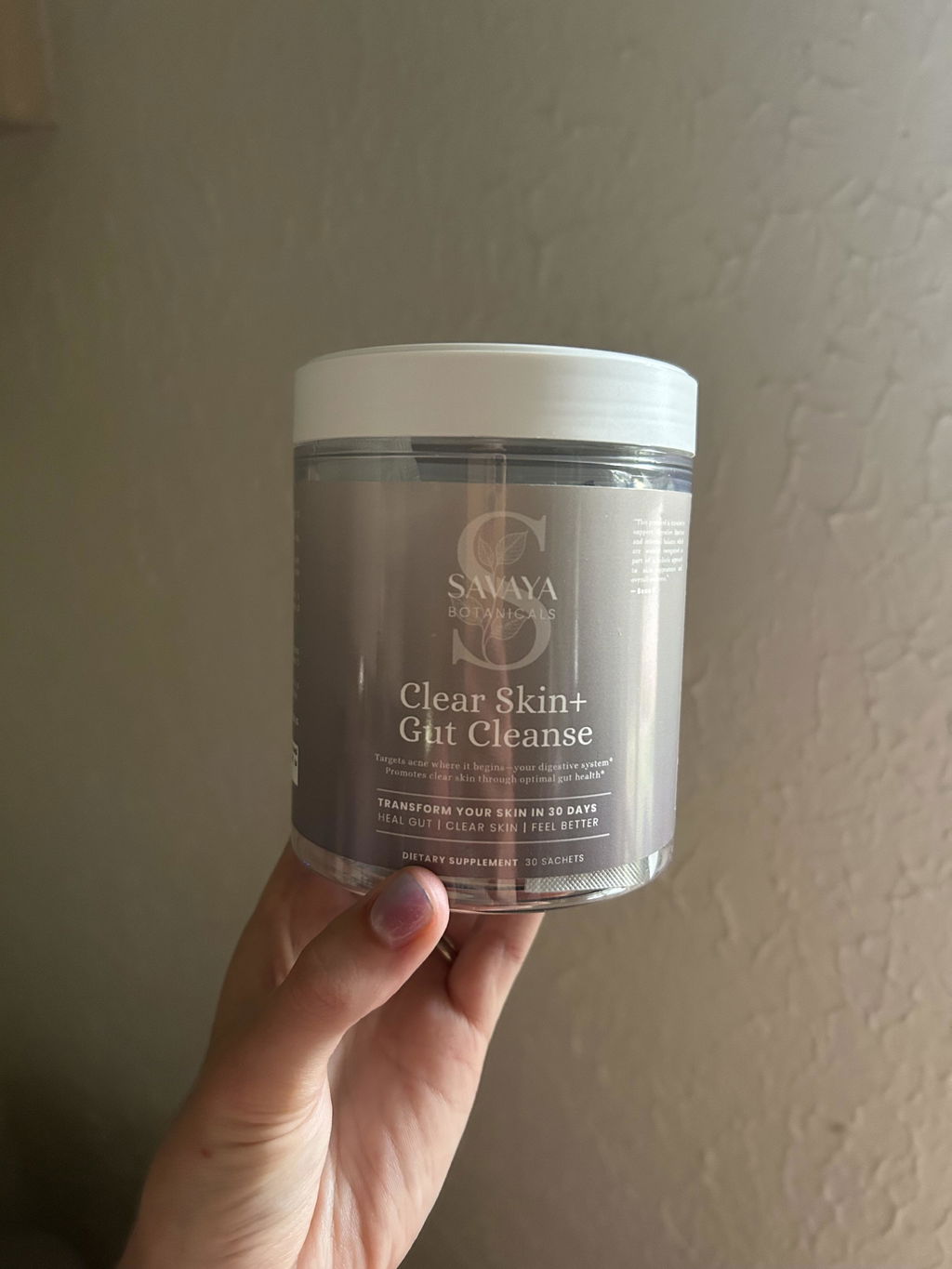
This is why I start most clients on a targeted gut cleanse before stacking the rest. Removing the cause first. Then feeding what is left with prebiotic fiber and postbiotic compounds so the right bacteria can repopulate. When the breakouts are deep, cystic, and tied to years of antibiotics or birth control, I move to the deeper 12-week reset instead, because some terrains need more than a four-week pass.
Collagen: the rebuild phase
Once the inflammation cools and the gut stops leaking, the skin still has to repair. That is where collagen earns its slot. Collagen peptides supply glycine, proline, and hydroxyproline, the amino acids your fibroblasts use to rebuild the dermis and fade post-inflammatory marks.
Proksch E et al., 2014, Skin Pharmacology and Physiology ran an eight-week randomized trial with 2.5 g and 5 g of hydrolyzed collagen peptides per day. Both doses improved skin elasticity versus placebo. The peptides are small enough to absorb intact and trigger fibroblast activity from the inside.
I use collagen strips you can pop in your morning glass of water with clients who refuse one more capsule. The compliance jumps. The marks fade faster. Pair it with vitamin C, because the enzyme that crosslinks collagen, prolyl hydroxylase, cannot work without it.
Why topical-only approaches keep failing you
Topical treatments work on the top two layers of skin. Acne is generated three layers deeper, in the sebaceous follicle, and it is fueled by signals coming from the gut, the liver, and the endocrine system. You cannot wash off a hormonal surge. You cannot exfoliate a mineral deficiency. You cannot retinoid your way out of dysbiosis.
What I see most often is a client who has tried six cleansers, three serums, and two prescriptions in a year. The skin is now thinner, more reactive, and still breaking out. The barrier has been stripped. The microbiome on the skin has been carpet-bombed. And the gut, the actual source, was never addressed. A barrier-repairing tallow cream at night helps the lipid layer recover while the internal work catches up. But the internal work is the work.
How I sequence the stack
Weeks one through four. Gut cleanse. Zinc at 30 mg with food. Vitamin D3 with K2 at the fattiest meal. Omega-3 at 2 g EPA plus DHA. Sea moss daily as the mineral floor. Cortisol management through sleep before midnight and protein at breakfast.
Weeks five through twelve. Hold the stack. Add collagen for the repair phase. Reintroduce foods slowly to test individual triggers. Watch the skin shift from reactive to stable.
If the picture is more complex, scarring, hormonal cysts, years of medication, I have clients add Clear Skin+ Max Detox instead, because consistency matters as much as the ingredients.
If your face has been a receipt for years, the answer is not another tube. The answer is closing the loop that is printing the receipts in the first place. Start with the gut. Feed the minerals. Let the skin do what it already knows how to do.
Frequently asked questions
What is the best zinc dosage for acne?
The research supports 30 mg per day of elemental zinc from a well-absorbed form like zinc gluconate, bisglycinate, or picolinate, taken with food. Dreno 1989 used this dose and saw inflammatory lesion reduction in about two months. Higher doses up to 150 mg appear in the Cervantes 2018 review, but most clients respond at 30 mg without the copper depletion risk that comes with longer high-dose use.
Why do dermatologists rarely recommend supplements for acne?
Most dermatology training is built around prescription therapy and procedure-based care. Nutritional and gut-focused protocols are slower, harder to bill, and outside the scope of a standard visit. That does not mean the studies do not exist. It means the workflow of a clinic rarely creates room to apply them.
How long until I see results from a supplement stack?
Inflammation usually drops in the first three to four weeks once gut healing begins. Visible skin change typically starts between weeks six and eight, the same window the zinc and omega-3 trials used. Deep cystic acne and post-inflammatory marks take twelve weeks or longer because the dermis has to rebuild.
Can I take this stack with prescription acne medication?
Most of the stack is compatible with topical treatments, but oral antibiotics, isotretinoin, and hormonal medications interact with several nutrients including vitamin A and zinc absorption. If you are on prescription therapy, run any new supplement past the prescribing physician before stacking, especially during isotretinoin courses.
Is this approach safe long term?
The supplements covered here have decades of safety data at the doses cited. Long-term zinc above 40 mg should be balanced with copper. Vitamin D should be tested annually rather than dosed blindly. Omega-3, collagen, and sea moss are foods first, supplements second. The deeper safety question is the opposite one. Staying on suppressive medication for years without ever addressing the gut is rarely the safer path it appears to be.