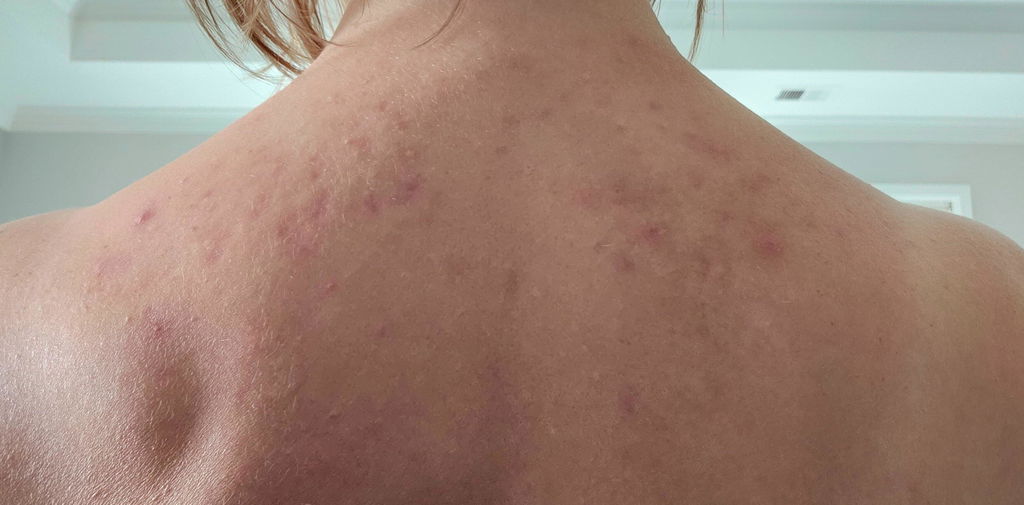
You woke up, walked to the mirror, and there it was again. Same spot. Same place. Same week of the month. If you have ever wondered why your chin breaks out before your period, or why your forehead flares after a stressful sleep stretch, your skin is not being random. It is following a map. And that map starts in your gut.
What Face Mapping Actually Is
Face mapping is a diagnostic framework, originally from Traditional Chinese Medicine, that links specific facial zones to specific internal organs. When acne, redness, or congestion shows up in the same area repeatedly, the map suggests an underlying organ system is asking for support. Modern gut-skin research is now confirming much of what the old texts described.
In my practice, I see the same patterns over and over. Jawline cysts before a period. Forehead bumps after a week of poor sleep. A red, irritated nose in someone who quietly skips meals and drinks too much wine. These are signals, not coincidences.
The science is called the gut-skin axis. Bowe and Logan revived an older idea from Stokes and Pillsbury in their 2011 paper in Gut Pathogens, showing that gut microbes, intestinal permeability, and systemic inflammation all influence how the skin behaves. A 2018 review in Frontiers in Microbiology by Salem and colleagues confirmed it. The gut regulates skin homeostasis through immune, metabolic, and neuroendocrine pathways. Translation. Your microbiome is talking to your face.
Chin and Jawline: The Hormonal and Gut Connection
Chin and jawline acne is the classic hormonal acne pattern. In TCM, this zone reflects the Kidney and Reproductive system. In modern terms, the sebaceous glands here are rich in androgen receptors, which means insulin, IGF-1, and dihydrotestosterone all amplify sebum production directly in this strip. That is why cysts cluster here in the week before menstruation.
The gut piece is the part most women miss. Your estrobolome, the gut microbes that recycle estrogen, controls how efficiently used hormones leave your body. When that community is out of balance, estrogen and androgens recirculate instead of clearing. The result is cyclical jawline breakouts that feel impossible to outsmart with topicals.
Dairy and high-glycemic foods make this worse. A 12-week trial by Smith and colleagues in 2007 in the American Journal of Clinical Nutrition showed that a low-glycemic-load diet significantly reduced acne lesions. Melnik's 2015 work in Clinics in Dermatology explained the mechanism. Milk and refined carbs activate mTORC1 signaling, which drives sebaceous lipogenesis and androgen activity. The lower face pays the price.
If your acne is on a schedule, it is not your face that needs fixing. It is your hormone clearance pathway, and that pathway runs straight through your gut.
What to do for this zone:
- Lower dairy, especially skim milk and whey protein.
- Add cruciferous vegetables and ground flaxseed to support estrogen clearance.
- Prioritize sleep before midnight to lower cortisol load on adrenal androgens.
- Consider a targeted gut cleanse if you suspect your estrobolome is sluggish from antibiotics, constipation, or chronic stress.
- Topically, niacinamide morning and night, with gentle salicylic acid a few evenings a week.
Many women find zinc, magnesium glycinate, and a Lactobacillus-rich probiotic helpful for steadying hormonal skin. This is the zone where supporting the gut almost always outperforms a new serum.
Forehead: Your Digestive Early Warning Panel
Forehead breakouts are a digestion and sleep story. In TCM, the forehead is governed by the Small Intestine and the Bladder meridian, and it flares with late-night eating, internal heat, and overthinking. In modern terms, this zone reacts first to insulin spikes, hair-product residue, and a disrupted circadian rhythm.
If you eat a late, carb-heavy dinner, your evening insulin and IGF-1 climb right when your skin is supposed to be repairing. Add a few nights of bad sleep, and your gut microbiome itself shifts within a single night, losing diversity. The forehead is where that shift becomes visible first.
There is a small intestinal angle too. Dysbiosis in the upper gut, including SIBO-type overgrowth, is increasingly linked to facial inflammation. Pomade acne is real as well. Conditioner, dry shampoo, and hair oils migrate onto the forehead overnight, plug small follicles, and produce those stubborn tiny bumps along the hairline.
What I tell clients:
- Finish dinner 2 to 3 hours before bed.
- Swap refined grains for whole grains, legumes, and vegetables, and eat protein and fiber before any starches at a meal.
- Wash your pillowcase twice a week, and check whether your fringe, beanie, or hair products are touching this strip.
- If congestion is persistent and you have bloating or irregular stools alongside it, a full detox protocol for the digestive system is often the lever that finally moves things.
- Topically, a lightweight gel moisturizer, a few weekly nights of salicylic acid, and daily SPF.
Here is the open loop. If forehead congestion is digestion, and jawline cysts are hormones, what does it mean when both show up at once? Usually one thing. Cortisol.
Cheeks: Respiratory, Gut Barrier, and Inflammation
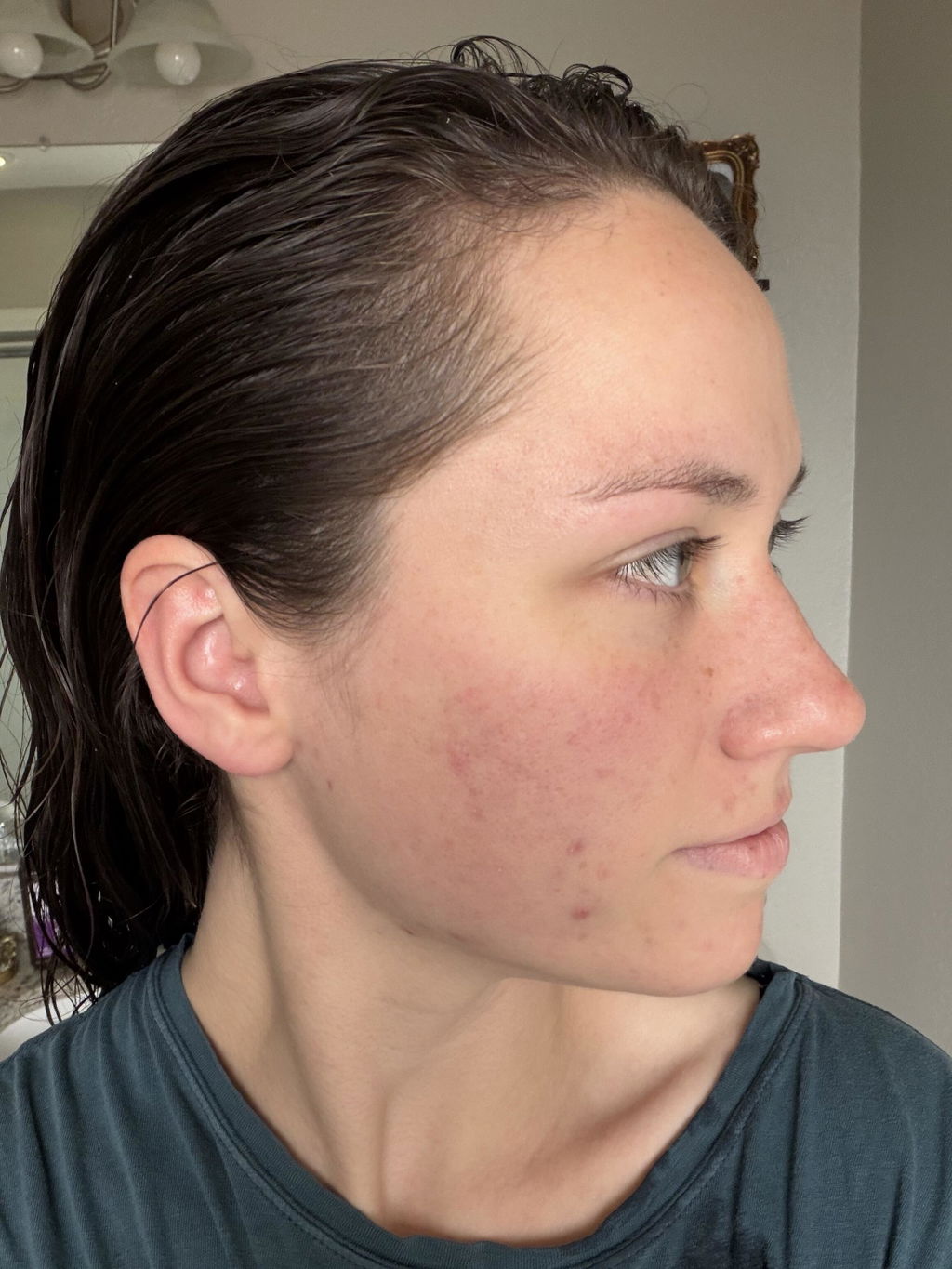
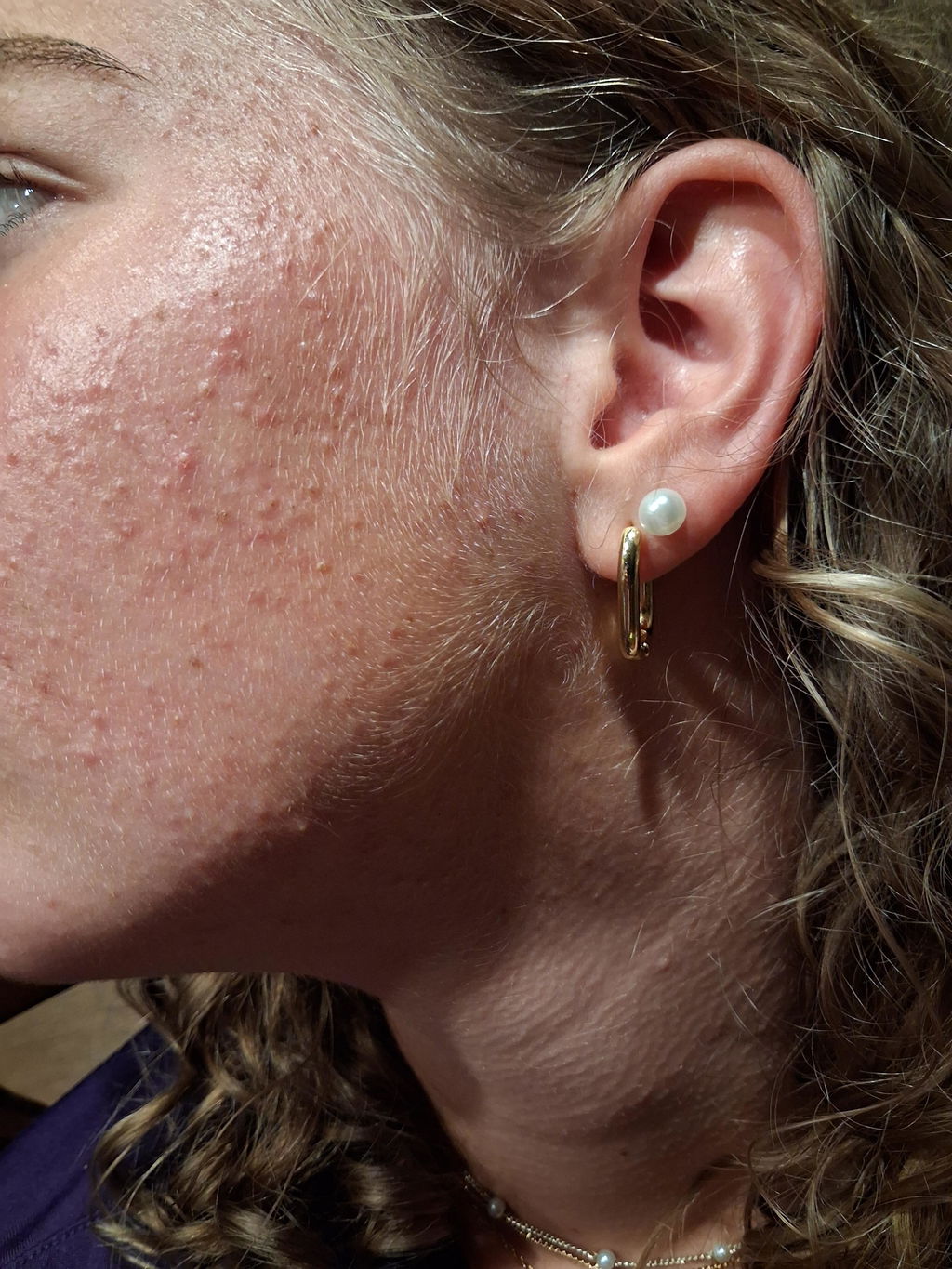
Cheek breakouts are inflammation breakouts. In TCM, the cheeks correspond to the Lungs and Large Intestine, which share a paired meridian relationship. Modern science maps onto this neatly. The lungs and gut share mucosal immune tissue, and colonic dysbiosis drives systemic low-grade inflammation that surfaces on the face.
When your colon produces fewer short-chain fatty acids like butyrate, your mucus layer thins, your gut barrier loosens, and inflammatory signals travel. Butyrate is a postbiotic, the finished product of fiber fermentation that calms inflammation locally and systemically. The cheeks, with thinner skin and high reactivity, show the loss first. You will see redness, sensitivity, small papules, and a tendency to flush.
The other cheek culprits are mechanical. Phone screens, pillowcases, mask occlusion, and sometimes Demodex mites or Malassezia overgrowth all concentrate here. Byrd, Belkaid, and Segre's 2018 review in Nature Reviews Microbiology detailed how skin microbiome disruption contributes to inflammatory skin disease, which is why being aggressive with harsh actives often backfires on the cheeks.
Support strategy:
- Feed the colon with prebiotic fiber like oats, leeks, asparagus, and green bananas.
- Add fermented foods like kefir, sauerkraut, and kimchi a few times a week.
- Include omega-3 sources such as sardines, flax, and walnuts.
- For long-standing barrier issues, mineral-rich sea moss provides trace minerals that support mucosal tissue from the inside.
- Topically, a pH-balanced cleanser, a ceramide or panthenol moisturizer, and a barrier-repairing tallow cream overnight if your skin feels tight, raw, or reactive.
Wash that pillowcase. Clean your phone screen. Stop scrubbing inflamed cheeks with grainy exfoliants and acid layers. Cheek skin calms when you stop attacking it and start feeding the gut underneath.
Nose: Heart, Stomach, and Circulation
The nose carries the largest, most active sebum-producing glands on the face. In TCM, it reflects the Heart at the tip and the Stomach and Spleen at the sides. In modern terms, this is the rosacea zone. It tracks circulatory load, blood-sugar dysregulation, oxidative stress, and upper-GI status.
Persistent nasal redness, visible vessels, and pustules are worth taking seriously. Parodi and colleagues in 2008, in Clinical Gastroenterology and Hepatology, showed that SIBO was significantly more prevalent in rosacea patients, and that eradication led to skin improvement. There is also a clinical link between Helicobacter pylori and rosacea that has been observed across several studies, though the evidence is still developing.
Low stomach acid, alcohol, spicy foods, and histamine-rich foods all dilate the small vessels of the nose and feed both Cutibacterium acnes and Demodex there. If you flush after wine, get pustules along the sides of your nose, and have any digestive looseness, those things are connected. Your nose is telling you about your upper gut.
What helps:
- Reduce alcohol, very spicy foods, and known histamine triggers if flushing is prominent.
- Support stomach acid with bitters or a splash of apple cider vinegar before meals when it suits you.
- Avoid harsh scrubs and stripping cleansers that worsen visible vessels.
- Many women find omega-3, zinc, and quercetin supportive for nose-prominent skin.
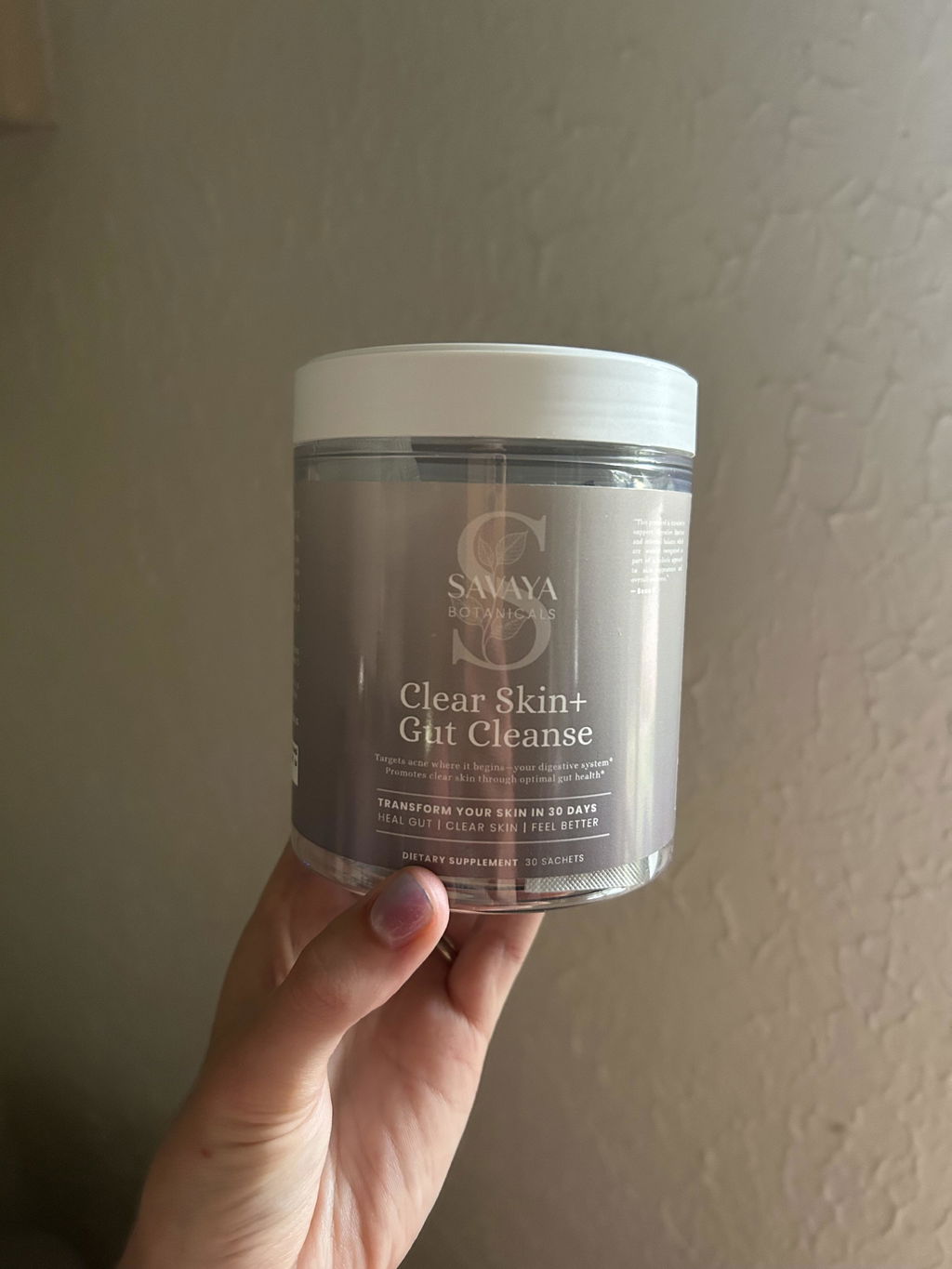
- If you want a daily addition that supports both gut and skin together, Clear Skin+ Max Detox is formulated to help support this connection.
Topically, azelaic acid, niacinamide, and a daily mineral SPF are the core. Everything else is decoration on a nose that needs internal calm.
Temples: Liver, Bile, and Lymph
Temple breakouts get ignored because they hide behind hair. They should not be. In TCM, the temples are governed by the Liver, Gallbladder, and Kidney meridians, classically tied to detoxification and bile flow. In modern terms, this zone tracks hepatic load, sluggish bile, and lymphatic stagnation from jaw tension.
Bile flow matters more than people realize. When bile moves slowly, your body clears endotoxins like lipopolysaccharide less efficiently, and those endotoxins drive systemic inflammation that surfaces on the skin. Alcohol, ultra-processed food, and chronic stress all add to that hepatic load. The temples react.
The mechanical layer is real too. Sunglasses arms, baseball cap bands, hair waxes, and headphones all create occlusion in this exact strip. So when a client tells me her temple acne started after a new gym hat, I believe her.
Support plan:
- Eat bitter greens like arugula, dandelion, and radicchio, plus beets, artichoke, and lemon water to support bile flow.
- Hydrate properly. Sluggish elimination of any kind shows up here first.
- Try facial gua sha and daily walking to move lymph out of the upper face.
- Reduce alcohol for two weeks and watch this zone specifically. Many women see noticeable change.
- For collagen and skin matrix support during a detox phase, bioavailable collagen support pairs well with bile-flow work.
Topically, keep it simple. A gentle cleanser, niacinamide, and SPF. Spot-treat with salicylic or azelaic acid when needed, and reassess any hair product that lands in this strip.
How the Gut-Skin Axis Ties It All Together
Step back and look at the whole face. Every zone has a gut input. Hormonal clearance through the estrobolome. Insulin and IGF-1 from the digestive system. Inflammation from a leaky gut barrier. SIBO and stomach acid in the upper GI. Bile and endotoxin handling in the liver and gallbladder. The vagus nerve and HPA axis tie the whole conversation together.
Deng and colleagues in 2018, in Acta Dermato-Venereologica, showed that people with acne have a distinctly different gut microbiota composition and reduced diversity compared to clear-skinned controls. The gut and skin are not two separate systems. They are one continuous conversation.
This is why a single perfect serum will never resolve acne that keeps returning to the same spot. The spot is a symptom. The system is the cause. If you recognized yourself in two or three zones at once, that is the most common pattern I see, and it usually means the gut barrier needs steady support before another acid in your routine.
Frequently Asked Questions
What is face mapping?
Face mapping is a diagnostic framework that links specific facial zones to specific internal organ systems. It originated in Traditional Chinese Medicine and is increasingly supported by modern research into the gut-skin axis, hormone metabolism, and the skin microbiome. It is a tool for spotting patterns, not a replacement for medical care.
Why does acne keep appearing on my jawline?
Jawline acne is almost always hormonal. The sebaceous glands in the lower third of the face have a high density of androgen receptors, so insulin, IGF-1, and DHT amplify sebum production right there. An imbalanced estrobolome that recycles estrogen poorly plus cortisol from chronic stress create the classic premenstrual cyst pattern.
How long until gut work shows up on my skin?
Skin cell turnover takes roughly 28 days, and deeper gut changes take longer to register. Many women notice initial calm in 4 to 6 weeks, with more durable change at 8 to 12 weeks. Hormonal patterns often need at least two full menstrual cycles before you can fairly judge what is shifting.
Can changing my diet really move where acne shows up?
Yes, and predictably. Lowering high-glycemic foods and dairy often softens jawline cysts. Eating earlier and lowering refined carbs at night often calms the forehead. Reducing alcohol and histamine triggers often settles the nose. Adding prebiotic fiber and fermented foods supports the cheeks.
Is face mapping scientifically proven?
The exact one-to-one organ assignments from classical TCM are not formally validated in controlled trials. However, the underlying mechanisms behind each zone, hormonal acne on the jaw, insulin and sleep on the forehead, gut barrier inflammation on the cheeks, SIBO and rosacea on the nose, and hepatic load on the temples, are all supported by current research.
• • •
If your skin keeps repeating the same map, listen to it and start with the loudest zone, supporting the system underneath rather than layering another acid on top. The face is honest, and the gut is the messenger.