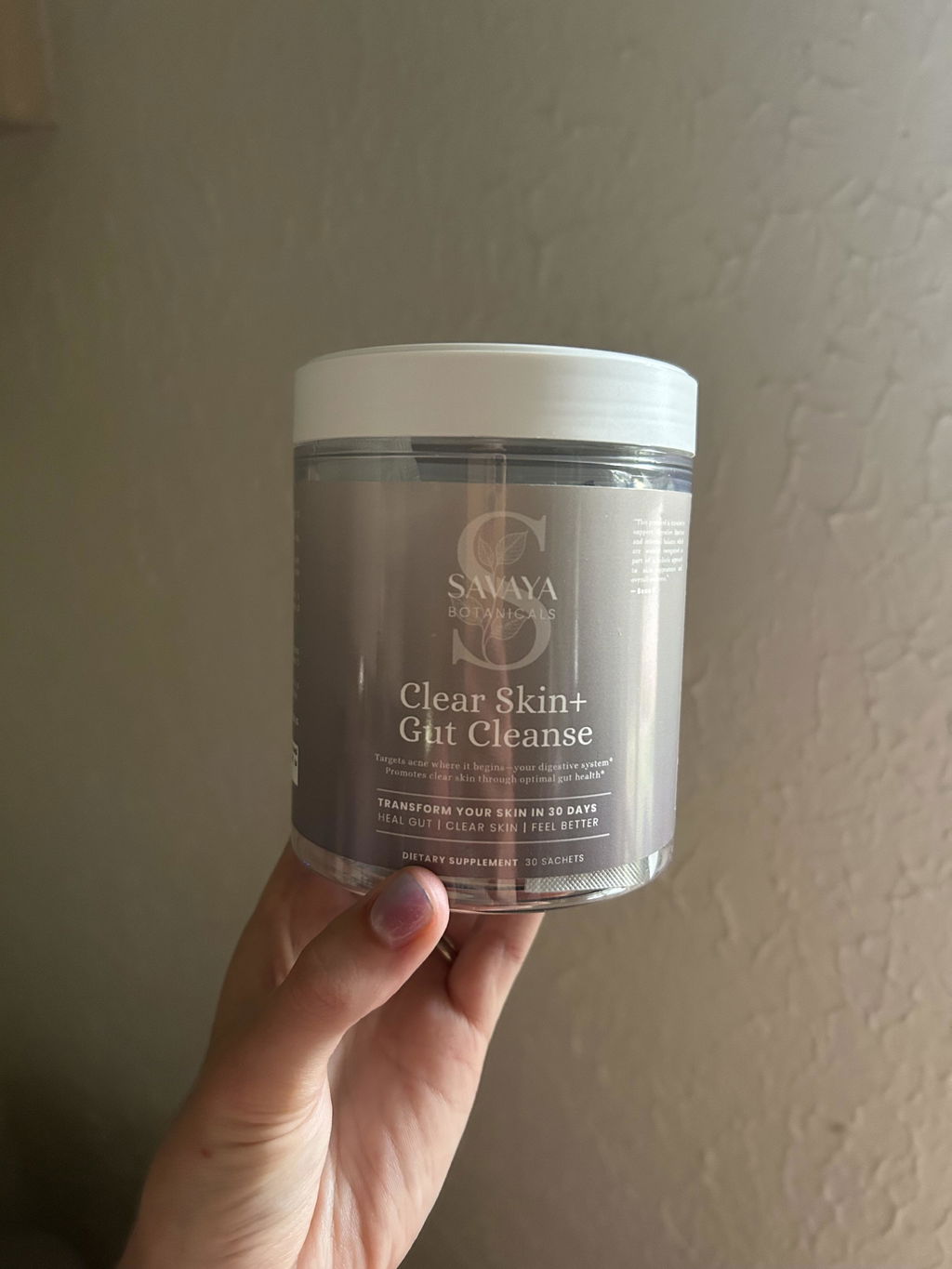
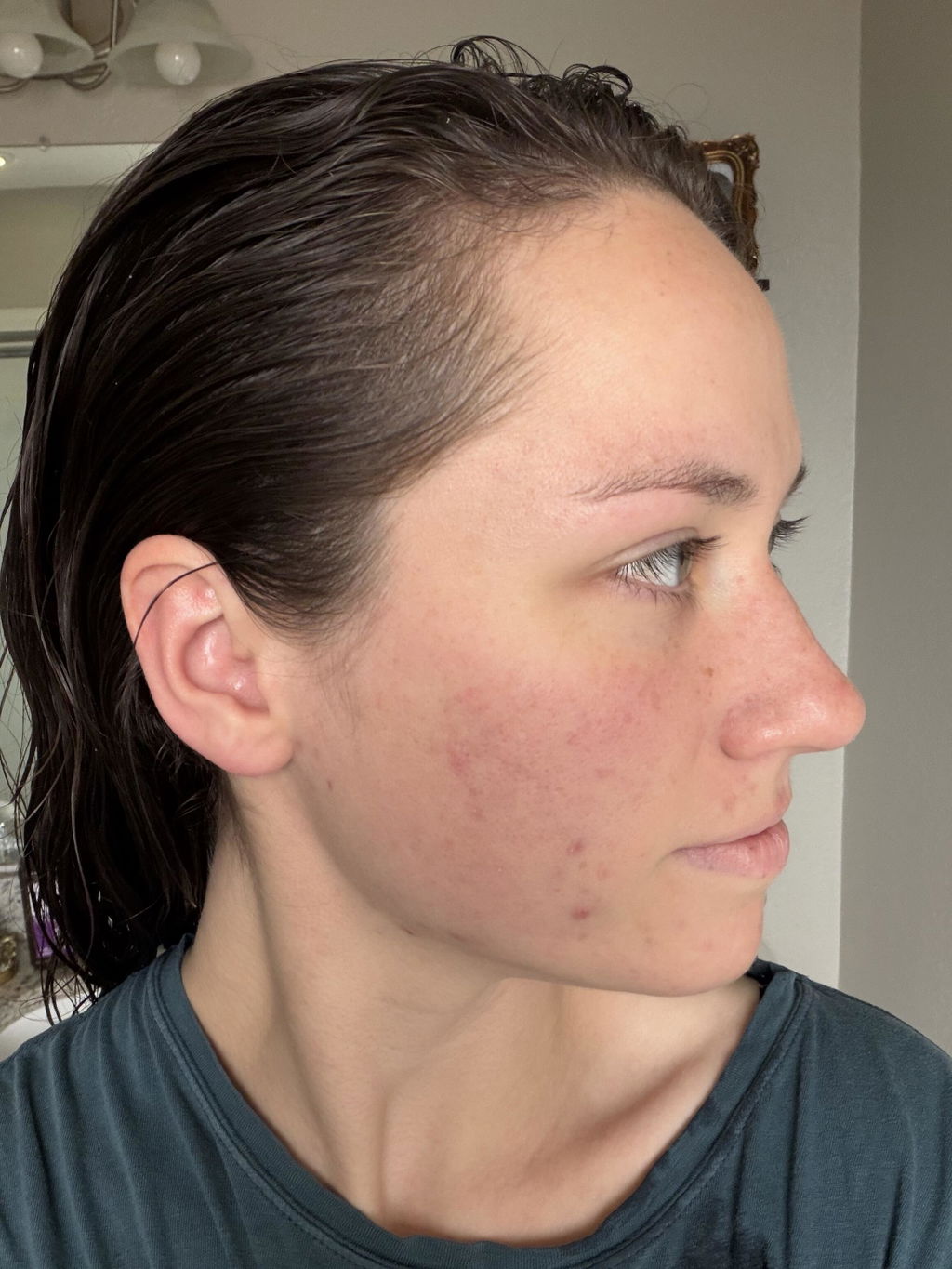
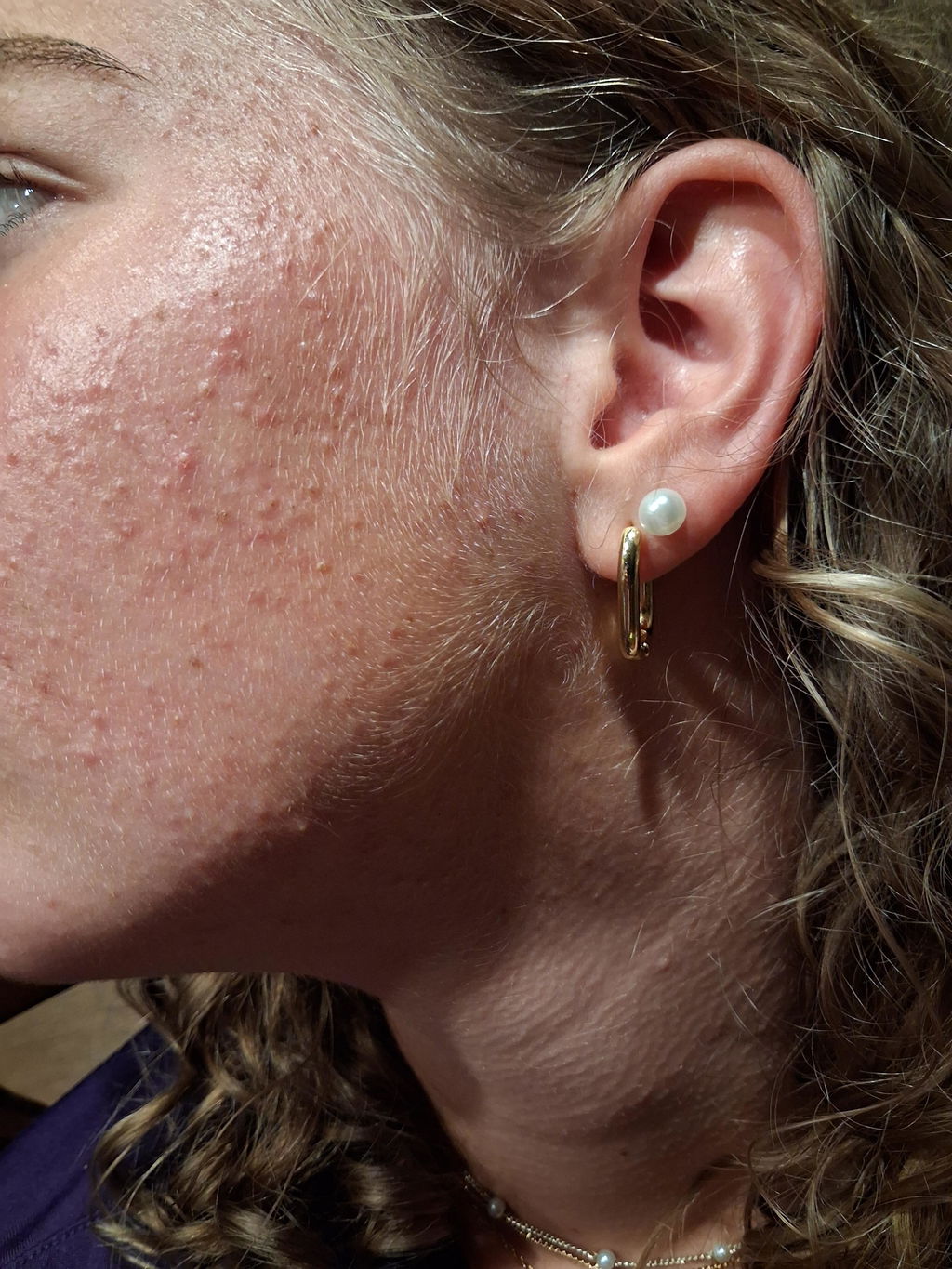
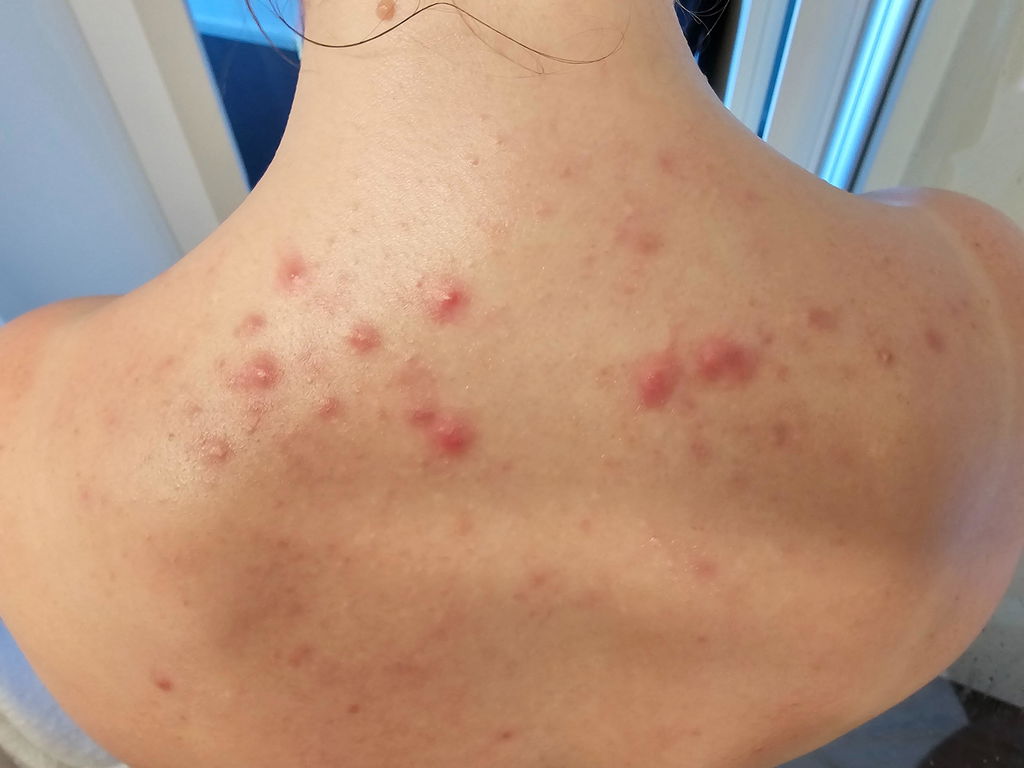
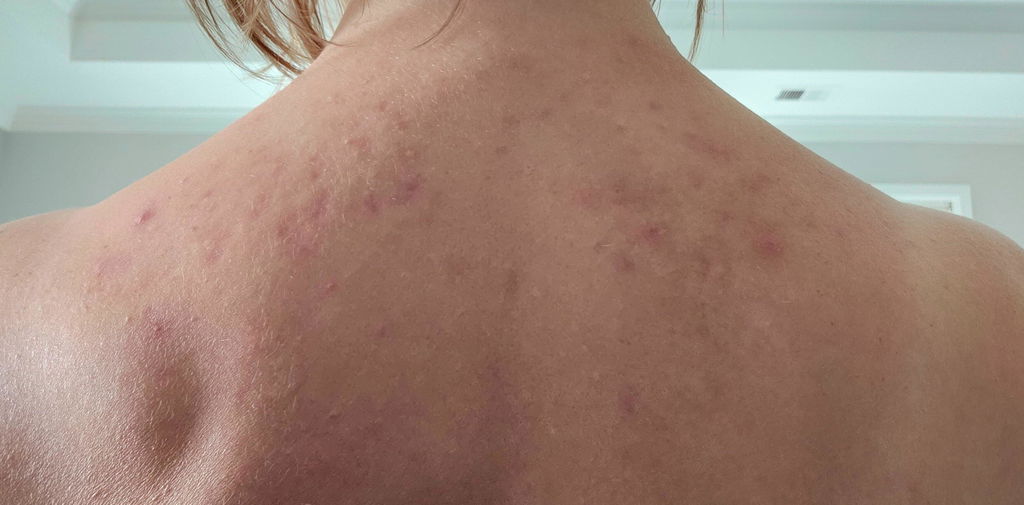
Four years. That's how long I spent chasing clear skin in all the wrong places.
I had a cabinet full of acid toners, prescription retinoids, clay masks, and sulfur spot treatments. I tracked my cycle for hormonal breakouts. I switched pillowcases every two days. I cut dairy, then gluten, then sugar — one at a time, methodically, with a color-coded food journal. And still, every single morning, I pressed my fingers against my jaw and felt new inflammation rising under the skin.
The turning point came at 2 a.m. on a Tuesday, deep in a research rabbit hole, when I stumbled across a 2021 paper in the journal Frontiers in Microbiology linking intestinal permeability — commonly called leaky gut — to inflammatory skin conditions including acne, rosacea, and eczema. Not as a vague "wellness" concept, but as a measurable, testable physiological state with a specific protein marker: zonulin.
That night changed everything. Here's what I learned — and what I wish someone had told me four years earlier.
———
What Leaky Gut Actually Is (The Science, Not the Buzzword)
Your small intestine is lined with a single layer of epithelial cells, connected at their edges by structures called tight junctions. Think of these junctions as a drawbridge: when healthy, they open just wide enough to let fully digested nutrients through and stay firmly closed to everything else — undigested food particles, bacterial endotoxins, and pathogens.
Leaky gut, formally called increased intestinal permeability, happens when those tight junctions loosen. The gatekeeper stops gatekeeping. Partially digested proteins, lipopolysaccharides (LPS) from bacterial cell walls, and other inflammatory molecules slip into your bloodstream — triggering a systemic immune response that shows up, among many other places, as inflammation in your skin.
The protein zonulin is the master regulator of these tight junctions. When zonulin levels rise — triggered by gluten, certain bacteria, chronic stress, or dysbiosis — the junctions open wider than they should. A 2019 study in Nutrients found elevated serum zonulin in patients with acne vulgaris compared to healthy controls, suggesting intestinal permeability as an upstream driver of the inflammatory cascade that ends in a breakout.
This is why no topical product could fix what was happening on my skin. The inflammation wasn't starting at my pores. It was starting in my gut lining — 25 feet of it — and by the time it reached my face, it was the last stop on a very long journey.
———
How to Test for Intestinal Permeability
Before I committed to a full gut repair protocol, I wanted to confirm I was actually dealing with leaky gut and not something else. There are a few reliable ways to test:
- Serum Zonulin Test: A blood test measuring circulating zonulin levels. Elevated levels (above ~47 ng/mL depending on the lab) suggest compromised tight junction integrity. This is the most accessible functional medicine marker.
- Lactulose/Mannitol Urine Test: You drink a solution of two sugars; lactulose (large molecule) shouldn't cross a healthy gut lining, but mannitol (small molecule) should. An elevated lactulose-to-mannitol ratio indicates permeability. Considered the gold standard in research settings.
- Lipopolysaccharide (LPS) Binding Protein: Elevated LPS-BP in blood suggests bacterial endotoxins are crossing the gut barrier — a direct downstream effect of permeability.
- Comprehensive Stool Analysis (GI-MAP or similar): While not a permeability test specifically, a DNA-based stool panel can identify the dysbiosis, pathogens, and inflammatory markers (like calprotectin) that both cause and result from a leaky gut.
My own zonulin came back elevated. So did my LPS-binding protein. Seeing those numbers made the next step feel less overwhelming — I finally had something real to work with.
———
The 4R Protocol: A Framework That Actually Works
The 4R Protocol was developed by functional medicine practitioners as a structured approach to gut restoration. It's not a one-week cleanse. It's a phased, sequential process — and the sequence matters. Here's how I worked through it over 12 weeks.
Phase 1 — Remove (Weeks 1–3)
Remove the triggers that are perpetuating intestinal permeability. For most people with leaky gut and skin issues, this means:
- Gluten — the primary dietary trigger of zonulin release, per research by Dr. Alessio Fasano at Harvard
- Refined sugar and alcohol — both feed pathogenic bacteria and directly damage tight junctions
- Conventional dairy — A1 casein protein is a common inflammatory trigger (A2 dairy or goat milk may be better tolerated)
- NSAIDs and unnecessary medications — ibuprofen and aspirin are documented gut permeability disruptors
- Chronic stressors — cortisol directly increases intestinal permeability; this phase is also when I implemented a non-negotiable sleep boundary
I also started a gentle gut cleanse protocol to begin clearing accumulated debris and begin shifting the microbial environment before the repair phases began. This isn't about being aggressive — it's about creating a cleaner slate for rebuilding.
Phase 2 — Replace (Weeks 3–6)
Replace what's missing to support proper digestion. A leaky gut is almost always accompanied by compromised digestive function — low stomach acid, insufficient enzymes, sluggish bile flow. When food isn't fully broken down, larger molecules reach the gut lining and increase permeability risk.
- Digestive enzymes with each meal (look for lipase, protease, amylase)
- Betaine HCl if low stomach acid is suspected (test: if taking it causes no burning, acid is likely low)
- Bile support — ox bile or dandelion root for fat-soluble nutrient absorption
- Bitter herbs — gentian, artichoke, and ginger to stimulate gastric secretions naturally
This is also when I introduced sea moss, which provides 92 bioavailable minerals including iodine, potassium, and magnesium — nutrients that support the mucosal lining of the digestive tract and that are often depleted in people with long-term gut issues. The gel-like consistency of sea moss also helps coat and soothe the intestinal wall directly.
Phase 3 — Re-Inoculate (Weeks 5–9)
Re-inoculate with beneficial bacteria and the fibers that feed them. This phase overlaps with Phase 2 and continues through most of the protocol.
- Probiotics: Lactobacillus rhamnosus GG and Lactobacillus reuteri are the most studied strains for intestinal permeability specifically. A 2017 clinical trial in Gut Microbes showed L. rhamnosus supplementation significantly reduced intestinal permeability markers in subjects with IBS.
- Fermented foods: Kefir, kimchi, miso, and sauerkraut introduce diverse live cultures alongside enzymes and organic acids
- Prebiotic fibers: Jerusalem artichoke, green banana, cooked-then-cooled potato (resistant starch), and chicory root selectively feed beneficial bacteria
- Polyphenol-rich foods: Blueberries, pomegranate, cacao, and green tea act as prebiotics AND reduce intestinal inflammation
Skin changes started becoming visible for me around week 6. Not dramatic — fewer new breakouts rather than overnight clearing. But real, and consistent.
Phase 4 — Repair (Weeks 7–12)
Repair the gut lining itself using targeted nutrients that rebuild the epithelial cells and tight junction proteins. This is the phase most people skip — and the reason many gut protocols produce short-term improvement followed by relapse.
- L-Glutamine: The primary fuel source for intestinal epithelial cells. Research suggests 5–10g/day helps restore tight junction integrity. This is the single most evidence-backed nutrient for gut lining repair.
- Zinc carnosine: A chelated form of zinc that specifically supports the gut mucosal barrier — shown in studies to reduce intestinal permeability and improve tight junction protein expression
- Collagen peptides: Provide glycine, proline, and hydroxyproline — the amino acid building blocks of the gut lining. This is also where my skin started visibly improving. I used collagen strips daily as my primary collagen source during this phase — easy to add to my morning routine, and I noticed improved skin texture within weeks
- Vitamin D3 + K2: Low vitamin D is consistently correlated with intestinal permeability in clinical data; D3 has direct tight junction-supporting effects
- Butyrate (or butyrate-producing foods): Short-chain fatty acid produced from fiber fermentation that is the primary fuel of colon cells and a key regulator of barrier function
- Slippery elm, deglycyrrhizinated licorice (DGL), and marshmallow root: Demulcent herbs that soothe and protect the gut mucosa
For a simpler daily version of this approach, I eventually added a dedicated acai detox blend that helps support my skin routine, which I wish I had found at the very beginning.
———
Your 12-Week Skin-Clearing Timeline: What to Expect
Realistic milestones matter. This is not a two-week fix. Here's what the actual progression looks like:
- Weeks 1–2: Adjustment period. Some people experience a temporary worsening of skin (a "purge" as the microbiome shifts) and digestive changes. This is normal. Energy and bloating often improve first.
- Weeks 3–4: Inflammation begins reducing systemically. You may notice less redness and fewer new inflammatory lesions. Skin texture can feel calmer even before breakouts fully clear.
- Weeks 5–7: Microbiome diversity is rebuilding. Many people notice improved digestion, reduced bloating, and the first clear stretches — periods of 5–7 days without new breakouts, which may be unprecedented.
- Weeks 8–10: Gut lining integrity is measurably improving. Skin clearing becomes more consistent. Old marks begin to fade more quickly as systemic inflammation drops.
- Weeks 11–12: Consolidation. Most people are seeing their clearest skin to date — not because the gut is "fixed," but because the inflammatory loop driving their skin issues has been interrupted at the source.
I also added a clean, nourishing topical to support my skin barrier during this period — tallow cream at night, which is deeply compatible with human skin lipids and helped my compromised barrier recover while the internal work was happening. Topicals aren't the whole answer, but supporting the skin barrier from the outside while healing from the inside creates a real synergy.
———
The Bottom Line
If you've been treating your skin as a skin problem — and not getting the results you deserve — this is your invitation to look deeper. The research on the gut-skin axis is no longer fringe. Zonulin, tight junction integrity, LPS translocation, microbial diversity: these are measurable, real mechanisms that connect what's happening in your intestinal lining to what's happening on your face.
Four years of topicals taught me that the surface is almost never the source. Healing leaky gut took patience, but it was the first approach that actually worked — because it addressed the actual problem.
If you're ready to start, a complete gut detox protocol is the fastest way to begin systematically moving through the Remove and Replace phases — without having to research and stack each piece individually.
Your skin is waiting for you to make this shift. And unlike another acid toner, this one actually goes to the root.
———
Frequently Asked Questions
How do I know if my acne is caused by leaky gut?
Key signs that intestinal permeability may be driving your skin issues include: acne that's primarily inflammatory (red, cystic, or painful rather than comedonal), breakouts that don't respond to topical treatments, simultaneous digestive symptoms like bloating or irregular bowels, skin flares that correlate with diet, stress, or antibiotic use, and acne that worsens during periods of high stress. A serum zonulin test or comprehensive stool analysis can provide objective confirmation, but the symptom pattern alone is often revealing.
How long does it take to heal a leaky gut?
Research and clinical experience suggest that meaningful improvement in intestinal permeability markers can occur within 8–12 weeks of a structured protocol. However, full restoration — particularly of microbial diversity — can take 6–12 months of consistent effort. The 4R protocol provides the most evidence-backed framework, and most people see measurable skin changes by weeks 6–8, with more substantial clearing by week 12.
What foods should I avoid if I have leaky gut and acne?
The highest-impact foods to eliminate during gut repair are gluten (the primary dietary zonulin trigger), refined sugar and processed carbohydrates, conventional dairy (particularly A1 casein), alcohol, industrial seed oils (canola, soy, corn oil), and artificial additives. Many people also need to temporarily reduce high-FODMAP foods if bacterial overgrowth (SIBO) is co-occurring. The Remove phase of the 4R protocol addresses this systematically.
Is the gut-skin connection scientifically supported?
Yes — the gut-skin axis is an active area of clinical research. Studies have found elevated zonulin and intestinal permeability markers in patients with acne vulgaris, rosacea, and eczema. Probiotic interventions have shown measurable reductions in inflammatory acne lesions in randomized controlled trials. Researchers at Harvard's Mucosal Immunology Laboratory (led by Dr. Alessio Fasano) have extensively documented how zonulin regulates tight junction permeability, and how this drives systemic inflammation including dermatological manifestations.
Can I take supplements for leaky gut while pregnant or breastfeeding?
Always consult a qualified healthcare practitioner before beginning any supplement protocol during pregnancy or breastfeeding. Many of the dietary components of the 4R protocol — fermented foods, collagen-rich broths, prebiotic vegetables, and reduced sugar intake — are generally considered safe, but specific supplements including high-dose L-glutamine, DGL licorice, and herbal bitters should only be used under professional guidance during these periods.