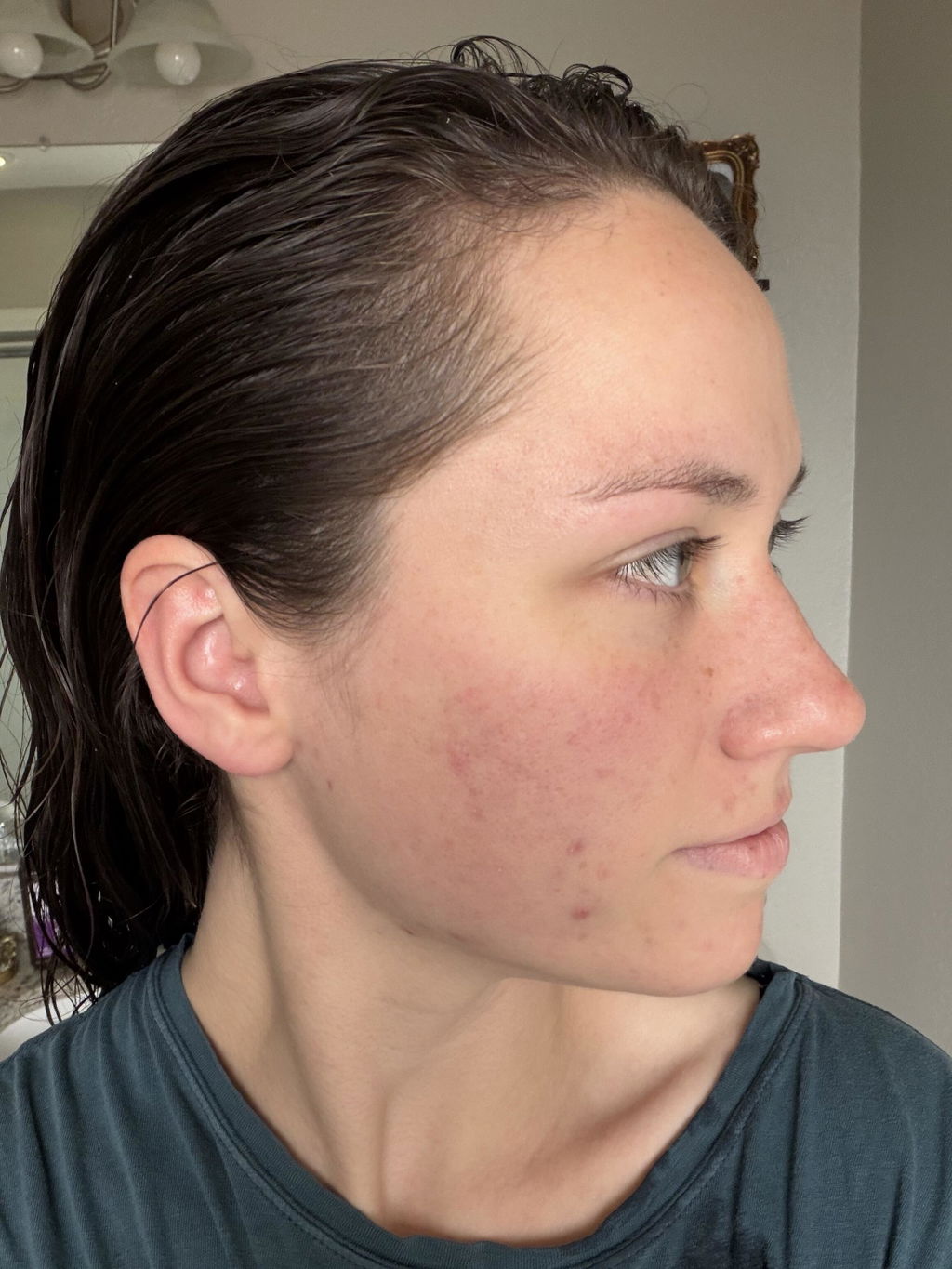
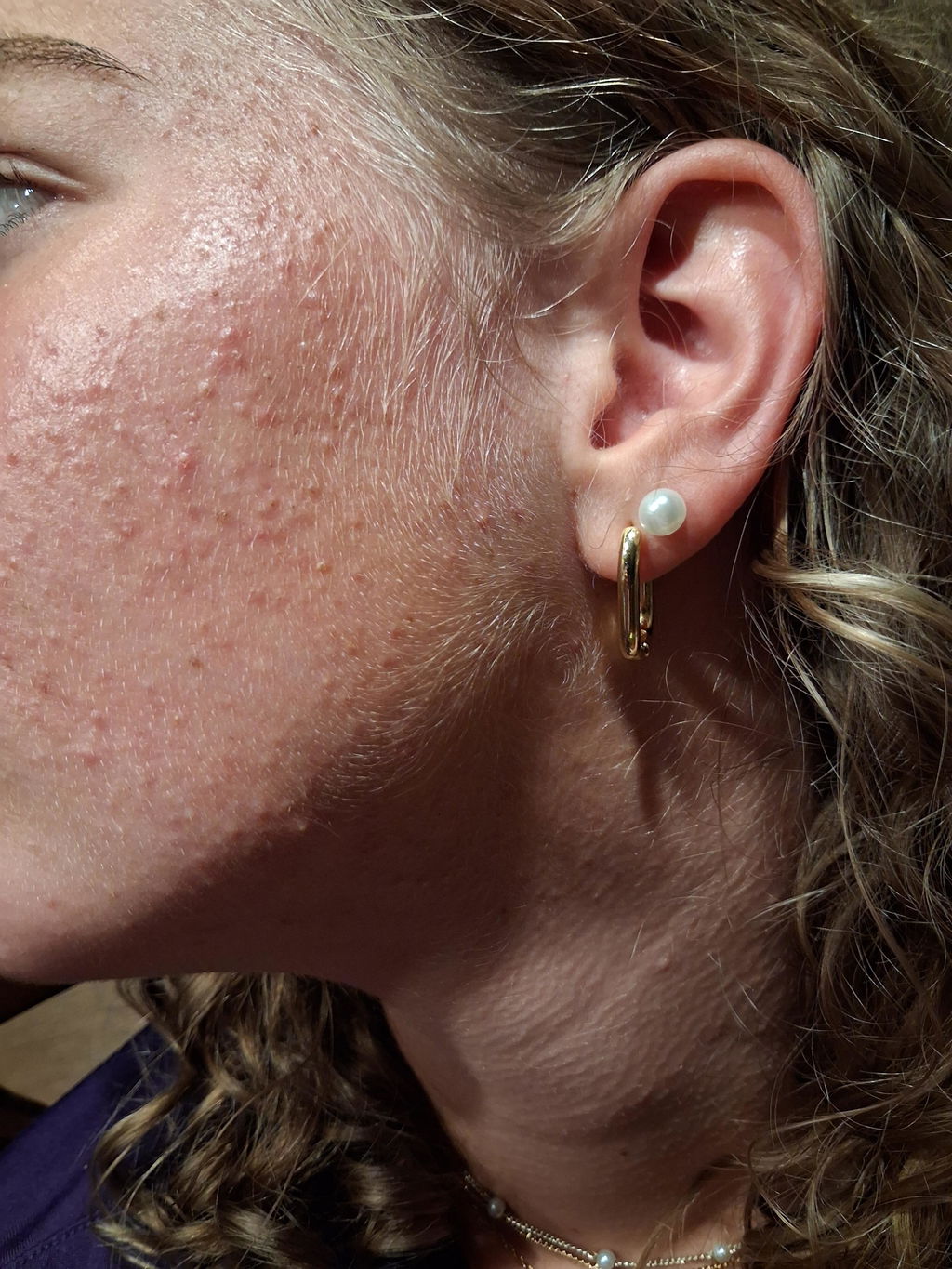
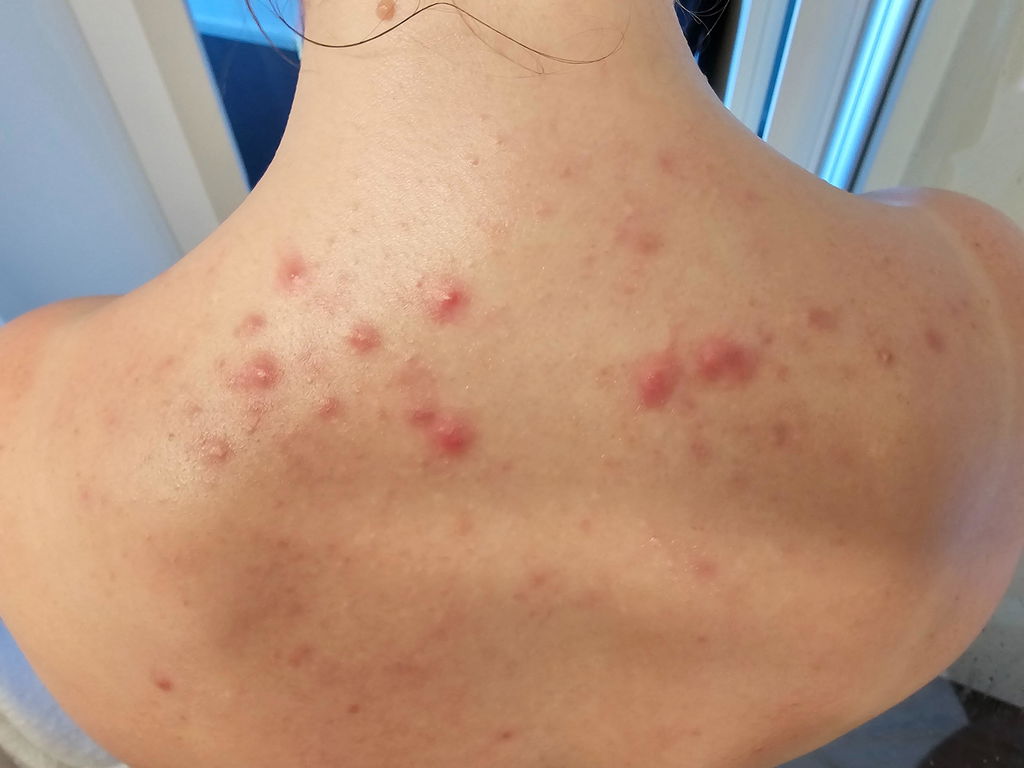
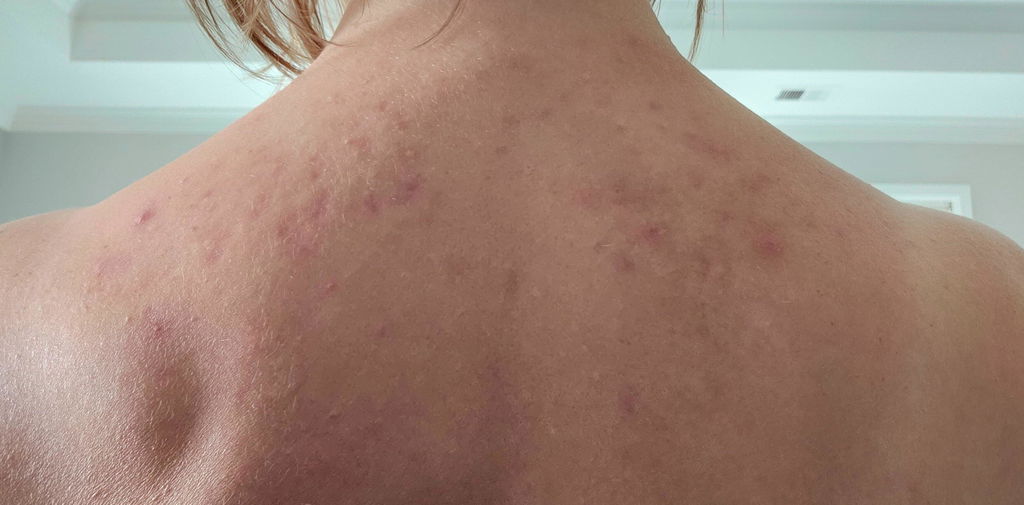
Last year, I sat across from a 28-year-old client who'd spent $14,000 on dermatology visits, prescription retinoids, and "medical-grade" skincare. Her jawline was still covered in deep, painful cystic acne. I asked her one question: "How much dairy do you eat?" She looked at me like I'd asked something absurd. "Dairy? I eat Greek yogurt every morning. It's healthy."
Within six weeks of removing dairy, her skin was clearer than it had been since she was fifteen.
I'm Sarah Mitchell, and after twelve years as a holistic health practitioner, I've lost count of how many times I've watched this exact scenario play out. The dairy-acne connection isn't some fringe theory anymore. The research is stacked so high that ignoring it feels almost negligent. So let's walk through exactly what the science says — and why your morning latte might be doing more damage than you think.
———
The IGF-1 Mechanism: How Dairy Hijacks Your Skin at the Cellular Level
Every glass of milk — whether organic, grass-fed, or straight from a high-end farmers' market — contains insulin-like growth factor 1 (IGF-1). This is not a contaminant. It's a naturally occurring growth hormone designed to turn a 65-pound calf into a 700-pound cow in under a year.
When you consume dairy, your blood levels of IGF-1 rise measurably. A 2012 study published in the Journal of the American Academy of Dermatology confirmed that elevated serum IGF-1 directly stimulates sebaceous gland activity, increases sebum production, and promotes the proliferation of keratinocytes — the cells that line your pores. When those cells multiply too fast, they clog pores. When sebum overflows into a clogged pore, you get inflammation. When bacteria feed on that environment, you get a breakout.
Here's what makes this insidious: IGF-1 doesn't just cause acne on the surface. It activates the mTORC1 signaling pathway — the same growth pathway implicated in metabolic syndrome and certain cancers. A 2019 review in Nutrients by Professor Bodo Melnik described the Western diet's activation of mTORC1 as "the driving force of acne." Dairy, the researchers noted, is the single most potent dietary activator of this pathway.
This is not about "bad" milk from "bad" farms. This is the fundamental biology of mammalian milk doing exactly what it was designed to do: promote rapid cellular growth.
Casein A1 vs. A2: The Protein Nobody Talks About
Most conventional dairy in the United States comes from Holstein cows, which produce a protein called beta-casein A1. When A1 casein is digested, it releases a peptide called beta-casomorphin-7 (BCM-7). Research published in the European Journal of Clinical Nutrition (2014) showed that BCM-7 triggers inflammatory responses in the gut lining, increases intestinal permeability, and promotes systemic inflammation.
That systemic inflammation shows up on your face.
A2 casein — found in milk from Jersey cows, goats, and sheep — does not release BCM-7. This is why some people can tolerate certain cheeses (like aged Pecorino or goat feta) while regular milk destroys their skin. It's not about willpower or "sensitivity." It's about which protein your body is processing.
A 2016 trial published in Nutrition Journal found that participants consuming A1 milk had significantly higher levels of inflammatory markers compared to those consuming A2 milk. For acne sufferers, that difference can mean the gap between a clear jawline and a painful flare-up.
But even A2 dairy still contains IGF-1. So while switching to A2 may reduce inflammation, it doesn't eliminate the growth signaling problem. For anyone dealing with hormonal or cystic acne, even A2 dairy is worth examining.
Whey Protein and Acne: The Gym Breakout Explained
If you've ever started a protein shake habit and watched your skin erupt within two weeks, you're not alone — and you're not imagining it.
A 2013 study in Anais Brasileiros de Dermatologia followed male athletes who supplemented with whey protein. 100% of participants developed acne within two months of starting supplementation. When they stopped whey, the acne resolved.
Whey is the liquid fraction of milk — and it's an extraordinarily potent insulin spike trigger. Research shows whey protein raises postprandial insulin levels by 90% compared to white bread (a food already known for its high glycemic impact). That insulin surge amplifies IGF-1 signaling and directly stimulates androgen receptor activity in the skin.
A 2017 case series in Health Promotion Perspectives documented five separate cases of whey protein-induced acne in young adults, all resolving completely after discontinuation. If you're chasing gains in the gym but losing the fight with your skin, whey is the first thing to eliminate — before you spend another dollar on topical treatments.
The Harvard Nurses' Health Study: 47,000 Women Can't Be Wrong
The largest epidemiological study on dairy and acne to date came from Harvard. Researchers followed 47,355 women as part of the Nurses' Health Study II and found that women who consumed two or more servings of skim milk per day were 44% more likely to have been diagnosed with acne than those who consumed less than one serving per week.
A follow-up study on 6,094 girls (ages 9-15) found similar results: higher dairy consumption was associated with significantly higher acne prevalence. A third Harvard study on 4,273 boys confirmed the same pattern.
The skim milk finding surprised a lot of people. You'd expect whole milk — with its higher fat content — to be worse. But skim milk actually concentrates the whey proteins and hormones relative to volume. When you remove the fat, what remains is essentially a concentrated hormonal cocktail. The researchers specifically noted that skim milk had a stronger association with acne than whole milk or cheese.
Three studies. Over 57,000 participants. All pointing in the same direction. At some point, the evidence stops being "interesting" and starts being undeniable.
Hormones in Dairy: Even Organic Won't Save You
Here's the part that frustrates a lot of my clients: organic dairy still contains hormones. USDA Organic certification means the cows weren't given synthetic growth hormones (rBST). It does not mean the milk is hormone-free.
Dairy cows are milked during pregnancy — often for up to 220 days of their 280-day gestation. A study in Pediatrics International (2010) found that commercial milk from pregnant cows contained measurable levels of estrogen, progesterone, and 5α-pregnanedione. Late-pregnancy milk contained up to 33 times more estrogen than milk from non-pregnant cows.
These aren't synthetic additives. These are naturally occurring reproductive hormones that are present whether the farm is organic, grass-fed, pasture-raised, or conventional. The cow is pregnant. Her milk contains her pregnancy hormones. That's biology, not farming practice.
A 2010 study published in Medical Hypotheses by F.W. Danby connected these reproductive hormones directly to the 5-alpha reductase enzyme activity in human skin — the same enzyme targeted by pharmaceutical acne drugs like spironolactone. You're essentially getting a low-grade hormonal input with every glass.
Why Some People Tolerate Dairy and Others Don't
I hear this constantly: "But my friend eats cheese every day and her skin is perfect." Fair point. Here's why.
Lactase persistence — the ability to digest lactose into adulthood — varies dramatically by ancestry. About 95% of Northern Europeans retain lactase activity, compared to roughly 5-10% of East Asians and 60-70% of people of African descent. If your body can't properly break down lactose, the resulting gut inflammation amplifies every other mechanism we've discussed.
But lactase is only part of the picture. Your gut microbiome composition determines how efficiently you metabolize dairy hormones and whether those metabolites get recirculated or eliminated. A 2020 study in Gut Microbes demonstrated that individuals with higher populations of Bifidobacterium and Lactobacillus cleared dairy-derived estrogen metabolites significantly faster than those with dysbiotic gut profiles.
In plain language: if your gut is healthy and diverse, you can process dairy's hormonal load more efficiently. If your gut is compromised — from antibiotics, stress, processed food, or chronic inflammation — dairy's effects hit harder and last longer.
This is why I always address the gut first. You can't just eliminate dairy and expect miracles if the underlying microbial ecosystem is already damaged. A targeted gut cleanse protocol helps restore the bacterial diversity your body needs to process what you eat — dairy or otherwise.
What to Drink Instead: Dairy Alternatives That Support Your Gut and Skin
Eliminating dairy doesn't mean living in deprivation. But not all alternatives are created equal. Here's what I recommend based on gut health, nutrient density, and real-world results with my clients:
- Coconut milk (full fat): Contains lauric acid, which has antimicrobial properties. Supports the gut lining. Look for brands without guar gum or carrageenan.
- Oat milk (gluten-free): Contains beta-glucan fiber that feeds beneficial gut bacteria. Choose brands without added oils.
- Hemp milk: Balanced omega-3 to omega-6 ratio, anti-inflammatory. Naturally low in allergens.
- Almond milk (homemade or minimal ingredient): Low calorie, but also low in protein. Works best as a coffee addition rather than a primary milk replacement.
What I tell every client: the switch from dairy isn't just about removing a trigger. It's about replacing it with something that actively builds you up. A mineral-rich whole food like wildcrafted sea moss delivers 92 of the 102 minerals your body needs — including zinc, selenium, and iodine — which directly support skin cell turnover and thyroid function. Many of my clients add it to their morning smoothie as their dairy replacement ritual.
Building a Clear-Skin Protocol Without Dairy
Removing dairy is the most impactful single dietary change I've seen for acne in over a decade of practice. But the best results come from addressing the full picture:
- Eliminate dairy for a minimum of 6 weeks. Skin cell turnover takes 28 days. Give it two full cycles to see the difference.
- Repair your gut lining. Years of dairy-driven inflammation may have compromised your intestinal barrier. A structured full detox protocol can accelerate this repair process dramatically.
- Replenish trace minerals. Dairy is a common source of calcium and iodine. Replace those intentionally — not with supplements full of fillers, but with whole-food mineral sources that your body actually recognizes.
- Support your skin barrier topically. While your body recalibrates internally, a clean tallow-based moisturizer protects and nourishes the skin barrier without synthetic ingredients that can aggravate already-inflamed skin.
- Support collagen production. Dairy elimination can initially feel like your body is missing something. Clean collagen support fills that gap while promoting the structural proteins your skin needs to heal.
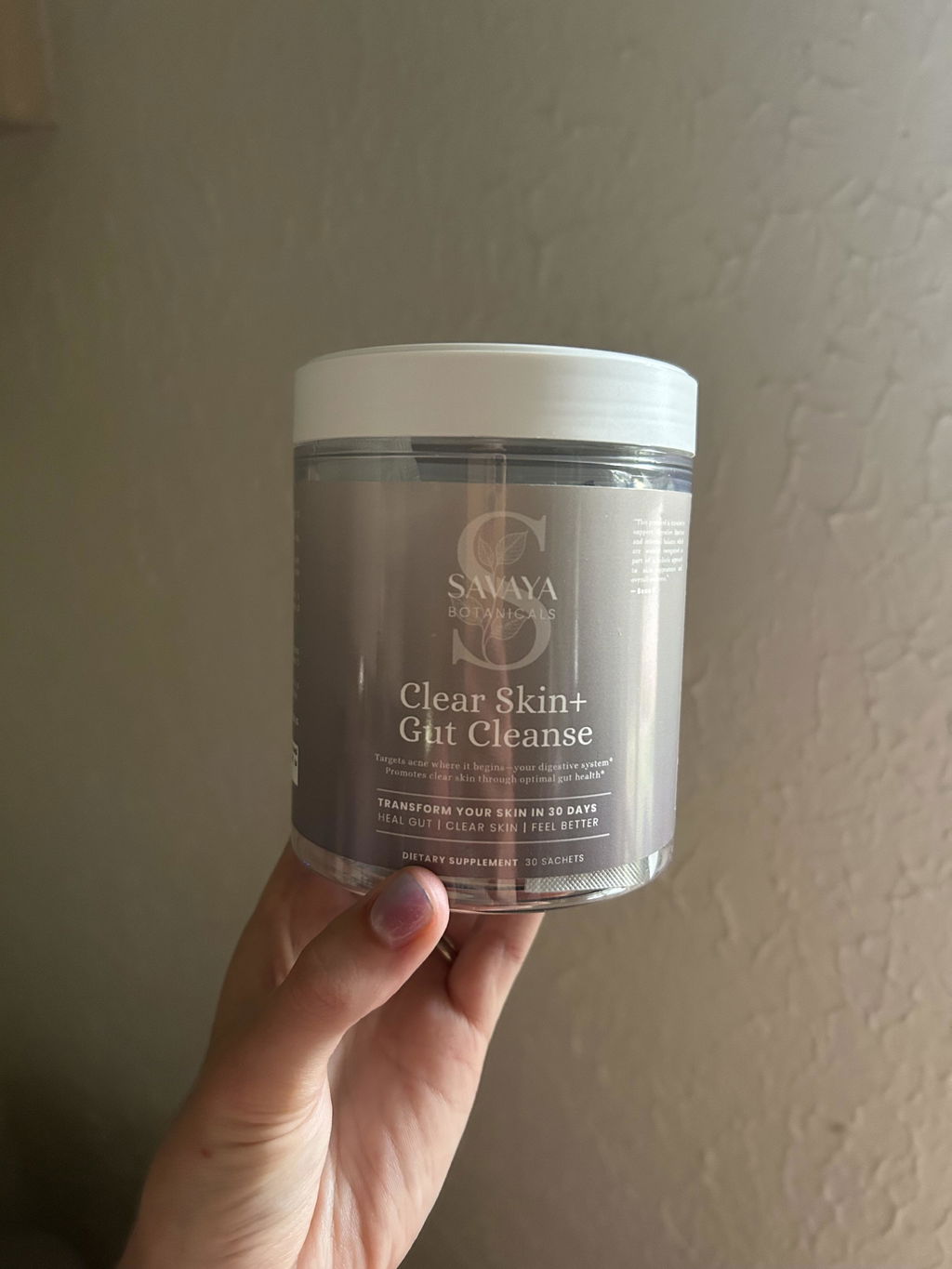
If you want a simple place to start after cutting dairy, Clear Skin+ Max Detox is the daily blend we make for exactly this window: an acai-based formula that supports the body's natural detoxification pathways and helps support gut health while your skin adjusts. It is a supplement rather than a full protocol, and it works alongside the dietary changes above, not instead of them.
———
The Bottom Line
The science on dairy and acne isn't ambiguous anymore. IGF-1 drives sebum overproduction. Casein A1 triggers gut inflammation. Whey spikes insulin to levels that amplify every acne mechanism. Pregnancy hormones in milk — organic or not — feed the same enzymatic pathways that pharmaceutical drugs try to block. And your individual response depends on genetics and gut health — both of which are addressable.
You don't need to accept acne as "just hormonal" or "just genetic." In many cases, it's dietary — and the single biggest dietary lever you can pull is dairy.
Ready to start? The most effective first step I've seen in my practice is addressing the gut directly. A targeted gut cleanse paired with dairy elimination gives your body the reset it needs — and most of my clients see visible changes within the first three weeks.
———
Does dairy really cause acne?
Multiple large-scale studies — including the Harvard Nurses' Health Study of 47,355 women — have established a significant association between dairy consumption and acne. The mechanisms are well-documented: dairy raises IGF-1 levels, spikes insulin (especially whey and skim milk), and contains naturally occurring reproductive hormones that stimulate sebaceous gland activity and pore-clogging cell growth.
Why does skim milk cause more acne than whole milk?
When fat is removed from milk, the remaining liquid has a higher concentration of whey proteins and bioactive hormones per serving. Whey is a potent insulin trigger — raising postprandial insulin by up to 90% — which amplifies IGF-1 signaling and androgen receptor activity in the skin. The Harvard studies found skim milk had a stronger acne association than whole milk or cheese.
Is organic dairy better for acne?
Organic certification means no synthetic growth hormones (rBST), but organic dairy still contains naturally occurring estrogen, progesterone, and IGF-1 — especially from cows milked during pregnancy. Late-pregnancy milk can contain up to 33 times more estrogen than non-pregnant cow milk. The hormonal acne triggers are biological, not related to farming practices.
How long after quitting dairy does acne clear up?
Most people begin seeing improvement within 3-6 weeks, which aligns with the skin's natural 28-day cell turnover cycle. For deeper cystic acne, it can take 8-12 weeks for full results. Supporting the process with gut repair and mineral replenishment — particularly zinc and selenium through whole-food sources like sea moss — can accelerate the timeline significantly.
What are the best dairy alternatives for skin health?
The best alternatives for acne-prone skin are coconut milk (contains antimicrobial lauric acid), oat milk (beta-glucan fiber feeds beneficial gut bacteria), and hemp milk (anti-inflammatory omega-3s). Avoid alternatives with carrageenan or excessive added oils, which can trigger their own inflammatory responses. Supplementing with mineral-rich whole foods helps replace nutrients typically obtained from dairy.