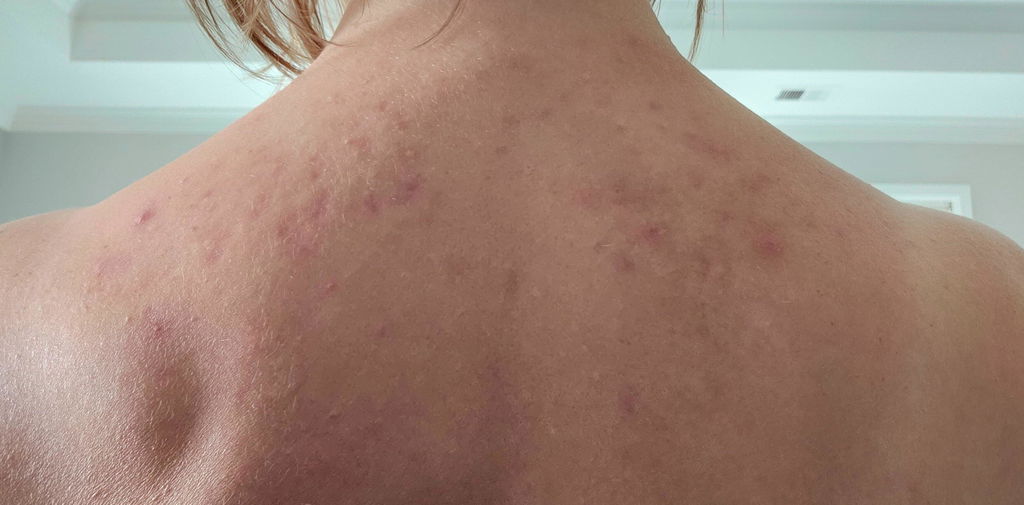
I Spent 4 Years Fighting My Skin From the Outside. The Problem Was 3 Feet Lower.
I want to tell you about the night I almost gave up on my skin entirely.
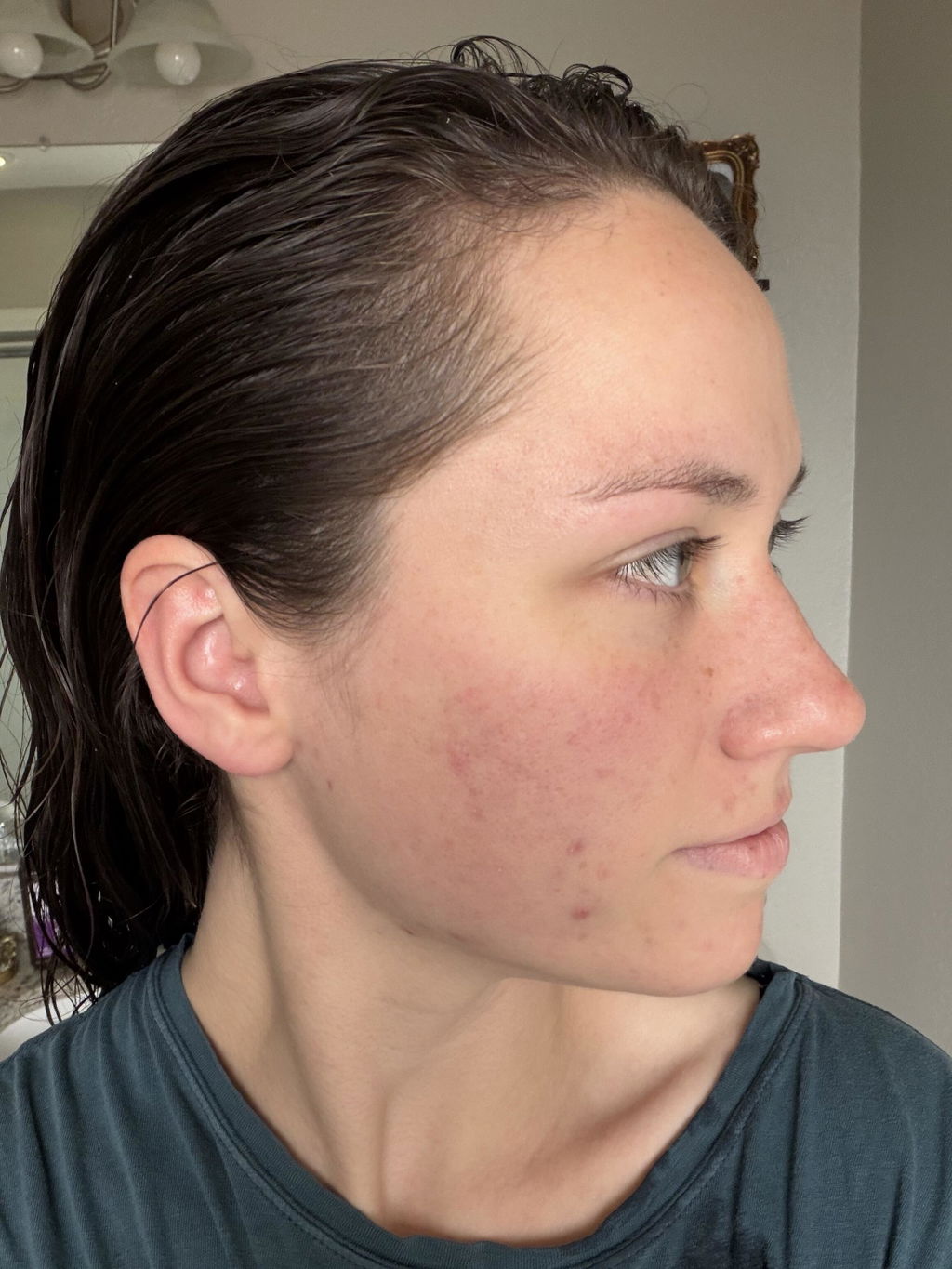
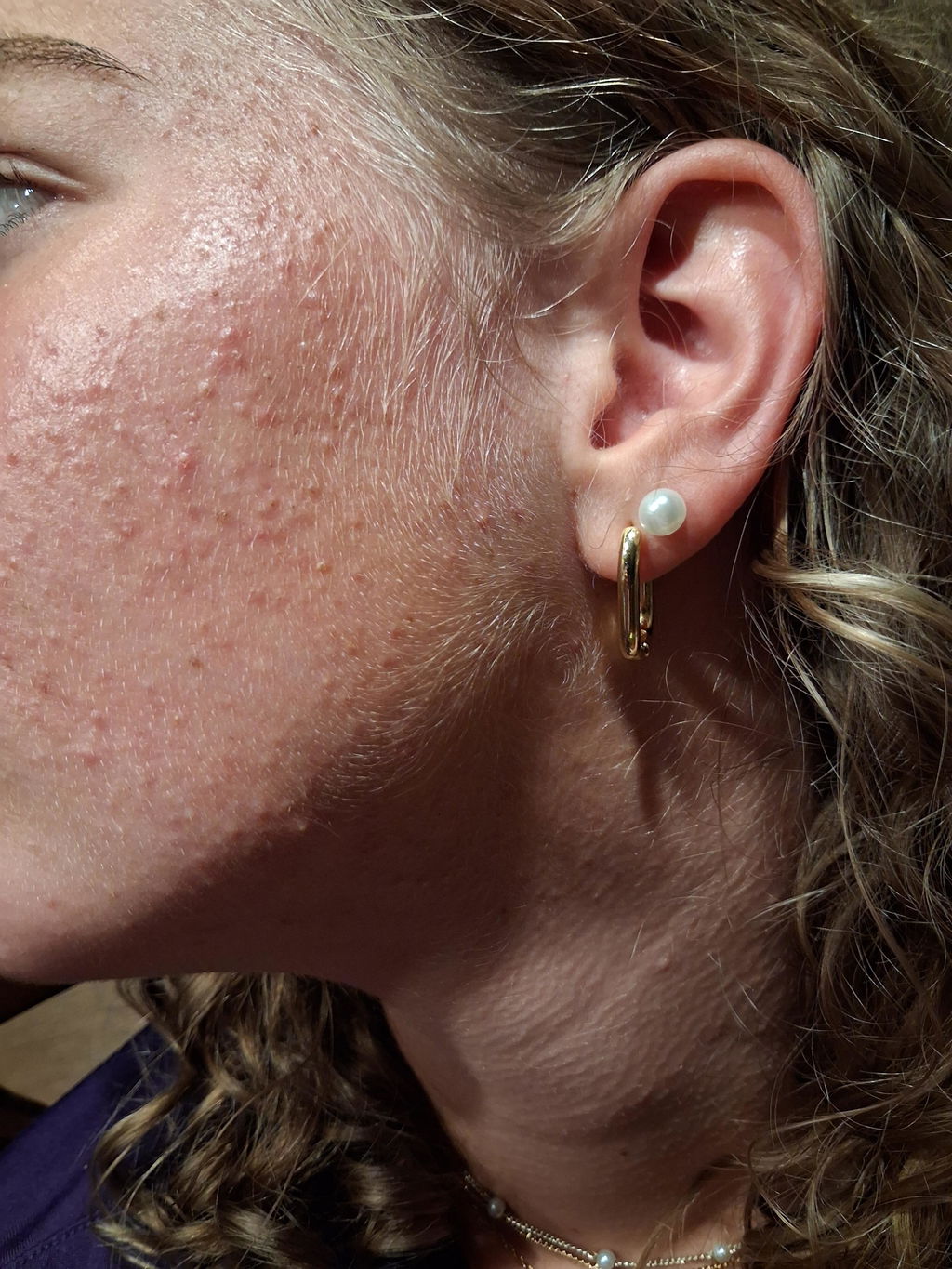
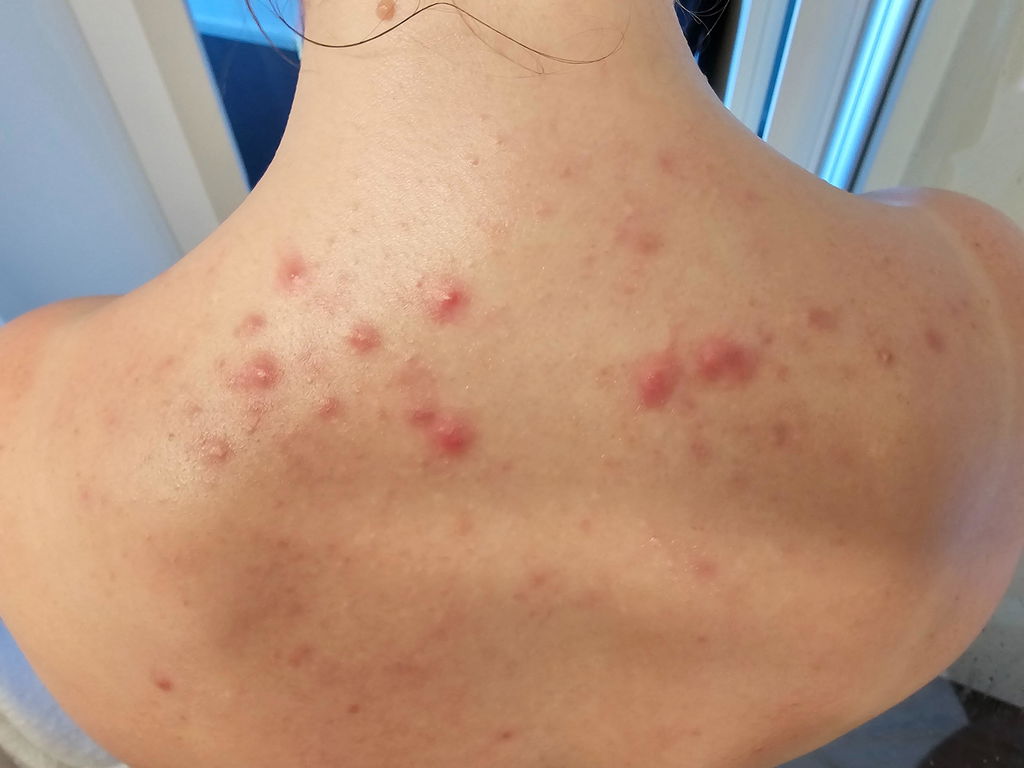
It was 2 AM. I was sitting on my bathroom floor, surrounded by half-empty bottles of retinol, benzoyl peroxide, salicylic acid, niacinamide, azelaic acid. Four years of topical treatments. Four years of dermatologist visits. Four years of being told "it's hormonal" or "try this new cleanser." My jawline was covered in deep, painful cystic acne that no amount of spot treatment could touch. I'd spent over $4,000 on products that promised to fix my skin from the outside.
That night, I stumbled onto a research paper by Dr. Alessio Fasano at Massachusetts General Hospital about something called intestinal permeability. And within ten minutes, I understood why nothing I'd been putting ON my skin had ever worked. The war I needed to fight wasn't happening on my face. It was happening in my gut.
———
What Is Leaky Gut, and Why Does It Wreck Your Skin?
Your intestinal lining is a single-cell-thick barrier, roughly the surface area of a studio apartment, held together by structures called tight junctions. Think of them as the seals between tiles in a shower wall. When those seals are intact, water stays where it should. When they crack, everything leaks.
Dr. Fasano's team discovered a protein called zonulin, the only known human protein that directly controls how open or closed those tight junctions are. When zonulin levels spike, triggered by things like gluten exposure, bacterial overgrowth, or chronic stress, tight junction proteins like ZO-1 get displaced. The "seals" between your intestinal cells loosen. Undigested food particles, bacterial toxins, and inflammatory molecules slip through into your bloodstream.
Your immune system sees these foreign invaders and sounds the alarm. Pro-inflammatory cytokines flood your system. And here's what most dermatologists won't connect for you: that systemic inflammation doesn't just stay in your gut. A 2024 Mendelian randomization study established a causal relationship between gut microbiota disruption and four inflammatory skin diseases, including acne and eczema. Researchers found that people with skin conditions consistently had elevated Proteobacteria and reduced Bifidobacterium and Lactobacillus in their gut.
In other words: your breakouts might not be a skin problem at all. They might be a gut barrier problem showing up on your face.
That realization changed everything for me.
———
How to Know If Your Gut Is Leaking (Testing Intestinal Permeability)
Before I overhauled my entire approach, I needed to know if leaky gut was actually my issue. Here's what I learned about testing:
The lactulose-mannitol test is considered the gold standard. You drink a solution containing two sugars, then collect urine. Lactulose molecules are too large to pass through intact tight junctions, so if they show up in your urine, your barrier is compromised. It's not perfect, as hydration levels and kidney function can influence results, but it's the most reliable functional test we have.
There's also a serum zonulin test, though I'd take the results with a grain of salt. Research has shown that many commercial zonulin assays don't actually measure zonulin accurately, with correlation to actual gut permeability as low as 0.36.
Honestly? For most people, your symptoms are the clearest signal. If you're dealing with persistent skin issues alongside bloating, food sensitivities, brain fog, or fatigue, intestinal permeability deserves serious investigation.
———
The 4R Protocol That Rebuilt My Gut Barrier (and Cleared My Skin)
The framework that finally gave me a roadmap was the 4R Protocol, originally developed by Jeffrey Bland and the Institute for Functional Medicine. It's a phased approach: Remove, Replace, Re-inoculate, Repair. I followed it over 12 weeks, and I'm going to walk you through exactly what I did.
Phase 1: Remove (Weeks 1-3)
The first step is eliminating what's damaging your gut lining. For me, that meant:
- Inflammatory foods: Gluten, dairy, refined sugar, alcohol, and processed seed oils. Dr. Fasano's research specifically identified gluten as a direct zonulin trigger, even in non-celiac individuals.
- Gut irritants: NSAIDs like ibuprofen. One clinical trial showed that indomethacin alone caused a threefold increase in gut permeability.
- Toxin and pathogen load: This is where I started with a gut cleanse protocol to help clear out bacterial overgrowth and accumulated toxins. A clean slate matters before you start rebuilding.
I won't sugarcoat it: week one was rough. Headaches, fatigue, irritability. By week two, my bloating had dropped noticeably, and the deep cysts along my jawline stopped producing new ones.
Phase 2: Replace (Weeks 2-4)
Years of gut stress often means your body has stopped producing adequate digestive enzymes, stomach acid, and bile. You can eat all the right foods, but if you can't break them down, you're not absorbing their nutrients.
- Digestive enzymes with meals (lipase, protease, amylase)
- Apple cider vinegar (1 tbsp in water before meals) to support stomach acid
- Bitter herbs like gentian root to stimulate bile flow
I also started incorporating sea moss during this phase. Beyond its mineral content, including iodine, potassium, calcium, magnesium, and zinc, sea moss contains sulfated polysaccharides that function as soluble fiber. These compounds reach your colon intact and get fermented by gut bacteria into short-chain fatty acids like butyrate, which is the primary fuel source for the cells lining your colon. Research on Chondrus crispus (Irish sea moss) has demonstrated measurable prebiotic effects on gut microbial communities.
Phase 3: Re-inoculate (Weeks 4-8)
This phase is about flooding your gut with the right bacteria. Not all probiotics are created equal. I focused on two strains backed by the strongest clinical evidence:
- Lactobacillus rhamnosus GG: Shown in systematic reviews to restore microbial diversity and strengthen mucosal barrier function.
- Saccharomyces boulardii: A beneficial yeast that reinforces gut barrier integrity, stimulates short-chain fatty acid production, and reduces local inflammation.
Studies show these two strains have additive effects when used together, increasing butyrate and propionate production beyond what either achieves alone.
For prebiotic fuel, I ate fermented vegetables daily, garlic, onions, asparagus, and continued with sea moss. The goal is creating an environment where beneficial bacteria can actually colonize and thrive.
By week 6, the texture of my skin had completely shifted. The underground bumps were flattening. My pores looked smaller. People started asking what I'd changed in my skincare routine. I hadn't changed anything topical.
Phase 4: Repair (Weeks 6-12)
This is the phase most people skip, and it's the one that matters most. Even after removing triggers and restoring bacteria, you still need to physically rebuild the intestinal lining.
- L-Glutamine (5g, twice daily): The amino acid your enterocytes use as their primary fuel. A randomized controlled trial showed glutamine supplementation achieved its primary endpoint in 79.6% of participants versus just 5.8% on placebo. It directly modulates tight junction protein expression.
- Zinc carnosine: In clinical trials, it completely prevented the gut permeability increase caused by NSAIDs. It accelerates mucosal healing and reduces relapse rates.
- Collagen peptides: Provide glycine, proline, and glutamine, the amino acids your gut lining needs as raw building material. I added collagen strips to my morning routine because consistency is everything with gut repair.
- Demulcent herbs: Slippery elm and marshmallow root create a protective mucilage layer over damaged tissue. An in vitro study using human intestinal epithelial cells showed marshmallow root improved transepithelial electrical resistance and reduced paracellular permeability, essentially helping seal those leaky tight junctions.
Your intestinal epithelial cells turn over every 3-5 days. That's fast. But full barrier restoration, where the tight junctions are functioning properly and the immune system has calmed down, takes weeks to months depending on damage severity. That's why I committed to the full 12 weeks.
———
My 12-Week Gut Healing Timeline (What to Actually Expect)
I kept a journal through the entire process. Here's the honest timeline:
- Week 1-2: Die-off symptoms. Headaches, fatigue, skin purging. This is normal. Your body is clearing out.
- Week 3-4: Bloating significantly reduced. No new cystic breakouts. Energy improving. Digestion feeling smoother.
- Week 5-6: Skin texture changing. Inflammation visibly decreasing. Existing marks starting to fade. Sleep dramatically better.
- Week 7-8: First time in four years I left the house without foundation. Skin was calm, even-toned, and the persistent redness along my cheeks was gone.
- Week 9-12: Skin continued to clear and strengthen. Scarring began to fade. Gut symptoms essentially resolved. The connection between what I ate and how my skin looked became undeniable.
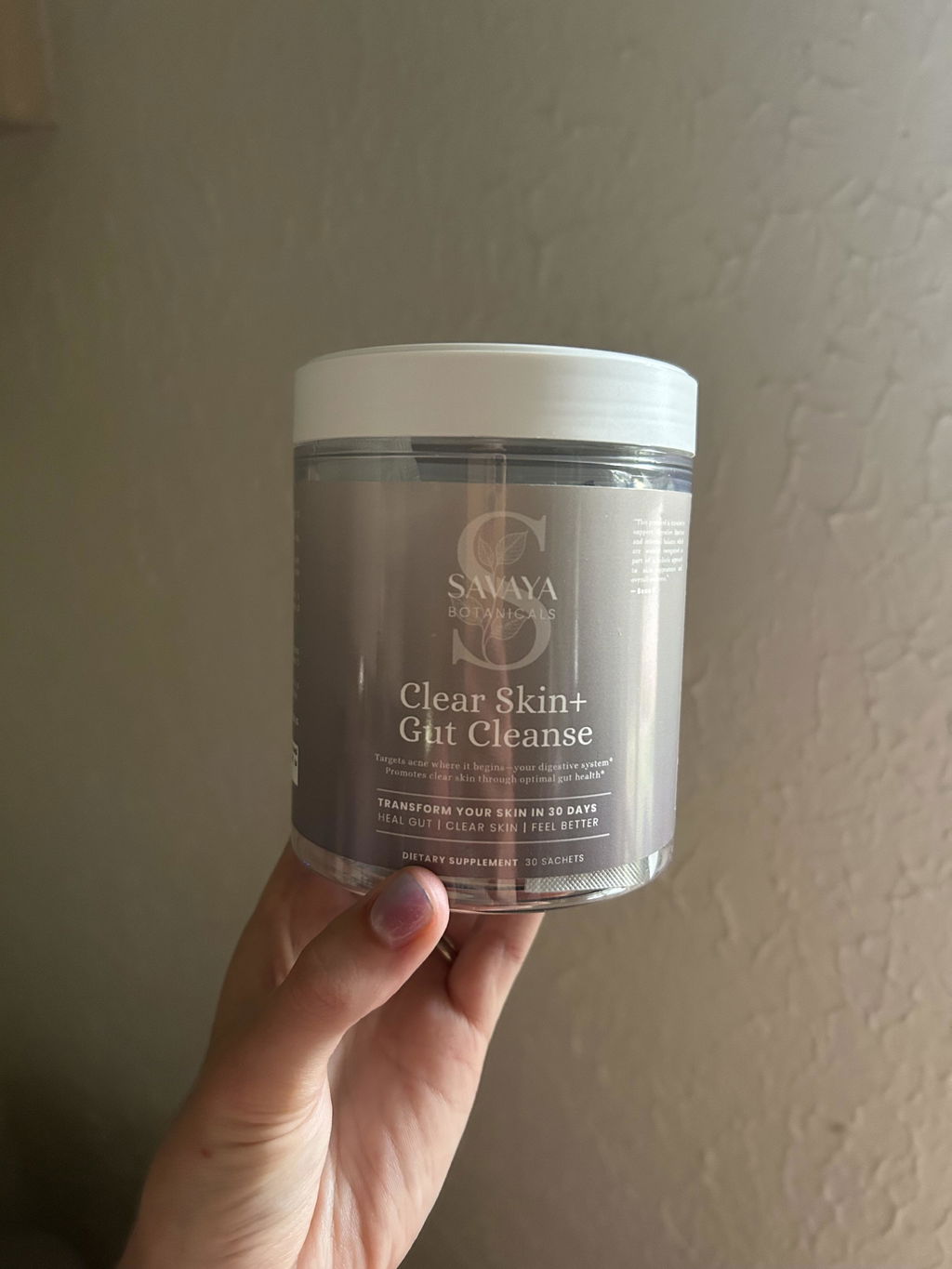
If you want something simple to add rather than piecing it together yourself, the Clear Skin+ Max Detox acai blend supports your daily routine. It's essentially the one thing I wish had existed when I was starting out.
———
What I Use Now to Maintain My Gut Barrier (and My Skin)
Healing your gut isn't a one-time event. I still maintain the foundation:
- Daily sea moss and L-glutamine
- Probiotic-rich foods (sauerkraut, kimchi, kefir)
- A seasonal detox protocol every quarter to reset
- Stress management (cortisol is a direct zonulin trigger)
- Tallow cream externally, because once your skin barrier has been compromised for years, it needs nourishment from the outside too. Grass-fed tallow is the closest thing to our skin's natural sebum composition.
The difference between now and four years ago isn't just that my skin is clear. It's that I understand why it's clear. And that understanding means I'll never go back to fighting my skin with another $60 serum that can't reach the real problem.
———
Ready to Heal From the Inside Out?
If my story sounds familiar, if you've been cycling through topical products for years without lasting results, it might be time to look deeper. Literally. Your gut lining is regenerating itself every 3 to 5 days. Give it the right environment and the right raw materials, and it will rebuild.
The Clear Skin+ Max Detox combines acai with gut and skin-supporting nutrients into one daily blend. It's the one I use, formulated so you get consistent nutrients without extra steps or products.
Your skin has been trying to tell you something. Maybe it's time to listen.
———
Frequently Asked Questions
How long does it take to heal leaky gut and see skin improvements?
Intestinal epithelial cells regenerate every 3 to 5 days, but full barrier restoration typically takes 8 to 12 weeks depending on the severity of damage. Most people notice reduced bloating within 2 to 3 weeks and visible skin improvements by weeks 5 to 6. Following a structured protocol like the 4R framework (Remove, Replace, Re-inoculate, Repair) gives your gut the best chance of complete healing within a 12-week timeline.
What are the signs that leaky gut is causing your acne?
Key indicators include persistent cystic or inflammatory acne that doesn't respond to topical treatments, especially along the jawline and cheeks. Accompanying symptoms often include chronic bloating, food sensitivities, brain fog, fatigue, and irregular digestion. Research has established a causal relationship between gut microbiota disruption and inflammatory skin conditions, so if your breakouts come with gut symptoms, intestinal permeability is worth investigating.
What foods should you avoid if you have leaky gut?
Research by Dr. Alessio Fasano identified gluten as a direct trigger for zonulin release, the protein that opens tight junctions in your intestinal lining. Other foods to eliminate during gut healing include dairy, refined sugar, alcohol, processed seed oils, and artificial additives. NSAIDs like ibuprofen have been clinically shown to cause a threefold increase in gut permeability and should be avoided during the repair phase.
Does sea moss help with gut health?
Yes. Sea moss (Chondrus crispus) contains sulfated polysaccharides that act as soluble fiber and prebiotic substrate. These compounds are fermented by gut bacteria into short-chain fatty acids including butyrate, the primary energy source for colon cells. Studies on Irish sea moss have demonstrated prebiotic effects that support beneficial gut microbial communities. Sea moss also provides minerals like iodine, zinc, magnesium, and potassium that support overall digestive function.
What supplements are best for repairing intestinal permeability?
The most clinically supported supplements for gut barrier repair include L-glutamine (5 to 10 grams daily), which achieved a 79.6 percent success rate versus 5.8 percent for placebo in one randomized trial. Zinc carnosine has been shown to prevent NSAID-induced permeability increases. Probiotics, specifically Lactobacillus rhamnosus GG and Saccharomyces boulardii, restore microbial diversity and strengthen mucosal barrier function. Demulcent herbs like marshmallow root and slippery elm provide protective coating and have been shown to improve intestinal barrier integrity in lab studies.