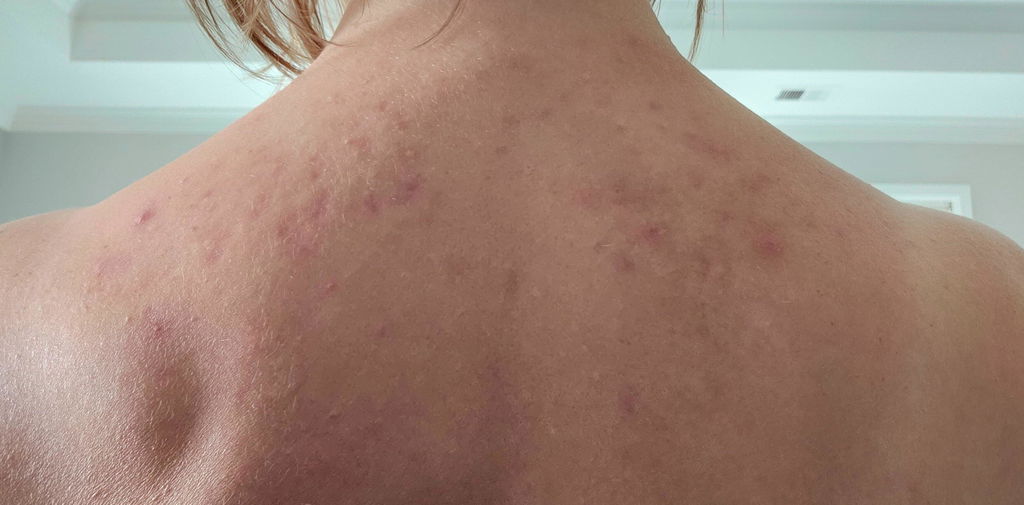
I used to defend dairy like it was a family member.
"It's natural," I'd say, spooning Greek yogurt into my morning smoothie while my jawline erupted in painful, cystic bumps that no amount of retinol could touch. I was a holistic health practitioner telling my clients to eat whole foods — and I genuinely believed organic milk was one of them.
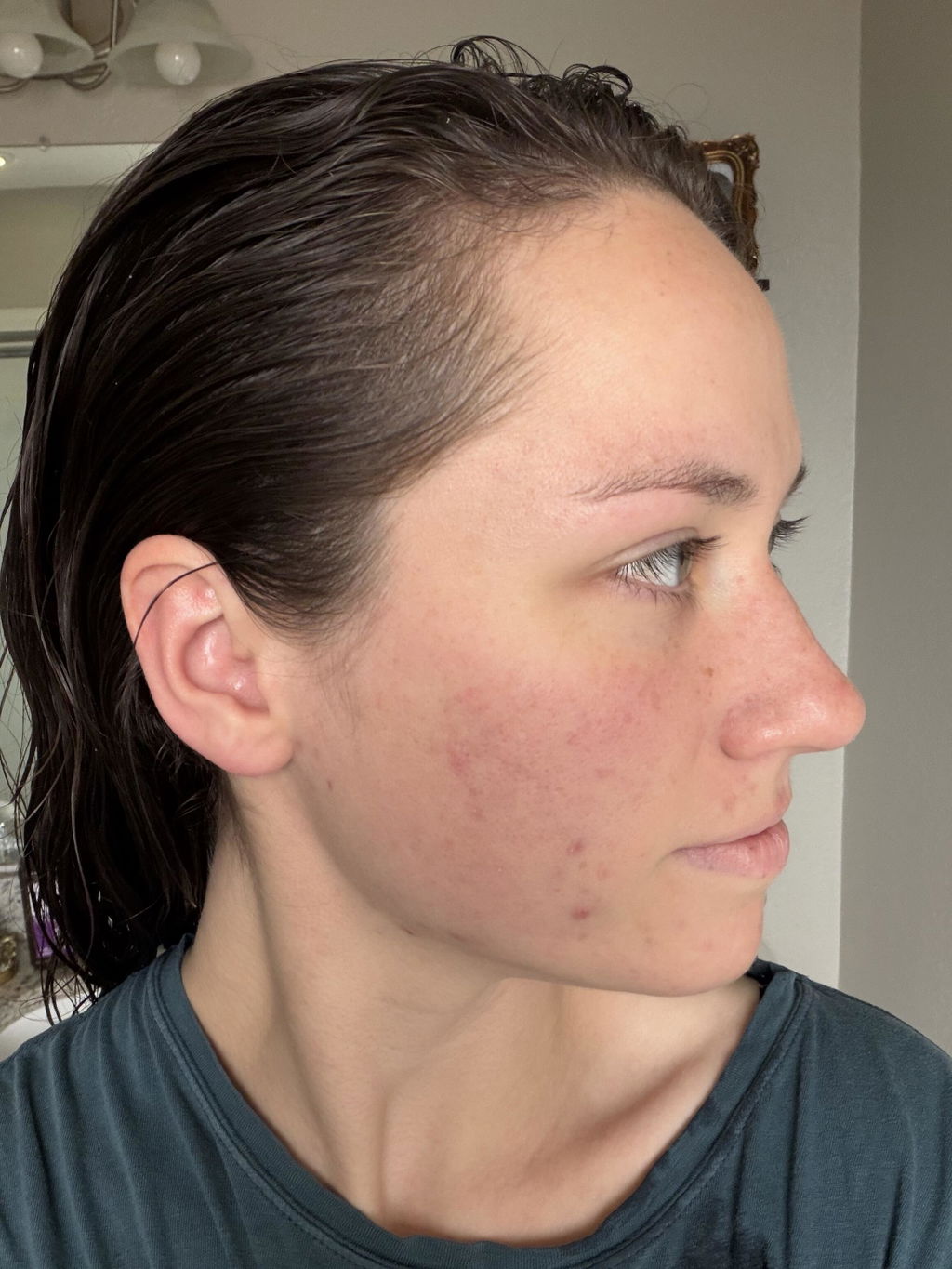
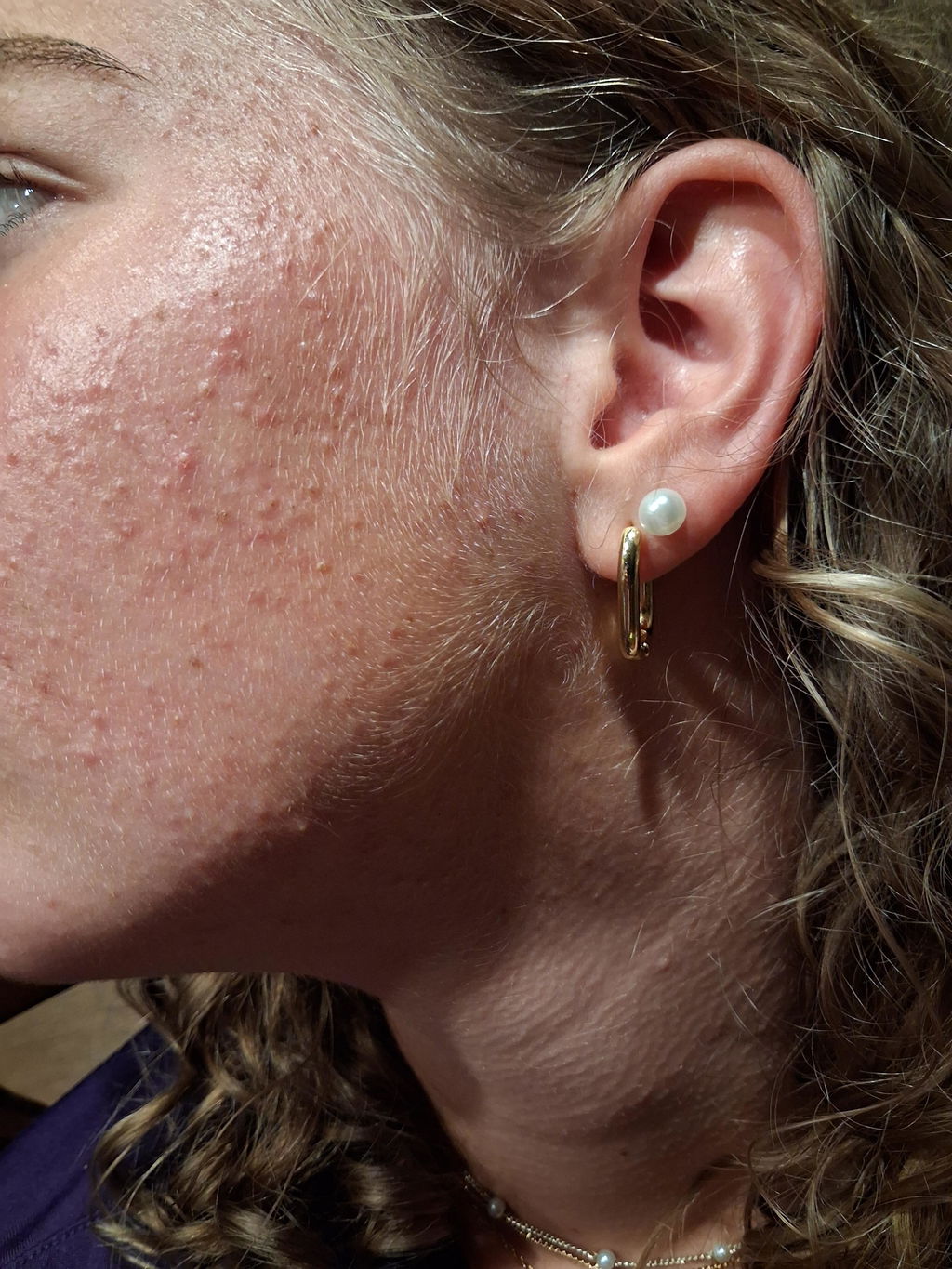
Then I pulled dairy completely for 30 days. By day 14, my skin was calmer than it had been in years. By day 30, the deep cysts along my jaw and chin — the ones that had cycled in and out for over a decade — were gone. Not better. Gone.
That was five years ago. Since then, I've walked hundreds of clients through the same experiment. And the research that's emerged in that time? It's not ambiguous anymore. The link between dairy and acne is one of the most well-documented connections in nutritional dermatology. Here's what the science actually says — and why your skin might be begging you to listen.
———
The IGF-1 Mechanism: How Dairy Triggers Acne at the Cellular Level
To understand why dairy causes breakouts, you need to understand one molecule: insulin-like growth factor 1 (IGF-1).
IGF-1 is a growth hormone naturally present in your body. It's essential during childhood development. But in adults, chronically elevated IGF-1 does something specific to skin: it stimulates the sebaceous glands to overproduce sebum, accelerates keratinocyte proliferation (the cells that can clog pores), and activates the mTORC1 signaling pathway — the same pathway implicated in metabolic disease and accelerated aging.
Here's where dairy enters the picture. Cow's milk is biologically designed to take a 65-pound calf to a 700-pound cow in under a year. It is, by nature, a growth-promoting fluid. A 2005 study published in the Journal of the American Academy of Dermatology found that dairy consumption significantly raised circulating IGF-1 levels in adult humans — even when the milk was skim. A 2019 meta-analysis in Nutrients reviewing 14 studies and over 78,000 participants confirmed: dairy intake was associated with a 16% increased risk of acne in adults and up to a 25% increased risk in adolescents.
This isn't about fat content. It isn't about lactose. It's about growth signaling that your adult body was never designed to receive from another species.
The Harvard Nurses' Health Study: 47,000 Women Can't Be Wrong
The landmark research that cracked this open was the Harvard Nurses' Health Study II, published in 2005 by Adebamowo and colleagues. Researchers followed 47,355 women and found a clear, positive association between dairy intake during high school and physician-diagnosed severe acne.
The findings were striking:
- Women who consumed 2 or more servings of skim milk daily had a 44% higher likelihood of developing acne compared to those who drank less than one serving per week.
- Skim milk showed a stronger association with acne than whole milk — destroying the theory that dairy fat was the problem.
- Instant breakfast drinks, sherbet, cottage cheese, and cream cheese all showed positive associations.
A follow-up study in 2006, published in the Journal of the American Academy of Dermatology, extended these findings to 6,094 adolescent girls aged 9-15. Same result: skim milk was the worst offender. And a 2008 study by the same team found the association held for teenage boys as well — those drinking 2+ servings of skim milk daily had a 19% increased risk.
Three massive cohort studies. All pointing the same direction. And skim milk — the one doctors told us was "healthier" — was consistently the worst.
Casein A1 vs. A2: The Protein Your Gut Can't Handle
Not all dairy is created equal at the molecular level, and this is where the casein conversation gets fascinating.
Casein makes up about 80% of the protein in cow's milk. There are two main types: A1 beta-casein and A2 beta-casein. Most conventional dairy in the United States comes from Holstein cows, which produce predominantly A1 milk.
When A1 beta-casein is digested, it releases a peptide called beta-casomorphin-7 (BCM-7). BCM-7 is an opioid peptide — yes, it literally acts on opioid receptors in your gut. Research published in the European Journal of Nutrition (2014) showed that A1 milk increased inflammatory markers and gastrointestinal distress compared to A2 milk. A 2017 study in Nutrition Journal found that participants consuming A1 milk had significantly higher levels of inflammatory biomarkers and reported more bloating, abdominal pain, and digestive discomfort.
Why does this matter for your skin? Because gut inflammation is skin inflammation. BCM-7 from A1 casein can increase intestinal permeability — what we call "leaky gut" — allowing endotoxins to enter the bloodstream and trigger systemic inflammatory responses that show up as acne, eczema, and rosacea. If you've ever noticed that dairy gives you both digestive issues and breakouts, this is the mechanism connecting the two.
This is exactly why I always recommend starting with the gut. A targeted microbiome gut cleanse can help repair the intestinal lining and calm the inflammatory cascade that dairy may have set in motion over years — or even decades.
Whey Protein: The Gym Supplement Wrecking Your Skin
If you've ever started a gym routine, added a whey protein shake, and watched your skin explode — you're not imagining it.
Whey protein is the other major protein in milk (about 20%), and it's an exceptionally potent stimulator of insulin secretion. A 2013 study in Anais Brasileiros de Dermatologia documented acne onset in five male patients aged 18-23 who had no prior history of acne — breakouts began within two months of starting whey protein supplementation and resolved completely after discontinuation.
A larger 2012 study published in the same journal surveyed 562 individuals and found a statistically significant correlation between whey protein use and acne severity. The mechanism is a double hit: whey spikes insulin (which raises IGF-1) and contains bioactive growth factors that survive digestion and directly stimulate the mTORC1 pathway.
The irony is brutal. People take whey to look better — and it makes their skin worse. Plant-based proteins don't carry the same hormonal load. If you're serious about clear skin and still want to hit your protein goals, switching from whey to pea, hemp, or rice protein is one of the simplest upgrades you can make.
Hormones in Dairy — Even Organic Isn't Clean
One of the most common pushbacks I hear: "But I only drink organic milk."
Here's the uncomfortable truth. Even organic, hormone-free, grass-fed milk contains over 60 naturally occurring hormones, including estrogen, progesterone, androstenedione, and — critically — IGF-1. These aren't injected. They come from the cow. A pregnant cow produces milk with significantly higher estrogen levels, and in modern dairy farming, cows are milked throughout most of their pregnancy.
A 2010 study published in Medical Hypotheses by Melnik and colleagues found that commercial milk — regardless of organic status — contains bioactive androgens, estrogens, and growth factors capable of influencing human endocrine function. A 2009 study in Pediatrics International by Maruyama et al. demonstrated that drinking cow's milk raised serum estrogen and progesterone levels in prepubertal children within hours.
The "organic" label means no synthetic hormones like rBGH were administered. It does not mean the milk is hormone-free. The cow's own reproductive hormones are still there — and they're still biologically active in your body.
Why Some People Tolerate Dairy and Others Don't
This is the question that makes the dairy-acne conversation nuanced rather than black-and-white: why can your friend eat cheese every day with perfect skin, while one latte gives you a chin full of cysts?
Two factors explain most of the variation:
1. Lactase persistence and genetic variation. About 68% of the global population has some degree of lactose malabsorption after childhood. But lactase persistence — the ability to digest lactose into adulthood — is common in Northern European populations (up to 95% in Scandinavian countries) and much less common in East Asian, African, and Indigenous populations (as low as 5-10%). If you lack lactase, undigested lactose ferments in the colon, feeding bacteria that produce inflammatory byproducts. But here's the key: even people with full lactase persistence can react to the proteins and hormones in dairy. Lactose tolerance doesn't equal dairy tolerance.
2. Gut microbiome composition. Your unique gut flora determines how you metabolize dairy proteins, how much inflammation they generate, and how well your intestinal barrier holds up. A 2021 study in Gut Microbes found that individuals with higher populations of Bifidobacterium and Lactobacillus species showed less inflammatory response to dairy proteins. Meanwhile, individuals with dysbiosis — microbial imbalance from antibiotics, stress, processed food, or alcohol — showed amplified inflammatory responses.
This is why two people can eat the same yogurt and have completely different outcomes. It's not willpower or luck — it's microbiome architecture. And the good news? Your microbiome is modifiable. Supporting it with mineral-rich, bioavailable nutrition — like wildcrafted sea moss with its 92 essential minerals — creates the foundation for a gut environment that can actually process foods without triggering systemic inflammation.
———
Dairy Alternatives That Actually Support Your Skin
Cutting dairy doesn't mean deprivation. It means upgrading. Here are the swaps I recommend to my clients:
- Coconut milk/cream: Rich in lauric acid, which is antimicrobial. Great in coffee, cooking, and smoothies.
- Oat milk (gluten-free): Creamy texture, beta-glucans that feed beneficial gut bacteria. Choose unsweetened, minimal-ingredient versions.
- Cashew or macadamia milk: Naturally creamy, low in inflammatory omega-6 fatty acids.
- Coconut yogurt with live cultures: Gives you the probiotics without the casein and whey.
- Nutritional yeast: For the "cheesy" flavor. Also a complete protein and B-vitamin source.
Avoid almond milk if acne is your concern — almonds are high in omega-6, and some people report breakouts from excessive almond consumption. And always check labels: many dairy alternatives contain carrageenan, gums, and added sugars that create their own gut issues.
The 30-Day Dairy-Free Reset: What I Tell Every Client
If you suspect dairy is triggering your breakouts, here's the protocol I've used with hundreds of clients:
- Eliminate ALL dairy for 30 days. This includes milk, cheese, yogurt, butter, whey protein, casein in protein bars, and hidden dairy in sauces, baked goods, and processed foods. Read every label.
- Support your gut during the transition. A gut cleanse protocol helps repair intestinal permeability that dairy may have caused. Think of it as resetting the terrain.
- Nourish from the outside too. While your body detoxes internally, support your skin barrier with clean, non-comedogenic moisture. I use grass-fed tallow cream — it mimics the skin's own sebum and doesn't clog pores like synthetic moisturizers.
- Track your skin weekly. Take photos in the same lighting. Most clients see meaningful change by week 2-3.
- Reintroduce strategically. After 30 days, try one dairy product at a time. Wait 72 hours between reintroductions. Your body will tell you exactly what it can and can't handle.
———
The Bigger Picture: Clear Skin Starts in the Gut
Dairy is rarely the only factor in persistent acne — but in my experience, it's the most impactful single elimination for hormonal and cystic breakouts. The science supports this. The clinical evidence supports this. And the thousands of people who've cleared their skin by removing dairy aren't experiencing a collective placebo effect.
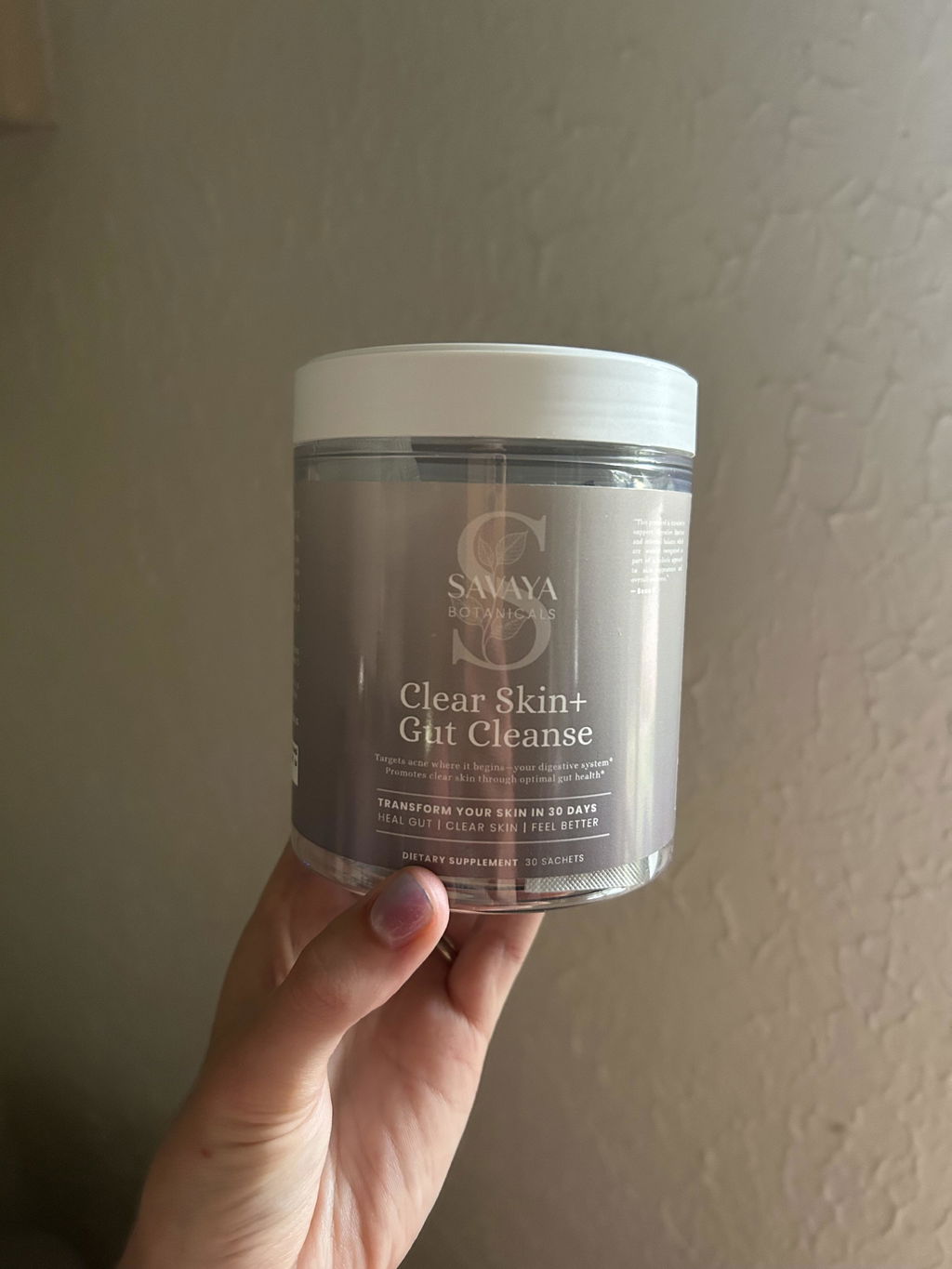
If you're dealing with stubborn acne that hasn't responded to topicals, the answer probably isn't another serum. It's looking deeper — at what you're putting in your body, not just on it. Our Clear Skin+ Max Detox is built around this same idea: a daily acai-based blend that helps support your gut and nourishes your body from within.
Your skin is trying to tell you something. Maybe it's time to listen.
———
Frequently Asked Questions
Does dairy cause acne or just make it worse?
Both. Research shows dairy can initiate acne in people with no prior history (as seen in whey protein studies) and worsen existing acne. The IGF-1 and mTORC1 activation from dairy proteins directly stimulates sebum production and pore-clogging cell growth. The Harvard Nurses' Health Study found that women consuming 2+ servings of skim milk daily had a 44% higher risk of developing acne — suggesting dairy can be a primary trigger, not just an aggravating factor.
Is organic or raw milk better for acne-prone skin?
Unfortunately, no. Organic milk still contains over 60 naturally occurring hormones including estrogen, progesterone, and IGF-1 — these come from the cow, not from injections. Raw milk contains the same hormonal profile. The growth factors in all cow's milk activate the mTORC1 pathway regardless of how the cow was raised. If dairy is triggering your acne, the source of the dairy is unlikely to make a meaningful difference.
How long after quitting dairy will my skin clear up?
Most people notice a reduction in new breakouts within 2-3 weeks of complete dairy elimination. However, existing cysts and inflammation can take 4-6 weeks to fully resolve. Supporting the process with a full detox protocol and gut repair can accelerate results. I recommend committing to a full 30-day elimination before evaluating results, as dairy proteins and their inflammatory effects can linger in the body.
Can I still eat goat or sheep cheese if I cut cow's milk?
Goat and sheep dairy contain A2 beta-casein rather than A1, which means they don't produce the inflammatory BCM-7 peptide. Some acne-prone individuals tolerate goat and sheep products well. However, all mammalian milk contains IGF-1 and reproductive hormones. If you want to test tolerance, eliminate all dairy first for 30 days, then reintroduce goat or sheep products one at a time while monitoring your skin for 72 hours after each reintroduction.
What nutrients am I missing if I stop eating dairy?
The main concerns are calcium, vitamin D, and protein. Calcium is abundant in leafy greens (kale, bok choy), sardines, sesame seeds, and fortified plant milks. Vitamin D is best obtained from sunlight and supplementation. Protein needs are easily met with legumes, nuts, seeds, and plant-based proteins. For comprehensive mineral replenishment, sea moss provides 92 of the 102 minerals your body needs in a bioavailable form — making it an ideal dairy replacement for mineral nutrition.