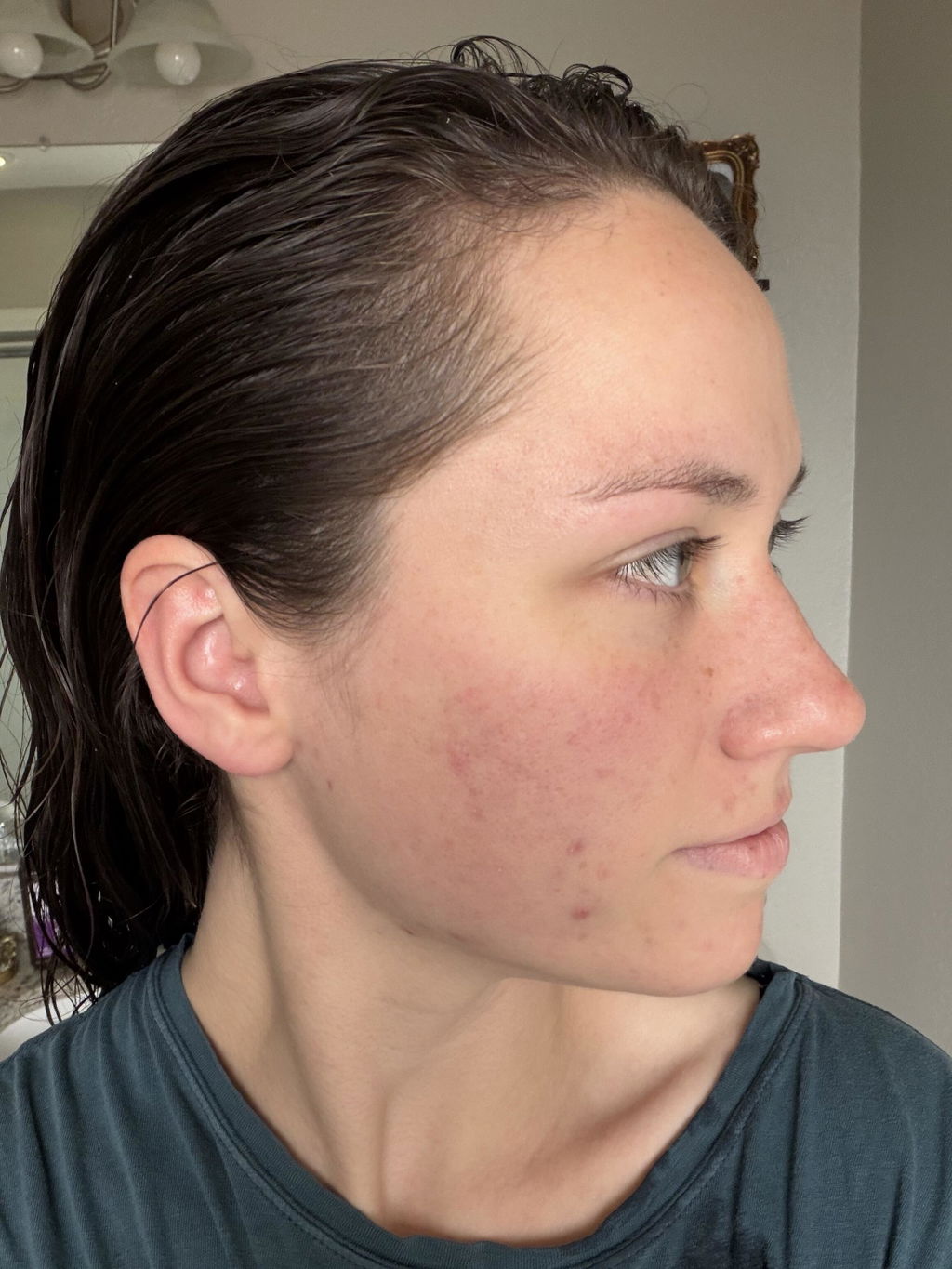
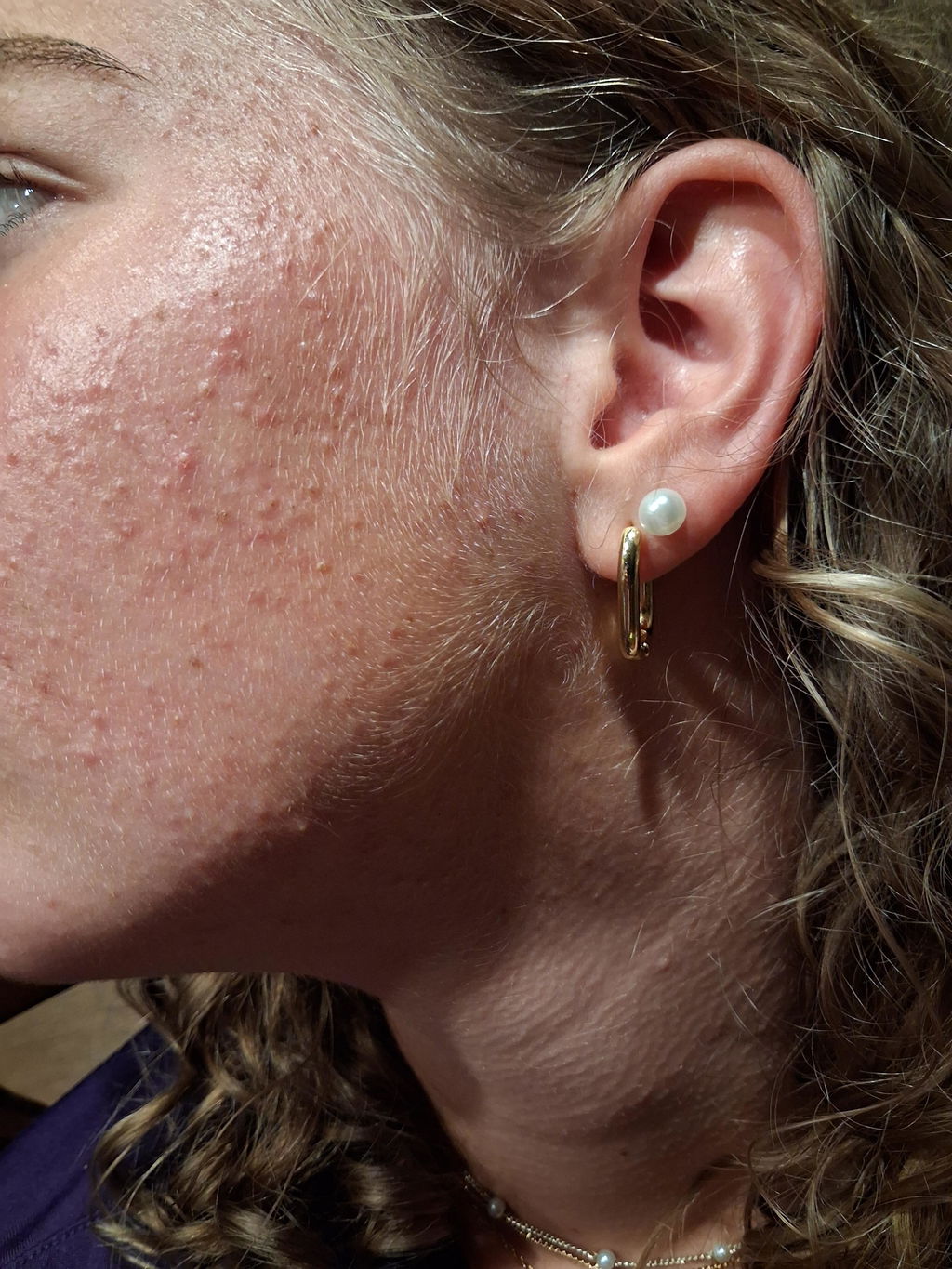
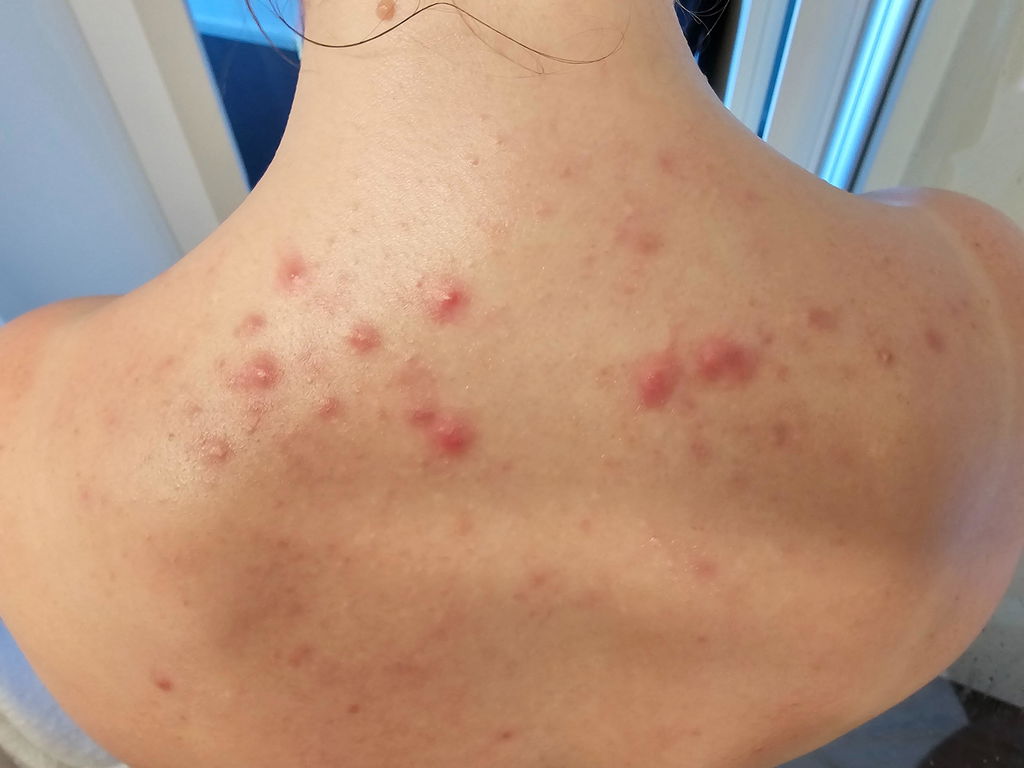
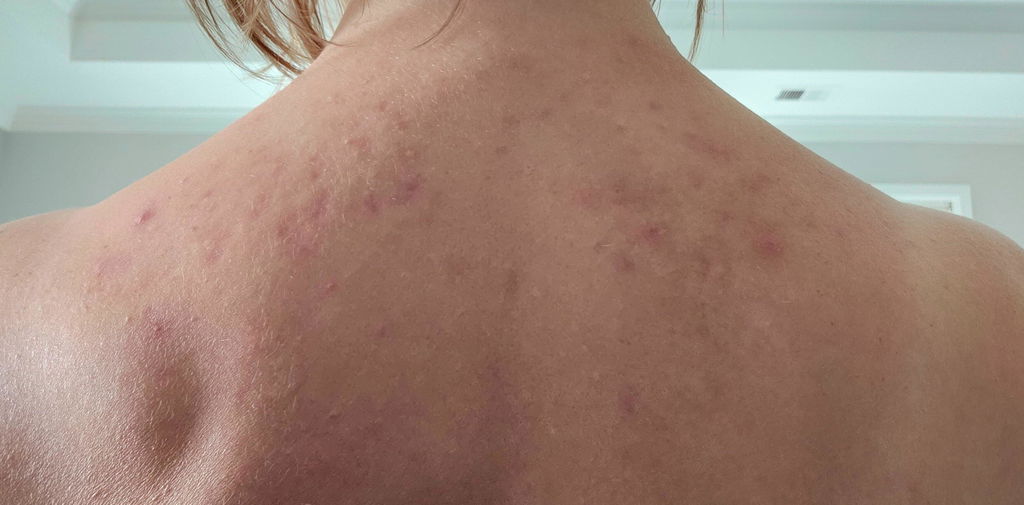
You washed your face. You used the serum. You did the LED mask. And you still woke up puffy, with a dull cast and a fresh breakout on your jaw. Here is the part nobody tells you. Your skin did not heal last night because your gut did not get the chance to. The repair work happens after 10pm, and it runs on sleep.
In my practice, the women with the most stubborn jawline acne almost always have the same story. Decent diet. Decent skincare. Terrible sleep. The actual repair crew, your gut microbiome and the melatonin made inside it, is asking for two things you are not giving it. Time. And rhythm. Let me walk you through why fixing one without the other does not work.
Your Gut Microbiome Runs on a 24-Hour Clock
Your gut bacteria are not a static population. They expand, retract, and physically migrate along your intestinal wall on a roughly 24-hour rhythm, the same way you do. This rhythm is anchored by when you eat and when you sleep. Disrupt that pattern, and the whole microbial community loses its timing.
In 2014, the Eran Elinav lab at the Weizmann Institute published a landmark paper in Cell (Thaiss et al.) showing the gut microbiome of mice and humans oscillates across the day. Different species dominate at different hours. They produce different metabolites at different hours. The microbes even crawl closer to and farther from the intestinal lining as the day rolls on.
Then the same lab did something clever. They jet-lagged the mice. The microbial rhythm collapsed. When they transplanted those jet-lagged microbes into germ-free mice, the recipients became glucose intolerant and gained weight. A 2015 PNAS paper from the FitzGerald lab took it further, deleting the core clock gene Bmal1 in mice and watching gut bacterial rhythmicity disappear entirely. Your microbiome does not run on its own clock. It runs on yours.
What does this mean for your skin? When you eat dinner at 9pm one night and 11pm the next, when you sleep five hours one week and nine the next, you scramble the clock your gut bacteria use to do their job. Bacteria that make butyrate, your gut's most important anti-inflammatory short-chain fatty acid, stop making it on schedule. Inflammatory taxa get an opening. The skin pays for it about 72 hours later in slower barrier repair.
So what is the gut actually doing while you sleep? Something almost nobody told you.
Your Gut Makes More Melatonin Than Your Brain
Most people think melatonin only comes from the pineal gland, the pea-sized organ deep in your brain. It does. But it is not the main source. There is at least 400 times more melatonin in your gut than in your pineal gland, made by enterochromaffin cells in your intestinal lining.
That figure comes from Bubenik's 2002 paper in Digestive Diseases and Sciences, still the most cited reference on extrapineal melatonin. The exact wording is "at least 400 times more." (You will sometimes see 500 online. The original source says 400.)
Why does this matter? Because gut melatonin is not really for sleep. It is for repair. It acts as a free radical scavenger that protects the mucosal lining overnight. It slows gut motility so the lining can rebuild. It supports the tight junctions between intestinal cells. And it is independent of the pineal cycle. Pineal melatonin responds to darkness. Gut melatonin responds to feeding.
When you eat a heavy meal at midnight, you fire off enterochromaffin melatonin at the wrong time. When you skip dinner and run on caffeine, you starve the system that should be doing nightly repair. The women whose skin clears fastest in my practice are not the ones with the fanciest serums. They are the ones who eat dinner by 7pm and stop scrolling by 10.
How Sleep Loss Cracks the Gut Wall
When you do not sleep, your body treats it as stress. Your HPA axis releases cortisol and CRH (corticotropin-releasing hormone). CRH binds to mast cells in your gut wall. Those mast cells release mediators that pry apart the tight junctions between your intestinal cells. This is the pathway behind what gets loosely called leaky gut.
This is not theoretical. Vanuytsel and colleagues at Leuven proved it in healthy humans in a 2014 Gut journal paper. Public-speaking stress, and a direct IV bolus of CRH, both raised small intestinal permeability. Pre-treating subjects with a mast cell stabilizer blocked the effect entirely. The CRH to mast cell to tight junction pathway is now established in vivo in people.
Cortisol does the same thing through a different door. Zheng et al. showed in 2017 that glucocorticoid signaling downregulates claudin-1, a key tight junction protein. Cortisol literally tells the cell to make less of the protein that holds your gut wall together.
The skincare routine you can see is doing maybe 20 percent of the work. The repair routine you cannot see, running through your gut while you sleep, is doing the other 80.
Once the wall is leakier, bacterial fragments (lipopolysaccharide, or LPS) slip into circulation. LPS hits TLR-4 receptors on immune cells. NF-kB activates. IL-6 and TNF-alpha rise. A 2016 meta-analysis of 72 studies in Biological Psychiatry (Irwin et al.) confirmed chronic sleep disturbance raises systemic IL-6 and CRP across populations.
One honest caveat. A 2023 paper in Scientific Reports (Karl et al.) gave healthy young men 72 hours of severe sleep restriction and did not measurably change permeability via the standard sugar test. One bad night will not break your gut. The damage is dose dependent and chronic. Three months of bad nights are a different story, and that is what shows up on your jawline.
The Glymphatic System: Your Brain's Nightly Dishwasher
While you sleep, your brain runs a cleaning cycle nothing else can run. The glymphatic system, mapped by Maiken Nedergaard's lab at Rochester (Iliff 2012 in Science Translational Medicine, Xie 2013 in Science), is a network of fluid channels that flushes metabolic waste out of brain tissue. The space between your brain cells expands by about 60 percent during sleep, just to let the cleanup happen.
In Xie's sleeping mice, cerebrospinal fluid flow through the brain increased dramatically, and amyloid-beta clearance roughly doubled compared to waking. A follow-up 2015 paper in the Journal of Neuroscience (Lee et al.) found that the lateral (side) sleeping position produced the most efficient glymphatic transport in rodents.
This is a brain system. It does not directly clean your skin. But here is the link people miss. When systemic inflammation is elevated, glymphatic flow drops (Mogensen 2021). When glymphatic flow drops, neuroinflammation lingers. Neuroinflammation keeps the HPA axis activated. The HPA axis keeps cortisol elevated. Cortisol keeps the gut wall compromised. The gut keeps leaking. And your skin keeps inflaming.
It is a circle. Sleep is the thing that breaks it.
The Sleep-Acne Link Most Dermatologists Skip
Acne severity tracks sleep quality directly. A 2019 study in Clocks & Sleep, led by researchers at Case Western Reserve (Schrom et al.), measured 40 adults using the Global Acne Grading Scale and the Pittsburgh Sleep Quality Index. Poorer sleep tracked with worse acne severity. The mechanism is not mysterious.
Stress alone can do it. The classic Chiu 2003 paper in Archives of Dermatology followed 22 Stanford students through exam season. The correlation between perceived stress and acne severity was r = 0.61, statistically significant, and the effect persisted after adjusting for changes in sleep, diet, and meals per day. Stress on its own drives acne. Sleep is one of the largest modifiable stressors any of us have.
Now layer in IGF-1. Insulin-like growth factor 1 is the hormone Melnik and Schmitz pinned as a central driver of acne pathogenesis in their 2009 Experimental Dermatology review. IGF-1 directly stimulates 5-alpha-reductase, sebocyte proliferation, lipogenesis, and androgen receptor signaling in the sebaceous gland. A 2017 in vitro paper in Annals of Dermatology (Kim et al.) showed IGF-1 raising sebum production and pro-inflammatory markers in cultured sebocytes via NF-kB.
What raises IGF-1 chronically? Insulin resistance. What worsens insulin resistance? Poor sleep. The loop closes on itself.
And finally, the skin barrier itself. Oyetakin-White's 2015 paper in Clinical and Experimental Dermatology compared good and poor sleepers (n=60). After tape-stripping the skin, good sleepers had 30 percent more barrier recovery at 72 hours than poor sleepers. They also had better recovery from UV-induced redness. The barrier you see is the result of overnight repair processes that need sleep to run, and the fats and amino acids the barrier is literally built from. (This is one place bioavailable collagen support earns its keep, alongside dietary saturated fats.)
An Evening Routine That Supports Gut-Led Sleep
The evening routine that fixes skin from the inside is not glamorous. It is repetitive. The goal is to give your gut microbes their feeding window, let cortisol drop into its proper nightly trough, and give gut melatonin a real chance to do its mucosal repair work. Here is what I tell clients to start with.
- Finish dinner 3 hours before bed. Late eating spikes cortisol, shifts your gut microbial rhythm, and forces melatonin to compete with digestion.
- Add fiber at dinner. A serving of cooked vegetables, lentils, or chia. This is the prebiotic substrate your bacteria ferment into butyrate while you sleep.
- Dim the house after sunset. Bright overhead light past 8pm flattens your melatonin curve. Lamps only, ideally warm bulbs.
- Cut alcohol within 3 hours of bed. Alcohol suppresses REM and rebounds cortisol in the second half of the night.
- Cool the bedroom. Around 18 degrees Celsius (65 Fahrenheit). Core body temperature has to drop for deep sleep to consolidate.
- Side sleep where possible. Based on the Lee 2015 glymphatic posture work, lateral sleeping appears to optimize brain clearance.
- Magnesium glycinate. Supports parasympathetic tone and the wind down. Most women I see are quietly running low.
- Tallow as the last step. Smoothing on a barrier-repairing tallow cream with grass-fed tallow seals in moisture overnight and supplies the saturated fatty acids the skin barrier is literally built from. The evening application is also the ritual that anchors the rest.
- Same wake time, seven days a week. The strongest zeitgeber for your gut bacteria is consistency. Forget bedtime. Fix wake time.
Where to Start If Sleep and Skin Are Both Wrecked
If your gut has been compromised for years, sleep alone is not enough. The microbial community itself needs a chance to reorganize, and the mineral floor every tight junction and every deep sleep cycle stands on needs to be filled in.
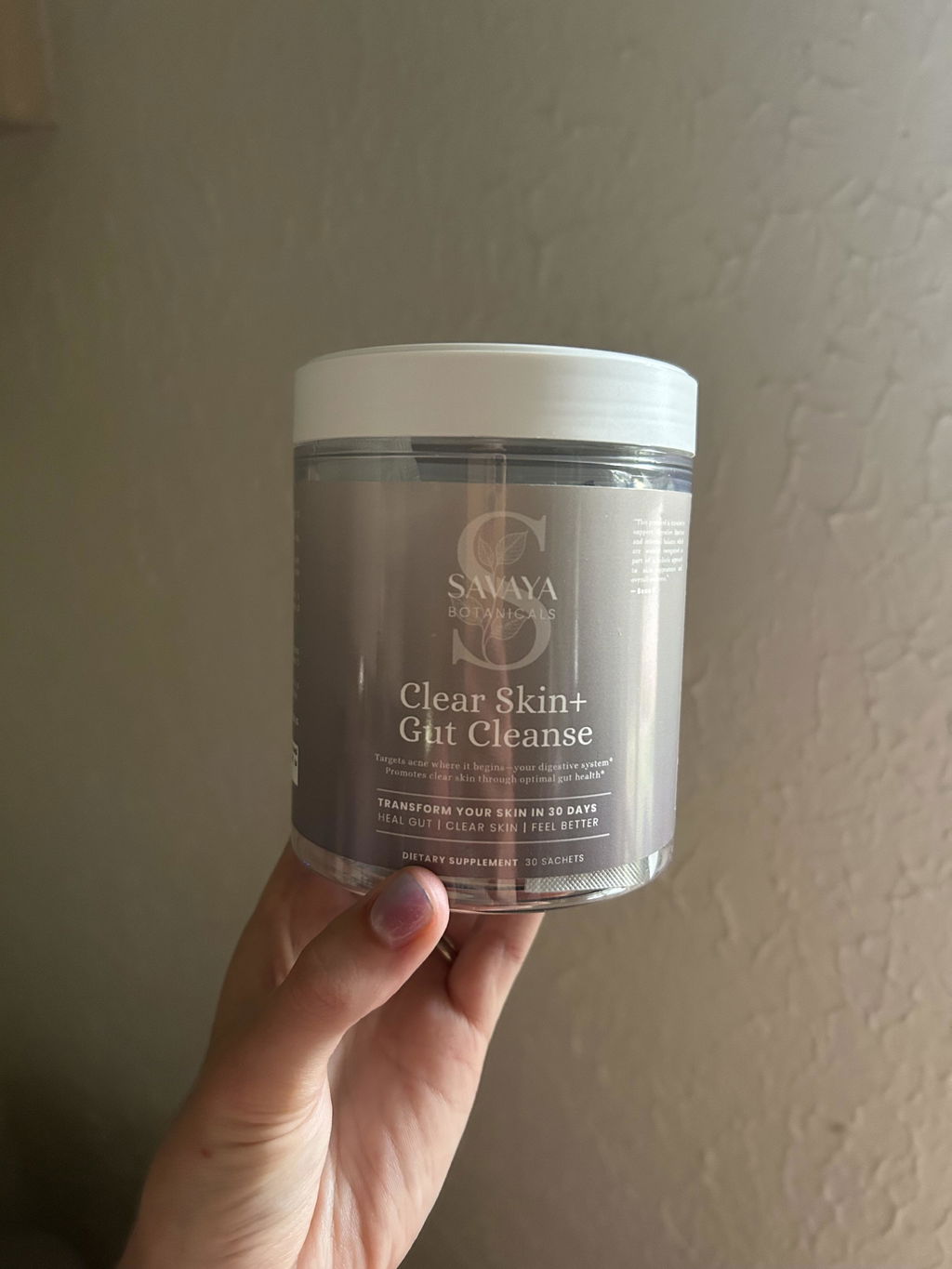
In my practice, the women who clear fastest pair an evening rhythm with a targeted gut cleanse to clear what should not be there, and daily mineral-rich sea moss for the trace minerals tight junctions, melatonin synthesis, and stage-three sleep all draw from. If you want something simple to add alongside that daily rhythm, Clear Skin+ Max Detox is the acai blend I point people to.
• • •
Sleep is the foundation. Gut is the engine. Skin is the receipt.
Frequently Asked Questions
How long does it take for better sleep to improve skin?
The barrier work measured in the Oyetakin-White paper showed differences as early as 72 hours after a single insult. For real, visible change in tone, breakouts, and barrier resilience, most clients I work with see clear shifts at the 6 to 8 week mark of consistent earlier bedtimes. Skin cell turnover takes about 28 days, and the gut-to-skin pipeline needs a few of those cycles to fully reset.
Can I take melatonin supplements instead of fixing my sleep?
No, and here is why. Most supplemental melatonin acts mainly on the pineal and central nervous system pathway. The gut melatonin that does mucosal repair is produced locally by your enterochromaffin cells and is triggered by feeding, not by what you swallow at 10pm. A supplement may help you fall asleep, but it does not replace the in-gut repair process that needs an actual sleep window to happen.
Is the leaky gut connection real or marketing?
The mechanism is real. Increased intestinal permeability is well documented in the medical literature. Vanuytsel 2014 in the journal Gut showed CRH and stress raising it in healthy humans, and the mast cell pathway is established. The phrase "leaky gut" is not a clinical diagnosis, but the underlying physiology of compromised tight junctions and translocating bacterial fragments is established science.
What time should I stop eating to support gut repair?
Three hours before bed is the practical sweet spot for most of the women I work with. The exact window matters less than the consistency. Eating at 6pm one day and 10pm the next is more disruptive to the microbiome rhythm than always eating at 8.
Does side sleeping really help skin?
The Lee 2015 paper in the Journal of Neuroscience suggested side sleeping was the most efficient posture for glymphatic transport in rodents. Human evidence is still indirect. Most women I work with find their best deep sleep happens on their side anyway. Use a clean pillowcase and rotate sides if creasing is a concern.